































Field notes are qualitative research observations divided into two essential sections: descriptive notes capturing exactly what you see, hear, and observe (such as physical settings, people's actions, interactions, and communication styles), and reflective notes documenting your personal observations, assumptions, and questions; effective field notes should be precise, detailed, and thorough to guide future research and help recall the research context accurately.
How to Take Field Notes in Qualitative Research: Writing Great Observations
Added:Fundamentals of Qualitative Research: Understanding the core philosophical assumptions and differences between qualitative and quantitative research paradigms.
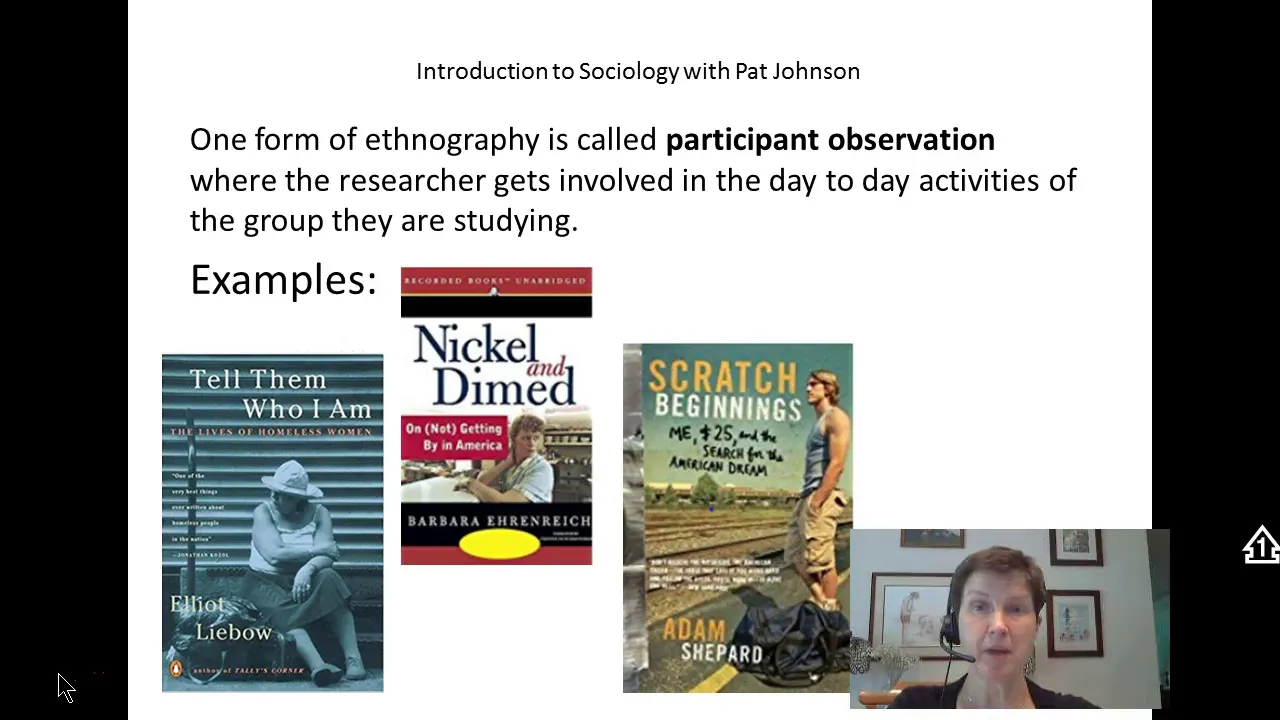
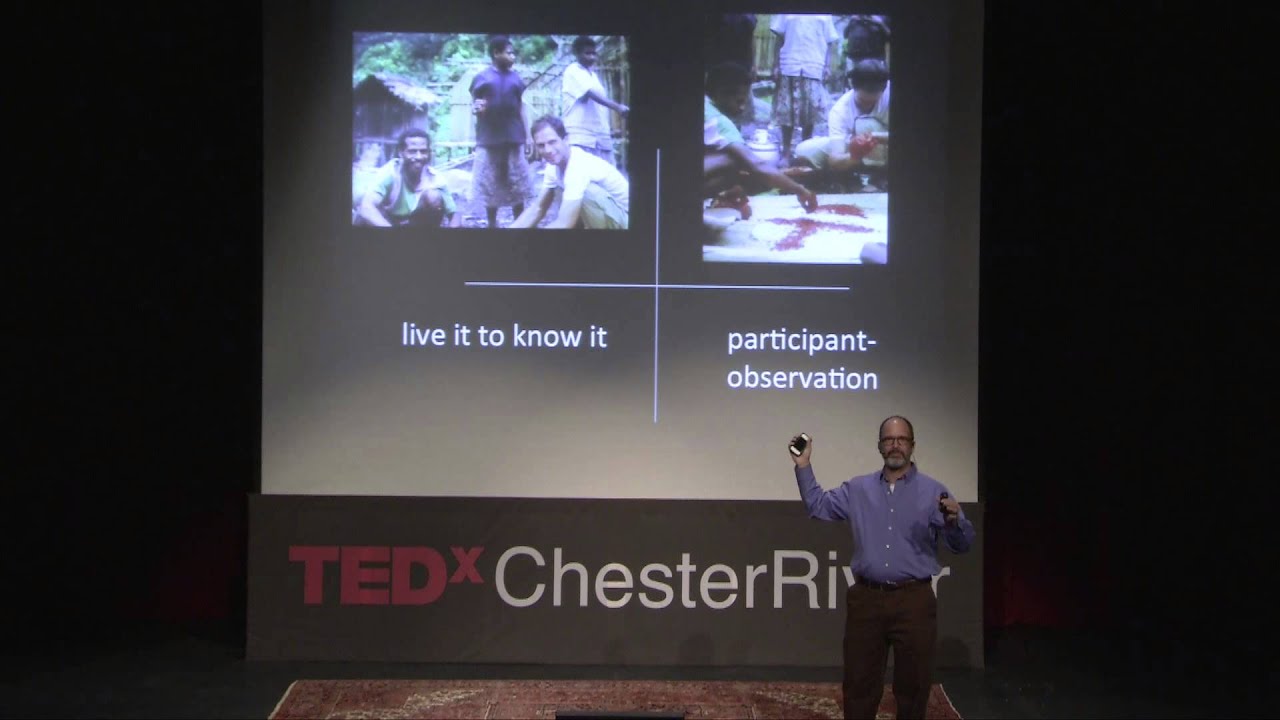
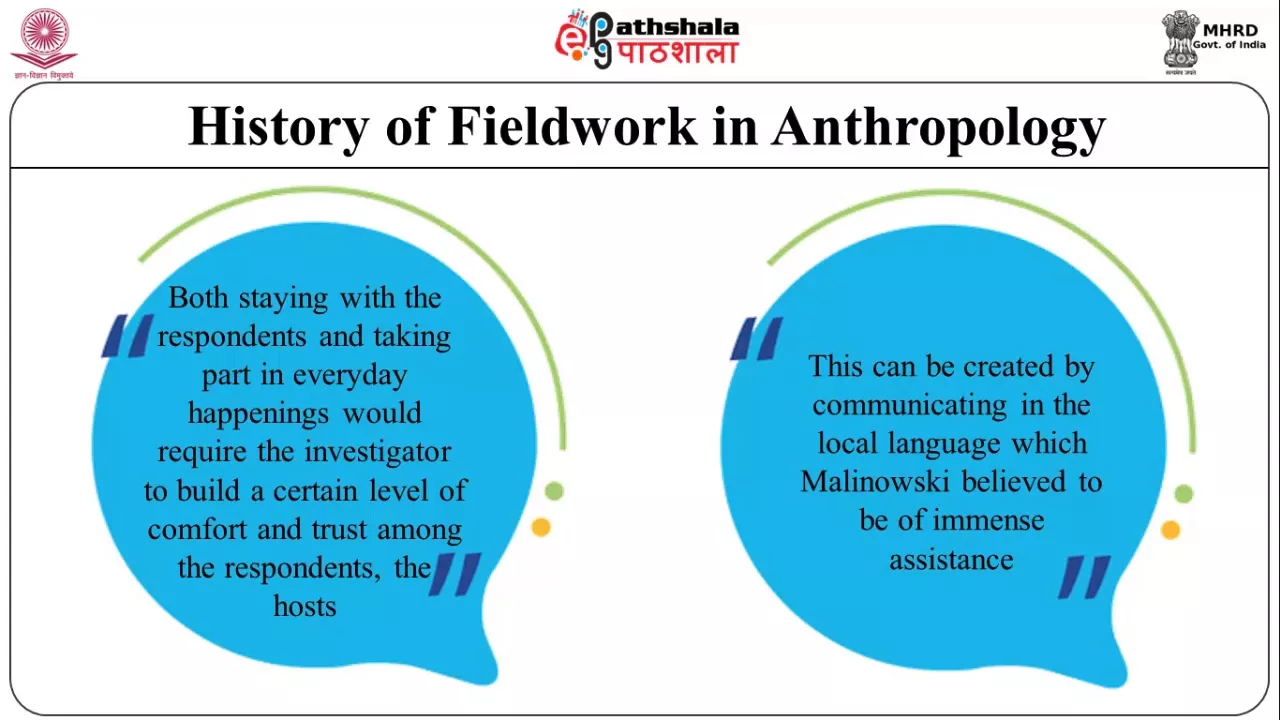
Introduction to Ethnography and Participant Observation: Grasping the methodologies that require researchers to immerse themselves in a social setting to collect data.
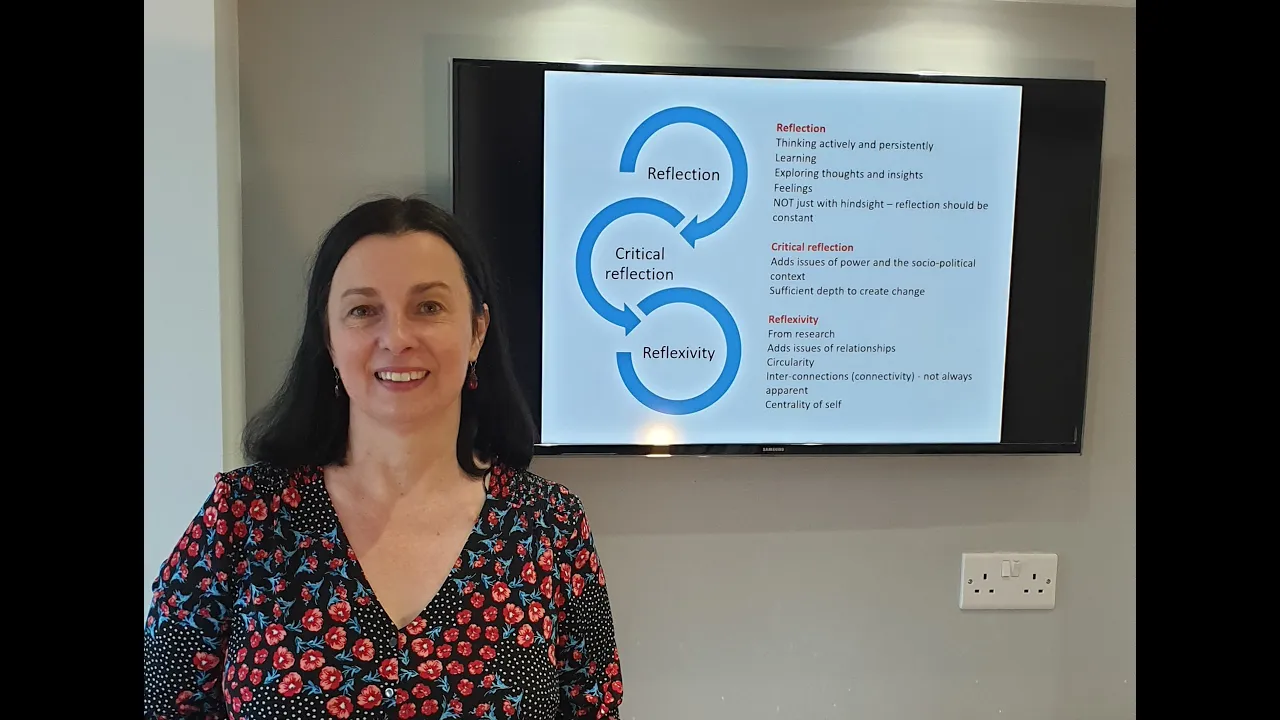
The Concept of Reflexivity: Recognizing how a researcher's own background, biases, and presence can influence observations and the collection of data.
Ethical Considerations in Fieldwork: Understanding the principles of informed consent, privacy, and minimizing harm when observing human subjects in their natural environments.
Qualitative Data Coding and Thematic Analysis: Learning how to systematically categorize, code, and interpret the raw text generated from field notes.
Writing and Synthesizing Qualitative Findings: Transforming raw field observations and reflections into rich, descriptive academic narratives or ethnographies.
Data Triangulation: Methods for combining field notes with other data sources, such as interviews, documents, or surveys, to enhance the validity of the research.
Using CAQDAS (Computer-Assisted Qualitative Data Analysis Software): Mastering tools like NVivo, ATLAS.ti, or MAXQDA to organize, code, and analyze digital field notes.
12.2K views104likes3:49Original Release: 2022-07-09
hi guys my name is nadine and welcome to field note taking 101 so on the following videos i'll be trying to teach you guys all about field note taking how to do great observations so to get you guys ready we're going to start off by talking about how you can prepare yourself when you're ready to go to into the field so to do that we need to know about the basics of the basics so what are field nodes as you might have guessed field notes are notes that you take while you're out in the field doing your field field studies or interviews or any type of qualitative research uh the cool thing about this is that there's no specific way you need to write down your notes or your observations but it is uh recommended that you do have two sections that are very very important which are descriptive and reflective information or notes so descriptive notes are basically your observations so you're going to write exactly what you're seeing what you're hearing um what type of behaviors you're seeing people have or the type of actions they're doing whether whether at your location reflective notes have to do more with um with you as an observer so it has to do more with whatever assumptions questions um uh what's it called any any thoughts you might have about whatever you're seeing next we're going to talk about the characteristics of field notes so it's super super super important that your notes are precise detailed and thorough these notes are what will guide you with your research will help you out if you decide to write a research article and it will help you remember exactly what it was like when you were out in that location so it's important that you're precise um you have detailed notes but you have to be careful because you don't honestly want to add unnecessary notes and be thorough the more details you add to your observations the better for you and it will help you out in understanding better what you were seeing especially if you're like studying a type of phenomena or culture or or something like that so the more thorough the better for you next we're going to talk about what you should be writing when you're when you're out there right so uh first i recommend you write about the physical settings so talk about where the location is if it's indoors if it's outdoors if they're the weather that day for some reason impacted your research so yeah talk about the setting it's very important talk about the actions uh the activities that might be going on at that place or that people might be doing uh let's say you're doing your research at a park then you can write about how you see kids playing soccer or parents communicating one another that also has to do with people and people's interactions so how are people interacting with one another are there strangers who are formally saying hi to one another just because they're passing by or do you see like a group of friends hanging out and like giving each other high fives and hugs and yeah uh also try to talk about the interaction you see within the social environment so how are people acting when they are at that specific location so let's go back to the park example are people walking around leaning on the trees are they laying on the grass things like that how are they involving themselves in the environment how they're interacting with it and lastly talk about the communication styles there are so many ways people communicate nowadays through phones through hand gestures through face gestures uh there's so many ways so any any detail that you might catch with communication write it down
Up Next

32:14
Writing Memos and Field Notes in Qualitative Research
@GrahamRGibbs
26.3K views•2012-04-05

9:26
Georg Simmel's Metropolis & Mental Life Explained | Urban Sociology Lecture
@jaredbok3816
833 views•2023-07-01

19:23
How to Analyze Conversations Scientifically | Elizabeth Stokoe | TEDx
@TEDx
1M views•2014-12-04

9:41
What is Sociology? The Sociological Perspective Explained
@crashcourse
4.6M views•2017-03-13
Related Study Plans & Knowledge Roadmaps
Structured learning paths in Sociology
sociology
Disaster Sociology: Risk, Power & Recovery
01Foundations of Disaster Sociology
02Structural Vulnerability & Social Inequality
03Ulrich Beck and the 'Risk Society'
+ 2 more learning modules
15h5 modules
Explore Roadmap
sociology
Celebrity Culture: From Hollywood to TikTok
01Foundations of Celebrity Sociology
02The Rise of Micro-Celebrity & Digital Platforms
03Parasocial Relationships & Algorithmic Intimacy
+ 2 more learning modules
12h5 modules
Explore Roadmap
sociology
Hostile Architecture: Space, Power & Control
01Introduction to the Sociology of Space
02Social Control and Surveillance in the City
03Hostile Architecture and Defensive Design
+ 2 more learning modules
12h5 modules
Explore Roadmap
sociology
Loneliness Epidemic: Third Places & Isolation
01Foundations of Social Capital and Community Cohesion
02The Death of Third Places and Urban Space Erosion
03The Privatization of Leisure and Atomization
+ 2 more learning modules
12h5 modules
Explore Roadmap