








![[Webinar Recording] Introduction to Coding Qualitative Data with Delve](https://i.ytimg.com/vi/FMh_2Q2t6kA/maxresdefault.jpg)

![Intro to Grounded Theory Analysis with Delve [Webinar Recording]](https://i.ytimg.com/vi/0wcv4amjkf0/maxresdefault.jpg)












In qualitative research, memos are analytical documents that researchers write to capture their thoughts, interpretations, and insights about the data as they emerge during the research process; these memos serve as a crucial tool for organizing ideas, developing codes, identifying patterns, and building theoretical frameworks, and should be dated and clearly distinguished from the original data to maintain analytical rigor.
Writing Memos and Field Notes in Qualitative Research
Added:Basic understanding of qualitative research paradigms, methodologies, and how they differ from quantitative approaches.
Familiarity with primary qualitative data collection methods, particularly participant observation and semi-structured interviews.
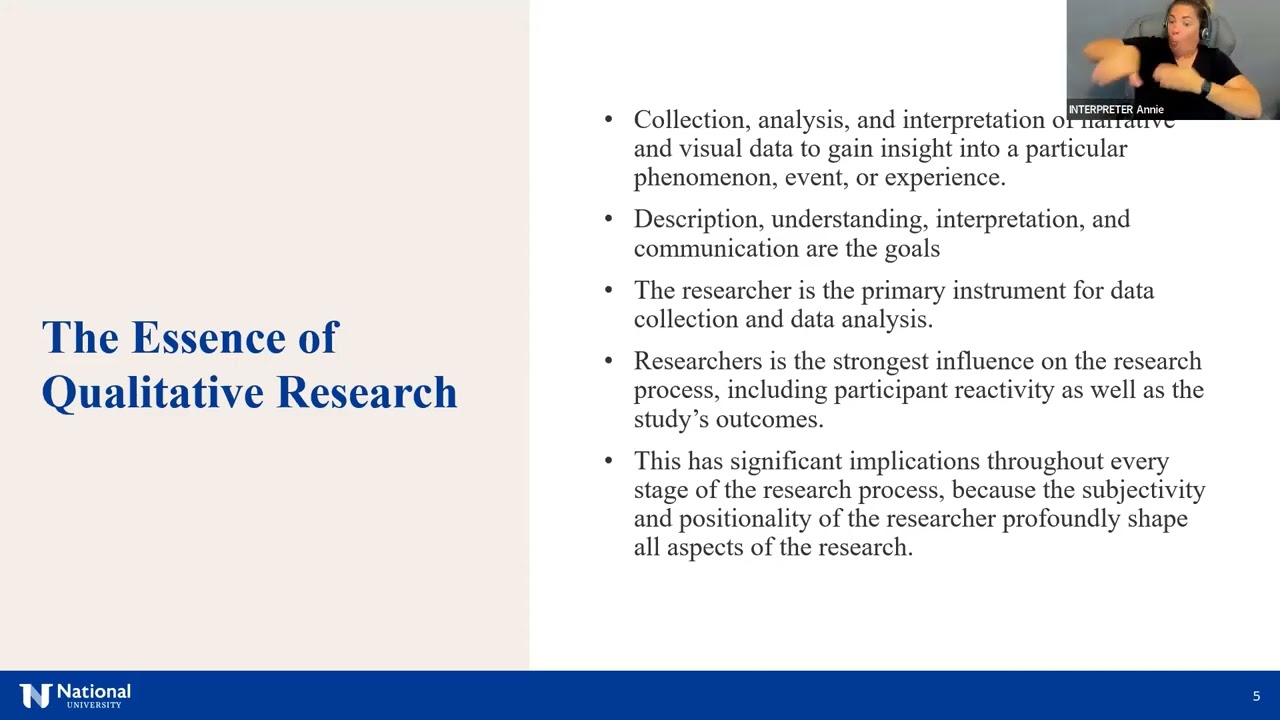
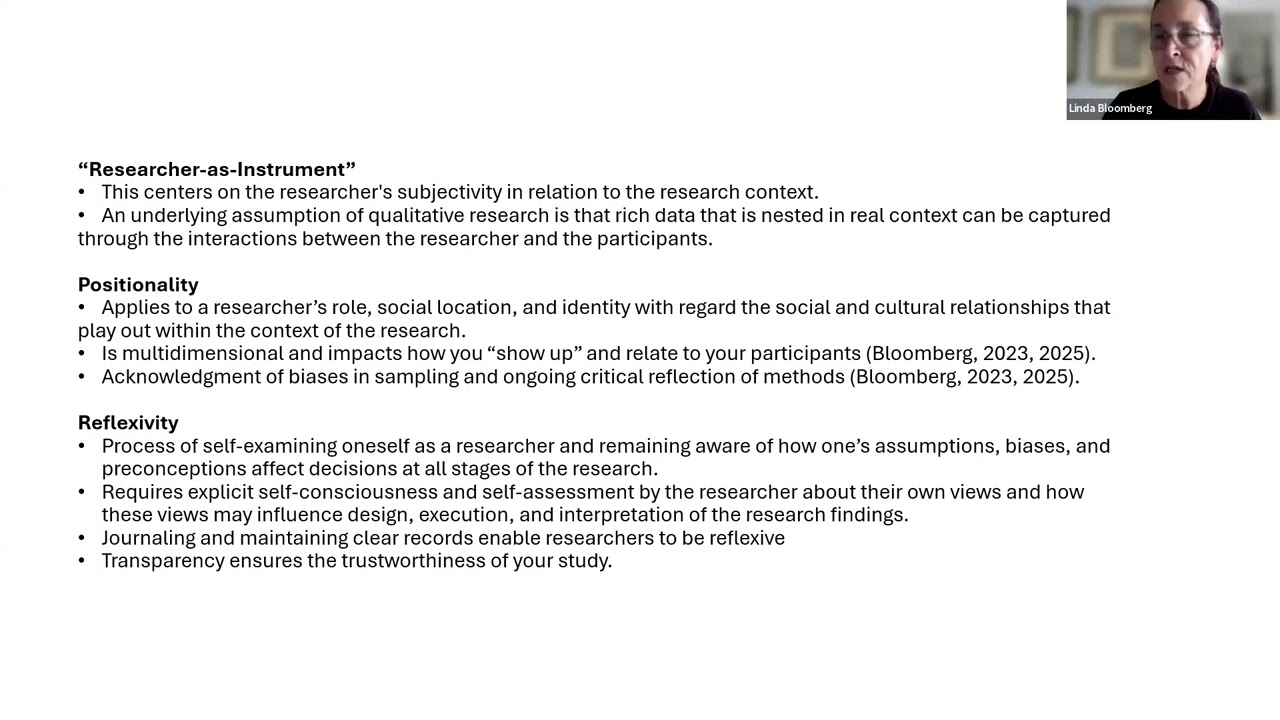
An introduction to the concept of reflexivity and the researcher's role as an instrument in qualitative inquiry.
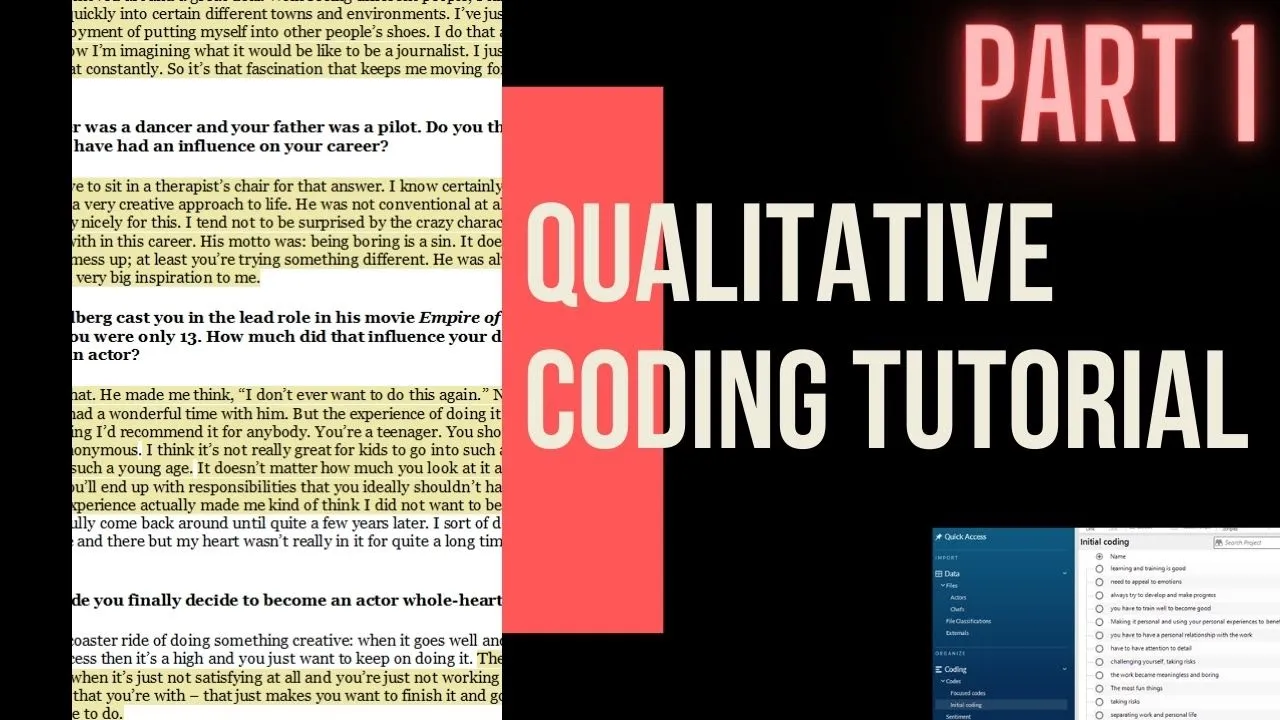
A foundational grasp of what qualitative coding is and how raw data is transformed into initial codes.
Application of qualitative memos within specific analytical frameworks, such as Grounded Theory or Thematic Analysis.
Techniques for utilizing Qualitative Data Analysis Software (QDAS) like NVivo or ATLAS.ti to systematically manage and link memos and field notes.
How to use field notes and memos to establish trustworthiness, rigor, and an audit trail in qualitative research.
Strategies for synthesizing memos and case summaries into the final narrative writing and findings section of a research report.
26.3K views216likes32:14Original Release: 2012-04-05
okay so this half of the session I'm talking about um data and metadata metadata it teally means data about data so these are not the original documents not the transcripts that you you you've created from the recordings but rather writing about those transcripts um and the first those kind of things to talk about is is the field note actually the field notes are not strictly speaking about the transcripts the field notes are about the the session that you at um fi notes are what you keep when you're in the field so you write them down and traditionally field notes of what anthropologists and ethnographers kept when they were in the field in other words in the setting or the situation they were researching they kept filled notes and notes themselves what was going on and so on what they've heard Etc um so this is a note of what's happened during the observation theography the interview whatever now I've already recommended to you that actually during interviews it's good to keep notes you obviously can't do as full of notes because you have to concentrate on what the person's saying of course um so you can't actually write that much although you will find that actually interviewees are quite happy to give you a moment to write things down they'll stop talking to let you write things down they're quite happy with that kiss I'm trying to think as well so if you don't mind the old Gap in the tape that's not a problem jot things down it can be an important way either reminding yourself about key ideas you've had as youve heard them talk oh yeah that so so I ought to check out so so maybe it's linked to so and so drop the idea down when it's in your head straight away or it can be conceptual issues about what's happening at the time look very embarrassed when she answered this or there was a pause and then she went red you know maybe there's something going on here write yourself a note that something might you know some further interpretation might be necessary in terms of what what's actually said in interview now of course if you're doing ethnography the field notes are even more important because then the field notes are a record of the things you've observed you're sitting there observing things or you're working with somebody else and and and doing things and um come across a favorite example of this I ReRe it recently and I I turned out I misremembered I can remember it's strange how you get the original version you tell the story several years running and you reread it that wasn't what I thought at all it's quite different having done that I can't remember the new the real version I can only remember my original wrong version but basically it's aerographer who I think was working well I thought he was working in the factory but I don't think he was I think he was working in an office um but he didn't want to take field notes in front of to everybody else he was actually doing ethnography so he's working in this place alongside other people as a standard worker but studying what they were doing partly covertly so most people there didn't know he was researching he didn't want to give the game away by taking notes in front of then so what could he do he couldn't remember everything that went on the whole day and then write it up when he went home in the evening have somewhere getting away from somewhere of escaping from them so he used to go to the toilet and in the toilet out would come in fact the way I I thought he had a notepad he put out his pocket it turns out that he used the L paper to r on and in those days it was what's called I the eyes saw paper it's it's not the soft stuff that you get these days it was quite hard paper he said you know he always goes back to his fil bits of eyes toilet paper with no Tri on in apparently the game was up when his colleagues at work started asking if he had something wrong because he was spending so long in the L you had got had he got a gut problem or something um so that the whis was blown and eventually came out eventually admitted what he was doing and it was okay to do that um another famous example this by the way is um it's I remember the name of the S it's called being is it Rosen and Rosen I think on being same in insan places anybody you heard of that it's one of those trendy things I remember reading it back in the 70s when I started doing social science it's I think to reading those days it was basically a group of researchers who got together to find out about the process that went on inside Mental Hospitals once you were diagnosed as having mental illness what they did was they pretended to have a single symptom of mental illness went to the doctor and complained about it didn't tell the doctor what they were doing but went to complained about single single episode and then they got referred to the mental hospital so they went to the mental hospital and of course they then observe what happened and out of this came the whole idea that you become medicalized in the hospital you become almost you know even if you're Saint to begin with you become insane because of what hospital does to you it was quite a c CRA when when the results came out but one thing that happened in in the hospital was that they to begin with again they were going off somewhere private you know in the in the bedroom late at night or you know in the corner in the garden trying to write their notes their field notes what they were observing in record but in the end they found it cared none of the nurses took any note none not nurses not took any notes of what they were doing at all and there in the end they did it in the day room just sitting there writing notes of what they were doing nobody cared at all nobody seem to take any not even the other um mental hospital patients didn't seem to notice except afterwards when they finished the project oh by the way they had to get an affidavit to start with to say that they were in fact same just in case things went wrong they couldn't get out so they had a lawyer statement saying they were same this was all an exercise they all got out out published the research and actually it then turned out look back at some of the notes that the doctors of ukin not doctors and nurses have been keeping about them and one of them found in his notes was the phrase incess um or works that writing behavior and obviously this one researcher sitting in the in the day room writing his notes so that that was translated into this this you know compulsive writing Behavior kind of an episode so there you are so field notes can be taken in all kinds of places over all times um so but you can take during as well the idea is to keep a record of what happened during that time as much as you can of course it's very hard to do that in a in a a detailed fashion um things go past F and you can write them that's for sure and if you're going to have to take breaks every now and again you got to remember significant things and try and remember what people say things we about field notes is are there for your notice only so you can they can be open-ended loose unruly messy doesn't matter get them down that's the important point doesn't matter only you are going to read them you can be rude in them you can say what you like you can you can write comments that nobody else can read because that's fine because only you will read them you can rude about your your uh um uh responders and so on but on the other hand remember that film notes are your interpretations of the world they're not what people say to you they're your interpretations of what's happened um so they are in that sense um you know S one distinction you can make in fil note is between inscriptions and transcriptions these terms tend to get used in in ethnography inscriptions are descriptions of events and activities what happened what you experienced what you did those kind of things transcriptions are records of INF for's own words and dialogues of course this is very hard to do because you're actually doing it after the event you're trying to remember what they said but even so you still can't remember phrases they use and it's useful to have that put that in quote marks cuz that's a transcription of what they said as opposed to your interpretation of events and activities that going on now if you're doing an interview obviously you don't need to worry about the transcription because the recording is is getting that so all you'll be doing is inscriptions describing what's happening if it's relevant it's a description of what people said and did and it's not simply recording the facts I point I just said that it is your interpretation of things okay you're trying to describe but you can't describe in that kind of objective fashion it is your version of what is happening um Emerson says this or Emon book descriptive writing embodies reflects particular purposes and commitments it also involves active processing of interpretation and sense making so even though you might think of it as purely a description of what happened you are interpreting you are changing things as you as you like down not eventually if if you're doing just a field study just an ethnography you'll have perhaps fi notes and one or two interviews as well with it but the whole thing forms a huge corporate so your field notes can be quite large if you're doing that kind of study um ethnographic studies particularly if you're doing an interview based study only your field notes will be much much shorter there be a few notes about probably so it depends on the kind of research you're doing but the classic anthropology is is for a you know a large amount of fi notes that are going on you should write soon you can hence the guy going to the L to do it um and you need to distinguish um these things um recording what happened describing things that went on your transcriptions what you said and recording your own actions your own questions um and one way of doing that is is um oh I'm not shown it yet oh I'll come back to that later on um I've um I've got another kind of way of distinguishing different kinds of notes you're taking on things um but I think it's important to distinguish between what you're trying to record of what happened and anything you think about at the time your ideas and I mean I normally do things for example I take notes down one side and ideas come in boxes I draw boxes around them on on the page so that's my idea I know that's my idea it's not my notes it's not a description about anything it's my idea about something so it's an interpretive idea or thematic idea or so I can quickly tell which is which and keep a record of that okay um that's that's fi notes what other kind of documents can you produce about the data well the case summary is one and this is sometimes recommended as a first step in dealing with the transcripts so once you got the transcript done what's the next stage to analyzing it a case summary is often a good thing to do now it it fits in quite well because if you transcribing yourself youve read through the interview several times so it's that's the time to kind of summarize it in some way to kind of write a story about what the case is telling you and that's what the the the case does it produces a summary or a pry of the case I say the case rather than the interview but it can be just interview but it makes more sense to call it the case if you've got several interviews with the same person they're all the same case so do them all together but you might want to if for example if you're doing a study that's separated perhaps you got an early interview then an interview a year later then one a year after that then it might make sense to have three different um case summaries for each of those interviews a year later you've got to try to identify what is essential to the case what marked that case out as interesting distinctive and so on um what why did you do it and you can go back to your interview schedule and find the kind of question you were asking what what you were interested in finding out about to get some ideas there to interpret what the answers are about at the same time identify what's special or peculiar about this case now by now you probably would have done several interviews so you've got some idea about how the other interviews working out you be can begin to get some ideas about what makes this case common and what makes it different to the other ones youve looked at so be identify those things in in your summary and you can also use it in the way get familiar with issues themes and ideas as you're reading it through and writing a summary you begin to get in mind certain things that are coming up maybe common themes are coming out maybe common explanations common activities common experiences coming out things that are worth noting jop those down and begin to get ideas for your analysis to come out of that one thing you can do as a way of doing summary is to summarize the summary and and carry on doing that um it's Rec called a recursive abstraction where you do a summary and then you summarize the summary and summarize the summary again maybe two or three times gra getting shorter and more compa and trying to get down some kind of essence what are the key things coming out here that that almost is like a forcing exercise it's forcing you to think carefully about what's in the case or the case says do several and what's in there and that almost kind of focus you in on certain themes and ideas so you can see how these are forcing you the analysis of of the data you're getting there are problems we doing that you know maybe the poor summaries produce poor abstracts at the end so you need to to to be careful how you do it and maybe even document the stat and it's a nice idea you might try out none of these things are compulsory you don't have to produce a case summary you don't have to do a recursive abstraction and so on none of this is compulsory in fact none of the analysis is compulsory except some of it you have to do some analysis but no method is compuls in this area but less this is something that people do find useful and a good way of of starting the the analytic process to do a case summary of each case can be quite short can be just page of A4 for example of something that might be a you know 20 20 30 sides of of A4 so be quite a short document another common document produced here is the MEO and this is an idea that comes from grounded Theory it's a kind of theorizing and commenting about codes as you go or at least that's what grounded theorists say I think it's used more generally than that um here's the classic definition this is from Blazer and stra are the two people I mentioned last week BL St started ground with Theory I'll be coming back to their work in in a few weeks time to look at some more detailed examples of what they recommend but the one of the Key activities they write about is writing memos memo those are short documents that you write about the analytic process and in particular Glazer says it's this a memo is a theorizing write up of ideas about codes and the relationships as they strike the analyst while coding it can be a sentence a paragraph or a few pages the memo itself can be sentence a paragraph or a few pages it exhausts the analyst momentary ideation Based on data with perhaps a little conceptual elaboration so what you get from this is about coding in fact they say in other places that memos are about codes at least about coding the process it's also um it's it can be various link of course but it's it's done at the time the analyst momentary ideation what a way to put things but anyway I think you know what he means do it as the idea comes to your head and right it now and it's based on the data again this is what grounded theorist suggests that everything is based on that's why it's called grounded Theory it's grounded in in the data um so it's it's grounded in the data and that's what you're doing you're kind of drawing out from the data these ideas and a little conceptu L relation don't go too far with this he says but um he's saying I think you can go much further than this but anyway um that's that's Glazer's definition I think memo can be used much more broader I don't see why you can't write memos about anything codes of course that's what gr Theory suggests um a memo could be about document could be about a case an example a situation a setting uh an event and so on a whole lot of things it could be about I think if it's relevant to your analysis it's worth writing memo about and here are some of the things you can do with memos you can have a new idea for code and just reading something ah maybe I should have come on S write it down quick before you forget it and come back later and do the coding Place holding a quick hunch oh maybe there's a relationship between X and Y I'm not quite sure about that just check that write it down before you forget it write a mem on it I think there's a relationship between these two things could be an integrative discussion um you made some previous reflective remarks and you're going to integrate to the I you know in another memo I talked about this one now got this maybe there's something that links that to that and these cases like this and these are like that and maybe there's something in this write off almost like a note to yourself about what you're thinking about you can use it amongst if you're doing a team project you can use it amongst researchers in the team to exchange ideas with each other WR other memos about the data you can question the quality of the data I'm not sure he's being honest here the respondents maybe you know you doubt the honesty of the replies you can question the antic Frameworks obvious is a coding type issue you know do I need this code can I can I combine with another code kind do away all together something puzzling or surprising oh this is interesting this case is quite different than the others I need to think about that why is this person doing these things completely differently from everybody else what's happening what what explains the the difference is here um we CH hypotheses to another memo so read previous memo maybe it's not that maybe it's this instead another idea another explanation so you can see I W go everything but you can see how these are kind of notes to self about the analytic thinking um as you go through it I've got some examples here taken from a couple of places the um the ones at the top I think all come from miles and H remember I said last week it's one of those large format um books which is almost like a Bible of analysis um lots of detail about different ways of doing um coding and another kind of analysis and they they they have a chapter or section on memo writing and here are some examples I've stolen from them different kinds of memos a lot of the stuff they did M draw their own research practice and a lot of the stuff they did was based on education and educational policy issues um so you see quite a reference a lot of references to towns and schools and so on um um but if you haven't looked through those you can see different kinds of things are being talked about different lengths too some of them quite lengthy things and organized in sections some of them just very brief look at e um I think the idea is for this this it's very true that there is a c change there after in several sectors of the subsystem the code so and so these are two codes they're using AP crit and TR crit I have no idea what they mean but I hope they do um so two of the codes they used help flag this you can stay with a dionic approach even while doing some crosssectional comparisons so that's kind of note to self about the thinking at the St so just not about whereas you can see the first one C is a much more thoughtful kind of you can almost see the appearing in the final right AR you know can almost lift that out bit of little bit to straighten the final right arm that kind of discussion of things um maybe change something obviously would leave the questions in but um but you can see how that kind of discussion might lead to a first draft of of some issue in the final writer so you can see memos can be a whole range of things from notes to S right way through to quite analytic kind of discussions of the data perhaps at a later stage in the analysis you jot down these ideas that they OCC to at the bottom is an example from Ian day's book d y Ian day um he's looking at it's actually a comedy sketch show um I think it's Victoria Wood actually um Connie and be talking about deodorants and he writes memos qu quite detailed for the amount of text but here's the memo attached to the text rather than attached to code so they takes a different view about Memo from the Grandy theorist although he is actually a grand theorist most of the time um so he's using it kind of almost like reflectively thinking about what they're saying this is a joke episode you Connie says like deodorant they work on a certain amount of time and then Bang people are backing away with handbags over their noses and BT says in reply you're not ping too badly in the moment Connie so there a kind of a comedy exchange between them and then he writes his memo about what's going on here um what what it means to him what what what kind of ideas of coding are prompted to his his mind by by reading that that sketch particular P point is number two the element of in congruity um the handbag over their noses kind of thing that's a s that's kind of comic episode isn't it a typical comic point that that is used okay so you got some ideas now about the kind of things you can write in memos and what memos are for um one or two more points about memos you should date memos and so you know when you wrote them that's quite important actually you know when you wrote them um because if you're working over a long project like a PhD the last three years you want to know whether it was an idea you had in year one or an idea you had in year three it makes a big difference knowing that so dat um possibly you can put other information on as well if they're link to um place in the field notes or case or a code or whatever put a link in so you don't lose it of course if you're using a computer in Vivo to do all this work you can put those links into to the database do that if you're not using software then write it on in you know on either on the the um the word document you're using or on the paper um you can put notes in the margin or separate link to the data so you could actually in the transcript in the margin you could say memo 25 and then that links that that that that that transcript to the memo you written about it so you can see a link there but of course if you use computers then that they do all the work the hand outs I just give okay this is what I referred to earlier on when I was talking about field notes you can do the same in numos here's a way of keeping set separate the different kinds of things you might note in memos or in field notes for that matter and it's use of these these o n MN TN and PN um terms of course you just use o m t and n p if you want to but some kind of way of identifying that this little bit of text this paragraph whatever is an MN and the differences are these so these are things you can write about first of all observation notes this is what you saw this is what go back to the the the fill um notes this is a record of what you saw what you observed what people did what they what they were doing what they said about it and how they responded and so on what you thought about it how you felt about S as well so an observational note or it could be a methological note this is notes to you about this is where we get to the mess mess level it's not actually the things that happen it's you you thinking about the things that happened so it's notes about how to collect the data who to talk to what to wear where to phone and so on all the issues that you might want to use in various ways now of course if you're doing an interview sty then this might be important things that occur to you thought about before you started what to wear and so on but of course typically in interview studies as you go through you analyze as you do the interviews begin to think of new interviews to have particular the ground theor approach commends that as an approach to use to something um so you you don't to keep a record with these ideas that they crop up then there's the actual an analytic ideas the theoretical notes you could call them analytic notes I suppose these are the hunches hypotheses connections things I've been talking about in memos this is what we mainly do in memos and then finally personal notes these are a bit like theorical notes or methodical those but they're actually your personal feelings now it might seem like I know I'm not writing a personal diary here I'm doing serious research you know these are things you WR in a personal diary you know got up you know had a great breakfast was fing fine today saw a something made me happy Etc that's a diary but actually those kinds of reactions to things can be quite revealing later on you might think it's silly the time but come back in a year or two to your notes of this kind and some of you think my God yeah why why do it getet about that why did that why did that interview make me feel so down I think I know now it was because of so and so I can see that you know and you know your mood your emotions and your mood at the time can actually be quite helpful to understanding what was going on it's not entirely irrelevant so it's worth perhaps if there are things that you feel worth taking notes about put them down and record them those are personal notes as well as your doubts anxieties and so on so that can be in numos or it can be fi notes okay some guidelines from me for memos for writing them taking various places you can see from Ian days Ang Glazer and stra and stra and Corbit and various places I've list them out of um always give priorities writing memos basically if you're doing something if you're reading something if you're taking notes coding transcribing and you get an idea write it down so have a bit of paper or have a word processing file open where you can jop things down why you think of it because believe you me in my case 2 seconds later maybe maybe 2 minutes later in your case but in my case 2 seconds later it's gone I forgotten it something else has happened um so it helps them dot it down as the idea occurs as the inside occurs I've said that twice in okay begin writing them when the first St data comes in so don't feel you have to write till your got sorry have to wait until youve got transcriptions you can start straight away when you've um you know got some data to work on um keep them separate from the data they are not the data they're your comments about the data so they're not original data so you have a separate file for them or if you're actually jotting on you know right handwriting on the the transcripts do something indicat a different you could different kind of pen or like I do put a square around them to indicate they're in or something of that kind so you can see they're different indicate what's just a hunch um something about the tenseness of the idea if it's a tensive idea say so I'm not quite sure about this might be something on the other hand if it's something more thoughtful then it may be worth spending a bit more time writing it well write a longer memo something you really kind bring together ideas put it all down num can be modified as you want they're not the data you do what you want with them throw them away stupid throw them away I I just keep them all but um but yeah put them aside and note them as oh rejected or something like that you can do that you can change them no this is wrong this actually shouldn't be S rewrite them that's fine do what you like them um keep list of codes handy to help because it might be about the codes and you know memos can be about things to do with the code one of the things you do with coding is have a lot of Tiding up to do I'll come back to this later on when I talk about coding but one issue that props up quite often is you have too many codes so the tidying up the codes isn't an issue as stal analysis so memos that suggest ideas for that might be useful the last two I'll put question marks on because I don't agree with you this is something that comes from Glazer and Strauss um these ideas keep people and cases out of memos make sure memos are not just examples they're about ideas and Concepts well I don't see why you can't do those two things so my view would be memos can be about people and cases and so on um as well as about concept and ideas and I don't see why you you can't have examples in memos in fact i' I've done that in N Vio you can cut and paste just cut and past from the interview into the memo then you got you know you almost starting your right up you've got you know your commentary about it and then the example you've done it then then and there so why not do that and long as you make clear that this is quotation you know that make sure you use your quote marks and so so you can tell that it's not your speech it's somebody else's speech that's there okay so that's Nemo that's so we've got um field notes we've got the um the document summary sheet and we've got memos the kind of documents you write about data one two others that SM hman suggests depends on the kind of study you're doing it may not be necessary but this one is useful if you are particularly if you're working with a group of people you can share information but if you're doing a long range of interviews you might want to to think carefully about how you're doing interviews who where you're going and so on so these are after you've had the contact after you've done an interview or you've been to a place and done an observation write up some notes about it about almost this is almost like again a case summary of of that um but it's done to kind of push you forward rather than thinking about the analysis it's there to think well actually do I need to think of other cases to look at do I need to extend my range of of sing in some way um or are there things I should have been asking you about that's another important issue that comes up in in in in interviews is you know you forget to ask certain questions well okay write them down so that next time you go and see either the same person or other people you can ask those questions and again try and do this as soon after you've done the the field contact the field notes or the interview itself keep those so these are about the contact itself and about what it means and how you might move it forward to further um sampling so I was just said this sorry this is the it can be used for a guide and next contact to suggest realize code help code M researchers obviously in a m research situation it's useful to have this information you can exchange around so I've just done that today here's my ideas if you're going to go and see somebody else tomorrow then bear this in mind so you can share ideas across researches because you're writing it all down and obviously we inter yourself and others for the next visit typical contacts um of a contact summary sheet are these um the contact type whether the visit phone an interview and so on site where did it happen the date um the day you wrote it who it was who did it who did the interview PS or who did the observation who wrote the notes um main issues are themes that struck hum's contact UM again the this is very much like the case summary um and any other say interesting Illuminating points that come up so things that occur to you about that so reflecting on what you did the day before
Up Next
3:17
Filter Bubbles and Echo Chambers Explained | Algorithms and Bias
@MinuteVideosOfficial
155.3K views•2016-12-28
54:57
Contemporary Sociological Theory: Micro, Macro, Integrative
@NaSESYNC
45.7K views•2016-02-17
19:23
How to Analyze Conversations Scientifically | Elizabeth Stokoe | TEDx
@TEDx
1M views•2014-12-04
9:41
What is Sociology? The Sociological Perspective Explained
@crashcourse
4.6M views•2017-03-13
Related Study Plans & Knowledge Roadmaps
Structured learning paths in Sociology
sociology
Celebrity Culture: From Hollywood to TikTok
01Foundations of Celebrity Sociology
02The Rise of Micro-Celebrity & Digital Platforms
03Parasocial Relationships & Algorithmic Intimacy
+ 2 more learning modules
12h5 modules
Explore Roadmap
sociology
Hostile Architecture: Space, Power & Control
01Introduction to the Sociology of Space
02Social Control and Surveillance in the City
03Hostile Architecture and Defensive Design
+ 2 more learning modules
12h5 modules
Explore Roadmap
sociology
Loneliness Epidemic: Third Places & Isolation
01Foundations of Social Capital and Community Cohesion
02The Death of Third Places and Urban Space Erosion
03The Privatization of Leisure and Atomization
+ 2 more learning modules
12h5 modules
Explore Roadmap
sociology
Sociology of Tourism: Gaze, Power & Heritage
01Foundations of the Sociology of Travel and Leisure
02John Urry and the 'Tourist Gaze'
03Staged Authenticity and Cultural Commodification
+ 2 more learning modules
14h5 modules
Explore Roadmap