






















Filter bubbles occur when algorithms from platforms like Facebook and Google personalize information based on user data such as search history, click behavior, and location, limiting exposure to only topics aligned with individual interests and potentially closing users off from new ideas and diverse perspectives; this phenomenon, also called an echo chamber, can reinforce existing beliefs and may have contributed to polarization, as seen in the 2016 U.S. Presidential Election, though personalized information systems also serve a practical purpose by helping manage the overwhelming volume of online content.
Filter Bubbles and Echo Chambers Explained | Algorithms and Bias
Added:The basic mechanics of social media recommendation algorithms and how they prioritize user engagement over objective truth.
The cognitive concept of confirmation bias and how individuals naturally gravitate toward information that validates their existing beliefs.
The fundamentals of digital tracking and user profiling, specifically how platforms like Google and Meta collect and leverage personal data.
Algorithmic governance and policy frameworks, such as the EU's Digital Services Act, which seek to regulate platform transparency.
The philosophical distinction between 'filter bubbles' (passive exclusion of information) and 'echo chambers' (active distrust of outside sources).
Technological and design-based mitigation strategies, such as developing 'diversity-aware' recommendation engines or using decentralized social networks.
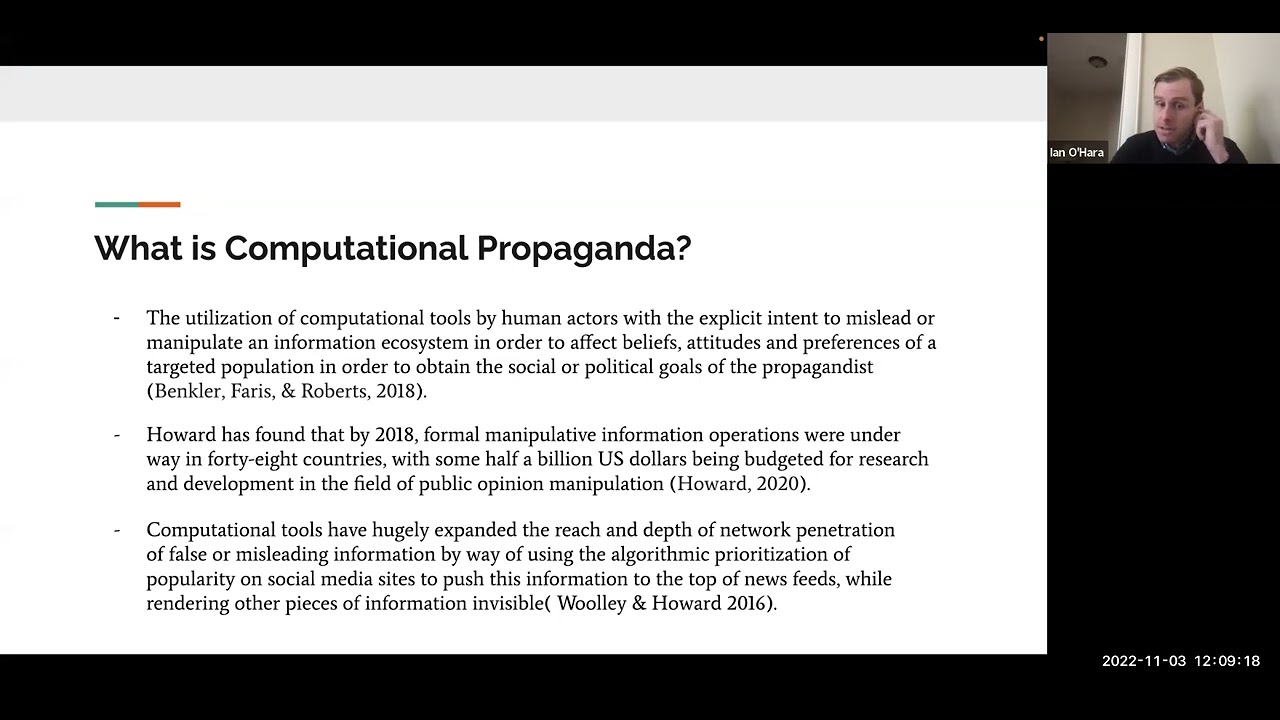
The study of computational propaganda and how bad actors exploit algorithmic vulnerabilities to spread disinformation during democratic elections.
155.3K views1.3Klikes3:17Original Release: 2016-12-28
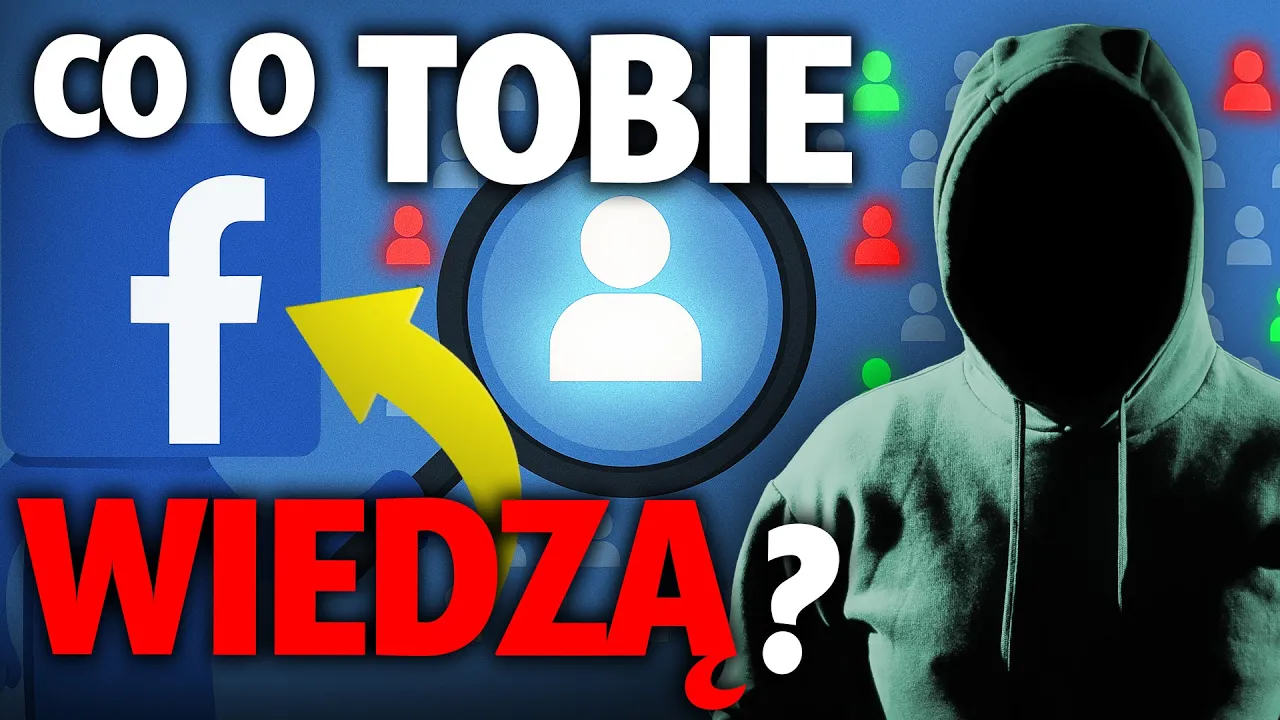
“Filter Bubble” is a theory that the algorithms from companies like Facebook and Google bases the information given to you on data acquired from things like, your search history, your past click behavior, the type of your computer and your location.
Therefore, limiting the topics that reach you to a bubble of only your own formulated interests and personalized search subjects.
The term was coined by Eli Pariser who wrote a book on this subject explaining that these algorithms are “closing us off to new ideas, new subjects and important information ”.
What he means is that you are not given information outside your own political views, religious views or even other data like updates on women's rights and animal rights.
Another way of saying this is “Echo Chamber”.
Echo chamber is when information, ideas, or beliefs are repeatedly pushed in an enclosed system like your mind, your newsfeed, or your social circle, while other views are prohibited.
It’s not so different as it was back in the old days where our great-grandfathers chose only one type of newspaper.
However, as time went on, the curators and editors of old media realized the important effects they had on the world and spent decades to develop their ethical foundation.
Are algorithms created by corporations equipped with the same ethical foundation?
Are you limiting your own views?
Are you learning anything new?
Filter bubbles may have had some responsibility in the 2016 election.
During the Obama administration, the concerns of the American working class in the midwest have been ignored and rejected.
This led to a hardening of their political stance.
Another example is the opposing side, the liberals had believed they held an extraordinary lead until the election ballots were counted.
And then of course as always in an aggressive campaign, many people felt that attacks on their candidate were like attacks on themselves which lead them to retreat into their bubble where only agreeable information can reach them.
It’s not necessarily that personalized information engines are a bad thing.
They do help edit out the massive amount of information provided online to cater to what’s important to us.
After all, we can’t process all the news that’s affecting people in Syria, China, North Korea, Africa, Germany, Kim Kardashian and then finally to news of our own country.
It really comes down to actively being aware of the content you see.
Actively expanding your news source and balancing your knowledge on interested topics.
Being that we are a generation that is given the opportunity to easily get a chance to open our minds to other viewpoints.
It seems like it would be a shame just to close yourself off in a little filtered bubble.
Up Next
12:07
Linguistic Capital Explained: Bourdieu's Theory of Language and Power
@TheSociolinguisticsChannel
2.4K views•2024-11-24

9:26
Georg Simmel's Metropolis & Mental Life Explained | Urban Sociology Lecture
@jaredbok3816
833 views•2023-07-01

19:23
How to Analyze Conversations Scientifically | Elizabeth Stokoe | TEDx
@TEDx
1M views•2014-12-04
9:41
What is Sociology? The Sociological Perspective Explained
@crashcourse
4.6M views•2017-03-13
Related Study Plans & Knowledge Roadmaps
Structured learning paths in Sociology
sociology
Disaster Sociology: Risk, Power & Recovery
01Foundations of Disaster Sociology
02Structural Vulnerability & Social Inequality
03Ulrich Beck and the 'Risk Society'
+ 2 more learning modules
15h5 modules
Explore Roadmap
sociology
Celebrity Culture: From Hollywood to TikTok
01Foundations of Celebrity Sociology
02The Rise of Micro-Celebrity & Digital Platforms
03Parasocial Relationships & Algorithmic Intimacy
+ 2 more learning modules
12h5 modules
Explore Roadmap
sociology
Hostile Architecture: Space, Power & Control
01Introduction to the Sociology of Space
02Social Control and Surveillance in the City
03Hostile Architecture and Defensive Design
+ 2 more learning modules
12h5 modules
Explore Roadmap
sociology
Loneliness Epidemic: Third Places & Isolation
01Foundations of Social Capital and Community Cohesion
02The Death of Third Places and Urban Space Erosion
03The Privatization of Leisure and Atomization
+ 2 more learning modules
12h5 modules
Explore Roadmap