



















![The Psychological Damages of Linguistic Racism [Professor Sender Dovchin, PhD]](https://i.ytimg.com/vi/XPQk8Fghr4s/maxresdefault.jpg)
Linguistic capital, a concept developed by sociologist Pierre Bourdieu, refers to the social value assigned to certain ways of speaking, accents, dialects, and vocabularies, which functions as a form of social currency that influences power dynamics, social mobility, and access to opportunities; this value is not inherent in language itself but is created through societal perception, establishing a linguistic marketplace where some language varieties hold more prestige and therefore more power than others, thereby affecting who is heard, respected, and granted opportunities in education, employment, and beyond.
Linguistic Capital Explained: Bourdieu's Theory of Language and Power
Added:Pierre Bourdieu's foundational sociological framework, specifically his concepts of economic, social, and cultural capital.
Basic sociolinguistic principles, including the distinction between standard languages, dialects, accents, and sociolects.
The fundamentals of social stratification, power dynamics, and how institutions reproduce social class.
The concept of 'hegemony' and how dominant groups establish their values and norms as the societal standard.
Bourdieu's advanced concepts of 'habitus', 'linguistic market', and how linguistic habitus operates within specific social fields.
The theory of 'symbolic violence' and how individuals unconsciously accept and internalize linguistic discrimination.
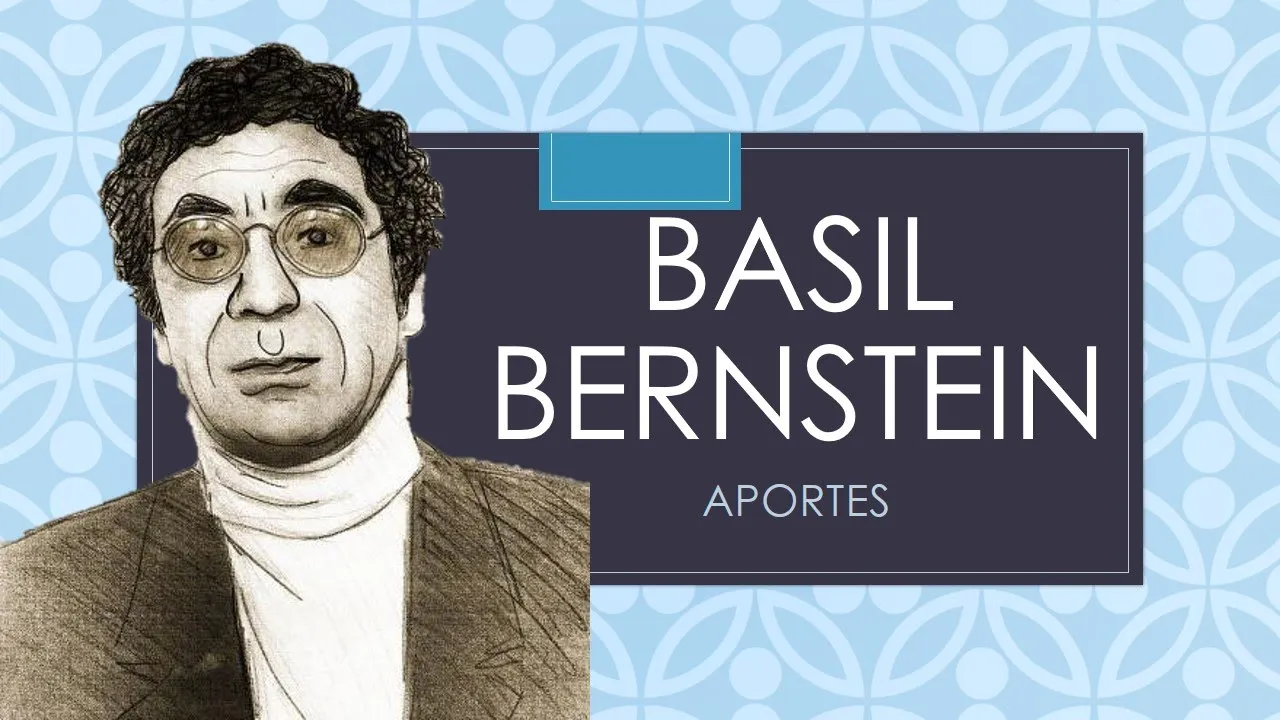
Basil Bernstein's sociolinguistic theories on 'elaborated' and 'restricted' codes and their direct application to educational inequality.
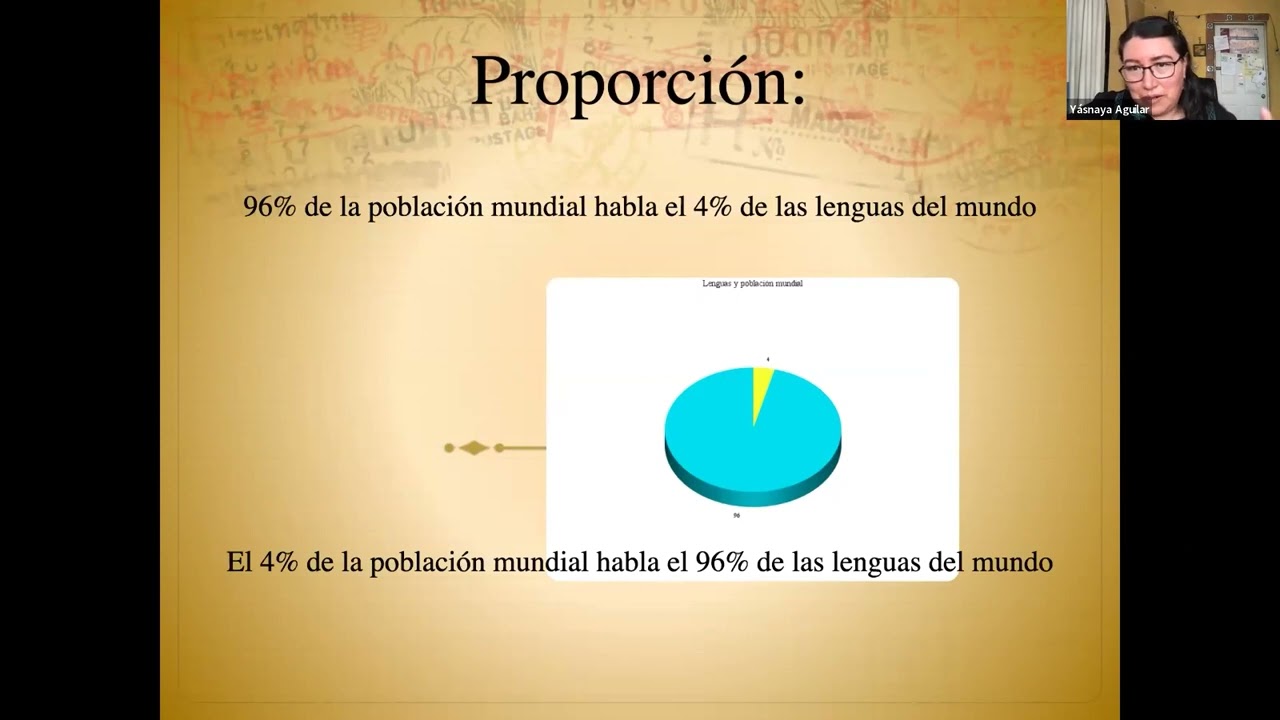
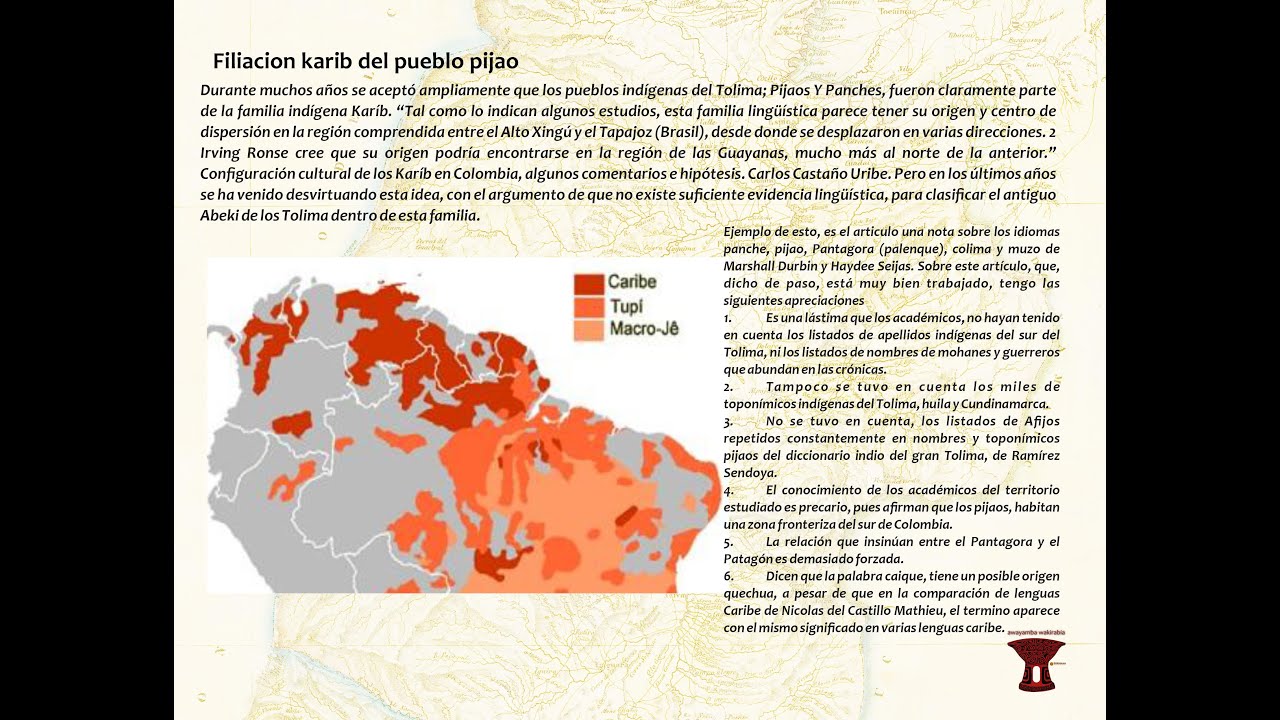
Real-world applications in language policy and planning, such as the suppression of indigenous languages or regional dialects in official state apparatuses.
Intersectionality in linguistics, analyzing how linguistic capital intersects with race, gender, and ethnicity (e.g., code-switching and professional standards in the workplace).
2.4K views74likes12:07Original Release: 2024-11-24
linguistic capital is a complex yet profoundly influential form of social currency that affects not only how we communicate but also how we are perceived valued and even positioned within Society although it may initially seem like an abstract academic concept linguistic Capital operates in everyday life influencing power dynamics social mobility and access to resources today we'll impact the concept of linguistic Capital its foundational theories practical examples and the many ways it shapes the world we live in the idea of linguistic Capital was developed by sociologist Pier bour as part of his broader theory of various forms of capital most people are familiar with economic capital which includes money assets and resources bourier however argued that other less tangible forms of capital are equally crucial in shaping social interactions and structures he introduced the concepts of Social Capital cultural capital and linguistic Capital linguistic Capital specifically refers to the value assigned to certain ways of speaking certain accents dialects and even particular vocabularies the value is not inherent in the language itself but but is instead created through social perception in other words Society collectively assigns more Prestige or value to certain forms of speech this hierarchy of language forms establishes what bour calls a linguistic marketplace where some language varieties hold more capital and therefore carry more power than others to illustrate how linguistic Capital functions let's consider a corporate boardroom scenario in many parts of the world World speaking with a prestigious accent or using formal vocabulary is equated with authority intelligence or professionalism for instance a speaker with a received pronunciation accent in the UK may be perceived as knowledgeable and competent regardless of the content of their speech by contrast a speaker with a regional dialect or working class accent might not be afforded the same respect even if they are equally capable here language operates as a kind of currency buying Authority and respect based solely on the perceived Prestige of the speaker's accent or dialect this is a clear example of linguistic Capital at work the form of language one uses can affect access to Opportunities credibility and even social Mobility for those who hold High linguistic Capital language becomes an asset that helps them achieve professional and personal success conversely those who lack linguistic capital or possess language varieties that hold less value in the marketplace often encounter barriers to their full potential it's important to note that linguistic Capital extends Beyond accents to vocabulary and specialized language use in many professional and academic settings individuals who can speak the language of that field using specific jargon or terminology possessed greater linguistic Capital than those who cannot let's take the example of a medical conference two speakers might discuss the same topic but the one who uses technical terms like pathophysiology or etiology may be viewed as more credible than a speaker who uses simpler language even if their ideas are equally valid here linguistic capital is not just about fluency in a language but fluency in a specific context driven way of speaking one significant example that underscores the unequal distribution of linguistic capital is the treatment of africanamerican vernacular English in the United States African-American vernacular English like any other dialect has a rich linguistic structure governed by its own set of grammatical rules and Convention itions however in mainstream American society it is often stigmatized speakers of African-American vacular English may be unfairly judged as less educated less competent or less professional despite the dialect systematic and expressive qualities this bias affects speakers of aab in tangible ways from employment opportunities to educational attainment and even interactions with the criminal justice systems the unequal valuation of aav exemplifies how linguistic Capital functions as a gatekeeping mechanism by privileging Standard English over other dialects Society effectively denies equal opportunities to those who do not conform to this linguistic Norm this hierarchy therefore reinforces existing social inequalities and marginalizes groups based on their linguistic characteristics now if we extend this examination of linguistic Capital to a global context the Dynamics become even more complex in Many postcolonial Nations for instance former Colonial languages typically English French or Spanish carry a high level of linguistic Capital these languages are often associated with Economic Opportunity professional advancement and social prestige local or indigenous languages however are frequently devalued or marginalized leading to a situation in which speakers of the prestigious language enjoy increased access to power and resources this Dynamic creates what bu described as a linguistic marketplace where language becomes a commodity that can either facilitate or obstruct social mobility in India for instance English holds significant linguistic Capital fluency in English is often perceived as a mark of Education intelligence and social class even though India is home to hundreds of local languages the dominance of English in urban areas and professional settings allows those fluent in English to access prestigious jobs education and other opportunities meanwhile speakers of regional languages are linguistically rich often face limitations in their social and economic Mobility the linguistic Marketplace thus privileges English as a form of capital reinforcing social stratification along linguistic lines this Dynamic raises important questions about equity and social justice if language can serve as a tool for social advancement it can also be wielded as a mechanism of exclusion the same linguistic Marketplace that privileges English in India marginalizes speakers of local languages creating a situation where linguistic capital is tied not only to language but also to broader systems of power and inequality the digital world has introduced New Dimensions to linguistic Capital online platforms from social media sites to professional networks now shape how language operates as a form of capital in an unprecedented ways in digital spaces certain language forms gain visibility and Authority based on cultural relevance Trends and even algorithms for instance English continues to hold substantial linguistic Capital online as it dominates Global platforms giving English speakers a distinct advantage in reaching wider audiences establishing credibility and influencing global conversations if this video had been made in any other language would it be reaching as many people however the digital realm also diversifies the types of linguistic Capital available internet culture is highly Dynamic with new slang abbreviations and linguistic Styles emerging regularly certain forms of language such as meme culture emojis and internet specific slang can carry Social Capital that resonates with specific online communities even if they lack mainstream linguistic Prestige for instance using trending slang or emojis effectively in a post can generate significant engagement demonstrating how linguistic capital in the digital world can be Community specific and adaptable to evolving Norms yet linguistic inequalities persist online as well algorithms which often prioritize content based on engagement me tricks tend to favor content in dominant languages this creates an environment where speakers of major languages especially English can reach larger audiences more easily than those producing content in less widespread languages platforms like YouTube Twitter and Instagram amplify this effect by enabling monetization where the potential for economic gain is closely tied to linguistic capital in a particular language as a result speakers of non-dominant languages may find it challenging to access the same opportunities for influence and income generation reinforcing Global language hierarchies the impact of linguistic capital on the digital world can also be seen in professional spaces like LinkedIn where using industry specific jargon or a formal language style can enhance a user's credibility and perceived expertise those who effectively navigate the linguistic expectations of digital platforms can attract more connections gain job opportunities and build personal Brands here the currency of linguistic capital is particularly evident as users consciously shape their language to align with platform norms and capitalize on visibility no matter how disingenuous it comes across in conclusion linguistic capital is a powerful form of social currency that shapes who is heard who is respected and who has access to Opportunities by understanding the role linguistic Capital plays in our social interactions and structures we gain insight into the subtle forces that perpetuate social hierarchies and biases this awareness challenges us to reconsider the arbitrary hierarchies we assigned to different ways of speaking and to recognize the rich value of linguistic diversity the next time you find yourself in a situation where language Norms are at play consider how linguistic capital is influencing the Dynamics reflect on the values and biases embedded within your perceptions and those of others why do certain forms of language carry Prestige While others do not how can we as individuals and as a society Embrace linguistic diversity without reinforcing hierarchies
Up Next
10:43
The Hidden Cost of Code Switching: A Tech Founder's Story
@TEDx
460.8K views•2017-08-22
54:57
Contemporary Sociological Theory: Micro, Macro, Integrative
@NaSESYNC
45.7K views•2016-02-17
19:23
How to Analyze Conversations Scientifically | Elizabeth Stokoe | TEDx
@TEDx
1M views•2014-12-04
9:41
What is Sociology? The Sociological Perspective Explained
@crashcourse
4.6M views•2017-03-13
Related Study Plans & Knowledge Roadmaps
Structured learning paths in Sociology
sociology
Celebrity Culture: From Hollywood to TikTok
01Foundations of Celebrity Sociology
02The Rise of Micro-Celebrity & Digital Platforms
03Parasocial Relationships & Algorithmic Intimacy
+ 2 more learning modules
12h5 modules
Explore Roadmap
sociology
Hostile Architecture: Space, Power & Control
01Introduction to the Sociology of Space
02Social Control and Surveillance in the City
03Hostile Architecture and Defensive Design
+ 2 more learning modules
12h5 modules
Explore Roadmap
sociology
Loneliness Epidemic: Third Places & Isolation
01Foundations of Social Capital and Community Cohesion
02The Death of Third Places and Urban Space Erosion
03The Privatization of Leisure and Atomization
+ 2 more learning modules
12h5 modules
Explore Roadmap
sociology
Sociology of Tourism: Gaze, Power & Heritage
01Foundations of the Sociology of Travel and Leisure
02John Urry and the 'Tourist Gaze'
03Staged Authenticity and Cultural Commodification
+ 2 more learning modules
14h5 modules
Explore Roadmap