















![ArchaeoAcoustics With Steve Waller [Encore] - Ep 75](https://i.ytimg.com/vi/jYkzOeRWzQU/maxresdefault.jpg)




![6. Prehistoric Music [A History of Music]](https://i.ytimg.com/vi_webp/kY7PsHk5jOI/maxresdefault.webp)
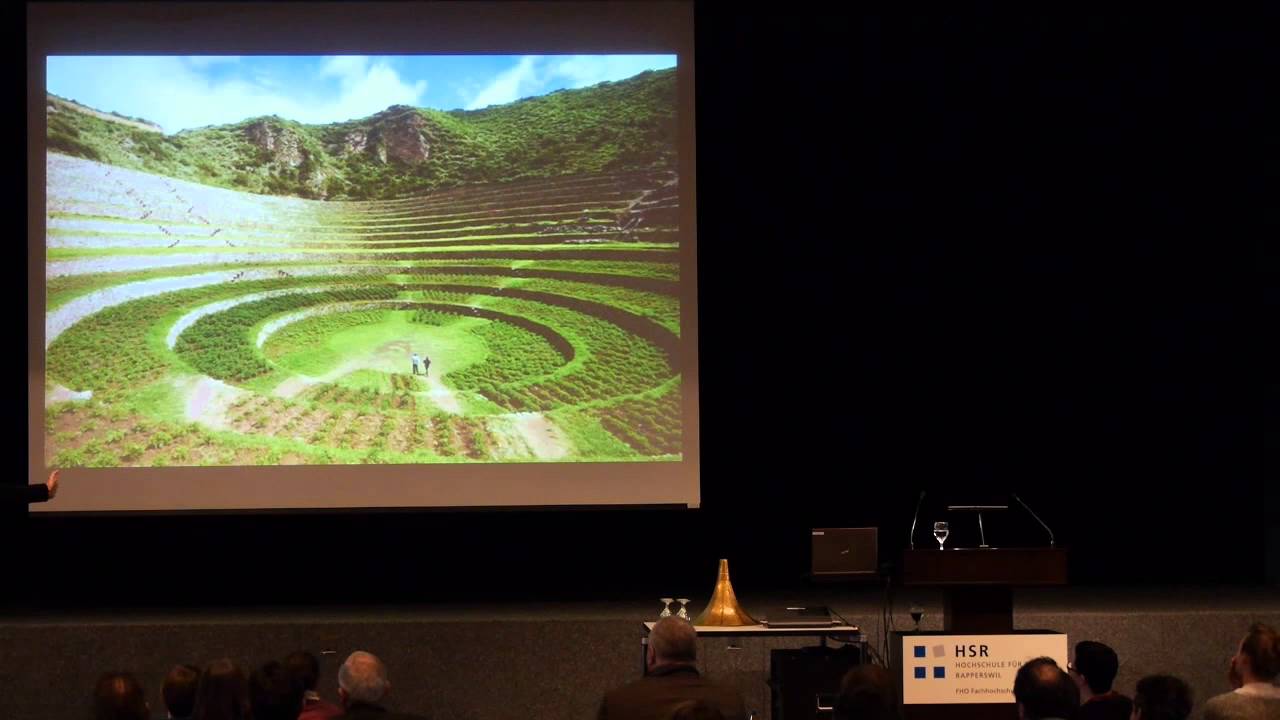



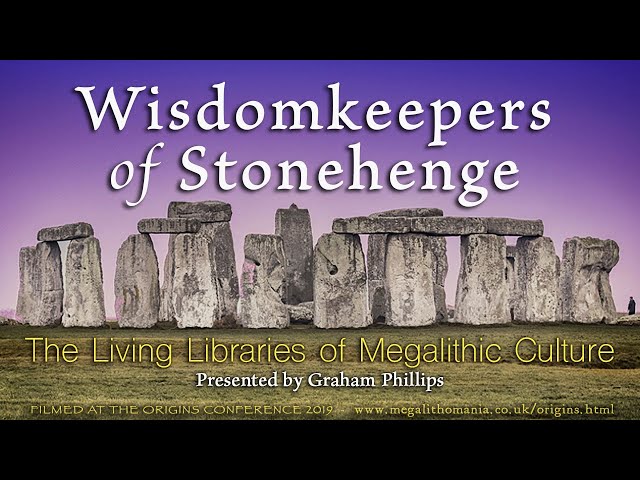
Archaeoacoustics is the scientific study of sound within archaeological contexts, revealing that ancient humans intentionally used architectural spaces and natural acoustics for ritual, communication, and artistic expression; research shows that prehistoric sites like Stonehenge, West Kennet burial mounds, and Spanish caves exhibit specific resonant frequencies (particularly around 110 Hz) that would have amplified human voices and created profound sonic experiences, while rock art is often concentrated in areas with the strongest echoes, suggesting that sound played a central role in prehistoric human experience and cultural practices.
Acoustics of Ancient Cultures: Symphony of the Stones Documentary
Added:Basic physics of sound propagation, including concepts of resonance, reverberation, frequency, and standing waves.
An introduction to archaeoacoustics, defined as the study of sound and acoustics in archaeological sites and ancient contexts.
A foundational understanding of Neolithic and Megalithic cultures, particularly their monumental architecture like stone circles and passage tombs.
The historical role of oral traditions, music, and auditory rituals in pre-literate and early human societies.
Psychoacoustics and cognitive archaeology, focusing on how resonant frequencies in ancient chambers may have induced altered states of consciousness.
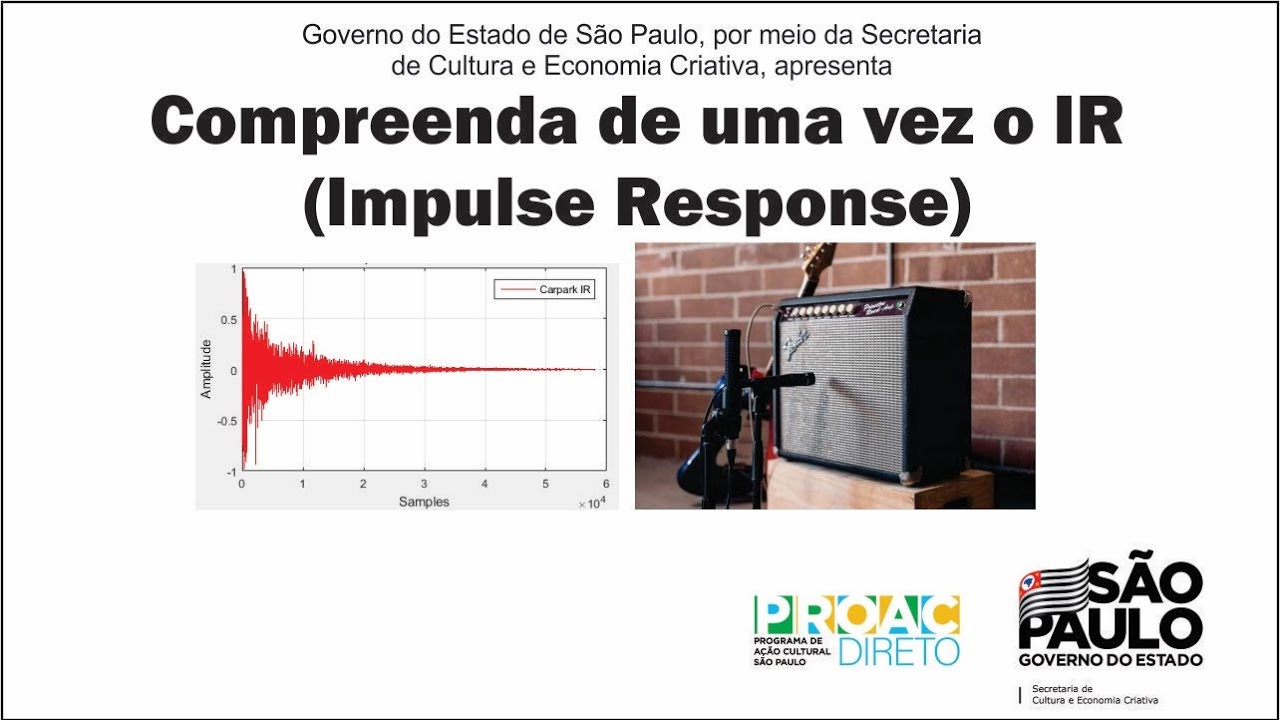
Advanced digital acoustic modeling, learning how researchers use impulse responses to reconstruct the sonic environments of ruined historical sites.
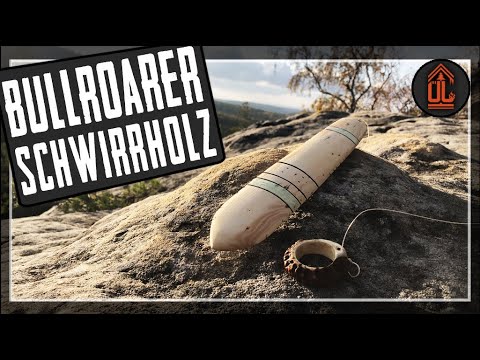
Organology and the analysis of prehistoric instruments, studying the acoustic design of ancient tools like lithophones, bone flutes, and bullroarers.
Applying ancient spatial acoustics and environmental sound design to modern architectural practices and virtual reality audio engineering.
247 views8likes49:45Original Release: 2019-08-29
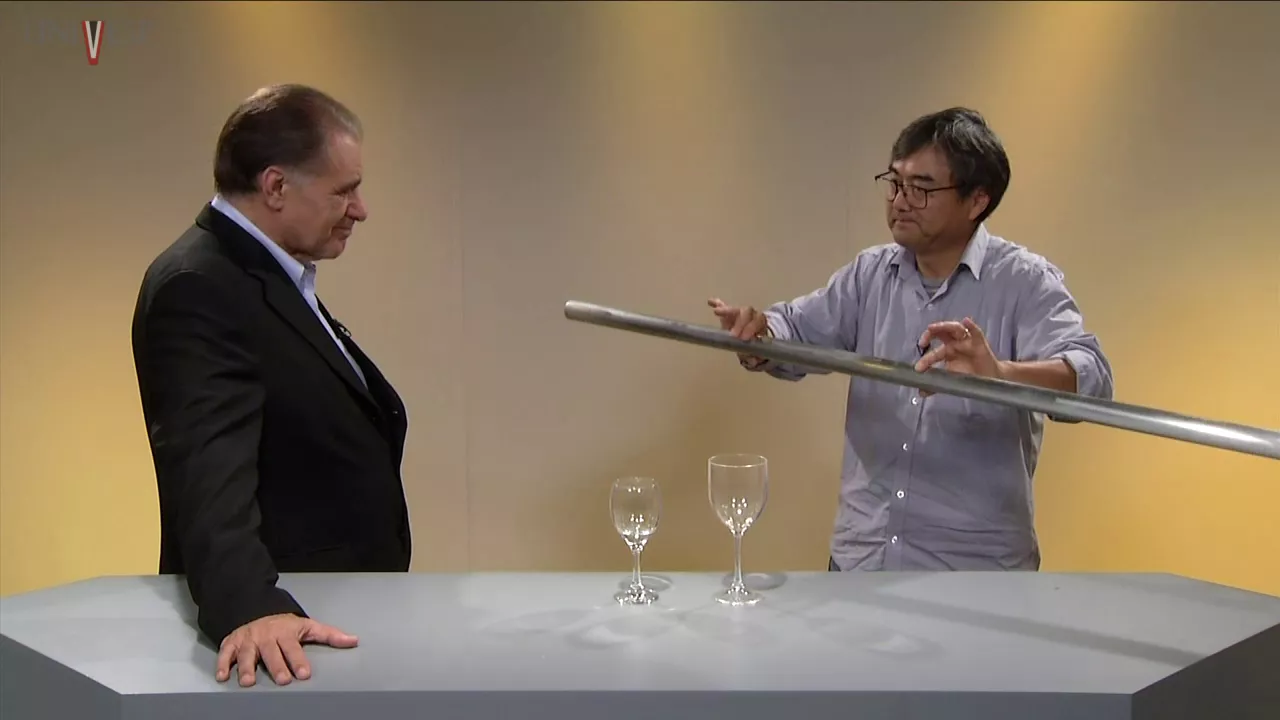
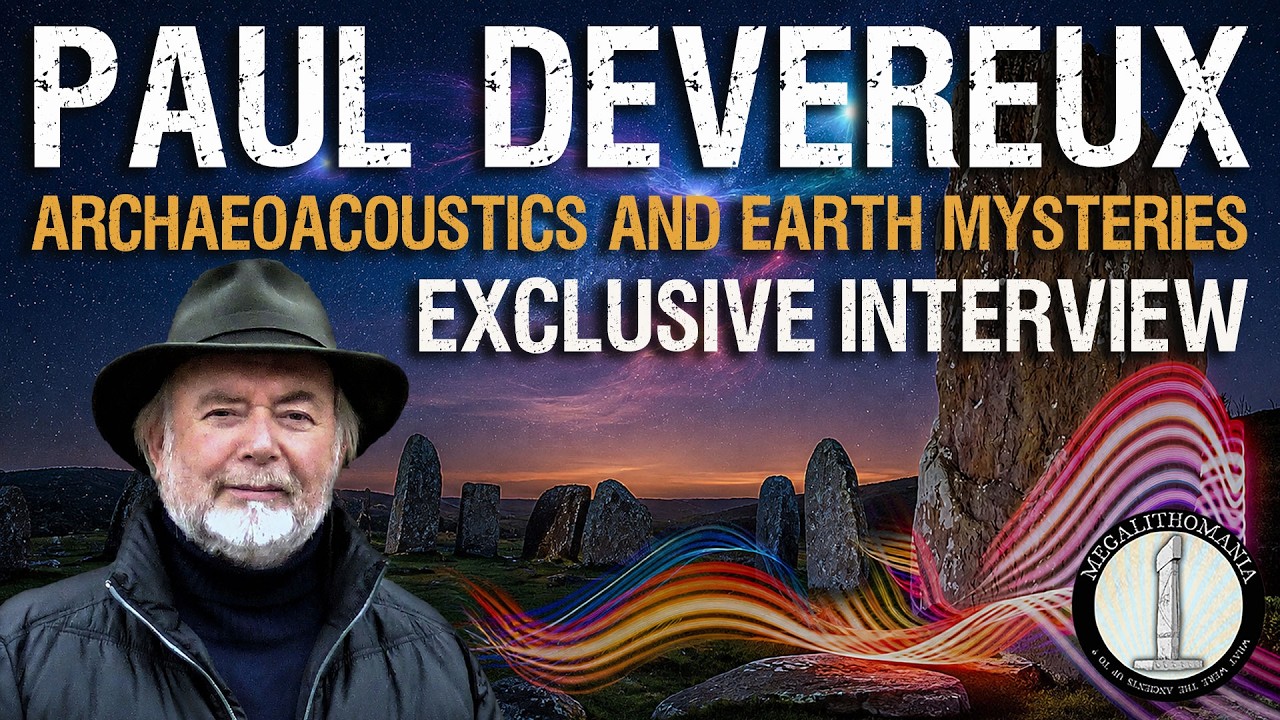
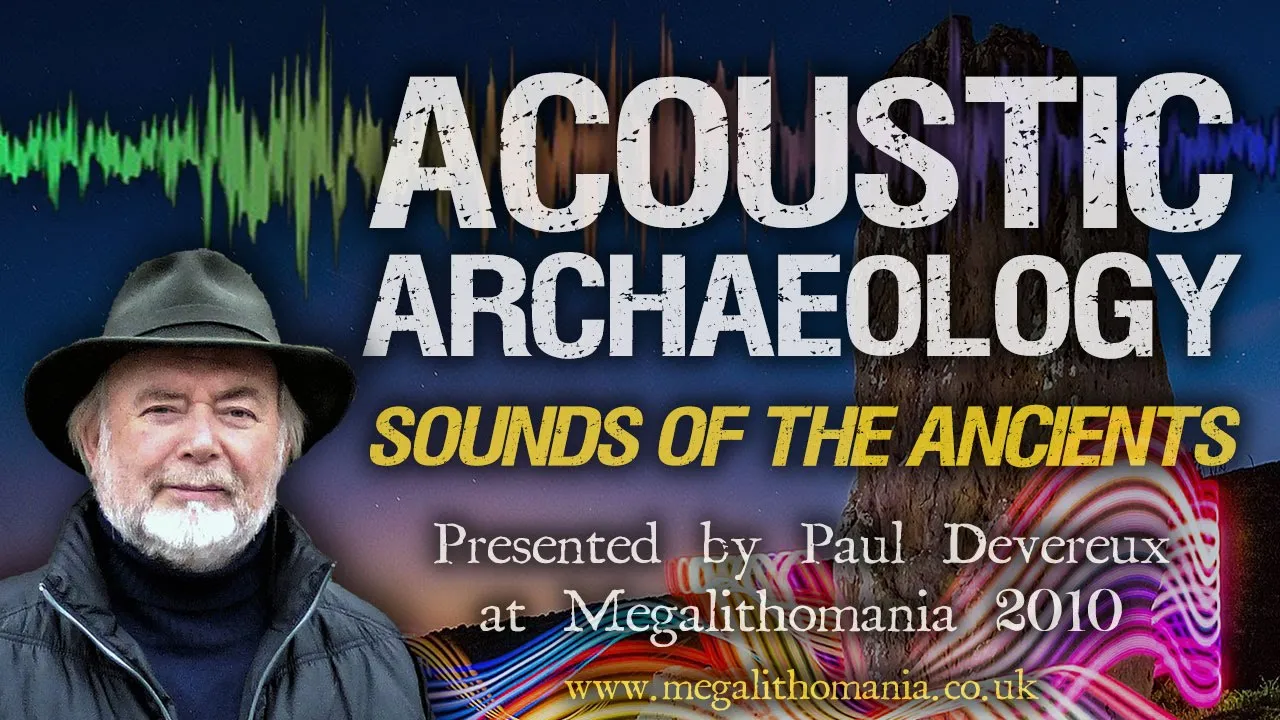
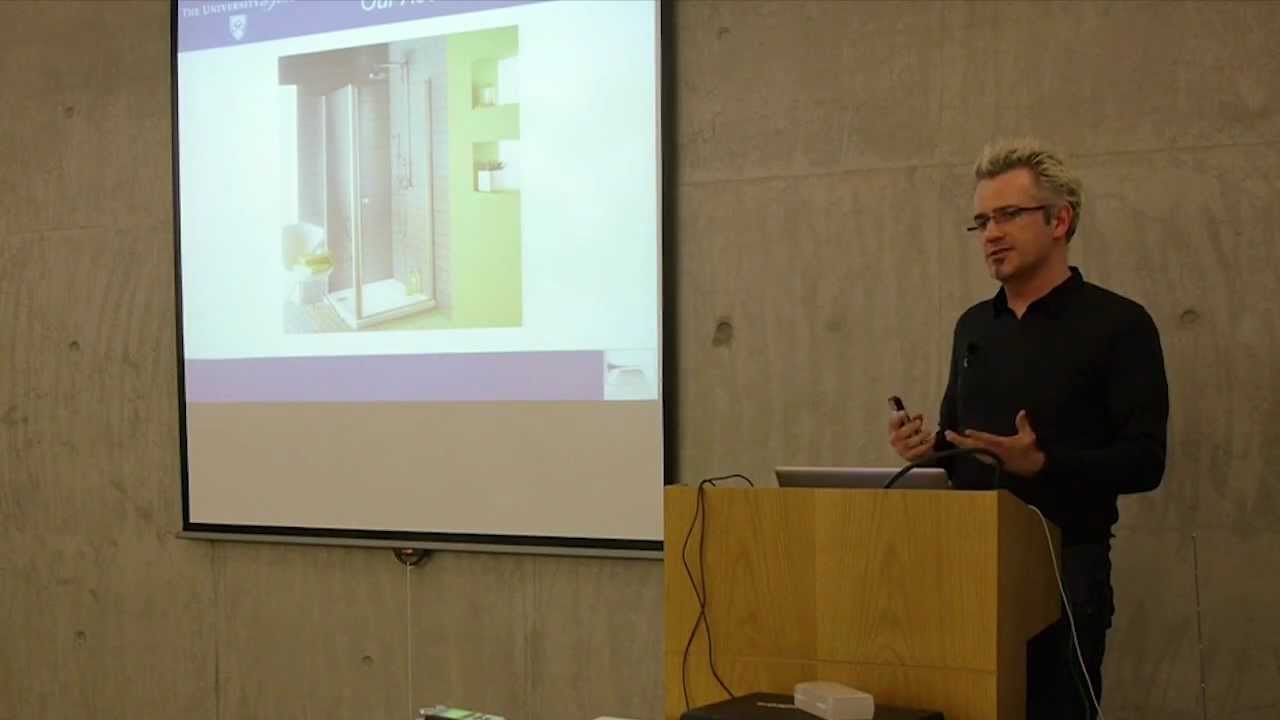
okay rolling Symphony of the stones BBC World Service start with full mix I'm Miriam cook and I'm both an archaeologist and a musician in this program for the BBC World Service I want to explore the connection between those two sides of me okay standby Tilly sounds I want to try and understand what music and sound might have meant to our ancient ancestors remove the musical effects to put myself in a world without guitars or keyboards lose the guitars to understands how the earliest instruments came to be in take out the Monticello two months without recording studios or electronic amplification no vocal effects and put myself back to a time when my only available instruments would have been my body and my voice lose the voice to understand what sounds prehistoric me might have made had i been alive 40,000 years ago Kubrick and then to write a song about it easy right now I've got one large disadvantage over other BBC World Service music documentaries in that there are obviously no CDs records or mp3s I can play you from prehistoric times but you will get to hear some of this [Music] a bit of this some of this Oh strangely a little of this an even some of this as I attempt to add a little coloring sounds to the silent black-and-white movie of the past none of what you've just heard might sound particularly Musical to our ears so when we talk about sound and music what do we really mean sound includes total acoustic ecology so the way that we perceive the world by hearing it as opposed to by using the other senses by seeing it or feeling it or touching it this is Professor Rupert tell from the UK's University of Huddersfield a musician himself and an expert in archaeoacoustics we'll come on to that in a minute musics definition is usually organized sound and silence for me that also includes the acoustic environment that music is made in or that those sounds are organized within if you play a piece of music in a concert hall it sounds very different than if you play it outdoors or in a Cathedral ever since I've been a kid I've been aware that every empty space has got its own note our environment doesn't just shape the sounds we hear it shapes the sounds we make you can instrumentalize an empty space it will always sing back the same notes Oliver beer is an artist whose work attempts to reconnect people with their acoustic world so when you walk into a staircase for example the walls will be reflecting the sound between each other and according to the distance between the walls a specific note will come out and according to distance between the floor and the ceiling another note will be reinforced or another harmonic series to be more exact and then every subtle nuance will create its own harmonic I'll put my one of my singers the heads into a corner so a corner is an amplifier of sound you lean your head into the corner of your shower or a stairwell and you whisper by glissando which is a sliding note and as you glide very very slowly through the frequencies when your voice traverses the resonant frequency or one of the resonant frequencies of this space the space will start to sing back to you and that's why it's quite interesting in relationship to prehistoric caves and cave drawings because when we look at spaces that were inhabited prior to architecture so caves where we find prehistoric paintings there's been increasingly a realization that these paintings are concentrated around reverberant spaces right now I'm working on a project at the Sydney Opera House the Opera House has sung the same notes quietly to itself ever since it was completed and it will continue to sing those notes and we will be gone are the singers will come and go music will evolve but that empty space this environment this envelope that we build for ourselves will continue to indifferently sing its own tune despite us if you imagine people going into these caves in the dark experiencing the empty space with their voices more than with her eyes it's entirely logical that the resonance which is such a you know it's almost a magical experience to hear your voice transported out of your body I think it's impossible that they didn't use bare architectural spaces in this way and I think it's something that perhaps we've lost touch with [Music] I've come to Stonehenge one of the UK's most celebrated prehistoric sites it's the day before summer solstice and thousands of people will come here to mark the longest day of the year for now it's very quiet just the noise of nearby Road underpinning some birdsong Susan greeny is a pre historian for English heritage acoustical studies are really interesting because they get the sense of what a monument might have sounded like and a monument like Stonehenge is obviously in ruins so there are lots of stones falling down quite a number of stones are missing and so what archaeologists can do now is use technology in order to recreate what that would have looked like and then test what it was sounded like so we've got lots of people thinking about how if there was drumming in here or what kind of ceremonies could have taken place what does it sound like if you sing in a space like this it's quite interesting isn't it to think of the ceremonies because ceremonies that we imagine we know from anthropological studies would have sound and drums and so I imagine that tomorrow when we're coming up towards the monument we're gonna be hearing a lot of drumming because tomorrow we have a lot of people arriving it will sound quite distinctive you'll hear it from a distance and then if you come into the stone circle space you'll you'll hear drumming or people playing guitars or singing or chanting so it's quite an interesting way of if you if you're thinking acoustically or how does this sound if I move around the space how does it sound if I stand over here and listen from this distance and that's a really interesting thing to try and in actually tomorrow it'll be really good and it's probably as close as you can get to what actually went on here in prehistory without any further knowledge I mean people gathering people drumming people using their voices people having ceremonies and that that's the kind of thing that we think was going on here in prehistory as I'm talking to Susan Rupert is busy setting up the equipment he used to test the acoustics of the stone circle I'm getting out a DP a omnidirectional microphone it just captures the sound exactly as it is here we'll put a signal out a sine wave test signal to a loud speaker which we've calibrated in in an anechoic chamber so when you take away the test sound what you left it with is the sound of this they say the sound of Stonehenge so it leaves you with the kind of acoustic fingerprint of Stonehenge and which you can then study and hues and lots different interesting ways this is archaeoacoustics a study of sound within archaeological context Rupert has analysed Stonehenge before and his uses data to create an app it allows the user to immerse themselves in the different natural sounds we build would have been heard here across thousands of years we might not always notice natural sounds like birds wind or rain but four and a half thousand years ago their effect would have been powerful if the wind was blowing in here really hard it could make the air vibrate as if it was being contained in a big sort of trauma very very large drum of her if you hit a drum skin the drum underneath is a sort of a round body of air that amplifies the hutt the sound of you hitting the skin of the drum with a stick and similarly here if the wind was blowing really quite hard then it can make Stonehenge vibrate a bit like running your finger and a giant wine glass or something and it makes it this body of air resonate this circular container of resonant material ring when we return shortly before sunrise the following morning the site has a very different soundtrack the stone circle is crammed with people using their bodies and voices to clap the drum and chant and it's easy to imagine this happening at any time in stone henges long history but for some visitors like Stuart something profound is happening here we do this mantra we call the word and we've done it on an equinox in the center of Stonehenge and the stone started to sink by Annie works with a certain tone our up it goes [Laughter] Oh you hit that tone that your whole skeleton vibrates and then the stones vibrate and they sing to you what do you think about what Stuart was saying about the stones ringing with the sounds of the muncher it's interesting I mean if you've got enough people in a space and you make a powerfully enough noise of the right kind you can kind of activate an acoustic if they're chanting a low notes they're moving quite a lot of air and it may be when they get to certain notes in their mantra it's set off some resonances in the space and that can have quite a weird effect it sounds really odd it it sounds really strange in your ears so it's possible that what they're doing is they're kind of activating a distance between two of the stones like the diameter of the stones like the air is being trapped between those stones and as this sounds bouncing backwards and forwards between them so it sounds like that's sort of thing they're hearing and you do get those sort of effects in in essence structure like Stonehenge we might have our own personal interpretations of what sounds feel primal or inherently natural to us but to better understand the sound of prehistory we need something more rigorous what archaeoacoustics is concerned with is finding reliable repeatable evidence to help us understand a site's acoustic fingerprint Rupert and I have driven a short distance to West Kennet a Neolithic burial mound dating back five and a half thousand years and Ripert's got his equipment out stop it right so need to make a playlist with Oh what sometimes by playing certain tones through a loudspeaker we can create an intriguing effect on the sound within the burial mound but before we hear it an experiment see if you can hum or chant along to this this tone has a frequency of 110 Hertz it's the same as playing this a on a piano and when it's Hoenn of 110 or 111 Hertz is played in this ancient burial mound it resonates and it creates what are known as standing waves so we were playing a sine wave at 111 Hertz and it set the space into resonance so it's a bit like if you're trying a string it moves in particular ways the air in here it's being forced to vibrate in particular ways so when you're next to the wall there moves as little as it can as you start slowly walk out we get to the first kind of point where thee where the first the chamber at the back of the building is it's kind of shut off by some big stones and then there's a maximum that's kind of making it vibrate there or it's lined up to vibrate there so the way thing is when you walk away from the speaker the sound actually gets louder I mean it's really loud again it's really loud I mean we're coming closer my god yes that's ridiculously loud outside we meet Paul Devereaux who's been researching archaeoacoustics for over 20 years so we went around this is about 1995 and we went around a set of passage graves stone chambered monuments of the Neolithic era and we went around and we found we were getting a resident pattern inside the chambers that focused on 110 Hertz and we ended up at Newgrange in Ireland which the chamber is fairly original and we get perfect hundred ten Hertz primary residence and 110 Hertz under 1112 Hertz that range is lower Beit lower a and so anybody chanting in a lower base sound will produce sound way standing waves inside those enclosures you see we've been looking at archaeological sites as if it was a silent movie and this gave it a soundtrack suddenly we could find out more get more information from these places by listening as well as looking and measuring and digging and all the rest of it it's not just this one low note that resonates here and it's not the same note everywhere as our sound artist Oliver said earlier every space has its own set of frequencies that will bring that space to life we can't know if Neolithic visitors to West Kennet chanted or if they did what they might have chanted but archaeoacoustics can help us to be more certain of what sounds would have had the most impact and also which parts of a site might have been best suited to noise making or to quieter activities this ties in with a theory about how prehistoric art might have evolved not simply by people painting in the best parts of a site visual but also sonically we'll come on to that later but first it's important for history and for a culture to be able to say what was it like to be there chris Cariocas runs a sound company in Los Angeles called Odyssey it becomes transforming experience you start to believe that you're traveling in time and I think that's a very powerful notion in 2014 he returned to his hometown of Thessaloniki in Greece to study the acoustics of its Byzantine churches we recorded eight churches in Thessalonica ranging from the 5th century all the way to the 14th century his aim was to help track the way the architecture of these buildings had developed with the evolution of ritual chants did the change in architecture that happened in the round the eighth century have an effect on the way chant evolved around the same time the people that built those churches definitely had some acoustic considerations I'll give you an example in one of the churches it's called the he dope ethos it's a very large Church rectangular in shape the common people were not allowed to sit in the center of the church they were seated on the on the aisles and there were very large marble walls that didn't allow them to see what was happening in the middle I guess the VIPs of the time were only allowed to sit there but the the clergy and the chanters would then go and stand on what's called an Ambo which is basically a little small stage which allowed their voice to carry very well over those barriers and still be able to sing in both spaces it was just a very interesting example they knew that those barriers were clearly muffling their voice and it wouldn't be heard there were some big differences that correspond it to some of the changes in architectures some of the churches that were more like basilica's that had more traditional v-shaped roof had very very different acoustics than the churches that had domes the domes had a very big effect on the reflection patterns and reverberation and it was it was very audible it was also very noticeable to the chanters who I think they've all sung in those churches before but not in consecutive days and so the comparisons were very dramatic to them and I think that helped us put together this notion that they were changing their style based on the church we still have a lot more work to do to prove that but I think that was one of the things that we noticed is that the acoustics definitely had an effect this is where I think archaeoacoustics can help us all connect better with the past imagine being able to visit the prehistoric site putting on some headphones and instead of hearing a simple audio guide hearing accurate recreations of the sounds our ancestors might have experienced for me the dream would be to walk into a site that maybe has lost some of its elements due to time and be able to recreate the performance there or whatever it might be religious it might be a sporting event in the Coliseum of Rome it doesn't matter but to be able to recreate it I think that would be a very cool thing to have my interest in ancient sound started 12 years ago when I visited a cave-in and Alethea in southern Spain called Cueva della pietà there's evidence of people living here between 40,000 and 4,000 years ago and it's pretty much untouched as they only let a small handful of people in at any one time this is where I first discovered litho phones these are rocks that naturally ring with sound when struck so I come back with Rupert this place has got to be what 1330 meters how high is it so 2 meters high it's really massive and you can hear the acoustics already you can hear my voice it's echoing Oh [Applause] [Music] you don't think that if you're gonna hit a rock that it's gonna bring with sound but here it does you got different notes lower and hot and high notes I'm not the best drummer in the world so these are about seven or eight meters high and how long would it take for this to form with no ceiling so one centimeter for every hundred years so that thousands thousands of years to create these I guess you'd call it percussion instrument like a xylophone I think you better you've got to go move it because at least you can you can play these things [Music] we put reverberation in the recording studio on things to make them sound nicer I do that all the time in the studio and here the cave just does it for you that reverberation would also have made Priya start instruments sound entirely different inside the cave from outside it would have transformed them from this to this this is a ball rora a piece of wood attached to a cord then swamp and it's an instrument found throughout prehistory right around the world it's very different to any of the other sounds we're making it doesn't sound like a voice or a drama or a flute and yet we know that this is a sound people made and it kind of it makes sense in this space because there's most of the time you hear echoes and they're kind of quite high frequency but this makes this alien noise and we see all these pictures of balls and you make these low kind of noises and we see abstract strange shapes and spaces and it's quite an alien space down here so an alien sound seems the kind of work there are dozens of examples of prehistoric rock art here and later we'll hear more about how these early paintings are often found in the parts of a site with the most impressive sound responses next we'll hear about the power of the voice how instruments helped in the evolution of music and how music helps us recapture our past I'm Marion cook and you're listening to symphony of the stones on the BBC World Service I'm attempting to understand the sound and the music that our ancient ancestors would have heard and made and to write a song about it John uses a sound artist and earlier this year he created a unique work for the prehistoric site in England called Creswell crags Creswell crags is a limestone gorge on the border of Nottinghamshire and Derbyshire and there's water running down the middle of it and caves on either side and a lot of important things are being found in those caves over the years since it was first discovered as an archaeological site in the late 19th century for example lots of remains of animals going back over a hundred thousand years and also it has a really rich human habitation history that goes back right the way back to over 50,000 years to Neanderthal man and most famously probably into the site of the only known Stone Age rock art in the UK so it's a really important site in such a culture if you hear extraordinary sound a red deer like rutting deer or herds of red deer in the distance and those sounds are moving through the air I mean without a scientific explanation of what sound is you know what what do you think that sound is for people then the sound of thunder was the sound of an angry god that's just what it was the music we made wasn't an attempt to create a kind of imagined reconstruction of the kinds of music that people might have had back then instead of that it was an original composition made to catch the long term biography of the press'll cracks a kind of collage we use sounds of rock group managed to get hold of some sounds of glacial melt recordings recorded underwater I recorded my own sounds of the environment and sounds of water and we also used all history archives from mining archives on my own interviews with people I met on the site as well local people so we used a kind of lots a really wide range of sound sources for the project music and sound becomes a kind of sonic library for our culture and our races past experience our species past experience I think that a listener can understand the past better through the use of music and you know I think music in the past interrelate it can communicate some of the qualities of a landscape including you know depth of time and the incredible distance of time that you have in a landscape like Cresswell goes back 200 60 million years to the formation of the landscape and that's something that we often you know day to day life we often overlook or find difficult to articulate sound music does that well I think we can't know or prove what sounds or music our ancestors made but dr. Ian Morley from the UK's University of Oxford tells me that we shouldn't think of them as being that different from ourselves we are physically the same as the Homo sapiens that came into Europe 40,000 years ago that evolved in Africa at least 200,000 years ago physiologically we're actually biologically identical mentally from round 150 to 200 thousand years ago our brains are the same as those of other humans at that time and so our experience of sound and our experience of the production of sound producing it ourselves is likely to be very very similar ian's the author of a book called the prehistory of music I asked him what the essential elements of music would be then and now sometimes those elements that are definitive of music can be quite surprising I think it's not necessarily the fact that you've got a variety of pitches it's not necessarily the fact that you've got a rhythm which of the first things that people would usually think of there are ways that sounds that we wouldn't necessarily call musical could be made musical hammering a nail into a wall is rhythmic and it's deliberate but it's not necessarily music unless someone intends it to be music or unless someone intends it to be perceived as music so one of the important things is intention and an absolutely essential element of music that it's very easy to forget is that music production can't happen without the use of the body our bodies are actually fantastic instruments it's a bit of a mystery why anyone would bother to create instruments and yet we did start creating instruments professor Rupert's Hill again so the first time we know people were making something that we would recognize as music today is using these bourbon pipes or flutes which are 40,000 or so years ago made to vulture bones nice big red bone which is naturally hollow so you make some finger holes and you've got a flute basically and it's not quite as simple as that but at that point we know that people are intentionally making music they're not making some noises well they're working they're not you know turning rhythms of running into a kind of question sound we know people are playing musical instruments that have been created on purpose to be musical instruments and we have a sense of positive musical creative agency so this little piece of bamboo is a recorder or a flute or a pipe all of those words are used to describe these things they can make nice noises I can't promise to don't think I saw that with it giving it's very simple to make it's a hollow piece of piece of bamboo tube we didn't have bamboo in Europe in the Paleolithic but we did have other things like elder and the bark of and the outer surface of elder can be turned into a pipe a bit like this but again this is something that wouldn't preserve archaeologically but it can make sounds that go a bit beyond what you can make with the body even though the human voice is really really versatile and then this this is again these are so small that they're not very easy to play you can actually get chords on there because you can play more than one of them at a time those are the panpipes these early instruments like pipes flutes drums rattles and scrapers crop up around the world in various guises and it's easy for us to link them with how we you understand music today but the notion of intentionally producing sound whether that's with the voice with instruments or with a combination is what interests me most what is it deep within the human psyche that makes it so important to us all different kinds of human societies have music and all different kinds of human societies have religion of some kind and ritual of some kind not all music is part of ritual and not all ritual and religion includes music but they very very frequently coincide with each other and there are reasons why music is very very effective at influencing ritual or being perceived to influence ritual because of the influences that it has on emotional states and on a sense of group identity and shared experience with the other people around you very frequently in fact usually ritual is viewed as something that exists in order to have some sort of transfer role to change the world or to change events from one kind of state into another kind of state and very often music is attributed with that ability as well partly because of the effects that it has on people that actually if if you make music then it has effects on changing the world and a lot of creation myths actually incorporate that this concept of transforming people and transforming relationships and transforming the world really Thai music and ritual together in all sorts of ways that connection between music and ritual is interesting and the next people will hear from have music at the very heart of their culture I'm here in the hot deserts of Southern California at the morongo Native American reservation where amongst other tribes the Cahuilla tribe and I'm here to learn about the voice and how the voice is used in song in their myths and generally how it's used as an instrument Walter Holmes and Ernest Siva are from the Cahuilla tribe of American Indians their mythology tells of them being brought to earth from the heavenly realm of Marder and their search for a home and this is celebrated in a series of short musical elements known as bird songs songs for all everything's about animals the water see the trees the rivers you know the Sun the Moon the stars you know all these came on order you know any songs you see but order it tells a story of the journey that we took most the songs have just one statement and it's repeated to me that's key because it's a way of keeping it safe it's just like a shorthand if you know that those words and the story yes you know the song then you know the story and vice versa if you can think of the word and the song it will come to you I've asked Walter to teach me one of his songs it's called bow amma and it's about gathering together as one to celebrate see what you see Bobo uh-huh they go Paul wha-wha-wha wha-wha-wha-wha you up yeah hi you got your height and as you go you go like I really go like this you go like this then you go up you go down you go up and then the third one didn't you go up yeah I'm just not gonna get these songs are deceptively simple they might only have one or two phrases each and convey one highly specific idea in this case the simple act of gathering together but the music lifts and falls very subtly and there are hundreds of them which add up to tell the story of their people [Music] it's quite I mean when your singer I guess it's quite easy to get trance into a kind of a trance because it's you know feel it coming you feel it coming out that like that once you get to know them you grasp it and flow then it flows into it you get quite into the actual singing and it becomes almost like a meditator how am i doing song going rhythm sometimes you sing song you can sing it I'll be playing and you know it doesn't sound right but once you get the whole of it you just like a melody and it comes out 20 years these bird songs clearly aren't prehistoric they're part of an active oral history but for that to continue people need to keep remembering or recording them for future generations there are so many songs that were used in our culture that are not used anymore because our our ways are the living I've changed we had many ceremonies that were used for different parts of life and the world which when the ceremonies cease to be practice than they're the songs also we're not some anymore and and so that's why we don't have those songs so these little songs are part of a bigger picture they all work together and they and the whole idea is passing on of knowledge of life of seasons of processing of agriculture of what's growing or how to process how'd you know what to pick what what plants are out there it's all been passed along through song so this is a wonderful method of of passing along information and it's very interesting to think that this is probably how it was done for thousands of years throughout this program I've been trying to learn about the sound of prehistory with the aim of performing some kind of song a piece of music that connects me to the Past for the final part of my quest I'd like you to meet Stephen Waller he's brought me to a place called which has a particularly fine Stephens interest is in the relationship between where rock art is found and the acoustics of those places so where are we going then Steve what is this place this rock this is little black mountain in Arizona and it's a big mute that has a lot of large boulders at the bottom and the boulders are basically covered with petroglyphs and you can hear an echo coming from the boulders as well as from the top of the beautiful a petroglyph is an image made from cutting or scratching into rock given that we're outside the echo is remarkable but with 500 petroglyphs decorating the mountain and its surrounding rocks you can understand why most visitors focus on what they see rather than what they can hear people are doing like what where did it go right up to it and take pictures and wonder what does this mean and try to like analyze the imagery and to almost try to read it as if it's writing or hieroglyphics or something and there's been like limited success like some of them are interpreted as son designs and things like that like there's cloud imagery animal imagery as well yes yeah but very few people if anybody I'm probably wanted a few stop to think of that sound might be important the thing that's special about this place is not only that there are thousands of petroglyphs here but the acoustics the soundscape of this environment is incredible because of the very strong echoes that come off of the cliff faces and this is a site that's obviously being used over a long period of time from about 8,000 years ago I think it says on the information and an important place then yes I think it would have drawn the people here because they would have considered the echoes to be a supernatural mysterious phenomenon because we understand today that sound is simply waves of pressure in the air that reflect off the surfaces and form an echo but the ancient people didn't know about sound waves and their explanation for echoes with was that they were spirits that lived in the rocks and called out to passers-by and it's actually a similar belief to what we would now call a virtual sound source on the other side of the reflecting surface just how you look in a mirror you look in the mirror because it gives the illusion of depth and as if there's a virtual you on the other side of the reflecting glass but here at a rock art site where there's these stone surfaces that reflect sound it gives the same illusion of depth that there's another you on the other side of the rock calling back to you Stephens belief is not only that these forms of rock art are found where sound is that it's most impressive or intimate but that the sounds you'd hear there might directly lead to what the prehistoric artist chose to depict like at this place where we are now that have the Sheep depicted when you clap you can hear hoof be like echoes so they would have probably perceived it as sheep in the rock invisible sheep that would have been mysterious and there are actually Native American myths that describe echo spirits hiding in the bellies of sheep and also in snake skins and lizards who call back in the form of an echo so there's a lot of Mythology a lot of people know about the Greek echo myth but there are actually many many echoes that I've collected all around the world dozens and dozens of myths that describe the belief that echoes are spirits that dwell on the rocks and call back and there are other legends that say the people hear the sounds of deer in the rock that would explain why they would go deep in the cave because they were seeking the spirits and and onlys paint certain chambers the chambers with the loudest echoes so ever since then and that's been 30 years now I've been going to as many rock art sites as I can around the world and doing acoustic measurements to test my hypothesis that the rock art was motivated by sound so the hypothesis is that the rock art would be located at the places with the strongest echoes so I do quantitative measurements and what I found so far is that there's a really good correlation between the places that are decorated and the places with the strongest echoes this by the way ties in with the art we saw in our Spanish cave a lot of it was hard to reach or even see some of the paintings were really tucked away but often in small parts of the cave where our voice resonated with ease yeah so see this is an example where the environment is influencing the music yes this especially the song yeah I think the interesting thing is that the place here is affecting how I'm singing which is the whole point of this program is to be influenced by what you would think it would be like to sing or create some sound thousands of years ago and obviously if singing in a certain way is going to create a certain echo then you're going to pronounce that you're gonna do it more so the way I was singing this song maybe last night my room will be very different to how I'm going to sing it today it may not be as melodic it is beautifully provides but it will work better with the echoes and and that's the whole point of I guess if you were singing in these environments was to take advantage of the natural acoustics as I was making this program I made notes of what the prehistoric musician inside me and the musician that I am now might have in common I've tried thanks to Rupert to be more aware of my environment and the natural sounds surrounding me I've wanted to include other people so Steve's going to help me as he in suggested I want to put my emotion my gestures my body into the song I want my song like Ernest and Walters bird songs to be repetitive and to tell a story the song I ended up writing is called songs of the earth River right with biting wind churning gives birth to the sea howling swirling tearing stones forcing new land to be free crawl climb creep fall stand stretch warped all running catching breath groan roar shouting twisting shape-shifting fighting cheating death hundred thousand years or more riving cross the mortal floor sharing knowledge seeking sage slowly builds the human stage life giving birth time in Reverse listen to songs of the earth life giving birth time in Reverse listen to songs of the earth fish evoke a black and gray dust rising hooves thundering through screams of pain as arrows sale blood pouring life flowing to crawl climb creep fall stand stretch warped all running catching breath grown raw shout sing twisting shape-shifting fighting cheating death hundred thousand years or more writhing crossed immortal floor sharing knowledge seeking stage slowly belts the human stage life giving birth time in Reverse listen to psalms of the earth life giving birth time in Reverse listen to songs of the earth pounding drums and rattling phones fire twisting head chanting low voices join and rise and fall to parts combined new life grows crawl climb creep fall stand stretch warped all running catching breath grow shouts Rossing twisting shape-shifting fighting cheating death hundred thousand years or more writhing cross the mortal floor sharing knowledge seeking state slowly builds the human stage life giving birth time in Reverse they son to songs of the earth life giving birth time in Reverse listen to song Symphony of the stones was presented by me Miriam Cooke and is a wise butter production for BBC World Service [Music]
Up Next
55:00
The Hidden Power of Taste: Food Anthropology & Sensory Design
@theexperiencedesigners
5.3K views•2025-10-23
178:38
Whole Brain Architecture: First International Workshop 2024
@thewholebrainarchitecturei9784
640 views•2024-07-22

9:49
FastAPI vs Flask vs Django: Choosing the Right Python Web Framework
@TechWithTim
302.5K views•2024-05-26

1:42
Game of Thrones Opening Credits: A Cinematic Analysis
@gameofthrones
46.3M views•2011-04-18
Related Study Plans & Knowledge Roadmaps
Structured learning paths in General & Interdisciplinary Studies
general-studies
Artificial Light: History, Tech & Human Impact
01The Pre-Electric Era: Fire, Oil, and Gas Lighting
02The Incandescent Revolution and Grid Electrification
03Gas Discharge and Fluorescent Illumination
+ 3 more learning modules
14h6 modules
Explore Roadmap
general-studies
Elevator Engineering: History, Physics & Cities
01From Hoists to Safety Brakes: The Dawn of Vertical Lift
02Hydraulic vs. Traction: The Engineering Physics of Elevators
03Modern Speed, Safety, and Algorithms
+ 2 more learning modules
12h5 modules
Explore Roadmap
general-studies
Rubber: Material Science, History & Geopolitics
01Origins of Natural Rubber & Mesoamerican History
02The Chemistry of Natural Rubber & Vulcanization
03The Geopolitics of the Rubber Boom & Colonization
+ 2 more learning modules
12h5 modules
Explore Roadmap
general-studies
Containerization: Evolution, Logistics & Trade
01Ancient Trade & Bulk Cargo: Amphorae to Barrels
02The Industrial Revolution & Cardboard Packaging
03The Containerization Revolution: Malcom McLean
+ 2 more learning modules
12h5 modules
Explore Roadmap