




















Deep listening is a transformative practice that connects personal experience, environmental awareness, and artistic creation, where the act of attentive listening to our acoustic environment—whether in silence, urban noise, or natural settings—reveals profound connections between individual perception, ecological relationships, and broader social and political realities, ultimately serving as a foundation for meaningful artistic expression and environmental consciousness.
Sound, Silence & Listening: Hildegard Westerkamp on Acoustic Ecology
Added:The foundational concept of a 'soundscape' and the historical context of the World Soundscape Project founded at Simon Fraser University.
The distinction between passive hearing and active, intentional listening practices.
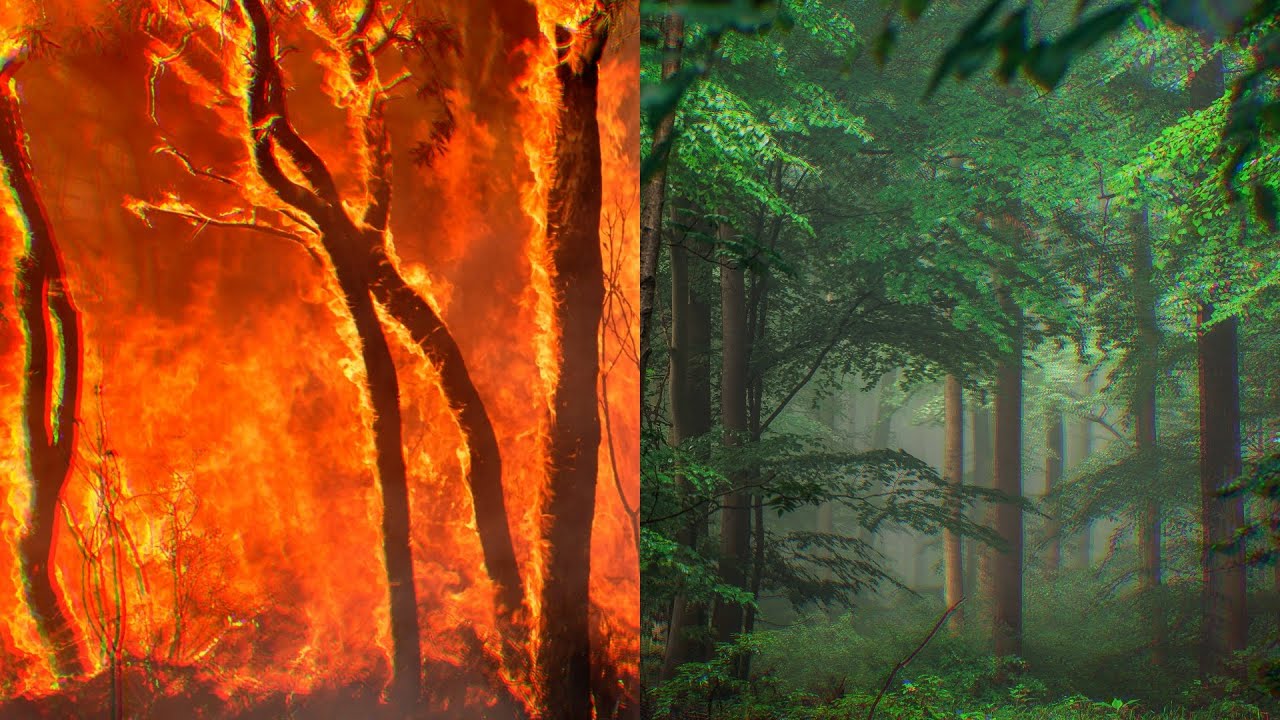
Basic principles of environmental ethics and an awareness of the contemporary climate crisis's impact on ecosystems.
An introductory understanding of electroacoustic composition and how recorded environmental sounds are used in art.
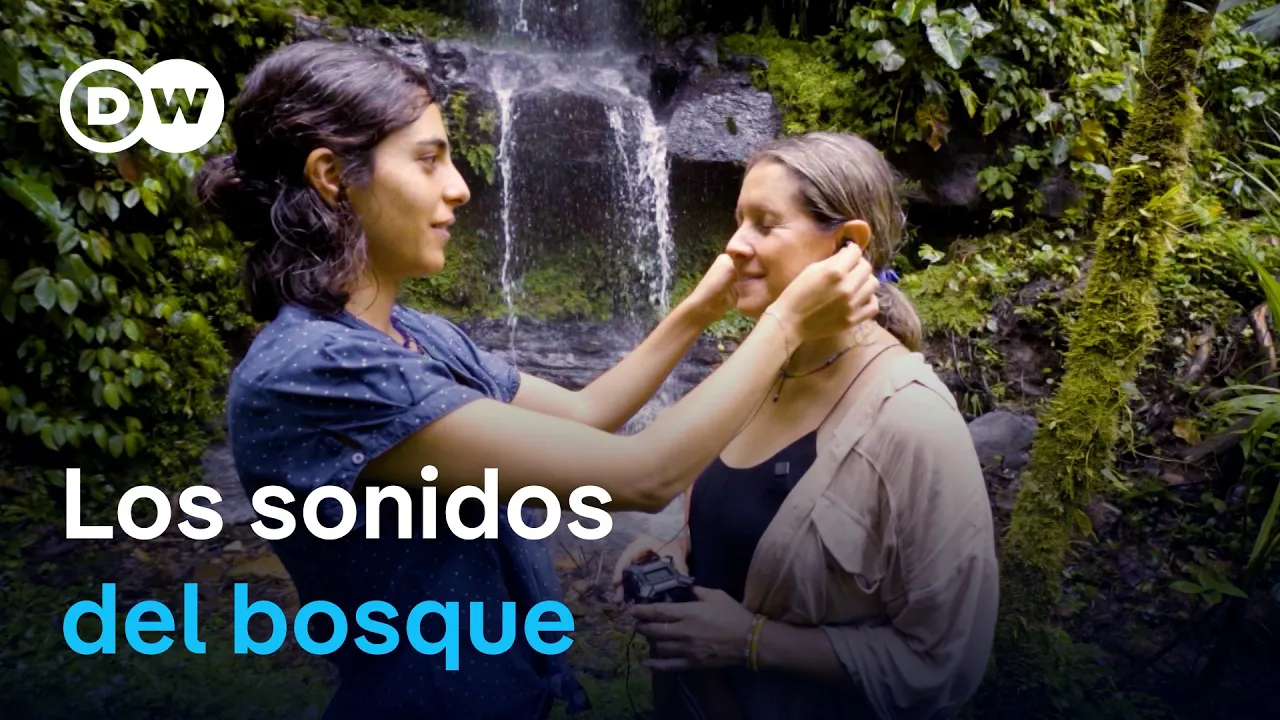
The methodology and practice of conducting 'soundwalks' to document and analyze local acoustic environments.
The application of acoustic ecology to urban planning, architectural design, and noise pollution mitigation.
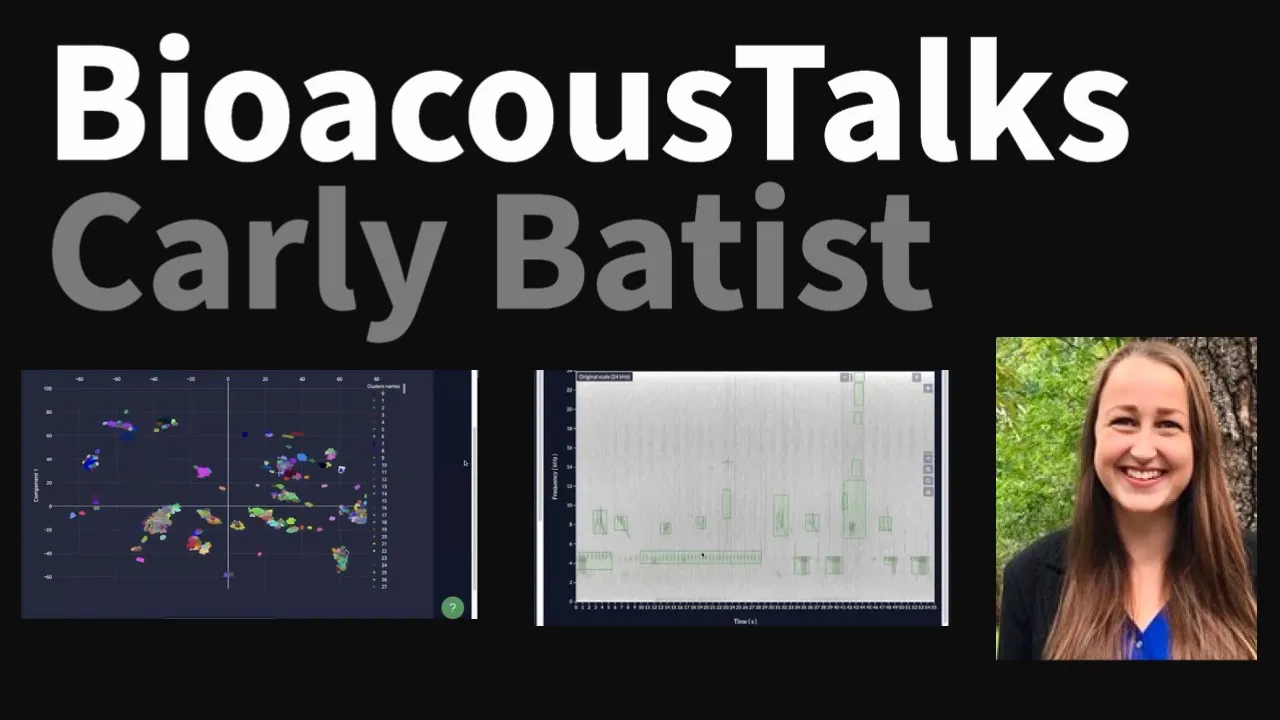
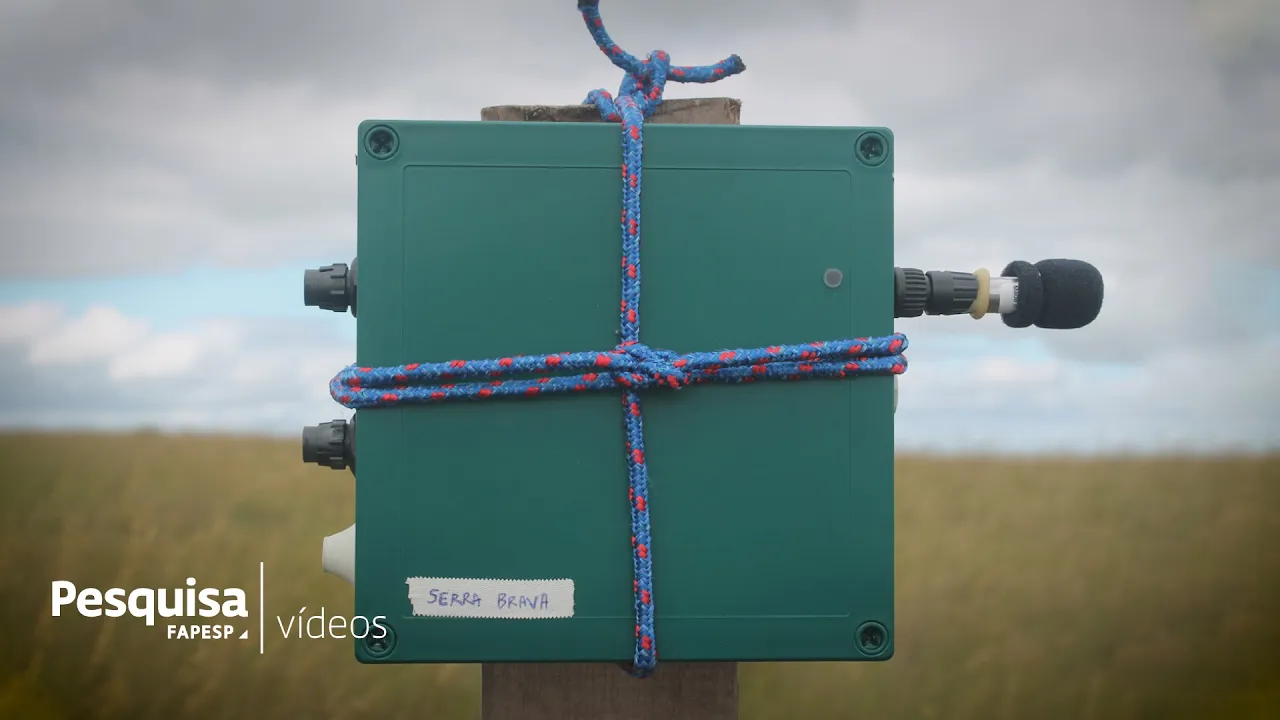
The scientific field of ecoacoustics, which uses soundscape analysis to monitor biodiversity and environmental degradation.
Sonic activism and how sound art can be used as a tool for political and ecological advocacy.
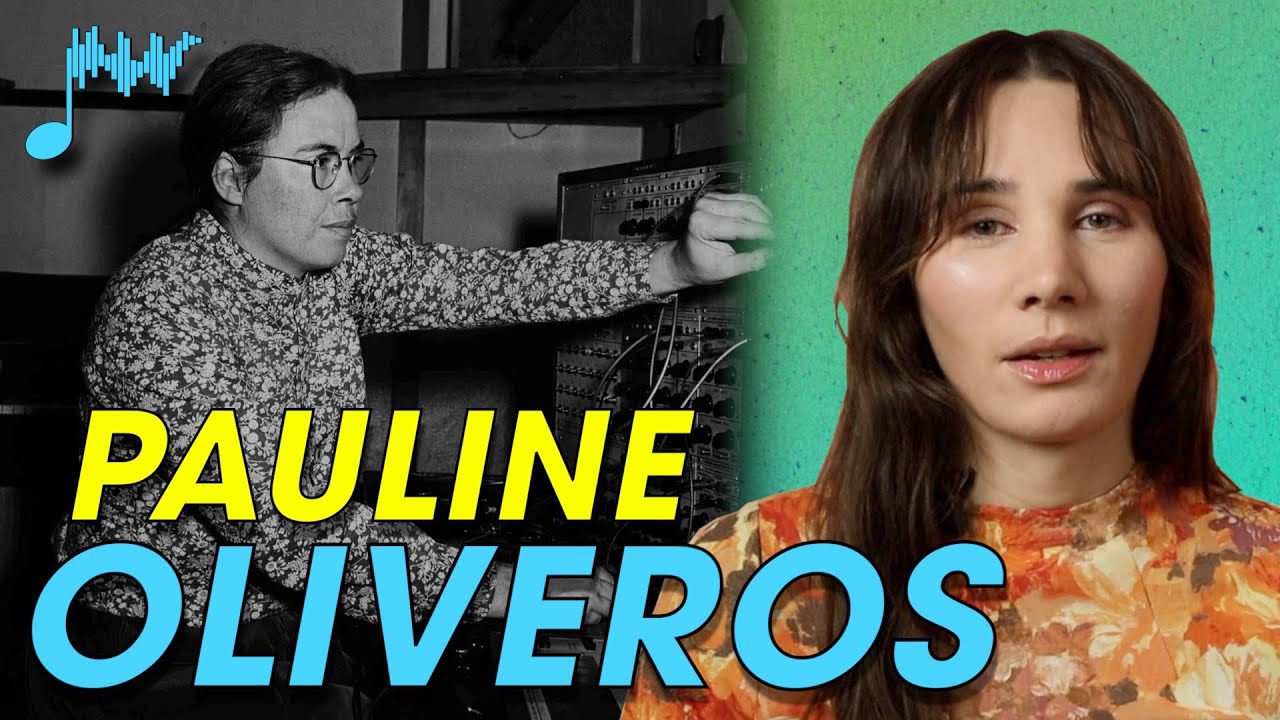
The philosophy and practice of 'Deep Listening' pioneered by contemporary composer Pauline Oliveros.
9.3K views293likes1:45:18Original Release: 2020-12-21
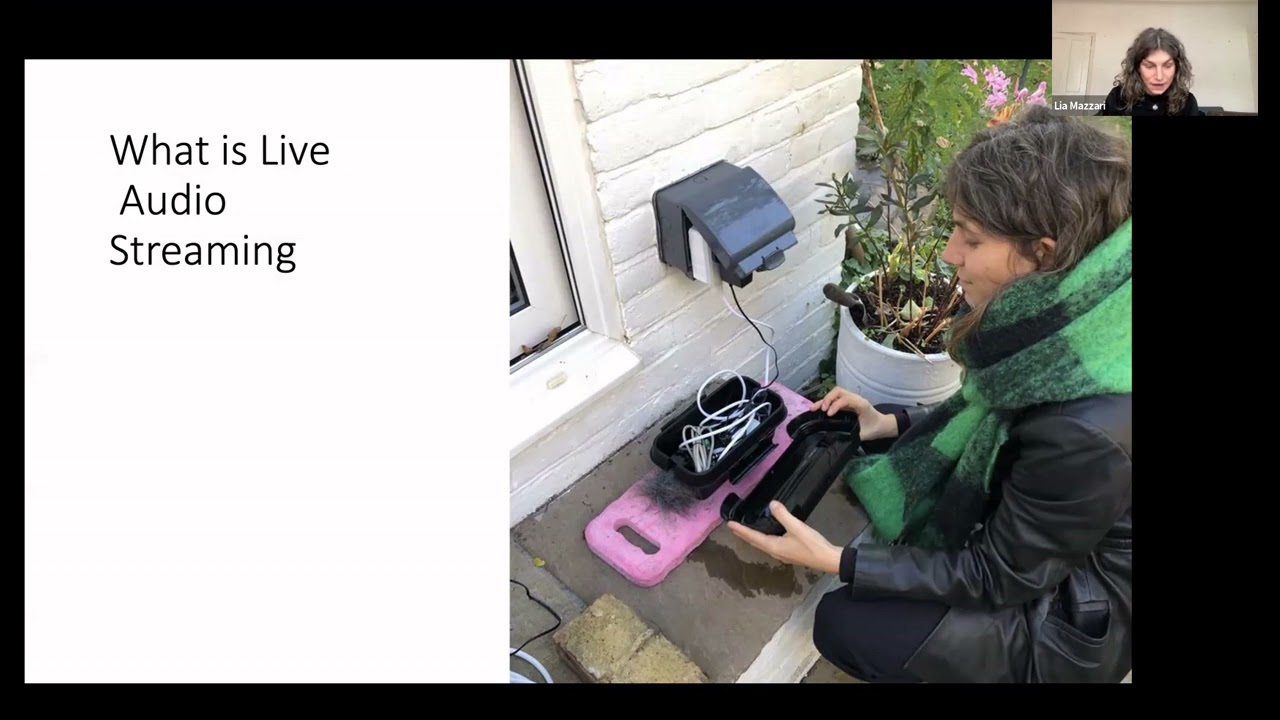
it's my pleasure to welcome you all to this event learning from sound with guardvesta camp in conversation with the residents of praxis's 17th residency clermata capturing change at the time of ecological crisis after completing her music studies in the early 70s hildegard shift the focus of her research beyond music to the acoustic environment as a broader space and context for intense listening as a composer educator and radio artist most of her work since the mid 70s is centered on environmental sound and acoustic ecology hildegard's compositions have been for performed and broadcast to international audiences she's composed film soundtracks and sound documents for radio and she's a founding member of the world forum of ecology where from 2000 to 2012 she served as chief editor in its general soundscape the journal of acousticology between 1981-1991 uh hildegard taught on the acoustic communication program in school of communication at diamond fraser university um yeah so today's event takes place alongside praxis's 17th residency as i said but um it also takes place alongside an exhibition under the title climate ii plus which is taking place at the north texas museum norway's museum of science technology and medicine and the residency brings the residency clermata brings together nine people to explore topics relating to sound and ecology and it's been developed with german sound artists lasso mark greek and the goethe institute norway uh it also includes collaborations with grim recorder technical museum and northam uh which is norway's center for technology and music and the arts so this event is also part of a series relating to sound and ecology and if you'd like to find out a bit more about some of the other events that are happening there is a link at the top of the chat um so yeah it's really lovely to have you all with us what i was thinking of doing for this session was to propose a little listening journey that will allow us to go through a few of my compositions over the years from early on to fairly recently and they will by listening to them and talking about them they will bring up topics about listening about ecology about culture about um not about food so much but but maybe that too and in other words what i'm saying is that we will we will get to um topics through the pieces because my my artistic work mostly is very much connected to how life how life treated me how my life went and so there's always a very strong interaction between which i mean is with every artistic work really but i think um it's perhaps sometimes more more more glaringly clear that it's connected to my personal life um i have never felt that there's a separation between my artistic work and my personal living and so in that context um the personal the political the public uh the cultural all those inter measures all the time so um i'm i will just take you through some of these pieces and um i would like to invite you after we have listened to each of them to come up with some questions comments whatever you want to ask especially from the residents who may be in the middle of their own work and may have some questions in terms of artistic process in terms of how does your artistic profess process relate to what's going on in the world right now what's going on in in life right now so um i was going to [Music] play you a piece called whisper study which is the very first composition that i've ever made when there's no sound hearing is most alert when there's no sound hearing is most alert when there's no sound hearing is most alert when there's when there's no sound hearing is most alert when there is is is is silence silence silence is is oh um is [Music] yes [Music] uh [Music] [Music] [Music] oh so [Music] [Music] so is [Music] when there's no sound hearing is most alert there are places in the imagination where the sound falls into itself like freezing where the soft crackle of ions moves into the air on snow feet made of fine wire [Music] suddenly you are there from behind a boulder where you have been watching the moss begin and it's as if somebody were filling a strangely shaped cup with water from a tap somewhere close to your ear and you have the memory of vast distances with hawks on the horizon where the world became a kind of egg a species of limb that is part of the larger universe [Music] and suddenly nothing is so real as these hands wanting always to touch things or these eyes which disappear immediately into the rivers like a braid of nocturnal salamanders at night you can hear the bones of the forest the ancient ones making terrible love you can hear the wind the godfather beating so so so so when i was composing it i was really not clear that i was composing i was not a composer i was just learning techniques in the studio uh here in vancouver at the world soundscape project where i was working with our murray schaefer and my colleagues and we were researching um the soundscape we were involved in a project called the vancouver soundscape here and in many many other projects that had to do with the sound environment a fascinating time for me but i had just pretty much finished teaching uh studying music and teaching in a school and i was not a composer i had never composed before but we had this research studio the sonic research studio at simon fraser university and i had observed my colleagues five males and myself i'd like to mention that who all worked in the studio and i came in quite you know not knowing anything observing listening uh learning and then becoming very very interested in learning it myself so whisper study was um came out of a kind of a workshop that we had done about extended vocal techniques in contemporary music and i thought why don't i try something in the studio and my colleague barry truax showed me the kind of the classic electronic music studio techniques of delay feedback you know this was an analog studio with with tapes and we would have loops and we would do delay feedback we would also have of course filters and possibilities to slow down the tape to change the speed and all that so i learned those things and i was um my decision was an interesting one i decided to work with a sentence when there is no sound hearing is most alert and this is from kirpal singh it was a quote that appears in murray schaefer's book the tuning of the world and we had talked a lot about it we had talked a lot about meanings of silence how do we understand silence culturally personally on that and the mere fact of thinking that when there is no sound hearing is most alert to me was a fascinating idea and we in a way practiced it by doing a lot of listening and then i thought i would whisper this sentence and record myself whispering it of course in an analog studio that's a huge challenge because you're dealing with a very very quiet sound and as you're copying and processing sounds in an analog studio you accumulate noise yes and so having a whisper and having to deal with accumulating hiss was a challenge for me and so i learned immediately to try to do the best quality sounds copying processing his quality otherwise it wouldn't work so i had to record that whispering very high volume so that i could turn it down to make it very transparent quiet and and beautiful so immediately without knowing really anything about this i had challenged myself to work with quiet in the studio um so the piece basically is a process of of um basically showing the techniques of of um in the analog studio with the delay feedback voice overlays etc like that and starts really really quietly and eventually i discovered what happens to the whispered sound when it's mixed with each other when you slow it down and i discovered a sound density of the very fluid nature liquid sounds almost like all the s's and t's and these and stuff were almost like gurgling water and to me that was an incredible discovery i was so excited i was you know in my late 20s at the time or mid-20s and all this was completely new to me so there was this revelation of a recorded sound being processed and then becoming something else um to me that was a real aha moment and has kind of given me this love for working with sounds in the studio and with processing them and part of the idea of processing a sound in the studio was it reminded me of what we do when we listen anyways we process as soon as we listen we process we interpret we change it it becomes ours and that to me was the key understanding of why i would want to process recorded sounds in the studio because they to me represented what our listening process is in is in fact is otherwise just to process it for processing sake didn't make much sense to me so it had to kind of connect to the the way we the way we listen the way we process things within ourselves and um eventually uh the piece was a certain version and uh later on my my then husband who was a poet um uh was inspired to to uh write a poem a poem uh with these words and so the last part of the piece is that poem and that was recorded on a sound walk that i recorded in the mountains with snowy footsteps icicles also very high frequency sounds and that completes the piece so i think that piece is available to the residents um if they want to listen to it uh on their own right um just so to give you a little bit of a sense of uh really how all this originated for me so the connection to the work with the world soundscape project which was highly um environmentally conscious it was very uh it was trying to really we were trying to wake up people's ears that was schaefer's style too he liked to rattle us all a bit let's listen let's listen find new things and um let's be surprised all the time let's change the world indeed it was the 60s and 70s that's what we wanted to do so um it was a world on edge not quite as on edge as it is right now but uh we were wanting to change the world and we um certainly within ourselves learn to change our listening learn to to begin to relate to the environment the soundscape in a way that it is just as important as any other perception of the world and that it tells us something in different ways when we listen we are in touch with time passing and when we when time passes we necessarily um are in step with that time if we are listening time passes in the step of listening within step with the sounds that we're hearing and so it puts us in touch with the world on a quite a different level and i think many of us have experienced that maybe in a more acute way in the last four or five months because of covet where suddenly many many sounds especially at the beginning of corbett dropped away and our ears were waking up to the fact that there were other sounds emerging in in the environment that we now could pay attention to and you know people people were mentioning more birds whether they were actually more birds we don't know but they're suddenly they were heard um the same thing with um people were beginning to sing there was a sound making activity because of the lack of communication the suddenly there was communication there there were things happening where the balance between and listening to the world and the sound making with each other as human beings was shifting quite a bit and that was a very interesting experience for most of us and um could be seen as a to me very much symbolic to what is happening generally is that under these conditions voices emerge nowadays that have not been heard in a clear way in as clear a way as they are heard now and they are also perhaps daring to be a little bit louder because um there is uh there is a hope that they are being listened to um so we can see this in this in this larger context very much so um and um i think what's really positive about this time hard as it is and crazy and chaotic and doom stage as it can be there is an opportunity here to really pay attention to how our perception has shifted and yeah that that shift happened really on the same day in the studio when i was discovering that my whispering sounded like a river and that was kind of a pleasure so um let's uh move on we better do um i i'm just are there any questions at this point or shall i just continue what do you think i will just continue um so we will do some listening now aside from the listening to our homes here and i see many of you have headphones on which is great if you have really good speakers of course feel free to listen on those speakers um interestingly enough when nicholas and i were talking we um and i was beginning to select pieces for this uh they are a lot three of them ended up having either the word silent in in the title or being relating to the experience of silence this next piece is called quicker voice some of you might know it it originated from an experience that i had with a group of artists in the mexican desert called the the zone of silence uh it's in the northeastern region of mexico and it is called that because it has a particular magnetic qualities that make some regions so if you have a car if you drive through it or if you park your car in that your battery will be drained you won't have radio communication you won't have any communication with the outside world um we were camped in an area that was not that because we we needed our batteries for recording and filming and all those things um but um we were in a very quiet environment we were in a desert we were far away from any community it was a very small village a kilometer away we literally for three weeks heard two jets in that whole time and if we saw a car in the distance the sound was absorbed we could not hear it we had a truck which we sometimes used but generally speaking we were in a in an environment that was very very sparse acoustically during the day it was mostly our sounds our voices our footsteps [Music] not much else actually and at night were the crickets and in in that experience of quiet we became to a point after after some days that we needed more sound we wanted sound we desired sound we had never been i had never been in an experience where sound wasn't constantly coming at me and so suddenly there was this experience of complete absence of sound with little little sounds from nature tiny ones whispery ones and um we certainly wanted to make sound we started to make uh we found an old water reservoir where we sang and we made it was just ruins of a water reservoir just um parallel walls and we clapped in them and we um we got some feedback from this water reservoir that was a pleasure and so we became musicians at that point which was a really interesting experience uh to come out of this experience of silence into wanting to make sound the other thing was that i was the only composer and i had a microphone and i wanted to record sounds well during the day other than us there was not much and so i began to touch plants they were cacti with spikes and old dried up palm trees and leaves and so i began to touch the environment almost like a drumming kind of place and recorded those sounds that that the environment the materials of the environment gave us so you know there was an experience of oh the instruments are right here the instruments are in this place and that's how instruments are originally made musical instruments are made so there were exciting discoveries because of that quiet the potential of the quiet and um then the cricket is another story of its own i was in at night wanted to go into the desert and record crickets i placed myself somewhere and recorded qrikets generally and then one little cricket started to come forward and it was almost like i couldn't see it it was almost like it had a solar performance in front of my microphone for two minutes and uh i tried to follow it with a microphone and it would stop and so we had this little game of playing and stopping if i would bump into something it would stop and then it would start again two minutes of a solo almost like a studio recording it was so quiet so this recording gave me uh what what piaget fair would call a sound object it was so clear and so wonderful that i could take that into the studio and start to process it and that was a delicate moment because did i why would i want to change the sound why would i want to become electronic with that became a bit of a moral question for me and then i discovered mostly through slowing it down that it started to sound like a heartbeat in the very slowed down version um and it started to make some sense that yes i would like to want to discover that so the slowed down version then made me discover the the intricacies and the depth of this beautiful little sound and when i went then was listening to the original it uh made me listen differently to it and so i felt a little more comfortable with with that kind of processing i tried a few other things and yeah they're a little bit more playful and they're fun and you can hear them in the piece um and it was an exploration to me it became more and more an exploration of um the the small sounds in nature that are easily over not heard that are easily uh perhaps more down or ignored um and so why not amplify these voices why not let them speak loudly and clearly with all their beauty so this piece cricket voice is a combination of that voice of us making sounds you'll hear some wind sounds that are um like uh let me describe it we had some branches in our hand and we were doing not with our mouths but with the branches these sounds started to come so we had a dance and i recorded that um there's a few other foot stomping clapping that's our sound making aspect and then there's the touching of the instruments i mean the um the cacti and the plants who became instruments so those are the ingredients of the piece and that is quick advice and i'm giving you all this simply because you are all practicing artists and you know about artistic process and you know how important it is to notice details in the artistic process in order to move on to move through this process and so it's not to explain what you what i did it's more to connect with give you an opportunity to connect your own artistic process at home [Applause] [Music] [Applause] um [Applause] [Music] [Music] [Music] [Music] [Music] i'm uh [Music] [Music] so [Music] [Applause] [Music] [Applause] do so [Laughter] [Applause] [Music] [Applause] [Music] [Music] [Applause] [Music] [Music] [Music] [Applause] [Music] [Applause] [Music] [Applause] [Music] [Applause] [Music] do [Music] so so [Applause] uh [Music] [Music] me [Music] so [Music] [Music] [Music] [Music] um [Music] so [Music] so [Music] do [Applause] [Music] i was imagining what it would be like if we had all unmuted and we had all those on our speakers and we would get a delayed multiple delivery version of the same piece [Laughter] um very interesting um yeah i'm looking at the time and i'm just i would like to invite questions um if there are any uh or any comments for maybe a few minutes um i have two small questions um first one is it's actually maybe more a comment but what i find really fascinating and intriguing is how you somehow like it's in this piece that is present but also mostly i heard it in another piece talking rain and it's about like there's some very vital energy and like some sort of fertility in the sounds that i think is um yeah it's very beautiful how you can capture this and i'm wondering if it's something you maybe work on intentionally and if for ex with the example of the rain if it's also now like um considering the ecological changes if it's if your relationship also changed when you hear it sounds if it's even more special or it feels even more vital and fertile when there's rain now for example um when you speak of energy um that energy is in the sounds that that i recorded um that that energy is in the existing soundscape so it really requires for us to notice it and to to understand them that's over the years i think that's what you do when you record sounds many of you are field recordists um you suddenly you're monitoring with your headphones with the microphone picks up so your microphone is a new ear to you it's a different year than your own it goes through your ear and you notice something and uh you notice something different because you're not just doing your daily life listening or or or cutting out sounds you're actually wanting that sound to arrive in your as an audiophile and you're interested in it right so your ears are really uh this desire behind that and whatever nature that desire has it you will then meet that sound with your own energy and together you create a piece so um sometimes people don't understand the depth of that process because often i'm asked how do you work like do you have a structure beforehand do you do you um decide how you know do you make a formal score or whatever no actually um the sounds are the basis and my listening to it uh then creates a perhaps an energy where um the structure emerges out of that so as you're listening to the sounds that you've recorded and as you also listen to the experience of that recording the experience of being out there and your own understand your own listening more you begin to extract that energy into your composition and with talking rain it's very similar i mean you know you when you record rain sounds and here in vancouver we have lots of it um you you hear the subtlety of of rain every every touch every drop touches a different surface and that creates a drumming sound that creates one very unique sound and if you record all those different situations you get these huge variety of sounds right and and then you also learn something about the rhythms of rain the overall rhythm of rain like on the west coast here we can have days and days and days to rain um where i grew up in north germany we have a lot of rain but it's more like it's showers and and then it's over for a while and they surprise you and there's a whole different structure there so talking was was very much based on the experience of being on the west coast here um and the experience of recording so yeah that does that explain a little bit in in fact what i'm saying is it has to do with your relationship with the environment and your recordings it's about relationship and there is energy in that relationship and if you can hear that in the pieces i'm glad yeah and sorry one last question do you some do you feel like um the technologies how they have changed over time that it also like changed the way you work or not really because i imagine there's like endless possibilities uh all of a sudden and sometimes yeah you know like where to stop or how you can you could process endlessly and i'm wondering if you have like noticed an evolution yeah probably in your life that it because you have had uh yeah the changes were huge um initially we were excited because uh recording the environment was a very new thing in the 70s and to have a tape recorder and to be able to record the world like that was magic and so that that determined everything when i did my program sound walking i just recorded vancouver and i used my own voice to to explain to the radio audience what day it was where i was or whatever was trying to be the mediator between the radio audience and and the soundscapes i was recording and that was very very exciting because it just it really hadn't been done all that much and we were recording everything and that also included recording people never asking permission whether we could broadcast them also never asking any mains name so it was anonymous but so there was a whole different relationship we were just wanting to be open to the whole world and we wanted to give that world on our vancouver cooperative radio station a voice which that the environment had no voice in the media at that point you did not have background now noises in the media or in the news you were not put to the place where the news came from that was completely new um and so and and the equipment was heavy and uh you know i had big headphones i had big microphones everybody noticed me and people asked me what i was doing now you can go and nobody will know that you're recording um completely different attitude completely different interrelationship you can be a voyeur if you want to be uh you can be secretive you can be it's not a it's not clearly out there your relationship as a recorder to the world right so that has changed enormously my recording um really i slowed down doing recordings quite a bit because i have too many and it feels like it's an overload and how can i ever listen to all of that and um so uh when i was in india and maybe this is is this a good segue to the next short piece perhaps it is a short piece um and it is very much based on the experience of having done that radio program sound walking in the late 70s where you record the environment and um then you uh you you as a listener are present and you are offering your perspective on or your relationship to what you're recording and you're wanting to inform the listener about the place where you are about the situation where you are um and because i've always had a bit of an educational desire to you know educate people about listening and and open them up this is also part of the um the voice that i have in quite a few of my pieces so if anybody wants and knows kids speech sound walk that's very much based on the sound walking show this next piece that we're hearing is is just a field recording that i made in india during the wedding season in in i was in udaipur in rajasthan and basically the piece tells it also i won't tell you all about it but it is um yeah it tells you everything um it's completely straightforward there's no processing going on yeah i shortened it two to four five minutes i think and uh there's some editing um but that's that's about it and then there is the added narrative voice in this case i did not narrate that during the recording which is what i did in sound walking i did in the field i recorded um in this case the narrative was created afterwards and i was an absolutely astonished visitor to india i had given a soundscape workshop in delhi and i was my mind was pretty much blown by the completely different cultural exposure that i had my eurocentric and north american cultural biases were completely shaken up and and um i felt like a baby you know put after birth holding the feet and uh making it making it cry the old-fashioned way of waking up her baby after birth i felt a little bit like that in this absolutely fascinating culture completely overwhelming for me but joyful and and a huge revelation so you can hear a bit of that in the narrative um that i am the visitor i am the onlooker uh to a scene that i would have never experienced in my life before in europe or north america so um nicholas can we listen to it's called silent night here we have the word silent again and you will find out why it's called salad night in the end silent night [Music] november 26 1997 this is the season of weddings in india last night we witnessed the glittering rich version from the rooftop terrace of our hotel some relative of the maharaja of udaipur was getting married musical sounds floated up to us from where the guests were gathering to receive the bridegroom gradually distant bands mingled with the music below drums trumpets and euphoriums were approaching from our left getting louder and at times covering up the other music [Music] we can see the band now a whole procession of instruments lights and people accompanying the bridegroom who is arriving on a magnificently decorated elephant a majestic scene but the music sounds just as raunchy as at any ordinary indian wedding [Music] on the street below another small procession of uniformed musicians enters the already dense musical soundscape with its own strangely incoherent wedding band sound and disappears again around the next corner another wedding procession announces itself with explosions from firecrackers two glittering bridegrooms on horseback and huge musical climber this time there's no live band instead one of those loudspeaker cards is pushed through the streets and blasts out similarly raunchy music with max reberb in tandem with a live band still playing at the other i can't help but think of child's eyes music as i hear all this cars scooters or rickshaws are not deterred and squeezed past the procession honking their way through the music-filled street in the middle of all this as if there was still room for more sounds we suddenly hear electronic fragments of silent night [Music] the source a small passenger car every time the driver puts the car in reverse gear this electronic signal is turned on continuing the tune of silent night wherever it had stopped the last time he drove backwards as the driver maneuvers the car back and forth and back and forth in a small alleyway we are ear witnesses for several minutes to silent night being ripped into small sonic shreds [Music] me [Music] [Music] [Applause] uh so i think we're back after that climber um so i just wanted yeah nicholas well i could say i can see there's there's a few questions coming up in the chat different points some of them but i can see this one immediately from that which is is there really no layering in in the recording of that piece none whatsoever no layering just edited closer together a little bit like it was a recording of probably half an hour or longer so it you know i brought the best parts together so yes they may have been in that half are recording some slightly quieter but not really because the street was just busy um yeah oh so that that piece is is that half an hour for the five minutes or half an hour for the normal length because that's an excerpt isn't it no no this is just the excerpt of a recording i mean yeah so edited together for the purpose and and uh also just you know my narrative of it um determined a little bit of how i condensed the recording yeah and it's it's part of an it's part of a larger piece called the india sound journal so in that journal i have different situations uh from india that i that just were highlighted for me uh with a narrative yeah i think you you talked in in relation to qriket voice and your general practice about how much recording materially built up and for me that that kind of and you're then kind of stepping back from making new recordings or thinking about the responsibility of recording and in a way the ethics recording and what you do with the material you have and how you can work with things but i think this piece for me also is the kind of the fascination of or like the kind of the ethics of the fascinated onlooker and what you then do with the material is an interesting thing to deal with in this piece is that something you're happy to talk about like how you thought about what you did with it once you've recorded that yeah well it's interesting because as i said earlier that when we first had microphones and we realized we could record the whole world but there were no ethics really or the ethics were were that we wanted to record it and and uh and broadcast it and inform the world about uh the soundscape and let's listen to this incredible place that we have recorded here let's really give it its stew that was the sort of the atmosphere in the 70s when we're doing all this work and into the 80s um now then as i personally accumulated a lot of recordings and then as the world started to accumulate a huge recordings i began to wonder what are we actually going to do with all this and yeah for the educational purposes for the ear opening for changing our relationship to the environment in an ecological way i think this is very important um the nature recordists um you know chris watson um bernie krause all these incredible people who have done so many incredible nature recordings it's very important work um i have never considered myself a field recorder in that sense um more of an educator composer perhaps on that line so what happened to me in india was interesting is as i was recording in this incredibly busy polyphonic beautiful culture i felt that i was cutting myself off with my microphone on headphones even though i was listening to it over the headphones and more intensely i felt cut off from experiencing the culture and that dichotomy i had never really experienced before in that intensity i felt socially cutting off i felt perhaps a bit of a voyeur um it it it was a very strange uh relationship that happened there and so i became very thoughtful about that and actually since the gradually over the years um i became much more interested in just listening so in vancouver we have a group called the vancouver sound walk collective which came out of the initiative of the vancouver new music to have um regular sound walks as part of the concert season in vancouver and um we've been doing this now since 2003 and doing sound walks like that without without mostly not recording them we use very little equipment for this sometimes we do for documenting or sometimes we will include it as an artistic ingredient to it but basically we are just offering public sound works with listening by ear and leading people through a certain route and having done that now for so many years with an ever-changing group of young people that want to lead the walks and and are very active in that um has taught me a lot more about listening um over the years than i could have imagined how do we listen when we lead a group how do we listen when we're the participant what happens in different environments how do we listen in different weather [Music] do we go into the downtown east side which in vancouver is really our the dark side of vancouver uh with a lot of um people who struggle with addiction and and um we've gone done sound walks in there but we have questioned do we really want to do that or are we voya warriors going through their listening in silence to their life there um can we do sound walks in regions of conflict it's dangerous can we where can we do sound walks what is required for people to have a safe sense of listening while walking through an environment and that brings up a lot of questions about what does it mean to be safe socially safe as a group can we can we trust the context of that public space as a group that we can descend into a kind of listening where we don't feel threatened and so questions come up that have to do with um with social situations with political situations um environmental issues and um it has turned listening has turned into more of a practice as a result a regular practice um in daily life so that it becomes not so much you're going out to record and get a sound for your artistic work but you are inside the experience of listening and i think with aging and with um having had all this experience it's um it makes sense it it is a way of um relating on a daily basis through your listening with all that experience um and using your ears really as a microphone you're listening as if it was a microphone and then understanding that we can't always listen that doesn't work we have to find a rhythm we have to find a practice of um how how to deal with the intensity of listening i sometimes talk about the disruptive nature of listening that when we really listen it can stir us in directions that might be quite uncomfortable and then how can we deal with that discomfort that we are certainly listening to so listening is a risky business so we could play one more track and then have a bit more um maybe we can do the last one the yeah example two yeah so i'll give a quick introduction i won't be long um this one is um more recent from 2005 well it's 15 years ago but still um it it um it's based on a poem by rhino maria worker a love poem and in that piece i i was concerned about um i wanted i loved that poem and i wanted to make a complete position and i wasn't sure how to approach it and i ended up selecting the sounds that are meaningful and that i love in vancouver west coast and in my hometown in germany in north germany and i had people that men mean a lot a lot in my life um read the poem so we had long recording sessions with um people that i love that have with whom i have a meaningful relationship and so you will hear multiple voices um and the part of the poem that we'll get to in that i'm just going to read it to you it's the final part it's not really quite the final part of the piece it's towards the end of the piece and the the i'll read you the words um in english and they're both in german my own voice is there too because i couldn't quite get as many um german voices as i had wanted at the time it was bad timing so the english words are but all that touches you so it's a love poem that starts with how shall i hold my soul so that it does not touch yours that's the beginning then we get to but all that touches you and touches me contracts us like a bow that from two strings draws forth a single voice upon which instrument are we too strong and who pray is the fiddler who holds us in his hand oh sweet full song the poem is a personal poem but it also the longer i worked on it it became a sense of what does love mean in our lives how does love connect us to the world how do we find love within ourselves to the world and it was 2005 you know that was um four years after 20 2001 um it had become a much more restless world than it had been before and now from then on it's gotten even worse so um at that point i felt very strongly and now even more so is that we really also need to understand love and what that means in terms of relating to place to environment to other people and so that's sort of the undercurrent behind this compositional piece and so i surrounded myself with all the sounds and people that i loved in the studio and it was a really wonderful experience to do that you should try it it's really good it was heart warming for me and so i'm hoping that that experience can also resonate with the listener obviously that's what the composer's hope is yeah so let's listen there's a couple of as well listening sorry to interrupt you as we start there's a couple of calls in the chat to ask if you could uh let us know the title and who wrote the poem just said okay perhaps mister so the poem was written by reiner maria rilke his poem is called liebus lead love song and my my um title is fuji for you thank you yeah so we can listen to food now and touches me so [Music] [Music] [Music] [Music] [Music] so so so [Music] [Music] the [Music] [Music] [Music] your [Music] which instrument are we too strong upon which instrument are we too strong and who pray is the fiddler who holds us in his hand who holds us in his hands [Music] [Music] [Music] [Laughter] consistency [Music] [Music] oh sweet [Music] sleet [Music] sweet blues okay so if there's any questions there's someone who is interested in your compositional process um whether you start from an idea uh or whether you start from the recordings sorry i didn't i didn't get that last part so someone was interested in in the process of your composing and whether you start from a conceptual idea or whether you start from the recordings from those um both um i i usually have a um most of the time i might have a title i might i have a general idea of what i want to do um it depends really on the context originally uh when i was not really a composer yet and was just experimenting i was my second composition was uh is called fantasy for horns and that was because i was interested in the fog horns and the train horns and the ship horns here in vancouver and actually on the canadian coast and we had all these recordings in the world sanskrit project um and i was not really recording myself yet so i collected all these horn sounds and so the horns then with the processing the the structure of the piece emerged because of what i was doing with with the horn sounds um i did not have a structure ahead of mind uh for that piece so it kind of emerged as i was working in the studio it goes hand in hand really that that the idea that you have the concept that you have and then you you get into the nitty-gritty of processing and and and changing and you suddenly you have new instruments to work with because every process sounds it is subtly a new instrument and then it often can change your original idea of where you might want to go with a piece um and that's the interesting thing about in working with environmental sounds because you're coming you're coming with a recording that is within a certain context and sometimes you simply can't get in the processing in the studio processing to what you thought you might get from that sound and then you have to change direction you you have to pay attention to the fact that this sound is in the context of a recording where there's other sounds and um initially the software um the plugins that you could well saw at that time it was hardware um you could not isolate sounds the way you can now with some of the plugins and i'm not even familiar with a lot of the most modern plugins and now you can clean up sounds and you can do anything really to extract them from its context i was always interested in the context and so whatever the recording gave me then some parts i ended up not being able to use in a certain piece because it just never worked but sometimes the recording that i made years ago for instance and ended up in this last piece for d for you um there's a section that you can hear ravens having a dialogue in the forest well that piece was supposed to go into beneath the forest floor but it never made it into that composition because it didn't fit um so it just somehow the voices didn't work out there so um the conversation between you as an artist and your materials is the interesting meeting place that liminal space that we talk about where a lot of stuff happens and it's there where the respect for the environment and the recordings that you've made and the respect for your own listening and what you notice and other people's wouldn't notice other things that becomes important then to make your piece so i um [Music] i cannot actually as a composer i'm incapable of giving myself a structure and then trying to compose that i've never been able to do that for me it's always that conversation between the materials and me that creates the peace so it's not the you know the environmental sounds are composing with me i'm just doing it and there's another question in the chat which is uh was it was your consideration to add music to the vocal parts and i think that kind of links into a question that i maybe have as well about kind of how you think about the relationship between sound text and voice and the kind of overall aims that you have for a work what is meant by adding music to the vocal parts well that's not my question so was it your consideration to add yeah so it's maybe the person who has yeah okay so what i should say is that when you say add music um whatever music you were perceiving in in the context is it would have been a sound that was uh was created firm from the original recording so in uh in this case um a lot of the more musical sounds that you heard in this last piece uh were based in uh german church belts and so that's where the musicality comes in so uh the in cricket voice when you heard more of that almost coral kind of sound of coral voices that was the quicker the process cricket created a coral atmosphere and actually i'm not the only one who discovered that there were other people who on the internet suddenly said recently had discovered that when you do something to cricket voice to crickets they became become like a choir they sound like a choir and that's what i discovered at that time in the 80s as well so i don't know whether i'm answering that question i think so i think max effectively well and still jan jan says yes so that's the program okay what i wanted to say is that whatever music you hear is not added music with a musical instrument or electronic sounds so they're they're always some they're always based in whatever i have recorded yeah that that's where i find the most pleasure in that kind of discovery yeah in siri you look like i have you know me yes uh i am totally amazed and it's so interesting uh to and also i find it so interesting how you are able to make your work so spacious and so kind of um where the perspectives and proportions and angles uh of the of of the sounds itself and the space you make from that by that is um coming up and i feel very um like a small entity within the piece somehow so i feel like it's like make very sense when you when you now say that you're uh interested in sound walks and also the perspective of the listener and um i was uh thinking of this like um in the terms of acoustic ecology which you have been concerned which has been a theme i guess for a while and if you think that this term uh did that has it changed some meaning for you from when you started the this yeah world soundscape project and all that period and up till now how how would you say that this term what does it mean for you today uh okay okay compared to earlier or how do you know what i mean yeah um it's a good question um initially i was fascinated by uh schaefer's work because he simply opened my ears i heard a lecture of his and it just popped out my ears and popped open my ears and i could never shut them again and that was fascinating to me and so initially it was more of um liberation from my music studies actually um because i didn't feel all that good in the in the conventional music training classical music training and could never quite figure out why and when this happened i suddenly thought oh i can listen to the whole world as if it's music and we can actually and he shaver used to say that it's you know let's listen to it as if it was a composition um so it it was this liberation uh from an education that i just didn't suit me and um you know i wasn't a great pianist or anything so you know it just was not i i realized at that point i was fundamentally a listener but um so that's what guided me into it and then in that process of working with uh schaefer and my colleagues i became an anti-noise activist i became um basically you know fighting the expansion of the airport here or neighborhood noise or making measurements or learned everything about the science of of noise measurements or learned everything about how our ears work how we listen to the environment how sound behaves in space architectural acoustics we tried to learn all that in this context and which was fascinating so i was very much an activist and it was more that sort of fighting noise kind of thing at the time we did have the term acoustic ecology it was a new word that came up in our work and we um explored it and created a handbook for acoustic ecology was that has all the terms of acoustics and sound and soundscape and all that in it um it was not really until uh throughout like composing and uh i was writing a thesis at a time in the 80s about background music and the music corporation and it was really at that point when my sort of activism turned into let's think about how is sound designed in our world um in through a corporation how is music designed through a corporation um for profit and then it became political and it became an idea of um [Music] we really need to listen to this we really need to listen to the music to know what it does to us and go from there and then of course music turned into foreground music and eventually the the sony corporation and others brought it all onto our into our ears and now we're all listening privately to a lot of music in this world and i think there's a lot of things we need to think about why is this happening and do we need it and a lot of people who think they need it and i think there's an issue of music addiction in the society and i think there is a corporate base there somewhere there's something to think about so acoustic ecology now to me is all of that um it's about uh our relationship to the environment and how attentive are we to it the listeners at the base is at the absolute center of this if we um if we neglect the listening uh how do we find a relationship to the environment and how do we get to know it uh how much how many of us actually have a relationship to the natural environment um can we have a relationship if we're living in the city and if we can't what do we do um the listening of fi getting to know our own listening what kind of listener are we each of us and what kind of relationship does this listening create between us and the world and can we train that and that's when i said i have a practice of listening through all these sound walk experiences you begin to understand yourself as a listener a little bit better it is not always very comfortable um and you also on a deeper level in the sense of pauline oliveira's sense of deep listening begin to understand um what are the deeper relationships that we want to access and especially now in the face of climate change um [Music] how can our listening help us to access what we need to act and create a world that can heal from whatever is happening right now thank you for that question yeah thank you yeah are there more would anyone like to to voice a question yes hello hi hi um my name is tony from beirut and i work in sound field i would like to ask you a question it's uh related a bit because you've talked about sound as uh and and the political uh statement uh aspect and sound and living in a country firstly in beirut is a very noisy city full of sound and full of conflict as well and one uh does this conflict when we take sound that make it as well as like uh voyeurism and and and this aspect or me as living because i was based i was born and raised in beirut does it make it different to to to have a political statement uh uh like reaching all the sound existing here all the conflict existing here within the sound aspect um that's a really good question um i live in an environment that has been incredibly peaceful here on the west coast and i'm very spoiled and we have been having conversations and thinking about this this uh aspect of being in an environment such as yours and you know my india experience and my other travels in the world have certainly uh opened me up to the fact that there is an absolute overload situation in many people's lives uh in in urban environments in politically uh difficult times we are beginning to feel the overload in north america in terms of the horrendous ideas and things that are coming at us the the news um everything so uh the i think it is very very important to continue to observe your own listening also in that context in the sense that how can you find a balance between the overload the absolute overload and the need that all of us have to get some uh quiet and to get some space uh from constant input so the extreme of listening to the desert for three weeks that would be the other extreme where you can experience yourself in such a quiet environment that you feel lost you feel initially lost and it's scary so i would say those two situations are similar except that the quiet gives you a opportunities to to listen in ways that you cannot when you are completely overloaded um the uh i have never lived in a situation like that so i cannot claim to have the right answer um i can only imagine that the listening that happens between people in a situation such that like within your families within friends within the political movements becomes incredibly important to give each other room to listen to each other and not to talk at each other and not to um yes there's a room for protest always there has to be protests in situations like that um but at one point at what point is always my questions at what point is the protest uh so desperate that it only that it just needs to shout because it needs to be heard but the listening is becoming more and more difficult and that in conflict zones is of course what happens is that there's mostly shouting symbolically speaking shouting and shooting and the actual stepping back and listening has no room and that's uh i think when we speak about movements of peace when we want to uh create peace [Music] that's when the daring to stop and listen it's like that in relationships when you fight can you dare to stop and listen to each other and listen to that incredible discomfort of of um opposition of hatred is it possible to do that that is the question to me i think it's the biggest challenge thank you so much it's not a really clear answer but yeah i think we need to stick to the listening that's what i'm thinking you know we need to stick to that we need to stick to the trusting the fact that our ears are actually to be trusted and so can we be nice to our ears and say okay this is horrible can i stop and just listen for a minute and listen to what's comforting listen to what gives you energy listen to what makes you feel better and those things can happen even in extreme war zones positive experiences thank you you're welcome so hillyard i have a very quick question that builds up on the last one if you don't mind um i was wondering you have any thoughts about how um listening because i mean full disclosure i'm a big fan of your work and i i guess if i'm doing anything related to sound everything started uh but with your work when i was first exposed to your work like 10 years ago um and i was wondering if you have any thoughts recently about how listening uh can also allow us to understand or get a better sense of of i mean suffering of social suffering happening in the world right now or environmental suffering in general um because i mean i i realized that your work of this uh that was the impact it had on me that was very powerful too and was very powerful to uh allow many people to uh get a deeper sense of our relation with the world with the environment uh our surroundings but do you think it also has that potential to allow more people to understand other people suffering or understand what's happening to other people in the world far away from our immediate words i must say that i have learned a lot about that through some reading in the buddhist world where the buddhists basically say that we if we open ourselves to suffering uh to our own suffering then we can also like if we're really truly opening ourselves to the most difficult moments in our lives and to the suffering in us that will bring us closer to the suffering of others because we are as everybody says now we're all in the same we're all in this together right and everybody says it now in terms of covet but it's always been like that we're in this life together and so if we dare to listen to the really hard parts in our within ourselves and begin to understand our own uh what what goes on internally and are able to face that and be comfortable with con with being confronted with our own unsettled self with uncomfortable thoughts with suffering then we begin to understand every human beings that is the that is what i've read and that is what uh through the practice of listening and through practicing of meditation um reading all that i'm beginning to feel that yes this is probably the way to go um and it means having utterly high respect for your own process and but also daring to face it daring to face the dark side daring to face the things that make us cringe about ourselves right um and so then if we then find that then we can also begin to bring that into artistic process and often artistic process is about dealing with the more difficult parts of life right so that um connected with the practice of listening i think they all go together anyways we just have to be really conscious of that that's what's happening we're doing it anyways it's just sometimes we don't we don't pay attention to it we overrule ourselves we we we don't stop and notice so it's in the noticing that i think the key is that we notice that we're suffering and then we can say okay what's going on does that answer it a bit maybe yeah sure yeah thank you very much i mean i can only recommend some reading in buddhist writing there's some fantastic writers and they they're not so different from what what i've been experiencing or in life over time uh through the practice of listening to the environment i mean i didn't know that that was going to happen when i first started i must say it's become a bit more of an internal away from the outer external activism anti-noise it's become more of an inner journey um but that has direct repercussions on your your actions and then the activism becomes uh comes from a deeper place perhaps more grounded place so thank you and maybe that's a good moment to wrap to wrap up now thank you for those wonderful questions everybody and the other thing is there's a lot of people saying thank you and how fantastic it was to listen and to learn and for example saying uh someone said how brilliant it is to have so many people coming together to learn more about sound silence and your work at this time it's very heartwarming so and someone else said yes that it's inspirational and educating people to hear is an amazing thing and yeah they're so happy to be here so thank you for setting this up nicholas and thank you for your lassie and practice for actually setting all this up and giving us this experience it's wonderful thank you it's been fantastic and um just as we do wrap up i will say as i said at the beginning this has been part of a series of talks so if you are interested in sound ecology and issues that surround it we have the next one is on the 6th of october which is at 11 o'clock in the morning uh central european times and i think it's still central european summer time in fact but uh yeah there's i've just put a link in our chat which is also going up with more thanks uh as we go but yeah there's a link there if you'd like to find more information about the next events yeah thank you for everyone for joining us and uh thank you so much for the gun it's been really wonderful listening to you you're very welcome it was a pleasure yeah thank you yeah so thanks everybody you
Up Next

84:25
Sensory Studies at 20: A State-of-the-Art Review
@centreforsensorystudies8507
109 views•2025-09-04
178:38
Whole Brain Architecture: First International Workshop 2024
@thewholebrainarchitecturei9784
640 views•2024-07-22

9:49
FastAPI vs Flask vs Django: Choosing the Right Python Web Framework
@TechWithTim
302.5K views•2024-05-26

1:42
Game of Thrones Opening Credits: A Cinematic Analysis
@gameofthrones
46.3M views•2011-04-18
Related Study Plans & Knowledge Roadmaps
Structured learning paths in General & Interdisciplinary Studies
general-studies
Artificial Light: History, Tech & Human Impact
01The Pre-Electric Era: Fire, Oil, and Gas Lighting
02The Incandescent Revolution and Grid Electrification
03Gas Discharge and Fluorescent Illumination
+ 3 more learning modules
14h6 modules
Explore Roadmap
general-studies
Elevator Engineering: History, Physics & Cities
01From Hoists to Safety Brakes: The Dawn of Vertical Lift
02Hydraulic vs. Traction: The Engineering Physics of Elevators
03Modern Speed, Safety, and Algorithms
+ 2 more learning modules
12h5 modules
Explore Roadmap
general-studies
Rubber: Material Science, History & Geopolitics
01Origins of Natural Rubber & Mesoamerican History
02The Chemistry of Natural Rubber & Vulcanization
03The Geopolitics of the Rubber Boom & Colonization
+ 2 more learning modules
12h5 modules
Explore Roadmap
general-studies
Containerization: Evolution, Logistics & Trade
01Ancient Trade & Bulk Cargo: Amphorae to Barrels
02The Industrial Revolution & Cardboard Packaging
03The Containerization Revolution: Malcom McLean
+ 2 more learning modules
12h5 modules
Explore Roadmap