







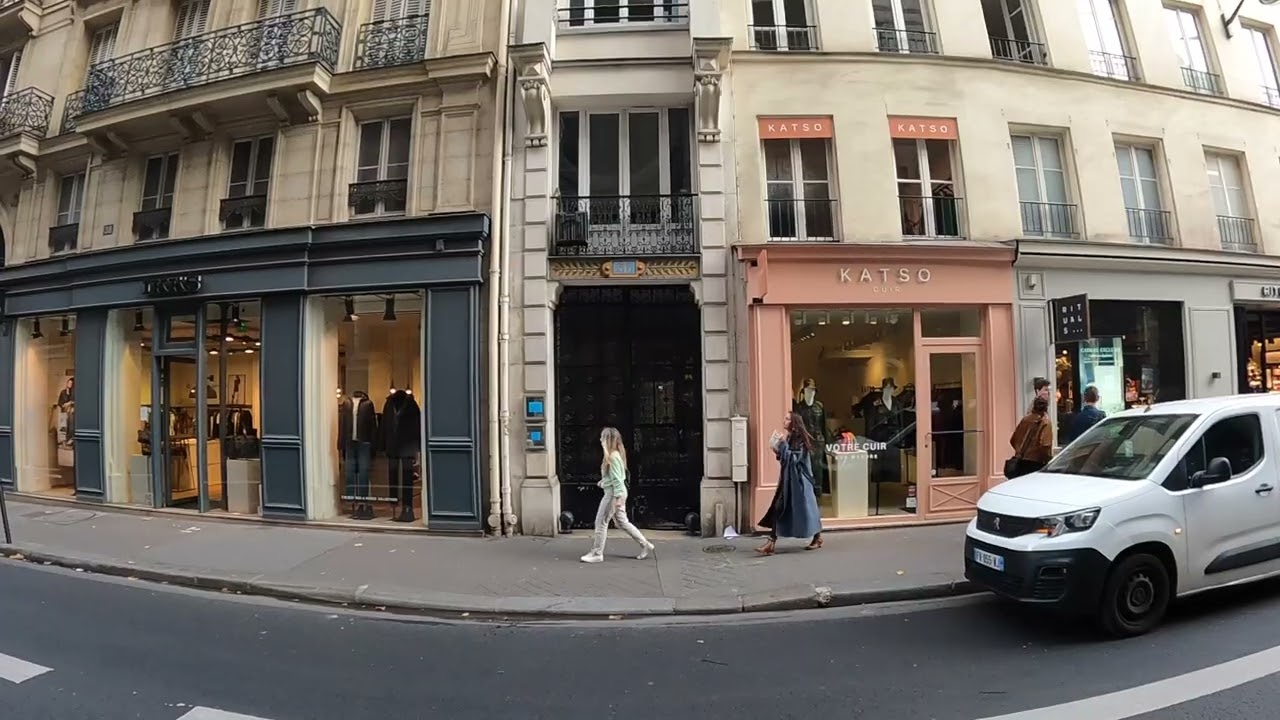






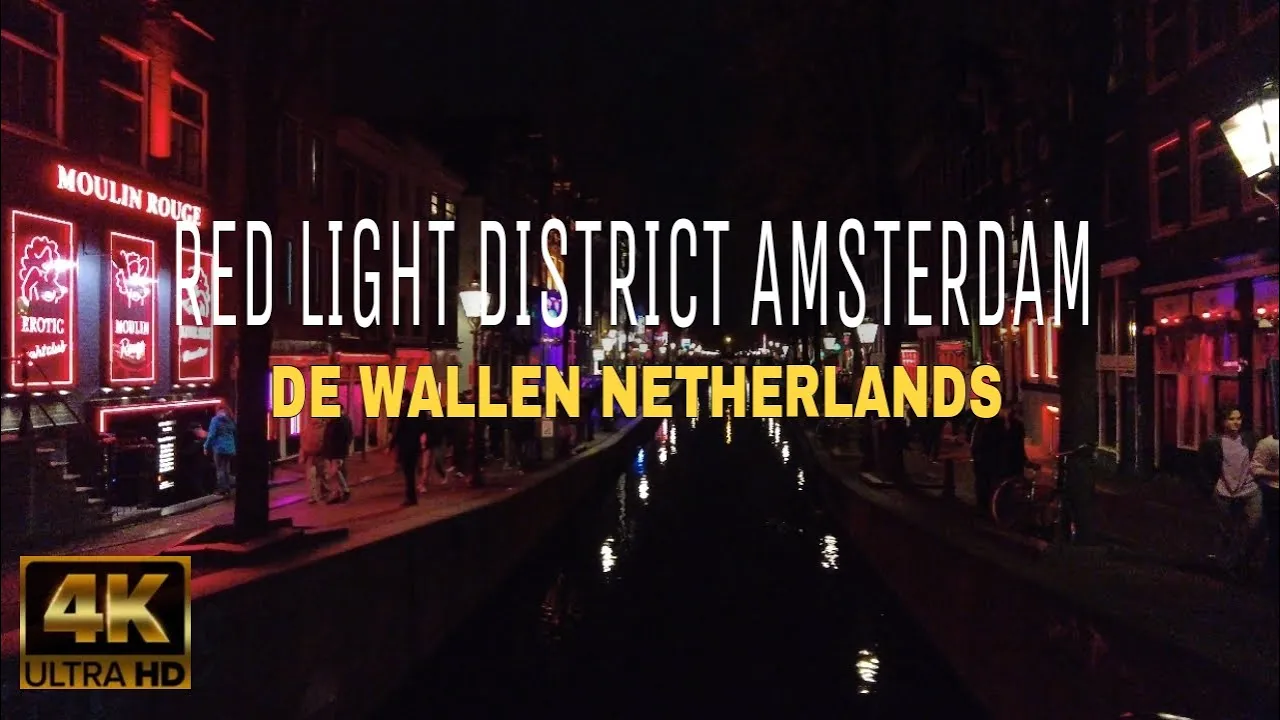




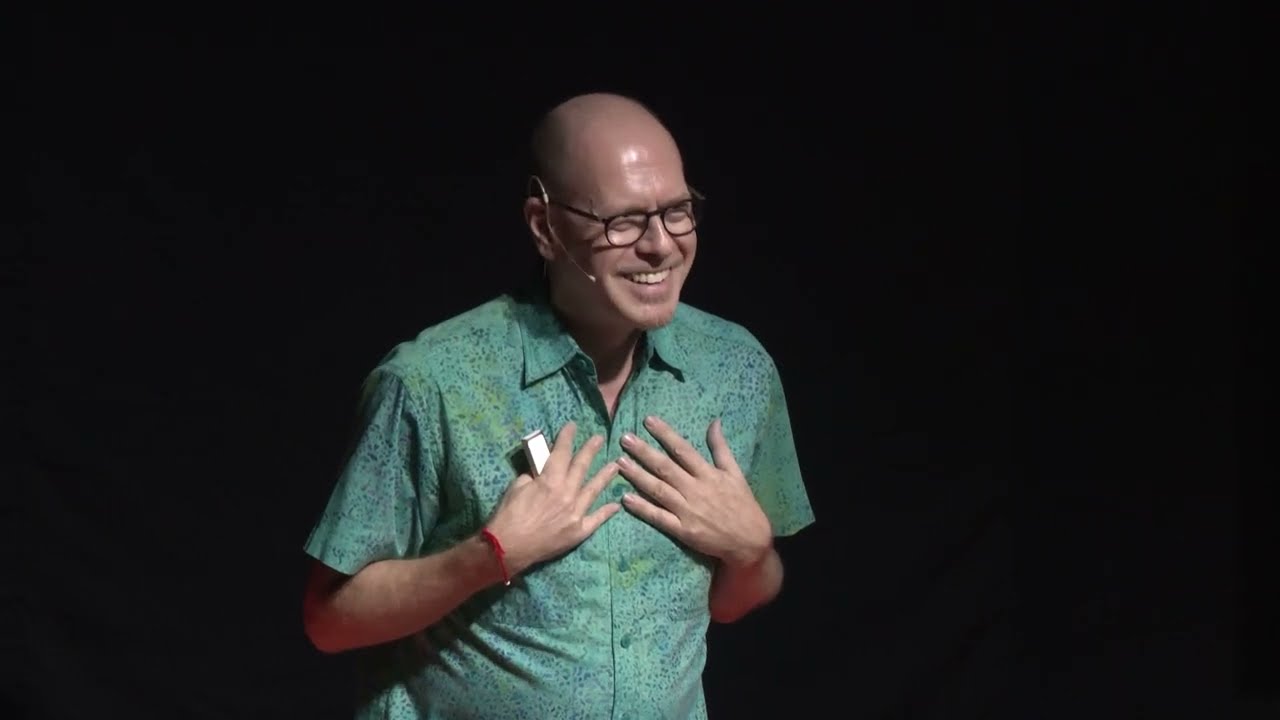


Multisensory mapping in urban ethnography involves systematically engaging all five senses—sight, sound, smell, taste, and touch—to document and analyze urban spaces, allowing researchers to capture the complex interweaving of sensory experiences that shape human perception and emotional responses to environments, as demonstrated by the study of Pigalle's red-light district where researchers mapped how odors, colors, sounds, and spatial layouts create distinct atmospheres that simultaneously attract and repel different social groups.
Multisensory Ethnography: Mapping Sex Work in Pigalle, Paris
Added:Foundational principles of qualitative research and traditional ethnography, particularly participant observation and field note methodology.
The concept of the 'sensory turn' in the social sciences, emphasizing how human senses (sound, smell, touch, taste) shape cultural and social experiences.
Basic theories of urban geography and sociology, specifically the concepts of contested space, spatial politics, and how urban environments are socially constructed.
An introductory understanding of the socio-legal and historical context of sex work, particularly within European urban centers like Paris.
Practical application of sensory cartography, including how to design, record, and digitize soundscapes and smellscapes using qualitative GIS software.
Advanced ethical frameworks for researching marginalized or vulnerable populations, focusing on consent, spatial anonymity, and the power dynamics of representing hidden communities.
Comparative analysis of global red-light districts (such as De Wallen in Amsterdam or Kabukicho in Tokyo) using multisensory ethnographic frameworks.
The integration of sensory ethnography into urban planning and public policy, exploring how sensory data can influence municipal zoning, safety initiatives, and heritage preservation.
402 views1likes5:21Original Release: 2019-02-22
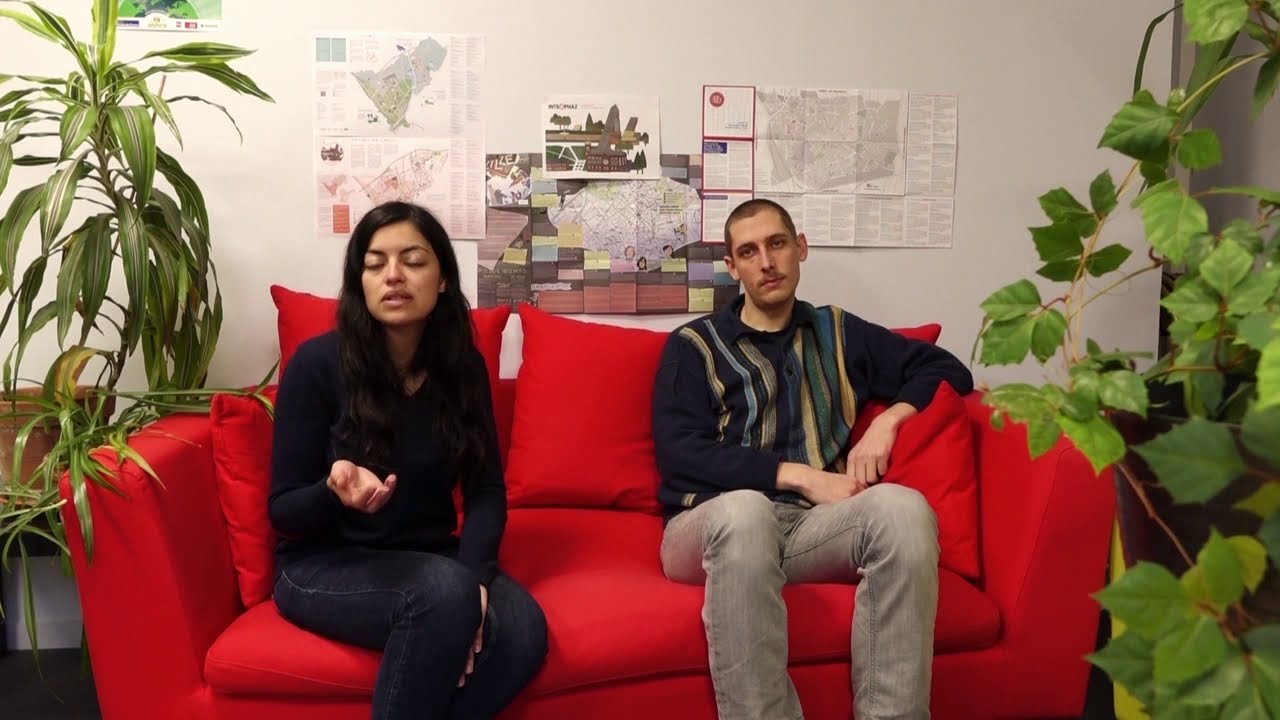
today I gave a lecture on multi-sensory methods so this extends what we did yesterday with dawn thinking about sound and about rhythm and but ask students to think more critically about a range of sensors and how they might impact the ethnographic process so we started by thinking about smell and about taste in its connection to nostalgia and memory so did a nice exercise with students where they tasted a few things from my childhood smelled a few things from my childhood they connected to home and then I asked them to think about I guess their own connections to to memory into home to then think about how we can use all of the sensors in the ethnographic research process my own research engages quite a lot with the sex industry in thinking about a sexual space a closed door or curtains you have to pass through a barrier in order to get there and then when you sit down they often have red velvet or something that kind of evokes a sort of a sensuous sexuality right and people smoke in these places sometimes so sometimes their cigarettes know people definitely drink the smell of alcohol is the palpable people end up vomiting at some point as well so when you go out into the street you know the smell of urine the smell of vomit all of these things become part of the experience so today we've sent the students to an area Paris known for its red-light district known for having a high volume of sex shops in a relatively small area so we've sent them to Pig al which is where the Moulin Rouge is located the sort of original cabaret and where we've asked them to go into different sections there's some sex what we called sex superstores thinking about what they find there asking them to engage all of their senses as well as their kind of emotional responses to different to different items that they come across my name is Lauren greasy I'm just completed the first year of my PhD at the University of Manchester and I'm studying human geography so we've been looking at the contested nature and the spatial kind of patterning of sex shops and sex work within the gaol in Paris and it's been really quite fascinating to explore how simultaneously open and closed off these spaces are to members of the public and to visiting tourists as well so specifically Jack and I we've been looking at odor and smells in space and how their scent can trigger particular emotions and particular memories in many instances so we've been documenting all of the odors that we encounter how they're making us feel and how that kind of spatial pattern of these odors is dispersed and how they're also simultaneously concentrated as well and how it can move and change over time and throughout the spaces that we've explored it's getting more practice and experience with using more creative methods in deploying and recording those kind of olfactory encounters for me in particular and also just using other forms of sensory perception so referring to an olfactory encounter in relation to something that you see in a person that you've encountered a memory that you have would say a relative or something so it's just creating a very complex interweaving mesh and mosaic of smell in everyday life for me so in the debrief we discuss what we found a lot of people was talking about the the layout of these shots how some of the items were really clearly on display at the front I went hidden from view we also noticed how there was a sort of dark sort of spaces in these shops there weren't any big windows letting in lots of natural light which was another area that we noticed was characteristic of these shots and we looked at some of the maps that we were making so as part of the analysis that we conducted we wanted to see what the layout of the shops were and what sort of smells sights feelings that we got when we were going in and out of these shops kind of trying to take into account the sort of emotional sort of atmosphere that we felt a lot of the groups have had very very good contributions looking at bringing forward ideas on color especially on smell the soundscapes of this city like contrasting the main road the meat like the centerpiece where you had access to the public transport there any actual kind of atmosphere and the ambience created by the sex shops using colour the smells of the products that they're selling this and it's just been really fascinating [Music] you [Music]
Up Next

26:41
Sensory Ethnography Explained by Sarah Pink | Research Methods
@NCRMUK
26.1K views•2015-03-27
9:07
Anthropology of Taste: Identity, Culture & The Physiology of Taste
@foodieeyes
4K views•2019-07-16
4:45
Proxemics Explained: The Study of Personal Space
@Vox
536K views•2016-07-05
10:38
Psychology of Internet Trolling and Pranks Explained
@AzzyLand
10.7M views•2017-12-20
Related Study Plans & Knowledge Roadmaps
Structured learning paths in Anthropology
anthropology
Sensory Anthropology (Culture & Perception)
01Foundations of Sensory Anthropology
02Soundscapes and Acoustic Ecology
03Smellscapes and the Anthropology of Odor
+ 3 more learning modules
14h6 modules
Explore Roadmap
anthropology
Space Anthropology: Analogs, Culture & Habitats
01Foundations of Space Anthropology & Cosmic Imaginaries
02Extreme Isolation & Micro-Societies in Orbit
03Space Analog Habitats & Earth-Based Simulations
+ 2 more learning modules
15h5 modules
Explore Roadmap
anthropology
Legal Anthropology: Customary Law & Pluralism
01Foundations of Legal Anthropology and Social Justice
02Legal Pluralism: Coexisting Legal Systems
03Customary Law and Indigenous Dispute Resolution
+ 2 more learning modules
15h5 modules
Explore Roadmap
anthropology
Global Tourism: Gaze, Authenticity & Heritage
01Introduction to the Sociology of Tourism
02The 'Tourist Gaze' (John Urry)
03Staged Authenticity in Tourism
+ 3 more learning modules
14h6 modules
Explore Roadmap