




![Anthropology | Chapter 1 Part 4 [ ኖቶችን "Temari Pro" አፕልኬሽን ላይ ታገኛላችሁ | ከ Playstore ]](https://i.ytimg.com/vi_webp/qHfsr-1jwMg/maxresdefault.webp)








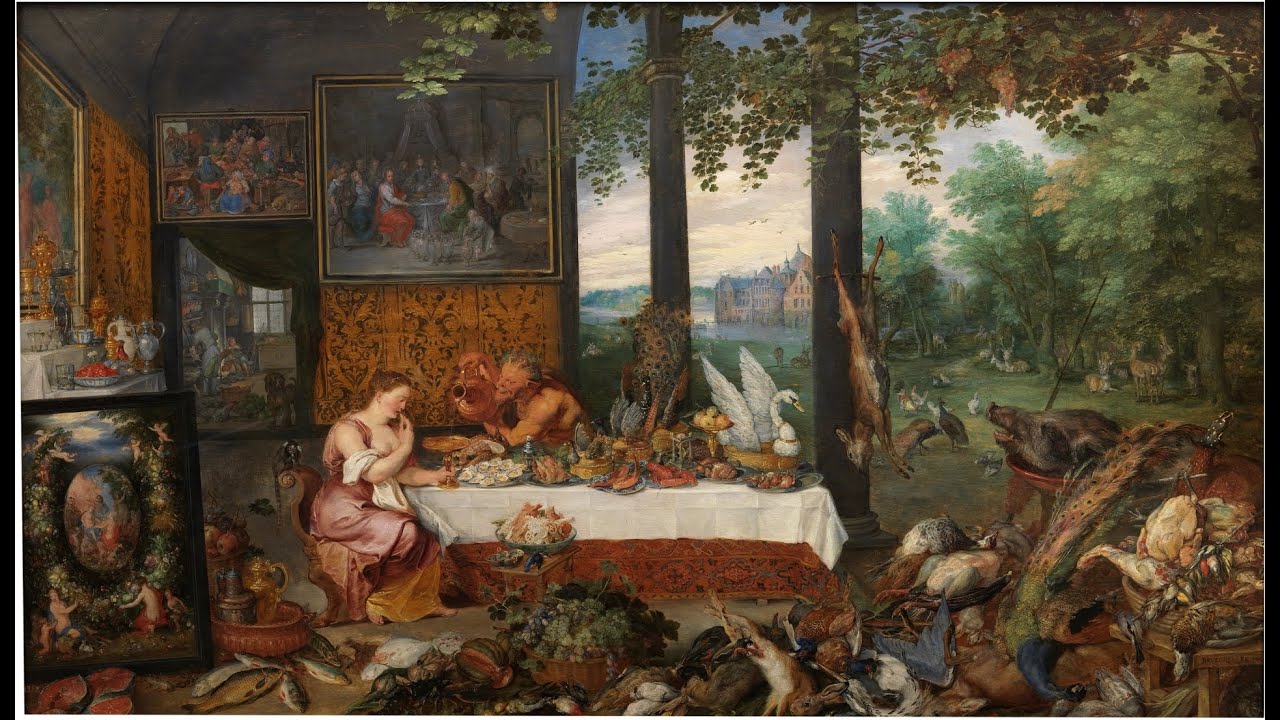





Taste is not merely a physiological sensation but a profound social and intellectual phenomenon that shapes human identity and behavior; according to Jean Anthelme Brillat-Savarin's revolutionary 1825 work 'The Physiology of Taste,' taste connects to history, psychology, fashion, politics, and art, transforming eating from a biological necessity into an aesthetic and intellectual pursuit where our food choices reveal who we are, and taste culture enables us to derive meaning and satisfaction from consumption while simultaneously concealing the digestive processes that ultimately define our relationship with food.
Anthropology of Taste: Identity, Culture & The Physiology of Taste
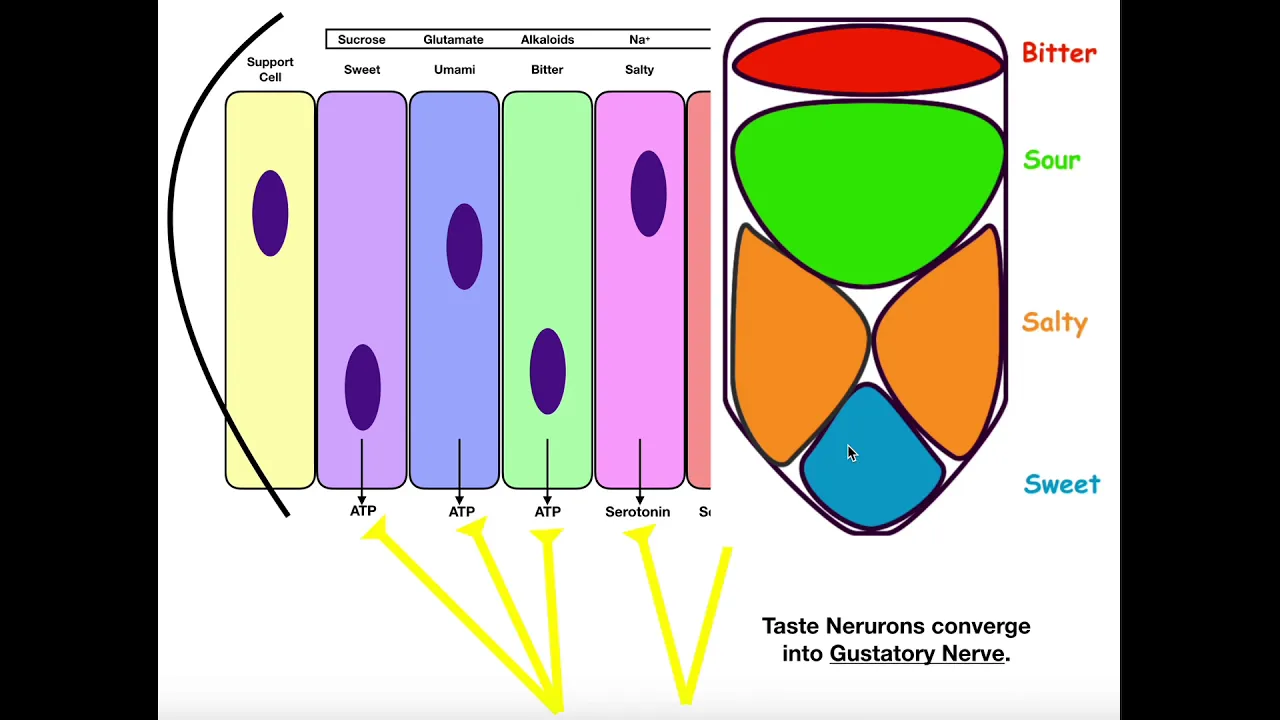
Added:Basic anatomy and physiology of human gustation, including taste receptors, the five basic tastes (sweet, sour, salty, bitter, umami), and the olfactory system's role in flavor perception.
Core principles of cultural anthropology, specifically how shared beliefs, symbols, and practices shape human behaviors and social identities.
An introduction to Jean Anthelme Brillat-Savarin's foundational culinary philosophy, particularly his 1825 work 'The Physiology of Taste' and the concept of gastronomy.
Basic psychological concepts of eating behavior, such as how memory, emotion, and social conditioning influence personal food preferences.
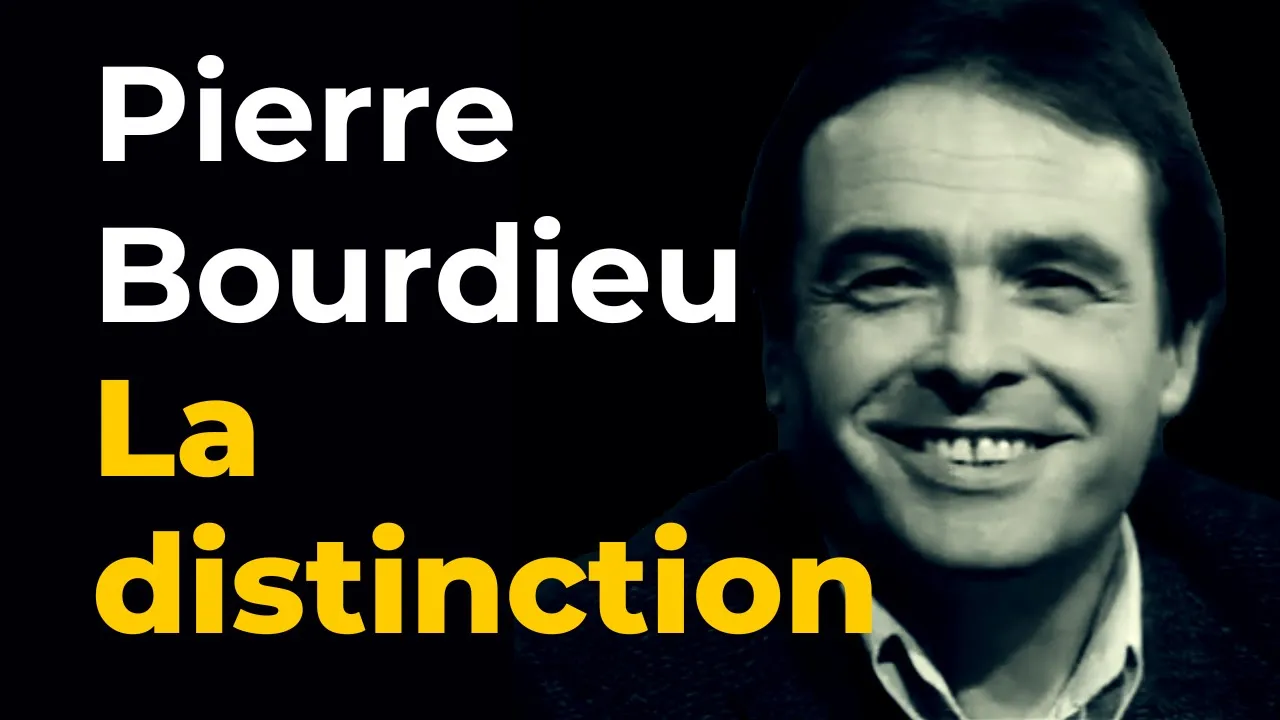
Pierre Bourdieu's sociological theories of taste and distinction, exploring how food preferences function as markers of social class and cultural capital.
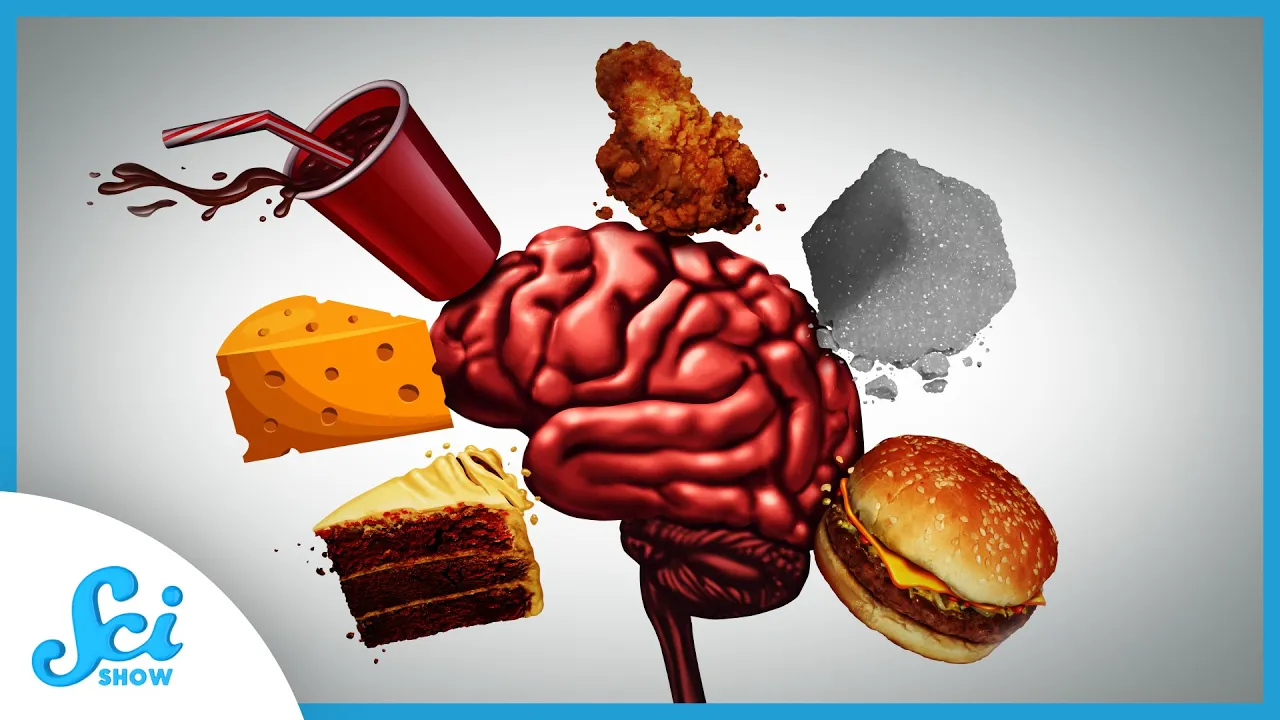
The field of neurogastronomy, examining how the brain integrates multi-sensory inputs (sight, sound, texture) to create the complex perception of flavor.
Foodways and globalization, analyzing how migration, colonialism, and cultural exchange adapt and transform culinary traditions and heritage over time.
Practical applications in sensory marketing, focusing on how food industries leverage the psychology of taste and cultural identity to design and market products.
4K views0likes9:07Original Release: 2019-07-16
on this video We’ll examin the top reason for everything And that is The sense of taste How does it work?
Where does it came from?
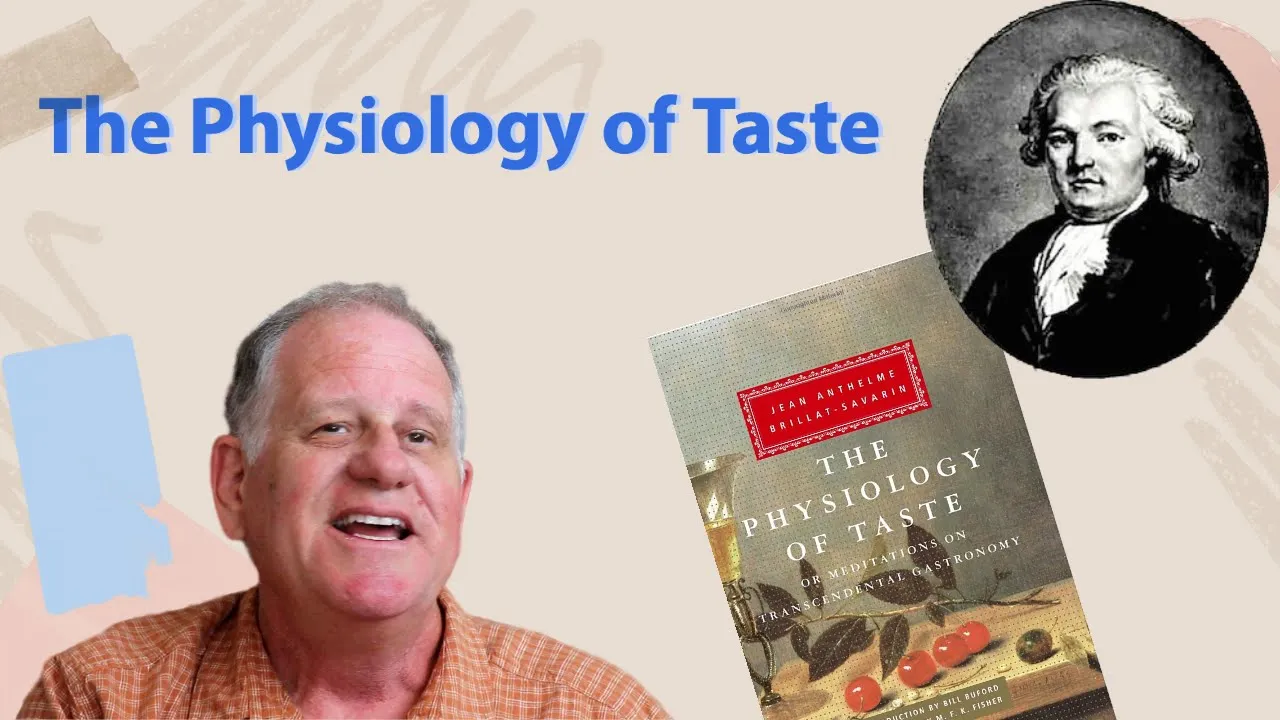
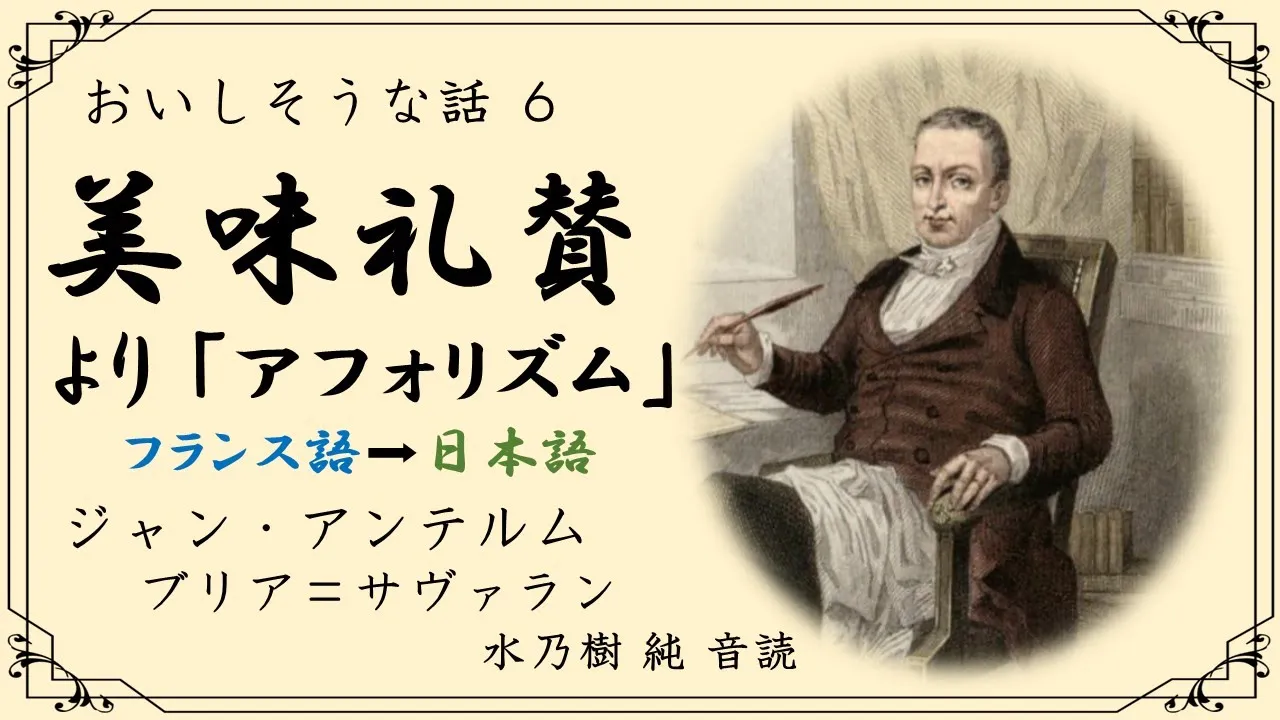
Is it only our imagination We are going to find out Next So do not forget to subscribe foodie eyes channel And comment on this special video becuse we are starting Right now The poetics of taste The appearance of the book “The Physiology of Taste” by Jean Anthelme Brillat-SavarinIn 1825 is considered a revolutionary moment in the modern food culture.
The book, which laid the foundations for modern gastronomy, stated that cooking and eating are arts The book also established connections between wisdom and intellect to good taste.
In the book, Savarin coined the inspiring proverb "Tell me what you eat and I will tell you who you are" A proverb that expresses a close connection between identity and nutrition Most of all, Savarin is responsible for making taste itself an idea.
As a fundamental concept of human existence, through which we can understand the world, recognize it and act within it In the book Savarin Ties the taste, to history, psychology, fashion, the theory of state and art The taste makes the frying of the omelette, the selection of the cheese in the store or the pouring of the wine, Actions that emerge from an intellectual and aesthetic position.
People do not just eat an omelet or drink wine, they fulfill themselves through the omelette and wine.
The taste is a unique idea because it is an idea that can be acquired.
When you buy a good book or a nice shirt or a tuna fish in the restaurant you buy a taste.
Taste is the ideal product.
The idea of taste gives life a reason.
It enables us to derive satisfaction and pleasure from the existence.
It is not Just like that And you buy a cheeseburger.
You need to buy your satisfaction with meaning and for this you need to taste non-stop To buy nonstop, the more you taste, The more you live The idea of taste is the horizon of day-to-day operations and the totality of products.
It sings on television, humming in commercials, scowling in pots, frantic in the books supplements and traveling around the world.
It Is the globalization of the possibilities of existence and it dominates society and culture In the Western world while its invisible hand is ironing credit cards.
The significant contact with the words of the food does not exist through the organ called tongue, But through a phenomenon called speech.
The sense of taste is a neural response to the encounter between the chemicals in the food To the taste buds On the tongue And the receptors In the nose.
It is the language that fees the taste of the neural response and the numb feeling And gives them a role meaning.
The taste belongs to the mouth That speaks and not to the mouth that eats an example of how food taste can be changed quickly - Imagine yourself emit next to a friend who is sinking into juicy chicken wings "Exactly like the wings I ate this week, two days I was above the toilet" And watch immidietly How the fermented chicken wings turn into a fat-burning tire.
The understanding that the life and death of the taste in the hands of the tongue is a known phenomenon In order for food to taste it must have a linguistic phenomenon, it must exist in a linguistic context.
if the taste of food is a linguistic phenomenon, So our taste is not really ours, Because taste have no Existence Of its own During our socialization process we Learn from the enviouroment What is tasty and what is not First we learned it from our mother and grandmother And then society and people around us Those are the ones who will teach us what is tasty And yet we want to believe that this is our personal taste.
Lack of control is the central experience of eating.
The terrible, pain of the stomach, which shrinks from hunger and the gases that go down and rise in the digestion tract before eating.
Hunger makes the eating experience chaotic.
A tremendous force that comes from the body and moves us, changes our actions and our behavior.
The taste gives a sense of control over the food eaten and the hunger drive.
He presents eating as a choice and not as a need.
The shift from hunger to taste, from eating to supper, From swallowing to tasting, Is in principle to every consumer society.
The taste changes the function of the food to satisfy the taster.
This is because the satiety is the great horror of the consuming culture.
Because you can be full of rice and salad and do not have to buy chocolate, steaks, hamburger pastas, organic hummus or sashimi.
Desire for taste allows the satisfied to always be hungry.
More is the taste of all the foods in the supermarket.
More is also the taste of all the food in commercials and of all the food in the cooking programs on television.
The taste is designed to hide the digestion process and in doing so the feeding process.
Taste culture enables us to concentrate the eating experience in mouth and tongue, And the most important process in the eating experience And that is the digestion-.
Completely neglected in taste culture.
Just as we do not know the size of the cow and where our cheeseburger came from, We also have no idea what happens to him within the body, where and how it is sent and what organs it reaches.
The real inner, not that of the soul That one inside the stomach, remains a secret.
A mysterious box in which we put treasures and throw away the map.
And that is the reason i remain you to subscribe this channel And get the best foodie videos On your main screen Thanks for watching See you on the next
Up Next
5:21
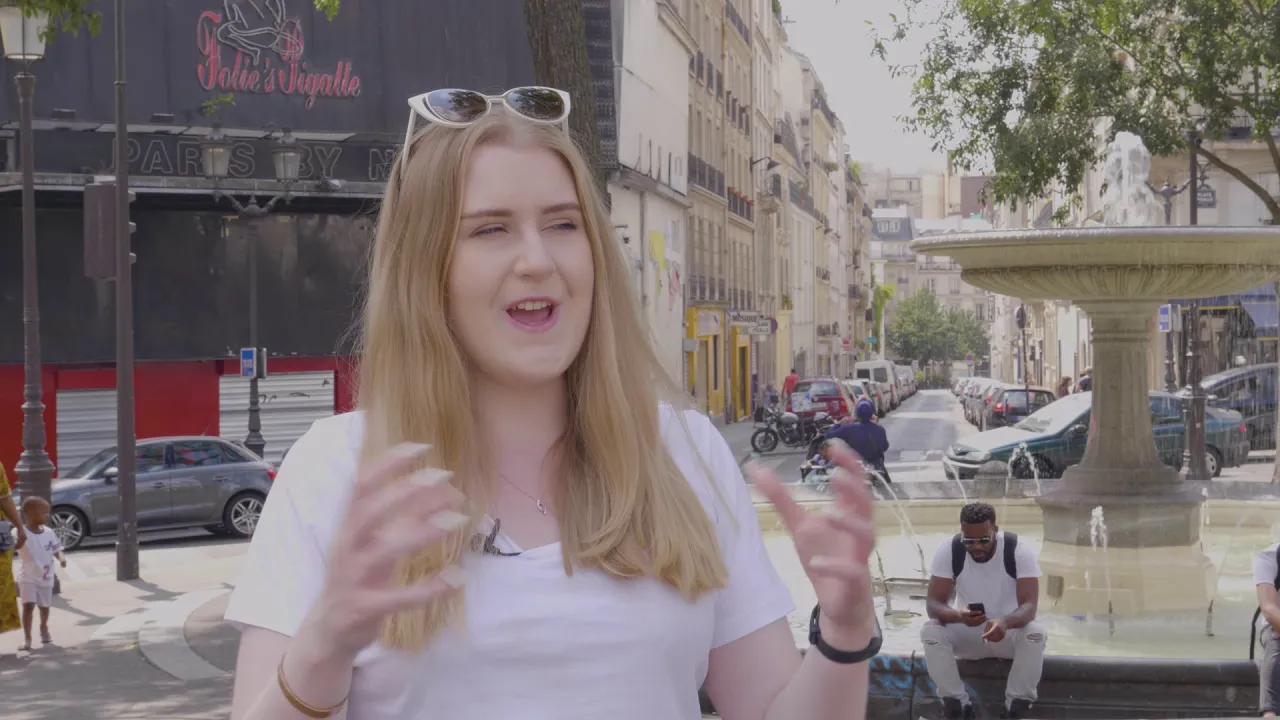
Multisensory Ethnography: Mapping Sex Work in Pigalle, Paris
@SSPSSR
402 views•2019-02-22

26:41
Sensory Ethnography Explained by Sarah Pink | Research Methods
@NCRMUK
26.1K views•2015-03-27
4:45
Proxemics Explained: The Study of Personal Space
@Vox
536K views•2016-07-05
10:38
Psychology of Internet Trolling and Pranks Explained
@AzzyLand
10.7M views•2017-12-20
Related Study Plans & Knowledge Roadmaps
Structured learning paths in Anthropology
anthropology
Sensory Anthropology (Culture & Perception)
01Foundations of Sensory Anthropology
02Soundscapes and Acoustic Ecology
03Smellscapes and the Anthropology of Odor
+ 3 more learning modules
14h6 modules
Explore Roadmap
anthropology
Space Anthropology: Analogs, Culture & Habitats
01Foundations of Space Anthropology & Cosmic Imaginaries
02Extreme Isolation & Micro-Societies in Orbit
03Space Analog Habitats & Earth-Based Simulations
+ 2 more learning modules
15h5 modules
Explore Roadmap
anthropology
Legal Anthropology: Customary Law & Pluralism
01Foundations of Legal Anthropology and Social Justice
02Legal Pluralism: Coexisting Legal Systems
03Customary Law and Indigenous Dispute Resolution
+ 2 more learning modules
15h5 modules
Explore Roadmap
anthropology
Global Tourism: Gaze, Authenticity & Heritage
01Introduction to the Sociology of Tourism
02The 'Tourist Gaze' (John Urry)
03Staged Authenticity in Tourism
+ 3 more learning modules
14h6 modules
Explore Roadmap