




















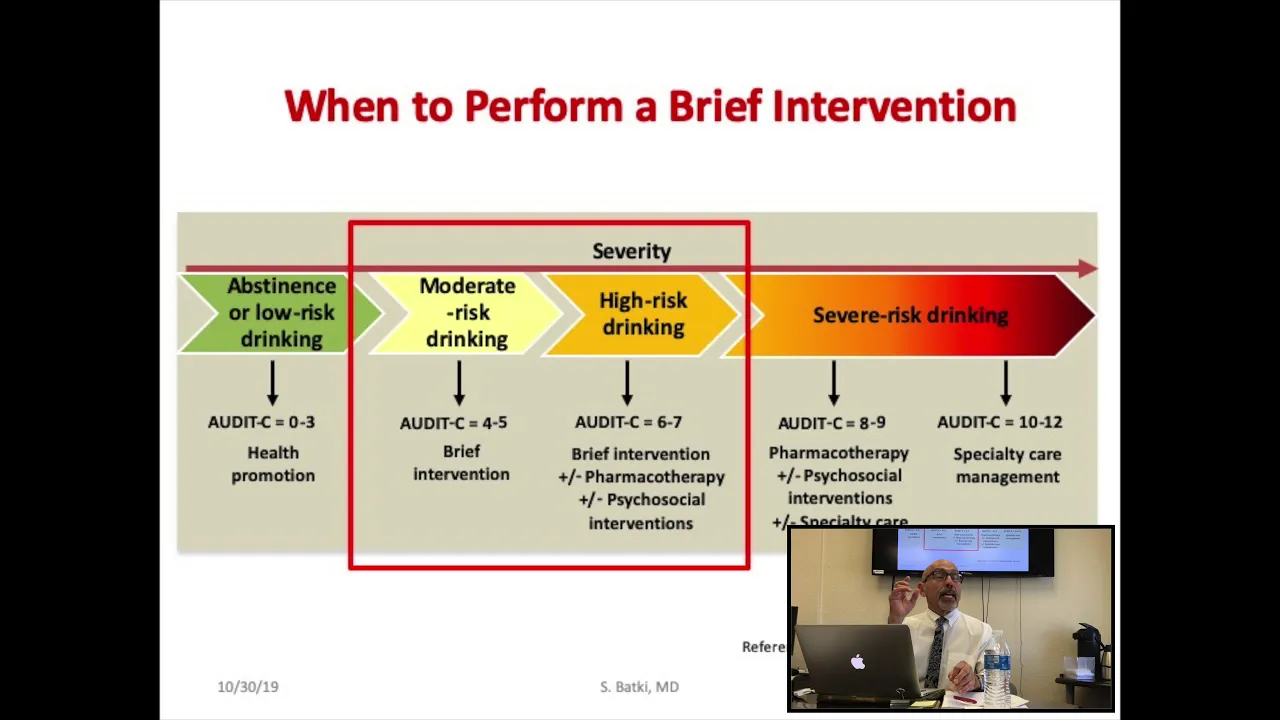

This video compilation explores how our brains process food through multiple interconnected mechanisms: (1) Diet significantly influences mental health, with research showing that nutrients like folate, B vitamins, and omega-3 fatty acids may help reduce symptoms of depression, ADHD, and other conditions by combating inflammation; (2) Food preferences are shaped before birth, as prenatal exposure to flavors through amniotic fluid and breast milk can affect taste preferences into childhood; (3) Our perception of flavor is not just about taste buds but involves the brain's interpretation of visual, auditory, and emotional cues, meaning the same food can taste different based on lighting, music, and mood; (4) Psychological factors like social conformity, reactance theory (limited availability increases desire), and nostalgia explain why certain foods like pumpkin spice lattes become popular; (5) While cheese contains opioid-like compounds, it is not as addictive as cocaine, and food addiction differs fundamentally from drug addiction in terms of dopamine release and withdrawal symptoms.
How Food Affects Your Brain: Diet & Mental Health
Added:[Music] there's this thing you might have heard of it's called food i have been known to partake on occasion i suspect you have as well and what we eat has all sorts of effects on us not just on our physical health but our brains too because guess what our brains are made of meat and they need nutrients to do all that thinking and coordinating muscles and stuff like that over the last couple of years we've made a handful of episodes about our brains and food and here are some of our favorites first the nutrients we get in our diets may have some influence over our mental health here's more when it comes to physical health mountains of evidence will tell you that a healthy diet is important and it is but a growing body of research is showing that diet is important for mental health too and before you click away no i'm not about to show you the 10 super foods that will cure your depression or anything mental health is way more complicated than that and everything from your genetics to your environment can affect it but there is some evidence that diet also plays a role here studies have found a link between what people eat and their risk of mental illness even when it comes to the severity of their symptoms and if diet contributes to these conditions well maybe it can help treat them too there are all kinds of studies showing how diet and mental health are related some focus on food in general like a 2013 meta-analysis which found that diets high in fruit vegetables fish and whole grains may be associated with a reduced risk of depression but other studies have found something more specific they've reported that when it comes to mental health it's not just about having a generally healthy or unhealthy diet instead specific nutrients are sometimes involved for example in a 2017 paper researchers used data from a long-term health study to look at older adults diagnosed with depression and they found that participants levels of vitamins b12 b6 and folate all decreased in the year leading up to their diagnosis several other studies have also found that participants with depression and schizophrenia tend to have lower levels of folate than the general population admittedly this relationship is based on correlations which means they don't say a nutrient caused anything but it seems like there could be something going on here and if so there's a pretty good explanation for why those nutrients all act as antioxidants during daily life chemical reactions in your body can split oxygen molecules into atoms with unpaired electrons which are called free radicals without a second electron these free radicals are unstable so they scavenge other cells to find an electron to pair with that puts the body under stress and can ultimately cause inflammation or other damage antioxidants are molecules that fight that stress by handing over their own electrons without becoming unstable themselves what does that have to do with mental health well there's a lot of evidence for a link between certain mental health symptoms and inflammation the link is especially strong for depression but papers have found some support for a connection with adhd schizophrenia and bipolar disorder as well the research is ongoing but the general idea seems to be that inflammatory molecules may affect how chemicals are released in the brain in any case the relationship has come up enough that some researchers have wondered if giving a patient nutrient supplements that fight inflammation could help ease their symptoms and amazingly it might at least in some cases in september of 2019 a huge meta review was published in world psychiatry and it took a big picture look at nutritional supplements and mental health conditions now meta review is a reanalysis of the data from a bunch of meta-analyses which themselves are re-analyses of the data from a bunch of individual studies so suffice it to say this paper looked at a ton of data and what it found was kind of encouraging for one it found that folate which fights inflammation was helpful for depression symptoms when it was used as an add-on to existing treatment it also found emerging evidence that a kind of antioxidant amino acid could be a useful treatment for depression schizophrenia and bipolar disorder the big stars of the paper though were omega-3s which are types of fatty acids with anti-inflammatory properties there are a bunch of them but the most effective one in this review was epa in the paper there was some evidence that omega-3 supplements helped with adhd and there was a bunch of evidence that they helped with depression like these supplements were demonstrated to reduce depressive symptoms in people with major depressive disorder over 13 studies involving more than 1200 participants that's a lot of participants especially for psych research now one thing this review didn't say was that all supplements are effective all the time like it did not find that omega-3s were helpful for schizophrenia or other mental illnesses and despite what smaller studies have found the review found little evidence for the effectiveness of zinc magnesium or vitamin c or e supplements vitamin d even fell short although the authors noted that there is some growing evidence that it could help treat depression overall the authors say we need more research examining individual nutrients and their effects on specific mental illnesses but the takeaway is that supplements could be really helpful for some patients depending on their situation of course there's also a big thing to keep in mind here even for the nutrients that showed promise these supplements are not a cure-all diet is only one potential factor in someone's mental health and it's completely possible to have a nutrient-rich diet and a mental illness like i said earlier mental health is complicated and just because supplements could help doesn't mean they're the only way to get help ultimately those kinds of decisions are up to a person and their doctor if nothing else though this kind of research does remind us that our brains aren't separate from the rest of our bodies and eating a healthy diet is likely one way to take care of them both no word yet on whether corn dogs count but i'm sure the data are out there just waiting to be found but let's get this one out of the way yes we've talked about the psychology of the pumpkin spice latte and yes it turns out there's a lot to talk about from the simple joys of sugar to the complexities of group social behavior here is brit to explain ah foul crunchy leaves warm sweaters chilly weather and of course pumpkin spice so much pumpkin spice from candles to yogurt to oreos it's everywhere especially in our lattes the craze might seem a little bit over the top but it actually makes total sense psychologically so far there hasn't been any specific research on what makes pumpkin spice so compelling but psychologists do have some ideas about what might be going on turns out pumpkin spice is basically the perfect brain puppeteer first there's the sugar in case you missed it sugar is super addictive a review from 2013 found that in some ways it can be more rewarding and addictive than cocaine and whoo boy is there a lot of it in a pumpkin spice latte sugar that is not cocaine at least that's what they tell us a medium-sized pumpkin spice latte can have about 48 grams of sugar which is a quarter of a cup or about 37 gummy bears so yeah if you love your psls you might not want to think too hard about that and it's not just the lattes pairing that distinctive pumpkin spice flavor with sugar over and over in baked goods and drinks teaches our brains that pumpkin spice equals reward that's part of why you crave it of course that can't be the whole explanation peppermint mochas and caramel apple spice ciders have a ton of sugar too psychologists think some of pumpkin spice's popularity may have to do with social conformity our tendency to change our beliefs or behaviors to match those around us or in our culture while some of your friends might judge you if you don't buy a pumpkin spice latte the second they're available social conformity goes way beyond direct peer pressure simply seeing everyone else drink them and tweet about them and take selfies with them can be enough to convince us that we want one too it's a pretty well documented phenomenon the most famous example is the ash conformity study where other people's responses convince subjects that one line was longer than two others even when it very clearly wasn't and psychologists have found that social conformity can also affect our eating choices for example in a study of 39 preschoolers in 1980 researchers found that the influence of peers could change a child's opinion about a vegetable they didn't like and if you've ever tried to convince a stubborn kid to eat their broccoli you know exactly how much of an accomplishment that is in the study children sat at lunch tables with a few other kids who disagreed with their preferences so a kid who really liked corn but hated peas would be told to sit with kids who dug peas but weren't into corn after just four days of seeing the other students pick peas over corn and express their liking for peas the kid who originally said they didn't like peas would start liking them a little more so with everyone around you talking about how awesome pumpkin spice lattes are it's not too much of a stretch to imagine that they're influencing your opinion of it too there's evidence that social pressures can also affect our buying habits research has shown that when we don't have objective information telling us whether to buy something we'll usually just do what everyone else is doing and the way it's only offered each fall that's another part of the brain gaming it's taking advantage of what's known as reactants theory which says that we don't like when people try to limit our behavioral freedoms and as a result we're more likely to do things others try to keep us from doing and not being able to buy a pumpkin spice latte whenever we want to you'd better believe that feels like a limit on our freedom i mean this is america so since we can't get pumpkin spice all year round we want it more it might sound a little extreme but reactant's theory has been shown to explain why short-term sales or seasonal specials like pumpkin spice lattes are so effective for example way back in 1966 a study showed that just telling people a certain product was out of stock was enough to make them rate it as more desirable and another study from 1987 found that one day sales made people more likely to buy something than three-day sales or five-day sales so the burning envy you feel when your co-worker posts that instead of the pumpkin spice latte they managed to get a whole day earlier you want that latte so bad because you can't have it and that's reactants we might also love pumpkin spice so much because it's quintessentially fall for a lot of people pumpkin spice triggers nostalgia that mysterious mix of cinnamon and nutmeg drags us right back to apple picking carving pumpkins and baking thanksgiving pies with grandma and studies have shown that those warm and fuzzies can literally make us feel happier giving a boost to our social bonds our self-regard and our mood generally which means that if pumpkin spice makes you nostalgic you're basically buying happiness in a little paper cup so pumpkin spice has our brains good and hacked we drink it in lattes and put it in candles because everyone else is doing it because we can't have it all the time and because it literally makes us feel good none of that is necessarily a problem though you know assuming you don't spend your entire paycheck at the coffee shop actually if you want to pinch a few pennies and make a cheap food seem tastier there's a brain hack for that no really like food is about a lot more than taste our brains play into the whole experience here is some more on that we're all taught that we have five senses sight hearing touch smell and taste and you also learn that smell and taste are really two sides of the same coin which is why your food becomes super bland if your nose is stuffed up but your sense of taste doesn't just rely on your tongue and nose everything about the experience of eating or drinking from the dishes to the background noise can affect the flavors of your food because really you taste things not with your tongue but with your brain the idea that flavor is basically all in your head is what scientists call neurogastronomy your tongue and nose have receptors that detect flavorful chemicals and send signals to your brain but what you taste ultimately depends on how those signals get interpreted some scientists even claim that more brain systems are involved in tasting than anything else you do like you need the regions that control senses memory and even the muscles that get food into your mouth on top of that your brain is constantly trying to find patterns in the world to help you make quicker better decisions and that means you can hack your sense of taste by changing things that have nothing to do with your taste buds for one thing what your food looks like matters before you take a swig of wine you see its color and you might know or remember that deeper reds tend to be more bitter while whites are usually sweeter and fruitier so even before you smell or taste anything you expect your wine to taste a certain way and scientists have found that expectation can change the flavor your brain perceives if a white wine is dyed red with food coloring you might think it smells and tastes more like a cabernet than a chardonnay or if you taste a mystery green juice you might guess it's apple or lime even if it's actually cherry flavored in a 2014 study researchers even found that changing the lighting in a room can affect how intense a wine tastes for instance green mood lighting made the wine taste fresher so it's no wonder why companies use artificial colorings in their foods your sense of touch plays a role in this too that's partially because of what gastronomists call mouth feel the way your mouth feels while you're eating something and shortly after it's surprisingly difficult to identify pureed foods for instance in blind taste tests of mush some foods like apples were easier to pick out but others even lamb or cabbage which are thought to have more distinct tastes were correctly id'd less than five percent of the time you can also be influenced by sensation transference where you take the qualities of other things you feel and describe them to your food so everything about your dishware from its color and shape to its material and texture can alter the flavors you perceive heavier things are associated with higher quality for instance so when psychologists added hidden weights to serving bowls or spoons people thought yogurt tasted better researchers in a 2010 study even found they could make stale pretzels taste crispier just by having a participant hold a fresh pretzel in their hand while eating even what you hear can influence flavor possibly because of neuronal cross talk between your senses of hearing and taste or because music can affect your mood psychologists have found that certain styles of music or instruments seem to go with certain tastes like in experiments people have said that piano music fits well with fruitier drinks and in implicit association tests where the speed and accuracy of connecting two things is used to measure unconscious associations higher notes are somehow considered sweeter those associations translate into real flavor differences like one study found that changing background music while you taste toffee can make it seem sweeter or more bitter or if you dine at the fat duck a three michelin star restaurant in the uk you can order the sound of the sea an oyster dish served alongside an ipod playing crashing waves chef heston blumenthal created the dish after teaming up with local psychologists who found that ocean sounds make oysters taste saltier although they don't have an exact explanation for this multi-sensory effect even without music what you're feeling can affect flavors like researchers found that simply thinking about someone you love can make foods taste sweeter even distilled water that may be because of how things that make you happy and sweet things both trigger the brain's reward system and if you're upset about something like your favorite sports team losing a game your food may taste more sour studies have found that increased levels of noradrenaline a hormone that is released when you're stressed can enhance sour flavors but here's where it gets really cerebral because this mood taste connection is a two-way street yeah different tastes can influence how you feel and act for example in one 2014 study researchers found that people who drank a bitter tea or juice rated themselves as more hostile didn't matter if they liked the drink or not a bitter taste translated to more aggressive feelings and then a follow-up experiment participants actually took out those aggressive feelings on their experimenters by rating their performance more negatively similarly in a 2018 study participants from the uk and vietnam that drank a sour drink took more risks in a money-making game while those that drank sweet or umami ones played it safe so all this may seem a little freaky but the upside is that you might be able to use this knowledge to get more from your meals like maybe serving the right food in the right dishes during dinner could make things seem a little fancier who knows now we've mentioned earlier that sugar is pretty addictive and we all love to talk about how we are obsessed with psls or corn dogs or cheese and there's this idea that made its way into our collective imaginations that cheese is as addictive as cocaine but is that true well not quite it is based on a real research but blown a bit out of proportion as you might expect here's brit to tell us how and to eat cheese on camera what a legend most of us dig cheese like really dig cheese sure it's not so great for the waistline but pizza you know but if you find yourself adding parmesan to everything maybe your appreciation for curdled milk isn't just a passion maybe it's an addiction no really haven't you heard according to science cheese is just as addictive as crack cue the ominous music before you trash your gruyere to go cold turkey let's take a moment to examine where headlines like that come from they're usually sensationalized reporting on pretty tame research findings like that cheeses contain weak opioid-like painkillers the truth is few things are really as addictive as cocaine there are three major kinds of studies that lead to scary headlines like that preference tests in animals behavioral studies of people and brain scans one way scientists can gauge addictive potential is by dosing lab animals with the substance in question and seeing if they show a preference for it later on for example if researchers inject rats with morphine in a certain chamber the animals are very keen to return to that chamber go figure i mean think about it if you always got a great present in a certain room you'd be pretty excited to go back too when it comes to cheese addiction though they're not just main veining mozzarella into the little guys some people made the drug cheese connection because cheeses contain casomorphins which studies have shown can act like super mild opioid painkillers but when researchers inject casomorphins into rats they show no preference for the places where they were injected with them suggesting that they don't really have addictive potential there's also no evidence that casomorphins make their way to the brain following cheese consumption the compounds are pretty easily broken down in our stomachs so casomorphins in your diet aren't going to leave you jonesing but that doesn't necessarily prove that cheese isn't addictive especially since we aren't rodents so researchers can also look for addictiveness more directly by analyzing people's behaviors for example they can look at whether different foods are related to addictive like eating things like having cravings or feeling like you just can't stop yourself eating something and studies with hundreds of participants have identified cheese as one of the foods associated with these addictive like behaviors the cheese doesn't come out on the top of such lists instead it's middle of the pack just 16th out of 35 and one 2015 study for example that's below the likes of chocolate ice cream and french fries but for some reason when that paper came out everyone fixated on the cheese even if cheese was number one doctors point out that addictive like behaviors are called addictive like not addictions for a reason while addictive like eating does share some similarities with drug addictions many psychologists note the characteristics of the two only partially overlap drug addictions have the potential to be much more severe there's little evidence that we experience withdrawal symptoms from any type of food for example and we rarely choose eating over more interesting activities like hanging with friends when we talk about addiction to hard drugs like cocaine we're talking things that you'd lose your house over not just what tempts you at the buffet we simply don't hear about people spending their last dollars on gorgonzola and that's in spite of the fact that cheese does activate some of the same parts of your brain as addictive drugs it's well established that the stuff we get addicted to causes dopamine release in our brain's reward system key areas that give us a sense of well-being and pleasure that's something researchers have seen using fmris which estimate activation of brain regions by monitoring blood flow and when people are shown tasty treats while undergoing an fmri that same reward system which plays a large role in the formation of addiction does become active but even though on the surface that sounds like hard evidence that food and drug addictions are one and the same many scientists argue it's a bit of a red herring it's no surprise that yummy stuff activates the reward circuit that's literally what the system is there for to motivate us to do things that keep us alive like fuel our bodies drug addiction takes advantage of that it hijacks and artificially stimulates the reward system already in place what's more the dopamine release in the brain from an addictive drug like cocaine can be anywhere from two to ten times higher than inherently enjoyable things such as food and addictive drugs don't just activate the reward system once they create a cycle of dependence because the brain dampens its dopamine response each time so more and more of the drug is needed to get the same high there's no consistent evidence that this happens with food even in people who have eating disorders that involve pathological binging that said there is a lively ongoing debate among psychologists as to whether obese sufferers of binge eating disorder or bed are genetically predisposed to experience a drug-like hit from sugary fatty foods but even if food addictions are a thing for that specific subset of people with that disorder that doesn't automatically make cheese or any food quote as addictive as crack to the general population that would be like saying because some people are compulsive exercisers running is as addictive as heroin while there is some evidence that cheese is more likely than some foods to be consumed in a problematic manner and it does act as a reward we currently don't have any reason to believe that your favorite bree has the same addictive qualities as cocaine so by all means be mindful that your eating habits are driven by sensible dietary choices but don't mind throwing some cheese in there now and then after all cheese isn't exactly as addictive as crack but none of this means that our food doesn't influence us at all it does and it starts early like before we can even eat early according to some research we start developing food preferences before we are even born it's pretty widely known that what someone does while they're pregnant can affect their baby in big ways like you might have heard how pregnant people should stay away from certain foods like some kinds of raw fish because of the potential negative health effects but it turns out that a pregnant person's diet could have like less significant effects on their baby too some research suggests that what they eat during pregnancy might affect the flavors their child likes even years after birth so whether you are a huge fan of garlic or can't get enough sugary cereals your time in the womb might be at least partly responsible we experience flavors mainly thanks to our senses of taste and smell specifically to the taste receptors in our mouths and the smell receptors in our noses in the womb these cells begin developing pretty early sometime around the first trimester but since a fetus gets its nutrients through blood vessels in the umbilical cord it might seem like those cells just don't experience much for a while except they totally do see during development a fetus is surrounded by a protective liquid called the amniotic fluid as they grow they start to frequently inhale and swallow this stuff and it's not just some tasteless goop research has shown that what a pregnant person eats can actually affect how this liquid smells and tastes for example a study published in 1995 in chemical senses found that when five pregnant women took garlic pills samples of the amniotic fluid from four of them smelled like garlic and other studies with different flavors have found similar results now we can't say for sure that fetuses can actually recognize the taste of this fluid but they have been observed swallowing more of it when it tastes sweeter and less of it when it tastes bitter which suggests they might know what's going on either way we can definitely say that before birth their taste and smell receptors are getting drenched in this stuff but just because you're exposed to the taste of garlic during development doesn't mean you'll come into the world craving pasta to figure that out researchers have also investigated whether so-called prenatal taste experiences can have lasting effects even after birth the main study on this which was published in the journal pediatrics came out in 2011 and it looked at almost 50 pregnant women divided into three roughly equal groups one group drank carrot juice several times a week for three weeks during their last trimester another drink water during pregnancy but carrot juice while they were nursing since flavor can also be transmitted through breast milk and a third group just drank water once their babies were a few months old and starting to eat solid food the moms brought them into the lab and the babies were recorded eating two types of cereal one type was unflavored and the other was flavored with carrot juice then the researchers had the moms who weren't told the point of the study rate how much they thought their kids enjoyed the food carrot cereal sounds pretty gross but it turned out that the babies who were exposed to that flavor in the womb were rated as liking it more than the other two groups of kids this was backed up by video recordings of the taste test too overall babies who had been exposed to the carrot flavor before birth or during nursing made significantly fewer negative faces in the first two minutes of the taste test when eating that cereal so what pregnant people eat might actually affect how much their baby enjoys certain foods in a way this isn't that surprising because we all tend to like the things that we're familiar with but the fact that this whole process begins before you're even born is pretty mind-blowing like these babies enjoyed carrots before they had eaten a single piece of actual food of course this study is really the only one that's explored prenatal taste experiences so far so more research would help prove this but there have been more studies done about how what a baby eats early in life can affect their preferences and those effects seem to last well into childhood most of these studies focused on breast milk and formula people who are breastfeeding tend to have diets that include lots of different flavors and since flavors are passed through the milk that means their baby experiences them too some studies have shown that this early variety is linked to kids eating more vegetables or at least being more willing to try them when they're as old as six or seven basically the idea is that because they experienced so many tastes in infancy they're more willing to try new flavors when they're older kids who are given formula tend to have a less varied taste experience but research shows that formula affects their taste development too like one 2010 study with more than 810 year olds found that the kids who were fed a certain formula as babies were more willing to accept a similar flavor than kids who were fed something else as infants all this suggests that what your parent ate during pregnancy or what you were fed shortly after birth can have surprisingly long-lasting impacts on your life there aren't studies looking at how all this applies to say college students and there are plenty of other things that go into your favorite foods like sociocultural factors genetics and even how the food is presented but the next time you're cooking up a big batch of carrots or some garlicky pasta know that this might have something to do with what you were eating before you were even born finally we have an explanation for the intergenerational appeal of garlic now last but not least it's not just solid food that can have a psychological effect on us you might have heard that your choice of after dinner drink can influence what kind of evening you are going to have but does tequila really deserve its reputation as a party enhancer well sort of but it has more to do with our expectations of what it will do to us than the alcohol itself here's one final episode people often claim that different types of alcohol affect them in different ways red wine for example makes them sleepy after a couple shots of tequila they're ready to party if you know a little bit about chemistry you might be kind of skeptical about this and for good reason the active ingredient in red wine and tequila is the same it's ethanol which should mean that the drinks do essentially the same thing to your body and your brain but when it comes to what we feel and how we behave it's not always just about the chemistry psychology is more complicated than that and some researchers think there might actually be some truth to the idea that different drinks have different effects it's not because of the drinks though it's because of our experiences or expectations while we're drinking them the cultural association between certain drinks and different behavioral or emotional responses is more than anecdotal it's backed up by data like in a 2017 paper published in the journal bmj open the study pulled data from the global drug survey an international survey that asked people among other things about their emotions while drinking various types of alcohol the researchers included responses from almost 30 000 people from 21 countries all between the ages of 18 and 34 who said they drank beer spirits red wine and white wine in the past year people were most likely to report feeling relaxed or tired while drinking red wine and hard liquor was most likely to elicit feelings like aggression and restlessness and more than 40 percent of the respondents said liquor made them feel sexy so there was definitely a difference although as the researchers noted all this shows is that people associate different kinds of alcohol with different emotions it doesn't mean that those alcohols are causing those emotions and there are all kinds of possible reasons for the relationship one might be where the drinks were consumed the survey showed that people were more likely to drink alcohol types that made them feel energized when they were out and were most likely to drink things that made them feel tired and relaxed when they were at home if you usually drink red wine when you're relaxing at home then of course it's gonna seem like a relaxing sort of drink there's also a lot of research that shows the way that we feel after drinking depends on the environment we're in while we're drinking or on our expectation of what alcohol does for example take a 1985 study published in the journal of studies on alcohol where researchers gave 98 men one of two things some drank enough vodka tonics to get their blood alcohol levels to.10 a little higher than the legal limit for driving in the u.s the rest had a placebo tonic water mixed with a tiny bit of vodka so it had the taste and smell the subjects in each group were either left alone or with a bunch of other people and the setting really mattered when they were with other people participants who drank the real stuff tended to report feeling more drunk than they did when they were alone even the people who drank placebo reported more physical reactions to it when they were in a group drinking alcohol alone still led to higher measures of intoxication than drinking placebo in a group so the chemical prompt was stronger than the social one but the environment is a powerful thing and so are expectations associating different types of alcohol with different emotions is kind of a self-fulfilling prophecy because our expectations shape our reactions to most things we're constantly filtering what we're seeing feeling or hearing through our preconceived notions ever eaten something you thought tasted good until you found out what was in it the same thing can happen with alcohol where your reaction shifts based on what you expect to feel in that 1985 vodka study people who had more expectations around alcohol measured by questions like alcohol enables me to have a better time at parties and alcohol makes me feel better physically were more likely to report pronounced effects of alcohol and that was true whether they were drinking the real vodka tonics or not at least for a little while and expectations around alcohol start early long before they start drinking even kids in elementary school have ideas about what the effects of alcohol are gonna be ads movies and older friends all reinforced the stereotypes behind different drinks your expectations are already set when you crack open a bottle so you're more likely to feel the way you think you're gonna feel that said if you feel like different types of drinks make you feel different things it might not be entirely in your head there is a possible physiological explanation for it although it has more to do with the alcohol content than the type of drink because again ethanol is ethanol we know that people tend to experience the euphoric effects of alcohol as their blood alcohol content is arising and feel tired or depressed as their blood alcohol content is going down and in general once your bac gets above about.05 or.06 the depressant effects of alcohol start to kick in hard liquor has a high alcohol level and people often drink it quickly as shots and that can cause blood alcohol levels to rise quickly making you feel more upbeat meanwhile beer or wine have lower amounts of alcohol so you're drinking them more slowly over time and you might not get that euphoric rise but they can also keep your bac within the sweet spot before the bad mood hits still even if this is part of what's happening it's about the alcohol content not the type of drink there doesn't need to be anything going on chemically to change how you feel when you're drinking it's your environment and your expectations that really matter so it's not just a myth if you're taking shots in a bar to get hyped up for a night on the town you're probably more likely to feel ready to party thanks for joining us for this scishow psych compilation if you enjoyed these videos and want to help us make more of them please consider supporting us on patreon at patreon.com scishow or you could just check out the other great videos here on this channel [Music] you
Up Next
The Libet Experiment: Neuroscience and the Illusion of Free Will
@sprouts
39.6K views•2024-02-26
Deciphering Neural Circuits Controlling Anorexia in Mice | Richard Palmiter
@AllenInstitute
2.3K views•2011-10-10

Broca's and Wernicke's Areas: Rethinking Brain's Language Centers
@SciShowPsych
63.9K views•2020-01-27
How Exercise Benefits Your Brain: Science Explained
@TED
11.4M views•2018-03-21
Related Study Plans & Knowledge Roadmaps
Structured learning paths in Neuroscience