







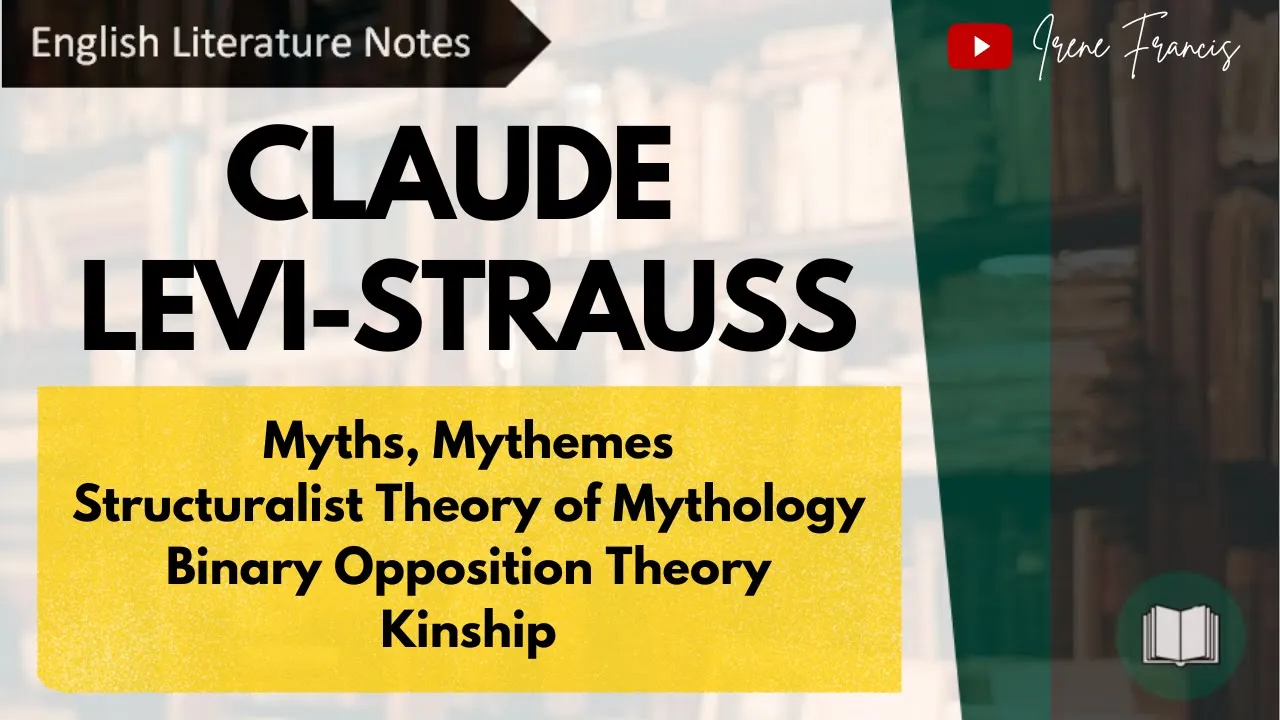









Claude Lévi-Strauss's concept of the 'science of the concrete'—which uses sensory qualities to construct order in the cosmos—provides the foundational intellectual framework for sensory anthropology, where researchers study how senses are relationally produced, combined, and transformed across cultures, as exemplified by the 'Fugue of the five senses' analysis of sensory codes in Amerindian myth and the development of performative sensory environments that challenge Western sensorium through indigenous sensory practices.
Lévi-Strauss, Sensory Studies & Structuralism | David Howes Interview
Added:Introduction to Structural Anthropology: Understanding Claude Lévi-Strauss's theory that human culture and myth can be analyzed through underlying universal structural relationships.
The 'Science of the Concrete': Familiarity with Lévi-Strauss's concept from 'The Savage Mind' regarding how pre-industrial societies classify the natural world using direct sensory observations.
Cultural Relativism and Perception: The foundational anthropological understanding that sensory experiences (such as taste, sound, and smell) are shaped by cultural norms rather than just biology.
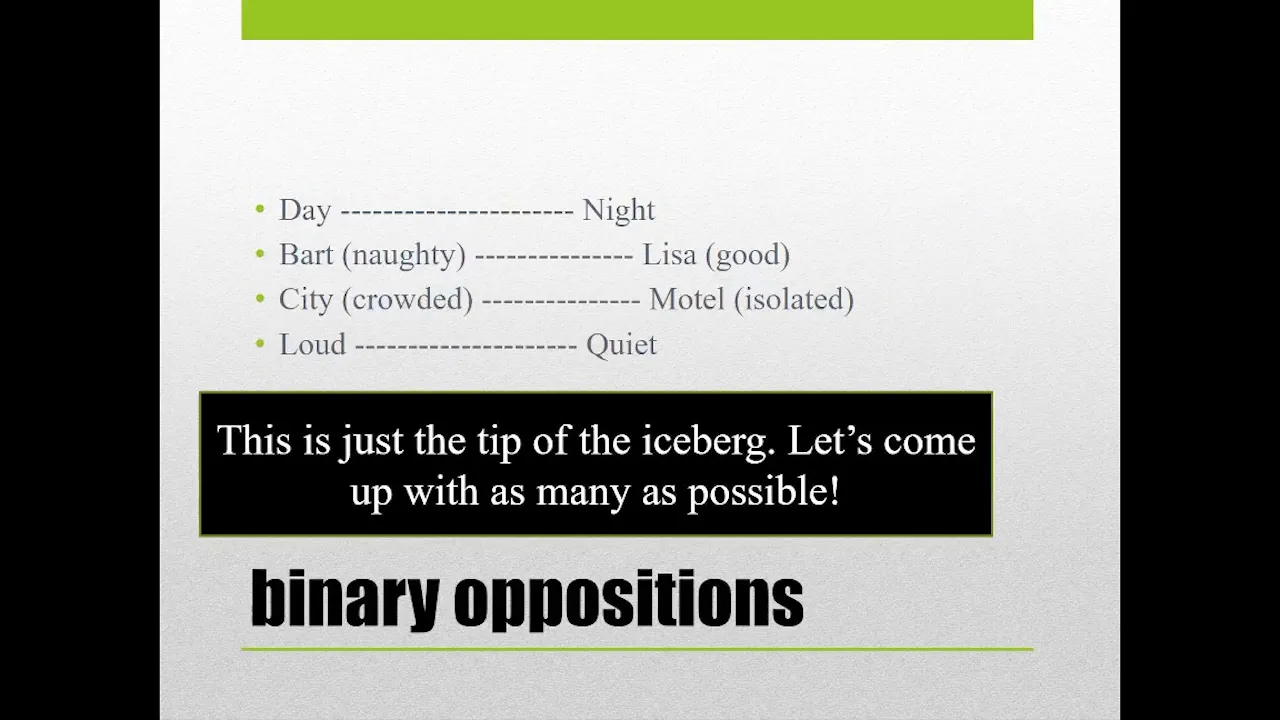
The Concept of Binary Oppositions: Knowing how structuralism uses dualities (e.g., raw versus cooked, nature versus culture) to decode human thought patterns and cultural practices.
Sensory Ethnography Methodology: Learning how contemporary anthropologists conduct fieldwork that prioritizes non-visual senses, such as soundscapes, smellscapes, and tactile interactions.
David Howes' Sensory Studies Framework: Deepening knowledge of Howes' specific theories on the 'sensorium' and how different cultures prioritize and arrange the five senses.
Phenomenological Critiques of Structuralism: Exploring post-structuralist and phenomenological arguments that prioritize lived bodily experience over rigid cognitive structures.
Applied Sensory Anthropology: Investigating how sensory studies are applied in practical fields such as museum curation, urban planning, multisensory design, and sensory marketing.
147 views2likes12:04Original Release: 2025-06-11
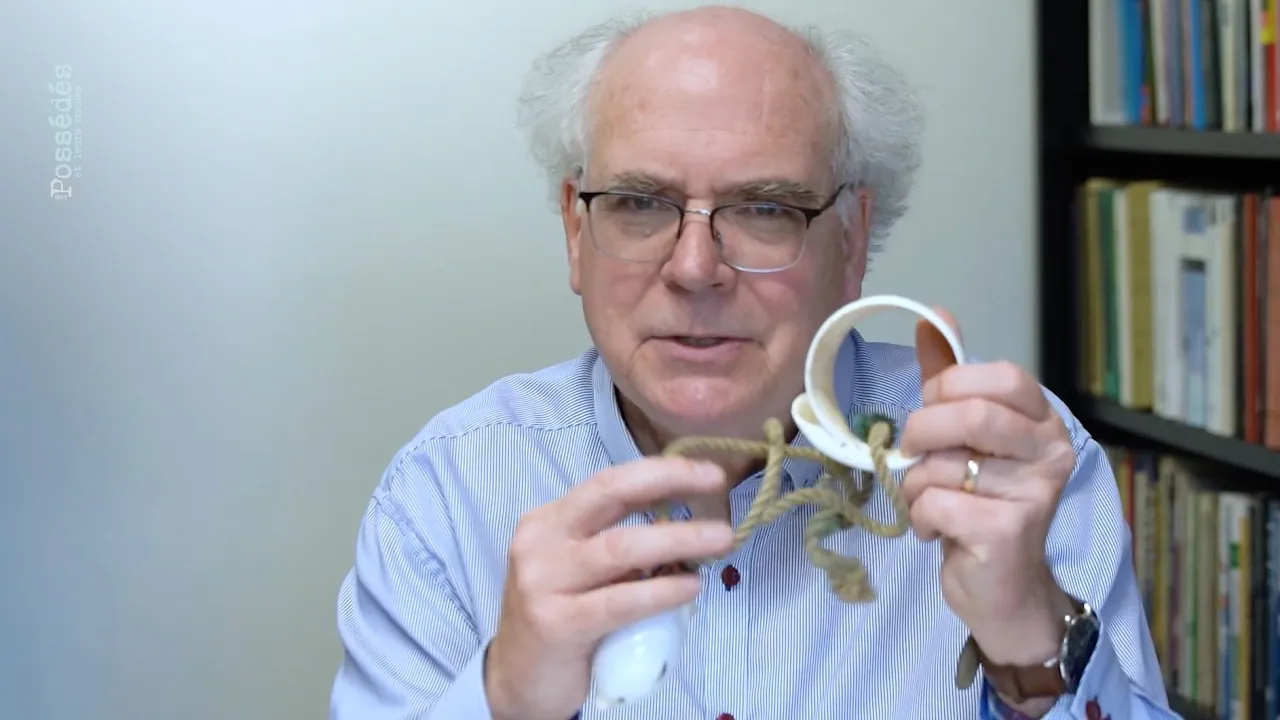
Frederick you asked about um my intellectual relationship to Claude Levy Strauss and it goes very deep um indeed uh when I was a student at the University of Toronto under David Turner David Turner was in communication with Levy Strauss about elementary structures of kinship and there was a very very fruitful dialogue between them in in that regard so I I was exposed to Levy strauss's thought that way I then went to study with Rodney Needham and let's just say that the relationship between Needham and navy Strauss was not a warm one um and so uh in some ways um I didn't talk about Levy Strauss and my interest uh in uh his work during that time but I was thoroughly immersed in it thoroughly conversant in it and it has continued to inform my my thinking um so you know for one thing I'm intrigued by this idea of the science of the concrete um I think that's a very powerful notion you have the abstractions of modern physics and on the other hand you have this idea of a science of the concrete using analogies between sensory qualities to construct an order in in the cosmos you know in a way I see all of my work on the senses as directly descended from that I am interested in the sensory qualities of things the sensory qualities of cooler shells for example the sensory dimensions of atmospheres and so I took great inspiration from that idea of the science of the concrete and um not that I'd reject modern physics not at all but I think that actually uh you know by attending to the senses there is a great deal to be learned just as an example in one of my books Empire of the senses one of my favorite chapters is by Lisa Roberts it's called the death of the sensuous chemist and it brings out how chemists prior to the revolution that Lavoisier introduces in the 18th century you know chemist tasted and smelled solutions to determine their composition this was that and observing them the colors and so forth was the way to determine what they were made of before all the tests that become standard after Lavoisier people had to use their senses and they elaborated a vocabulary of incredible Precision you know to communicate from one person to another these sensory Impressions I would love to go and study you know how we might bring back those languages that are so rich in sensory description so yes you can run a test and you can think you've got it nailed but this idea of the the senses as a litmus this I think you know needs to be explored as well so one thing is the way in which you know my research on the senses and material culture studies as sensory studies you know continues that idea of the science of the concrete the other idea you know that truly fascinated me was that little section in the raw and the cooked called the Fugue of the five senses in which Levy Strauss is actually um interpreting the sensory codes of amerindian myth and he notes all the sensory Transformations and substitutions that occur and the meaning of those sensory operations as he calls them so this idea of a Fugue of the five senses is deeply appealing to me and actually one figuration of it occurs on the cover of my forthcoming book the sensory studies Manifesto it's a graphic by the graphic designer Eric adegaard who's a I was very much honored that he made this image for the cover of my book and it's uh entitled collateral scope and the idea is actually one that comes from mcluhan mcluhan who talks about the clitoral scope of the sensorium the idea of the senses like with a kaleidoscope being combined and recombined shifting constantly um like in a Fugue and so this idea of Fugue of the five senses from Levy Strauss the idea of clitoral scope from McLellan and the idea of the sensorium as this Dynamic hole where the relations among the senses and then within each sense between different Sensations are constantly undergoing all these Transformations is is very very dear to me and that Dynamic model of the sensorium that's what I'd like to lead with I mean to me anthropology of the sense is about leading with the senses just as Levy Strauss said we do with the science of the concrete so leading with the senses focusing on the relationships how are the senses relationally produced how do they uh you know combine recombine transform and working out all of those those kinds of sensory patterns I find endless interest in doing that and let me just say I shouldn't say this but let me just say it anyway um there is nobody after Levy Strauss okay the post-structuralists the deconstructionists they are just footnotes to Levy Strauss Levy Strauss said it all with his idea of of structuralism and so uh you know I find these other subsequent developments uh to be less than you know what structuralism already accomplished I don't want to diminish Foucault or darita um or delizan gwatari or any of them but really the structuralist turn um is what gives us post-structuralism what gives us deconstruction and so forth and um Levi Strauss I would say even you know anticipated what's sometimes called the affective turn and I think of a book which I have on the table over here okay I mean Levy Strauss was concerned with the orchestration of emotions or affects as much as the play of structures and so you know there's tremendous uh wealth to be to be found there in that body of work but again I don't dismiss any of the the intellectual movements that have come since um but I'm just conscious of how they all represent you know dismemberments of structuralism but actually if we study structuralism insufficient depth we can find it has so much to give one last thing and that is this idea of the few of the five senses um together with my um my colleague Chris Salter who's a professor of design and computation Arts um over the last 10 years we have created various performative sensory environments and these are environments that are are quite unique um they are you know for purposes of modeling and communication information about cultures but they do so through the medium of the senses so a performative sensory environment will consist of light sound and smell and motion and texture and so forth and only those Sensations but arranged if you like as a Fugue or as a symphony and the idea is that stepping into one of these environments can open a crack in the western sensorium because the visitor has their senses rearranged if only temporarily and they can experience the way in which senses are orchestrated in some other tradition than our own so in recent years you know we've been collaborating with indigenous artists from Canada and from Australia to create such inter-sensory Intercultural Laboratories for sensory experimentation and again you know what these installations or performance pieces do is they stage the collateral scope of the sensorium they stage the Fugue of the five senses and so you know again the inspiration goes back to levistros and just the seeing how tremendously productive some of those Notions might be so um you know Levy Strauss was was very dominant when I was doing my first degree 1976 to 79 and I've never shaken him off nor do I want to because I think you know there is so much there to be mined and to be contemplated and to be elaborated further I think that the most important thing that we can do with regard to the census per se is in that regard however to indigenize them um and this is where it's not just the Anthropologist um sort of studying the senses of others but indigenous Scholars teaching us about new ways of sensing um that is so key so this is one opening that I think is very important and maybe just by way of closing I can point to the work of Dylan Robinson as scholar at Queen's University in in Kingston and Dylan has a book called Hungry listening a very important book about indigenous approaches to morality indigenous approaches to hearing and how to get Beyond Colonial strictures in that regard very important work and he also has a book with a number of other Aboriginal Scholars and artists the subtitle of which is Arts of Engagement and it's about all the artwork that was produced by indigenous artists alongside the Truth and Reconciliation Commission of Canada hearings and and report and there too you will find indigenous artists engaging our senses in ways that hopefully can lead to their decolonization
Up Next
33:12
Anthropology of the Senses: Sensory Studies & Ethnography
@ethnographicimaginationbasel
2K views•2025-04-25

26:41
Sensory Ethnography Explained by Sarah Pink | Research Methods
@NCRMUK
26.1K views•2015-03-27

21:49
Sensory Turn in Anthropology: Smell, Culture, and the Senses
@lespossedesetleursmondes7215
286 views•2024-05-16
10:38
Psychology of Internet Trolling and Pranks Explained
@AzzyLand
10.7M views•2017-12-20
Related Study Plans & Knowledge Roadmaps
Structured learning paths in Anthropology
anthropology
Sensory Anthropology (Culture & Perception)
01Foundations of Sensory Anthropology
02Soundscapes and Acoustic Ecology
03Smellscapes and the Anthropology of Odor
+ 3 more learning modules
14h6 modules
Explore Roadmap
anthropology
Space Anthropology: Analogs, Culture & Habitats
01Foundations of Space Anthropology & Cosmic Imaginaries
02Extreme Isolation & Micro-Societies in Orbit
03Space Analog Habitats & Earth-Based Simulations
+ 2 more learning modules
15h5 modules
Explore Roadmap
anthropology
Legal Anthropology: Customary Law & Pluralism
01Foundations of Legal Anthropology and Social Justice
02Legal Pluralism: Coexisting Legal Systems
03Customary Law and Indigenous Dispute Resolution
+ 2 more learning modules
15h5 modules
Explore Roadmap
anthropology
Global Tourism: Gaze, Authenticity & Heritage
01Introduction to the Sociology of Tourism
02The 'Tourist Gaze' (John Urry)
03Staged Authenticity in Tourism
+ 3 more learning modules
14h6 modules
Explore Roadmap