

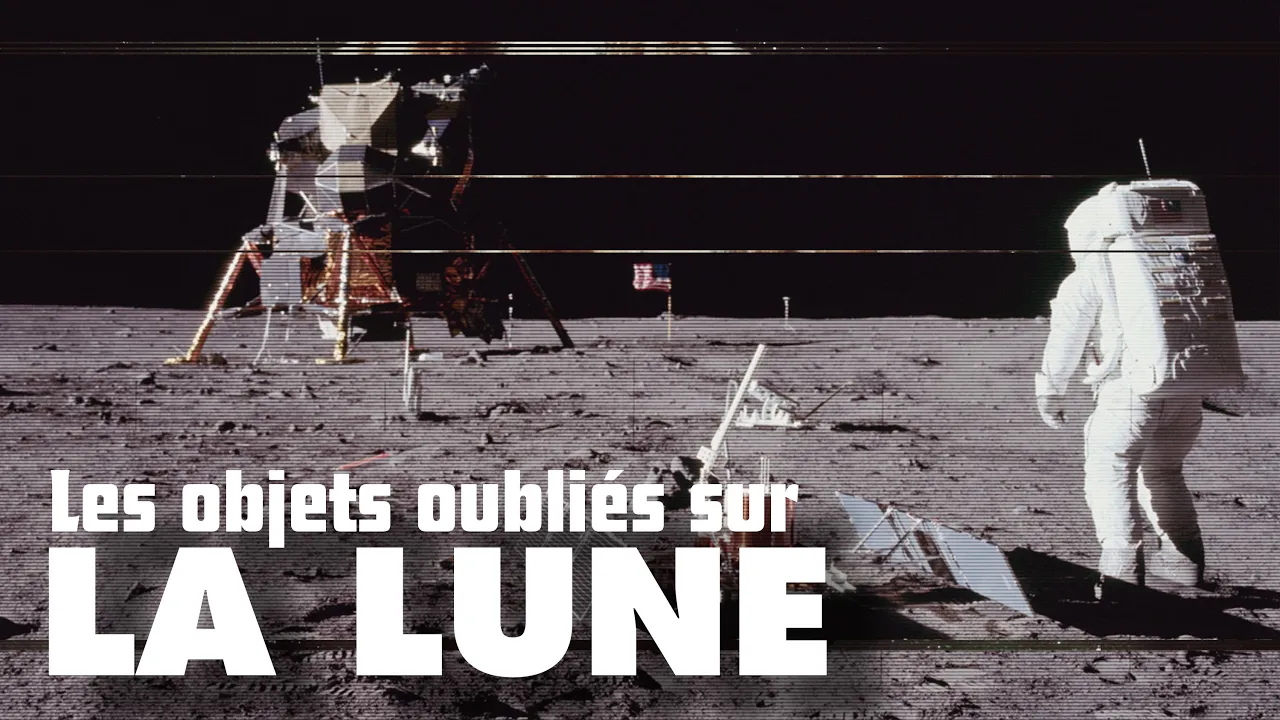













Lunar mining presents significant risks to both lunar heritage sites (such as Apollo landing missions) and human perceptions of the Moon, as the abrasive lunar dust that caused problems for Apollo astronauts could potentially destroy historical artifacts and alter how we view our celestial neighbor; however, the same dust mitigation technologies developed for mining operations can also protect these heritage sites, suggesting that responsible environmental impact assessments should be implemented for lunar industry development.
Lunar Mining Risks to Heritage Sites | Space Archaeologist Alice Gorman
Added:The history and significance of the Apollo missions, including the specific types of physical artifacts, tools, and human traces left on the lunar surface.
The fundamental principles of terrestrial archaeology and heritage preservation, specifically how human cultural landscapes are defined, documented, and protected.
An overview of lunar geology and the specific resources (such as volatile water ice in permanently shadowed regions and rare elements in regolith) targeted for space mining.
The basics of international space law, particularly the Outer Space Treaty of 1967 and its stances on national sovereignty, ownership, and the 'common heritage of mankind'.
The Artemis Accords and current policy debates regarding the implementation of 'safety zones' and operational guidelines to protect historical sites from active space missions.
The technical challenges of lunar dust transport (ejecta), focusing on how rocket exhaust plume interactions can kick up abrasive particles that sandblast distant heritage sites.
Environmental ethics in space exploration, specifically examining the philosophical arguments for preserving celestial environments versus utilitarian resource exploitation.
The expanding field of exo-archaeology, including the identification and preservation of orbital heritage (such as Vanguard 1) and robotic landing sites on Mars and Venus.
48.3K views968likes11:08Original Release: 2019-03-26
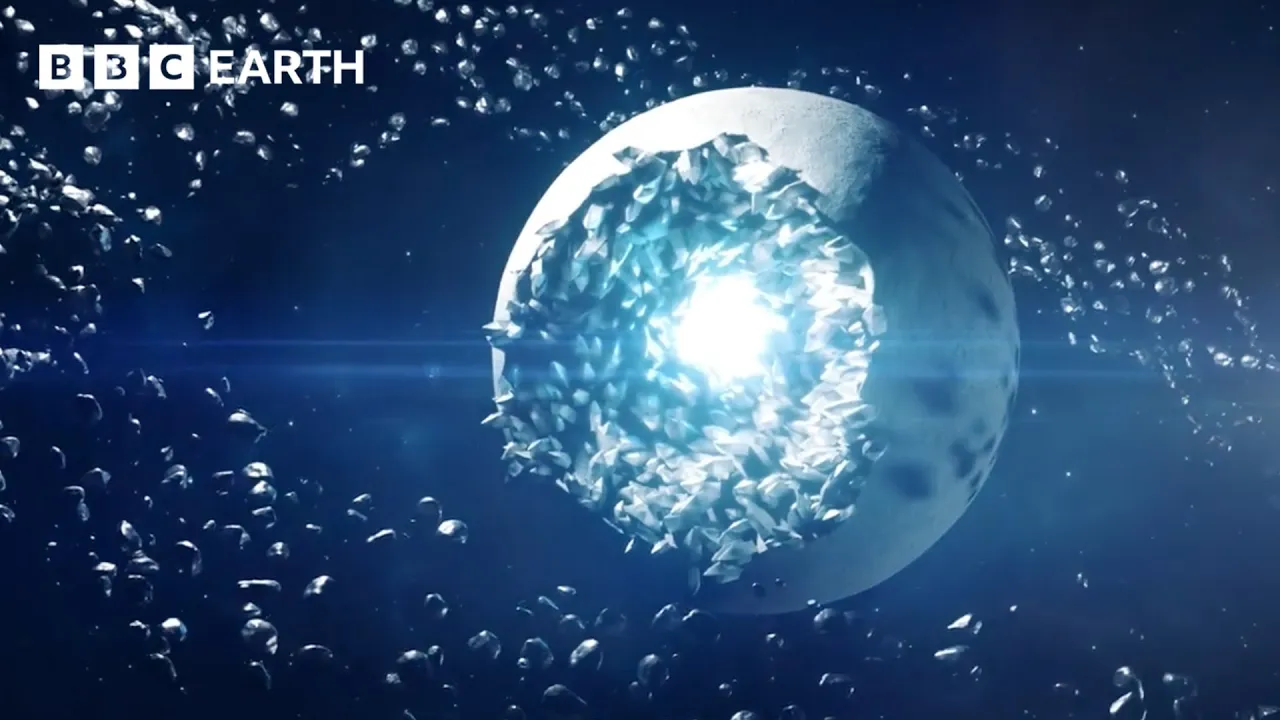
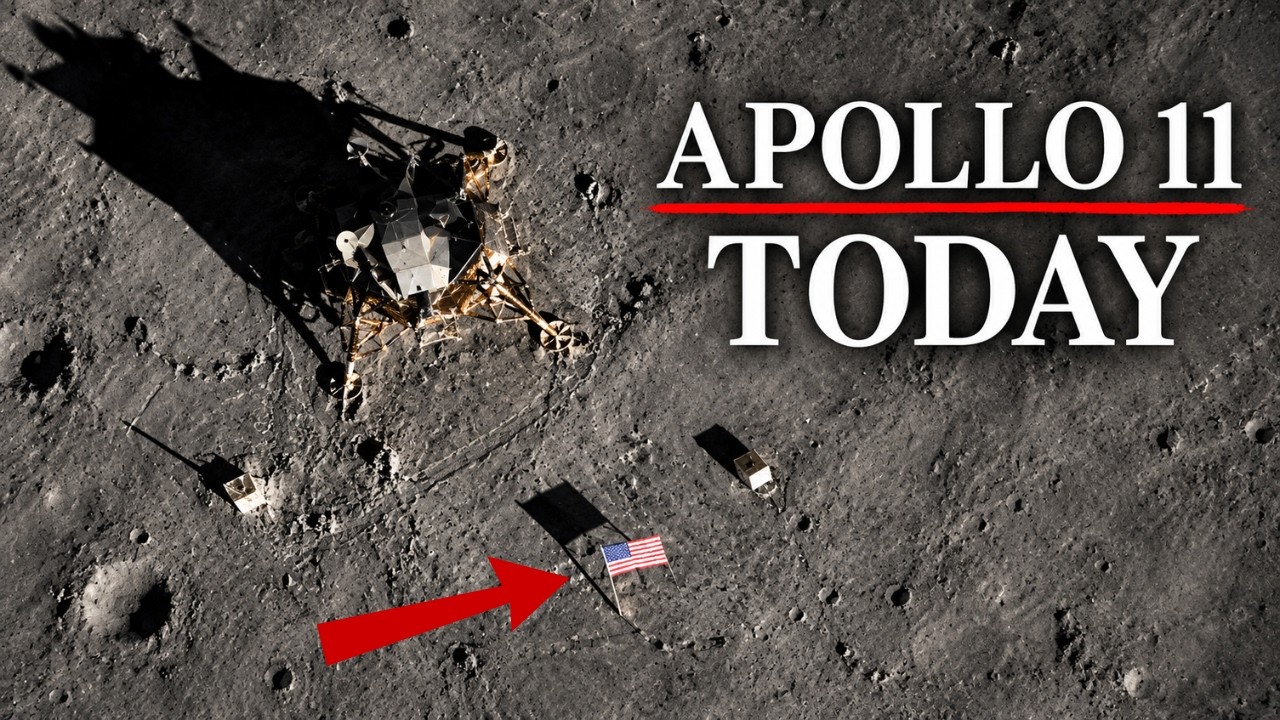
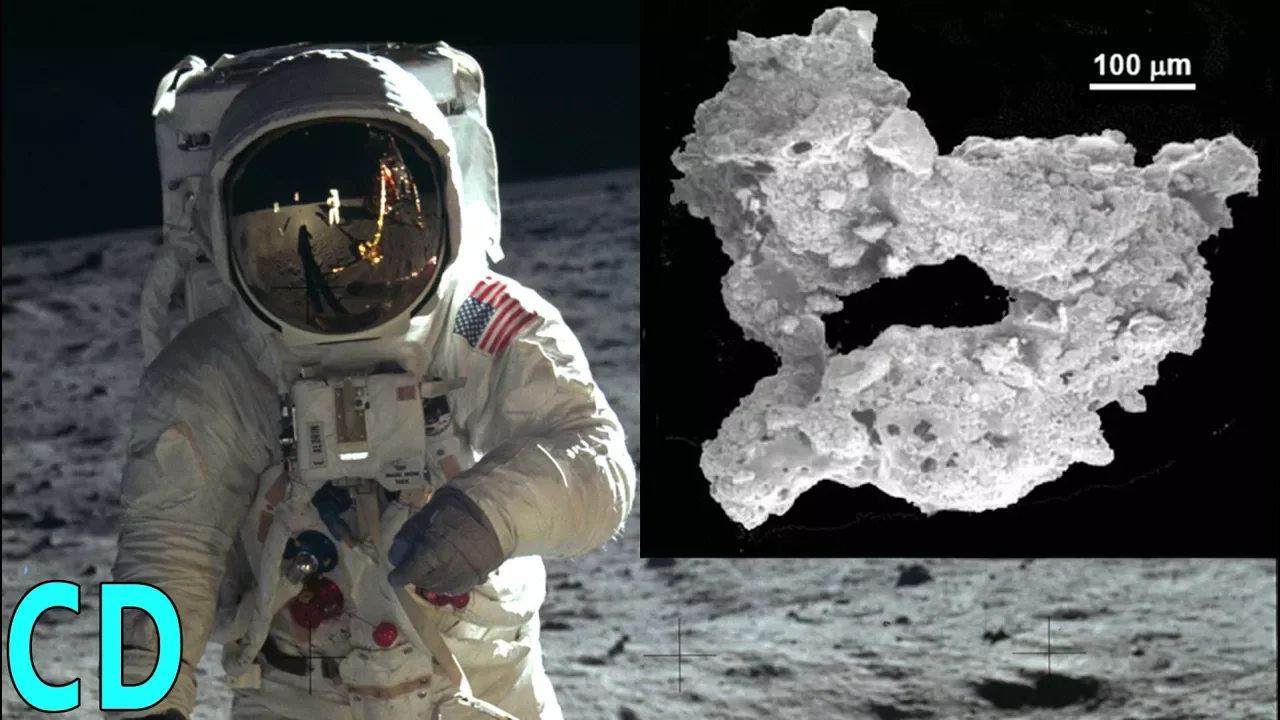
[Music] hi everyone very exciting to be here well my talk is about space but I'm actually going to begin on the surface of the earth what you see here is the largest open cut coal mine in the world it's about four kilometres across it covers an area of nearly two thousand hectares and it's over a kilometre deep this is the Kennecott Copper Mine in Utah so now think about something like this but on the moon the moon is filled with resources that entrepreneurs on earth would very much like to access this includes things like rare earth elements elements like interim and ytterbium and many others in the lanthanide series these are used for car batteries mobile phones lasers and a whole range of modern technologies that basically we can barely do without anymore as well as that there's helium-3 which can be used as a clean nuclear fuel source and things like water if we ever get to the point of establishing a settlement or a colony on the moon we're going to have to do what's called in situ resource utilization use the things that occur naturally in the lunar environment to make a sustainable settlement so we've seen in the last few years the growth of companies like deep space industries and Planetary Resources who are planning to mine both the moon and asteroids there's also been developments like in the USA and Luxembourg where they're put in place legislation that's aimed at supporting these industries but there's a lot of technological hurdles to overcome before we get to that point and probably the most significant one of these is actually lunar dust so when the first Apollo astronauts landed on the moon in the 1960s they found that the surface was covered in a really thick deep layer of incredibly fine dust it's stuck to their spacesuits it clogged up their seals not the animal the bit the spacecraft helmet joins to the suit and many other kinds of seals as well it coated the cover of the face of their instruments so they couldn't read the measurements so it was quite a major problem that they encountered and you can see here a picture of Harrison Schmitt he was the first actual scientist to be sent to the moon he was a geologist on the Apollo 17 mission what we've learnt about and he as you see he is absolutely covered in dirt we're used to thinking of astronauts in these blindingly white suits but they actually looked more like this one though on the moon absolutely filthy so this Werner dust is full of tiny spicules of glass this makes it really abrasive it's also been bombarded by solar rays and cosmic rays for millennia and this has caused it to be electrostatically charged so it forms these very delicate sticky electrostatic formations known as fairy castles and when the astronauts stand on the surface of the Moon they break these fairy castles down and the dust sticks to them so it's pretty if you imagine coding this astronaut in butter and then dipping him into a vat of hundreds and thousands ending up something like very bread harrison schmitt the astronaut you see here actually said when he returned from Apollo 17 the last mission to the moon he said dust is the number one major concern in returning to the moon but I'm not a mining engineer I'm actually an archaeologist in a former career I was actually before I was an academic I was actually a heritage consultant and so I provided advice to mining companies about how to protect terrestrial cultural heritage the picture that I'm showing you here shows human cultural heritage on the moon all of those red and green and blue labels represent robotic or human landing missions on the surface of the Moon and you can see there's quite a few of them dating from 1959 through to the 1970s and we've had many more since in as well so as a space archaeologist I'm concerned about what lunar mining industry might do to these incredible heritage sites what the impacts of lunar dust as we saw in on coating harrison schmitt what it might do to these amazing places which are where we first interacted with another world and we do know something about this because late in 1969 the same year that Apollo 11 landed on tranquility base Apollo 12 landed just a hundred and eighty meters away from the surveyor three spacecraft which you see in this picture surveyor three landed in 1967 sort of been there just for two years and the two astronauts on the Apollo 12 mission Pete Conrad and Alan beam took a bit of a saunter over to surveyor three and they removed a camera and they removed a couple of other pieces as well to take back to earth for analysis what we learned from that analysis was that surveyor three had effectively been sandblasted twice the first time when it landed and stirred up all of this sticky abrasive dust at high speed the second time when Apollo 12 landed just on the edge of the crater a couple of hundred meters away so this is fairly low-level stuff but it tells us something about not only what will happen to the lunar heritage sites but what some of the impacts for lunar mining might be so as well as considering possible further scientific missions there are as you can imagine hundreds of scientists who are trying to work out solutions to the problem of lunar dust among some of the mitigation measures that they've come up with have been building blast walls or berms to try and contain the dust using a process called sintering to fuse the lunar dust into a solid surface so that Rockets can land and take off without spreading more dust and to develop new kinds of surfaces that will repel the dust that this dust won't stick to so the good news about these is that some of these mitigation measures are the same as the ones we need to protect the lunar heritage sites so rarely in mining this technology actually gives us two good outcomes for the price of one if they manage to get reasonable measures to contain lunar dust will also protect it from sandblasting Apollo 11 and all of those amazing sites what we're looking at with a lunar developed lunar industry is the prospect of rockets coming and going at a much higher rate and of a much greater size than we've seen to date and what we know already from from studies of lunar dust is that there's even the possibility if you had that level of increased traffic that the dust could be blown up to the to the very limits almost into orbit around the moon and cover the moon with a cloud of dust so that we actually might not be able to see the surface quite as clearly as we once could but there's a bigger picture to think about here so my concern is particularly with sites like Apollo 11 the first time that humans set foot in our the world but there are possible impacts for those of us who stay on the surface of the earth as well so the picture I'm showing you here is not the moon I want to be clear about that but it's a visual that shows you something like what we might see if there are open cup mines on the surface of the Moon of the dimensions that we've seen at the Kennecott mine so this is actually the uranium Moon Miranda but imagine if this was our moon if this is what we could see when we stood on the surface of the earth and looked into the sky now it's actually highly unlikely that we would see mining scars who knows but probably unlikely but we have very powerful telescopes on earth we have satellite imagery and there's even a really active amateur astronomy community who photographs the moon all the time and posts these images so it's likely will we will know it we will be able to see the surface of the moon transforming but there's an advantage to this as well well this might give us create the immediacy of seeing the moon transformed in that way it's also probably going to be the best way we have of monitoring and regulating lunar industry from Earth so that's a bit of a positive as well but we have to be prepared for the meanings of the moon to change the moon has been one of the most potent cultural symbols that we've had since the emergence of humanity millions of years ago and it will be so into the deep human future we're going to have to be prepared for the meanings of the moon to change just as they have for our own earth and more recently as they did for Pluto where New Horizons flew by in 2015 so the moon is a human cultural artifact there are many on the earth now who are positing we're in a new geological era called that Anthropocene that the result of human industrial activity has created a geologically visible layer and it seems without doubt that we're starting to extend this layer into space as well so I want to leave you with another picture of a mine these are open cut copper mines in southern Arizona what makes this picture a little bit different is it's taken from the International Space Station at a height of 400 kilometers above the earth so what do I think at the end of the day is the solution to some of these problems drawing on my background as a heritage consultant in terrestrial mining industry I think what we need to do is to institute an environmental impact process for lunar industry when we started dismantling the earth millions of years ago we didn't know what we were doing we have no excuse now thank you [Applause] [Music] you
Up Next
73:57
2024's Top Archaeology Discoveries: Time Team News Compilation
@TimeTeamOfficial
70.1K views•2025-01-04

12:54
Triumph of Orthodoxy Icon: Byzantine Art & History Explained
@BenCallan
2.1K views•2024-08-06

11:43
Indigenous Astronomy: Rethinking Space Ethics | Karlie Noon TEDx
@TEDx
15.1K views•2025-11-30

1:42
Game of Thrones Opening Credits: A Cinematic Analysis
@gameofthrones
46.3M views•2011-04-18
Related Study Plans & Knowledge Roadmaps
Structured learning paths in General & Interdisciplinary Studies
general-studies
Elevator Engineering: History, Physics & Cities
01From Hoists to Safety Brakes: The Dawn of Vertical Lift
02Hydraulic vs. Traction: The Engineering Physics of Elevators
03Modern Speed, Safety, and Algorithms
+ 2 more learning modules
12h5 modules
Explore Roadmap
general-studies
Rubber: Material Science, History & Geopolitics
01Origins of Natural Rubber & Mesoamerican History
02The Chemistry of Natural Rubber & Vulcanization
03The Geopolitics of the Rubber Boom & Colonization
+ 2 more learning modules
12h5 modules
Explore Roadmap
general-studies
Containerization: Evolution, Logistics & Trade
01Ancient Trade & Bulk Cargo: Amphorae to Barrels
02The Industrial Revolution & Cardboard Packaging
03The Containerization Revolution: Malcom McLean
+ 2 more learning modules
12h5 modules
Explore Roadmap
general-studies
Textile Tech: Evolution, Labor & Global Impact
01Pre-Industrial Textiles: Handloom & Cottage Industry
02Mechanization: The Spinning Jenny to the Power Loom
03The Factory System & Global Labor Transformation
+ 2 more learning modules
10h5 modules
Explore Roadmap