






















Archaeological discoveries in 2024 demonstrate how scientific dating techniques and modern technology are revolutionizing our understanding of ancient sites and artifacts. Key discoveries include the confirmation that Stonehenge's Altar Stone originated from Scotland's Old Red Sandstone formation (not England or Wales), the dating of King Arthur's Hall on Bodmin Moor to approximately 3,000 BC (Neolithic period, not 6th century AD), and the discovery of a 17th-century shipwreck off Arney Island, Scotland. These findings illustrate how geological fingerprinting, optically stimulated luminescence dating, and machine learning are transforming archaeological research, allowing scientists to determine artifact origins, establish precise timelines, and uncover previously unknown historical connections.
2024's Top Archaeology Discoveries: Time Team News Compilation
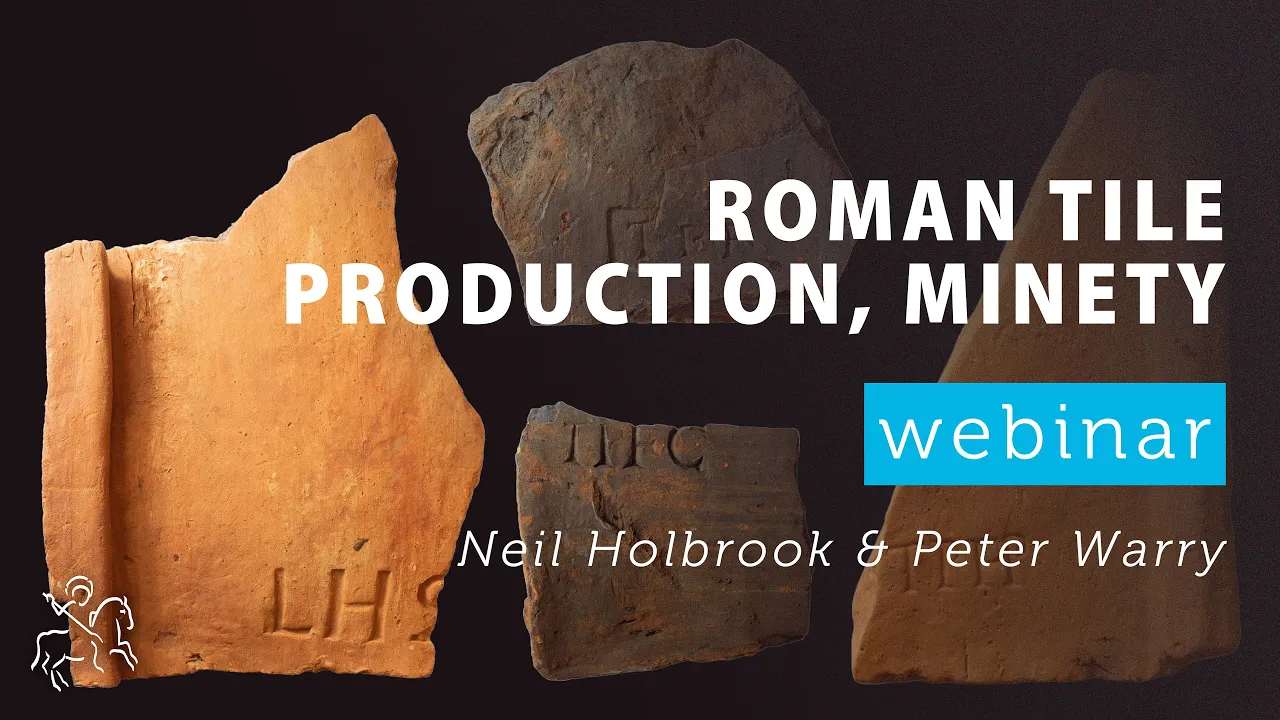
Added:welcome to time team news your monthly look at archaeological news and discoveries from Britain and across the globe now if you enjoyed this show please do subscribe to make sure that you catch every episode [Music] [Music] no Rome wasn't built in a day but recent excavations have revealed how one of Roman Britain's major towns was built back in series 7 time team visited siren sester and uncovered a beautifully preserved Roman Mosaic in the back Garden of a family's terrist house in recent years archaeologists have been investigating an industrial site at nearby mte in Wilshire that's been yielding an array of fired Roman tiles today it might look like any other field but 2,000 years ago it was a major industrial Hub manufacturing tiles that were used to build cinium or modern day siren sester the excavation has been led by cotswald archaeology including old time team friend Neil Holbrook we visited the site to find out more well we're here in mte a tiny little village on the Wilshire gler sh border about 6 mil south of siren cester I'd always remember from when I first came to the West country 30 years ago is always said that Mighty was the source of all the Roman tiles used to build the Roman town of syen sester you know a huge a big town second largest town of R in Britain and you know my hopes were modest at the start I hope that maybe we could find a tile Kil and maybe we might even find some stamped tiles and these stamp tiles are something which mighty is known for within the first three hours of the Dig they come down on the top of the tile K and have produced three bits of stamp tile so my my you know my hopes are been answered in in on day one morning one and from there it's just grown and grown and grown so what we've now discovered is a really impressive Roman tile Kil over a 100 stamped tiles and got an amazing story about how this little locality which now sits in the middle of a field in North Wilshire in fact was a locality where they produced Roman building materials that stretched for 50 or more miles in all directions uh at this end we've got roof tiles and and um roof tiles are these ones and this one is quite heavy that's tular and it's um that's a sort of standard size this is an IMX which is the bit that covers the gaps on the teul as they go up the the roof we've got five different uh sets of stamps that start tpfs we've got tpf on its own tpfa tpf B tpfc and tpfp tpf probably stands for Tulia public ey furent so made in the public Tire Works made in the public tile works of siren sester Roman corinium if that is right then this would have been the municipal tile works for the Town Council uh and a b c and P would have represented different uh contractors running the the Kil on behalf of the council and that's you know is quite a remarkable sort of find it parallels a similar sort of situation we found in glosser where they have Tes that stamped RPG for raise public glenum so Town Council Glo stamp all of the tpf stamps are basically found in sireen cester which you know reinforces the fact that this is the public Tire Works for sireen cester um working on the Kil has been a yeah a great opportunity to see some real sort of yeah mey archaeology really it's not just sort of vague sort of smudges in the ground which is a lot of things we work on it's it's really nice to be able to see um see some archaeology and actually really understand how it worked and exactly what it is when you first look at it so this is the um latest Kil on the M bras Farm site and as you can see we have the the central flu which is surviving really well here almost um 5 m in length going down to here and then we have a central drain all stamped with the tpfp stamps on it and that comes out and that funnels into a well a massive series of drains here you see the bo the lovely box flu drain down here and then a central CT as well and then out the front here we have this line of tiles which we believe was a a barrow run so when they were raking out the flu at the end of the process they were using that to take all the material away to the the waist pit over the far side and what's been great is that we' this is a chance for the professional archaeologists from Cotswold archaeology to work with local volunteers it's great to get people who this is their local Heritage on site and also their you know particularly work with all of them to teach them skills what archist actually do what it takes to go from knowing that there's a site there to actually being able to tell a story about the past it's brilliant that there's a kill in here but what does that mean about the people who were using it what was their day-to-day like what was their life like it's it's that story that I'm interested in yeah and coming soon over on patreon an exclusive interview with Neil Holbrook we living some of his favorite time team moments over the years now Stonehenge a site that continues to reveal new secrets with each passing year now it's long been known that the smaller blue stones on the Outer Circle of Stonehenge traveled many miles from the pelli mountains in Wales no new research confirms that the alter Stone traveled from much further a field most likely Scotland geological analysis of the stones fabric shows it couldn't have come from England or wal and that it likely stems from a geology known as the old red sandstone in the orcadian Basin a formation that stretches across Northeast Scotland into the orne Isles the process works by matching the unique geological fingerprint to a specific rock formation found in a particular area it's a process of elimination and determining where it definitely could not have come from is just as important when narrowing down the search weighing over 6 tons the megalith was probably transported by boat the new study was published in the journal Nature and we've put the link in the description box below you've probably seen those videos online of dancing robots performing back flips and other stunts but robots have all manner of applications in the real world and they no being put to use in cultural heritage in fact forestry England and University College London have deployed a robo dog to digitally map historic M shafts in The Forest of Dean gler and who would be at the Forefront of all this other than time team's very own Lawrence Shaw let's find out what he's been up [Music] to with regards to what we're doing today um I specialize in landscape survey so I learn about GPS's and liar and lasers and mapping things but above ground I think the trickiest things we have to deal with the trees but we're looking at the possibilities of using these robotic dogs to S of inform the mapping of of Minds in the future and and this is just the first step but I wonder what your take on that is in terms of bringing in robots to help with um quite a cultural heritage themed I'm discipline I'm quite enthusiastic about it really because um my own background is in mechatronics and uh I was actually an electromechanical design engineer for most of my life so there is a use to this you know I'm not opposed to using modern technology um provided it can work along with us and not instead of us I think that's such a nice way of putting it and and rather coincidentally the robotic dog has just arrived we better go and see what it's about then havn't we yeah yeah off we go Demetrius this is a a beautiful thing that we've got in front of us there's so much technology on going on and I'm assuming this is the liar POD at the front this is one of the leaders that we we use for uh getting a representation of the environment is that a connect from an Xbox yes okay so what what's that doing so this a different type of uh sensor is like a camera uh it gives a different perspective of the environment to the robot so we're using photo 3D imagery we got 3D Point clouds you got two absolutely stoning lights on the front there which are going to be really important but what what's that's another leader so that's another ler sensor so so you're tring effectively three different mapping techniques while we're down there um you've just visited we've just been down the bottom of the mine um you you for the first time you s got an idea idea of the terrain and the the sort of the confined space that you're going to be working in what's your initial oh there a it's a very difficult space even for humans I think yeah I think like we struggled ourselves uh it's very challenging I think I like it two three it's not just where humans cannot go it's where it's dangerous to go so this this can adapt really nice in in any environment without the need to open a road you know like or or a path even like like a wild animal he can just go exactly exciting about what's going on as well it's a tiny step forward we don't know what the results are going to be it's one single case study but the technology that the UCL team have got on that robot and the functionality of it to get into spaces where humans may not fit or it may not be safe this has the potential to change everything go go go go hold no sit sit oh my [Music] word they seem pretty confident and uh this is sort the start of of the whole thing ready it's all quite literally downhill from here yes put it down it's been so successful we've lost them um it's dealing with these rails from um from the light gauge rails that are used to extract um the the the coal material it's dealing with the sleepers that go underneath it it's it's avoiding the uneven surfaces and we've already seen a few profiles of the 3D data that it's capturing so it's immediately giving us meaningful data to collect that was B but very successful it didn't fail at all I struggle in some cases where the M was really deep I mean we struggled more than the robot I think I was good it looked really it looked really stable it looks like you hopefully it was really stable even in difficult cases it it it was just amazing what did you make of this then Mike what did you I think it's definitely a start and I think you know when it's been Bing as long as I have it'll probably be doing the job let's go you can't make this stuff up but what do you make of Robo dog let us know in the comments section below corenza has been at the center of excavations with the local community at the historic village of fulbeck in the 80th anniversary year of operation Market Garden last summer Dr Tim clack from the University of Oxford and I led excavations on a Lincolnshire site associated with World War II's operation Market Garden which planned to accelerate Allied progress across Europe after D-Day by dropping troops Far Behind Enemy Lines in 2024 digging Market Garden commemorated the 80th anniversary of the arnam campaign as part of South cban District council's new soldiers from the sky project so digging Market Garden um this is the first phase of fieldwork it's been generously funded by the University of Oxford and that money is going to really innovative fieldwork a community archaeology project taking place firstly in fulbeck at the site of fulbeck Manor in Lincolnshire digging Market Garden targeted fullback Manor used during arnam campaign preparations owner Julian Fain has Distant Memories of wartime Nissen Huts in the garden but they aren't shown on wartime Maps which show the camp nearby but not the Mana area appropriately given ful Beck's military history most of the field workers were current and former military personnel and their families volunteering through military charitable organizations operation Nightingale and Wings To The Past early finds From The Trenches included ammunition rounds from training and live firing military kitag straps and uniform buttons a solenoid from a 1943 to 44 Military Jeep confirmed the presence of an arnum era repair workshop for the first two days evidence for Huts remained elusive until a 20th century water pipe appeared the trench extension revealed that the pipe had cut through a lightly built brick wall this wall looks similar to foundations of 1944 Nissen Huts excavated on the Band of Brothers dig at alborn in Wilshire beneath the brick wall was a much earlier ston wall this ston wall appears to be part of a medieval predecessor of of the present manor house no trace of which has previously been found digging Market Garden provided Vivid insights into ful Beck's use in the arnam campaign and also revealed the medieval antecedent of the house which hosted arnam officers and meetings volunteers and visitors alike were impressed and intrigued digging Mark Garden also benefited today's military with detailed feedback showing a huge range of positive impacts on volunteers mental well-being as they made new discoveries about the wealth of History buried beneath these now quiet Lincolnshire Lawns boding Moore is steeped in Legend from Smugglers Tales at the Jamaica in through to associations with King Arthur but as modern archaeology often highlights the truth can be more fascinating and ancient than the myth a mysterious rectangular Monument on the Moore has long been romanticized as King Arthur's Hall no doubt fueled by other local sites connected with Arthurian Legend from tinajo Castle to dosary pool but while Arthur's Tales are set at the turn of the 6th Century ad new research has now confirmed The Monument's Origins are actually thousands of years older stemming from the Neolithic around 5,000 years ago and I'm pleased to have one of the researchers an old time team friend James gossip from Cornwall archaeological unit here with me now hi James thanks for joining us hi Danny good to see you again James you've had a very exciting few weeks with some big news yeah we have yeah I'm getting the getting the dating results back from King Arthur's Hall has been yep very exciting and everyone seems fascinated by the results so that's really good so tell us a bit more about this Monument well King Arthur's Hall is effectively a rectangular Bank of Earth although now we put a slice through it we know it's got a Stony core as well um it's about 50 Metter long internally about 20 Metter wide and it has Banks up to 11 meters wide and the inside of that bank is lined with upright Stones orthostats big pieces of granite and today there's 56 surviving um many of them are leaning or have collapsed onto the floor um but some recording done by John nordon back in the 16th century suggests that it might have been a continuous line of stones around the whole interior at one point maybe up to 140 or 150 of them and how did the project come about um well really it was a conversation between a local group on Bob Moore called time Seekers and they spoke to someone at historic England and someone at K National landscape U because they were uh spearheading this project called Monumental Improvement looking at schedule monuments across bobman Moore with funding from um the national lottery Heritage fund um they always had a sense that it was a much older monument and um we thought well you know let's see whether we can put a scientific dating project together and find out exactly how how old it is and whether it is does belong to the prehistoric period or later on excavations were carried out in 2022 the team included time teams on 3D reconstruction with Matt bear Clark who has produced a range of photogrametry models of the trenches and you used a relatively new dating technique optically stimulated luminesence to date the monument but did it surprise you to get such an early date um it it did uh to an ex well I mean it it was I suppose I'd have been happy with any date it was just really our objective to find out when it been constructed but um this team from um St Andrews University and Newcastle University when they came back with these dates for these buried soils buried under the the banks of the monument uh proving that it had been built around about 3,000 BC um yeah that was a surprise and um just really you know made made it an even more enigmatic Monument because we don't really know what it was built for that's an interesting point because we don't tend to think of rectangular examples from that age we often think of stone circles in the Neolithic various ideas have been put forward about the origins of the monument including a medieval castle enclosure do we have any idea of its original function um not really except that um it fits into um it fits into a time period when we suspect the prehistoric tour enclosures of the earlier Neolithic period is still probably in use in a landscape where there's um extensive grazing um and then there sat in the middle of the mo on a on a north south alignment um looking directly what would have been the the pole star at the time um perhaps you know lend one to think it might have been some sort of ceremonial space or a place of the coming together of communities who would have also used these tour enclosures for similar sorts of activities maybe for exchange of goods or ideas um maybe for rituals at certain times of the year um perhaps for the meeting of of different communities coming together we'll never re really be completely sure and but um yeah maybe there'll be a bit more work there at some point which will help guide us towards a you know a use for the Monument Thanks James that's great please do keep us informed of any developments it's a pleasure always great to talk about King ARA h a fascinating new chapter for an ancient Monument but what do you think its original function was let us know in the comments and we'll be sharing more insights from James over on patreon to find out more about Bob mm Mo's prehistoric archaeology check out the time Team episode in the shadow of the tour from series 14 and you can also catch an in-depth interview with environmental archaeologist Dr Ben giri links below James gossip of Corall archaeological unit is no stranger to time team you may remember him as the site director of our first new time team dig filmed in 2021 welcome to Cornwall and to a new look time team together we investigated benen Fugu on the lizard Peninsula a type of mysterious iron age Subterranean structure distinct to this part of West Cornwall whose exact purpose remains hotly debated benen Fugu is back in the news as the project team man archaeology group have just been nominated for research project of the year at the current archaeology Awards 2025 time team's own Matt bear Clark has been working with them and returned to beden this year to witness an exciting development [Music] there's a buzz of excitement this morning on the lizard Peninsula and I've come along to see what it's all about Bowden Fugu near the hord river is getting a makeover giving a sense of how it might have looked back in the Iron Age over 2,000 years ago up [Music] up well uh ever since we excavated in well we started Excavating in 2003 we found Pro part of this big projecting Stone down in the corner at the end of this main passageway um which we suspected was a big Fallen Rock subsequently turned into what we thought must have been one of the lintless the capping stones of the passage so we thought it'd be a great idea to set off the uh the entrance way into the main passage with that Lal put it back in place which is what we've done this morning with the help of Chris and the uh and the Digger so it's a bit of gentle reconstruction really it now gives us a real sense I think of what this entrance way would have looked like into the fugu yeah it just makes it even more of a special Monument really we have to that I know and we've got bear with us now hi bear how you doing hello great to see you now Matt you were there when the lint went back in must have been a great experience we gotten told it was happening so we rushed down to uh pen the next morning and uh and it glided gently back into place and just sat there like it was always supposed to well it was supposed to be there um and it really sets the site off you really get a sense of the the tunnel quality that the fugu would have had just from the one stone back in place does make me wonder where all the others are I think they've all been reused on buildings and things haven't they because were they're pretty hefty Stones so quite useful for buildings there's a few gate posts in the nearby area that match the same building material and size as the lentil so there is a thought that some of them might be missing Stones that's another another project for someone to to do there isn't it to track track them down matt really lovely to catch up with you and I look forward to well we'll see you on an excavations sometime soon man archaeology group is a voluntary group that relies on support to keep going if you wish to support their Stellar work with a donation please do so by visiting the link below but what do you think the fugu was used for as always let us know in the comments below now we're able to share some news with you that has remained classified until recent developments time team has joined forces with cotsworld archaeology and operation nighting G to investigate an American B7 Flying Fortress that crashed in thirston suffk in 1944 cotswald has coordinated the mission with the dpaa the US government agency tasked with accounting for servicemen and women killed or missing in action overseas last week families of the Airmen visited thirston for a special memorial service on the 8th anniversary of the crash 19th of July 194 4 on this day 80 years ago 10 Young Americans took to the air from ARF nesal in the Flying Fortress 42 30851 the little boy blue looking to continue their part in the liberation of Europe from tyranny a midair Collision ended the lives of eight of these men and changed the world of the two survivors forever these fields in suffk still hold the traces of that fateful day broken pieces of airframe a lost dog tag shattered fragments of lives the American government affirms its undertaking to leave no man behind and so we have all returned to this spot to look for those men who are so much more than names carved onto a cemetery wall so the dp's mission is to provide the fullest possible accounting for um the the thousands of missing US service members around the world our goal is to repatriate where we can the remains of the of the Serv members back to their families um and that's a a sacred mission for the DPA it's a very important mission in in the US context uh to provide answers and closure for the families and the and the comrades of the Fallen the accident was at 15,000 ft his shoot opened at 25 200 ft quite a fall it deployed the parachute and this is a piece of that parachute that kept my father from the back here this crash uh in in the 1940s is still within living memory for for people who live around this area and also for the family members of the people who were on this aircraft and so it makes the archaeology have a have a little bit different of a resonance because people knew when this crash happened and they knew the people who were on board this aircraft and and so to be able to bring in US service members and and UK service members onto the project to have them contribute to helping to find answers is uh I think it's a valuable and important aspect to these projects look at this what have you got there t oh my God Aon Brinker that's the co-pilot wow that's incredible that's that's one of our three thanks to this find we could end up having uh NEX of kin notified so that's absolutely incredible absolutely incredible well done well done on that thank be strong in the Lord and in the strength of his power put on the whole armor of God so that you may be able to stand against the Ws of the devil for our struggle is not against enemies of blood and flesh but against the rulers against the authorities against the cosmic powers of this present Darkness time team has been documenting this story for a special episode presented by Dr Helen geek to released later this year but in the second world war I'd have been cycling through a very different landscape the sky would have been filled with enormous American bombers from the 43 air bases around East Anga it was the largest air arm order in history full details of that documentary to be announced in due course with the dedication of this Memorial we've gathered to express our Collective gratitude to these men and all the others of the greatest Generation in a personal letter from Radio operator Ronald Gra mother to one of the survivors of the crash Hal hagy she expressed a hope that one day there might be a service on the field in which he died today we fulfill that [Music] wish next up an incredible Discovery found off the coast of Sicily a complete and well-preserved bronze battering ram dating to around 2,200 years ago to the 3rd Century bcee this deadly weapon known as a Rostrum would have been mounted on the front of an ancient warship and used to Ram enemy ships causing their ultimate destruction and sinking one of several similar examples discovered over the years it's thought that this Rostrum is test to a legendary naval battle fought between ancient Rome and Carthage the battle of the agates Islands in 241 BCE off the northwest coast of Sicily was a Faceoff between Rome and Carthage for Naval supremacy of the Mediterranean with Rome winning the battle it was a decisive action that ended the first Punic War events from classical Antiquity can feel so distant and steeped in mythology yet physical finds such as the these are tangible evidence of a very real and colorful time in history the find was announced by Sicily's superintendence of the sea via social media we've put a link to that original Post in the box below Wessex archaeology have recently released a new Online Library featuring an array of Publications available open source including many time team reports and we've got Dr Stuart Eve of wessix archaeology with us here to tell us more Hi Stu how are you hi Danny yeah I'm good thanks I'm good how you doing great thanks so tell us about this new archive then sure so today I guess uh I'm very proud to announce that we've just recently launched the wessix archaeology open Library so it's a digital resource which brings together about 40 over 45 years of archaeological research from uh undertaken by wesex archaeology so as you know wessix are an archaological charity we undertake field work and research across the UK but also internationally and we create hundreds of reports a year and we put out all sorts of books and everything and we wanted to find a way to kind of share all of that with everyone and so of course we thought the best way to do this was to create a digital platform um so that we can share that data with as many people as possible so currently we've got about s 75 of our of our full monographs including many of our titles which have been out of print um and then I think we've got at the moment we've got about 155 reports or so but we're we're adding to those every week and for time team fans there's quite a few books and reports in there from authored by time team favorites such as Jackie uh McKinley and of course wesx archaeology's own Phil Harding fantastic and how can we access it basically it's pretty easy to access you just go to uh www. wesix archaeology library.org we've also got a kind of climate friendly print on demand service so if there's any of those books there that you want to uh you want to actually have a paper copy of put in your library at home or whatever put on your bookshelf um there's an option there too you just click print on demand and then it'll just make one copy for you instead of us doing huge print runs that that never get put anywhere that sounds great thanks J yeah great and um well see you soon hopefully yes see you on an excavation [Music] soon ancient stone carvings of pharaohs and hieroglyphs have been discovered submerged underwater in the River Nile near Aswan in Egypt the carvings include depictions of the Pharaohs am menh theii and tmos I fourth who ruled during the 14th century BCE Asin in southern Egypt is known for its huge Granite quaries the source of stone for many ancient monuments including the pink Granite that adorns the pantheon in Rome these newly discovered monuments would originally have been above the water line but the area was intentionally flooded when a dam was constructed between 1960 and 1970 efforts were made by UNESCO at the time to preserve and record archaeology before the flooding huge monuments were moved to New sites and reassembled including the Colossal statues of rames the great at the Temple of Abu simul however some structures and artifacts remained in situ as construction began and this new project a French Egyptian collaboration is now using a range of modern techniques to locate and record more of this submerged archaeology the latest discoveries were announced in a statement from the Egyptian Ministry of Tourism and Antiquities it's early days yet but we look forward to more details last month we discussed a big story to hit the global headlines a possible Scottish origin for the alter stone at Stonehenge while since then a new report has been published in the Journal of archaological science that rules out Mainland orne as a possible Source the new reports authors carried out extensive tests on the standing stones from The Ring of broa the stones of stess and field samples from Mainland orne as well as the alter Stone from Stonehenge but when compared the alter Stone didn't match the report concludes that the Stonehenge alter Stone wasn't sourced from Mainland orne so the search for its Origins continues and we've put the links to both Journal articles [Music] below now if you happen to be taking a stroll along a beach Warm Morning you might find the old bit of Driftwood but earlier this year residents on the island of sandai Arney stumbled across the remains of a shipwreck that might be up to 400 years old the wooden section of Hull was revealed in the sand sparking a rapid rescue mission to save it before it was taken away by the tide it's a very very large bit of ship it's it was 8 by5 m when we first found it on the beach um and this whole thing has been this extraordinary journey of Discovery really and a rescue operation at the same time the collaborative effort has seen local residents join forces with wessix archaeology and Arney Islands Council to protect the wreck it's it's the Islanders it's the Heritage Center Heritage Center volunteers that have have valiantly really valiantly kept it soaked all summer long they've kept it they've been unwrapping it soaking it again or basically it's been a case of trying to keep it keep it wet when we first got it to the Heritage Center we raided the ReUse shop and and grabbed any duvet covers curtains any Fabrics we could and soaked them all in water and wrapped up everything that was movable and every week or 10 days we had to try and get the cover back and and hose all down just to keep it wet and check that it was all okay and now thanks to the National Heritage memorial fund a dedicated tank has been constructed to help conserve the Timbers for future study we so pleased to get this tank cuz it's going to save that job over winter and we know be constantly checking the weather forecast trying to find out when there's going to be a fit day to try and water the wreck as we called it so the Fantastic tank behind us has been built by water fun group uh in cwall and it's made out stainless steel uh 7 m by 5 m long and that should allow us to keep all of the Timbers nice and wet nice and cool and submerged beneath water and not have to pile them too much on top of each other uh which will keep them nice and safe as well so the idea is that um they're kept in fresh waterer which will start the desalination process which is important it's the first sort of part of the conservation process I think what people really want to know is everyone's more intrigued as to what the boat might be where it's from and how old it is so what is this bit of ship the answer is we don't really know um we know it's old we know it's very old the kind of analysis is pointing Us in the direction of of 16th century or sorry 17th century which is very exciting the 1600s um if it does turn out to be from that period then there's only nine recorded shipwrecks in Scottish Waters from that period so that makes it extremely unusual it's a really robustly built ship it's built of Oak it's really solid it's really strong so that's pointing Us in the direction of you know something more than just a kind of coastal Trader so it's really really exciting it's a hugely important find and I'm joined by Nick huitt from Arney Islands Council hi Nick how you doing hi Danny hi Danny good to meet you nice to meet you too now this is a fantastic project what kind of research will you carry out to find out more about the ship uh we're on the start of a long journey Danny it's it's such an exciting object and we love it it's it's thrilling to see it in reality um it's it's so huge and there's so much detail um the first stage is we have we have applications out um for funding to support further analysis of the Timber including dendro chronological analysis which will allow us to really firm up on on when the ship is from and where it's from um and we're also looking more work on the on the kind of construction methodology which should also give us some Clues there's there's lots of really informed speculation you know we're hardening towards it being 17th century we're hardening towards it being Dutch warships and Merchant ships were kind of interchangeable in in that period so you know could it be something like the Dutch East India Company the VOC that's certainly something we were talking about a lot on the day so so there's a lot to learn I'm just wondering what kind of archival research can you do that might help lead you to find out more about it well I mean we're going to start with with our own so we've got a wealth of information in inney archives um and if we if we're able through the analysis to prove that Dutch connection I suspect there'll be some some Journeys we want to go down around what records might exist in the Netherlands so so lots of archival work to do lots more work on the Timbers we're kind of pretty sure that the ship was uncovered on the beach by the storm and not washed in so there's also the tantalizing possibility about is there more ship down there know and is it the same ship a lot of houses inney generally actually but specifically in Sandy have ships Timbers built into them so you know ideally in in the future we'd love to be able to do some work there to see whether anybody has parts of this ship propping up the windows um there's a huge amount of work to do it's tremendously exciting and obviously the end goal that I think we'd all love to see but it is the Island's choice is to have that you know amazing structure reassembled and on display to the public that's one of the things that I was just going to ask about because the community have been really involved from the very beginning what role do you see them playing in the future they'll be at the center of it it will be the community's project um but they'll be absolutely at the heart of of anything we do there we wouldn't have a ship without the community the community got it off the beach um just at the point where the weather was starting to to break up the remains a little bit so um you know it's the community that kept it wrapped in old rags and soaked all the way through the summer um until we got the tank built so Community have been amazing and it will be their project and we won't we won't really our job is to help them deliver their dreams with it really well it's a great project and we'd love to follow it will you keep us informed of the progress 100% Danny we'd love to love to bring you with us all the way and maybe maybe get some of you guys up to have a look at it at some point that would be fantastic oh well that would be brilliant brilliant thanks very much Nick what an amazing effort from everyone involved I look forward to finding out more about this mysterious shipwreck in the future join a thriving worldwide community of time team fans on patreon our new Target is to reach 15,000 worldwide supporters on patreon by the end of 2025 this will enable us to continue expanding the time team World with more digs and greater access than ever before now a favorite story of mine recently in the headlines an ancient Monument discovered in Thomas Hardy's Garden has been granted protected status the British literary great Thomas Hardy is best known for his classic novels including far from the Madden crowd Jude the Obscure and Tess of the dervil but as fans of Hardy's novels will know he held a lifelong fascination with archaeology he even set the end of Tess of the derville at Stonehenge in 1891 assassin St was discovered in the grounds of Hardy's house which he featured in his poem The Shadow on the stone around 100 years later another sarson was discovered during excavations which was part of a Neolithic enclosure almost 100 MERS in diameter in 2022 excavations confirmed that the site was in use during the early Neolithic period dating the site from around 5 and a half thousand to almost 6,000 years ago making it one of the earliest archaeological sites in Dorset thanks in part to the work Hardy carote over a century ago the site has now been protected as a scheduled ancient Monument Hardy's house Max gate is open to visitors via the National Trust and both sarsens are still on display in the garden Hannah Jefferson of the National Trust has said we've no doubt Hardy would approve wholeheartedly with the scheduling of this ancient monument and we're delighted that we can share with visitors the true significance of his discoveries here it's just a short distance from the Neolithic henge mury rings and Maiden castle one of the largest Iron Age Hill fors in Europe both of which are well worth a visit remaining in Dorset now and the national trust's K Castle has been in the headlines this month with news of a specially constructed Vantage Point Within the Ruins of the castle known as the King's Tower offering amazing views of the surrounding Countryside you might recognize cor Castle as the backdrop of time team's recent dig the secrets of which Farm the castle originates from the Norman conquest and the keep or King's Tower was built for William the conqueror's son Henry I around ad. 1107 the platform has been built to help raise funds for a major conservation project which will involve specialist Masons working from ropes and Scaffolding using similar techniques and materials to their predecessors a thousand years ago the incredible view from this perspective hasn't been witnessed since the castle was intentionally slighted during the English Civil War the new viewing platform is a temporary structure and it'll only remain in place for a year so make sure you plan a visit while you can now for one of my favorite of the year for many field archaeologists their most treasured possession is their trusty Spade so we imagine the Delight when archaeologists recently discovered what might just be one of the oldest wooden Spades in Britain this remarkable artifact is thousands of years old likely dating from the middle Bronze Age The Discovery was made at an near pool Harbor in Dorset during evaluations ahead of the Moet an project which is transformed forming the area into a designated Wetland thankfully the cameras were on hand to capture it all the call about the wooden Spade it made me sit back in my chair and go wow that's amazing um I also felt a bit jealous actually cuz I wish I'd been on site that day when they found it the excavation has been carried out by Wessex archaeology with the project delivered by Kia on behalf of the environment agency and its project partners rspb and Natural England what have you found kind L TI there first I wasn't 100% sure what I was looking at because I was just taking out a second fill in the ring ditch that we were Excavating at the time and then I came across some wood and I stopped thought for a moment what this and together we uncovered what turned out to be a wooden Spade it's pretty decent didn't expect that the water conditions perfectly preserved this tool which was fashioned from a single piece of wood I was quite nervous but luckily I did have some amazing colleagues with me to help me move the Spade onto the board be used as a transportation success cuz it's word it's very vulnerable so as soon as it's exposed to oxygen it will start to Decay so it's been taken back to uh W archaeology's um offices and um it's going to be conserved and Consolidated but we're also going to investigate it going to analyze it to try and find out what wood it's made from uh and most importantly what what date it [Music] is so this is the wooden Spade from an Mo uh when it first came in Erica and I were cleaning it just using soft sponges and tap water just to remove most of the surface soil and using bamboo skewers where the surface soil was a bit tougher when we're working on artifact like this we have to make sure that it doesn't dry out because drying out will cause it to shrink and the wood will warp and change shape and you might lose important information like tool marks and things like that there are some wood species uh which are relatively to easy to identify just by ey or maybe with a magnifying lens but the the normal procedure for identifying water locked wood such as this from any archaeological site involves taking very very thin sections Through the Wood and using the light on the microscope to shine a bright uh light through it and then that will illuminate the wood Anatomy so we know it's made from a mature piece of Oak most likely from the Heartwood which is the dense wood from near the center of the tree we know this because there are balloon likee deposits which we can see in the wood anatomy and these a little balloon likee deposits are only formed in very mature oak trees so the first radiocarbon date we've obtained it calibrates to the middle Bronze Age so roughly between 1500 BC to 1,400 BC it's probably going to be unique experience in my working career to work on something like this and I really look forward to seeing what the post excavation process unravels it's a sort of thing that as an archaeologist very rarely find in your working career um so it's something that they'll remember and I'll remember for a long long time [Music] earlier this year we dropped in on archaeology students from the University of Leicester at their field School Excavating a Roman villa in leerer the students got stuck in honing a range of skills from trolling techniques and recording to finds processing and identification we're now joining them again this time back in the lab to find out what happens next in the post excavation process so Jeremy it's been six months since that field work on our Roman villa complex and today we're going to work with the students on updating them on the postex process yeah that's right um we've completed the excavations we've had a chance to start looking at the finds and other materials and to review the evidence that we discovered um we think the students did a really good job of unpicking all this information they did a great job because they' 've only got a comparatively short period of time to do the excavation we asked them to look at four different areas and they excavated the lot and particularly working in the area of the Villa buildings themselves there was a lot of material to to remove in order for us to really unpick that building and in your fieldwork module they continued to work on the post exavation side of things haven't they that's right I mean we're very keen that the students don't see excavation in isolation that they understand the whole process of what happens to the material they excavate and get to interpret what they found so what we're working on in the module is taking them through all the records we made on site so they can reconstruct the sequence of events and look at the finds and think about how we date activity and what the finds can tell us from the basis of what they themselves have dug yeah and in that session that we're having today they're going to be looking at in some detail at the pottery evidence and some of the wall plaster from the site aren't they yes we've got a range of material from this look at and what we want do is take them through thinking about how we look at the pottery and other material how that can help us to date activity but what other things it might tell us about the nature of life on the side as well as identifying pottery and other small finds the students have been having a goal at using the flation tank thank you very much will it's been a pleasure to have a chance to try out some of the post excavation stuff with you as well as the excavation stuff I still think I prefer the excavations stuff but it's been a pleasure nonetheless oh thank you it's it's been great to have you down here amazing and we'll be sharing the full story of that dig in [Music] 2025 world news now 1,000 year old statues have been discovered in a palace in Cambodia the Grand Royal Palace at Anor Tom was once home to the powerful Kar Empire that ruled over huge SES of land across southeast Asia from the 9th to the 15th centuries ad at its height Anor was a huge bustling City one of the largest of its time serviced by an advanced irrigation system today it's a UNESCO world heritage site whilst Excavating at the North Gate archaeologists discovered 12 beautifully carved Sandstone statues known as door Guardians many of them almost in act the beautifully detailed carvings are thought to date from the 11th century based on stylistic features consistent with the palace the sophistication of storm masonry which is said to exemplify the Kang style speaks to the high status of the complex the discovery was announced by the aps National Authority and the China Cambodia government team for safeguarding Anor we've put the link in the box below if you're craving even more archaeology each month then you must catch up with the latest time team podcast there's a new episode every fortnite and I caught up with presenters Helen and Martin to find out what you can expect I've got Martin and Helen here with me from the time team podcast hi guys how you doing all right yes thanks fine thank you we're doing very well excellent can you tell us a bit more about the podcast then what is it all about well Martin is a a radio professional and I'm obviously not you're an archaeology professional so we've teamed up to make a Time team podcast which is that there were four elements weren't there one is one is um news about things so you know we'll we'll be we'll be um parasiting on you and finding out what the news is uh so that's news of all around the world and everywhere like you do one is we're going to be finding out more about techniques used to create archaeology so that could be tring it could be uh going out with Stuart to find out how a landscape archaeologist might discover the secrets of a landscape we're going to be doing that we're going to be asking you questions if You' got any archaeology related questions that you've always wanted to ask but you think a maybe that's a bit stupid is that a silly question it's not a silly question and Helen is very willing to answer it and plus we've got the time team Nostalgia so everything you wanted to know about time team yeah so that that's kind of Martin calls it Nostalgia I call it history so so it's it's how time team came to be I mean it's a long time ago now it's time began yeah quite so some people might like to know how it began how people got involved how it grew into this enormous be moth um which is not a moth be moth Mo yeah that's that's Phil Hardy and John Gator of course they're the beer moths yeah so it's quite it's quite varied isn't it Martin it is it's VAR it gives you a snapshot into a world of archaeology which if you've never come across archaeology before is hopefully really accessible and it's good fun as well we have a laugh yeah absolutely and it's once a fortnite and you can get it anywhere you normally get your podcast so Spotify Apple anything you like go and find it fantastic brilliant stuff well I look forward to listening to it thank you thank you as I've often said on this show some of the best discoveries are often made during post excavation and analysis and here's a great example the team at Bournemouth University's archaeological unit made a surprised Discovery when analyzing artifacts from the collection at henbury head near Christ Church in dors detail from x-ray scans revealed that a metal object once classified as a currency bar is in fact an Iron Age saw blade complete with teeth I'm joined by Meg Russell from Bournemouth University hi Meg hi Danny you're right I'm good thanks tell us what you guys have been up to this project came about because the curator at the henbury head Visitor Center Hayden Scott Pratt um came to us myself Dr Heather tamin and Will odling from Bournemouth University to start to look at their collection at husb head this archive contains all of the different artifacts from many different excavations over the last few decades and we thought we would start with the metal work the majority of the metal work comes from the Iron Age setle and it corrodes in the ground in situ but it also corrodes once it's excavated and it's put in the archive because it oxidizes with the air and with water it blooms around the artifact and this can then hide the ID so it can be really difficult to identify what these artifacts even are and so what we need to do is be able to look at these artifacts and decide what what is this what are we looking at and what do we need to preserve this artifact but the other key part was x-raying because it's non-destructive it's quick it's cost effective when once you have the right equipment but it's infrequently used as part of the post excavation process still one artifact though that we knew we were always we always knew we were going to do on its own was the so-called currency bar from um the Irish Settlement and currency bars are long flat objects they often taper off at one end and they're often seen in southern Britain in the Iron Age in mid to late Iron Age actually we call them currency bars because as a reference to um B Caesar in G Wars that says that people in Britain were using iron bars as currency and that's essentially the only reason why we call them that once we x-rayed them there is a nice flat Edge that we expected and then when you look at the top Edge we saw something really interesting and that was a series of really evenly spaced serrated teeth and so looking at it we think we found an Iron Age saw but we they don't exist in the same quantity as axes and chisels and other woodworking tools in this toolkit it might be because they're very thin so they don't survive very well it might be because they maybe break so they are often reused and recast into something else but it might also be that a lot of the artifacts we are calling currency bars might not actually be currency bars Maybe there's more SS in the inh than we thought did you have suspicions that the currency bar might not be a currency bar before you x-rayed it do you know what we never thought it would be anything else you just take what people say for granted and there are so many examples of this in archaeology it gets called something once by one archaeologist and we just run with it we never anticipated this to be anything different we thought we might be able to see okay how how was this cast has it been hammered why maybe is it manufactured in this way at the end and so that's where we started at the the tanged end and then just looking upwards and like I said it really really poses the question of how many currency bars are really currency bars does it feel daunting to be challenging an earlier identification with a new interpretation it's so daunting to challenge opinions especially when they are maybe long-standing opinions or by quite important people but that's why we need to start that conversation because there are so many things we just take for granted in archaeology often in prehistory in Britain because there are so many gods of archaeology that we just take for their word as gospel and so it is so important to be brave enough to say actually I think this is maybe wrong because it's not the only example and I think over the next few years there are going to be many more examples of things like this happening congratulations on your Discovery and thanks for joining us thank you very much Danny English Heritage have announced the discovery of a knife handle near Hadrian's Wall depicting a Roman gladiator complete with helmet sword and shield the knife handle found in a river at Corbridge Roman town north umberland has been cast in copper alloy and represents a type of gladiator known a secutor at the time of its construction Hadrian's Wall marked the northernmost border of the Roman Empire while Gladiators are symbolic of ancient Rome this is just one of a few depictions of the sport discovered in the UK Dr Francis Macintosh of English Heritage says it's rare to find a piece of gladiator memorabilia in Britain and to find such a well preserved and interesting piece is particularly remarkable as Francis notes gladiators were the celebrities of their day she says this beautifully made knife handle is Testament to Hope evasive this celebrity culture was reaching all the way to Hadrian's Wall at the very edge of the Roman Empire the knife is to go on display at Corbridge Roman town in 2025 I caught up with time teams Professor Henry Chapman about his latest research on bog bodies human bodies preserved in bogs across northern Europe this item contains images of bog bodies so some people may want to skip to the next News section these Pete Wetland environments provide perfect conditions for preservation and as Pete is a traditional source of fuel many of the bodies have been discovered by chance over the years by Pete Cutters typically from the Iron Age many bog bodies are concentrated in Denmark like the famous toen man and Ellen woman from the Jutland peninsula but notable examples have also been found across the UK and Ireland various theories have been put forward as to why they were deposited in bogs ranging from executions to high ranking and perhaps even willing sacrificial victims Henry's research has taken a new approach to shed light on these mysterious burials people have always looked at the body itself you the last meals often preserved the injuries and all that um but nobody's really looked at the landscape context what I mean by that is how where in the Bog was it at the time you know was it on the edge was it in the middle you what's the bog like was it really hard to get across was it open with very few trees or was it hidden you because all these things I think help us answer that question um so being looking at a variety of bogs in the UK and in Denmark where bog bodies been found and trying to assess those Landscapes now quite often there's not much Peete in these areas we might find bits to sample and from that we can you environmental Archaeology is his reconstructing past environments Henry's research has identified key differences between UK and danish bog bodies highlighting that the circumstances of death can't all be treated the same with sweeping conclusions we find that in England for example it's very very different to Denmark yeah in England so for example Lind man is in the British museum he's he was placed in possibly the hardest to get to location you can get on that bog in atrocious conditions where and the bul was really wet in a very open landscape so he probably killed in a very sort of he killed in a very flamboyant sort of theatrical way um it would have been very visible but he had to have walked where he died he couldn't they couldn't car a body it's too dangerous so all of that happened in a very theatrical sense in the middle of the bog where he was placed in contrast the Danish examples are much more frequently associated with what had been previously economic Landscapes so where people have been pea cutting in the IR age um and they at that point they're digging Pete in pits so if you imagine these pits the the size of these pits are kind of how much you could dig in a day because they fill in with water overnight and then you can't dig them so they're that sort of size and what seems to happen in Denmark is that they they have these economic Landscapes they got lots of these pea cuttings and then they sort of infill and they sort of get left for a while maybe a few years um and then they're Revisited but that's when they're that's the places where they're then placing bodies into them um you know killing them and then place them into these into these pea cuttings so very very different to to the English examples and I think that's a really big headline and bodies aren't the only items to be discovered in Peak bogs of Northern Europe other deliberately placed deposits have been found including dismantled chariots and the Magnificent gunsto cauldron I think the most important thing is actually the the importance of specific bogs so I think I think they for a long time we've been think about bog bodies as a gen General thing or as individuals but actually I think if you look at it as a particular bog and understand how that bog worked with communities and you know what's happening in that area not stopping at the Dr at the Wetland Edge but thinking about the what's happening in the Dryland you looking at that relationship through time seems to be the key to understanding a lot of what what's happening it's not just telling us about the BG bodies it's telling us about those societies you know in a much much richer way to find out more about Henry's research we've put a link to his various Publications below and my full extended chat with Henry will be going up on [Music] patreon nasca in Peru is known for its giant geoglyphs running across the landscape known as the nascal lines the intricate stylized geoglyphs are created by removing surface rocks to reveal a lighter subsoil beneath many are abstract geometric shapes While others depict a range of animals from birds to monkeys and marine animals as well as humanlike figures although created thousands of years ago they're best seen from the air and were only rediscovered and recognized as figures within the last century since the Advent of flight now machine learning has been utilized to help identify many more examples another 300 geoglyphs have been discovered as a result of the new research almost doubling the amount known the latest examples are thought to be around 2,000 years old again depicting creatures including Orca and humans while AI played a critical role it should be noted that the project depended on the expertise of archaeologists and researchers on the ground who put in thousands of work hours coordinating the project and grown truth in in the field the study was led by a team from yamaga at University Japan and published in the journal proceedings of the National Academy of Sciences as usual we put the link in the description box below operation nighting girls returned to Old born in Wilshire for digging Band of Brothers 2024 culminated in the discovery of a dog tag the third no phon on site to have belonged to an American paratrooper from World War II the dog tag traced to Otto May of fox company was found folded up and possibly discarded between the flbs of one of the Nissen Huts jizelle carali of operation Nightingale did some further research and une earthed an even greater find Otto's grandchildren Brian and Greg May and it turned out they've been doing some research of their own you know Brian and I are we certainly not historians you know we we didn't study it in school or anything but from a very young age we've taken interest and you know would ask our grandfather questions and then you know have read every book we could get her hands on have you know researched every part of fox company of all of the 101 and so it's it's almost you know it's a cool match because just so happens you know we've read every damn book and and found every you know every article we could dig up and every picture this is right when Banner Brothers just came out the book that Christmas when my grandparents came over I said Grandpa look at this gave him the book and uh and I said I I hear it's I hear it's a really good book he starts flipping through he's like like oh Colonel sink and then couple other names which didn't mean anything to me at the time and I said to him I said I hear it's a really a really good book and he's like he's like yep I he's like it's going to be a good book I was there Otto was one of the original recruits from Camp tooa he jumped on D-Day and was injured from artillery fire while positioned in a foxhole during the siege of basto amazingly Greg and Brian had a few items of autos of their own to share I've got a pair of skibbies I've got a t-shirt this this is like the and I've got the neck tie that goes with this but this is the uh you see it oh my God no way yeah so this is this is like the dress shirt that they wore around um like when you see them in Band of Brothers in in uh alorn and this this patch so you've got the Screaming Eagle and I guess the sergeant or Corporal bars I'm not even sure Sergeant bars there yeah here's like the Overcoat which basically has the same stuff it's got the you know the bars the Screaming Eagle it's a hot W in story showing how archaeology can have such an immediate resonance for the living the past like year I've been a little frustrated because I kind of hit my research wall so like it was a little I felt like I was out of there's nothing else I can do I'm kind of they're not writing new books you know all those guys are are moving on you know so so getting the Facebook message it was almost like holy cow like this is It's opening up a new like now we can start researching more and start trying to learn more and piece together more you know so and as a direct result of the dog tags Discovery Richard has vowed to return to the site for further investigation um it changes my decisions about where we're going to dig because there weren't going to be any more Huts being dug but we now have to because there could be another tag potentially and we talk about archaeology each you know each object has a narrative and a story about it um and they do but the embedded story in that dog tag is just something else it's amazing we shared that full interview with patreon members and due to the overwhelming response we've now unlocked that post making it available to The Wider public for free so head over to patreon right now to watch that extended interview where you'll also find a whole host of additional content including q&as master classes and dig watch [Music] coverage and finally it was only a matter of time but an emerging field of scientific study is the archaeology of SP space many artifacts have been left on the moon from the various missions over the years and with the prospect of several separate Luna missions in development and astronauts returning to the moon the possibility of investigating 50e old space junk is growing ever more likely elsewhere archaeological principles are now being applied in the International Space Station taking the concept of a test pit or a shovel test pit as often referred to in the states investigators are studying how the use of six designated areas on board the station have evolved over time the research demonstrates that the study of how humans interact with and adapt to their environment can be applied anywhere whether that's a muddy field in Britain or orbiting thousands of miles above the Earth according to the researchers by applying a very traditional method for sampling a site to a complete completely new kind of archaeological context we show how the ISS crew uses different areas of the space station in ways that diverge from designs and Mission plans the results have been published in the scientific journal plus one and we've put the link in the description box below well that's it for this month additional content from time team news can be found over on our patreon Channel including 3D models and extended interviews and please do remember to subscribe and press the notification Bell to receive all the latest [Music] updates join time team on patreon to access exclusive 3D models master classes and behind the scenes insights
Up Next

Indigenous Astronomy: Rethinking Space Ethics | Karlie Noon TEDx
@TEDx
15.1K views•2025-11-30

Triumph of Orthodoxy Icon: Byzantine Art & History Explained
@BenCallan
2.1K views•2024-08-06

FastAPI vs Flask vs Django: Choosing the Right Python Web Framework
@TechWithTim
302.5K views•2024-05-26

Game of Thrones Opening Credits: A Cinematic Analysis
@gameofthrones
46.3M views•2011-04-18
Related Study Plans & Knowledge Roadmaps
Structured learning paths in General & Interdisciplinary Studies