






















Analog astronaut research stations like HI-SEAS simulate Martian conditions on Earth to prepare astronauts for future space missions, using volcanic terrain and isolated environments to test survival strategies, technologies, and human factors in extreme isolation, with researchers from diverse fields including astrophysics, engineering, and geology collaborating to understand how humans can live on other planets.
Living on Mars: Inside HI-SEAS Analog Astronaut Research
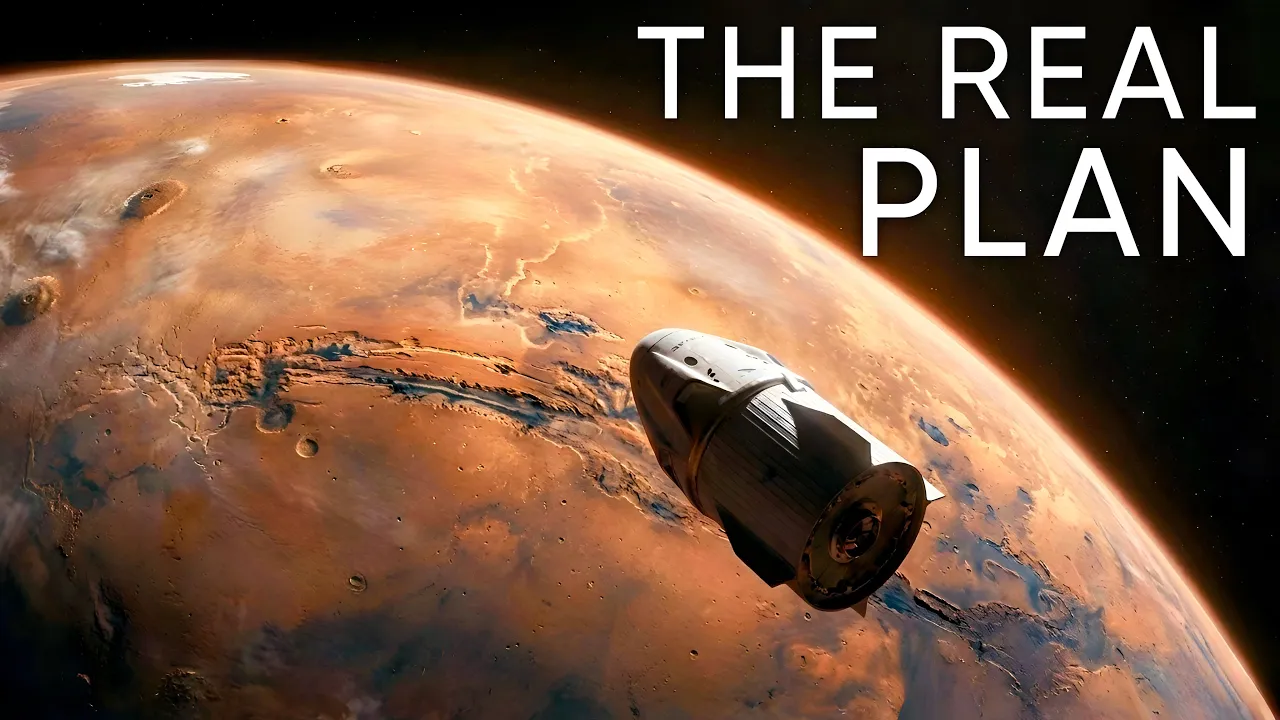
Added:The physical and environmental conditions of Mars, including its thin atmosphere, lower gravity, radiation levels, and extreme temperature fluctuations.
The concept of space analogs and why space agencies use Earth-based simulated environments to test technology and human behavior.
The psychological and physiological challenges associated with long-duration isolation, confinement, and crew dynamics in extreme environments.
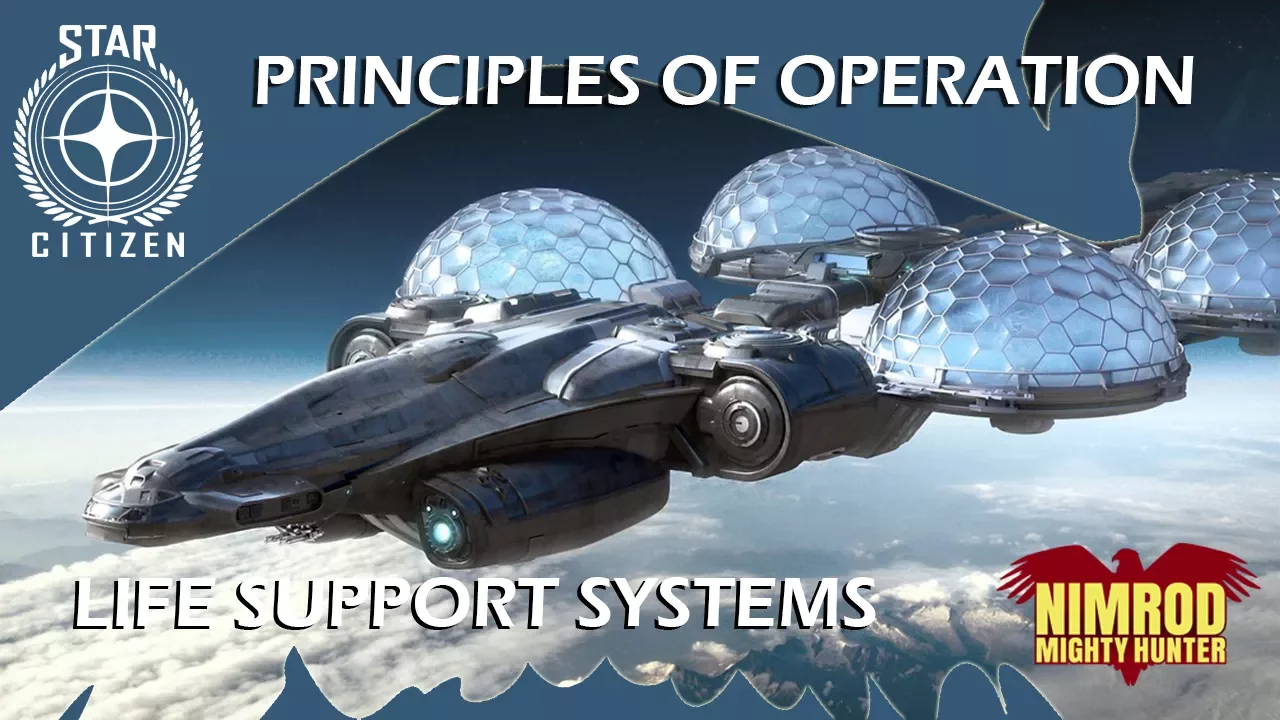
The basic principles of environmental control and life support systems (ECLSS), such as water recycling and oxygen generation.
Current Mars mission architectures and exploration roadmaps proposed by NASA, ESA, and private aerospace entities like SpaceX.
Advanced In-Situ Resource Utilization (ISRU) techniques used to extract water, oxygen, and building materials directly from the Martian regolith and atmosphere.
Deep-space medicine and advanced life support technologies required for multi-year missions beyond Low Earth Orbit.
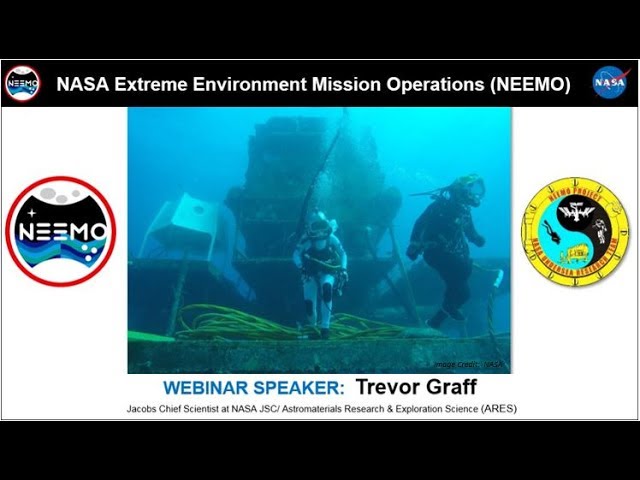
A comparative study of other extreme environment analogs, such as the Amundsen-Scott South Pole Station or underwater habitats like NEEMO.
112.5K views3.1Klikes7:30Original Release: 2021-11-14
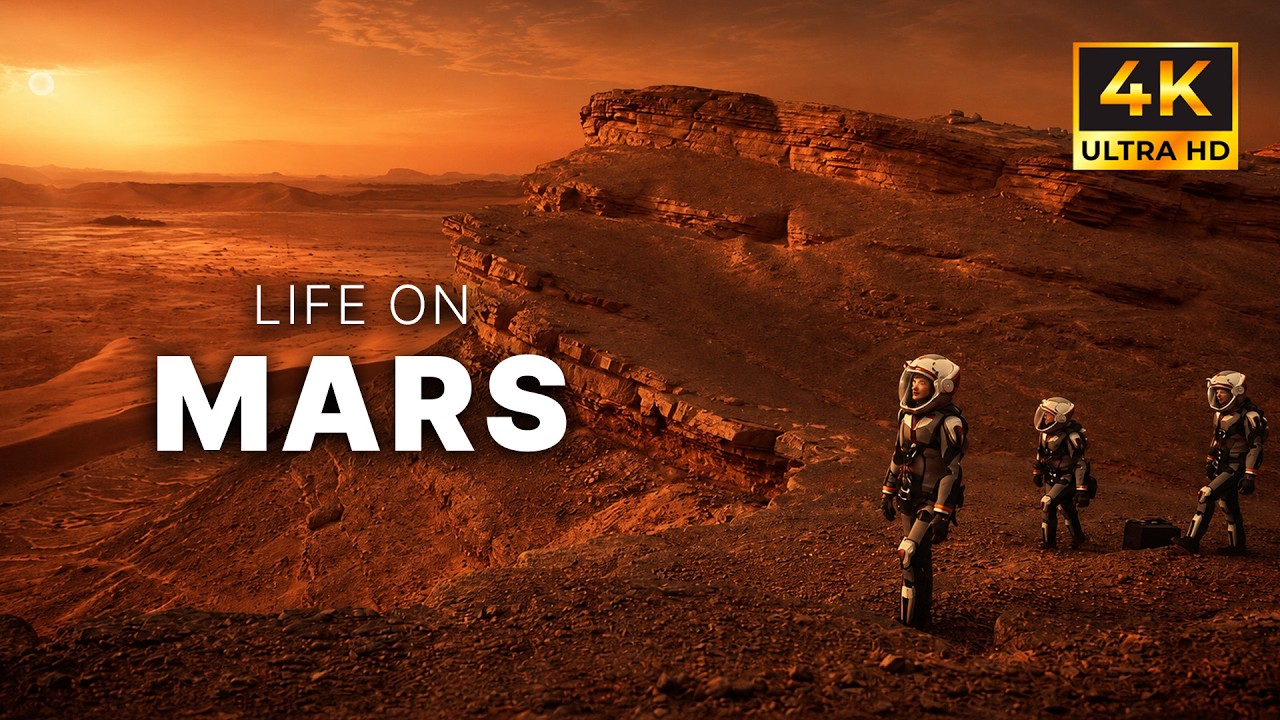
Welcome To Life on Mars right now this may be the closest any human will get to living on a martian Outpost High sees is an analog astronaut research station so it basically simulates what it would be like to be an astronaut on the moon and on Mars all without leaving the safety of Earth and even though they're still on Earth these analog astronauts take their role pretty seriously we wear space suits to conduct fieldwork we go on Evas or extra vehicular activities like spacewalks we have rationed food and water we have a time delay for all Communications on Earth researchers from all over the world in fields from astrophysics to engineering to geology come to this white Dome to test their experiments and see if they've got what it takes to live on another planet high seas is one of the most unique research stations in the world sitting on an active volcano in Hawaii about 2,500 m above sea level researchers can stay at the habitat for weeks to months at a time working and living there the goal to understand how to survive in a place where no humans have lived before which is why this site was chosen part of it was because it looks and feels like you're on another planet there's almost no vegetation here because of the altitude so it's this isolated difficult harsh environment where you are you know completely separated from civilization as we know it but from a geology perspective the volcanic terrain around us is actually directly relevant to both the moon and Mars that's because high seas is surrounded by Lava Tubes underground channels that once carried molten lava and are now home to extremophiles both the moon and Mars used to be volcanically active and contain very similar Terrain so studying this environment on Earth allows for an opportunity to practice scenarios astronauts might encounter on future missions overseeing every aspect of the habitat is Michaela mova I have always wanted to be an astronaut uh I've been dreaming of that since I was 8 years old while she's not an astronaut yet Michaela is often commander of analog missions and as director of high seas is responsible for crewing them after having about 30 missions under my belt I found that the more diverse the crew the more successful the mission so I choose uh analog astronauts from a variety of backgrounds not just say scientists engineers and doctors but I also like to have artists and Educators journalists and people who think out of the box I'm going to cut it for science oh with increasing interest in returning to the moon and one day even setting up a station on Mars people from all over the world put their Ingenuity to the test at this white Dome everything from what kind of food are astronauts going to eat during these long duration missions what technologies are they going to need for example in situ resource utilization Technologies these are Technologies for us to be able to extract water from the soil on Mars and have our own source of water there we tested a drill that is meant to be used for collecting biological samples but in a rocky environment and now there's even a familiar face researching the secrets of the universe so my research is on supernova Supernova are not just you know interesting exotic phenomena that we think are cool because they're exploding stars but they also tell us a lot about our universe Stars fuse elements within their cores and then inject them into their surroundings upon explosion meaning that they shape the chemical composition of their surroundings when Carl San says we are star stuff I mean he was right we literally are the stuff of stars we are awake and the cosmos to know itself I feel really excited to be honest I feel a little nervous but mostly just excited you know I've been preparing for months I started by doing altitude training so there's a hypoxic room which is basically oxygen deprivation room that simulates various altitudes into the altitude room and then I also flew in zero gravity in a weightless environment and learned how to scuba D all this training is going towards preparing saraphina for a two we long analog Mar's Mission high seas is a really cool opportunity to actually do field workor with Supernova that includes Evas any activity outside of a spacecraft or habitat which for saraphina is where her research really begins so I will be using a handheld laser induced breakdown spectrometer to basically analyze the composition of xenoliths which are a particular type of uh rock that is found in volcanic environments that's some of the oldest rocks on Earth and by analyzing them and learning about their Elemental abundances and sort of what they're made up of we can then correlate them with the Supernova that was potentially responsible for their formation by hunting for certain elements an almost untouched volcanic rock saraphina is working towards matching them to Supernova ejecta which might just explain how the solar system was formed NASA rovers are already doing something similar on Mars which is why this is such a unique opportunity for an astrophysicist here on Earth I get to do science in a completely new way that frankly most astronomers don't do this is more of a geophysics spin on astronomy and so it's neat because I get to merge these different fields and then hopefully get some cool results from them after saraphina wraps up her work at high seas her Supernova research will continue ultimately I I hope to publish a paper on this we don't really understand the progenitors of supernova the composition the evolution and the structure of those stars in modeling and simulating them is very difficult to do it was once described to me as the wild west of astronomy because you know people are trying a lot of different things but there's not lot of rules for how to do it high seas is a test bed for unconventional approaches to Technologies and research the revolving door of analog astronauts that stay at the habitat are asking different questions but they all have one thing in common for as long as I can remember I wanted to become an astronaut I remember looking up at the stars as a little kid and dreaming about going to space one of the reasons why I share about about my journey about my training is so that I can serve as a source of representation for other young girls other young people of color who maybe have the same dreams you know who knows if I'll ever get to Mars or to the Moon fingers crossed but who knows [Music]
Up Next
16:40
JWST Finds Evidence for First Stars in Universe
@DrBecky
243.6K views•2024-04-04
61:17
First Billion Years of the Universe with the Square Kilometre Array
@iaaudc
121 views•2022-05-26
4:50
Supermassive Black Hole Jets Approach Light Speed: M87* | Astronomy Physics
@Seeker
198.4K views•2020-02-26
6:10
Gamma-Ray Bursts: Cosmic Snipers Explained | Astronomy
@kurzgesagt
15M views•2016-07-31
Related Study Plans & Knowledge Roadmaps
Structured learning paths in Astronomy
astronomy
Reionization: Pop III Stars, IGM & 21cm Line
01Foundations of Cosmology & the Early Universe
02Population III Stars & Cosmic Dawn
03Physical Mechanisms of Reionization
+ 2 more learning modules
17h5 modules
Explore Roadmap
astronomy
Planetary Rings: Dynamics, Roche & Resonances
01Foundations of Gravity and Orbital Mechanics
02Tidal Forces and the Roche Limit
03Structure, Composition, and Collisions
+ 2 more learning modules
10h5 modules
Explore Roadmap
astronomy
Asteroseismology: Stellar Waves, Ages & Cores
01Foundations of Stellar Astrophysics & Wave Mechanics
02Stellar Oscillation Modes: P-modes and G-modes
03Mathematical Framework of Asteroseismology
+ 2 more learning modules
35h5 modules
Explore Roadmap
astronomy
Adaptive Optics: Physics, Engineering & Control
01Foundations of Wave Optics and Wavefronts
02Atmospheric Turbulence & Optical Distortion
03Wavefront Sensing Technologies
+ 3 more learning modules
35h6 modules
Explore Roadmap