






【33】 문화의 의미와 특성(8단원 문화의 이해)](https://i.ytimg.com/vi/9xKZQhziCz8/maxresdefault.jpg)



















Anthropology is the scientific study of humans across space and time, derived from Greek words meaning 'human' and 'study,' and is divided into four interconnected subfields: Biological Anthropology (studying human biology through an evolutionary framework, including paleoanthropology, primatology, and forensic anthropology), Archaeology (examining material culture of past human societies), Cultural Anthropology (studying contemporary human societies including governments, religions, and customs), and Linguistic Anthropology (studying language within social systems); this discipline uniquely bridges biological and social sciences to understand human evolution, diversity, and what it means to be human.
Introduction to Anthropology: Subfields & Human Evolution
Added:A basic understanding of the theory of biological evolution, including natural selection and adaptation.
The conceptual distinction between human biology (genetics and physical traits) and culture (learned and shared behaviors).
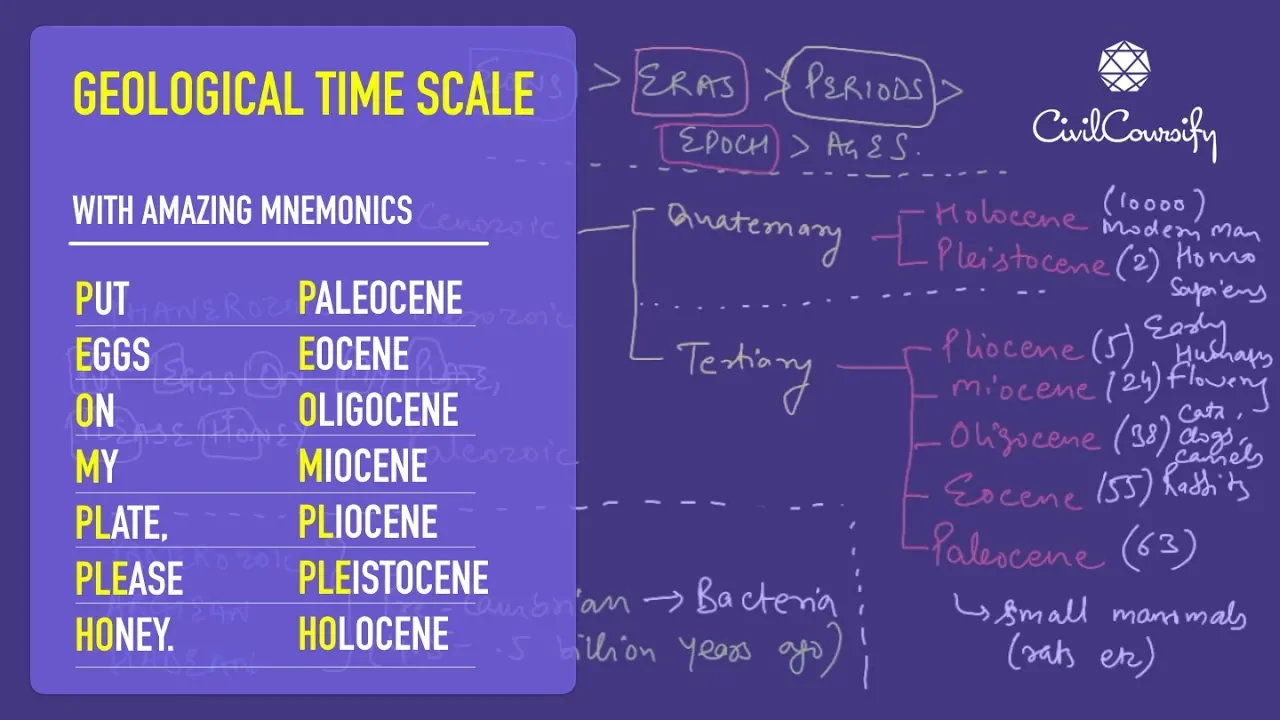
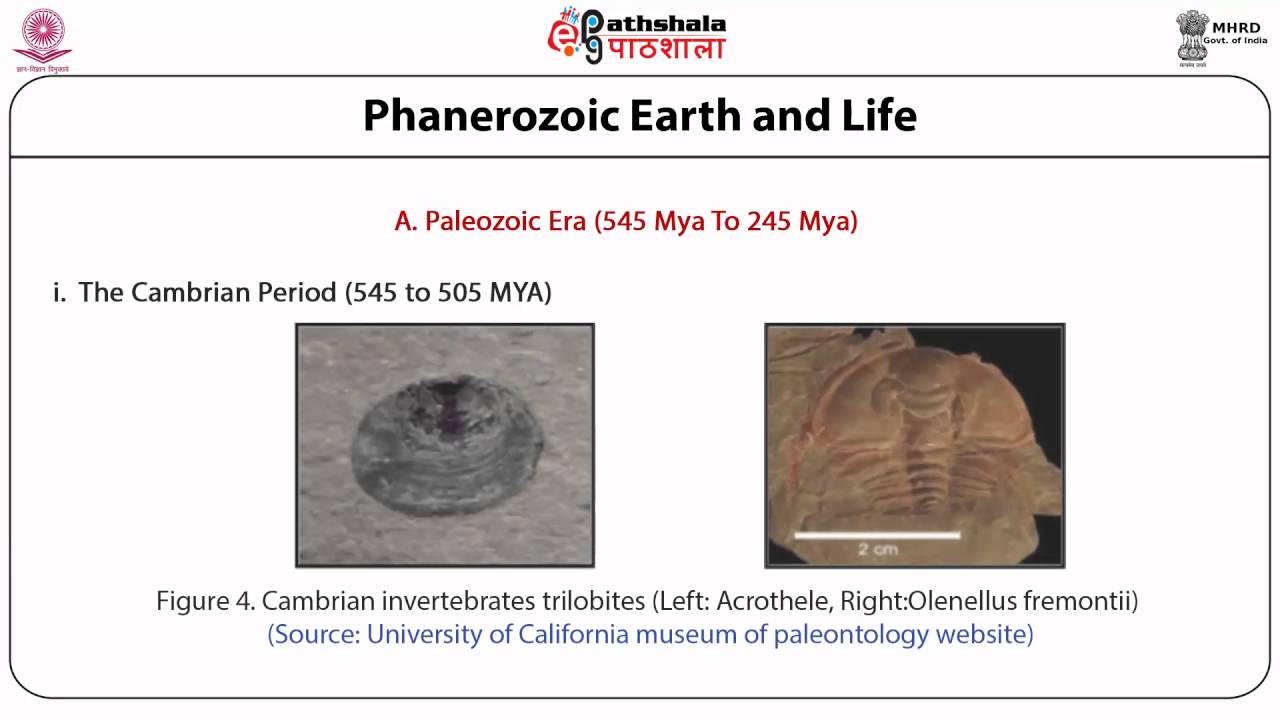
A foundational awareness of geological timescales and how Earth's history is measured.
Familiarity with the scientific method and how researchers collect and analyze empirical evidence.
An in-depth analysis of the hominin fossil record, tracing key evolutionary ancestors like Australopithecus and Neanderthals.
The study of ethnographic research methods and ethical practices used by cultural anthropologists to study modern societies.
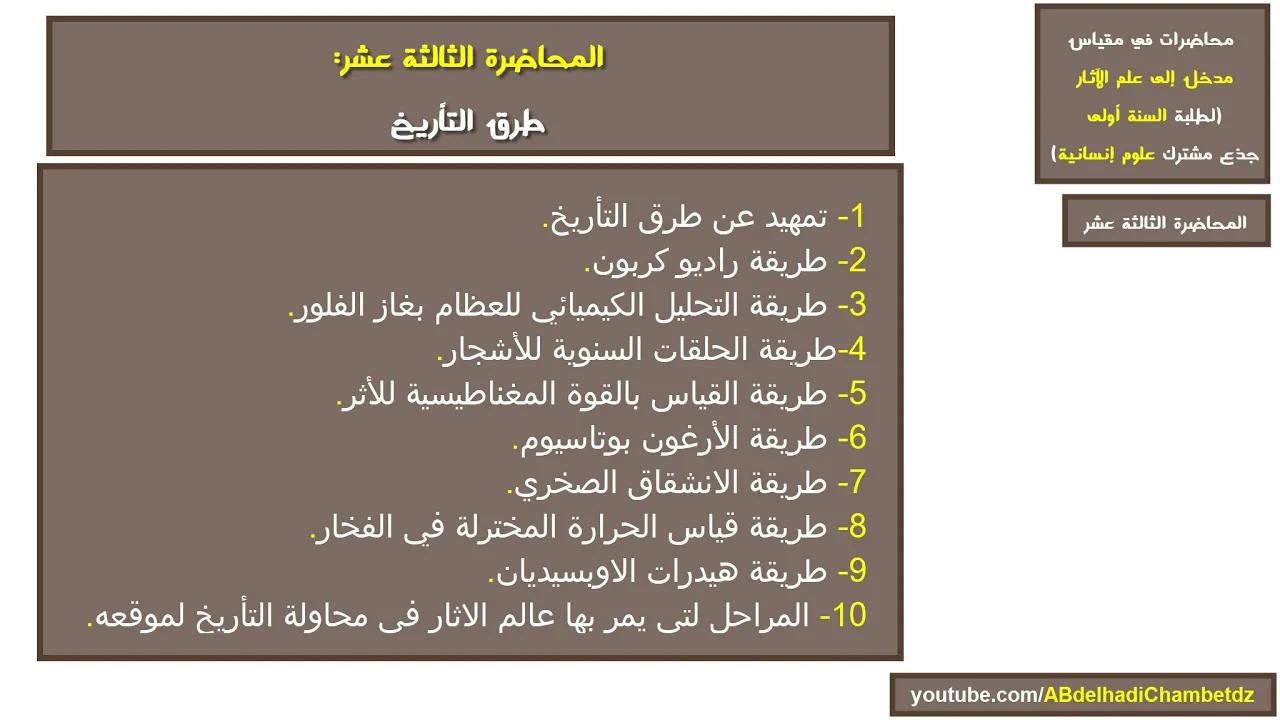
Archaeological dating techniques (such as radiocarbon dating) and the interpretation of material culture and artifacts.
Sociolinguistics, exploring how language structures interact with social identity, power dynamics, and cultural worldview.
The application of anthropological perspectives to modern issues, such as medical anthropology, global health, and cultural heritage preservation.
178.2K views4.4Klikes7:47Original Release: 2024-01-02
We humans are a fascinating species of animal, though rather narcissistic. For this reason, the study of humans across space and time has its own field: anthropology. The etymology of the word is Greek, with Anthropos meaning human, and logos being the study of. This discipline provides a broad perspective that helps us understand the diversity of the human experience within the context of biological and behavioral continuity with other animal species.
This is certainly a tall order, as it means we must understand our own evolution and biology, the wide variety of material and behavioral cultures we exhibit, and how each of these necessarily interact with one another. Anthropology as a discipline tackles this gargantuan task by partitioning the labor into four subfields. Biological Anthropology, which was formerly known as Physical Anthropology, is the first subfield we will cover, and it concerns the study of human biology within an evolutionary framework. So in a sense, this series will pick up right where the zoology series leaves off, having covered the entire animal kingdom, and now focusing on a very small part of that kingdom. Biological Anthropology includes several subjects. Paleoanthropology is commonly known as the search for and study of our hominin ancestors through fossil remains, and when available, DNA sequencing. Primatology, the study of non-human primates and how their behavior and morphology relates to our own species, is also familiar to many thanks to the work of Jane Goodall, Dian Fossey, and Biruté Galdikas. Forensic Anthropology, which involves the application of human biology and osteology in legal investigations, is known by many people thanks to its role in criminal investigations and TV dramas. But there are other subjects that we will tackle later in the series.
Archeology is the second subfield of anthropology that will be investigated in this series, which involves the study of the material culture of past people groups. This covers a wide variety of long-gone human or human-adjacent activity, from Neanderthal tools over 40,000 years ago, to Egyptian canopic jars in the more recent past. Archeology has a large area of study given that it is utilized to investigate the behavior of more distant hominins as well as that of human societies that only recently disappeared. Cultural Anthropology is the third subfield of Anthropology we will cover, which concerns itself with the study of human societies, primarily those that exist today or in the relatively recent past. This would include how these societies structure their governments, their religious organizations, their taboos and customs, and gender roles, among other subjects. Sociocultural subjects are formally categorized just like in Biological Anthropology. For instance, Political Anthropology studies the politics of a society, while Economic Anthropology studies its financials. Many of these subjects will be examined in depth when we arrive at the Cultural Anthropology section of this series.
The last subfield of Anthropology will not be covered in this series, and is formally known as Linguistic Anthropology. This subfield concerns the study of language and how it interacts within and across social systems. The subject matter is perhaps better suited for a series on Linguistics, which will hopefully occur on this channel one day.
At any rate, this series aims to teach the “Big Picture” of Anthropology and what it means to be human, from our biology and evolution, through our material culture and cognition, and up to our modern societies today. Anthropology is unique in that it marries the biological and the social, a union that will be explored in depth to create a cohesive understanding of the field.
Stating where anthropology begins in the annals of time requires that we must first identify where “humans” begin. This is a far more difficult task that it may seem, primarily due to the smooth gradient of hominin fossils and remains that we have uncovered over the years. It is made more difficult due to the fact that human biology differs very little from other living apes, who also display many of the behavioral characteristics we once thought were unique to our own species, from tool use to politics. Biological Anthropology, in many ways, aims to answer the question of how our species came to evolve morphologically and behaviorally, and what, if anything, makes our species unique from other animals. Formally, it is the study of human biology through an evolutionary framework. It is here in this subfield that we begin our series on Anthropology, because without understanding what humans are biologically, and how we came to be this way, we would miss out on much of the answer to the question “What does it mean to be human?” Biological Anthropology is aggressively multi-disciplinary. It is the “STEM” branch of Anthropology, as it concerns itself with the empirical side of the field. Paleoanthropologists find and measure the morphologies of ancient human ancestors, charting how they change physically over time and chronicling the paleoenvironments they lived in by using methods such as Stable Isotopes. Primatologists sample living populations of non-human primates and record behavior, lineages, and selective pressures at play, which can aid in reconstructing aspects of extinct primates. Paleogeneticists study ancient genomes, while human biologists study the anatomy, physiology, and biomechanics of our species, and paleopathologists investigate the ancient pathologies that impacted hominins.
But each of these fields relies on the collaboration of other disciplines. A paleoanthropologist discovers hominin remains, and must consult geologists, taphonomists, and paleoecologists to determine how long ago the specimen lived, how it died and preserved, and what environment it lived in. Primatologists work with ecologists, general biologists, botanists, entomologists, and others to investigate the world and pressures that their study primate is subject to. Certainly most fields in science are multi-disciplinary, but Biological Anthropology exemplifies the necessity and benefits of collaboration. It is through this cooperation that we have learned more about human evolution, biology, and behavior through time. Studying human evolution can tell us more about our shared history with one another and the rest of the primates, our health and predispositions through time, and why we behave the way we do. But the history of the discipline is as sordid as any. And that is where we will begin. So if you’re ready, let’s learn some anthropology.
Up Next

26:39
Anthropology of Religion: Culture, Belief Systems, and Ritual
@prof.kingsanthropology7995
546 views•2020-04-23

38:41
Astrobiology Through an Anthropological Lens: Field Insights
@georgiatechastrobiology
128 views•2021-04-14
4:45
Proxemics Explained: The Study of Personal Space
@Vox
536K views•2016-07-05

10:38
Psychology of Internet Trolling and Pranks Explained
@AzzyLand
10.7M views•2017-12-20
Related Study Plans & Knowledge Roadmaps
Structured learning paths in Anthropology
anthropology
Space Anthropology: Analogs, Culture & Habitats
01Foundations of Space Anthropology & Cosmic Imaginaries
02Extreme Isolation & Micro-Societies in Orbit
03Space Analog Habitats & Earth-Based Simulations
+ 2 more learning modules
15h5 modules
Explore Roadmap
anthropology
Legal Anthropology: Customary Law & Pluralism
01Foundations of Legal Anthropology and Social Justice
02Legal Pluralism: Coexisting Legal Systems
03Customary Law and Indigenous Dispute Resolution
+ 2 more learning modules
15h5 modules
Explore Roadmap
anthropology
Global Tourism: Gaze, Authenticity & Heritage
01Introduction to the Sociology of Tourism
02The 'Tourist Gaze' (John Urry)
03Staged Authenticity in Tourism
+ 3 more learning modules
14h6 modules
Explore Roadmap
anthropology
Modern Kinship (ART, Adoption & Chosen Family)
01Foundations of Kinship and Family
02Assisted Reproductive Technologies (ART) & Relatedness
03Transnational Adoption and Global Kinship
+ 2 more learning modules
12h5 modules
Explore Roadmap