



















Anthropology studies religion as a cultural institution that provides explanation, control, legitimization, tradition preservation, and social cohesion, with religions classified as monotheistic (belief in one deity), polytheistic (belief in multiple deities), or non-theistic (no deity belief), and often incorporating local beliefs through syncretism as seen in Zuni-Catholicism and Voodoo.
Anthropology of Religion: Culture, Belief Systems, and Ritual
Added:The foundational definition of culture, including how cultural values, norms, and symbols are learned and transmitted within a society.
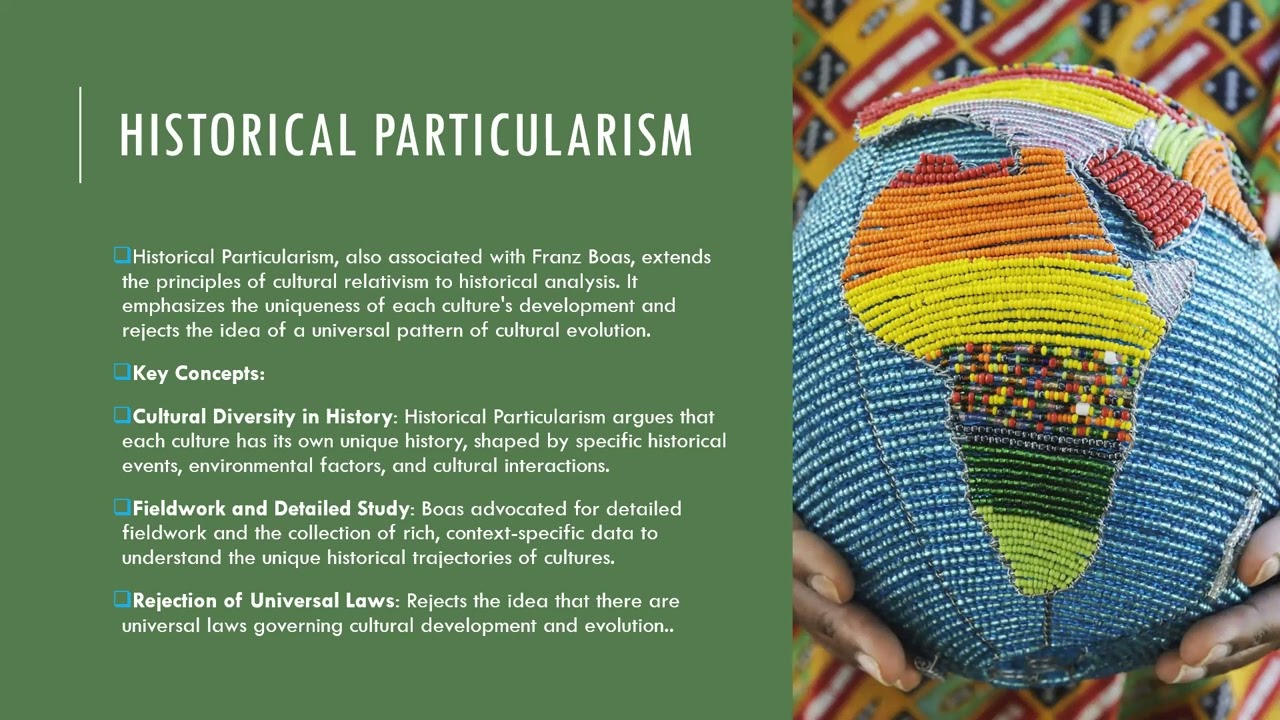
The principle of cultural relativism, which involves suspending ethnocentric judgments to understand beliefs from an emic (insider) perspective.
The distinction between theological studies (which evaluate the dogmatic truth of religious claims) and anthropological studies (which examine religion as a human social construct).
An introductory understanding of social institutions and how they function to maintain social cohesion and structure.
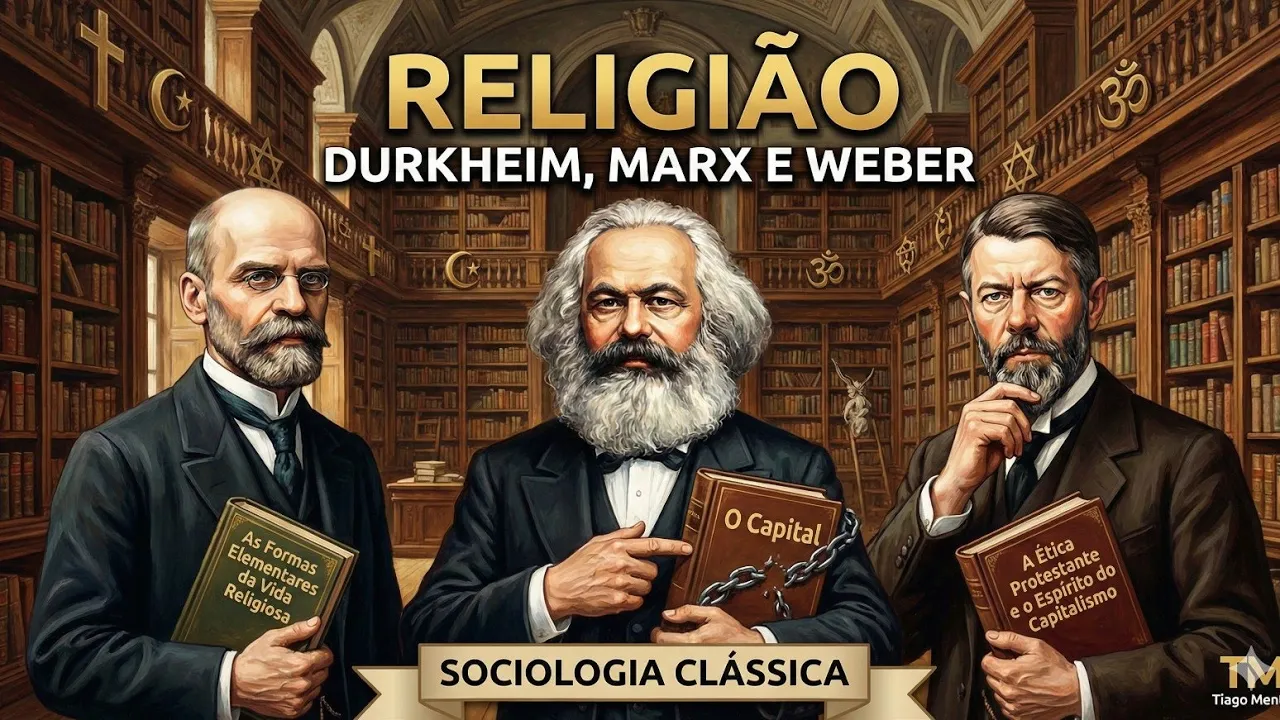
Classical and contemporary anthropological theories of religion, such as Emile Durkheim's social cohesion, Clifford Geertz's symbolic analysis, and Victor Turner's liminality.
The structural relationship between magic, science, and religion, exploring how different societies explain misfortune and control their environment.
Religious syncretism and revitalization movements, examining how belief systems adapt, change, and blend under the influence of globalization and colonization.
Ethnographic research methodologies specific to studying ritual practices, sacred spaces, and the lived experiences of faith in diverse communities.
546 views0likes26:39Original Release: 2020-04-23
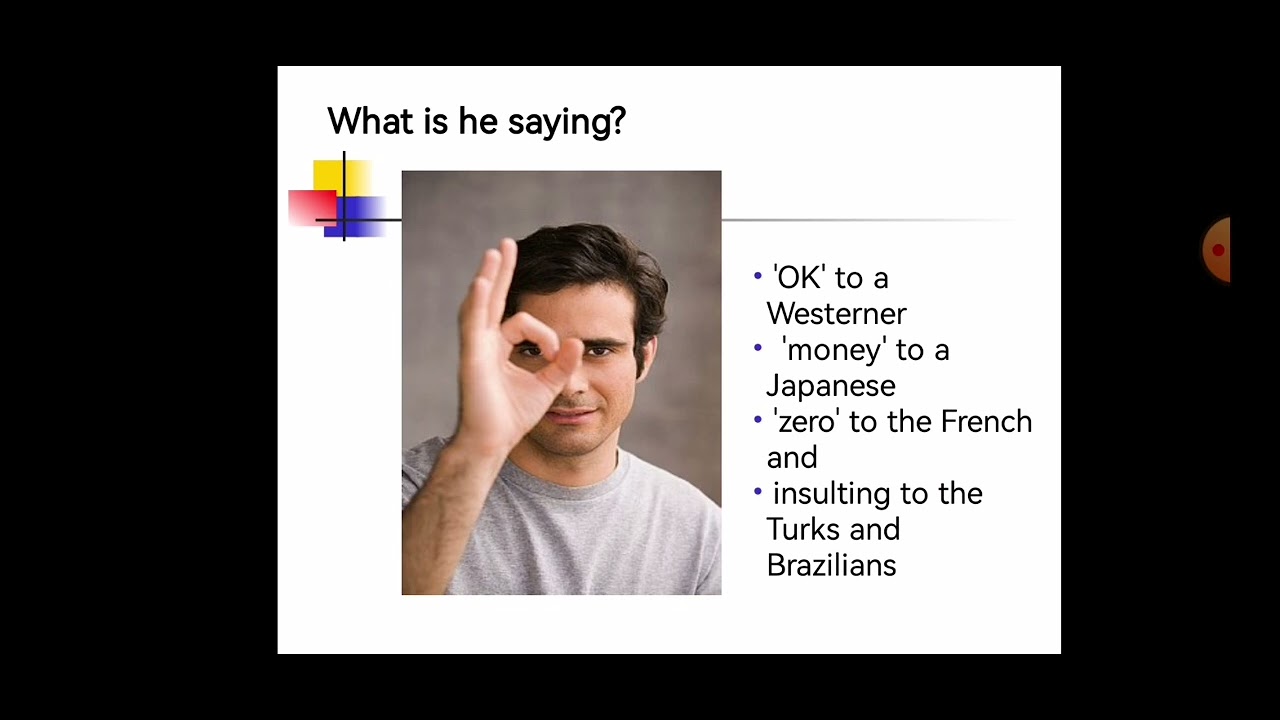
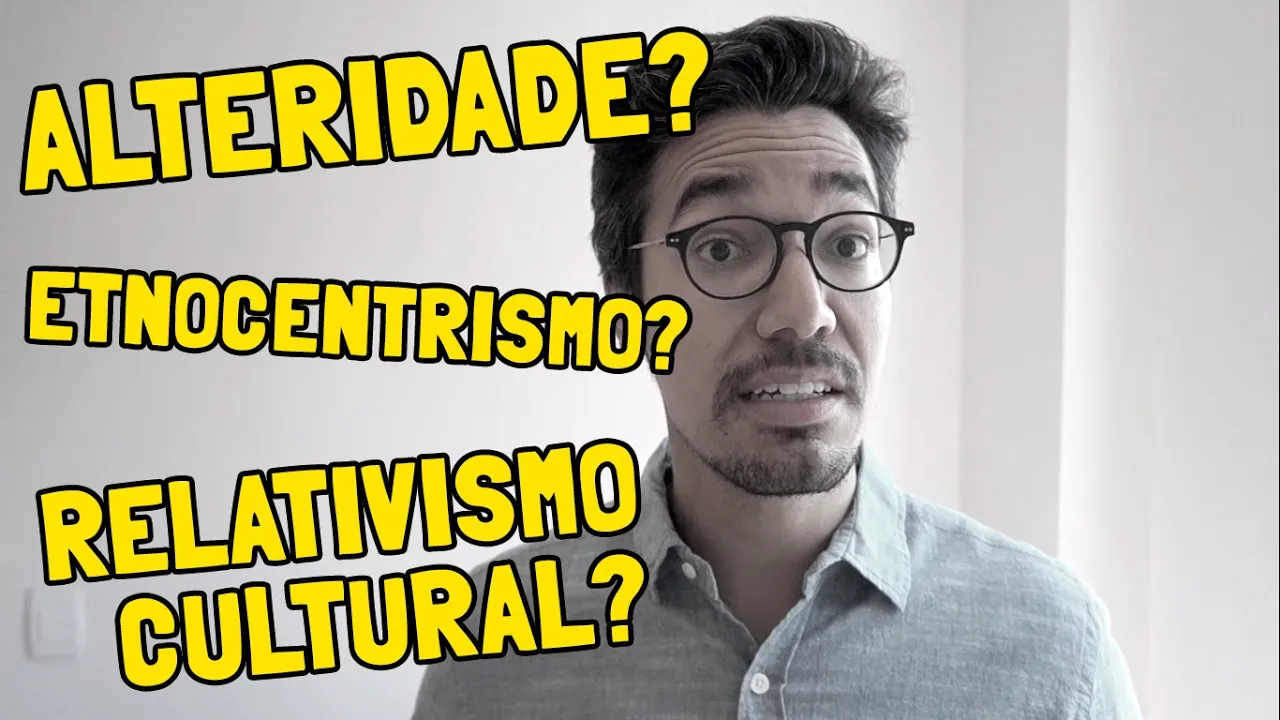
hello this is introduction anthropology this section will be covering the topic religion now before we talk about religion I wanna again talk about culture culture is the central focus of most anthropological studies we will be discussing different cultures throughout the rest of the semester even into the archeology section so let's go over a new definition for culture it is a set of abstract values beliefs and perceptions of the world shared by members of a society culture is learned and passed on through language and social interaction and produces behavior acceptable within their culture and finally culture is integrated and constantly changing this concept is necessary to fully understand the anthropology of religion culture is all around us it shapes us and makes us who we are and religion is one aspect of our culture a very important part of our culture now god I want to talk to you about these two terminology ethnocentrism and cultural relativism they are very important in anthropology and particularly I think when dealing with religious studies people often have prejudices against other religions we think we know them based on very little information so we have to be very careful not to be as know centric remember ethnocentrism is a belief that once culture is the best it's an attitude based on the idea that one's own group or culture is better than any other what happens when your ethnocentric is you start seeing people outside your culture as the other and you diminish them in many ways what we hope as anthropologists is if you utilize the concept of cultural relativism and that is the belief that cultures can only be judged by their own standards you don't have to believe what another person believes what you can say is they have their own beliefs and it has no impact on you not judging other people's beliefs is cultural relativism I often times use this photograph to show the limitations we have in understanding other people's religion no this is taken in Machu Picchu in Peru up in the high mountains at a site that was a religious center if you look in the background there beautiful high and daeun mountains in the forefront are large stones if you look carefully at that outline of the stones you can see they reflect the general outline of two of the mountains in the background these large stones are actually an altar there an altar or worship and rituals performed for the mountains now what do we know of that ritual we do not have a recording of that ritual we're not even certain if the mountains themself or gods or their gods our goddesses inside the mountains we have a limited amount of information what we're seeing is only one aspect of the religious a big question for anthropologists is when did religious star so far the information we have indicates that religions started with homo sapiens we have no evidence that homo erectus have religion and as far as one it started we're sure it started tens of thousands of years ago let me show you some of the evidence this is an example of what we call an intentional burial the person when they died were placed in a pit they were placed in the pit with gifts including the necklace you can see around the person's upper body and they were covered with soils are these great good Goods or gifts are they telling us that the people believed in an afterlife or was a person buried with the gifts because it gave comfort to their relative this is an example of an early religious practice these are very common throughout the old world Asia and Europe they are called Venus figurines and part of early religious practices and they can date tens of thousands of years ago this religion was probably a celebration of fertility nature and had many gods and goddesses some of the earliest evidence we have of religion is through cave paintings these cave paintings also represent what I would call nature religions here animals are pictured in the caves in the process of a hunt by humans we also see animals in herds in their normal activities other pictures of the cave might symbolize the fertility of the animals we see these cave drawings cave paintings and cave carvings throughout the world you have two definitions of religion the first one is a very broad definition that would apply to many belief systems religion here is defined as a system of beliefs rituals and practices the second definition is much narrower and I think applies to what we in our culture would consider religion here religion involves a set of symbols invoking feelings of awe which are linked to rituals practiced by community of believers we never chose throughout the world are often focused on place places were significant events occurred or they can be the mountains the Springs rivers the Sun and the stars represented by gods and goddesses most religions throughout the world have places that are important this picture right here is a picture of a waterfall in the bottom of the Grand Canyon this area is sacred to the Havasupai and they often collect the waters from this waterfall were used in the religious practices if you ask them they would tell you that this area is inhabited by deities today Native Americans as do many other people still utilize ancestral state sacred places often keeping the practices secret so they will not be disturbed this is at the Grand Canyon if you look in the distance what you see is a set of mountains these mountains are sacred to over two dozen tribes and I would say close to 500,000 people utilize these mountains as a central sacred area the Park Service who manages the land in these mountains does not protect these mountains 'as for the benefit of people who utilize it as a religious site this can be seen the National Park allowed a ski area to be built on this mountain they allowed the skier to be expanded in many different ways the this expansion has been protested over and over by the local Native American tribes what you see here is sort of the integration of culture the United States is the dominant culture they control this land and what they were doing is utilizing this area for the benefit of a few against the benefit of the many and it's a display of power and economics if we were in New York City and we had a temple or a mosque or a church that had five hundred thousand members it is unlikely that they're building that houses that religion is considered important to those religious people would be destroyed by our US government um here's another sacred place is a Stonehenge it was built by an agricultural society and was used to mark astrological changes again this is another picture of machu picchu it's not at the altar but it's more of the entire site and you can see one of the sacred mountains in the background it was built to honor the Sun God in various mountain gods and goddesses here's a list of some of the functions of in their check ask yourself does your religion do this for you in other religions that you're familiar with do you see these functions as well so the first one is explanation second control third is legitimization fourth is enhancing the learning of traditions and fifth is community or maintain social cohesion our religions have some of these functions most religions have most of them but they can have them at varying degrees there are many different ways to describe or classify religions I'm going to attempt this simple one and I have three different classifications here one is monotheism the second is polytheism and the third is non-theistic okay monotheism is a belief in one deity and I have a question mark there because I think it is often difficult to count deities in religion for instance many monotheistic religions you just have one deity but they have prophets and those prophets may have different importance another example of monotheism with multiple deities might be Christianity they have what is called the Holy Trinity and other monotheistic religions accuse them of being polytheistic if you talk to Christian people they will say no it is just one DIF one deity but several expressions of that one deity so again it can be difficult to count polytheism is the belief in two or more deities and again it is difficult to count many polytheistic religions have stories about a monotheistic deity that split itself into many parts many different deities so those deities each different are they still part of a one deity or monotheistic religion the final one is non-theistic and these are religions that do not depend on a belief in a deity and oftentimes when you talk to people from non theistic religions you do get the feeling that there is a deity that but that they are living inside of the deity as part of the deity again these all of these religions have a lot of diversity and a lot of diversity in beliefs this is just a simple classification system that will help us or this topic of Ramanujan this is just to give you an example of why like why it is difficult to new count deities this is an artistic expression from the Hindu religion and if you look at the central character and look at this individuals face what you'll see is that all of the people surrounding this individual are in fact this deity this deity has split themselves into many other deities who can then split themselves into many other deities so what do you have here one deity or many deities you know polytheism often when we think of cultures with multiple gods we think of the gods goddesses of ancient Greece the Greek deities are actually quite unusual compared to other polytheistic religions in that they have many human attributes and are very interested in humans polytheistic religions often have no conversion rituals you were born into the religion you cannot join it and the gods and goddesses are only interested in a certain people when I worked at the Navajo my father became ill and I had a novel how herbalist make up a medicine for him her concern when she gave me the medicine was that while she was preparing the medicine she had given prayers to the Navajo gods and that empowered this medicine to be badder but when my father took the medicine because my father was white non Navajo the Navajo gods would not see him and possibly they would not empower the plants to heal them so not only would the gods and goddesses not see my father but the ritual that created the medicine might not work polytheistic gods and goddesses are best approached by professional priests or shamans they know the correct offerings and soon all of the rest so if you need their help hire professional this is a large ruin in Chaco Canyon New Mexico when it was built it would have been over four stories tall and looked like a large New York City apartment building if you look closely you'll see circular rooms these are called Kiva's and the rooms are used for religious practices now this entire site is quite large and could have held hundreds of people throughout this entire Canyon or other similar sites and buildings which remarkable about this area is that these huge structures rarely help humans they were designed and built for ceremonial activity that possibly only took a couple of weeks out of every year connecting the different buildings and also the outer areas are large large highways to bring in people for ceremonial activities I think this is significant for many humans is that we put large amount of effort into a religion and our ceremonial activities and oftentimes build things in order to impress the deities now these religious practices practice in the ancient civilization of Chaco and are probably still practiced by modern Pueblo people throughout the western United States this is a modern Pueblo in Taos New Mexico that's still have ski let's discuss for a minute the song lines of the Aboriginal Australians these are abstract or semi abstract paintings or diagrams and what they are is maps of the landscape this landscape is filled with stories of ancestral beings and the origin of ceremonies but it also has a much more practical application as well these story these song lines describe the actual territory of the people they describe resources in certain areas they describe the location of their sacred areas so it is both a religious map and also in many respects a functional map okay monotheistic religions and there's a few attributes of monotheistic religion I would like to talk about first of all it's a belief in one God or deity a God that created the world monotheistic religions all believe they are the one true religions and often have rituals convert for converting other people monotheistic religions often time conversion is a main goal of the practices of these religions if you believe your religion is the one true religion what that means is that you believe other people have a false religion monotheistic religions have create diversity within the different religions represented by many sects and denominations these religions are huge often numbering over a billion followers and there's huge diversity within these groups most monastic people believe in an afterlife the most monotheistic people think you earn that afterlife by living a good life non-theistic religions do not depend on a belief in a deity some divisions within the religion may believe in a limitless entity I would say it's not a creator beauty like the monotheistic s' but it can be the totality of everything the non-theistic religion cartel ism has no deity our one could say the deity is an all-encompassing encompassing divinity that is reality the goal is to live in harmony with universe for this last section I would like to talk about the expansion of monotheism over the last 1,000 years monotheism religions have grown significantly during the last 500 years monotheism has spread through colonialism and trade to cover much of the world this has led to a reduction in need of local religions but in many instances people who were incorporated into monotheistic religions or into colonial governments what they did is they took their beliefs and they put them inside of monotheistic religions contributing to the diversity of these religions let's look at a few examples one of the tribes of the American Southwest and New Mexico is called the Zuni now the Zuni were conquered by the Spanish about five hundred years ago and the Spanish introduced Catholicism to the Zuni there were many aspects of the Catholic religion that the Zuni admired but what they did is they managed to successfully incorporate their religion into pathology so now on the right here you'll see an old Spanish Church it was built on an area that had previously been used by the Zuni for ceremonies if you go inside the Catholic Church what you will find is paintings of the Zuni gods there's an example for you on the laughs so who are they praying to when they attend the service in the Catholic Church the entire interior is filled with Zuni gods and seen from ceilings I think this is a good example about how local indigenous religions incorporate their beliefs in some way into a larger monotheistic religion another example of incorporation of beliefs into a monotheistic religion is voodoo it is a combination of African religions Native American religions and Christian Catholicism and you've seen many people who practice voodoo also attend the Catholic Church now because of Hollywood and movies and television we have often time what I would call very prejudicial view against this religion voodoo is viewed as an evil religion one that provides rituals that can cause harm to other beings if you actually talk to people who practice the Voodoo religion what you will find is that the religious leaders the priests and priestesses do not perform ceremonies that cause harm to any individuals third religion like all others is aimed at bringing comfort and well-being to its practitioners in the area that I work in often I see people practicing what is called the Native American church the Native American church is practice it combines Christianity with general Native American beliefs like Mother Earth if you are a member of this church what you do is you arrive at the ceremony you take a hallucinogenic cactus called peyote you eat it and then you enter a teepee and the ceremony is held there now this religion has become quite popular throughout the southwestern United States and it is incorporation of local Native American pleats and Christianity the peyote itself is illegal if you are found with peyote in the southwest they will send you to jail but if you are a member of the Native American church and carry a card that states you are a member of the church oftentimes local municipalities and states will not prosecute you if you're found with peyote the peyote has to cross the mexico-us border because the peyote is a natural plant that grows in northern Mexico religion is an important cultural institution religions are primarily concerned with improving the lives of their followers through the intervention of the deities religions provide comfort guidance and relieve anxiety during times of stress this lecture on religion only covers a few subjects I hope you enjoyed it and I hope you will investigate the topic of religion further
Up Next
34:53
Functionalism in Anthropology: Malinowski's Theory Explained
@Vidyamitra
45.7K views•2016-09-26
38:41
Astrobiology Through an Anthropological Lens: Field Insights
@georgiatechastrobiology
128 views•2021-04-14
4:45
Proxemics Explained: The Study of Personal Space
@Vox
536K views•2016-07-05

10:38
Psychology of Internet Trolling and Pranks Explained
@AzzyLand
10.7M views•2017-12-20
Related Study Plans & Knowledge Roadmaps
Structured learning paths in Anthropology
anthropology
Space Anthropology: Analogs, Culture & Habitats
01Foundations of Space Anthropology & Cosmic Imaginaries
02Extreme Isolation & Micro-Societies in Orbit
03Space Analog Habitats & Earth-Based Simulations
+ 2 more learning modules
15h5 modules
Explore Roadmap
anthropology
Legal Anthropology: Customary Law & Pluralism
01Foundations of Legal Anthropology and Social Justice
02Legal Pluralism: Coexisting Legal Systems
03Customary Law and Indigenous Dispute Resolution
+ 2 more learning modules
15h5 modules
Explore Roadmap
anthropology
Global Tourism: Gaze, Authenticity & Heritage
01Introduction to the Sociology of Tourism
02The 'Tourist Gaze' (John Urry)
03Staged Authenticity in Tourism
+ 3 more learning modules
14h6 modules
Explore Roadmap
anthropology
Modern Kinship (ART, Adoption & Chosen Family)
01Foundations of Kinship and Family
02Assisted Reproductive Technologies (ART) & Relatedness
03Transnational Adoption and Global Kinship
+ 2 more learning modules
12h5 modules
Explore Roadmap