












![사회가 종교를 걱정하는 시대가 되었다? [오강남, 성해영 두 종교학자의 대담]](https://i.ytimg.com/vi/-U_cu4eSuAY/maxresdefault.jpg)
This lecture explores how Western societies historically evolved from unified cosmologies (where religion encompassed all knowledge, science was embedded within religious practices, and magic bridged natural and supernatural realms) to modern times when distinct boundaries emerged between science, magic, and religion, fundamentally reshaping human understanding of reality and institutional power structures.
Science, Magic & Religion: UCLA Lecture on Historical Evolution
Added:Basic understanding of major historical eras, particularly the Scientific Revolution, the Middle Ages, and the Enlightenment.
Familiarity with foundational epistemological concepts—specifically how different cultures define truth, belief, and empirical evidence.
An introductory grasp of sociological and anthropological definitions of myth, ritual, and dogma.
Awareness of the historical diversity of religious systems (monotheism, polytheism, animism) and their cultural roles.
In-depth study of specific historical intersections, such as the role of alchemy and hermeticism in the development of modern chemistry.
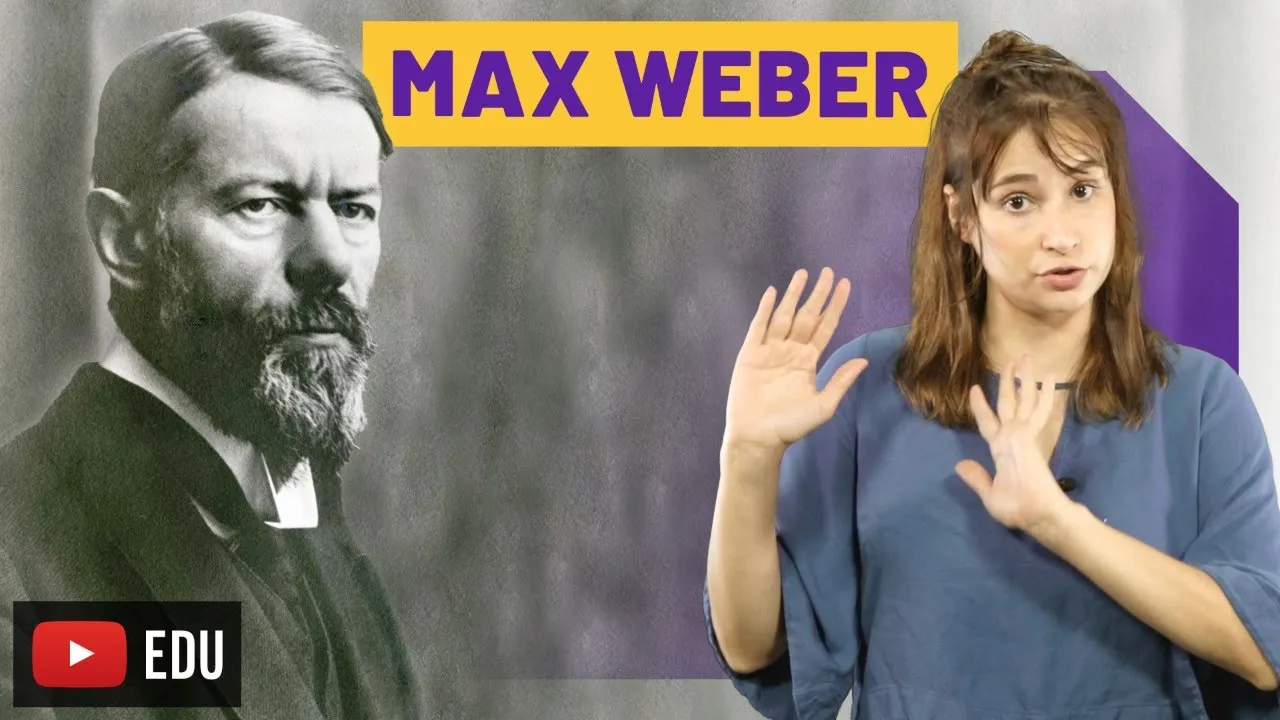
Exploration of anthropological frameworks on magic and religion, such as James Frazer's evolutionary spectrum or Max Weber's theory of rationalization and disenchantment.
Analysis of modern boundary-work in the philosophy of science, examining how society distinguishes 'legitimate' science from pseudoscience and superstition.
Investigation into contemporary issues of secularization, the sociology of knowledge, and how belief systems adapt to technological advancement.
271.7K views1.5Klikes1:07:53Original Release: 2009-05-07
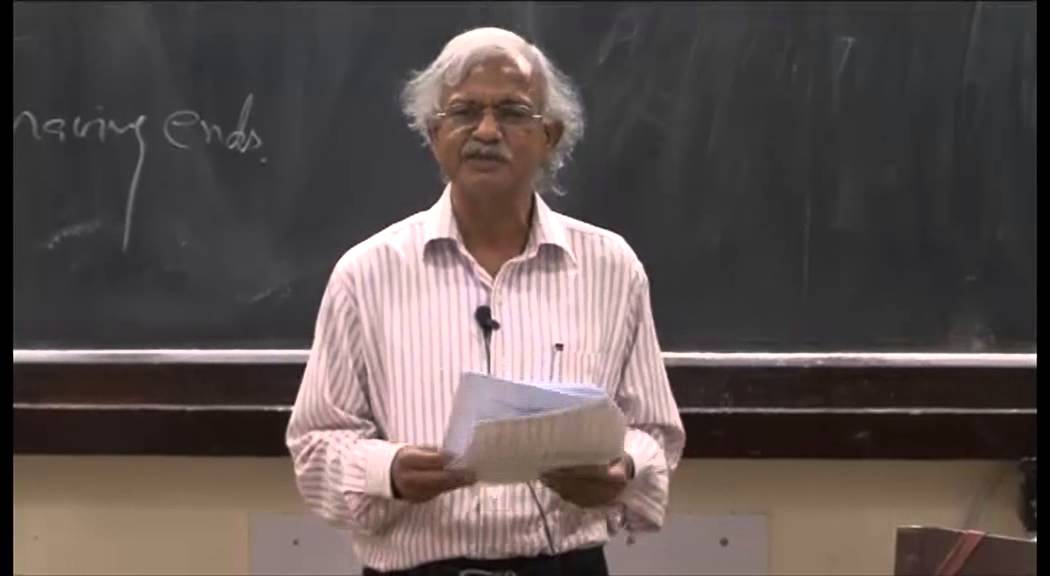
welcome to science magic and religion um that sounds like a lot of feedback so how is that for you okay um strange for me but all right so anyhow welcome to the class I was just going to take care of some administrative stuff at the top of the class like your textbooks should already be at the UCLA textbook store a lot of you have emailed me concerned that if you're on the wait list you might not be able to get in but as I emailed you uh because the course the sections were capped at 15 we're able to take everybody off the wait list and still not exceed the usual quota of 20 students now anything above 20 students you're going to have to negotiate with your ta that's entirely up to them but for those of you who are on the wait list you will be issued a pte number this week and those of you who are not on the wait list but really really want to get into the class I would suggest hanging in there go to section and see what happens because usually uh there's a there's attrition or people who signed up don't show up so you'll probably be able to get in if you are persistent enough um and I guess we can just start and we're going to start off something really simple because this is kind of a complicated narrative so before we try to inter interpret this scheme of science magic and religion historically let's just figure out on the most abstract level what the objections of these belie objectives of these belief systems are science uh as a belief system as a body of practices it's relating to the Natural order right it wants to relate to the Natural order in such a way that it can manipulate that order and be beneficial to mankind we're not going to go right now into the methods into the discipline into the philosophy but it's important just to keep in mind that it's human centered so science's objective is to serve humanity and it's naturalistic right its sphere of authority is going to be nature oh now I didn't even think is that yes good okay so religion uh in the most General sense and of course there are going to be exceptions to this overly simplistic statement relates to the supernatural order so what do I mean by that it relates to something that is ultimately Transcendent if there's a higher authority than what you're calling religion then it isn't religion so religion is by its very definition the supreme authority and it too is a system of beliefs and practices and it wants you to help you reconcile everything you do in this world to be in alignment morally physically socially politically in alignment with this Supernatural realm or with this Ultimate Reality it lets you know that how you're living this life is the very um is the very uh best way you could be doing it because your sources are the highest sources of authority Rel religious Divine now we got this third system magic and again in a very general sense what is it that magic does well it interrelates these two worlds the natural and the supernatural it tries to take this energy this Mana this sense that the world is permeated by some Mystical Force some higher energy and that a person who is magical say a magician is able to direct that Supernatural energy to this worldly outcomes so when you think about it magic is going to be interfering perhaps or poaching on the terrain of both religion and science because it's relating to the supernatural like religion but it's also trying to affect outcomes in the real world it's trying to be effective in the naturalistic order like science now I've just been talking about the natural order and the supernatural order but one thing we have to keep in mind is that boundary between nature and supern nature that's an idea right and where that boundary is drawn where we're going to decide how that boundary exists how porous that boundary is is this a boundary you can leap back and forth from or is it a very an inflexible boundary that is uh absolutely airtight those are historically determined facts so that's a matter of culture and we're starting off uh this first week talking about Antiquity and this course really deals with 1600 to the present because it deals with science magic and religion as separate systems of belief it already presupposes there's a boundary between the natural and the supernatural because that is very much the premise on which science is founded however in Antiquity before modern science before secularization where was this boundary uh arguably there was no such boundary so if we try to understand the relationship between Magic science and religion and antiquity this is sort of the picture we' get religion is the big Cosmic picture it is the most authoritative and total cosmology the system of knowledge by which you understand and make sense of the world now within that you might have a body of practices uh that in alignment with this higher philosophy tell you how to direct some of that Supernatural power into this realm into the natural world so magic would be a huge part of these practices in the um you know in a religious worldview some religions almost the entire uh Pursuit is magical some religions exclude magic but in Antiquity this would have been our picture in science where would science belong well if we're going to think about science as a kind of Technology science is embedded right there in the midst of these religious practices if you are practicing say Egyptian ferary rights well you need to know a lot of details about Anatomy you need to know a lot about medicinal herbs so you can preserve things so you're already practicing a very uh disciplined form of U relating to the Natural World you've studied it you understand the herbs you're trying to produce real world objectives like a a body that will be mummified astronomy is another instance where science is embedded within a largest religious system and here we have this uh sense that astronomy um very active in Babylonian uh worldviews and caldan worldviews and Egyptian and in Greek worldviews was really a partner to the religious worldview of astrology so then we have to ask ourselves well why are we beginning in Antiquity it's important that we understand that this is a different way of structuring the relationship between Magic science and religion in modernity and to understand why they have to be separate in modernity you need to understand that there's something fundamentally premodern about having them all United the other thing is when we talk about magic in the modern world what are we really talking about we're talking about a Babylonian astrology Egyptian numerology and ferary practices European agrarian fertility Cults Greek rational mysticism like the text from heraclitus that I assigned this week these are all sources of Modern Magic so modern magic isn't invented uh whole cloth from MO modernity it is really an adaptation of these survivals and its most important Source would be the Corpus hermeticum and that is a 3rd Century CE text thought to be written by neoplatonists and when we look at it we realize it's a repository of this entire Greco Roman cosmology which included Egypt and Persia and Babylonian sources and Greek sources so we are dealing with already the survival of this deep intellectual archaeology of the vast Mediterranean world of antiquity so for us to understand magic in modernity we have to first address its sources in Antiquity also it is an Antiquity that science gets its first philosophical um uh predecessor so we've already talked about astronomy and Egyptian ferary practices but those were set in intellectual systems that were fundamentally not scientific they were astrological or religious but presocratic thought in ancient Greece which we're also going to discuss was a system of philosophy that actually tried to have a very disciplined exclusively naturalistic interpretation of the world when you try to understand cause and effect you need to appeal to uh naturalistic explanations now what do we get in modernity what we've been talking about in a way is very alien um the understanding of the cosmos as permeated by magical forces so that nature and nature can't nature and supern nature can't be divided you might leave your house perfectly sane and on your way to do your shopping you could get possessed by a demon in the world of antiquity why that is a porous boundary Spirits leaping back and forth all the time in a prehistorical setting right where you deal with ancient shamanic tribal cultures everything around you is sacred just the act of hunting is a sacred repetition of the first great hunt but that's not how we view things we've clearly demarcated the natural from the Supernatural and we've done this at a very specific time in our history around the enlightenment we get these distinct boundaries and these boundaries Express a modern world view that sharply divides the natural and from the Supernatural and this is happening at a time when there's political cognitive social Revolution remember we had have the uh the French Revolution uh where we have that philosophical reinterpretation of the world that has social and political implications as well as scientific implications we have to ask ourselves why what is it about this formula separation of magic science religion separation of the supernatural from the natural what is it about that that is so essential to Modern Consciousness it's not necessarily that modern Consciousness is rational because we all know we're not all rational that's not what we should be emphasizing when we emphasize the separation of Nature and supern nature because notice how he didn't say the banishment of supern nature the super natural still very much permeates our worldview but I did say separation and that is exactly the operative term when we think of secularization the separation of church and state the separation of Nature and supern nature so if we think about how that's going to work politically we know during these Revolutions of the 18th century that one of the big agendas was to secularize politics kick the church out of politics kick the Divine uh Kings out of politics and this was was done using a new guide of Truth not the Bible not tradition not the priests what were you going to use because you just can't throw out the old world without having some kind of compass for the new and that Compass was going to be empirical epistemology what do I mean by that well empiricism is the basic system of knowledge in science right and empiricism as set forth by lock really simple stuff we can all do we all have five senses we can observe the real world around us and we all apparently have an innate faculty of reason we can reflect reasonably but I want you to notice that there's something subtle that's going on there science is actually not subjective right even though it's up to you your cognitive abilities your sensory abilities it's really inter subjective and what I mean by that is you don't go off and Practice Science by yourself and come up with your own version of events you test them against colleagues because you should be able to repeat your results because what you're doing is universally true so this is a system of knowledge that no matter what your private beliefs are everybody's got five senses and reason so everybody can participate in this kind of consensual knowledge and this is going to be the kind of knowledge that we negotiate the public sphere with so we can all have our private religious opinions our private views about magic without descending into war and conflict because when we go about our political objectives our public objectives we're going to do so with what is fundamentally an empirical epistemology and again empiricism empiricism presupposes that there's this boundary that exists that your senses are only going to be bombarded by real uh concrete things in the material world or else how is this a reliable system of knowledge if hallucinations and actually observed facts and personal Visions are all going to be counted as legitimate sources no longer do you have a public kind of knowledge you get back to private knowledge and private religious convictions almost tore Europe apart during the Reformation so this is all related and we'll have a chance to go into all that in more detail another thing we want to think about is well people went through a lot of effort to separate these things it was actually a fairly verbally and sometimes physically violent process so when you're building a boundary you're essentially building a fence who's most motivated to build that fence well if you think about it the church which told us in the medieval period how to go to heaven and how the heavens go the church is not want going to want to have boundaries because the medieval Church existed in that other cosmology of antiquity that premodern Outlook where religion remember was the totality everything else was a subset of religion so this urge to bound science from religion religion from Magic uh this urge between science and religion is very much an Impulse coming from the rationalists and the secularists it's a modern impulse and we have to understand that at the time it is a revolutionary and defensive Act made by rationalists and secularists when they were doing this in the 18th century they often got exiled right they weren't doing so from a position of power now when we look at things in retrospect when secularization has already won the day we look back at these people as all powerful and we look at this as a a kind of inevitability nothing inevitable about it in fact it's historically unique in the history of the world and we're going to figure out what were the conditions that allowed this to happen and how in many ways fragile a revolution this was and when we hear really aggressive language that talks about this Warfare between science and religion often coming from science remember it said often because people don't feel that science is all powerful but that science was actually very fragile and very politically vulnerable right up until really the late 19th century now we are in a history class which is a social science and it is trying to study amongst its objects right we've got magic we've got science and religion so in a way that's already a modern and kind of controversial thing to do to presuppose that religion can become an object of inquiry so think about that it's not just that there's a separation between church and state or between science and religion and that they're autonomous Realms meaning each are independent of the other when science actually tries to study religion as it is done over the course of the 19th and the early 20th century it's done something that is a bit of a power play it's actually tried to reverse that picture right rather than religion being the big system science is the big system and religion is something inscribed within uh this body of knowledge so become become religious studies just another discipline that science practices and instead of being again uh just independent science can now say hey I have authority over religion I'll tell you what religion is about and so up here on the slide I've got just a list of some of the ways while science and religion were bucking up against each other in the 19th century and trying to figure out where is this boundary what is the relative Authority between science and religion when they're trying to figure this out we had someone like Mark saying well I can't even believe the economic exploitation that the masses suffer it's almost as if they're drugged oh that drug must be religion so if you want to know a socioeconomic explanation of religion religion is the Opium of the masses then in anthropology a discipline that was formed in the 19th century science feeling very aggressive very assertive looking at systems of religion around the world and saying science is going to study these systems of religion figure out what they all have in common and a sort of narcissistic self-referential way science came up with the following brilliant conclusion that religion is bad science science so what is science what is religion really really about it's about explaining things if you can't explain things you tell them you tell people God did it now we have science we don't need religion so Marx would have told us once we have the Communist Revolution we're not going to need religion the 19th century anthropologists were going to tell us once we have uh anthrop once we have science and really great explanations for things we are not going going to need religion they were expecting a world in which there was not going to any longer be a need for religion in fact we had n declaring God is dead but I would submit that was probably a bit premature since God is very much active um as an idea in politics today in people's private lives today so if we want to understand the 21st century we got to understand the role that religion plays as well because it was not banished um just further examples we have Freud in the early 20th century who was also a renowned atheist who would say God God is just a delusion he's your neurotic childish need to have a daddy figure so when you grow up you think you become an independent adult but really you're just you know displacing Daddy in the sky and Daddy's going to punish you Daddy's going to reward you Daddy's going to make it all okay so he just called it an obsessional neurosis and um in sociology under durkheim God became something a little more interesting a kind of a projection of the notion the shared notion of the society so being an individual relating to a group and under the cultural authority of that group that experience that relationship is almost only able to summed up as God so religion is society writ large now things have changed as modernity has progressed and um this is a quote by um Mercia ilada and he came up with a different attitude towards religion and it's called a phenomenological approach so he's not trying to understand as he says um to grasp the essence of religion by means of he's not saying oh it's physiological you know that guy that's Persinger who's doing the god helmet and he's saying oh religion is just when certain neurons fire in your head and you have this illusion of God so he's not saying let's not look at it physiologically or like Mark sociologically and economically or a construct of linguistics or psychology like Freud he's saying look there's something about us that feels defines the sacred the sacred is a unique Human Experience maybe it's actually evolutionary andly ingrained but it is so pervasive this sense that the world is permeated by something Divine it is so pervasive that we have to treat treat it as historians as scientists as its own category and understand it on its own terms and this is okay so if we're going to try to understand science religion and magic in the modern world we need to understand that what we've carved out for ourselves is not conflict but co-existence and so actual conflict in formal institutions we actually try to submerge those conflicts we don't try to push the fact like if you're an atheist if you don't believe in God and you're running for office you are going to bury that somewhat awkward fact about yourself right so you don't want to look like you have a problem with religion if you're um an academic working in a university and you happen to subscribe to Fry's theories or Marx's theories you might discuss those as uh ideas but the minute you actually impu someone else's religious beliefs you've actually crossed a line so that boundary exists to keep other people out to keep religion out but it also exists to keep science in so in this sort of polite new world of peaceful coexistence science and religion find this accommodation so if you're diagnosed with a terrible illness and U on Sunday it would be very normal for you go and talk to your priest right and your priest might prescribe prayer or a more family time um he might also uh let you believe that God's will could work miracles in your body and when you go to see the doctor for your you know chemo or your radiation whatever thing he's going to say uh you're going to church how wonderful that seems like a wonderful thing he's not going to like you know tell you not to pursue your religious beliefs he's not going to mention it at all and if he does mention it in the back of his mind he'll think well it's great that they're getting psycholog olical support I'm sure God's not going to cure it but at least they get this psychological notion and so science and religion don't critique each other but on some level and this is one of the unstable things that goes on in our culture and erupts every now and then that there actually is a difference in the priorities in the ethical systems of science and religion and as much as we try to deny that it keeps popping up right when does Life Begin if you're going by a scientific protocol or a religious protocol you're going to have very very different attitudes so we can't pretend that science is morally neutral because it is making certain ethical assumptions when we ask ourselves what isqi a lot of Western medicine now is more integrative it's getting this sense of um it's more modern it's more responsive to the consumer who wants these other kinds of treatment but when it deals with something like Chi which in dowst medicine is from a very magical worldview understanding that the world is permeated by this vitalistic energy and it needs to be balanced in your system you got too much Yin you got too much Yang these are the forces of of the universe that are now um out of out of Harmony it will say oh well what they calling the Meridian Pathways of this magical Chi is probably just neurochemical the usual neurochemical um things in your nervous system and for some uh reason that is medical and biological this stuff works so you see even in Integrative Medicine you might integrate practices but the ideas is it a magical universe is there such thing as vitalistic Chi is there a God we can pray to to heal us that stuff has to be left at the door but in many ways it's pounding to be let in and when we look at this relationship we also have to understand that these are two very very powerful very legitimate uh forces in today's society right universities hospitals um government programs right right these are all things that science has a role in um and science is a source of this um moral credible Notions in the public sphere but wait a minute the church is also an incredibly powerful institution in society right I mean we've got uh uh religion in politics religion uh has sponsored there's Many religious universities religious Hospitals now in politics we have faith-based movements so the modern public sphere in the end it's been divided by these two honchos and notice who's been left out magic magic is very much excluded from the public sphere right there's no real institutional support for magic there's no hog warts that you can actually attend right but it would be wrong to say that magic is therefore not still really really powerful magic is now The Preserve of the private sphere and that private sphere is actually an incredibly vast domain in that private sphere you probably live most of your life until you actually get a parking ticket or in trouble with the law most of your life as a consumer as a person of Faith as a person person choosing what um you're going to study or be when you grow up you know all of that is done in the private sphere so this is a vast domain so it is very misleading to think that just because uh Magic has been contained in the private that it's lost its power because part of its power is your power as the modern subject as the modern subject you have the power to choose what you're going to believe are you going to believe in magic are you going to believe in God are you going to believe in science you are free to cross all of those boundaries those boundaries are for institutions they're not for you the free subject so when we have this new vast domain we find that um magic is absolutely flourishing everywhere and yet a more Main streem use of magic kind of what we see a permissible use of magic would be what entertainment Magic Kingdom right a magic show that's the public or institutional interpretation of magic magic is a source of entertainment but it is exists as much much more than that for people on a personal level so one thing where magic is most proliferating I would say in consumerism you can buy anything a Geer counter to read your aura right you can buy healing crystals you can buy um a sacr cranial massage anything you want to do to your to yourself to your is is considered your private business your private beliefs however the minute that magic stops being about your private entertainment notice how if you get certain books or certain um manuals they'll say this is intended for your entertainment purposes only it's a disclaimer and then they can say anything because they're saying look I'm not all these claims are just for entertainment even if I'm saying I'm going to heal you or lead you to the great light I'm really just entertaining you so magic has to constantly back off any form of authority and it has traditionally been in conflict and we'll talk about the roots of that conflict are very deep with both science because science doesn't want you running off and instead of getting your radiation therapy going for your sacr cranial prayer massage to uh you know to cure your cancer but at the same time it is very difficult for uh for institutions to control your behavior however if someone makes actually medical claims right if someone makes medical claims like take for instance airborne right Airborne was and I think it still is being sold but remember that a delicious frothy little effervescent Peach flavored pill and you would drink it before you went on the airplane and it would form a magical Shield against which the bacteria and the germs would protect you and you wouldn't get sick you wouldn't get a cold well I mean that didn't seem like a huge problem it sounded like a vitamin an herbal supplement but the FTA actually sued that woman for $23 million claims that were eventually paid out and there's an additional $8 million suit that was settled after that and the FDA charged that she was making false claims and practices so the minute she's saying she's going to do something and there's no what kind of proof to support her claims scientific proof or medical studies she's now out on a limb legally she overstepped the bounds she's stopping about entertainment or private beliefs and she started being about something that the FTC the FDA has an Institutional investment in um now religion also has a problem with magic and depending on uh what religion but here's an interesting instance of uh religion being distraught by the occult implications of magical therapies and it's put out by the religious research Network and they said that we consider all of the subjects listed to have the potential to be spiritually harmful because they're mystical and Supernatural and they're founded in paganism spiritism occultism or mysticism and then they went on to list just about everything Disney Disney World was on the list why well if you're going to Disney as entertainment that's one thing but if you're being all like Harry Potter about it then then you've crossed then you've crossed the line because what does religion want it wants to be in control of how to go to heaven religion wants to be in control of your theological worldview and Magic is poaching off its power so the other things they listed that were kind of interesting Were A Course in Miracles acupuncture Bach flower therapy which is something you can get at Whole Foods Zen yoga deep even deep breathing exercises were considered to be an occultic phenomenon so and they give a reference in the Bible when thou art come into the land which the Lord thy God giveth thee Thou shalt not learn to do after the Abominations of those Nations there shall not be found amongst you anyone that maketh his son or daughter to pass through the fire or useth div divination or Observer of times or enchanter or witch a a wizard or Necromancer so if you remember this goes back to the jealous God of the Old Testament Thou shalt worship no God besides me and this was very much Community forming power for the people that were being the Jews uh brought together as a people that worshiped exclusively a god rather than the way of antiquity which was to be much more paganistic and much more syncretic and just acquire more and more gods and blend into the crowd one of the ways the Jews kept a separate identity was this rigid monotheism but it's right there in in the Bible a conflict with magic and part of the reason why when we go to our modern society which draws from these judeo-christian roots again we see magic in a kind of strange exile [Applause] out now this boundary between science magic and religion where is that drawing that shows them never mind never find it okay um these boundaries between Magic science and religion are not fixed and fast they are constantly being contested and we might even say that it's naive to think they're going to hold we might be in a period of tremendous transition Al Gore wrote a book called The Assault on reason arguing that science and rationality are actually under attack we've had books recently called uh The God Delusion by Richard Dawkins uh Christopher Hitchens God Is Not Great all the religious strife and warfare we have people who are making kind of a 19th century argument an argument that sees modernity as fundamentally linked to reason to science that that's progress and the more we saddle ourselves with Superstition the less we are going to make objective and um Progressive decisions about the fate of mankind so there are certain people and we see this stirring right amongst um uh atheists and rationalists and secularists and that stirring is interesting because it should let us know that once again the world is feeling inflamed that this boundary is under contest that there is very much a sense that this triumvirate that we've set up as modern it might not hold these things might implode they might collapse again they might become all part of a single system and what that mean for us and so if we think about the things that have happened in the last um you know in the last eight years we get the sort of uh permeation of politics with um religious speech and religious self-sign signification it becomes very very important even Hillary Clinton when she was um running for office had to like drum out to everybody that I am a Methodist I'm a Methodist I'm not a liberal feminist East Coast liberal I am a Methodist right so that had to be her Mantra she was only considered safe by this religious criteria and then other things about this boundary are also becoming very per uh porous more and more people are going into alternative medicine right more and more people are opting out of the medical system and choosing alternative medicine and even sort of mainstream medicine itself has kind of gotten involved in this magic and religion business Duke sponsored a study um I think last year where 1,800 heart patients who had surgery were analyzed and they they were three different groups some of them nothing no additional uh prayer some had people pray for them and then onethird of them not only had people pray for them but were told they were having prayer but being prayed for so if you think about it this is a scientific study of the impact of prayer on open heart surgery patients prayer would affect people from open heart surgery from a distance they had carlite nuns in uh Massachusetts uh praying for people in Washington DC Action at a distance is the essence of magic so now science has even become implicated in this possibility opening the doors just for a possibility that this boundary between Magic and religion this boundary between nature and supern nature maybe it's a little bit porous maybe a little prayer can come through and actually create physical effects in the physical world that means science isn't going to be the sole authority of the natural realm it's going to have to seed some of its authority to Magic and religion if those things prove efficacious well just so you know that study was kind of a bum for many because apparently the people who knew they were being prayed for had more complications so what what can we make of that um so that is kind of the landscape today oh let's go now we're going to go back to prehistory and try to figure out what is it about us that forget it we cannot Envision a a modern world the way they did in the 18th and 19th century where rationality presides and when we try to come up with our own independent will and our own independent decisions we apply reason only that's not who we are that's not how we do things so if there's going to be humans in modernity it will not be an exclusively scientific realm and again again this case is made from the deepest deepest parts of our history uh we found evidence for entheogens which are technically they're drugs coming from an Antiquity it would have been plants not chemicals now it would be something like LSD or masculine back then it would have been iasa peot Soma that mind altering experiences are absolutely part part of um the history of humanity they form one of the mental States in which uh civilization unfolded so this in modern times we would think okay there's two legitimate States Of Consciousness there's sleep and there's awake and anything else say a trans for instance is a problematical state of mind it is either a medical problem so we would treat any of these other Altered States of Mind as a disease or as problematic but it is interesting to speculate that they're part of what drives us they're one of the mental states that we Define as an interpret reality to derive from and often these mental States induced by entheogenic drugs psychogenic drugs these were the spaces in which we experienced godhead right in which which we encountered Divine not just as an idea not as a script of theology not as a set of orders coming from somebody else but as an empirical experience direct the person themselves is having this sacred awareness and I have this account here that I found really interesting of this guy a modern guy who went off H to South America to take some peyot no no no I think it was he was vomiting a lot so it was iasa so um but it was very interesting so listen to what what he has to say the shaman then started singing very low explaining that his language was not about understanding the lyrics but rather it's about the energy and the shape of the sounds some of the songs brought on full Visions I wouldn't believe were possible I was seeing worlds inside my eyes it was very hard keeping my eyes open um too much I I had too much light even though it was night it was too bright there were layers and layers and layers of dynamic colors light emanating from every part A Light That contained all knowledge existing so I suppose every trip is unique in its own way but then they're all sort of similar so this language of a unitary Consciousness a falling away of the World of Concrete Forms and the revelation of a world of light and and wisdom and Transcendence in the sense that he merged with the world he talked about melting and becoming formless this is happening throughout our history um for people of of all times and it's not just drugs a lot of religious ceremonies percussion chanting atmosphere might be heat you go into a um one of the an Indian sweat sweat lodge you're altering the base plant of your body or how your mind mind is um focused you're throwing it off so it enters one of these Altered States and that's where the experiential reality the conviction because people have a conviction they've had these sacred experiences and science is not going to talk them out of it that there is a God and so we have to in essence take this now more deeply into account in human identity even modern identity now um here's another instance of magical thinking as being fundamental right fundamental to the not just it's not necessarily just the fabric of civilization it's the very medium or the broth in which civilization and which culture hatches it's the substance by which it is woven so here we have the uh famous cave paintings of chave and these these are a complex of Chambers there's at least a dozen of them and they're dug into these Gorges in South America uh I'm sorry I'm sorry I'm sorry southern France by chromagnon man and uh they are painted with these different F herds of animals from the Paleolithic Era so they're dated about 32,000 BCE they've got lions and bison and Panthers and owls and bears and you have to imagine what they looked like the caves themselves are somewhat small and difficult to reach you have to go through tunnels to get to them and they would have been lit just by flickering fire I mean it would have been in itself I just talked about that entheogenic experience if you walked into one of these caves just lit by Fire Light here's uh the room with the horses in it it would have been absolutely transporting and curiously enough in these caves every every now and then you'll see either a red hand print or what looks like obviously the outline of a hand where somebody probably took the powderized Dy and blew it with a pipe around their hand and then circles and dashes so it's both representative right you've got the herds of animals but then there seems to be some deeper significance because there's abstract forms and then what these intriguing um ritualistic and magical aspects like what is that handprint doing on the cave wall well in contemporary South Africa you can see up there handprints red handprints and animal drawings in the cave art they call it rock art and when anthropologists spoke to the son trying to illuminate what these Cades from 302,000 years ago might have been about it was clear that it was not just a decorating scheme right that something much more interesting was going on inside of those caves for a long time it was literally thought it was just being representational art but even that long ago it looks like there was a complex Act of ritual magic and that this figure is it an owl maybe this is from the 20 this is from the same cave CH or is it a shaman it's a very enigmatic figure unlike the other animals he sort of alone and off into a distance and he seems like a cloaked figure and just to make a reconstruction of our early spirituality this is when we're living in very small trib 17 to 30 people right very small bands of individuals so people like Marx and uh who are saying that it is the Opium of the masses a product of some great capitalistic farce well would say this is prior to capitalism so obviously these religious impulses cannot be assigned to that um and so it's much more this is the collective imagination of the people so just briefly let's see what the shape of this early spirituality is archetypal and this has a lot to tell us about what it means to be human and respecting that at this very very vulnerable time in our history if you think about it animals are told how to do things genetically they don't have to reflect they don't have to consider the moral dimension of something they don't have to consider the consequences of something they don't have to consider is it good for me is it good for the tribe human beings the minute they enter into this conscious awareness and they have to exercise choice and they have like this awareness of death and this awareness of consequence how could you do anything uh but understand that the world has a pattern and that this pattern is something that can serve as a model you do not make your decisions alone you do not have to invent your life minute by minute that there is an archetypal reality and what we think is going on in that cave is that this becomes a revelation of this sacred Eternal now the first hunt the first herd the first model of who of of the archetype or the blueprints for reality is revealed in that cave and that is a moment where that shimmering Mana that we're talking about that sort of higher reality that is imminent all around us is revealed by the shaman that door between nature and super nature that Veil is pierced the shaman puts his hand right through that boundary and he pulls the power and he pulls the knowledge of how to be a great hunter how to be the Panther and The Lion and the rhinoceros and he pulls that out and he gives it to the tribe so one of the things that the the son do is that they might file in and everybody places their hand against where the hand of the shaman was and so there's a sense that the shaman is mediating between supern nature and nature and that the tribe partakes of his power and when they go off on the hunt they're not just getting you know supper they're reenacting the first hunt the perfect hunt and therefore they don't have to make these sort of uh the sense that they're they're there in freefall in a world without rhyme or without reason that there are structures that are part of nature itself part of the divine plan that includes every aspect how they prepare food how they tattoo their bodies nothing is done without reference to the sacred because if you vary from the sacred you may very well remember how perilous life was if you vary from the sacred you may vary and deviate from life itself and so this is just I put on a slide to understand this magical worldview where there's a sense that Ultimate Reality is a source of potent creative power so it's very humanistic why would we want to give up in a way the kind of power that has been accessed by human beings since prehistory as an idea not saying as a reality but this notion that there's magic in the world and we can have access to it we can add access to it by magical people magical rights magical words magical tattoos um magical figurines so this is the for sort of for the do-it-yourselfer right in 28,000 years ago uh we find a lot of these so many that they were probably belonged to people or not just the exclusive province of asaman that you know your your uh I don't want to say what your average guy might have been like but people who say wanted to be extremely fertile or who wanted this is a picture of a lion who wanted to be masterful Hunters these are archetypal type of roles the Hunter and the the mother goddess the fertile figure they would pray on these figurines and in a sense Focus that magical power in the world onto this desire onto this wish of becoming pregnant or becoming a successful Hunter and what I am describing should sound an awful lot like what Oprah was talking about on the secret remember I don't know if you guys remember this thing about the secret but the idea was there's it's the laws of attraction the the idea that sympathetic magic so whatever you desire or whatever you think about that has creative power in the universe you think it you attract it think bad thoughts have bad things have a figurine like that thinking all the time about fertility become uh pregnant so a world of sympathetic magic now the the secret is saying this was a buried hidden knowledge however it's absolutely pervasive throughout history we had a brief rational departure in the 18th century but magical thinking is not the secret right it is the default position for Humanity not it's not the submerged reality I would say it is often times our our explicit Consciousness magical thinking is a very hard thing to get out of your mind it's almost like we're wired to do it so that was prehistory when we move through Antiquity when we get civilizations we get legal kind of complex legal systems we need to start coordinating lots of people to build a you know dams irrigation projects temples so now we get these very philosophically rich systems that we call you know world religions and they come with like I said both these features of science religion and Magic so we have an example here [Applause] of astronomy so what is astronomy about astronomy is a science right astronomy you need complex mathematics to be able to not only track the movements of planets across the sky but in order to predict them to keep track of the seasons so that you could do something you know practical and like agronomical in other science like planting at the right time the most propitious time to plant so that's science but again it was done within a broader understanding of how the Stars really work you might be using math to understand where they are but interpreting them that is a very complex religious system of beliefs and at it core is the sense that planets are really spirits and that idea of sympathetic magic is so important it's right there in the The Law of Attraction the IDE the idea behind the secret this idea that certain planets are emanating of vibrations or radiating a certain power that we're in sympathy with so certain people have certain sympathy with certain planets or certain herbs certain uh say human attributes like one of the planets like Venus would be more associated with love one of the planets like Saturn would be more associated with Tac eternity so if you get certain of these moons these stars and ascendants planets and ascendence you would say well people are going to be very grumpy on that day so you better avoid them or this is a very propitious time to uh propose marriage to your uh honey because Venus will be in ascendant so there's this sense that what what goes on above so below with is not isolated random cut off cold Universe animistic Universe emotional universe that has all sorts of reciprocal attractions and feelings and mysterious multiply determined causes and effects that only a priest could understand and that's why the these were very intellectual practices right that's why we call them in a way Proto science because so not just the uh astronomy of the mathematics but so much study this was what you know the brainiacs of 1800 BCE were doing with their afternoons and another instance of high magic this is when we say High magic this is that formal disciplined um magic that has an actual philosophical system and as in the sense of bonian astrology or Egyptian numerology is actually affiliated with the formal State religion so hepatoscopy very big in the uh Mediterranean NE Eastern world and we call this a kind of protoscience as well because when you're looking at the liver this was the Divination so you uh sacrifice hopefully an animal not a human and you'd pull out the uh you'd pull out the liver and the liver is divided into like I think there's 23 different sections each section is overseen by a different God and you'd have to know a lot much more than a practicing medical doctor about the nuances of that liver so that you could understand how the gods were communicating to you now that might sound odd to us why the liver well the liver was thought to be where blood was made and blood was thought to be the essence of life that's reasonable when I say life Consciousness mind so even when you look at blood splatter and a sacrifice you would almost say this is the externalization of somebody's thoughts or Consciousness it's getting and the thoughts of the um and consciousness of one of the Gods so divination was a very very complex ritualistic highly disciplined highly intellectual practice and so we see it as a kind of protoscience so the greo Roman World 200 BC to 200 C that's when the Roman Empire has uh taken over the Mediterranean so it is very eclectic because Rome lots of trading lots of Commerce very um very fluid uh Transportation people swapping identities swapping Gods very very eclectic selling amulets very driven by consumers what they wanted to buy and it's also a very literate time lots of merchants were had to be literate and it was a very um commercially oriented economy so a lot of what we know about magic from Antiquity is actually Magic Magical formulas magical spells preserved from the Greco Roman world and this is a really interesting cultural cache where again Ancient Ancient sediments from 3,000 BC pieces of Egyptian and Babylonian and Sumerian culture float up they're just kind of chunks that have survived and that are assimilated into this sort of vast um Brazen um eclectic world of popular faith in uh the Greco Roman world at this time so we do have a lot of examples of what religion was like at the period and it was very popular so the average guy wanted to get because the Greek influence on as on astrology it wasn't just now that the prince was having uh his chart done this was Democratic this was consumer-driven that World by the way has a lot to do right is one of the driving sources for our world today consumer-driven right so what people wanted people got so as astrological charts were now done for individuals so we have all of these uh charts and interpretations that have survived a lot of it is Babylonian sources or Egyptian sources but they're being used by Greeks and Romans in much more popular ways curses are really popular charms are really popular because this is going to help the individual get on with it right if he wants to marry somebody will he better put a binding spell to make that person fall in love with him if he wants to get ahead in business can it hurt to curse his his enemy so uh you get a lot of this proliferation of magic but at this level of we talked about high Priestly magic now we're talking about low popular magic and here's just some demonstration of how eclectic here is a picture of an amulet it's got Greek letters a Roman tonic and believe that's an Egyptian god and long here is wrote AB Kadabra magical incantation coming from the god abraxos this is one of my favorites Greek magical Papi um again the Papi were found in an Egyptian desert but you know from a period when uh Egypt had already been under Greek and then Roman occupation and there and it's just um a collection of all these spells and charms from throughout history and throughout the world world and it just got pumped into Roman society and it was big business just the way it is today putting curses putting spells this is a picture of a deficio so if you really hated someone what better way to enact your evil intentions than to pierce them um with these metal sticks going through uh clay these clay T um figurines another favorite thing was a cursing tablet and they found a bunch of these cursing tablets underneath Roman amphitheaters one in Carthage I particularly like it's this guy he's got a lot of money laid on a chariot specifically not driven by the guy victorus and so he asks the gods I invoke you by the great name so that you will bind every Limb and every syue of victorus the charioteer of the blue team and of his horses which he's about to race under cundinas juvenis advocat bubalas etc etc um and also bind any others who may be yolked with them bind their legs they're onrush they're bounding they're running blind their eyes so that they cannot see and twist their souls while you're at it in heart so they cannot breathe apparently not a fan of victorus but at the same time notice how how specific this prescription is I mean he's there's no moral imp um like uh importuna God for some sort of moral Insight he's giving him critical physical facts about how to be effective in this specific way I want you to bind these people I want you to Blind these people for this reason so magic was very much about enhancing the power of the individual in this world and it was less in the system of Greco Roman Antiquity about spiritual aspirations existing in moral relationship to God monotheism would not have made sense because you know that God would have been awfully busy with all the various petitions it's better to have a lot of them around since you have so many demands you'd like to make um and so we're going to talk about this transition between um paganism and Christian Antiquity on Thursday and thank you so much [Music]
Up Next

103:55
Byzantium: The Lost Empire (Part 1) | History Documentary
@HELLASGR
186K views•2012-05-03

33:02
The Great Schism of 1054: Causes and Consequences
@SacredCathedrals
113.5K views•2026-02-19
91:57
The Geopolitics of the Ukraine War and the Rise of Global Autocracy
@JordanHarbingerShow
468K views•2025-04-19
17:05
Understanding the Cold War: Superpower Conflicts and the Road to Détente
@OverSimplified
46.1M views•2019-01-24
Related Study Plans & Knowledge Roadmaps
Structured learning paths in History
history
Byzantine Iconoclasm: Theology, Art & Politics
01Foundations of Byzantium and Early Christian Images
02The First Iconoclasm: Leo III and the Crisis of Images
03Empress Irene, Nicaea II, and the Second Iconoclasm
+ 2 more learning modules
9h5 modules
Explore Roadmap
history
Iranian Revolution (Causes, Events & Legacy)
01The Pahlavi Dynasty and the Roots of Discontent
02The Spark of Rebellion and the Rise of Khomeini
031979: The Fall of the Shah and the Climax of the Revolution
+ 2 more learning modules
8h5 modules
Explore Roadmap
history
Mali Empire: Mansa Musa, Trade & Timbuktu
01Foundations of the Mali Empire
02The Trans-Saharan Gold and Salt Trade
03The Reign and Pilgrimage of Mansa Musa
+ 1 more learning modules
6h4 modules
Explore Roadmap
history
1947 Partition: Politics, Borders & Legacies
01Foundations of British India and the Divide
02The Political Negotiations and the Mountbatten Plan
03Drawing the Boundary: The Radcliffe Line
+ 2 more learning modules
8h5 modules
Explore Roadmap