









![10 СТЫДНЫХ вопросов о ХРИСТИАНСТВЕ [История с Artifex]](https://i.ytimg.com/vi_webp/XbgGVFKuR58/maxresdefault.webp)

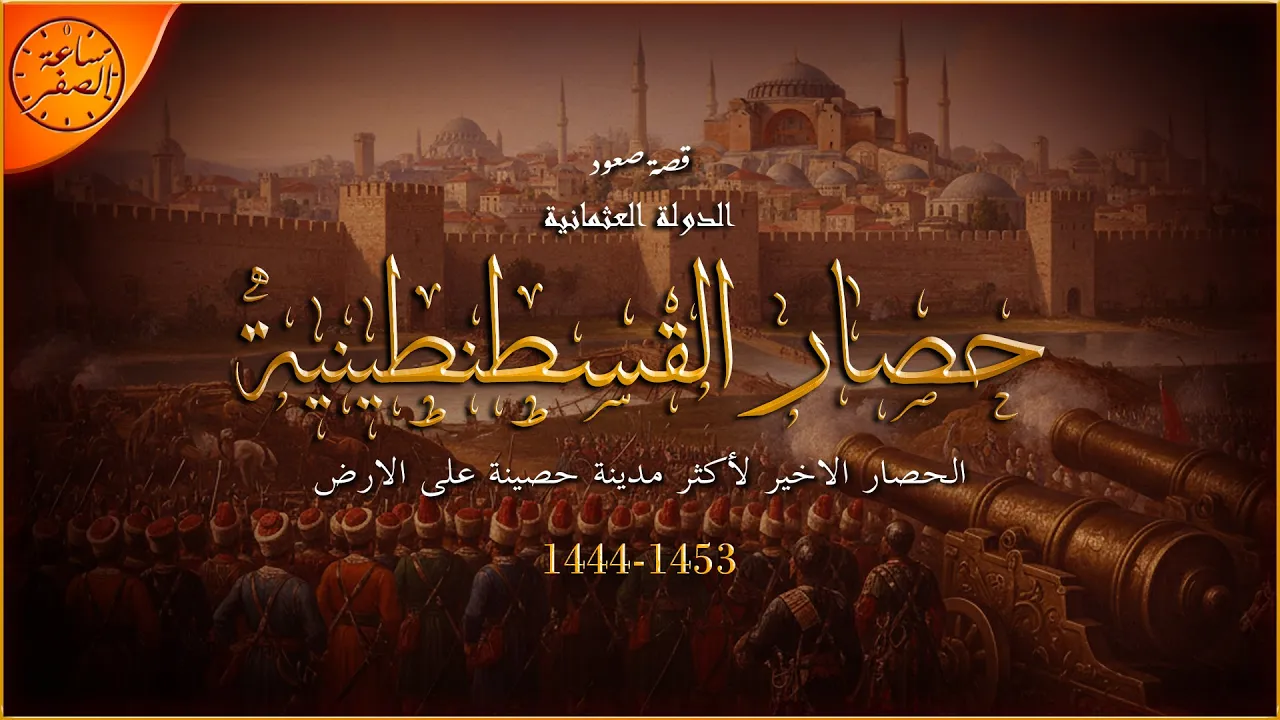
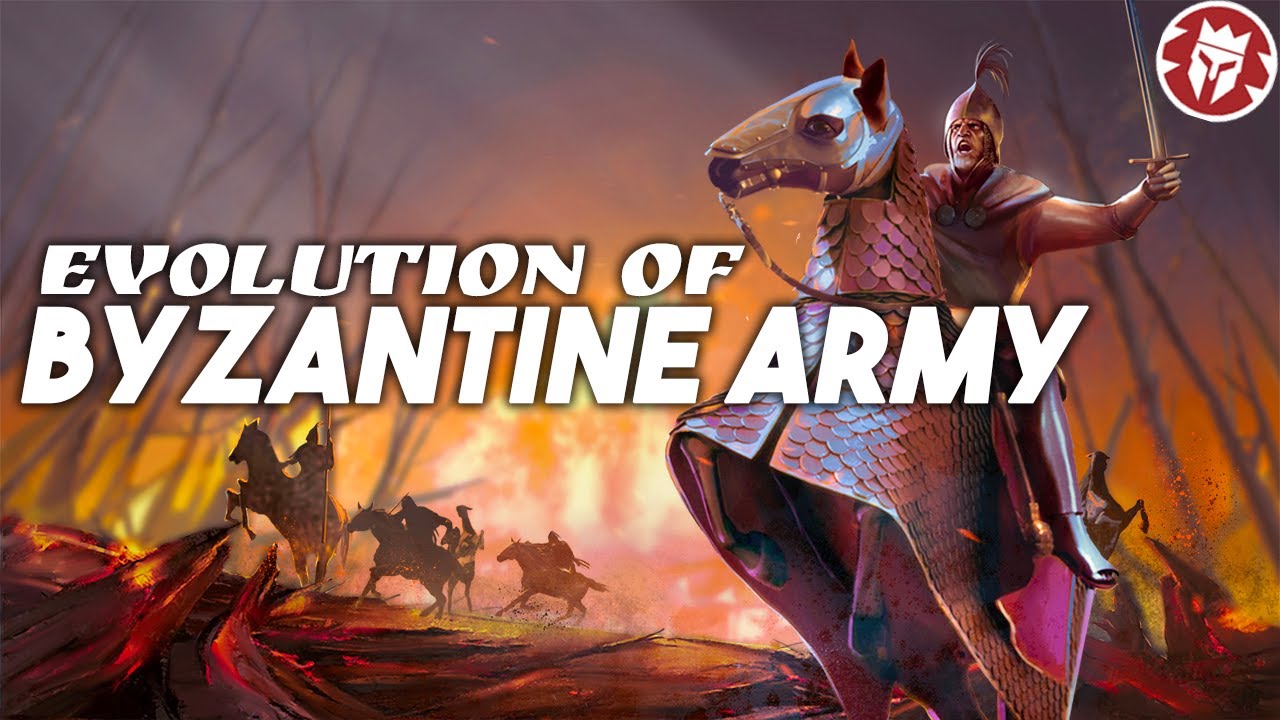
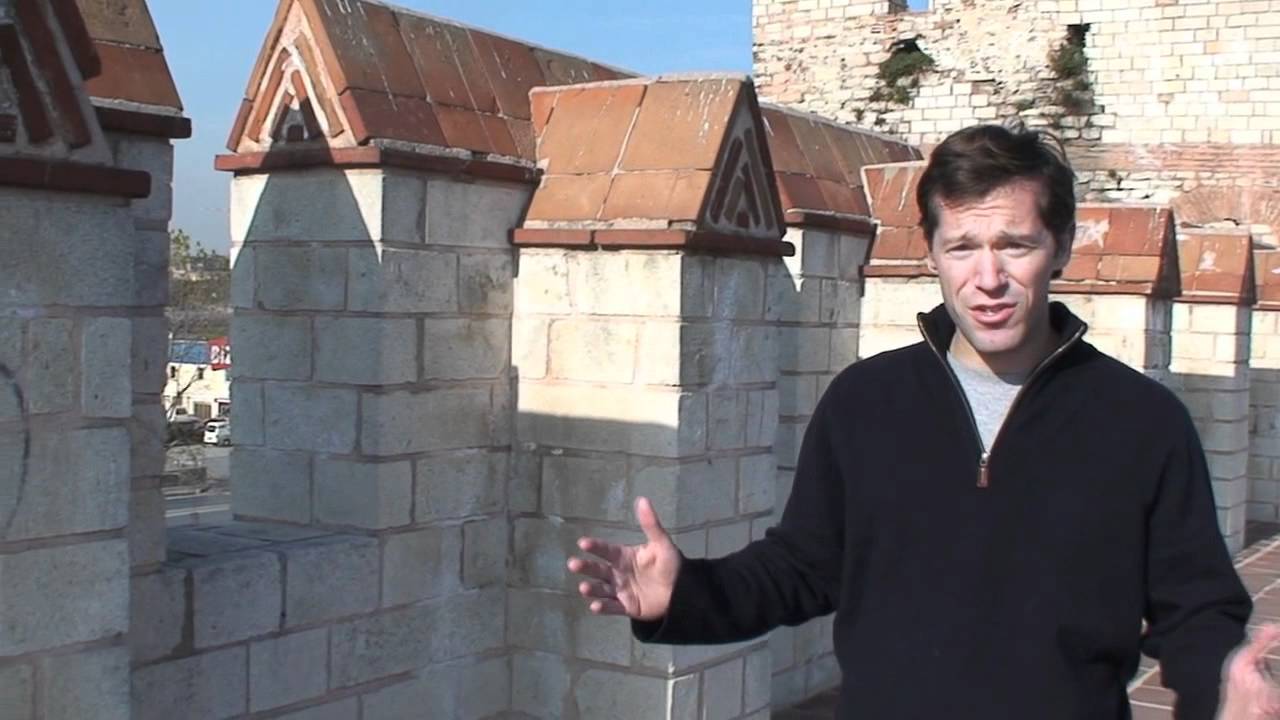
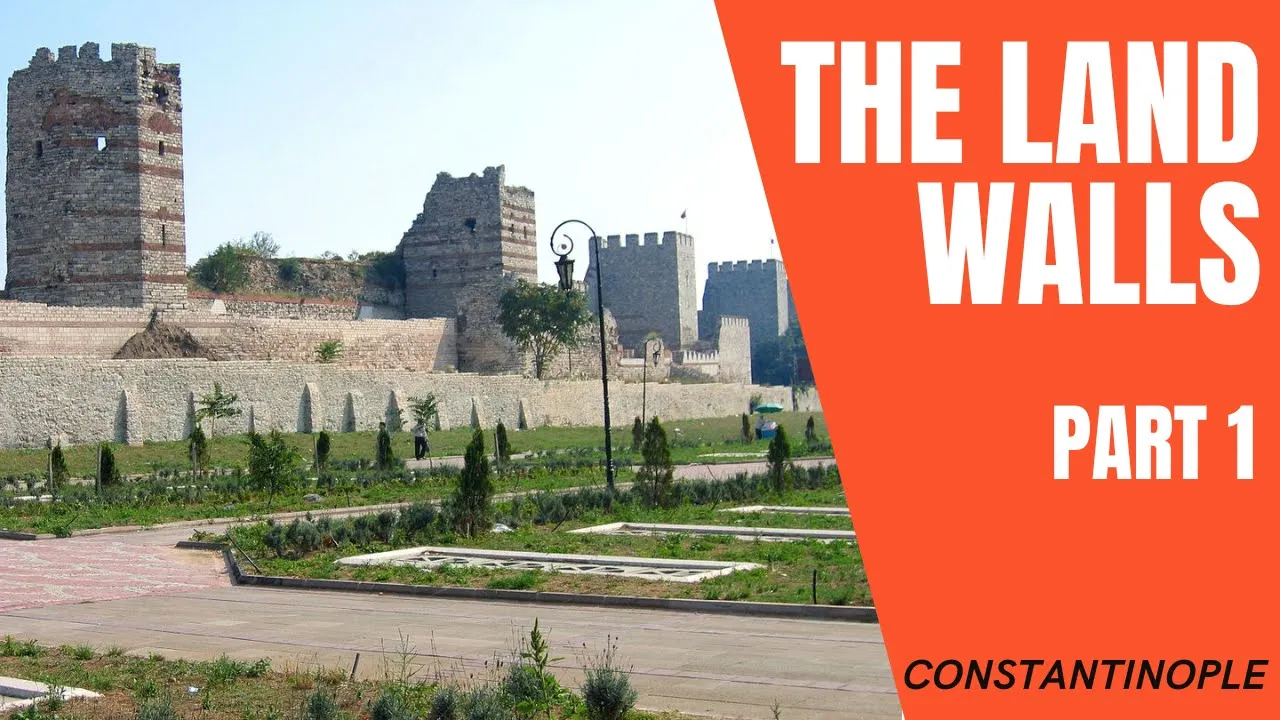



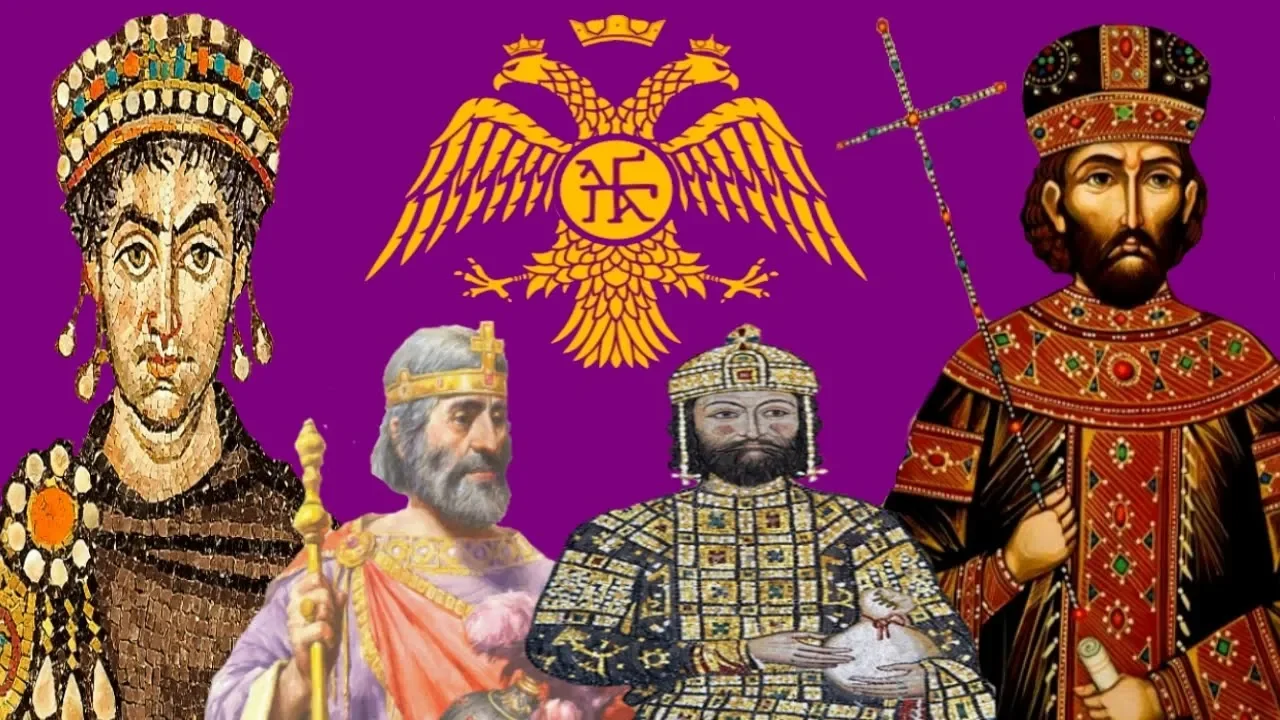
The Byzantine Empire (330-1453 CE) was a unique civilization that fused Roman administrative and military traditions with Christian theology, creating a distinct cultural and religious identity that profoundly influenced European history; founded by Emperor Constantine I who moved the Roman capital from Rome to Byzantium (later Constantinople), the empire lasted over a thousand years, developing sophisticated legal systems, architectural innovations like the Hagia Sophia, and a distinctive religious iconography that shaped Western Christian art and spirituality.
Byzantium: The Lost Empire (Part 1) | History Documentary
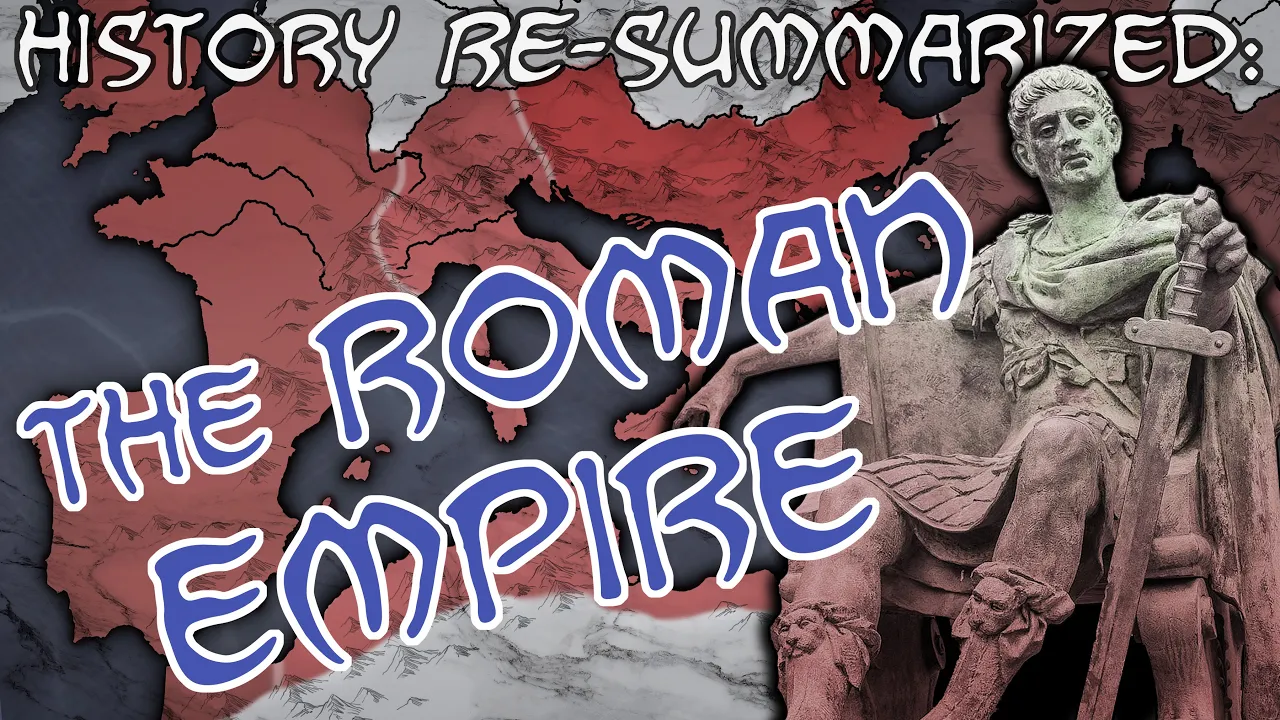
Added:The administrative structure and challenges of the late Roman Empire, particularly the division of the empire under Diocletian's Tetrarchy.
The historical rise of Christianity and its transition from a persecuted religion to a state-recognized faith under Emperor Constantine.
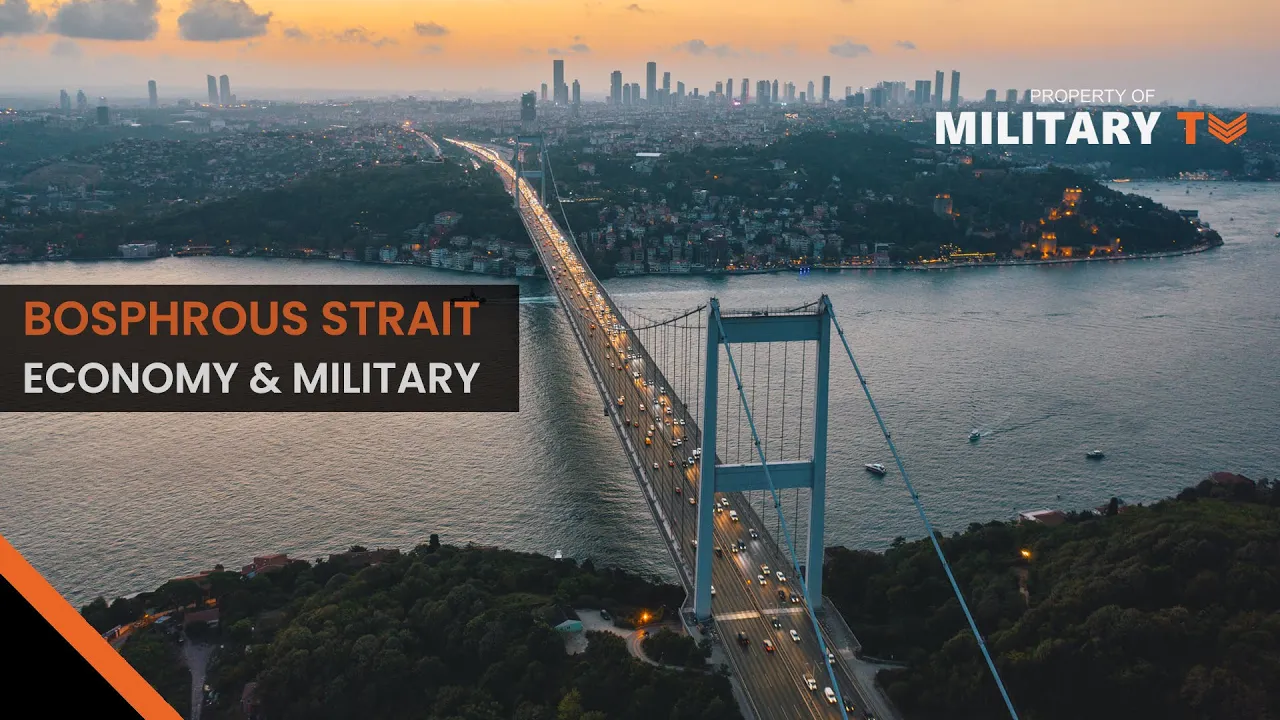
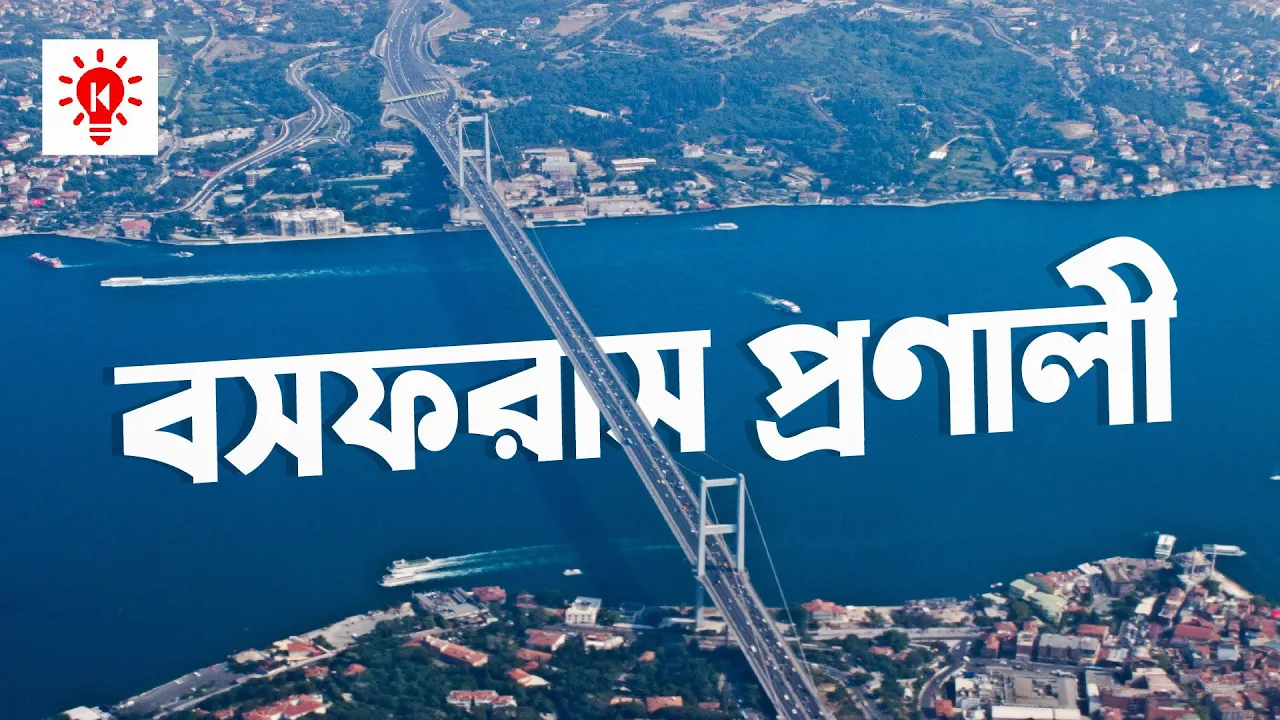
The geographical significance of the Bosporus Strait, connecting the Black Sea to the Mediterranean, and its role in trade and military strategy.
The basic legacy of Greek colonization and the Hellenistic world, which shaped the cultural foundation of the original town of Byzantium.
The reign of Emperor Justinian I and Empress Theodora, including the codification of Roman law and the construction of the Hagia Sophia.
The theological, cultural, and political divergence between Western Rome and Eastern Byzantium, culminating in the Great Schism of 1054.
Byzantine military innovations and defensive systems, such as the construction of the Theodosian Walls and the deployment of Greek Fire.
The siege and Fall of Constantinople in 1453 to the Ottoman Empire, and how the flight of Byzantine scholars helped spark the European Renaissance.
186K views760likes1:43:55Original Release: 2012-05-03
the eye of all the world the Ancients called it the heart of a Lost Empire that had lasted for a thousand years and more St Sophia the Church of the Divine wisdom this was their crowning Glory the glory of Byzantium [Music] the vanished Empire of banum born of pagan Rome [Music] Byzantium the dream of a Christian Roman Empire that stretched from Spain to [Music] Syria Byzantium whose influence ran from northern Russia down to nubi upon the upper [Music] Nile Byzantium gateway to a lost chapter of our past [Music] the Orient [Applause] Express I first traveled this line in the' 60s I bought a ticket at Waterloo Station in London for a ride to Istanbul in turkey and a LIF long Fascination it took 3 days to get there it was Hell on Wheels really goats in the corridor and communism out the [Music] window then all of a sudden the train swung around the bend and bang the orian hit me in the face a great Golden City by the Sea set between the East and West you could see it had been the center of the world it was astonishing I'd come to Istanbul and underneath the magic ruins of The Lost Empire of [Music] Byzantium the Orient Express stopped here in the heart of the old City I got off it in clouds of smoke and steam haunted by the ghosts of Greta Garbo and Agatha Christy by a thousand spies and archaeologists by the Kings and cortis of pre-war Europe [Music] Istanbul one of the very greatest of Islamic cities with the monuments of the Conquering Turkish Sultans who had ruled here since 1453 dominating its [Music] Skyline underneath though are much older ghosts rushed each day by people of the living City the ruins of Constantinople the capital city of the empire of bizantium Istanbul Constantinople two names new and old for the same Grand [Music] City 16 centuries ago in the year 330 the emperor Constantine the first Christian r Roman Emperor chose this city then a small Greek Town to be his Capital no one quite knows why one thing sure though the great warrior Emperors had left Rome in the cities of the West forever this mosque the mosque of the Turkish Sultan who conquered the city is built straight on the foundations of the most ancient burial Church of the mysterious Emperors of old Byzantium what then was this most ancient half forgotten Empire the Empire of Byzantium Byzantium that magic spicy word now imagine that the empires of Greece and Rome had never died but have been fused together in a single Empire set between the east and west and imagine that the Emperors of this Kingdom the sacred Emperors could be Torn to Pieces by the mobs in the street Emperors who could mutilate their courtiers and children could kill their priests and blind whole armies of Invaders yet Emperors whose artists made some of the most finest the most Exquisite images the world has ever seen visions of Heaven and Earth Sublime architectures copied by everybody from the cffs of Baghdad to the popes of Rome the kings of Germany and the tribes of Nubia visions of Heaven's order and Earthly power that still Li deep within the modern world just as this mosque the conqueror's mosque stands on the ruins of Byzantium so do we [Music] all this is where the Empire of Byzantium began beside this ancient column here on Main Street [Music] a lonely ancient Relic in a modern [Music] city in the year of Our Lord 330 on a lovely May morning a great procession came down this road was the highway of an ancient city called Byzantium and the procession was led by the great Roman emperor Constantine and he brought with him a bunch of priests Pagan and Christian ones and they were all holding an incred inedible collection of relics there were 12 baskets filled with crumbs the residue it was said of our Lord's Miracle of the Loaves and Fishes there was the very axe that Noah made the ark with there was a statue that the emperor himself had brought secretly from Rome the statue of the Greek god Palace and at an exact moment prescribed by astrologers they buried their relics just over there at the foot of the column seven Drums of pork brought from the Egyptian deserts and Constantine renamed the city Constantinople and claimed it as the capital of his Grand new [Music] Empire you know over the years the column itself came to be seen as a relic the byzantines that's the people who lived in this city called it Christ snail because they thought that the great golden statue of Constantine upon the top had something one of the nails Christ's crucifixion built into it and every year on the New Year's Day that's the 1st of September the bizantine turned off at the bottom of this column and sung hymns to St Constantine the founder of their city and the mighty Empire called [Music] Byzantium Constantinople was designed to be the center of the Christian world the center of Christ's government on [Music] Earth these great cups were made to hold the mystery of Christ's blood inside the city's churches churches glowing with Roman gold and ancient holy images images that for a thousand years flooded right through Europe and the east this then is byzantium's first story the story of how in two short centuries a dream was made the dream that was [Music] Byzantium Constantine the Christian Emperor the man who took the faith of Jesus and the god of Abraham and created the beginning of the governments and churches in which the West still trusts he was crowned they say at York in England in 306 for 40 years he killed foes and family alike and when he died people were so frightened of it that no one touched his body for a week this was the extent of Constantine's ambition the late Roman Empire with constant opal not Rome as its capital and in the far north in Germany the city of Trier a great Imperial Garrison it still shows something of what ancient Constantinople used to look [Music] like The City Gate still guarding the main road into town [Music] a great Grim gate like the rest of the northern Frontier Trier was continuously threatened by hanss and Goths and vandals and a dozen other Warrior Nations Constantine the Great the emperor himself would have walked down this same passage, 1600 years ago [Music] these vaults and arches are the architecture of his [Music] time once you were through the gate most Roman towns look much the same they were if you like a sort of an abstract idea of a city and they were stamped on every landscape from Yorkshire to Syria you can still sense their design in a thousand old world cities and in the new world too from Washington to San Francisco planners still use parts of the same old [Music] patents all Roman towns had Rose like this one wide thoroughfares that took you from the country to the Heart of the City this one is at Palmyra in the Syrian desert at Constantinople it was called quite simply the main road now what you've got to see is that behind all these columns there are little rows of shops running down the sides of the street butchers Bakers candle makers all sorts of people in Constantinople it would have had the goods of the Known World Africa China the Baltic everything was for sale just imagine the emperor he's coming in in Triumph he's w a war and he's coming through the gate the shopkeepers have been told to dust down the streets flowers have been strewn all over the Pavements roses are raining down upon him there are rugs and silks fluttering in the breezes all around him the whole town has been sucked out to come and see him behind of course behind the main street through all the town houses servants soldiers all the people there were taverns brothel everything in a city and in amongst those studded in amongst those were those huge buildings the conine had to build before his City could really be called a Roman Metropolis it's only a little building but it was actually the heart of ancient pal it's the Senate the Oval Office where government was conducted where the town Elders met where plots were hatched all that sort of thing of course in Constantine's great Imperial cities this would have been a vast Long Hall and quite often in the central Hall of government great Constantine himself would have sat where now the altars of Christian churches stand because this is basically the same [Music] building in the year 360 Constantine's son built a magnificent Church of Constantinople especially for the drama of Imperial Communion next door those same Pious Emperors built a giant racetrack the Hippodrome you can still see part of its outline in the streets and here at last around this old Egyptian obelisk you can discover something of the atmosphere of ancient Constantinople the heart of old old Byzantium this Stones like a giant mirror reflecting all the life that once went on around it there's the emperor in his family Constantine successors come to the Royal box to start a chariot race there's the obelisk in the middle of the racetrack and the Chariots too eight of them running all at once you'd need a lot of luck to win this place wasn't just a racetrack though this is a place where people met the emperor and his court it's the air the space of Byzantium 100,000 people roaring as new Emperors are presented to them as captives from Foreign Wars are brought and thrown at the feet of the emperor it's the old Parliament it's the real heart of Byzantium and that seen there have you seen it before look at it carefully the emperor is in the Middle with his family just like God around them stand the Army in the court just like the Saints beneath them begging mercy of byzantium's enemies the Damned It's a grand last judgment right here on Earth with the emperor playing God so that's it really the emperor brings happiness and Harmony the theater brings luck and victory this is the center of the world an image you might say of Heaven on Earth so if we'd have pushed open the gates of the Imperial Palace that once Stood Beside the Hippodrome we'd have really been opening the Earthly Gates of paradise arcades of gold and marble silver boats on pools of mercury silk carpets golden Thrones in Halls of poery and burs all are gone only Echoes of them still remain in Syria and Italy once though Constantinople held the Palace of all palaces the Palace of the Christian Empire Church hrome and Palace Constantine had made a sacred engine that would power Byzantium [Music] forever to protect the holy city of Constantinople the Emperors of Byzantium built the largest city walls in all the world [Applause] armies that controlled the lives of millions rode from these Gates and through them passed a produce of an [Music] Empire the whole history of this city is in this gate the great Golden Gate of Imperial Byzantium you see that great High span at the top that was once open to the skies for 600 years Emperors and armies rode through that gate in Triumph coming back from Wars against the Persians the Arabs the bulgarians the Russians and there was an earthquake the gate was blocked and that final gate at the bottom that even a Cavalry man couldn't come through on a horse that gate was built in the final years of bizantium so this is a magic gate it's a gate of Legends they say its wooden doors were covered with sheets of gold to give the gate its name they say that the very last emperor killed fighting on these walls is buried beneath these Stones Waiting for a call to take the city once again so it's a gate of Legend but above all it speaks of Imperial Byzantine power power to control in innumerable lives you know there are thousands of blocks in this gate and each one of them each tiny Mark upon them made by an individual human hand endless lives absorbed in making millions of these blocks enough to build the whole city of Constantinople now this snowy marble strange gray lines running through it is found all over the Byzantine Empire from Spain to Syria and back to Constantin overa but it comes from one Island only one tiny island in the [Music] sea Southwest of Istanbul 3 days sailing on an ancient slave ship is the aisle of marmura its very name means Stone [Applause] in the first centuries of Byzantium slaves in their tens of thousands worked in these marble Hills how the byzantines love marble in Marble says a priest God trapped fields of flowers and Mountain forests and fish and fruit and melting [Music] snows the ancient blocks still strewn across the keys hint at the Frantic energy that was once used to move their precious [Music] stone still inside the modern quaries an ancient stone that weighs around 100 tons part of an enormous column to memorialize the military victories of Byzantium if it were finished would have had a spiral staircase cut in it and rows of sculptured soldiers on its turning surface still here though it cracked as it was [Music] quarried in ancient times these quaries were called the quaries of the mother of God they might just as well have been called the quaries of the mother of Constantinople the whole city was made here and it was prefab City wasn't just sent off in blocks everything was finished if these have been finished and gone to Constantinople each one have been lettered it had its exact place in in every one of the ancient buildings of the city this for example is the very tip of a building that would have looked like a Roman Temple modern Quarry Masters tell me that they find the best new seams of marble in the Hills beside the ancient Stones this would be a good spot then a giant lonely column shaft I've seen that same shape so-call peacock's feather pattern cut on a broken column lying right on the main street of Old isan this was once a marble Square on a highway at the middle of Constantinople I don't suppose the Turks of modernist Stan Bal think much about ancient bizantine victories yet there's still some fragments here of that great Memorial column that made it all the way from marra the ghosts of the Imperial armies still lining the roots of their processions through the city [Music] [Applause] [Music] just as all the ancient roads and sea Lanes ran through the Empire to Constantino so did the rivers of the region channeled into great aqueducts bringing treasured water to a thirsty city underneath the town cut deep into its Hilltop an eerie underworld some 15 centuries old fresh water systems so that the byzantines could bathe just like the Romans did in marble [Music] halls and everything made with the dazzling technology of ancient Rome the father of Byzantium marble columns hybri vaults the dark forests of banum beneath modern [Music] estour those Greek letters hammered into the column with a chisel point the marks of one of Mar's [Music] Quarrymen food too flooded into the enlarging City what a vast logistic exercise an Earthly Miracle supporting constantinople's half a million people Europe's biggest city and everything of course by hand there was no food industry everything was carried here in boats and cars the finest fish the byzantines believed were caught beside the Emperor's Palace between the rising of the pades and the setting of The Blood Red Star Arc [Music] turus colors smells and textures of the ancient everyday the roar ingredients of Byzantine experience the world of the ancient Mediterranean [Music] just like the people of modern Istanbul the byzantines loved fresh bread and fresh vegetables well the bread at least the grain for it they brought from their province of Egypt the vegetables they grew themselves in little plots beside their houses in the city in fields in a great green sway that ran for mile upon mile down the walls of the city and here's still a bit of it today growing more or less the same crops [Music] look at the garlic the onions the dill the dill they use to flavor fish especially those heavy yellow fish soups they so love and this well this is an ecological Byzantine Delight here there's three or four different sorts of Crocs there's rocket for salad there's chard and cabbage again all sorts of things mint all growing together in a great profusion and at the end of it all lettuce to calm your stomach so when the peasants in the fields just stopped there for a moment and straighten their backs to watch the Lords of Byzantium those great history makers riding by they too could think we're not having such a bad time either the Byzantine economy was based on the classic Mediterranean diet wine grain cheese and vegetables and olives olive oil was a staple it was byzantium's fuel it lit streets and homes and ligh houses it oil carts and cured boldness and it was used for cooking in its first centuries constantinople's oil came mostly from northern Syria this is a wonderful thing it's a piece of Byzantine industrial archaeology it's a factory for making olive oil this isn't a marvelous little place I show you how it works it's very sensible very logical the olives were picked from the trees they came down that little Street in wagons they were tipped down through a window and they fell into that trough down there they were then scooped out of the trough and put into this Mill this is a great oil press for the berries you see this drum there were two of those they fitted on end in here side by side a bar went between them and four or five men pushed around the outside and reduced the olives the skin and the stone into a sort of horrible messy pulp that then was taken out of there and laid in these circles here now this thing in the wall here held a great beam that ran through the air and hanging above this was a huge cylinder of stone and that then was slowly dropped onto the massive Olive paste and the oil dripped down into these tanks not the end because this after all although it's cold pressed is actually a very impure oil at this moment so they take it out of here and they put it into this tank here now this tank has already got water in it so as they pour the olive oil in it floats to the surface all of the impurities go down to the bottom and see this little trench here a vital piece of gourmet equipment because this is where the very finest oil ran from that impurity tank down into this tank to make fine clear olive oil for the tables of Byzantium this is Silla one of 300 ancient Syrian villages with Byzantine Olive Groves provincial Byzantium preserved in fine cut [Music] stone just off the main square is the public bath house Forerunner the Turkish bath St John cast whes and Devils out of one of these this is silla's Cafe come toown Hall down on Main Street old soldiers and half-mad Saints got drunk in bars like this money lenders magistrates and Merchants did their business here can you hear the farmers tough independent homesteaders chuckling about the prices that the city Folk were paying for their olive [Music] oil life was very good there was time for both the devil and his BS and for the church and all its works if You' had come up this path 1,500 years ago on the 1st of September you'd have been accompanied by thousands of people shouting and singing praises to the Lord it was the feast day of St Simon of the pillar [Music] the first place these processions came to was this great baptistry 10,000 people whole cities full have been baptized in this room in a single day and then out they all went praising the Lord onwards to the Church of the saint [Music] it's Roman architecture still of course arches vaults and column tops but now there's Christian crosses [Music] too the ancient forms are turning into something else see the wind of faith is bending all those ancient Pagan patterns this is the style that would become Byzantium [Music] and at the church's Hub the remains of the 50ft column on which St Simon [Music] lived so it was this weird man who lived up a pillar and half the world had come to see and when he died they built this beautiful dancing Church in his honor well as a Young Man Simon had worn clothes so rough they' made him bleed then he dreamt up the idea of chaining his left leg to a large rock that before he went up the column but Simon wasn't a Nutter Simon had tremendous presence like an emperor he sat still and silent and in these contests between flesh and the devil it seemed to most people that he was beyond touch and there he was on his pillar halfway between heaven and earth a perfect man to settle disputes so they used Simon the farmers of Syria would come here when they were in arguments and he would settled one one against the other the bedin the Arab bedwin came to see him too the emperor used to come to see him and always he acted as a balance in society such a terrifying balance that if he cursed somebody from the top of his pillar a rock would explode next to the unfortunate individual so Simon it was a vital element in this new Christian Empire an element which somehow had taken the old Stern order of the Roman age and left it halfway between Heaven and Earth [Music] in the Eastern Mediterranean in the warm Heartland of the Pagan world the first Christian Empire the Empire of Byzantium had found its balance it was a good life a rich life and there was peace and plenty [Music] you know it always strikes me as funny when people talk about the fall of the Roman Empire after all standing here in Constantinople it just got richer and richer and richer didn't fall at all I suppose really it's because Rome fell in fact Rome didn't fall it just got poor Constantine had moved the capital from the great old cities of the West to here in the East and with him move the government the generals the artists and The Architects everybody who made the Empire moved with him so in 475 that's 25 years after these wars were finished the last Roman emperor of the West a young man a junior Emperor sent the crown back here to Constantinople to New Rome this was the new city and I suppose really the story about the fall of the Roman Empire that's the Western Empire was really invented in the Renaissance by the popes who really wanted to get the idea of a pagan Empire falling and the Christian Empire of the West Rising they're good propagandists like Raphael and Michelangelo to budge them on their way but the truth is the real truth is that old Rome ancient Rome had been modeled on the great cities of the east on Antioch and Alexandria all those great marble cities So when you say Rome fell it didn't fall at all it simply went back home again after the last emperor of the West resigned Byzantium lost most of its European provinces only for a century though by the year 555 brand new Byzantine armies had ruthlessly reconquered some of them and in Northern Italy at Rena they left triumphant decorations in this church as their memorial [Music] the man there is Justinian the Emperor who 200 years after Constantine completely remade the Roman Empire the man who made Byzantium he was a man they said who was gentle and approachable a man who never showed his anger a man who in the quietest of voices could order the death of thousands he didn't organize the empire completely by himself though his great strength was as a manager those strong faces that surround him were the faces of a great team of men he'd picked together and he didn't really care whether they were Roman patricians or from the humblest roughest backgrounds he himself actually come from a completely illiterate peasant family in Serbia Justinian though was only half the picture the other half was that most remarkable woman over there the empress the Adora they'd married each other for love and they stayed together for 25 years and look at the young ladies of the Court there they're looking sideways and a bit nervous you see it's not proper for young girls to look straight at you not unless you're a woman of power like Theodora but that is actually a portrait of a woman dying of cancer within two or three months of this Mosaic being finished Theodora was dead Justinian ruled for another 20 years and never remarried and he went to a grave and lit candles until he was a very old man though Justinian and Theodora restored the Roman Empire this was no longer the ancient classical World they lived in a different age spoke Eastern Greek instead of Roman Latin viewed the world in very different ways look at these sculptures they're probably the last classical figures ever made they were made actually in the generations just before Justinian now at first glance you might think they're just part of those usually old classical things you see hanging around museums big Stony Alexanders and Caesars all strutting their St but they're not like that at all they're new they're different something else is going on it's very simple work very realistic in a way little light cut lines and a day old beard lightly chiseled on the hard marble as if to emphasizes transience it's insubstantiality [Music] these people are pensive sad and rather wise after all hadn't the Saints and Bishops told them that this life this material world was only an illusion so naturally these statues don't strut their Stony stuff like Alexander or the Emperors of Rome they are not heroic descriptions of skin and bone and straining muscle each man stands in inside his own mysterious Inner Space that each one of us must occupy and from that space they look outwards from the soul towards the heavens as you might expect if you should move around them the solid bulk of marble and humanity is seem to be nothing more than an illusion [Music] these brand new people though were clever and inventive too many of them were drawn here to the center of the Empire most of byzantium's brightest brains were packed into these tiny streets and apartments that surrounded the palace complex in Constantinople there were were people here come to seek their Fortune at the court from all over the Empire from Spain from Egypt from Syria there were mathematicians lawyers doctors scientists magicians Alchemists all sorts of weird and wonderful people packed and living tightly together in these little streets in the 520s and 530s there was a great excitement bubbling up inside this unique Community Justinian and Theodora had planned to build new palaces and churches such as the world had never [Music] seen the ancient forms arches vaults and column Toops were being used for something revolutionary something that will be echoed in 10,000 different churches for a thousand years and more the style that is Byzantium [Music] this Seaside Church set right beside the palace was made for some of Theodora's favorite priests it was probably the work of one anthemius a famous physician and [Music] mathematician this was where the style began Theodora built the church to hold the Blood Stained cloaks and bodies of two martyred soldiers sergus and Backus the Army's patron saints now it's a mosque [Music] antheia subtle Compass has transformed all the usual ancient forms squares become circles circles octagons and all around a single Central Point space spins into ever smaller spaces it's as perfectly mysterious as the finest natural crystal the walls The Columns seem to be nothing more than an illusion and simply fade away [Music] just look at that great big glorious Dome like a huge melon divided into 16 sections and held by eight wonderful swinging arches on those extraordinary v-shaped pillars and 28 columns through the church it's like a vast net of stone and brick slung over this Central space this strange mysterious space for the Imperial communion It's a Wonderful piece of architecture and it solved all sorts of problems that you can't even see you see those low domes exert tremendous pressure and there's a force in this building to push the bottom of it out so the whole thing comes crashing down now anthemius like every other architect has used Stone here as lentil and beams as stress and strains the old way of doing things but he's come up with a brilliant idea to hold the church together and it's this corice this huge beautiful marble cornice with its inscription to Justinian and Theodora this isn't just here for decoration this links the church in a chain it binds the stones together a great necklace for the ch Church brought from a shining Island in a bright blue sea throughout Justinian's long Reign the marmura quaries were hard at work shipping stone for a new crop of Imperial churches this was building on a grand scale churches for every country in the Empire but the biggest of them all was a new church for the Imperial communion at Constantinople for this the Quarry Masters were cutting larger and yet larger versions of anthemus is clever interlocking [Music] Corners here's a piece of one of those Stone chains under construction and here's it secret each block was held to the next block by a great iron bracket held in lead that ran between the two stones and themus Engineers use rather a lot of iron in their buildings it's part of a whole new series of techniques that allow them to think more daringly more bravely than any other Architects have done before above all it enabled Justinian himself to have the ambition to conceive of the greatest Dome the world has ever seen [Music] such mysterious cargos such magic marbles from across the Empire now sailed the Seas and came to the holy city of Byzantium to be gathered up upon the sight of the Imperial [Music] communion this is the finished dream the tense climax of all of ancient engineering a lively frame built with prayer and pragmatism to hold the large Dome the world had ever seen this though is just the outside of a sacred theater inside a forest of columns Rises up in ecstasy the walls glass and gold and marble light and dark insubstantial in illusory seem to Simply fade away [Music] [Applause] [Music] a perfect sea of space for God's holy wisdom to come down and touch the earth a perfect theater for the anthems of Byzantium Lo the Lords Of Heaven and Earth have come blood red Columns of Egyptian poery were taken so it was said from the Temple of the the Sun at Rome the church's wooden doors from Noah's Ark the building's bronze was stripped from the Temple of the goddest arimis one of the seven wonders of the Pagan [Music] world no wonder that the building has itself become a legend [Music] [Applause] [Music] poets said the church combined the size of Sunset and the scale of [Music] quaries the Hues of birds and fish and precious stones all the textures and experience of that ancient everyday the living pink of baby's fingernails the rising of the bright red star Arc turus in Byzantine in Greek this church was called The Church of AA Sophia the church of Holy wisdom all of Justinian's enormous Empire its wealth its piety its pagan Heritage was gathered up inside it throughout the next nine centuries this vast old building stood right at the center of bizantium a symbol of its true destiny on Earth and on the last day of Byzantium the emperor and his troops came here to pray before they walked out onto the city walls to die for these were the vaults that held the dream the dream that was Byzantium [Music] pictures of Mary Jesus and the saints images from the long lost Empire of [Music] Byzantium this is a journey of Discovery a search for the origins of Western Faith a tale of ancient battles that changed the world forever [Music] born of the Bible and the Pagan Roman Empire Byzantium still stands at the heart of the modern world its ideas of Heroes and of villains of government both good and bad and the right of law all the cities of Byzantium held holy images within them sacred pictures it was said that came from Heaven they were carried into battle people died to save them from [Music] destruction this is their story [Music] this is the heart of the ancient Palace of the popes of Rome it's centuries older than the Vatican and filled with holy [Music] wonders Believers say that Jesus Christ once walked upon these steps that they were taken from Pontius Pilot's Palace in [Music] Jerusalem the steps were brought to Rome in the first centuries of Christianity and are reverence still by millions of people every year who pass up them on their knees deep in penitential prayer [Music] inside the ancient Chapel at their top Rome's Most Holy picture an image made so it was said not by human hands at all a portrait so powerful that when deep in the Dark Ages The Barbarians stood at the gates of ancient Rome the a inspiring image crippled the tribesman with its paralyzing gaze and sent them running back to Germany [Music] the painting is entirely encased in silver the nearest you can get to it is that little face on the top which is actually painted on linen lays right on the ancient panel and that type of face round one with dark hair is probably the nearest you can get to an authentic portrait of Jesus the original was said to have been painted on the walls of pontious Pilot's Palace by the first Christians the real painting underneath has been entirely washed away a thousand years ago that doesn't matter really this is more than a picture it is literally a window into heaven a link between Divinity and the [Music] Earth the Romans call their painting the aarop an ancient Eastern word that means a picture made in heaven it was actually made in the 7th Century in the Empire of Byzantium part of a standard set of pictures of the people of the Bible all those images come from the e East there are most basic images of kings and gods and governments of Heroes of mothers and villains all those types we take for granted and their story of how they got from the East to the modern West is an astonishing tale they've come through fire it's a story of blindings and hatreds and the light of Faith it's our story and it's a part of the story of Byzantium too [Music] the story starts in the year 360 just a few years after the Roman Empire had accepted Christianity when a pagan Pilgrim came here to the Greek sanctuary of Deli to ask the god Apollo if the ancient Pagan images would ever again be honored and worshiped wor shipped in the ancient [Music] ways deep down under Apollo's vast Temple an old lady sat filled with the fumes from a volcanic crack underneath and drugged with cyanite she babbled a reply and a priest took down her words in classic verse tell the world the Glorious Temple has fallen Apollo's Springs are dry the world no longer has a profit using the signs and symbols of the ancient gods Apollo's priest had just announced the ending of the Pagan [Music] world in the Pagan world the gods controlled everything from the movements of the stars in the sky to the fishes in the sea and their signs and symbols were everywhere they protected crops and trees they were in every stone when the thunder came down you understood it because it belonged to a God and every God had its sign it was a complete universe and everybody felt secure in it when Christianity took over the Roman Empire it attacked and swept away all these signs now these signs were as old as man himself and Christianity was pretty poorly supplied with Alternatives after all it was a language of books and words but unless it was to fail it had to develop and develop quickly a whole new set of images for the world the trick the genius you might say wasn't just to swap this ancient chaos of 10,000 Pagan signs and symbols for a single set of Christian images but to find a quick way of spreading these Christian images and pictures right through the ancient Mediterranean books books for the answer books were invented at the same time that Christianity started before that there were Scrolls now there were Pages this is a copy of one of the oldest books in the world from the first centuries of Christianity look if you flip through it you see pictures they're illustrating The Narrative if that would been a Christian book it could have gone from one end of the Mediterranean to the other and taken a whole set of Christian pictures a story for the walls of a church well that's just a copy these images these ancient images are so precious that real books of that age from the fifth century some of the oldest pictures in the world that have come from books are now not in books but trapped in glasses look here is Jupiter this is a pagan book illustrating Pagan po poetry and it's a picture of Jupiter the king of the Gods and he's got a Halo just like Christian Saints will have in their pictures and he's holding a globe just like Christ will in a thousand churches and he's sitting under the Ark of Heaven as Christ does and he's King of the stars and the moon and the sun this is this is a pose which says to you King you can't have Jesus king of the world unless he looks like a king that looks like a king that's where they're getting as it were their iconography from straight from the Pagan Faith now look at this here's another one of these very precious ancient illustrations really the roots of our Western Art think of that when you make gestures today when you go Victory or communism fascism bang bang you're doing Universal gestures they get emotions in you immediately this said to the early Christians similar sorts of things look here is a Roman general and his mistress and a friend having din they're sitting around a table they've got Halos on everybody would know this was an imperial table there's a there's a way of drawing tables even with a fish on a plate in the middle you'll see that in churches you'll see that same image except there it becomes the Last [Music] Supper the first Imperial images to tell the stories of the Christian Bible to symbolize its Faith came from this city a thousands of miles to the east of Rome ancient Constantinople now Istanbul in modern [Music] turkey the emperor Constantine the Great dedicated this column when he founded Constantinople in the year 330 from that year on the city stood at the heart of Constantine's vast Empire the first Christian State Master of the greatest cities the world had ever seen Alexandria Antioch and Rome and the capital of the brand new Empire of [Music] Byzantium from the very beginning Constantinople really sizzled new religion new state new government everything here was up for grabs amazingly enough we have a good idea of how it felt to be alive inside this city and at just this time in history it's a 1500-year-old press photo it's not on film though it's on Ivory there's the pole for the poor old elephant's Tusk the byzantines in imported ivory from India and from Africa this probably came from Africa because it's so enormous would have come ACR through Egypt up through the Empire of Constantinople the byzantines loved Ivory they thought it had a texture like living skin this then is the only Glimpse we have of life in Constantinople in about the year 420 it's It's A procession two priests are carrying the bones of St Steven of Jerusalem on a royal Carriage into the Imperial Palace of banum the mighty Emperor theodosius II is walking with his ministers and soldiers right through the center of the [Music] city theodosia's procession would have passed up this very Street this is modernist tanul in those days in the fifth Cent Cy it was called Constantinople we're walking between the docks and the ancient center of the city I suspect it was much the same in those days but there would have been thousands of people watching the emperor on his way to the Palace do you know these processions especially at that time were a very tense Affair these sort of cities these great classical cities were a thousand years old the Christian Bishops that ran them were starting to look at them with brand new eyes the times really were a changing they saw the rich on the way to church to tend to their Souls kicking Beggars out the way by the doors of the church children mutilated by their parents to make them look more pitiful and they saw the rich women walking they said with a thousand meals swinging from their ears and they didn't like what they saw the Christian Bishops wanted a moral City a sexless City a pure City and a more Equitable City too so that perhaps is why the emperor isn't sitting in his Carriage but walking in the street and carrying a candle with his courtiers and the bones of a poor man from Palestine riding in the Royal Coach the emperor's procession was on its way to a grand square halfway between the palace and the court church I think our I procession would have passed through here right through the heart of the ancient city now you see that Turkish bath over there that's in about the same place as the gate on our Ivory and see the great High Dome on the gate and see that figure of Christ that face of Christ on the gate that was such a famous figure it was called Christ of the Gateway the most famous and influential portrait of Christ was copied from the great shining Ivory statue of Zeus of the Seven Wonders that was parked in a palace just over there now think of our procession moving along you see they're going past this great Portico three High stories of it people peering out arches looking down swinging their incense pleased to see the saint arriving in the city to make the New Jerusalem joining Heaven to Earth and over there look that's about a spot where the church the brand new church of St Steven is being built it's ready to receive the relics but they haven't finished the room and the tiers are still working away up there but the empress is proudly waiting by the door holding a cross and that is quite extraordinary for the first time in the ancient world the center of attention is not the emperor but an empress she carries the cross of Victory she receives the holy relics into her church it's probably the Virgin empress pul carer in that most ancient language signs and symbols the little Ivory is telling us about an ancient Revolution and one that still affects the world today in the first years many of Christianity's most famous pictures were made here in the grounds of the great Monastery of St John Studios of [Music] Constantinople these monasteries were P carious holy Battlegrounds the places where she conjured up the sacred images and metaphors with which she waged her Earthly arguments [Music] at the center of this ancient image factory one of constantinople's oldest churches where the sacred signs and stories were put to powerful use imagine that it is Easter April 15th 428 and that this nice new church is filled with all the Nobles of Constantinople men downstairs women upstairs in the [Music] galleries suddenly there was a great hush the Imperial God and the emperor and all his family have walked into the church now in the middle of these churches there's a stone pull pit for more than a century now preachers have been giving fire and brimstone from these pulpits using all the language all the signs and symbols of the Christian faith and the ethics of the Bible they laid out the whole structure of this brand new Christian Emperor and the emperor and his family listened in humility right on this line here there was an altar rail it separated the main body of the church from the high altar only the emperor and his priests were allowed in here close to the Divine mystery of communion in 428 though things were rather different theodosius the emperor was usually accompanied to the altar by his sister Bulgaria they ruled together since they'd been children to frightened toddlers in a palace filled with intrigues and plots for the succession when she was 14 poar had hit upon the answer she dedicated an altar to her own virginity and to the rule of the emperor from that moment on they ruled a strange sacred couple like Joseph and Mary and there were no plots for the succession it had also given Paul carara a unique role within the church on that particular Easter day though things turned out rather differently bia's way to the altar was barred by the new patriarch of Constantinople one Nest storus he said that only men could enter the sanctuary poia was a ghast her new role as a virgin had projected women in a different way she was as pure as gold she said she had kept herself as soft as fleece to receive the Holy Spirit have I not given birth to God she cried nestorius though was a man of the old school he preferred to see women the daughters of Eve that unfortunate lady who dabbled in snakes and sex and sin you he said to Paul carer have given birth to Satan and there you have it really the three roles of women laid out in the early Christian Church Sinners virgins and mothers by opening the debate buar had not only Advanced the role of the Virgin Mary and women in Byzantium will define the role of women in Christendom forever [Music] encouraged by P caria the next full Council of the church declared Mary the mother of Jesus to be Mary the Mother of God it was a defining moment nestor's challenge to the empress Bulgaria was now seen as an insult to the Virgin Mary he was declared a heretic and exiled [Applause] [Music] thanks to poar the family of the emperor of Byzantium had become a mirror image of the Holy Family in the court of Heaven that is why these medieval Emperors offer their City and an image of this church St Sophia byzantium's Cathedral for the protection of the Virgin Mary Christ's mother is their mother too after porcaria the Emperors of Byzantium ruled by divine right and by right of birth and all later Western Kings imitated them pereria had cast that spell of power and sanctity that still surrounds the offices of government today she'd also changed the way that men saw women and women saw [Music] themselves once more ancient images tell the story Pagan Greeks and Romans loved public displays of sexuality inside the city they seem seemed to hold the force of life within them they gave assurances of immortality the Christians though had gazed upon eternity just as they destroyed the Pagan temples so they attacked the Pagan body image Byzantine preachers said that the silent power of nakedness threatened Anarchy within the family and the state and it was covered up women like bararia who once had flaunted wealth and Beauty at the public BS now lived regretful celibate in hermit's Huts inside their marble palaces no longer was each man and Alexander and every woman Venus [Music] right through the Empire the cities of banum were filling up with Christian piety yet it was still a magic superstitious world a world too where those who knew the will of God held quite enormous power Hermits like St Simon of the pillar who preached in Syria and did not hesitate to question the behavior of the emperor himself since you have become arrogant o Emperor and since your heart has forgotten the Lord your God who gave you the Imperial Crown and the Imperial throne and since you have become a friend of the feckless faithless Jew then know this soon you will face Divine judgment and then you will raise your hands to heaven and moan impiety then brought down the wrath of God piety on the other hand brought Prosperity good government and victory too the preachers kept their eyes on the great cities and on the countryside as well for the people who fed and fueled Byzantium were also at the mercy of the Lord deep in Turkish anat I this little village was once the city of St Michael of 10,000 angels famed for its fine [Music] churches in byzantium's Countryside life was on a knife edge between prosperity and starvation between flesh and the devil Magic Stone still eased the pain of reaping and of child birth [Music] Magic images half Cockerel half snake all dressed in armor still kept the evil eye at Bay Byzantium was built on the memories of this Pagan past sometimes even from the same old [Music] Stones ancient demons haunted the countryside stopped up Wells curdled milk and threatened plague and Madness many saints were really doctors ministering to a Madness born of holy Terror their prayers drove out the ancient Devils safeguarded animals and [Music] crops for archaeologists of course such goings on are very hard to excavate yet sometimes there are Clues to them still lying on the swelling Earth if you ever wondered what attracts archaeologists to one place rather than another this hill is a wonderful example just look at its shape it's a bit strange in the landscape look at all this white stone this is Building Stone well that's interesting you might think but then I found this see it's a very rare piece of marble just like the byzantines used to use to clad the walls of buildings so it's quite a rich building here's a bit of the roof so we got the walls and a ceiling everything you could need what the devil is it well look a bit closer and here you can find something absolutely unique this field is studded with tiny little bits of glass these bits of glass are very special these are mosaics and they were made from the fifth to the seventh or 8th centuries that makes this field unique look around and you'll soon discover why such a sophisticated City Church was built here deep in the countryside long before the Christians took over its magic this area had been a pagan Sanctuary a place of sacred Springs and running Waters a little Paradise well this is the place that's given this region its name old Turkish yur Greek geria Roman thermi that's a hot spring over there once it was a great Pagan Shrine that Christian Church then that Christian Church on the Hill with those mosaics perhaps that's its exact descendant it's a magic Place once there were many places like this in Anatolia [Applause] [Music] Once Upon a Time in the early years of Christianity a pagan waser woman called HIPAA said that she would become a Christian only if she could see the face of Jesus for herself and straight away the story goes she found a portrait of the Lord floating on the Waters of the village spring and she was very frightened and clutched the picture to her breast and then HIPAA found she had two pictures the original panel and another impr printed on her dress it was a miracle such powerful images Fallen Straight from Heaven and mysteriously duplicating are called aarop tradition has it that several of them still survive the aarop in the ancient Palace of the popes Rome the great Shroud of [Music] Turin in the 6th Century hypatius panel painting became byzantium's battle icon a picture to paralyze the enemy with a terrifying gaze with such miraculous signs and symbols how could the byzantines ever lose yet lose they did and with that loss Byzantium and all its signs and symbols were forever [Music] changed these are the ruins of a Byzantine border Fortress set right up the edge of the Syrian desert in the 7th Century the East exploded the byzantines moved on Persia and the Persian armies moved towards Byzantium vast battles rolled back and forth across these Plains for a quarter of a century and more these maerial armies with their gold and silver and their standards and their generals all the panoply of ancient war and at the end of it all of Persia was destroyed and all of Byzantium have been sacked except one city that of Constantinople and at the same time as this tremendous battle is going on small tribes were infiltrating up through the Empire one of them brought Bubonic plague it was so bad in Constantinople that 10,000 people a day died from it the bodies were piled in a fortress and a terrible smell of death hung over the city [Music] one of these tribes from a bantine trading City in Arabia found a great prophet in their midst Muhammad Muhammad had the ability to turn a personal religious Revelation into an immediate political reality fired by his genius the armies of Islam swept through the devastated Landscapes of the East in 636 in a gigantic battle on the goolan Heights in Syria the byzantines were crushed not long after the best part of the Byzantine Empire that vast Empire that once had run from Spain to Syria was ruled by Arab [Music] Courts at the same time the nation of the slaves had broken through the northern Byzantine defenses on the danu and were raiding South down into Greece and even threatening Constantinople old Byzantium was completely broken an ancient way of life was coming to an end the story of the Syrian city of apamea could serve for a hundred [Music] others aame had been a huge Rich City for a thousand years in Pagan time s it had had a sprinkling of philosophers and fine temples Anthony and Cleopatra came here on the honeymoon Byzantine apamea too had its share of Elegance of churches relics and fire eating Bishops there had been hundreds of cities like apamea throughout the Empire of Byzantium but now after the great Wars they'd all collapsed it's very difficult to see a disaster in archaeology things stop all you get is Ash in the Byzantine Empire coinage practically stopped being issued this meant that nobody could collect taxes nobody could mend anything anymore there were no inscriptions history practically [Music] stopped after the 7th Century the survivors came back into the ruins and started to build little houses and small for fortresses amongst the great spines of the broken [Music] cities at that point in the world Constantinople was the only Imperial City left unconquered you could say that Byzantium had changed from an Empire of cities to an Empire of [Music] [Applause] fortresses much of 7th Century Constantinople must have looked like like this old Monon vasir in southern Greece the city's walls protected refugees from The Lost Empire soldiers Craftsmen land owners its churches were filled with images from 10,000 distant shrines its open squares and public highways were choking up with curving lanes and little Alleyways the scale of Life had changed completely [Music] people now stayed by the family Fireside read books in Silence by themselves cultivated their souls engaged in clandestine love [Music] affairs even patterns of eating and drinking changed take bread for example corn in Constantinople largely came from Egypt after the Arab invasions there was no corn from Egypt no free bread handouts first time in hundreds of years worse than that the wheat that came from the north actually tasted different but it Rose it Rose like modern bread and that's really where the modern Loa starts I think but it wasn't just the food you eat it was actually the way you ate it ancient people had sat on couches and been served by slaves they didn't really have knives and forks there was nowhere to put them now with chairs and tables people were sitting down so that the great classical spoons were filed down to to make a little Fork which you could prod the food pretty soon people be cutting their own food out with knives other changes too with the loss of Syria to the Arabs practically all the olive oil trade dried up so you had to light your house with candles they were quite expensive not so many fry UPS either there were more boiled Foods now from the north northern Foods called more for for beef than pork the Northerners too brought different clothes with them Byzantium was cold people took up wearing trousers for the first time and those tough guys from the north with their long hair began to be copied by the byzantines if you want to look cool and groovy and wild you look like a northerner the old classical world was disappearing behind the high stone walls there was uncertainty and stress and fear and in the age old way Byzantium expressed this change of mood with the signs and symbols of its Faith this is a very good example of what I mean in its day this coin was absolutely unique instead of having a picture of the emperor on the front it had a picture of the Christ that was over the palace gate it's extraordinary nobody knows why it was done one sure thing it did it cut the Arabs off from using it because they didn't agree with religious portraits so the Byzantine exer was sort of shut off from them from this moment because the coins had a picture of Christ on there's another side of this too there were lots of byzantines at the same time who didn't like pictures of Christ there was a debate broke out inside Byzantium whether it was a good idea or not a good idea to have images it was a debate that went on with blindings burnings Mings and ferocity for over a hundred years and it changed Byzantium forever [Music] by the 8th Century after the invasion of Byzantium Constantinople the ancient Capital stood at the center of a gathering storm the storm called iconoclasm which means quite literally the destruction of the [Music] images in the year 730 there was a whole lot of agitated people Milling around in this Square they'd come here because they'd heard that the emperor wanted to take down the great picture of Christ that hung above the palace Gateway they loved the picture they didn't want it taken down it healed the sick now this painting stood under the great high arches of the palace gate somewhere over there and a soldier put up a ladder to go and get the painting and somebody rushed out of the crowd and pushed the ladder down and killed the soldier but the other soldiers took the painting down and arrested the person who' killed their friend and they had her executed and St Theodosia the Virgin martyr became the first victim of iconoclasm iconoclasm the cataclysm of the paintings this movement that started in the Palace of Byzantium to destroy all holy images 30 years after they took the picture down from the palace the iconoclasts that is the people who were destroying the images went through the great church itself the patriarch was murdered all the images were taken down and though the Angels came down from heaven so it was said and beat the impious Emperors the iconoclasm continued glass mosaics were pounded into dust books were ripped apart wooden panel paintings chopped into pieces and the blood of the Holy images so it was said soaked the clothing of the iconoclasts it wasn't only little things either the monuments of the city were actually covered in images this for example was part of a great milestone that stood at the center of the city the emperor decreed that the sacred image of the Virgin that he contained should be scraped away and a picture of his favorite Chariot here put up in its place what on Earth was going on [Music] once more signs and symbols tell the story about the year 750 that same Emperor who so hated holy images restored this fine old church St irenes in Constantinople the Plain Cross is the measure of the man the pious emperor Constantine v a single-minded Soldier like other Emperors and Generals of the time Constantine V believed these sacred pictures were evil in the sight of God the church contains no other images we move in a dangerous and mysterious [Music] Age part of the dark mystery of iconic clasm was actually soed a few years ago in the Vatican Library by the study of this old book now this book wow it was clearly more than a thousand years old but the text in it was twice as old as that and more this is called Tommy's handy tables and it was written in ancient Alexandria and Egypt and it describes all the passages of the stars and the Sun and the Moon through the sky what was so remarkable about this copy of it was not simply its beauty but also the fact that it had been written at the height of iconoclasm right at that burning beginning when every image in the churches were being destroyed now the key of this book and the central image of it is this beautiful plate in the front and it shows you a sort of a diagram from the most ancient world of astrology there's the zodiac signs around the edge all those wonderful old signs all added together to make a sort of Cosmos and in the mid this iconicas artist has actually painted Apollo the sun god this is the ancient Greek World it revolves around the Sun and there's Apollo in his Chariot sailing through the sky isn't that extraordinary these Pious Emperors who think so deeply and so hard about Christianity put Apollo in his Chariot at the center of the universe why didn't they've done that the truth is of course this man is interested in these old Pagan values he's thinking of luck charioteers his favorite charioteers ran races and won them in the center of Constantinople the charioteers brought luck and victory to his City and that's what these iconicas wanted they wanted a pure Christianity but they wanted that most ancient virtue [Music] luck in the great spasm of iconoclasm that pass through Byzantium in the 700s the monasteries and nunneries along this lonely Coastline to the south of Constantinople sheltered both the artists and the holy [Music] images the battle for the icons ebbed and flowed throughout Byzantium like a summer storm but you know those pictures never really left the people they were too much Beloved the monks really fought for them the monks of the great Imperial monasteries of Constantinople the monks that lived here in this idilic land along the coast of marmura they died for those pictures they were icons too even in the Royal Palace the ordinary people like them the people in the royal family like them Constantine's I Fifth's own son was married to a girl from Athens called IR who kept icons in the palace now iren was an interesting lady she wanted the icon's back and when her son finally became emperor in his own right she took him back to the room where he had been born a room of shining poery and had him blinded and restored the pictures that terrible story of Irene wasn't the end of the iconoclasm 50 years later they were still torturing people who liked pictures a painter called Lazarus had his hands forced down on sheets of Red Hot Iron to stop him painting and still he got a paintbrush in his crippled hand and painted a new image of the H Christ on the Gate of the Imperial Palace and that as the people of the city knew was the restoration of the [Music] pictures in the year 867 on the 29th of March the patriarch of Constantinople one fotus dedicated the first pictorial Mosaic in the Church of St Sophia the Great Cathedral of [Music] Bania beside it in Mosaic was a single sentence these images that the Heretics cast down have been set up again by Pious Emperors the iconoclasts had lost the century old debate Even In Her Image fius tells us the Virgin Graces and delights she strengthens and she Comforts us once again the holy pictures filled Byzantium with their unearthly presence in St Sophia images of Christ were placed up in the dome and here above the church's central door where only the emperor could enter not the favorite Western image of a mortal Christ impaled in time upon a cross but the old familiar figure from The Palace gate Christ of all time and of all places Christ Lord of the cosmos before this ancient image penitent Emperors now prostrate themselves in [Music] awe not long ago there was a better ending to this story here in the ancient Ward city of NAA close to Constantinople in the first years of Byzantium the Christian Creed had been written in this pretty little city and approved here too by the First Council of the church over the following centuries NAA had filled with little churches one of them a miniature St sopia decorated with mosaics that celebrated the return of I icons after the iconic clasm now though you can only see the glittering scenes in Old photographs the triumphant Angels the Exquisite Madonna drawn over the shadow of the iconic's Plain [Music] Cross all of this was blown away in the Greek and Turkish Wars of 1922 and each side still blames the other how is it the people can show such tremendous ferocity to such quiet Beauty such passive images well I think it depends upon the way you look at pictures you see that virgin that stood here in the Nave of this church like the one in St Sophia wasn't like a western picture it wasn't just a picture of a woman in a Blue Dress sitting on the chair with a sacred baby it wasn't like a record of an event these pictures were actually intended to actually take part of the identity of the Virgin part of the Eternal Cosmic identity of the Virgin something was there at the beginning of time and there at the end of time and you had it in your church as every little icon every little picture throughout the Empire refracted these bits of Holiness throughout the EMP Empire the Emperors didn't want that they wanted to gather all that dispersed Holiness around their own person in the city along with the sacred relics inside their palace just as they collected the taxes so they wanted that power to themselves but the byzantines came from one of the most ancient cultures of the Middle East the people wanted their images so the Triumph of the pictures you might say is really a compromise the emperor gets his sacredness his divine power and his taxes in Byzantium and the people get their pictures the compromise is the most indelible aspect of the Byzantine [Music] identity this is a picture of a procession carrying an icon and it was made six centuries ago in the last years [Music] Byzantium it gives a precious glimpse of constantinople's most famous image of the Virgin Mary painted it was believed from the Life by St Luke [Music] himself underneath are some of those whose centuries before had fought iconoclasm and found their way to Paradise St Theodosia the Virgin martyr the abbots of the monasteries the artists they hold the pictures that they died for pictures painted with such passion and precision such blazing color such quiet [Music] power they say that on the last night of bantia him on the evening of Monday the 28th of May in 1453 just hours before Constantin opal fell to the armies of the Turks that the Virgin came down into her City for the last time and took her picture back to heaven [Music] [Applause] [Music] a o [Music]
Up Next
61:35
Decolonizing Development: Why History Matters for Justice
@interdisciplinaryglobaldev6000
119 views•2023-12-19

33:02
The Great Schism of 1054: Causes and Consequences
@SacredCathedrals
113.5K views•2026-02-19

91:57
The Geopolitics of the Ukraine War and the Rise of Global Autocracy
@JordanHarbingerShow
468K views•2025-04-19
17:05
Understanding the Cold War: Superpower Conflicts and the Road to Détente
@OverSimplified
46.1M views•2019-01-24
Related Study Plans & Knowledge Roadmaps
Structured learning paths in History
history
Byzantine Iconoclasm: Theology, Art & Politics
01Foundations of Byzantium and Early Christian Images
02The First Iconoclasm: Leo III and the Crisis of Images
03Empress Irene, Nicaea II, and the Second Iconoclasm
+ 2 more learning modules
9h5 modules
Explore Roadmap
history
Iranian Revolution (Causes, Events & Legacy)
01The Pahlavi Dynasty and the Roots of Discontent
02The Spark of Rebellion and the Rise of Khomeini
031979: The Fall of the Shah and the Climax of the Revolution
+ 2 more learning modules
8h5 modules
Explore Roadmap
history
Mali Empire: Mansa Musa, Trade & Timbuktu
01Foundations of the Mali Empire
02The Trans-Saharan Gold and Salt Trade
03The Reign and Pilgrimage of Mansa Musa
+ 1 more learning modules
6h4 modules
Explore Roadmap
history
1947 Partition: Politics, Borders & Legacies
01Foundations of British India and the Divide
02The Political Negotiations and the Mountbatten Plan
03Drawing the Boundary: The Radcliffe Line
+ 2 more learning modules
8h5 modules
Explore Roadmap