
















Decolonizing development requires fully addressing its colonial past and envisioning different futures, as conceiving the past as irrelevant has devastating consequences for justice; development discourse has historically concealed its colonial legacy through limited historical analysis, future-oriented targets, and distinctions between Global North and South, which perpetuate inequalities and prevent genuine solidarity. True decolonization demands material actions like repatriating stolen objects and land, rather than symbolic gestures, and involves listening to formerly colonized voices while stepping aside to allow them to determine debates about decolonization.
Decolonizing Development: Why History Matters for Justice
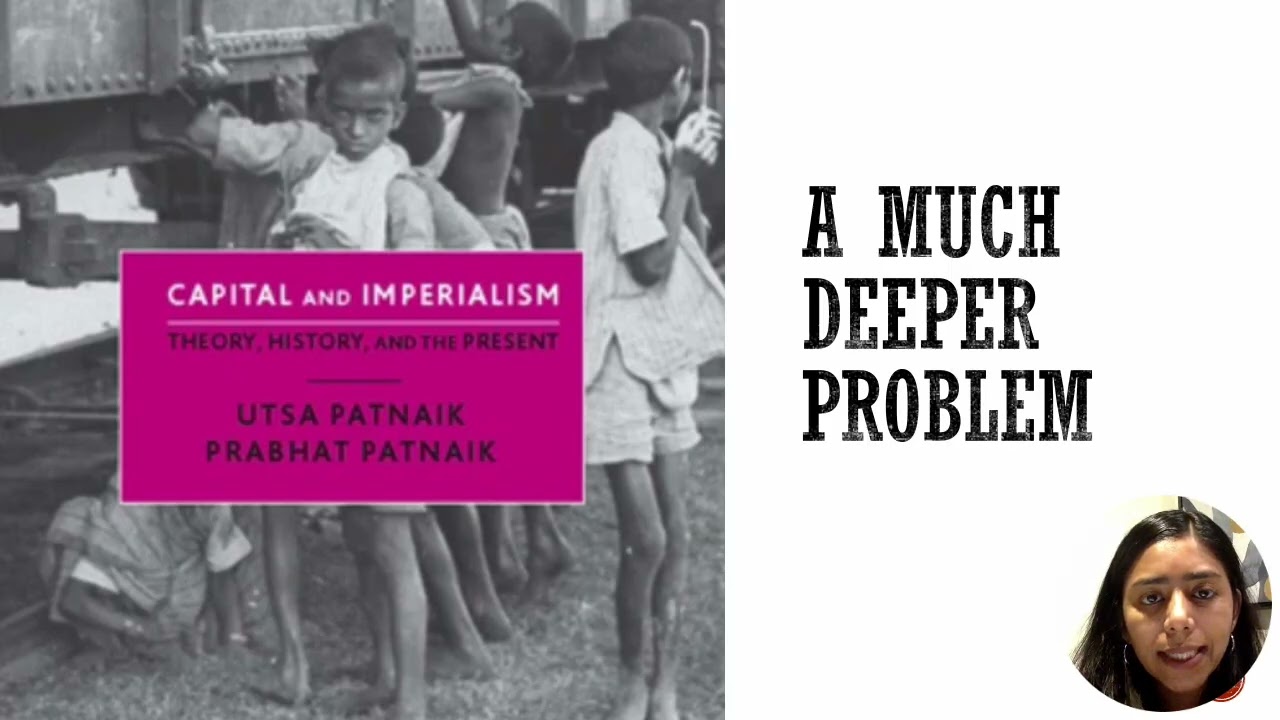
Added:Fundamental concepts of colonialism and imperialism, including the historical mechanisms of European expansion, exploitation, and resource extraction.
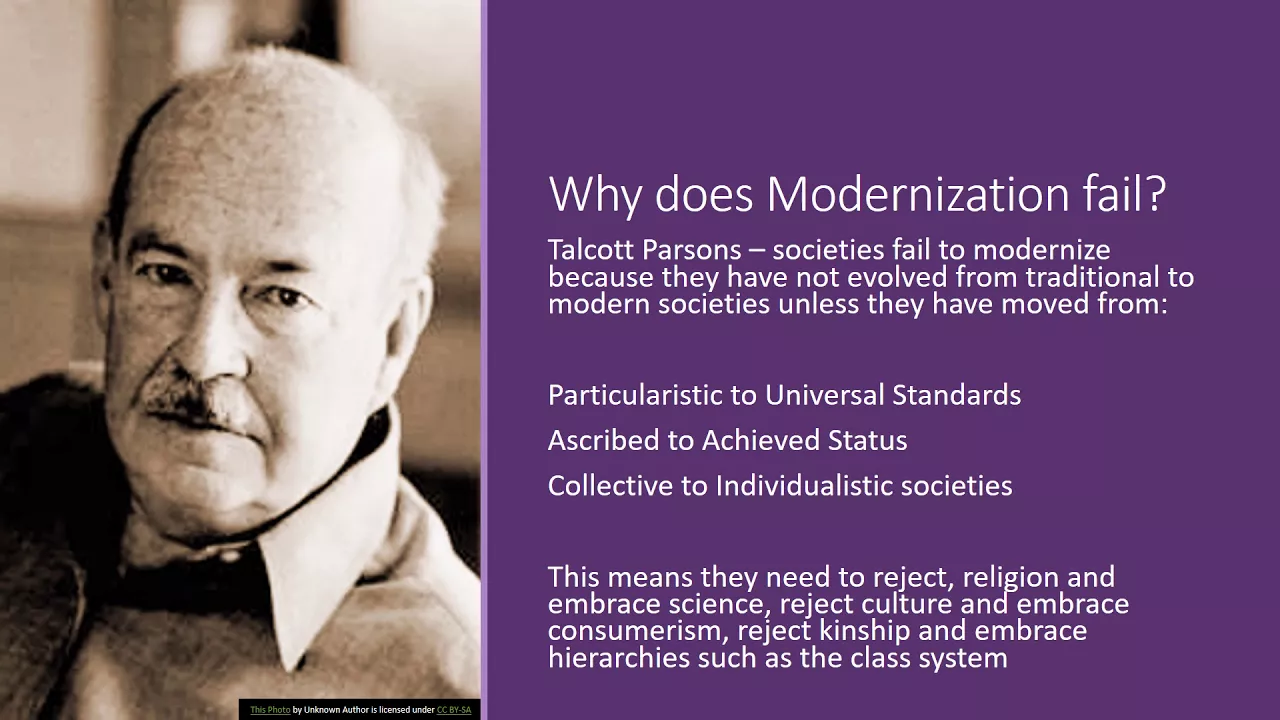
An introduction to International Development Theory, specifically how post-WWII frameworks (such as modernization theory) established global economic hierarchies.
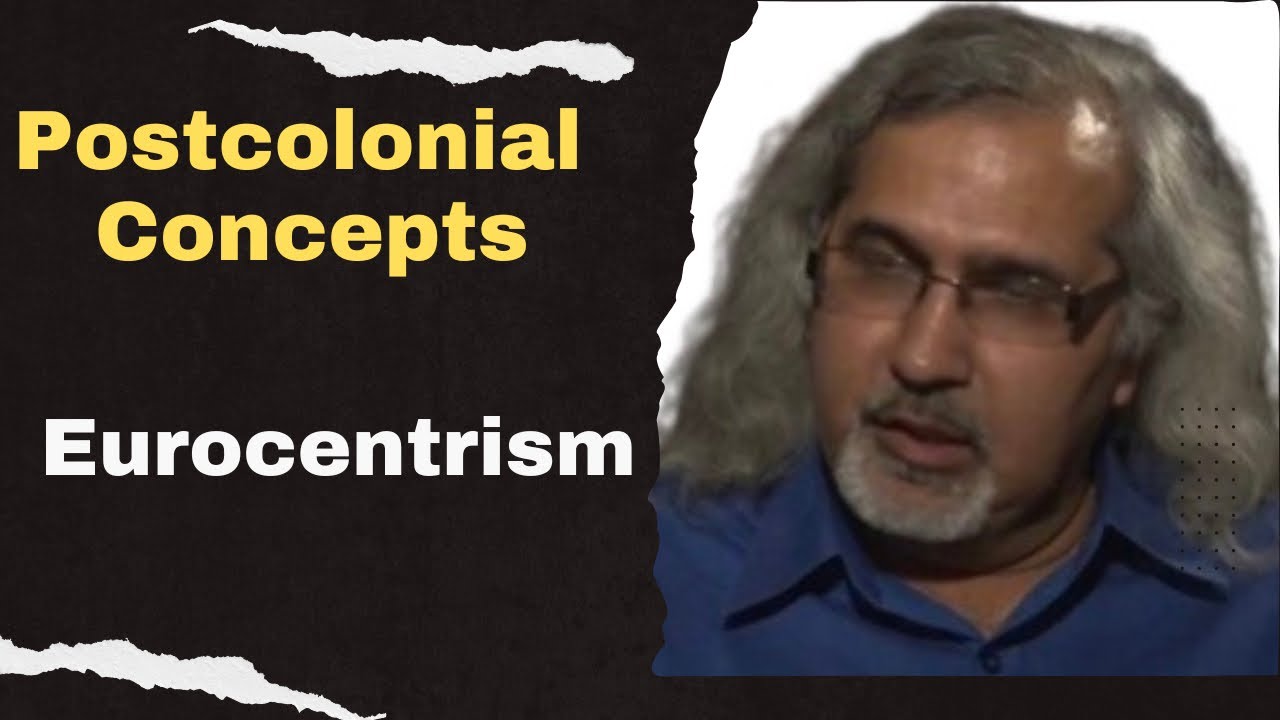
Core tenets of Postcolonial Theory, including Eurocentrism, power/knowledge dynamics, and the cultural legacies of colonial rule.
The concept of collective memory and historical amnesia, particularly how nations remember or actively forget their colonial pasts.
Practical case studies of material decolonization, such as land restitution movements, global reparations debates, and the repatriation of cultural artifacts.
Alternative paradigms to Western-centric development, including Post-Development Theory and indigenous philosophies like 'Buen Vivir' or 'Ubuntu'.
A critical evaluation of modern humanitarian aid and NGOs, analyzing how contemporary aid structures can inadvertently perpetuate neo-colonial dependencies.
Methods for decolonizing research methodologies and policy-making within international institutions like the United Nations, World Bank, and IMF.
119 views5likes1:01:35Original Release: 2023-12-19
good afternoon everybody good evening um and welcome to the igdc annual lecture 2023 and I've got this terrible problem that I've got some words I need to read out but I can't see the words let's turn the glasses off and then turn the glass off and I can't see any of you um so my name is John Ena I'm uh the director of the interdisciplinary Global Development Center here at York um and it gives me real pleasure to to uh welcome you to this year's annual lecture um now igdc is an interdisciplinary Center for research and Partnerships uh for Global development that was set up in 2017 um we're LED out of the Departments of politics environment and geography and history uh and we draw expertise from colleagues across disciplines and faculties here at York um the igdc works with Partners across and Beyond the university to develop Innovative and interdiscipl interdisciplinary challenge orientated research to address urgent urgent and structural challenges of global development and today's talk I think speaks directly to our kind of uh aims and Mission and is Central to our work and to the university more broadly and that's the topic of decolonizing research so I'm delighted to be joined by our speaker Professor umak cathari uh Professor kari's talk is entitled towards decline reality and Justice when the past pushes unfinished into the present and without wishing to steal your thunder uh I know that Professor Kari will be speaking to a number of issues that are Central to concerns about our approach to research and the assumptions and perspectives that we bring to Global development research in particular so these include questions of how we work with history and how we think about social justice how we balance concern with the future with appreciation of how we arrived at where we find ourselves today and most pointedly pointedly I I think uh how so much of our wor work across disciplines has learned to ignore legacies of vempire race science dispossession and exploitation what do these concerns mean for how we understand Global development as an area of research and practice so um is Professor of migration and post Colonial studies at the global development Institute at the University of Manchester UK and honorary professor geography and the school of geography at the University of Melbourne Australia her interests include colonialism decoloniality and solidarity mobilities and borders and environmental change in Ireland geographies and if you're of my vintage you'll also know who is the author of what of a book that was of huge importance to me personally in my understanding of development and that's participation in the new tyranny that was published by Zed books back in 2001 um today Prof Professor cathar is uh vice president of the European Association of development institutes is on the advisory Advisory Board of in place of War which is a support system for Community artistic creative and cultural organization in places of conflict and is a founding membership of the story The storying Geography Collective she's a fellow of the UK Academy of social sciences and was conferred the Royal geographical society's busk medal for her contributions to research in support of global development she's recently award been awarded aevia major research Fellowship from 2022 to 2025 for a project on touring Britain in the 1950s The Adventures of postcolonial Travelers and it's now my pleasure to hand over to press and Professor kathari thank you thanks John for that lovely introduction and to John and Saba for inviting me um to all of you for coming and it's so lovely to see some some old friends in the audience too which is great um okay so that sounds like it looks like I've got loads and loads of pages which I do but that's cuz I have to print it out in 14 font so that I can read it but it's the eyesight's got even worse so I need glasses and 14 font so just in case you're going to be here think you're going to be here till midnight you won't be I promise you um okay so it's 1992 and I took up an academic Post in velopment studies at the University or one of the universities in the north of England not this one um I arrived and I was the only and first female academic I was the only and first person of color and very soon I'd only been there a couple of months it became evident through language through dress through conversations through attitudes that some of my colleagues my new colleagues had previously worked as British colonial administrators and when political Independence came in former colonies they were blown out of subaran Africa and and Asia and um you know they'd been employed by the British colonial office and they had to leave when those countries gained independence and they had to find employment back in the UK now it's true that many of them got jobs teaching Latin in grammar schools but amongst those embarking on second careers were a group of individuals who thought that their experiences as Colonial officers made them exceptionally well suited to take up employment in the newly emerging and rapidly expanding International Development industry in the UK in the 1960s and in the 1970s where they were until retirement involved in teaching development studies they were devising development policies um they were carrying out consultancy work for multilateral bilateral non-governmental organizations and one of them said to me I thought right if I can no longer work out here in Kenya as a colonial officer the next best thing is to be working for the development of Kenya in the development field after all it's the same thing and I thought there it is living proof that development didn't begin with Truman speech in 1947 if I had a pound for every student who started their essay development began with Truman speech and life was I'd be a multi-millionaire so there was proof that development didn't begin um in that kind of post-war period and but has a much longer Colonial Legacy and that was they were the sort of embodied manifestation of the coloniality of development of a colonialism that survives the demise of Empires now of course in some ways maybe in many ways development thinking has progressed since then but in many ways it continues to avoid it seems to me addressing deep historically rooted structural problems often assuming that the future and only a particular version of the future is all important and that understanding the past is irrelevant instead responding to this or that crisis um with a plethora of conferences and maybe some of you have attended these but on rethinking development or conferences on towards New Perspectives as if we just need to Tinker a little bit Tinker around with development we need to rethink it in some way or we need to bring in New Perspectives to find the right answer and all will be well but as L Nar Swami says we have a development system continually Reinventing Itself by claiming that it's the only and best source for solutions to the problems it caused so it's become increasingly clear I think to many of us that when no environmental crisis when no Health crisis pandemic no war no poverty no extented poverty and inequalities or economic crisis when none of that is deemed alarming enough to transform the structures and the systems that create and maintain inequalities we can't just keep rethinking we really do need to fundamentally break the cycle and a central way of doing this I think is to work towards decoloniality as the indigenous scholar and artist Katarina tiawa says where does the crisis end she writes if not with Justice of course this isn't to deny and I don't want to deny that there's some incredibly creative Progressive radical work that's already under underway but as you're probably aware um calls to decolonize are currently on many agendas within Academia there's a lot of focus on decolonizing the University uh decolonizing the curriculum decolonizing knowledge decolonizing research and for some people for some of us these extented discussions on how decolonizing um Colonial colonizing structures can be in some way unraveled and so what I want to do is to argue that to decolonize development we now really do need to fully address the past and to envisage different Futures to achieve decoloniality it's essential to situate development historically but this is fraught with tensions and challenges there's lure of Amnesia temporal distancing and limited historical analysis and all of that is meant that mainstream development discourse has been largely silent about its Colonial past and it's effectively swept away all that ample evidence that we have that present day development is founded upon relations perceptions and attitudes of Empire and at the same time right so that's the sort of limited historical analysis of the past but at the same time the future orientation of development as something already known and prescribed is most proud sort of profoundly exemplified it seems to me through the imperative to achieve goals and targets right so we have this limited historical analysis we have this lure of abne Amnesia and so what we do is we turn our attention to the future but it's not any future it's a prescribed future through targets and goals and and so we we we focus all our attention on the imperative to achieve goals and targets and what that effectively does is it closes off options to develop alternative and even more hopeful Futures so the argument here is that development needs to acknowledge its history right to write the wrongs of the past if that's at all possible to achieve some kind of social justice and to challenge how development Futures are prescribed and I think fundamental to that project of doing that to think of a development discourse and practice that begins with and centers decoloniality and I'm always reminded of what Edward Zed wrote he says and and I'm I'm reminding myself just as much as I'm sort of passing this on to you this is something that it's a bit of a mantra and I think it's really important and I do have to remind myself of this and he says there's a choice facing the individual scholar or the intellectual whether to put intellect at the service of power or at the service of criticism communities and moral sense now most of us might think but we're putting our knowledge in the service of criticism communities a moral sense right but are we and in what ways are we doing that and he's asking us to consider how we use our knowledge to challenge critique power relations that we witness or to support and maintain powerful relations that are so often based on an an end up reproducing inequalities and I focus on three considerations then for decolonizing development first what I want to do is to try and raise some of the issues that I think may may create obstacles for us within development right some of the obstacles towards decoloniality now might sound as a sort of odd way to start right normally you'd say this is what decoloniality is about this is what we can do but this is some of the obstacles but I think that we're familiar with the obstacles we know we we I'm just sort of laying the ground the context the background for us to think about how can then we move how can we then move towards a progressive more radical creative way of thinking about decoloniality and and thirdly and briefly at the end I want to talk about the power of stories and storytelling now a caveat at the start though because decoloniality is necessarily interpreted and practiced variously as people and places experience different histories and I don't want to conceal that diversity at all um but I have to acknowledge that my narrative my own narrative is situated and it can only come from a particular place and from a particular uh geography history and cultural perspective so I really welcome uh the opportunity to hear other people's perspectives um and so I do acknowledge that there's growing South South cooperation I acknowledge that I acknowledge the increasing investment of China in certain places in subsaharan Africa um India's involvement in what we might call development but I'm speaking about mainstream development in and of the West so the obstacles to decoloniality and I start with some of the problems with how development ideas and development practices are progressing and I do that so what I want to do is to illuminate why we appear to be so reticent to engage deeply with decoloniality and talk about decolonizing the university decolonizing the curriculum but why are we so reticent to engage very deeply with decoloniality and when we do why are we so unwilling to listen and respond well the first obstacle mainstream development discourse continues as I said to conceal its history to be largely historical for a number of reasons first a lot of our textbooks the history of development often rehearsed in that teaching has a start date of Truman speech and what that does is obscure the colonial Legacy the second reason why was so ahistorical is that there's an attempt I think consciously or maybe not so consciously to distance the international Aid industry to distance development from uh from colonialism right to avoid tarnishing what's presented as a humanitarian project development with what's now acknowledged as the exploitation of the colonial era so we try and distance ourselves from that past and The Limited historical analysis in much Orthodox development studies is partly because it's so future oriented with its imperative to achieve those go goals and targets that I spoke about and these are most evident in the Millennium development goals and now in the sustainable development goals and it sounds really obvious but the history matters right so here is a Christmas card from French colonialists who wrote on the body of the colonized right the year Bon Ane 1904 so how do we deal with that history how do those these very people no longer alive but other people who they know are through further Generations we can't ignore that history where the very body of the colonized is used in particular ways um so history really matters and decoloniality requires us to interrogate the colonial past to understand right not just to understand the past but to understand its present day Legacy it's present day manifestations and it's impossible I think to gain an understanding of the present without that understanding of the past how and why have the inequalities and the violences that we see today emerged how and why are they being perpetuated and it's only when we have that better understanding right of those questions that we can truly begin to forge solidarity to decolonize and Achieve social justice and here I draw on wonderful um article by Jee tronto called time place um in which she argues that conceiving of the past is irrelevant has devastating consequences for our concerns for justice forgetting history leaves no room for remedying past injustices or for moving towards a responsible accountability and what that does even more than that is once again it puts an undue burden on those who have previous suffered from Injustice because now in addition to having endured that Injustice right the suffering of the past those who been harmed are asked to surrender their sense of outrage of having been wronged of harm let's forget the past let's just move on right but how do you move on in what way do we move on from that so we need to remain Vigilant um to those historical relations which remain hidden under recognizable have mutated that's I think the first main obstacle that we have when we start thinking about decoloniality is that we're decoloniality requires us to look in the past to look at those historical relations the second obstacle is that development ideas and practices are so often founded upon the creation of distinctions of distance of difference because the overarching framework within which development demarcates the boundaries that Define and delimit its field of research policy of its intervention is based on a number of dichotomies of dualisms of differences geographical spatial ones Global North Global South First World third world cultural that development is about to shift from the traditional to the modern moral moving people from being bad to being good political right interventions to move from being autocratic to being Democratic and together all of these work in a way to sustain that difference right it forges it Cleaves a a a distinction a difference between people and what it does more than that is it legitimizes interventions if we're moving from one set of circumstances to another then how are we going to do that but to intervene whether it's through a development agency through our own research and knowledge um through NOS Etc but besides those distinctions there are also temporal ones right temporal distinctions between past present and future that create uneven geographies of time so perceptions of progress often assume Universal trajectories of development in which certain people and places have been left behind and have to be brought into modernity through development interventions so as I've said that produces geographical spatial separations right of over there the global North and the global south over there but it also creates temporal ones as those places over there and the people inhabit them are also imagined as existing back then so the past isn't simply another time it's also another place and we produced this distinction then between the Here and Now of the West that's positioned in relation to and against the there and then of the third world or the what people refer to as the global South so I'll just give you some examples of that in the context of anthropology gner for example asserts that the systematic study of primitive tribes began first in the hope of utilizing them as a kind of Time Machine as a peep into our own historic past so you look looking at people in the present in order to understand your past so they must be living in your past in order for you to to carry out that study maybe something more um you know this we we see this most obviously in in travel writing but try and sort of map that on to some of the development literature that you might have read but this is not recommended reading is Paul th's Dark Star Safari he says travel is wonderful for the way it gives access to the Past markets in Africa shower show us how we once lived and traded but in a way more worrying is he says an obvious example is Dickinson's Charles Dickinson's London an impoverished City populated by Hangers On Hustlers and newly arrived bumpkins like Nairobi today well the bottom is Charles Dickinson's London and the top is Nairobi today and I can't see the similarity between those places so anyway so the past is a contested Terrain but so is the the future problematically framed perceptions of where we are where we should be going and how we move from one set of circumstances to another are predetermined in ways that foreclose the future the future then if you look at the sdgs for example is predictable ordered and regulated it's preempted through these formal planning procedures exemplified through the targets and the future scenarios of major development agencies and the idea is that that future can be achieved we can arrive at that future through the adoption of a particular set of policy prescriptions and planning instruments that impose a predicted future within a short time frame and with known outcomes now of course we many of us might agree with the overarching aims of the the sdgs but they also confine and constrain they suggest that all people and all places can only aspire to that singular future and those perspectives or such perspectives and the policies that stem from them ignore the steps and the strategies that people use to imagine and realize their own futures or what um urgin aodai calls the capacity to Aspire people's capacity to Aspire and Dori Massie says for society to change it must be able to freely absorb novelty or new information to be fully open Futures she writes and to be free to become and tronto suggests that the future looms larger than the past as a guide for our action and thought so the present serves as a Prelude to the future rather than an extension of the past because to acknowledge the past to dwell in the past means carrying forward large burdens so what she's saying is that the present we see the present as a Prelude to the future we don't see the present always as an extension of the past and that privileging of the future of the past creates further challenges for thinking about Justice for historical wrongdoing right cuz why you going to look at historical wrongdoing if we are always looking at these targets and goals and a prescribed future so that's the second one the first The Limited historical analysis the second is that we absolutely keep forging and maintaining the distance and difference and distinctions between people and Places third obstacle and related to creating difference is that there remains a taken for granted assumption that development ideas development practice IES development discourse development interventions exemplify solidarity because they're founded on ideas around Universal rights and an ethics of care so we don't need to question whether we're solidaristic because we're in development of course we're solidaristic right we believe in Universal rights and in ethics of care that's what we work towards but rather than being about forging connections and despite the various development goals was talking about Partnerships development ideas and practice I want to suggest are very often anti-s solidaristic the Persistence of dominant narratives that dehumanize and distance reveal I think the inadequacy of development thinking to instill those solidaristic principles and at the same time there's been an increasing commercialization a professionalization you know everything's becoming more bureaucratic in development initiatives for example people now are talking about the solidarity economy I mean for me you know I'm a lot older than most of you but we we didn't think about solidarity as being part of an economy it's about a different sort of sensibility a different kind of activism a different kind of practice and so consuming solidaristic shifts our gaze away from the violence out there and the violences that we continue to per perpetuate and instead we think that we can shop well to save the world right and here we have Bono and Ali Houston advertising Louis futon furniture furniture luggage solidarity then is no longer a political engagement with human vulnerability the refugee crisis really illuminated that it seems to me very well and Banky Moon who was the UN Secret Secretary General in 2015 said that the refugee crisis and I quote is not a crisis of numbers it's a crisis of solidarity another fundamental obstacle to decoloniality is that we avoid consideration of what decolonizing means for those of us who identify with are involved in development in its manifold manifestations now the process of decoloniality clearly made require many of us who are currently engaged in development to vacate the space right be silent listen listen to the formerly colonized indigenous marginalized to deter to allow them to determine debates about decolonization and decoloniality we can't simply add in indigenous or Global South Partners into our research projects we can't just add nonwestern readings into our you know teaching um course outlines decoloniality May mean not doing things as much as doing them it may require moving out of the way stepping aside pausing being silent PR the raram says if we keep lingering we continue to assert moral Authority now I don't mean at all that we have no role I don't mean to say that we have no role of course we do maybe just different roles to those we've long en Visage and I want to come on to that um later on and another issue that's an obstacle for us that may prevent us from decolonizing is the Perpetual cycle of co-optation of radical ideas into the development mainstream that's for long characterized development theory discourse and practice so I'm really wary about some of these calls to decolonize and my ambivalence stems from a disqui about how decolonizing development is being promoted and understood and by whom it's being invoked by different people applying varied and multiple meanings to it and with diverse motives we have people who are you know high up in neoliberal universities who are pushing that who can talk about decoloniality they mean something very different and the concern here amongst critical development thinkers is that development discourse and practice has very long history of appropriating of sanitizing of purifying Progressive ideas and practices and approaches historically Concepts and theories however remotely radical they don't remain so for very long within development instead they become co-opted into the mainstream they're appropriate ated by International Development agencies governments and practitioners and in the process they become not just ahistorical but apolitical okay so we have these radical ideas that get co-opted into the mainstream and as they do they become sanitized and less radical for example in the 1980s feminist theories transmuted into the less critical gender and development approach in the 1990s participatory development became the acceptable face of a much more radical Consciousness raising and in the 2000s the powerful theorizing and activism of anti-racism became incorporated into the language of culture and development so it's important that we remain Vigilant that decolonization doesn't become just a more acceptable palatable version of a radical anticolonialism as zidu and zachar write we're concerned by the ease which with which decoloniality a critique of development from centuries of anticolonial resistance has been stripped of its political radicalism through mechanisms of elite capture both in the academy and Beyond so while I should be pleased that lots of people are talking about decoloniality I'm fearful that everyone is now talking about decolonization including those least likely to actually care very much about it so even if decolonizing imperatives were to be more substantively deployed to informed development given those tendencies that we've seen in the past to co-opt radical discourses or critical discourses it's likely that they too might lose their radical Edge and maybe Fifth and most provocatively if development discourse and practice today is in part founded on a colonial Legacy manifesting for example what progress means and how distinctions and hierarchies between people and societies places and cultures are forged then is development itself as we know it UNT untenable after decolonization given its Colonial Legacy what and where is development after decoloniality will we can we still use the term development and will it mean the same once we've decolonized and there's some really interesting work just a Blog written very recent recently by Tanya Müller who talks about that and it's it's really important can we use the term development to be radical and creative and Progressive so these are some of the obstacles that we need to acknowledge to begin a process of decolonizing development so I've kind of set up why I think this is going to be so difficult because we've got many years of being a historical of forging distinctions and differences of not listening of not being being solidaristic in the ways in which we just assume that we are right and of co-opting radical discourses so those are some of the obstacles that we need to acknowledge I think to begin a process of decolonizing development what I've tried to identify of what could and does does derail us what is it what sets us off track and I now want to turn then to how we might start thinking just a step towards thinking about decoloniality um and how it's already being development developed now cause for decoloniality as we know aren't new they've been evid evident for centuries ever since the resistance and the struggles of South Americans against European Invasion indigenous people resisting settler colonialism and colonization there's always been resistance to forms of dispossession there's always been refusals to be incorporated into programs that do harm and protests against the concentration and the exercise of power and course of decolonized knowledge and research also aren't new for example we've got France Fanon chin chbe I mean those of you who who are students and studying here of course you have to read everything that's on your course tutor reading list but if you decide only to read one read chin chabis Things Fall Apart it's a novel it deals with everything gender colonialism Elite capture deals with all of that um and Tony Morrison of course her novels uh Jamaica concade who wrote some really important polemics um quite a few years ago all of these addressed these issues but despite much of this discussion on these topics research study and practice hasn't significantly altered I want to argue and the project of decolonizing has come to the for again as important and Urgent not least through recent events and challenges such as the roads must fall campaign that began in South Africa protests about statues and the kinds of people in histories they represent that some of you might be familiar with so so far there' have been a number of key Central tenants of decoloniality through maybe what we might call a postcolonial analysis the starting point I think for many people who adopt postcolonial approach postcolonial analysis is to identify and acknowledge the continuing Legacy of colonialism in the present and the multiple forms of which it is Manifest through ideas of democracy gender you know what what do they mean through migration and Mobility through art and architecture urban planning right so the starting point is to identify and to acknowledge the colonial Legacy in the present everywhere around us in this room those of you here why are you here where have you come from you know why to York why to the UK right all of that and just to be aware of that continuing Legacy second is to bring to the four neglected stories of marginalized figures to provide alternative narratives that can challenge those colonialist ones thirdly to recognize the Deep cultural and structural context in which information is gathered and knowledge is produced and disseminated and fourthly to challenge the economic and political systems that continue to exploit and cause harm and violence so these are some of the central tenets of of a sort of postcolonial analysis but of course transforming principles into actual practices is easier said than done but recently there's been some really important important and interesting work on decoloniality that reveals how Colonial structures of power knowledge and subjectivity are inextricably um or in inextricable from the Contemporary world right and how do you untangle that production of Knowledge from a primarily eurocentric position there's work that recognizes that the form of knowledge about what culture is what democracy is what um education is through which the world has apprehended and modeled for the future are deeply rooted in post Enlightenment thinking and claims to universality and there's work that engages now really interestingly and importantly with the range of critical and radical scholarship black scholarship indigenous and feminist theorizing for example and people who argue that we or or encourage us to rethink the world from Latin America from South Asia from subsaharan Africa from indigenous places and importantly in these decolonial approaches colonialism is seen as a fundamental problem and decolonization as a project now taking colonialism as a fundamental problem rather than as a secondary issue right or a problem of pure historical significance means that colonialism has deeply shaped key practices ideas and structures in our modern world it means that modern ideals such as progress and development modern institutions such as the nation state modern conceptions of knowledge and subjectivity have come into being with colonialism as a background and an implication decoloniality then signals a profound turn in theory and in philosophy because it goes directly against the norm of conceiving the colonial subject as a problem now these understandings I think are hugely important they recognize that simply labeling something as Colonial doesn't make it go away they've led to important shifts in thinking but I think they remain constrained some argue that decolonization the term itself may not be the most appropriate word because like colonization it came from somewhere else so some people some indigenous people are now arguing perhaps it could be replaced with ethic of restoration right and that's something maybe we can consider but I think one way to break free of these problems to change the rhythm of that sort of Perpetual circulation of ideas and their co-optation is to make our interventions count and that means focusing much more on the material than solely on the symbolic this means more than just adding non-western references into your reading list right or talking about decolonizing the curriculum of the university and that's what I now want to turn to it's 1986 on a trip with my partner around the highlands and islands of Scotland don't don't think you've just walked into a different lecture this this is a continuation I promise you it's just a little narrative link it's 1986 on a trip with my partner around the highlands and islands of Scotland we came across a castle a modest one by Scottish standards the gate posts were broken and covered in Moss much of the glass of the conservatory was shattered the land surrounding it was overgrown it looked absolutely derelict we walked around to the front the imposing entrance the door was a jar it was too tempting I couldn't resist now I do need to clarify I don't make habit of you know going into breaking into other people's homes at all but I felt compelled something was luring me in it I felt it felt strangely as though I was entitled to be there we entered and we couldn't believe what we saw from the huge entrance hall room after room was replete with objects jewelry and sculptures in display cabinets and on every surfaces the walls were crammed with paintings and hangings every floor space covered with pieces of antique furniture there was something eerily familiar about these things and as I inspected them on closer inspection I realized what made them so familiar and recognizable to me was that they were all from the colonies mainly from India but from elsewhere too and even though at that moment I was the interloper I was the Intruder I felt deeply indignant these things were stolen and they belonged to broadly my people I learned that the castle has for more than 500 years belonged to a family of colonists indeed one room was completely wallpapered with Victorian Colonial cartoons and I read recently that the current Heir and owner lorded insensitively and I quote there's plenty of stuff in our house history is on the walls it's written in the house but what and whose history is written in that house and many years later I recall this incident as I read and took inspiration from Tuck and Yang's groundbreaking 2020 2012 work decolonization is not a metaphor they argue that decolonization is a question of territory of the giving back of stolen land of the giving back of stolen objects and resources and as such it is not symbolic and has real material effects they remind REM us that decolonization cannot easily be grafted onto pre-existing discourses even if those discourses are critical even if they're anti-racist so no more turing around you know rethinking development trying to add this add that there's something much more fundamental to um to motivate and Inspire and move towards decoloniality so even if they argue even if there are Justice radical Frameworks they can cannot be added in and those of you who've read some of the gender and development literature there was the same argument in the 80s you can't just add women and stir and you'll get the right development policy right because there's something fundamental right underneath that that is problematic they argue that decolonization is far often subsumed into the directives of civil and human rights based social justice projects without recognizing that decolonization wants and need something different from those forms of justice as important as their goals may be social justice critical methodologies or approaches that decenter Colonial perspectives have objectives that may be incommensurable with decolonization because they can be further entangled in resettlement reoccupation and they also say that the easy adoption of decolonizing discourse evidence by the increasing number of cause to decolonize our schools or using decolonizing methods turns decolonization they argue into a metaphor right it's in place of something else seeing decolonization as a metaphor makes possible then a whole set of evasions and a reproduction of colonialist relations so decolonizing development isn't about the abstract it's beyond rhetoric it's not simply an academic exercise it's not just a theory it's beyond the symbolic it's beyond interrogating our own individual positionality and forms of knowledge production it's about a practice and one that is fundamentally material it entails giving back appropriated resources and the undoing of economic structures that reproduce Colonial inequalities now while Scholars have long shown how capitalist economic systems dehumanize po ations legitimized evaluation expropriation dispossession there remains a reluctance to performed that very critical material work of redistribution and reparations right that tuck and young and others argue so powerfully specifically they argue that decolonization is not a metaphor for other things we want to do to improve our societies it must bring about the repatriation of indigenous land resources and life consideration of the past then has to go beyond the symbolic and what might this mean for development so how can we begin to address long histories of dispossession and exploitation of people land resources and objects of the material and one expression of this that's recently been gaining renewed momentum are campaigns demanding reparations as redistributive Justice the un's just received a paper very recently by a group who want reparations for um slavery and maybe some of you have have heard and read about that reparations as redistributive Justice and the repatriation of objects stolen and appropriated through colonialism right legacies of European imperialism that ReSound today now I mean this is incredibly timely I don't know whether you read the news yesterday that Rishi sunak has cancelled his meeting with the Greek um prime minister because he spoke on the uh kbur show a program and said that he wanted a return of what we call the Elgen marbles right so he cancelled that that meeting so this is incredibly timely I me this is this is on the agenda right but these issues remain largely outside of the remit of mainstream development they're not seen to reduce poverty they're not seen to reduce inequalities right we have something more urgent to go for right we're not going to start talking about returning stolen objects we've got to deal with inequality and we've got to deal with poverty and therefore they're not considered urgent but I think they are I think they're hugely powerful in addressing past injustices they can profoundly shift shift ongoing coloniality and can have real material effects and I mean I don't have time to address the reparations as redistribute of Justice it's a huge issue but I would encourage you to look more into that but what I'm going to focus on here is on the repatriation of stolen objects repatriation as a form of restorative justice so I want to explore how questioning histories and cultures of appropriation and collection opens up possibilities right small possibilities which hopefully will lead on to the repatriation of land but to do this through the lens of material objects and specifically the repatriation of what museums call artifacts when in 2019 the mai remains were handed over to the Museum of New Zealand tapa the director of the pits River Museum in Oxford said we can't undo history but we can be part of the process of healing in July 2022 Germany and Nigeria signed an agreement whereby hundreds of objects looted and removed by the British during colonialism and later auctioned off to Germany would be returned a representative of the German green party at the time said we have reason to celebrate it was wrong to take the benine bronzes and it was wrong to keep them this is the beginning to write the wrongs and in 2019 Manchester Museum part of the University un of Manchester where I work in partnership with the Australian Institute of Aboriginal and Tes Islanders Straits Islanders established the return of cultural heritage project and began returning sacred objects to indigenous communities in Australia and that was based on an ackowledgement that those items were taken by force under processes of colonization and they continue to have damaging effects and the curator of the museum the Manchester Museum acknowledged and I quote Western processes and protocols established to catalog preserve and analyze objects and specimens in isolation from traditional owners countries of origin and diaspora communities continue to inflict loss trauma and and exclusion I mean I'm talking about objects here like physical material things but I mean this is what happened to people to colonize people were cataloged and categorized and you know brain size measured and you know Eugenics and everything else I mean this isn't just about I'm talking about objects but of course this goes beyond that and also of course to land and at the repatriation ceremony one of the traditional owners said we share a dark history but it's moments like this when we come together as one United by our desire to do better to be better to write the wrongs of the past that we start to heal hurts and the intergenerational traa trauma that still exists today repatriation of objects he says Fosters truth telling about our nation's history these Pro you might have heard about the congales activist who's taken this into his own hands in France and he's just gone into museums and groups people and just basically steals back of things and um these processes of repatriation highlight in the words of Ross Gibson how the past pushes unfinished into the present objects matter they embody stories histories and social relations that shifts the emphasis away from an understanding solely of what objects symbolize to how they've created inequalities and violence of course this is just a beginning we need to return land it doesn't returning objects doesn't make up for colonialism right I'm just talking about one way in which we can think about moving beyond the symbolic to the material you know not to return the objects perpetuates colonialist ideologies to not return them and the argument about returning them is you know against is it it would be an admission of guilt of complicity and I think in a way we need to really get people to think much more that it's not a loss but it's an incredible gain actually for um to return to the repatriation of stolen objects but today we can't sit back considering that those injustices that I've talked about have been created by others in the distant past right I mean I'm not responsible I wasn't a colonialist right all that happened a long time ago um or maybe for us to think that this repatriation redistribution has nothing to do with those of us concerned with development right and you you may well think that but development interventions continue to lead to the appropriation of material resources land assets natural resources Rivers Water extractive Industries deforestation through for example what David Harvey calls accumulation by dispossession and what Sask assassin refers to is the brutality of expulsions she talks about displacements evictions eradications even the gentrification of certain places as we had in East London here with the Olympics people pushed out tourism development where people can't afford to live where their families have lived for Generations a representative of a native title Aboriginal Corporation said locked deep inside Lo sorry locked deep within these objects is our histories and our stories and Lauren tinan reminds us stories are held in the land and in the memory and it's to this uniqueness centrality and the power of stories and storytelling that I now turn as Ben ocre wrote stories of the infinite seeds that we brought with us through the Millennia of walking the dust of the earth stories are Whispers from Beyond it's 2020 while the UK was in lockdown during the covid-19 pandemic I spent the long hot summer afternoons with my then 95-year-old Mom now 98 making sure to maintain social Distance by sitting on the landing outside the front door of her second floor flat while she sat in her hallway now despite that kind of wider atmosphere of fear of instability these days were magical our deep connection strengthened as she shared memories and recited poetry I relish that Exquisite forgotten pleasure you know we only read aloud to children I don't know why it's so beautiful to read to be read to um you know being read to aloud she's and she's a wonderful Storyteller and I'm absolutely captivated as her stories conjure up multiple historical and effective associations connections between people and places and stimulate our capacity to imagine ourselves in different Landscapes not just in the landing and the hallway and more than that she's always very acutely attuned to the presence of her listener and so when she tells you a story you feel that it's being recounted especially and exclusively for you so in that very sort of intimate yet distant space the past ran alongside the present and the stories began to unfold and part of that story is of my mother as a young woman in India an anti-colonial nationalist fist raised Marching In protest for the independence of India listening to her now an elderly woman unable to walk without the aid of a stick the image of her protesting with purpose and passion reminds us both of her once youthful energies and of a wider politics that really shouldn't be forgotten now I'm very wary of recounting a personal story in an academic tradition that's for so long has prioritized analysis and critical distance but for a while now I've been thinking about stories I've been reading critical work reflecting on the centrality of stories of Storytelling and storying not only in a sense to uncover value to communicate the intimately involved The Unfinished the embodied but maybe it's possibly the only way to begin to help us unfold new and radical and Progressive insights to bring those Whispers that benri uh refers to into sharper focus and Edward Zed argued that the unrepresented stories of others are essential to identify how those formly colonized confront their entanglement in processes through which they've become defined and confined so recounting in telling publishing stories can be empowering acts they can subvert the systemic silencing of those marginalized and those ignored they can create a space Maybe to reclaim personhood and importantly they can incite political change and stories also can save lives and storytelling is a political act since as Ross Gibson puts it while our stories can start and stay in privacy we can also use them to pronounce to and on thew larger World some of you might be familiar with Buu bani no friend but the mountains the book that he wrote from Mana prison a memoir written from the Detention Center that where he was for 6 years in 2019 now this book that he wrote it was composed over his six-year detention in the Asylum Center and it was thumbed one text at a time on a smuggled phone and through that one text at a time through the smuggle phone through six years it's you can't it's not 3D you can't see it's a big book um he wo together a community of witnesses around the world we we then became a witness to what he and others were experiencing So Stories also have rhythms some are progressive While others I I want to acknowledge can incite injustices of course and violence as benri reminds us anything that affects our perception of the world usually comes in the form of a story but that means we must always be aware of the stories that we invite in his chapter decolonization and the stories in the land um which is in this book imagining uh decolonization very important book by some New Zealand writers um Mona Jackson presents a transformative Vision um and and uh writes the fact that colonization necessarily involved the brutal taking of indigenous people people's land and lives has also been reframed and justified in stories that range from pseudo scientific and legal rationalizations to blatantly racist assumptions presumptions indigenous peoples have spoken back against such stories but they Remain the dominant narrative yet Perhaps through processes of decoloniality these stories are in the process of coming apart perhaps to be replaced by new and better stories So Stories are now being increasingly acknowledge within development as having power to affect change that can alert us to injustices and also include of course other creative forms not just about stories but you know through music dance art literature all powerful tools I think that we need to accept and and uh spend more time focusing on so in conclusion it's the problem of the forgetful past and the unobserved future that that challenges the potential for remedying past injustices or indeed for moving towards a responsible accountability now while it's tempting to look towards the future every indication suggests that those who fail to learn from the past are doomed they're not doomed just to repeat it but they're doomed to think that they've escaped it so the fear is that we're going to think we've escaped the past when actually it's all around us and it's affecting our the ways in which we move towards social justice only if we're willing to give the past its due will we have any firm ground to stand upon and the possibility I think to create to imagine to pursue more hopeful Futures in return to my native land the martinican poet author and politician Emy C wrote no race holds a monopoly of beauty of intelligence of strength there is a place for all all at the rendevu of Victory and I feel that his sentiments are especially Salient now and are worth repeating cuz he reminds us that our encounters and interactions with others are not invitations to focus on deficiencies on differences on conflict but are opportunities for enrichment so the past will keep pushing unfinished into the present and clearly what this requires is a politics of restoration and hope but then that's another story thank [Applause] you
Up Next

48:46
The History of Alien Abductions: A Cultural Analysis
@KazRowe
437.4K views•2024-07-30

33:02
The Great Schism of 1054: Causes and Consequences
@SacredCathedrals
113.5K views•2026-02-19
91:57
The Geopolitics of the Ukraine War and the Rise of Global Autocracy
@JordanHarbingerShow
468K views•2025-04-19
17:05
Understanding the Cold War: Superpower Conflicts and the Road to Détente
@OverSimplified
46.1M views•2019-01-24
Related Study Plans & Knowledge Roadmaps
Structured learning paths in History
history
Byzantine Iconoclasm: Theology, Art & Politics
01Foundations of Byzantium and Early Christian Images
02The First Iconoclasm: Leo III and the Crisis of Images
03Empress Irene, Nicaea II, and the Second Iconoclasm
+ 2 more learning modules
9h5 modules
Explore Roadmap
history
Iranian Revolution (Causes, Events & Legacy)
01The Pahlavi Dynasty and the Roots of Discontent
02The Spark of Rebellion and the Rise of Khomeini
031979: The Fall of the Shah and the Climax of the Revolution
+ 2 more learning modules
8h5 modules
Explore Roadmap
history
Mali Empire: Mansa Musa, Trade & Timbuktu
01Foundations of the Mali Empire
02The Trans-Saharan Gold and Salt Trade
03The Reign and Pilgrimage of Mansa Musa
+ 1 more learning modules
6h4 modules
Explore Roadmap
history
1947 Partition: Politics, Borders & Legacies
01Foundations of British India and the Divide
02The Political Negotiations and the Mountbatten Plan
03Drawing the Boundary: The Radcliffe Line
+ 2 more learning modules
8h5 modules
Explore Roadmap