


























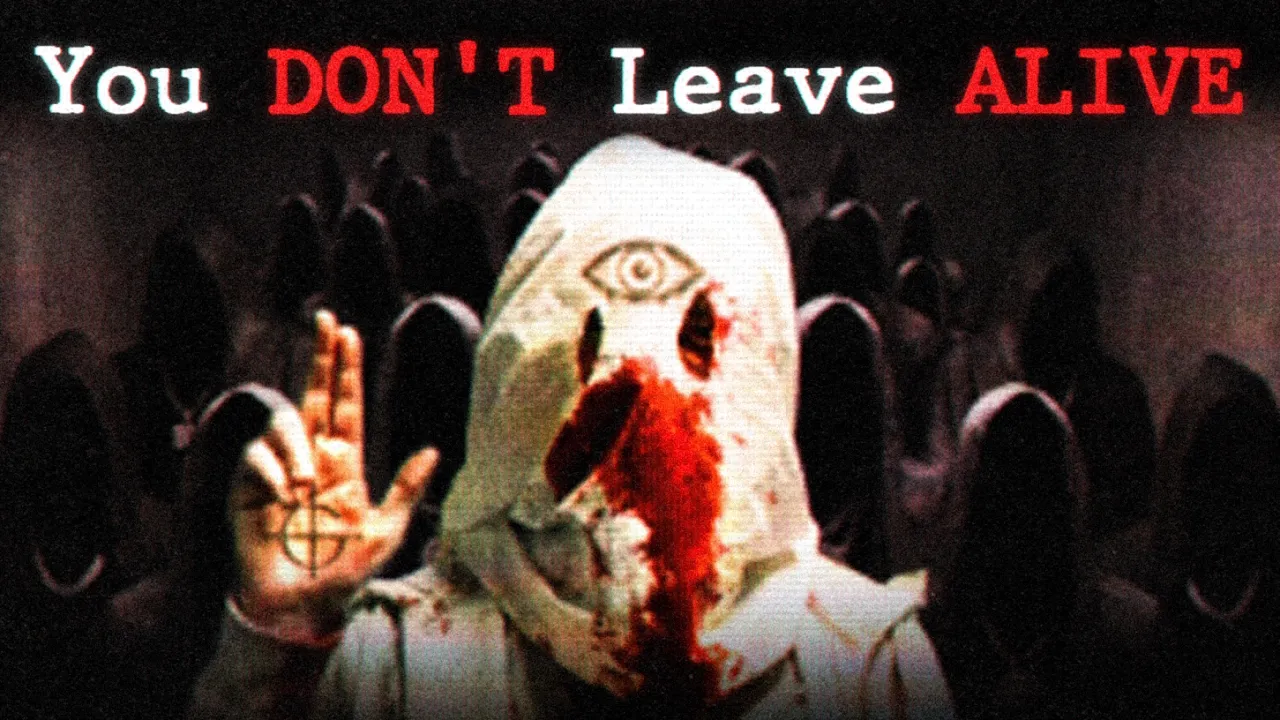

The phenomenon of alien abductions, popularized by the 1961 Betty and Barney Hill case, has deep historical roots in medieval Christian demonology and reflects contemporary cultural anxieties about government secrecy, identity, and existential questions about humanity's place in the universe; modern abduction narratives often incorporate psychological factors such as sleep paralysis, hallucinations, and suggestibility, while serving as cultural outlets for fears of invasion, loss of control, and the desire to feel significant in a vast cosmos.
The History of Alien Abductions: A Cultural Analysis
Added:The historical context of the Cold War and the Space Age, which fueled public anxieties, technophobia, and fascination with outer space.
Basic psychological concepts of sleep anomalies, particularly sleep paralysis and hypnagogic hallucinations, which often mimic abduction experiences.
The foundational history of the modern UFO phenomenon, starting with Kenneth Arnold's 1947 sighting and the subsequent Roswell incident.
An introductory understanding of folklore and sociology, specifically how urban legends and modern mythologies develop within societies.
The psychological mechanisms of memory confabulation, specifically how regressive hypnosis can inadvertently construct false memories.
The symbiotic feedback loop between science fiction media (e.g., 'The Twilight Zone', 'The X-Files') and real-world abduction testimonials.
Comparative cultural studies linking alien abduction narratives to historical phenomena like demonology, fairy folklore, and the Salem Witch Trials.
The evolution of UFO subcultures into new religious movements and secular belief systems, such as Heaven's Gate or Raëlism.
437.4K views20.8Klikes48:46Original Release: 2024-07-30
on September 19th 1961 a couple named Betty and Barney Hill were driving to their home in Portsmouth New Hampshire it was nighttime dark and quiet aside from their own sleepy drive after spending time in Montreal to get away from life for a while the roads of the Northeast White Mountains Are foggy and Eerie now but even more so back in the 60s in the night it's just you your headlights and the Stars peeking through the inky Sky until it wasn't suddenly Betty noticed a white light following their car as they approached Indian Head it wasn't headlights she was sure of it Barney stopped the car just off the highway scrambling to grab his pair of binoculars to get a better look at whatever it was and what he saw struck fear into his heart frightening humanlike creatures peered back through the Craft's windows at least six of them they weree oddly Nazi looking uniforms and had huge eyes he jumped back into the car and sped off fearing capture but just 2 hours later something even more odd happened the couple realized they were 35 mil away from where they'd first pulled over and had absolutely no memory at all of how at some point they heard some loud beeps and then had a tingly drowsy feeling their clothes were must and dirty it was a murky blur a nightmarish Blank Spot but they knew eventually they had been abducted by what they weren't sure but they were certain it wasn't of this planet this story of the hills experiences that night in 1961 were published in 1965 and was the Genesis of modern alien Mania the years following their story saw an interest in extraterrestrial life like never before with a huge increase in media focusing on Aliens and people putting out claims that They too had been abducted these people who call themselves experiencers flooded out of the woodwork and their stories were given space on daytime television newspapers books and more I mean it makes sense this was the height of the Space Age with the rise of space exploration and the moon landing people began to become even more interested than ever in the huge existential questions are we alone in the universe and if not have our Galactic neighbors already visited us it's a question that would IR affirm no and yes respectively from most people in fact most people statistically do believe in alien life and a comparatively High number of people believe that they've seen an alien UFO and although there are indeed many experiencers out there it's actually a rather new phenomenon but the idea of alien abductions as it turns out is a very very old one come learn with me but first first award from today's sponsor my Heritage over the years I've sort of Taken on the role of family historian but given that a lot of my family history involves IM migration or a lack of Records or even oral history it's always been very difficult but using my Heritage to uncover my family records has been so helpful my Heritage is the number one global Service for family history and DNA testing with tools to search over 19 billion records build family trees and use tools to enhance repair colorize or animate your old family photos when I started researching on my Heritage I only had a few names to work off of and a few of them were especially difficult because they were like those wonky Ellis Island name changes but as I kept digging I found loads of fascinating files the record of which ships my grandpa and his family took to America when escaping the Holocaust news records of my grandpa's dad and uncle's kmer violin careers and my other Grandpa's yearbooks I was even able to fix up this beautiful photo of my other great grandpa and animate some family photos and building out my family tree was so easy using the instant discoveries tool which automatically matched me with potential files and documents and people who could be connected to my family members that were already on my tree it really felt like these unattainable parts of my family history were becoming clearer and I had no idea before just how much of this info was actually out there for me to find and now I get to pass these stories on to my other family members start researching your family history and building or discovering your family tree by signing up for a 14-day free trial using the link in description below and enjoying all the amazing features my Heritage has to offer thank you so much to my Heritage for sponsoring this video and now let's get back to learning about alien [Music] abductions obviously alleged alien encounters are nothing new although often times today people look at illustrations made by medieval or ancient peoples and see something that to the modern eye looks like possibly a a reference to aliens and assume that that's what it is when that's not actually it at all most medieval depictions of supposed UFOs or aliens are just references to Medieval symbolism or Christian Theology and the Ancient Aliens [ __ ] where we look at stuff left behind by ancient Asian middle eastern African and South American cultures and go whoa it's definitely aliens always either has a different explanation more in line with that culture's actual history or or we just need to accept that the cultural context for whatever it was is now lost to history rather than right off the bat assuming aliens we need to First Look at what the descendants of those actual cultures say that it probably means but there are some things that poke through as uniquely odd or simply reflect modern alien stories a little more significantly one of these stories is the tale of the Little Red Man from the chronica mayora by probably Thomas Walsingham written in the Abbey of St Albans in the late 14th century the chronica mayora covers English political and social history from the Reigns of king Edward III to Henry V 6 oddly enough though this writing isn't just a cut and dry history tone it also includes extremely unusual descriptions that you would normally find only in Christian folklore strange objects in the sky unidentified dark armies blood raining from the sky among other weird paranormal events to a modern reader this may be really unsettling to find in a political historiography but in the Middle Ages this kind of wasn't really all that uncommon many chroniclers of serious history would use Supernatural or symbolic tales as representations of political events or commentary I suppose a good way to kind of understand it in a modern context is like if you watch any of those comedy commentary YouTubers like Chad Chad or Curtis Connor a lot of them will do like a comedic skit based on a thing that they're talking about usually using a green screen and highly exaggerated this isn't a direct reenactment of the thing that they're discussing it's a way of elaborating on their feelings on the subject or ridiculing it the Middle Ages had kind of the same thing going on which is what was shown in the chronica mayora one of these stories could very well be considered one of the very first depictions of alien abduction and experimentation in 1343 Walsingham tells the story of a young boy who was riding a horse in a field of wheat when in the field he spotted a strange little red man who appeared to be growing larger and larger the little red man took the boy's Horse by the bridal and led him through the field to a group of beautiful ladies the leader of this group of women demanded that the boy be taken off his horse and be skinned and she took a knife and cut his head open to remove his brain with this done he was placed back on his horse and sent away back to the Village since he no longer Had a Brain he acted wildly and strangely no mention of his being skinless though for for some reason a girl who was in love with the boy sought to try and return him to normal so for his own safety he was chained up and brought to a number of saints who tried and failed to cure him and all the while the original little red man was following this boy watching him 6 years later at The Shrine of St John of Beverly the boy's sanity returned to him after he fell into a deep sleep and had a dream of the lady cutting his head back open and returning his brain still no mention of the skinless maybe he like grew it back over time I don't know the boy now a man married the girl who saved him and later became a priest and finally one mass as the man raised up the body of Christ the little Red Man appeared one last time and said from now on let him be your keeper whom you hold in your hands he knows without doubt how to protect you better than I have super weird right the occurrence of a little red man in medieval literature isn't exactly unheard of there's mention of it in Walter map's denois curium in the 13th century too in both Stories the little red man seems not of this world and seems to only exist to teach the main character some frightening lesson although it's hard to say why parallels as you will soon see to Modern alien stories they can't easily be classified as good nor evil even though the Red Man Trope was often related to Satan although some depictions do describe the man as having fiery red hair he is still described as something not human so it's really hard to say that he could be like a reference to a real life red-haired people if probably not a lot of medieval fables pull this sort of thing where characters encounter odd non-human creatures whose intentions are unexplained and you don't really know where they came from or what they actually are either they're just like and then this weird guy showed up I don't know the Green Knight in the story of ser Goan and the Green Knight operates exactly the same way but a major element at play here that relates these Tales to modern ones of alien abduction is the weird ambiguity the creature causes some sort of harm to the human a strange experiment but also seems interested in protecting and watching over them but these weird Critter guys are unrelated to the other ancestor of modern alien myths the so-called Celestial wonders in ancient China and Rome many writers told of their experiences seeing strange objects in the sky Fireballs ships chariots later writers would report seeing dragons moons flaming crosses and even further back in ancient Babylon people noted moving objects in the sky that they didn't understand again these need to be read first through the lens of historical context and symbolism and storytelling Trends the 16th century artist Ben venuto selini wrote on Horseback we were coming back from Rome suddenly people cried oh God what is that great thing we see Over Florence it was a great object of fire twinkling and emitting enormous Splendor and many UFO researchers have painted stories like this as intrinsically connected to Flying Saucer Tales but to do so without including the wider context is honestly drawing Connections in a really misleading way to make a hamfisted point but if you want to connect Modern Aliens to history there are legit ways to do that it's just not you usually the most obvious ones for instance one line you can draw between the two is the fact that a lot of alien mythology today is directly influenced by medieval Christian theology funnily enough aliens could be interpreted not just as a class of crypted but as a class in The Wider Pantheon of demonology and the roots of this go all the way back to the Middle Ages medieval demonology theorized a lot about creatures of an unearthly nature often demons who were the hybrid children of angels and human women called the Nephilim the children are corrupt damned and grotesque there's a lot in our modern depictions of aliens that reflects this medieval Christian demonology the reproductive angle to alien attacks and abduction is a constant theme both in real accounts and in media compare the demon baby in Rosemary's Baby reflecting the Nephilim of the middleages and the alien birth scene in Ridley Scott's alien so many alien abduction Tales are very focused on breeding you know the cross reproduction of aliens and human women and when people who are allegedly abducted reflect on these Alien Children they often really really do mirror the Nephilim they're grotesque and Damned and where the Arcane hellish hordes of demons are depicted in medieval art descending upon Christians our modern Alien movies reflect that by showing aliens as Legion as swarms of malevolent destructive other worldly creatures like in War of the Worlds and Mars Attacks tellingly in 1970 Bob guy the leader of the Church of Jesus the cerian said Satan that old Prince of Darkness and his Legions of demons are also beings from other worlds they came down from another planet once Satan was a member of God's astronauts it makes sense that as the alien Mythos grew it retained a crutch leaning on Ancient Christian Theology and grow it did people's fascination with the concept of aliens more often than not leans on a distrust in society or in particular the government or religion when people begin to feel lied to or out of control or vulnerable in combination with eras of scientific advancement you start seeing the idea of aliens creep back into the cultural conversation the industrial revolution of the 1800s led to more alien discussion although it wasn't exactly related to abductions and often times the aliens described were extremely humanesque or benevolent but something shifted after World War II in a new era of technology and the looming uncertainty of the Cold War aliens were back in a new form that eerily mirrored people's anxieties about the government itself secretive hidden creatures that want to study and experiment on unwilling victims detonation minus 20 seconds 3 2 1 0 according to popular Legend on June 24th 1947 in the chaotic and unsure wake of World War II a pilot named Kenneth Arnold flew towards Yakima to track down a crashed plane to try for a $5,000 reward when he reached Mount Rainer while making a turn he was caught off guard by a burst of light when he looked across the skies for other planes he spotted an odd formation of nine objects flying at approximately 1200 mph he couldn't see the tals on the aircrafts and they were very bright shaped flat like a pie pan and somewhat bat-shaped they flew like a saucer wood if you skipped it across water they flew in strange and unnatural movements unlike any other craft he knew could do he reported his experience to the Air Force and then also to an Oregon newspaper and thus began the popular Mythos of the flying saucer from that moment onward almost every UFO sighting would follow similar references Bright Lights flying saucers or discs strange movements and weird formations in the week following Arnold's report over 481 reports of UFOs came flooding to the news but despite all of the sighting not that many assumed that it was aliens fresh out of World War II where the most strange objects in the sky could safely be assumed to be military in nature that's exactly what most people figured but they still felt uncomfortable about being left in the dark about what was flying around in the skies above their towns shouldn't the government tell us what's going on with no solid answers in sight it didn't take that long for hoaxers to latch onto the situation like leeches originally it was pranksters most of the time usually just kids having a little fun but the abduction Obsession was yet to come the beginning of the modern alien abduction story is actually the one I told in the beginning of this video the story of Betty and Barney Hill of course it may not surprise you to learn that the couple had seen alien media before their abduction experience technically the first movie to feature aliens was 1902s trip to the moon made by jwes Vern which featured Moon creatures called the selenites but the next major one was half a century later in 1951 the thing from another world and following that is the somewhat cult favorite movie Killers from space which showed a really really distinctive version of the aliens but also is a really good example about aliens not only pinpointing the dangers of nuclear war but also trying to harness its power it's also one of the first movies to depict alien abduction and experimentation on a human so the framework was there for the hills to recall their experiences didn't really come from nowhere alien abduction stories have historically built on one another to create a sort of collective Cannon humanoid men with gray skin and huge eyes abduct people from periods of transit or sleep these people often feel drugged they're taken repeatedly and they are taken aboard a ship and subject jeed to invasive experiments and studies and often women are impregnated and give birth to human alien hybrids again reminiscent of the Nephilim these details and experiences have typically been uncovered through hypnotherapy by hypnotists who specialize in or are sympathetic to UFO encounters and as historians like Louise White are correct to note many of these abduction encounters have direct thematic links to racial abduction narratives of History she writes in Alien Nation the generalization holds equally of the 18th and 19th century firstperson narratives of Americans captured by Indians as it does of our contemporary compatriots accounts of being accosted by extraterrestrials without Notions of racial difference there's virtually no abduction literature the concept of race invoked by abduction narratives is that of European Imperial expansion and it is informed by the questions of psychological difference and Tech technological hierarchies concerned with anatomical difference and obsessed with the possibility of inter reading it also needs to be noted that the very first non-fiction alien abduction story that of Betty and Barney Hill is heavily steeped in racial baggage but from a different angle Barney Hill was a black man and often spoke about his anxieties about his marriage and his experiences with racism being black in America where many stories of white alien abductees reflect historical narrative tropes from overblown Victorian anxieties about being taken by Native Americans black alien abductees have similar stories but usually ones that reflect the very real traumas acre generationally from the history of their African ancestors being abducted by white slave Traders enslaved Africans after being abducted were also v a very real sense subjected to painful humiliating or even deadly experimentation and continued to be long after slavery was abolished and I I put that in quotes because technically slavery does still exist today in the form of prison labor I know there's a lot to unpack here the fact is that none of this was being done or written this way deliberately but the crumb trail of genre Evolution comes from these two things fear of invasion a destruction of safety fear of the other the foreign whether valid or not I want you you guys to take a listen to the actual audio footage that we have of Betty and Barney Hill talking about their experiences with the alleged abduction Betty Hills is in an interview Barney is a recording of his hypnotherapy session in which he remembered his experience and just take a listen to the very different tone that each of them have when remembering the experience and I walk I walk out and I walk across the room there it is up there oh godam it I'm down it's there but you can see it but it's not going to hurt you hold on they examined you get a tour of the spaceship or the craft do you do they show you anything it's just only on a needs and know basis just the one room I is it the interaction with you and the question and answer session was more than Barney they did not give Barney the opportunity to inquire no there was no conversation with byy you I enjoyed myself I had a great time he joked we Kon really yeah I invited him to come back I could said please please please come back oh I have so many friends who would love to meet you so this was not a traumatic experience at all it just uh it was uh an enlightening experience spiritually uplifting perhaps right it was nobody can tell me there's not life on other planets some other main factors in the hill story are significant because they track with many of the abduction claims that followed the couple were understandably very tired both chronically and acutely they began their drive at 10 p.m. and planed to arrive home at 3:00 a.m. and on The Daily Barney had a 120 M commute to and from his job in Austin and had major health issues Betty worked in child welfare often tackling over 120 cases simultaneously don't know why 120 is the constant number here I think it's just a coincidence but they were very sleep deprived and people who are sleep deprived often experience time lapses ask me how I know college was a really fun time for me the human brain is a really funny thing here's another pointed Factor Betty long before the incident was a Sci-Fi fan with an interest in UFOs her sister was a Believer too the minute she saw the mysterious light she instantly believed that it was a UFO without interrogating other possibilities first like the fact that it could have just been Jupiter or Saturn which were unusually bright that night Betty was an extremely firm believer in the Years following her incident even going on to become a medium and do paranormal talks and by the time the couple underw hypnotic questioning very flawed practice in the first place people aren't actually technically more or less honest under hypnosis Betty had been talking about what she thought the aliens looked like for 2 years and coincidentally her description was exactly like the aliens shown in the outer limits a show that the couple had been watching before undergoing questioning in fact hypnotherapy seems to be the overall main method of abduction interrogation since many people believe that hypnosis is the the key to unlocking the door to the truth hidden by Amnesia caused by trauma but in the words of the very hypnotist who interrogated the hills Dr Benjamin Simon it's not really that simple he wrote in the forward to the interrupted journey by UFO investigator John Fuller the Charisma of hypnosis has tended to Foster the belief that hypnosis is the magical and Royal Road to truth in one sense this is so but it must be understood that hypnosis is a pathway to the truth as it is felt and understood by the patient the truth is what he believes to be the truth and this may or may not be consonant with the ultimate non-personal truth so no if I have to be personally honest I don't think that the hills were abducted by aliens but their story being the beginning of the abduction craze is really fascinating in the two years following the publication of their tale abduction claims went up by a whopping 25 500% but even before the hills people had been reporting encounters with aliens that didn't lead to abduction in the 1950s a number of men in the southwest us reported encountering aliens and having perfectly casual chats with them the aliens then apparently said that they were here to warn humans about the dangers of nuclear destruction so a lot of these encounters were pretty chill even positive it was the hills story that shifted the idea of alien contact as inherently a horror as something invasive and violent and really it makes a lot of sense that this started from an interracial couple in the 60s who went through a ton of stress and abuse from others just for being together Bridget Brown writes in they know us better than we know ourselves the phenomenon is symptomatic of a historical period during which people have come to feel increasingly divested of the ability or authority to know what is real or true about themselves and the world in which they live at the same time and also in reaction to a variety of Social and historical forces they feel increasingly unsure whom to blame for their feelings of confusion or disempowerment the alien abduction phenomenon provides a narrative outlet for various and interrelated cultural anxieties while the abducting alien offers a location and source for those anxieties but needless to say at large the Cold War was the biggest factor in the the sudden interest in Aliens as a big scary thing and the growing number of self-proclaimed abductees began to join together as a movement and demand Justice and Clarity from the US government as many of these people were positive that their experiences being abducted were a direct collaboration between the alien species called the Grays and the government in A Treatise called Matrix 2 the abduction and manipulation of humans using Advanced Technologies published by the Leading Edge research group a number of abductees made their frustrations and claims known one abductee named cythia Crowell claimed that in a treaty between the aliens and the government they agreed that quote the aliens would share technology with the earthlings and in exchange all they requested was the right to collect biological samples conduct experiments and live in peace our technocrats found this offer irresistible a small price to pay for advanced technology there was a massive fixation in these stories on the idea that the experiments performed by the aliens were largely about reproduction or human psychology and most stories involved breeding experiments of some sort some abductees believe that the aliens needed human reproductive assistance for their own species survival of course people's anxieties about the government operating covert projects and Missions at the expense of citizens was not exactly unfounded these decades saw the development of nuclear warfare and radiation experimentation on private citizens or medical experimentation on unwilling people of color or forced sterilization people had a very real reason to distrust the government or be paranoid about goings on that we don't know about and the secretive existence of Area 51 in relation to the story of the Roswell UFO crash certainly was adding fuel to the fire people were becoming absolutely positive that aliens were here and the government had made contact in one way or another citizens of the US were suffering for it or at the bare minimum something was being kept secret from us Believers in these theories began picking up unverified stories allegedly told by former workers on US military bases such as the speculated Dolce facility in New Mexico these secret underground facility descriptions often sounded a lot like Dante's Inferno style multi-level hellscapes full of Horrors one Anonymous eyewitness to the Dolce facility wrote there are at least seven levels research at the fourth level includes research on the human aura telepathy dreams and hypnosis all geared towards control and manipulation of other beings level six has been referred to as the nightmare Hall by employees many limbed humans and other creations reside there humans have been stored in clear cylindrical containers over 6 ft in height suspended in Amber or yellow fluid alive and conscious but unable to scream or say a word basically stuff directly pulled from sci-fi and horror fiction this Reddit comment under that alleged diagram of the Dolce facility is cracking me up though like yeah literally none of this makes any sense at all cuz obviously like I said it's true that especially in this era it eventually came out that the government was trying all sorts of Bizarro experiments but these stories specifically weren't coming from reliable sources usually nevertheless these conspiracy theories really stuck and appealed to people's fears and later informed media that almost directly copied its details the first one that comes to mind for me is of course stranger things boycott season 5 by the way [ __ ] Noah schnap of course a few of the large abduction cases following the hills skewed pretty Christian in tone 1979's the andreason affair recounts the experience of Christian fundamentalist Betty andreasen where she says that she was captured by an alien named quasa who told her that she was chosen to show the world it's straight up just a prophit plot quasa says that she must release her fear through his son and Betty became convinced that the aliens are definitely the second coming of Christ she was dunked in an unidentified liquid and surrounded by strange crystals in a pyramid structure also for some reason there's a 15t tall eagle just hanging out in there I don't know um and then the eagle spontaneously combusts and reincarnates as a worm would you still love me if I was a worm so a strange combo of 1970s psychedelic influences and Christian Fundy Frameworks Classic this story does Mark an interesting shift in the alien conversation's tone though the aliens were no longer simply interested in humans as as a study they wanted to punish us for our environmental transgressions or warn us about ecological apocalypse while the main focus was still on nuclear warfare the prevalence of environmentalist concerns in the Reagan Era crept into the picture too the aliens started to show abductees apparent visions of an earth wiped out by nuclear destruction A Wasteland of overc consumption and capitalist waste some of these Visions straight up just showed the planet Earth exploding many abductees believe that they were personally chosen by the aliens because they had a special sensitivity or ability to communicate with the Earth again the prophit style theming one abductee was explained the details about the hole in the ozone layer another was given a lecture about how pollution will make humans infertile hilariously many other abductees are extremely not stoked about being chosen as a prophet many of their stories involve the aliens being like hey man you're the chosen one and they're like oh oh no thank you I'm not interested they feel like it's an immense burden some researchers believe that this reaction may be because many abductees don't want to be viewed as crazy they often emphasize their normaly and Casual approach to the situation or they insist that the whole thing was just really annoying and strenuous God maybe the aliens need to get better at finding chosen ones that actually want to be chosen but while many of these abductees insisted that they were not into sci-fi or UFOs before their experience they will also usually admit that they only realize that they thought they'd been abducted while reading or watching some media about aliens or UFOs or experimentation they start watching or reading someone else's experience that seemingly mirrors one that they had to have an emotional reaction and then spiral into consuming a ton of UFO media and research which becomes a cycle of self-confirmation they become completely obsessed it couldn't possibly be any other explanation and then of course they all get contact with each other and form Niche communities that operate like an echo chamber Richard Brown continues abductees have been telling their stories through roughly the same historical moment as feminists and other rights groups have demanded that silenced voices be heard and that subjective experience be taken seriously as its own form of historical truth and yet the dominant culture that alleged abductees are most specifically at odds with is a rationalist culture that continues to dismiss subjectivity in favor of objectivity and and that demands more quantifiable forms of proof in order to be persuaded that there is another reality the burden of proof in most of these cases is on people who have none outside of their own murky memories and apparent physical marks that they don't remember the origin of so what do we do I think what changed the game in the 1990s was that all of a sudden the alien conversation got some pretty significant endorsements from names that people saw as more credential in 1996 a Harvard professor and psychiatrist named John Mack published a book called abduction human encounters with aliens he said I would never say there are aliens taking people away but I would say there is a compelling powerful phenomenon here that I can't account for in any other way which is funny because the whole book kind of endorses the experiencers but media was helping to lend a more serious angle to alien fiction than previous decades did where the' 60s to 80s saw aliens in film and TV in mostly a comedic or campy way a genre so unserious in every possible way the 9s to 2000s revamped people's idea of aliens with science theming based shows like the X Files or movies like alien which yes still skewed camp and unrealistic but were still more realistic and believable than past decades were the thing is alien media has always reflected the social flavor of the times it's created in much like all sci-fi in horror the Space Age saw alien media that was Goofy and fun because of the excitement of new discovery and possibility but still tinged with the paranoia of the Cold War that made people extra fearful of foreign Invaders and then you had the late 60s to 7s which were of course the age of the hippie and the Bohemians the beatniks and the stoners a newfound interest in spirituality and mysticism allowed abduction narratives to thrive as more and more people experienced a cosmic mindset outside of the physical body using various chemical substances and then of course you had the stranger danger fears of the 80s and 90s where the media was a Relentless tsunami of stories about bodily assault and abducted children with each New Era alien tales and experiences with abduction evolved to reflect those fears and ideas in his new book after the flying saucers came Greg aijian writes it is said that we see things not as they are but as we are because the true nature of unidentified flying objects in fact even their very existence remained an open question UFOs functioned as a blank canvas onto which observers projected their decidedly Earthbound desires and hopes as well as their anxieties and resentments UFOs are not just seen they have made people wonder fret question probe and argue in that regard they have revealed more about human beings than alien worlds personally I was a child of the 9s and a very alienated no pun intended kid at that who spent a lot of time in my own head a lot of it was related to these like big Mysteries Unsolved Mysteries Truth or Scare ghost hunting shows like Ghost Adventures and Paranormal State spooky history shows and paranormal science documentaries a lot of them were like is ESP real did aliens turn my baby into a time traveler are we shifting through alternate realities growing up I had a true crime mom and an ancient aliens dad you know the only two genders so it was only natural that I was really interested in this stuff already the 9s and 2000s still saw this huge prevalence in leftover interest in scientific and experimental conspiracy mystical Hidden Truths things that they don't want you to know because I don't know government control International Espionage and warfare I was so interested in these things because there's like something so addictive and thrilling about apparently discovering something secret something that seems like a forbidden truth some historians and researchers call this the burden of global Consciousness which is funny to think about in today's day and age when a huge rise in media illiteracy and straight up regular literacy too as well as political polar ization and fascism has led to an intense rise in conspiracy belief that doesn't actually have basis in fact I know so many people who have fallen victim to Cults in the last few years alone it's staggering a lot of talk of aliens in my book I am a platan um most of you probably are too or at least some sort of hybrid of a star seed family and I read about the plans many years ago and uh instead of feeling like wa this is weird I innately knew that what I was reading was true so I decided to extract their wisdom and pour it into my book disseminate in a a way that people can receive this woman thinks she's an alien human hybrid nothing changes ever also in a quite literal sense This Woman's like probably hi Mila this woman is probably trying to start a cult okay not probably she she's trying to start a cult what do you think about that Mila hates that what oh my God he's so cute and it's hard because it's such a well yes but situation like yes the government does hide stuff from us but that weird thing you're matching on to isn't it baby that's a grift more often than not it ends up boomeranging back around into good oldfashioned anti-Semitism which is actually what happens a lot with the alien conspiracies because so often you start reading these stories and it starts off normal-ish like yeah an alien came to my house and warned me about war or whatever and then 2 minutes later it descends into and then I entered the secret CIA experimentation facility in Utah and there were gold loving lizard people down there who run the Supreme Court and it's like okay let's pump the brakes there bud so things sort of spiraled but in the grander scheme of things the abduction stories remained rather small they never produced the evidence that in the words of some abductees would shake the world so hard it would make you [ __ ] your pants it's always been a rather Fringe thing even if most people do believe in aliens and a not insignificant percentage of people report having seen a UFO the omnipresence of aliens in our cultur landscape has remained strong and steady for the most part even though despite the abductees insistence on their experiences nothing truly radical has happened maybe that's it maybe like other cryptodes fields it'll stay settled in the world of what if and whether it does or doesn't do we actually truly care I want you to take a minute and sit and try to remember the last time you heard of a major alien abduction story you probably can't we haven't had one in years of course there will always be ones floating around Niche parts of the internet and the experiencer communities are still out there but something has certainly changed in the last couple decades there have definitely been good studies on plausible explanations behind alien encounters sleep paralysis hallucination misremembering and good old-fashioned straightup Lies by 2001 the British Flying Saucer Bureau actually shut down because they weren't getting reports anymore in fact a lot of Scholars theorize that 911 and the rise of the internet in general kind of did Kill interest in Aliens the post 911 world was too fraught too caught up with Earthly war and struggle that maybe the aliens warned us about for anyone to actually care about extraterrestrials if they're here who cares it sucks here anyway maybe they should just leave and the rise of the internet brought brought in a rise of overall skepticism people didn't buy into wild Tales of abduction as easily now that we spend every day online exposed to hundreds of wacko stories obviously made up by randos looking for attention but the mainstream doesn't account for what the internet did create a safe haven for like I said the experiencers are still out there and they like dozens of other nich internet communities are still thriving it makes sense really on Tik Tok and Reddit you have all kinds of insular Echo chambery groups of people who circularly believe in really unique Concepts the shifters the grifty horoscope prediction people the real life vampires the [ __ ] communicators paranormal writer Rosemary Ellen gy writes more people are willing to talk about their experiences because media has opened the door because there has been a lot of media attention on all kinds of experiences positive and negative this is validating that they can talk about it and not be ridiculed here's a thing and it's a thing that science supports people who believe that they were abducted by aliens and I mean the ones who genuinely believe it sometimes they don't even struggle with psychological issues actually a lot of abductees don't even recall any memories they just kind of have a strong feeling that it did happen a number of studies of abductees found that they have a higher occurrence of General dissociation or have lapses in time they have highly active imaginations or even suffer from maladaptive daydreaming and maybe they don't even realize it these things can lead to fabricated memories that feel 100% real when subjected to exercises ATT test a person's ability to recall facts many of these subjects who were able to remember specifics about their alien encounters failed the tests Corin ptil writes in her article for courts an alien abduction story helps people disposed to believe in such things make sense of an unexplained circumstance like a lost few hours sudden bruises or a generalized feeling of anxiety it can also help make sense of life being chosen by visitors from Beyond gives the abductee a feeling of specialness Susan Clancy argues of being a little less insignificant in a big cold Universe we don't want to be alone she wrote in abducted we feel helpless and vulnerable most of the time we want to believe that there's something bigger and better than us out there and we want to believe that whatever it is cares about us or at least is paying attention to us that wants us sexually or otherwise that were special and even though skepticism has risen overall interest in Aliens ironic or not has remained strong in the last decade it sort of rebounded I mean literally just the other day I saw this tweet from Jenny Nicholson talking about a new community on Tik Tok that I'd never seen before of people who are obsessed with grand Alien Invasion and the great human resistance to it it's not going anywhere the 2010 saw Resurgence and interest in Aliens and alien media like the xfiles and the Paranormal as the Travel Channel and History Channel pumped out Supernatural themed reality shows like Ghost Hunters Ancient Aliens most haunted and Long Island Medium along with loads of crypted shows like sasquatch hunting programs although the skepticism is still there people still enjoy these things no matter what remember the area 51 invasion that was funny overall these things end up not saying a whole lot about the reality or unreality of aliens abductions and other paranormal phenomena what it really does is it paints a fascinating picture of the human condition of people's desire or fear of seeing ourselves as a part of something much bigger than our tiny selves our significance in this Grand Cosmic expanse in 1962 before the internet before things spiraled out of control sci-fi author Arthur Clark wrote in space flight and the spirit of man in astronautics magazine I think man will see himself as one agent by which the whole universe of matter is slowly becoming conscious of itself he will cease to feel an alien creature in an indifferent world but will sense within himself the pulse of the cosmos he'll become familiar with the marvelous and varied forms which can be assumed by matter and he is certain to develop a feeling of reverence for the awe inspiring whole of which he is a very small part aliens are really more than anything a reflection of ourselves at any point in time I wonder what they'll say about us next thank you for learning with me about alien abductions let me know in the comments have you ever seen a UFO do you believe what experiencers have experienced don't forget to check out this month's Channel charity and order a copy of my graphic novel and don't forget to head to the link in description below to sign up for a 14-day free trial at my Heritage and get started discovering your family history and until next time wash thy hands wear they mask and fear not the little green man [Music] [Applause] [Music]
Up Next

25:31
The History of Home Heating Before Modern Radiators
@BizarreCompass
164 views•2026-06-26

93:30
Zola, Baudelaire, Maupassant & the Transformation of Paris, 1852-1900
@SylviaSagona
5.6K views•2015-05-31

91:57
The Geopolitics of the Ukraine War and the Rise of Global Autocracy
@JordanHarbingerShow
468K views•2025-04-19

17:05
Understanding the Cold War: Superpower Conflicts and the Road to Détente
@OverSimplified
46.1M views•2019-01-24
Related Study Plans & Knowledge Roadmaps
Structured learning paths in History
history
Byzantine Iconoclasm: Theology, Art & Politics
01Foundations of Byzantium and Early Christian Images
02The First Iconoclasm: Leo III and the Crisis of Images
03Empress Irene, Nicaea II, and the Second Iconoclasm
+ 2 more learning modules
9h5 modules
Explore Roadmap
history
Iranian Revolution (Causes, Events & Legacy)
01The Pahlavi Dynasty and the Roots of Discontent
02The Spark of Rebellion and the Rise of Khomeini
031979: The Fall of the Shah and the Climax of the Revolution
+ 2 more learning modules
8h5 modules
Explore Roadmap
history
Mali Empire: Mansa Musa, Trade & Timbuktu
01Foundations of the Mali Empire
02The Trans-Saharan Gold and Salt Trade
03The Reign and Pilgrimage of Mansa Musa
+ 1 more learning modules
6h4 modules
Explore Roadmap
history
1947 Partition: Politics, Borders & Legacies
01Foundations of British India and the Divide
02The Political Negotiations and the Mountbatten Plan
03Drawing the Boundary: The Radcliffe Line
+ 2 more learning modules
8h5 modules
Explore Roadmap