










![10 СТЫДНЫХ вопросов о ХРИСТИАНСТВЕ [История с Artifex]](https://i.ytimg.com/vi_webp/XbgGVFKuR58/maxresdefault.webp)






![[중2역사①] 2-5~2.크리스트교 문화의 형성과 확산(2)(르네상스,종교개혁,종교전쟁)-빡공시대 람보쌤 4시간의 기적](https://i.ytimg.com/vi/RyY4qkghrmg/maxresdefault.jpg)



The Byzantine Empire, also known as the Eastern Roman Empire, was the continuation of the Roman Empire after the fall of the Western Roman Empire in 476 AD, lasting until 1453 when it fell to the Ottoman Turks; it preserved Roman heritage, law, and culture while facing numerous challenges including religious controversies, invasions by Persians, Arabs, Slavs, Bulgarians, and later Ottomans, and experienced periods of both decline and revival, notably under Emperor Justinian I who attempted to reunite the empire and under the Macedonian dynasty which restored Byzantine power.
History of the Byzantine Empire Full Documentary
Added:The rise and administrative division of the Roman Empire under Diocletian and Constantine, including the strategic founding of Constantinople.
The socio-political collapse of the Western Roman Empire in the 5th century and the survival of the wealthier Eastern half.
The early development and legalization of Christianity (specifically the Council of Nicaea), which became the foundational state ideology of the Byzantines.
The basic geography of the Mediterranean, the Balkans, and the Near East, centering on the strategic importance of the Bosporus Strait.
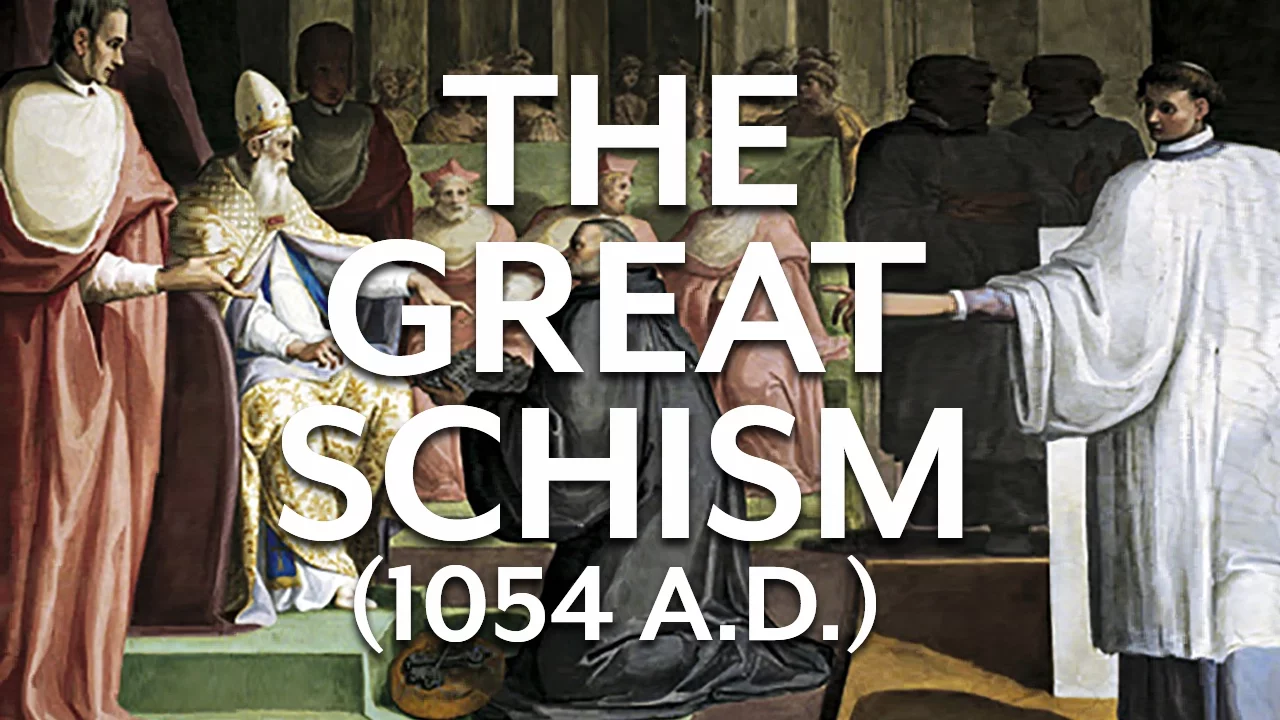
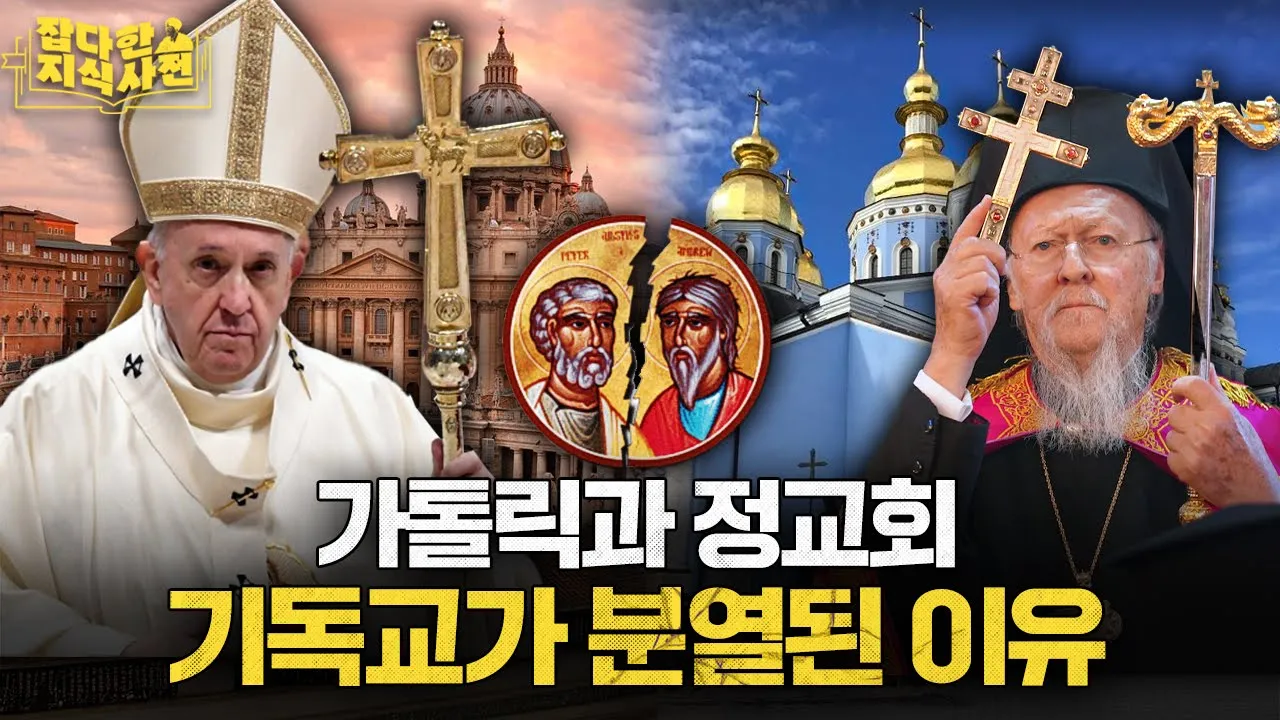
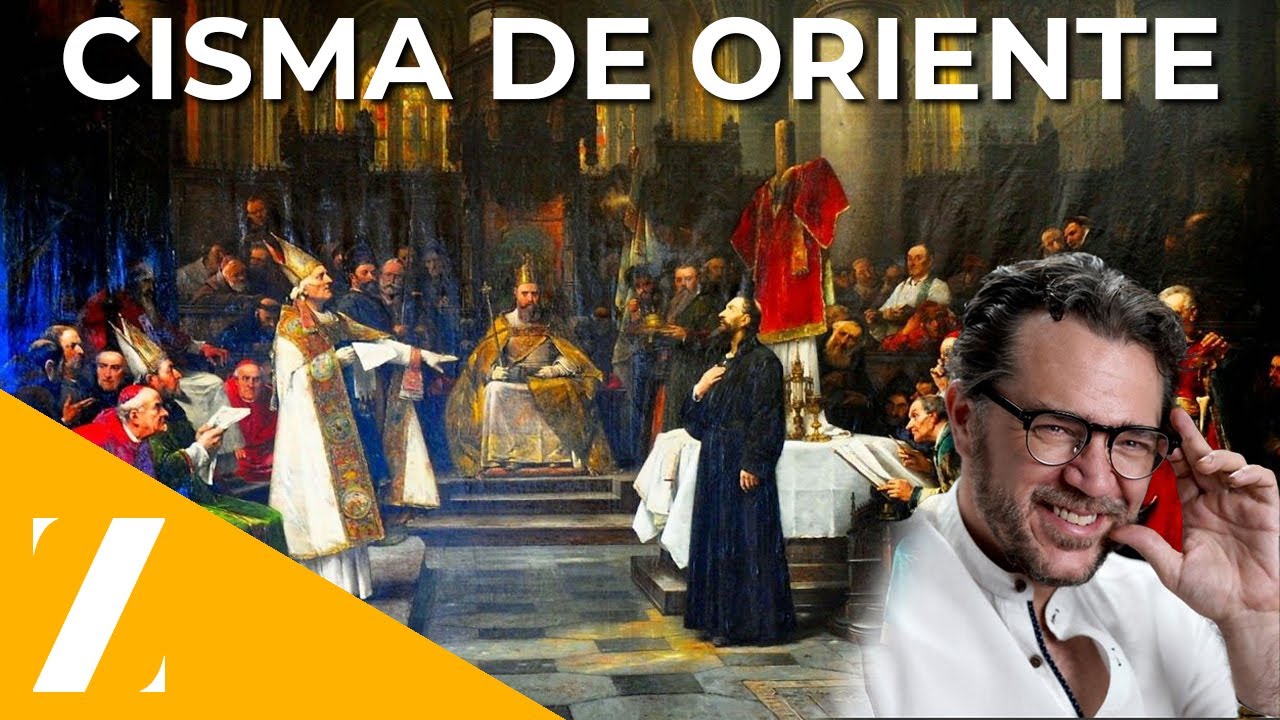
The Great Schism of 1054, detailing the theological, cultural, and political break between the Eastern Orthodox and Roman Catholic Churches.
The rise of the Ottoman Empire and the military-technological advancements, such as early gunpowder, that led to the Fall of Constantinople in 1453.
The preservation of Greco-Roman classical texts by Byzantine scholars and how their migration west helped spark the Italian Renaissance.
The cultural, linguistic, and religious legacy of Byzantium on the Slavic nations, including the Kievan Rus' and the creation of the Cyrillic alphabet.
1.3M views22.8Klikes59:39Original Release: 2019-05-19
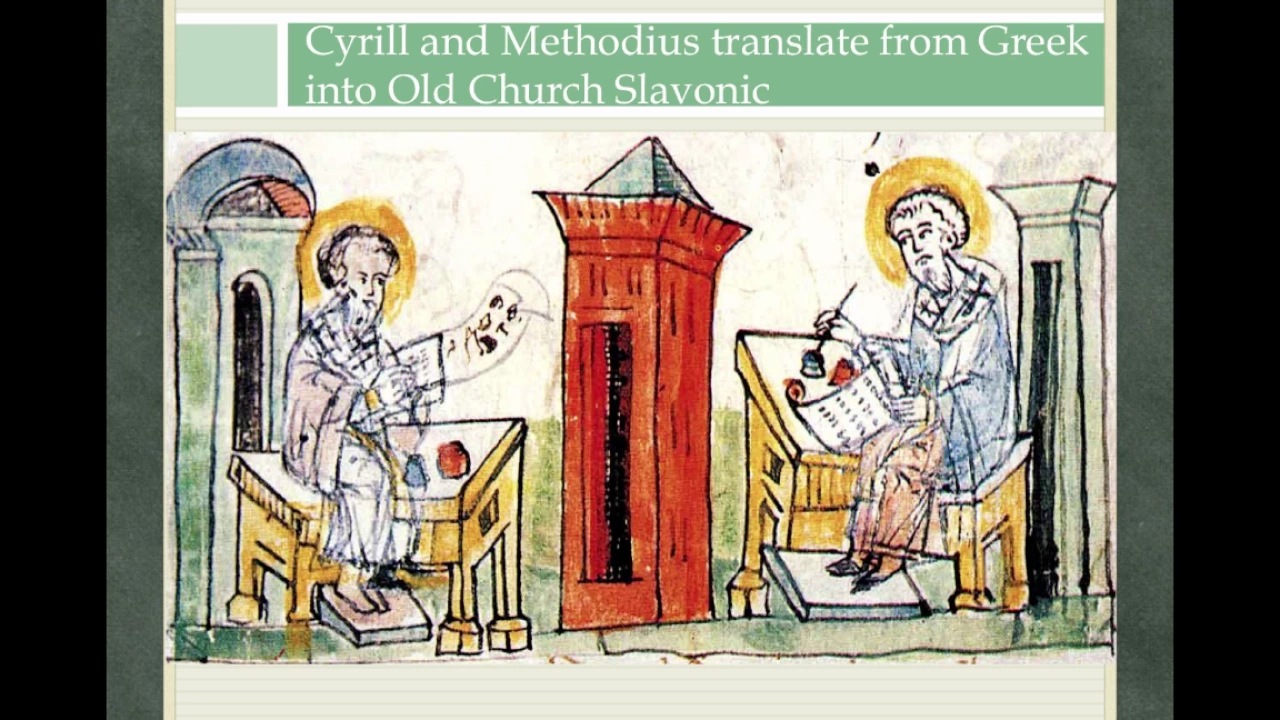
Rome according to legend founded in April of 753 BC this small village would over the course of a thousand years build one of the greatest and longest lived empires in history yet around the beginning of the 3rd century AD a series of events were set in motion that would sicken and eventually kill the Western Empire corruption economic difficulty external and internal warfare invasion and migration disease and frankly carelessness would bring the Empire to its end in 476 ad but only in the West though the Empire began to rust in this time there were men who endeavor to save the Empire such as Diocletian who divided the empire to ease administration and Constantine who moved his capital to the east in his City which was renamed after him Constantinople these emperors in particular were key in preserving the empire not just for a few centuries but for another millennium though the West fell in the 5th century the eastern Roman Empire would live on until the 15th century we call these eastern medieval Greek Romans the Byzantines but they called themselves Rome a Romans and that's how they always saw themselves hello and welcome the fire of learning I'm Justin and in this video we will be exploring the history of the Byzantine Empire the story of an empire between worlds but ultimately its own world an empire of religion tradition and culture an empire on the crossroads of the world which attracted the attention of all from the trade it conducted with India and China to the Vikings and employed as elite Guardsmen to the writing system and religion it would give too much of Eastern Europe an empire of innovation great works of architecture advanced communication and secret weapons of war an empire which faced the wrath of numerous rivals Persians Arabs Slavs holy Romans Vikings Crusaders Ottomans an empire which preserved Roman heritage in the Classical era to the Renee sots before we begin I would like to thank Alan Thornburg for being our most recent patreon supporter as well as the other patrons listed here mentioned in past videos who have donated since our last documentary they join these supporters who make these videos possible thank you all for joining us as we now add the Byzantine Empire or the eastern Roman Empire to the list of nations and peoples whose history we have fully covered in our documentary series as always I plan to cover the history from A to Z so if you enjoy this video and find it informative please consider subscribing to fire up learning here on YouTube if you haven't already Byzantium or Eastern Rome how should we treat this Empire as the continuation of the Roman Empire or as a successor State this is a topic worthy of its own video but to summarize the eastern Roman Empire was not referred to as the Byzantine Empire until the sixteenth century a hundred years after it had already fallen it was a name created by Western Renaissance historians who wanted to separate the medieval Greek Eastern from an empire from the Western Latin Rome of Caesar and Cicero though an anachronism and though I favor the perspective that this was a continuation of Rome not a completely separate successor state I will use both terms interchangeably I myself don't mind the term Byzantine Empire as long as we remember that Byzantine is another way of saying the eastern Roman Empire post 476 ad speaking of that year let's go there now the eastern emperor in the year 476 was Zeno the asourian who had begun his rule two years prior he would carry the east through one of the Empire's darkest hours the men who had delivered the final blow to the Western Roman Empire in 476 was a barbarian general who was serving in the Roman army Oh to wacker Oh to wacker deposed the final puppet Emperor Romulus Augustus instead of claiming the position of Emperor for himself he sent the Imperial regalia to Zeno saying that Rome no longer needed a Western Emperor and that he was willing ostensibly to be a vassal of the Eastern Emperor though not the most surprising turn of events given the situation the West had been in for over a century now Zeno and the Romans of the day were very bothered by this state of affairs but for the time being there was little they could do Zeno was too busy with problems in the east to intervene barbarian Ostrogoths for ravaging the Balkans and he had to deal with contenders for the throne challenging his legitimacy yet despite these events it is important to remember that the dream of Rome was not lost to the people of the day just because of these circumstances the concept of Rome disappearing totally was unthinkable Rome was not an empire it was the Empire destined to rule the world forever many Romans didn't doubt that and just assume that this was a temporary setback one day the lost lands would reunite with the East currently a Roman rump state in modern France that historians call the kingdom of Swann would hold out for a few years and in Dalmatia Ullaeus napus would continue to claim to be the western Emperor until 480 in the city of Rome the Senate still functioned and would until the 7th century Ladin was still commonly spoken barbarian invaders still converted to Christianity and many of the native peoples of the West still saw themselves as full true Romans if Rome did have a real chance though it would have to come from the east in the late for a DZ no decided to kill two birds with one stone recognizing that Italy likely a lost cause at least for the moment he encouraged the Ostrogoths to march on oda walker's kingdom and take it over the Ostrogoths agreed and they were successful Zeno thus eliminated his rival or whacker and got the Ostrogoths out of his territory the next few decades were comparatively stable he died in 491 and the throne went to anastasius the first darkness Theseus was a competent administrator and ruled with less difficulty than many of the successors his reign foreshadowed many of the problems that the Byzantine Empire would be facing throughout its existence the first was war with the east in this case Sassanid Persia the war with Persia from 502 to 506 called the Anastasia war was merely a brief conflict begun over a territorial dispute the significance of this war was that it was the first time in around 60 years that the two empires had gone to war and it would as I said foreshadow conflicts to come secondly the rule of Anastasius endured religious controversy Christianity was by now firmly rooted in the Roman Empire and had been for centuries traditional pagans represented a very small unfavorable minority despite this Christianity was still in many ways figuring itself out because the Christian religion is absolutely central to the history of the Byzantine Empire it is necessary to discuss the controversies that arose the current one in question was the Monophysite controversy from mono fizz's meaning single nature many of these early controversies had to do with Christ place in relation to God the Father but twist of all of this is that Anastasius came to favor the Monophysite view of things despite what the church held to be true the result the Pope in Rome and the emperor in Constantinople disagreed on theology and not for the last time Anastasius died in 518 a.d leaving behind an empire which was in fairly decent shape administratively and financially though a little on the heretical side the throne passed to an elderly man named Houston us came usiness or justin the first born a peasant justin rose to become a prominent military commander and later used his position to come to the throne he rolled until five twenty seven reversing the religious changes of his predecessor and doing his best to avoid war war did come though in 526 once more with Persia in the last year of Justin's life he appointed his nephew Houston Janos Justinian to be his co Emperor and after his death his successor leaving him to deal with this and many other issues in the empire christine ian was up to the challenge he was a profound choice for successor he would be a complicated and controversial ruler but an effective and strong one who got the Empire back to being moving strong and exciting he would earn the title Justinian the great throughout his reign and even become a saint his goal nothing less than bringing the Roman Empire back to the west like his uncle Justinian had been born a peasant in the Balkans not much is known about his early life so he quickly showed signs of intelligence ambition and a high work ethic in 525 a few years before becoming Emperor he met his future Empress Theodora the marriage of Justinian and Theodora is among history's most interesting marriages Theodora caught his eye as in actress and our modern world famous actors and actresses are internationally idolized in the medieval world it was one of the lowest positions in society an actress was also implicitly a prostitute so this was hugely controversial laws were overturned prohibiting this kind of thing just so the marriage could take place on top of all this she was a Monophysite but trust in Ian didn't seem to mind strange as the marriage may be it seems to have been one of genuine love despite her background the reputation Theodore would turn out to be a key player in Byzantine history as well when Justin died in 527 Justinian became sole ruler thanks to the work of his predecessors Justinian inherited an empire that was in good condition and ready for grand and daring plans he started with performing taxation his minister Johnna Cappadocia was one of the most efficient tax collectors in the history of the Empire providing his government with much-needed funds we can tell he was effective because not many people had good things to say about him next was legal reforms Justinian revised Roman law completely in what is remembered as the corpus UD ski wheelies or the Justinian code a body of law which influences us to this day all the while though the war with Persia which had begun under his uncle remembered as the iberian war was still going on for just onions plans to truly get underway the persians had to be dealt with he agreed to pay the persians a tribute to keep them quiet this finally freed up his attention and will allow him to focus on new fronts during this war with Persia Justinian had found the man he needed to lead his forces on these fronts a general named Belisarius Belisarius born 500 AD in modern-day Bulgaria had gained Justinian's favour in the fight against the Persians beating them in battles of his Daraa where he was outnumbered two to one unfortunately Justinian's next battle was not where he was expecting it it came a little too close to home in Constantinople itself and 532 the Nika riots began these riots began following a number of events revolving around chariot races Chariot Racing was the main sport of the Byzantine Empire gladiator fights weren't very popular with Christians so they were gone by now there was a stadium in the city called the Hippodrome which would hold around a hundred thousand people and two main teams the blues and the greens you could compare them to the Mets and Yankees in New York but the key here is that they also acted like political parties in an important sense as well Justinian was forced to execute two chariot racers because they were guilty of violence the crowd demanded mercy but he refused because of this the crowd and Constantinople then united against him in anger during the next game shouting Nika meaning conquer and Greek at him a number of politicians seized a moment and began to support and direct the angry crowds for their own gain and soon it turned into a massive uncontrollable riot which lasted for days and destroyed a huge section of city Justinian prepared to flee knowing that this would mean a new Emperor would rise in his place however he was stopped by his wife Theodora who persuaded him and his men to stay with a moving speech saying she would rather die in the Imperial purple didn't live as a refugee Justinian realized she was right he summoned a Belisarius and his forces already present in the city they managed to trap much of the mob in the Hippodrome and slaughtered 30,000 of them decisively ending the riots with a harsh blow from the rubble of the destroyed sections of the city Justinian intended for a new Constantinople to bloom at its heart a grand new church to replace the old one which had burned in the riots he would construct the aya Sophia the Church of holy wisdom it still stands in the time of Justinian it was the greatest church in the world located in the greatest city in the world now the time was right for action in the West the Western Empire had only been gone for around 60 years it was time to bring it back she began with North Africa sending Belisarius to conquer the vandal Kingdom that had been set up there thus arias was rapidly successful taking North Africa Sicily and Sardinia within a year he rode through the territory not as a conqueror but as a liberator instructing his men to respect the people of the territory they were Romans after all next was Italy Vasari is commended only a small force of 7,500 men in Italy the days of massive Roman armies being fielded were gone by this time but Belisarius was still able to ride through capturing important settlements without much resistance until they reached the city of Naples by 541 Belisarius had retaken Italy from the Ostrogoths using clever tactics to take cities like Naples Rome and even the well-defended city of Ravenna but then he was recalled Persia had returned and was attempting to use Rome's distraction in the West to attack them but thus arias was entrusted to counter this threat war raged between the eternal enemies of Persia and Rome but the fighting grinded to a halt when a new invader entered the scene the Justinian plague the first recorded incidence of plague in fact this play came from the east and devastated both Byzantium and Persia the Roman Empire and Persia for that matter was very much urbanized compared to the peoples of Western Europe and with hundreds of thousands of people living in close proximity in places like Alexandria and Constantinople the plague spread rapidly even reaching Justinian himself it would kill as much as a quarter of the world's population in total so many bodies piled up in places like Constantinople where half the population died that people didn't even know how to get rid of them anymore the emperor was among the lucky however and after a long fight with it he recovered still when he did he had to deal with the fact that his industrious empire had been drained of its power the play came when Justinian needed the empire at its peak that gave the Ostrogoths in Italy the opportunity to reclaim the peninsula and it would take Belisarius and the other commanders of Justinian years to put them down again though eventually they did and 5:48 Theodora died of cancer and Justinian was so overcome with grief that he refused to remarry despite not having any heirs he continued his reign for 17 more years until 565 dying shortly after his general Alice arias in that time despite these setbacks he worked tirelessly toward his goals and by the year of his death the Roman Empire looked a little bit like its old self again it was an image of glory the empire had reached its greatest extent since the fall of the West but this image was deceiving deep down the empire had worn itself Italy had caused more than it was even worth to maintain the empire had been crippled by plague his finances had been spent and armies exhausted it was in no shape to continue further who knows how history might have changed if one thing like the plague hadn't hindered him perhaps the greatest misfortune Fordyce inian who was one of Rome's greatest emperors and Belisarius one of its greatest commanders was that they were born a century too late the Empire's weakness had become more evident under his nephew and successor the mentally ill Emperor Justin ii historians frequently note the difference between the two and some called Justinian the last Roman Emperor he was the last emperor to speak fluent Latin Greek language and culture became more prominent after his rule he was the last emperor with any realistic hopes of reuniting with the West of course we only know that from hindsight remember that the hope and intention was still present and after him the Empire's slowly began to join the rest of Europe in the Dark Ages though Justinian was a competent and able ruler his misfortunes were too great and his dreams were never fully realized as he died he left an M fire that seemed much less able to handle the new threats that were not far away the Romans were unable to fully retain control over the Italian peninsula not long after Justinian's death in 568 a dramatic tribe called the Lombards seize the moment and invaded Italy the Byzantines were only able to defend certain areas around Rome Ravenna and the south the peninsula retained this patchwork of borders shown here for over two centuries but at least Byzantium had held not long after in 582 other non-dramatic barbarian groups broke through the Balkans they managed to capture the city of sirmium in modern-day Serbia these groups we know as the avars and the Slavs the avars were a group of nomadic horse warrior people from the Eurasian steppes not too dissimilar from the Huns prior to this point they had been busy growing in power by asserting dominance over the territory north of the Danube the Slavs were a group of people who began migrating west and south during this time from around modern-day Russia you've likely heard of his group as they survived to the modern day and are the founders of nations like Russia Poland and multiple Balkan nations like Serbia and Croatia which have their origins in this place in time when sirmium was captured the door was open for the whole of the Balkans to be ravaged by these groups however 582 was the same year that the Emperor of mabye Chios known in english as maurice took a throne and he would have something to say to the new invaders maurice would spend most of his 20 year reign in the balkans fighting these invaders often trying to stabilize the region once again the cost of this focus was parts of the West the Roman presence there was too weak allowing the Visigoths to take over parts of Spain and the lombards more of Italy Byzantium grip on Western Europe would always be tenuous for as long as it lasted fortunately at least Maurice was able to count on stability in the East when the Persian Emperor Costra ii was deposed maurice and the romans intervened in a persian civil war and help restore Khosrow to the throne because of this assistance khosrau agreed to in eternal peace as thanks and the fighting stopped for the rest of maurices reign entire Roman cities were destroyed by the combined efforts of the loosely allied of ours and Slavs and the Balkans but Maurice was bringing stability to the situation Maurice was the successor licinia needed he possibly even planned to revive the western empire leaving the Roman Empire divided between his two sons he never got the chance however in 602 while visiting Constantinople Maurice was overthrown by a joint civilian and military effort and he and his family were killed a usurper Foucault's then took the throne though the military and population imposed Maurice in hindsight we can see that he was holding the situation together more than the Romans realized many of the troops stationed in the Balkans had left with vel'koz relieving the pressure on the Slavs and bars up north furthermore the Persian Emperor khosrau was able to use the fact that his old friend Maurice had been overthrown to justify an invasion of the Roman Empire for his personal ambitions whatever progress was being made was now largely being lost in the 650 or so years that Roman Persia had shared a border the war that had just been started the Byzantine sasanian war of 602 to 628 which I personally think should be called the Erechtheion war he is among the most notable of all their conflicts on the verge of being victorious in the Balkans the new emperor focus had to draw troops from there to fight against Persia allowing the Avars and Slavs time to recover focus fought a losing battle against the Persians as they slowly gained territory in 610 Focus 2 was overthrown by a powerful conspirator from North Africa named Iraq leus the first decade of Pericles his reign was also marked by critical defeats as the Persians took cities like Caesarea Jerusalem Antioch and even Alexandria depriving the Romans of very important pieces of their empire a threat of losing the whole east of the empire was not real exploiting this weakness the avars and Slavs now feeling quite recovered pounced on the Balkans yet again the chaos in this time was so great that historians actually lack a lot of details about this time period things were just too tumultuous to be writing things down the war was no longer even just about maintaining the eastern provinces now it was about surviving in 626 the Empire came close to death Constantinople itself was besieged in a combined Persian Avar and Slav effort though the enemies of Rome had United in this effort before them stood a Herculean task breaching the best defensive city in the world in its nearly 1200 years under Roman rule Constantinople only fell two times this was not one of those times the Romans defeated the invaders and then pushed back her acquiesced daringly then began to attack the Persians in their own land causing chaos among their ranks in 627 they met at the Battle of Nineveh some tales state that her ackley is actually met a few Persian commanders including the general here in single combats and one each time during this battle whether or not that's true is unclear but either way what is clear is that Nineveh came as a key victory for the Romans the Persian Emperor khosrau was overthrown in a panic and purged of accepted peace in 628 the two sides agreed to restore the pre-war borders and agreements there was still much to sort out and the Balkans were by no means safe but the Empire had been saved perhaps now her acquiesced and the Romans could breathe a sigh of relief or perhaps not as all of us have been going on the rest of the world had been busy - not far away in the city of Mecca a new religion had been founded the religion of Islam this new religion was about to spread rapidly as the Warriors of Islam forge an empire that would stretch from Spain the borders of India within a century the first target of the Islamic conquests both Persia and the Romans one thing I want to clarify is that the Persians and Arabs are separate people Arabs are a separate ethnic group sort of like slobs in Europe this is true then and today modern Persia aka Iran is not an Arabic nation cuz I wanted to clarify that because it is not clarified often enough and they wanted to avoid confusion now then the Arabs had been united under Islam the successors of the Prophet Muhammad were ready to pounce on the world starting with Rome and Persia the state they had formed is known as the rash ADUN caliphate I mentioned that the Korean War was one of the most important wars fought between Rome and Persia but the result of this war was to simply return for the most part to pre-war conditions the war was profound because it helps pave the way for this new era in history the Islamic conquest because it had weakened the two empires so significantly the Muslims began their conquests at an ideal time both Persia and Rome were trying to recuperate and many of their soldiers were a little on the dead side the Emperor Heraclius now an old anxious man was not expecting a new offensive in 634 forces under the first caliph Abu Bakr Invisibles Rome and Persia this came as a huge surprise both empires had been in contact with the Arab people as for centuries but up to this point the only threat they posed was small tribal raids frankly they were mere nuisances in August of that year they captured the city of Damascus and began to pressure many important cities of both empires clearly this was a little bit of a bigger issue overwhelmed the Romans and Persians realized the enemy of their enemy was their friend and worked together to try to stop the invader but would it be enough in August of 636 the Romans and Arabs met at the Battle of Yarmouk the Arabs had around 17,000 men under the command of Khalid ib'n Alwaleed and the Byzantines had perhaps twice as number or more under Theodor tree theories despite being outnumbered Khalid ib'n Alwaleed skillfully managed to outmatch the Romans and won decisively this catastrophic defeat opened the door for the Arabs to move into the rest of the Levant the following year in 637 Jerusalem Gaza Antioch and also the Persian capital of tes upon all fell to the Muslim armies Arab foreign policy was quite simple war to all non-muslims however domestic policy was actually comparatively quite amiable the early Muslim caliphates in many situations tolerated other monotheistic groups such as Christians specifically non Orthodox Christians here like monophysites as well as Jews and even Persians over s-trans much more than the Byzantines had combined with the fact that the Arabs offered lower taxes and certain groups list loyal to the Orthodox from an empire weren't exactly sad to be under a new landlord in 639 the conquest of North Africa began Egypt too was swiftly fall from the hands of the exhausted Romans by 643 Alexandria had been taken and the whole of Roman Egypt was under Arab rule and there were no signs that they were prepared to stop there in fact that same year the Arabs had come to dominate much of the Persian Empire they were moving fast the loss of Egypt was economically politically and strategically crippling it had been a Roman breadbasket for centuries and now it's laws cut off the food supply to the Empire without this food supply Constantinople elation would drop to fifty thousand or one tenth of its former size furthermore the cultural and political significance of places like Alexandria made a JYP's loss even more of a crushing blow with Egypt gone it was unclear how exactly the Byzantines could mount a reconquest of the East and the door was now open to the rest of North Africa in the face of this chaos the Byzantines were forced to reorganize they would develop a new system a thematic system the thematic system reorganized the provinces and combined military and administrative positions if you recall from the fall of Rome Documentary Diocletian actually had separated military and political administration furthermore in this system land was to be loaned to so in places like Anatolia and later the Balkans this reduced the amount of money needed for the military as soldiers could be paid with lands and filled the provinces with soldiers were ready to be called up it also set up farming communities which helped ease the loss of Egypt Heraclitus had died a few years prior in 641 his first son died of tuberculosis and his second son was overthrown leaving konstanz a second his grandson on the throne though the Eastern Roman says was to act as regent until around 646 as he was only a boy at the time the eastern roman senate was still alive and kicking it's not entirely clear how much power exactly it maintained in this time although it was of course nothing like the days of be Republic in 643 the Arabs expanded into the rest of North Africa in 645 however Arab forces were recalled as the Caliphate was distracted by the khazar khaganate this encouraged the Romans to try to retake the all-important Alexandria but they failed by 647 the Arabs had expanded all the way across the Byzantine Holdings in North Africa taking the area of what was once Carthage in 651 the Arabs completely toppled Assassin and persians once and for all was the same fate now awaiting the Romans from their new base in Egypt the Arabs were able to construct a fleet to challenge the Byzantine Navy which opened up much of the rest of the empire to potential conquest perhaps even Constantinople itself this Navy was used to capture tsipras and Crete in 653 and roads in 654 disturbed by these events Emperor Constance ii now a young man met the arabs at the naval battle of the masts in 655 the romans lost massively perhaps 500 roman ships were destroyed here Constanza ii was barely able to escape and only did so because apparently he approached his sailor and told him you know what you would look great in purple konstanz then dressed up like a sailor and the arabs killed the unfortunate man dressed up like an emperor the Byzantine Empire was in very bad condition the Slavs had heavily invaded and migrated into much Balkans during his time as well going as far south as modern Greece reducing Byzantine territory to half of Anatolia along the Taurus Mountains some coastal territories of the Balkans and some Mediterranean and Italian lands following the Battle of the masts however the skilled Arab commander mu'awiya led led these invasions had to turn back to deal with a civil war which had erupted among the Arabs this Arab civil war relieved the pressure on the Romans and provided them with the opportunity to retake parts of North Africa and the Balkans it would be the downfall of the rash of Dune caliphate but the new dynasty which rose in its place in 661 began the Umayyad Caliphate which would rule for nearly a century and build one of the largest empires in history by resuming with a rash adoun caliphate had begun war upon Rome konstanz ii is not remembered well he had ordered a cessation of theological debate in his empire in order to try to create religious unity in a time when Christianity was threatened by Islam he even went so far as to exiled Pope Martin at first to Crimea for defending the necessity of theological debate he tried to escape those who began to hate him by moving to Syracuse but in 668 he was assassinated his son constantinos the fourth in English Constantine the fourth was then made Emperor being a Byzantine Emperor was becoming a dangerous job as time went on it would be clear that the Romans have learned little from their history as struggles to sit on the throne toward the Empire apart at a time when unity was crucial not long after this the Muslims went for the heart of the Roman Empire itself in 674 they besieged Constantinople Rome was on its last legs but Constantine a fourth was determined to defend the great city he relied on a new weapon known to them as Roman sea fire but to us as Greek fire Greek fire was a kind of medieval flamethrower that was mounted in this battle on ships it burned the Arab fleets and was likely responsible for driving them off and saving a city Roman saved itself for the second time in a century but it would not bounce back as it once had the loss of many of the eastern territories of the Empire apart from North Africa which was briefly held again after the siege were permanent these lands were changing religiously culturally politically ethnically and socially laying the foundation for some of the modern nations of the Middle East to evolve even when a piece what the Caliphate was concluded constantina forth was not able to kick back and relax Byzantine hold over the Balkans continued to slip as various Slavic groups continued migrating into the region because the Slavs settled in and controlled the countryside many of the great cities of the Balkans had shrunk further even if they weren't directly attacked it was to the Balkans that the Emperor now turned his attention to retake what the Slavs had taken during a time of weakness but now a new contender rode in from the northeast a nomadic people known as the bull gars the bull gars had been known to the Byzantine Empire for some time and even served as occasional allies when they were centred in this region here now after the death of the great bull gar King ku brought caused our invasion forced the sons of kubrick off from their homeland they divided the tribes and went off in various directions one of which was toward the Balkans under a leader named oz / ik hospira crossed the Danube and began to establish control over the region around northern frase and Malaysia which had been heavily settled by Slavs but was still nominally under Byzantine rule Constantine the 4th march to push them out but his army fumbled at the Battle of on Gaul and they were defeated by a Bulgarian forest half their size this was a critical loss it forced the Byzantines to recognize the establishment of the bulgarian kingdom and thus the first bulgarian empire began this was unique though many lands in the balkans had been lost the romans rarely acknowledged the claims of the invaders constantine DeForest died in 685 only 33 years old from the Z's he left behind an empire was still a shadow of its former self but the his and his recent predecessors credit even though it was not an empire that won every fight it still could put up a fight he was succeeded by his 16 year old son Justinian the second Justinian the second continued the work of his father trying to push back the Arabs and reclaim the Balkans he was initially successful against the Arabs as military strikes into Armenia led to the two empires agreeing to divide it they also agreed to a joint ownership of Cyprus he then defeated the Slavs and bull gars and the Balkans in multiple areas however when he attacked the Arabs again he would not be so successful Justinian was reliant upon a large force of Slovak troops in his war but at the Battle of Sebastopol s in 692 found that many of them decided to defect outraged Justinian was forced to retreat some sources say that as he returned through Anatolia he slaughtered the Slavic men women and children that had been allowed to settle there as revenge although this story probably isn't true still he was certainly not a happy camper not long after this Armenia was lost and soon North Africa which had changed hands a few times by now was permanently lost to the Muslims over the next few years Justinian the second would also fail on the home front he would enact unpopular religious policies and even unsuccessfully tried to arrest the Pope he raised taxes and came into conflict with the aristocracy over land rights in 695 his subjects had had enough they rebelled he was deposed and earned his nickname arenak Methos roughly the noseless a common punishment for crime in the east at this time was to cut someone's nose off the idea was that was a merciful alternative to killing someone and in this sense it prevents a Justin in a second from retaking a throne because of a very ancient Roman belief that an emperor should not be physically disabled or so they thought Justinian ii would spend the next decade wearing a false golden nose seeking assistance to retake thrown by 7:05 he had made a deal with the Bulgarians who provided him with a number of troops he then snuck into Constantinople began a coup d'etat and reassumed power using the leaders who had overthrown him as footstools at a celebratory chariot race before beheading them the impression one gets of Justinian a second and his second reign is basically red skull wandering around the Imperial Palace and purple robes ruling insanely and tyrannically but like Commodus and Caligula he probably was not as bad as he was recorded sometimes these Bab Roman emperors just got on the wrong side of the people who write history but it is clear Justinian a second was indeed ruthless after his research into power he resumed war against the Arabs and betrayed the Bulgarians resuming war against them as well in 711 however he was to post again this time permanently he was beheaded and that made it difficult for him to reclaim power the Empire would then spend the next decade attempting to recover from this political strife the next six years were presented over by three emperors who each ruled for two years the first two were overthrown in the third Theodosius the third chose to resign before he could be overthrown this period dated from the first deposition of justice in a second in 695 the Theodosius the third resigning in 717 is often called the 20 years anarchy because of its volatility and because he knew it lasted for around 20 years it is a miracle that the Byzantine Empire was able to survive not only being surrounded on both sides by enemies one of which was the most militarily powerful and expensive of the day but to have done so while undergoing leadership crises and domestic turmoil in 717 Theodosius the third resigned the throne to Leo the third just in time to face the Arabs in 717 the Umayyad Caliphate besieged Constantinople for the second time this was the third time in the past hundred years that the capital came under direct attack in arab forests under muslimah urban Abid al-malik besieged constantinople in the summer of 717 on both land and on sea numbers are unclear but the arabs appear to have had tens of thousands maybe over a hundred thousand men and as much as a couple thousand ships the Byzantines had only around 12,000 men but recall of course some of the best offenses in the world right away the Arabs once more had to contend with Greek fire which broke the morale of their sailors but did not prevent them from forming a blockade around the city the battle seemed uncertain this was an overwhelming force if Constantinople broke the Empire was done and the Arabs could then spill across Dark Age Europe in the fall however in the distance a new player was seen riding in 15,000 strong under King Turville son of aspera it was the Bulgarians recently allied to Rome the Bulgarians attacked the Arabs from behind and pinned them between them in the city the Arabs were forced to endure this situation over the winter in a colder climate to which they were not accustomed in the spring though Arab reinforcements arrived some of the reinforcements sent however were Christians and they chose to defect to the Byzantine side it borders on amazing how wrong the seat was going for the Arabs by late summer 718 the Arabs could not continue to siege and that was lifted it was a truly historic battle frankly the Arabs should have won this siege along with the Battle of tour with Charles Martel and modern France in 732 were major setbacks that repelled the Muslim forces from invading mainland Europe with the exception of Spain and Portugal until later Ottomans despite this success it was not exactly the beginning of a Byzantine Golden Age the Empire would still suffer and the number of Romans including clear the third wanted to know why the question was had they offended God in some way had he sent Rome's enemies to punish them for impiety the fear of such a thing ran high people wondered what sin could have been committed and some Christian scholars began to question the use of icons religious images or monuments and the like the fear it was that people had subconsciously begun to worship these icons and not God himself this goes back to an interpretation of the Old Testament second commandment thou shalt not make unto thee any graven image a cultural movement began in the seven 30s to attempt to change this leading to the first iconoclastic controversy many religious images were destroyed across the empire accordingly the movement became popular in the east but not in the West icons were seen as perfectly acceptable in the West and spoiler alert iconoclasm never quite latched on in catholicism although different groups of Christians today do have different feelings about it but for the time being it was a major debate in Byzantium Western opposition to iconoclasm is important because of course both Rome and the Pope were still a part of the Byzantine Empire in this time period and found themselves disagreeing with the Eastern Church yet again however the Western Church in this time and for the past century too had been trying to distance itself from Constantinople edging towards independence the divide was exacerbated under Leo the third son Constantine of fist who came to power in 741 and ruled to 775 he did two things in his early rule the first he stepped up his father's dislike of icons and began to actually persecute icon O'Doul's supporters of the use of icons secondly he lost interests in Italy Byzantine power and Italy had been waning since the death of Justinian now because of his lack of concern in the seven 40s their longtime Italian rivals the lombards began to seize more territory in 751 they even captured the city of Ravenna the power base for Byzantine rule in Italy much of Italy except for the south and Sardinia was now open to Lombard expansion with Byzantine power in Italy and relations with the Pope both deteriorating and with a long bar is about to be on the doorstep of the city of Rome itself the Pope turned to a potentially more reliable and amiable Ally the Franks the Franks at this time under Pepin the short were the most powerful forests in Western Europe they were also not running around breaking statues like the Byzantines were they were good Catholics the Franks are essentially the ancestors of modern France and their territory as you can see encompass much of modern France but in time they would grow to much more Pepin the short son would even lay the foundation for much of Western Europe and go on to challenge the Byzantine Empire directly in Byzantium Zab since the Franks invaded Italy and laid a foundation for the papal States to form independent of Eastern draw the Franks kid the church land that would become the papal States Pepin's donation is often called the donation of Pepin though having lost in Italy Konstantinov its reign was successful in other theatres the Umayyad Caliphate had been replaced in revolution by the Abbasid providing Constantine and v with an opportunity to attack the distracted Muslims in his seven 40s and 50s following this he began a series of campaigns against the Bulgarians neither of these campaigns managed to bring the Byzantines much territorially but the fact that they were able to go on the offensive is a sign that the Empire had recuperated to a good degree Constantine a fifth died in 775 in the throne passed to his son Leo de Forest Leo fell ill to tuberculosis however within five years of his reign and the throne passes to his infant son Constantine sixth Leo's wife irene of athens who was to serve as regent as the young emperor grew up but was soon display ambitions of her own after around 50 years of iconoclasm irene revealed herself to be an icon o'doole and thus she reversed the strict policies of her predecessors this Regency continued for ten years in 790 Constantine a sixth was ready to rule his mother however was not ready for him to rule after seven years of regular disputes she had her son blinded he later died from the wounds leaving irene to rule as sole empress this was the first time in all of Roman history all the way back to Agassi this that there had been a Roman Empress or vassilissa in Greek on the throne not the first time that there had been a woman basically in charge Theodora had held some power in Justinian's time especially when he was sick with plague and recall from the fall of Rome Documentary Severus Alexander and his mother but this was the first time a woman was the recognized head of state this was a problem in the Roman Byzantine view some women could if necessary handle matters of state but religious affairs were different keep in mind the emperor of Rome was always a semi religious figure in the West this undermined Irene's legitimacy and the Pope essentially viewed the office of emperor of Rome as vacant therefore Pope Leo took it upon himself to find a man to fill the spot coincidentally this man was a man who would benefit people interests on December 25th 800 AD Pope Leo crowned the great Frankish king Charlemagne the ephra mentions son of Pepin who had been conquering territories from Spain to Austria emperor of Rome or Holy Roman Emperor this did not go over well in Constantinople having a woman as Empress of Rome was controversial but having a Germanic barbarian who was in cahoots with the Pope take a title that wasn't his was even worse a popular saying about the Holy Roman Empire which was basically being founded here with Charlemagne's crowning is that it was not holy nor Roman nor an empire this holds true as time goes on especially in the Renaissance and early modern era but at the time and for much of the time that this documentary will cover many westerners really viewed this as a revival of Western Rome or as the centuries went on as a kind of attempt these are topics of much more thoroughly discussed in other videos but for now the important thing is that the intention at least is for the Holy Roman Empire to be Western Rome reborn with this claim came some claims to the east in 802 Irene was given a tempting offer it just so happened that she and Charlemagne were both unmarried and Charlemagne proposed marriage to her this could have changed everything if Charlemagne's western empire were reunited with the east it could have led to a revival of the old Roman Empire it did not happen however Irene was overthrown before such a deal could take place and died a year later she had been overthrown by Nikifor os-- the first who reigned from 802 to 8:11 Nikifor o--'s came to inherit all the problems Irene was dealing with most notably tense relations with the Arabs under Harun al-rashid the Bulgarians under khan krum and the west of course largely under Charlemagne war came with all three the war is with the Franks and the abbasids were brief and resulted in tribute to the Arabs and they settlement with the Franks Bulgaria however would be a larger challenge the Bulgarians were growing in power they had recently defeated the last of the avars and her empire doubled in size from the Byzantine view of things they had to be dealt with nikka for us was very much interested in restoring Byzantine rule to the Balkans he would even resettle Greeks from Anatolia in Greece the try to revive Greek culture in the area and to snuff out the Slavs part of this focus was a preventative measure fearing perhaps that the ever expanse of Charlemagne could move into the region in 811 nikka forests invaded Bulgaria she was initially quite successful even taking the Bulgarian capital but later that year he was ambushed at the Battle of Pliska his army was badly defeated and he was captured nikka Feroze was sent to the bulgarian khan krum where he was beheaded and his skull was turned into a drinking cup this is the only time in history that a Roman Emperor skull was turned into a silver-coated drinking cup but I'm sure it was listed in the fine print as a possible occupational hazard Nikifor is's successors were usurped by alia v and 8:13 it wasn't this year that constantinople was besieged once again this time by the barbarians it was only a minor siege however and Crum abandon to quickly the Romans and Bulgarians then agreed to peace Leo v an iconoclast soon restored iconoclasm to the empire thus beginning the second iconic last period his reign was largely peaceful however in a twenty he was deposed and killed Nick coup d'etat involving a guerrilla essentially what happened was that Leo ordered the execution of a prominent commander named Mikhail or Michael in English probably for a slander that was seen as treason the method of execution was for Michael to be tied to a guerrilla and sent into the fire room which was underneath the palace path where he would either die from being mauled or from heat stroke I don't know why they didn't just you know hang him but I suppose the Romans always have to go above and beyond his execution however was postponed until after Christmas Michael supporters used this as an opportunity to assassinate to leo v during Mass at the aya sofya and then proclaimed Michael Emperor the sources are silent on the fate of the guerrilla and his possible involvement in the coup michael ii as he's known began ruled on christmas day 820 ad his reign was immediately challenged however by another prominent military commander Thomas the Slav a brief civil war erupted Michael 1 and 823 but it had been costly the Byzantine Navy especially has suffered it destroyed itself with the use of Greek fire this would prove tragic when the Arabs decided to invade the Empire again the year after in a 24 by this time the mighty Abbasid Caliphate had weakened but its forces as well as the forces of the other various Muslim states that had formed were still a threat to Europe with the Byzantine fleet down its island holdings in particular were vulnerable in 824 the Muslims took the island of Crete once again in 827 Sicily was invaded the fighting would reach a stalemate on Sicily however and the Arabs and Eastern Romans would dispute it for years to come well over a century in fact but it was clear Byzantine hold there was weakening Michael died in 829 and was successfully succeeded by his son Theo filos Sanofi Louis ruled from a 29 to 842 in that time war with the Arabs continued and even spilled into Anatolia realizing the necessity for instant notification of Arab attack theofilos working with these scholar Leo the mathematician design is something straight out of a Tolkien work signifiers a series of towers stretching across Anatolia over 400 miles when one fire was lit the next tower a good deal away with inlet afire as well and so on and so forth until Constantinople wasn't formed the fire would signal an Arab attack and could reach the Emperor from the frontier over 400 miles away within an hour the fastest communication in the ancient world Sardinia was also lost in teófilo says rain and a number of independent kingdoms emerged on the island but for the most part his rule was not too troubled he died a disease in his 30s and was succeeded by his infant son Michael the third with his mother Theodora ruling his regions until around 855 I kind of class him once more ended with a woman Theodora Nikon o'doole overturned at the year after her husband's death finally bringing an end to the controversy an event which was celebrated across the empire and led to her sainthood when her son Michael the third was finally ready to come to the throne he unfortunately began to show signs of dissent rest's toward his duties he is remembered as Omega Zeus the drunk there was trouble on all fronts of the Empire the Bulgarians and Arabs remained ever-present threats and war was waged against him Michael seems to have shaped up and taken a little responsibility however and his reign was thanks to his generals militarily fairly efficient in 860 while fighting the Arabs constantinople faced another attack however it's referred to historically as a siege but seems to have been more of a raid of the area surrounding the city the raid or siege was carried out by a people called the ruse one could call the ruse the predecessors of Russia as certainly the area where they came from however it is important to keep in mind that the leaders of this raid were not Slavs they were Norseman Vikings while the world of the Vikings and the world the Romans may seem to be opposite dimensions the two cultures did interact the Romans would remember these Vikings barber Indians as they are called in the East and as we shall see there is more the story between these two groups speaking of Slavs it was also under Michael a third that the Byzantines decided that the spread of Christianity their perspective on Christianity specifically into the Balkans would be greatly beneficial to them I see their perspective as they divide between Christianity in the east and west was becoming more and more apparent the two churches were in regular disagreement a number of missionaries were sent to preach to the many groups living in the Balkans some of the most famous were Cyril and Methodius who began their work in 862 Cyril devised an entirely new alphabet for them based largely on Greek letters Cyrillic still used in languages today like Russian Serbian and Bulgarian their efforts were largely successful and had an effect on tying the Slavs to the Christian East religiously up through the modern day Michael the third being a character himself seems to have surrounded himself with a number of other colorful people one such person was a wrestler from Macedonia named basil despite his humble origins basil rose to prominence in Michael's court Michael came to rely on his great friend basil sharing power with him even as he came to trust him more but this was a mistake in 867 after having fallen asleep drunk basil killed the Emperor he would then claim the position for himself the dynasty he would found though established on bloodshed although let's be honest how many dynasties weren't the Macedonian dynasty would guide the Byzantine Empire for nearly 200 years as he and his descendants would drag it out of the Dark Age which it had been enduring now since the death of her alius this line would give Byzantium perhaps its second most well known emperor basil the second the Empire would regain some of its former glory not only reclaiming many lost territories in the Balkans Near East and Italy but maintaining the borders of those territories with integrity the first time in centuries but would this be enough to save the Empire in the next video we will start off in this Golden Age but then as we continue we will watch as Byzantium is faced with numerous other challenges religious controversy and outright schism war dynastic struggles Crusades and finally Turks part two will be coming soon it will be titled the fall of Byzantium so stay tuned for that I hope you enjoyed this video if so I invite you to come check out the rest of fire of learning and subscribe to keep up with more like it in the future to help with the cost of production fire of learning does take donations on patreon the link to which you can find in the description you can support the channel with as little as a one dollar contribution however it's simply subscribing to our YouTube channel for free is also a large help a special thanks again to our patreon supporters us two here we were also on Instagram Facebook and Twitter so come check us out there too of kadhi Stowe for watching
Up Next
32:21
The First Iconoclast Controversy Explained: 726-787 CE
@ThersitestheHistorian
44.8K views•2017-10-18

33:02
The Great Schism of 1054: Causes and Consequences
@SacredCathedrals
113.5K views•2026-02-19
91:57
The Geopolitics of the Ukraine War and the Rise of Global Autocracy
@JordanHarbingerShow
468K views•2025-04-19
17:05
Understanding the Cold War: Superpower Conflicts and the Road to Détente
@OverSimplified
46.1M views•2019-01-24
Related Study Plans & Knowledge Roadmaps
Structured learning paths in History
history
Byzantine Iconoclasm: Theology, Art & Politics
01Foundations of Byzantium and Early Christian Images
02The First Iconoclasm: Leo III and the Crisis of Images
03Empress Irene, Nicaea II, and the Second Iconoclasm
+ 2 more learning modules
9h5 modules
Explore Roadmap
history
Iranian Revolution (Causes, Events & Legacy)
01The Pahlavi Dynasty and the Roots of Discontent
02The Spark of Rebellion and the Rise of Khomeini
031979: The Fall of the Shah and the Climax of the Revolution
+ 2 more learning modules
8h5 modules
Explore Roadmap
history
Mali Empire: Mansa Musa, Trade & Timbuktu
01Foundations of the Mali Empire
02The Trans-Saharan Gold and Salt Trade
03The Reign and Pilgrimage of Mansa Musa
+ 1 more learning modules
6h4 modules
Explore Roadmap
history
1947 Partition: Politics, Borders & Legacies
01Foundations of British India and the Divide
02The Political Negotiations and the Mountbatten Plan
03Drawing the Boundary: The Radcliffe Line
+ 2 more learning modules
8h5 modules
Explore Roadmap