


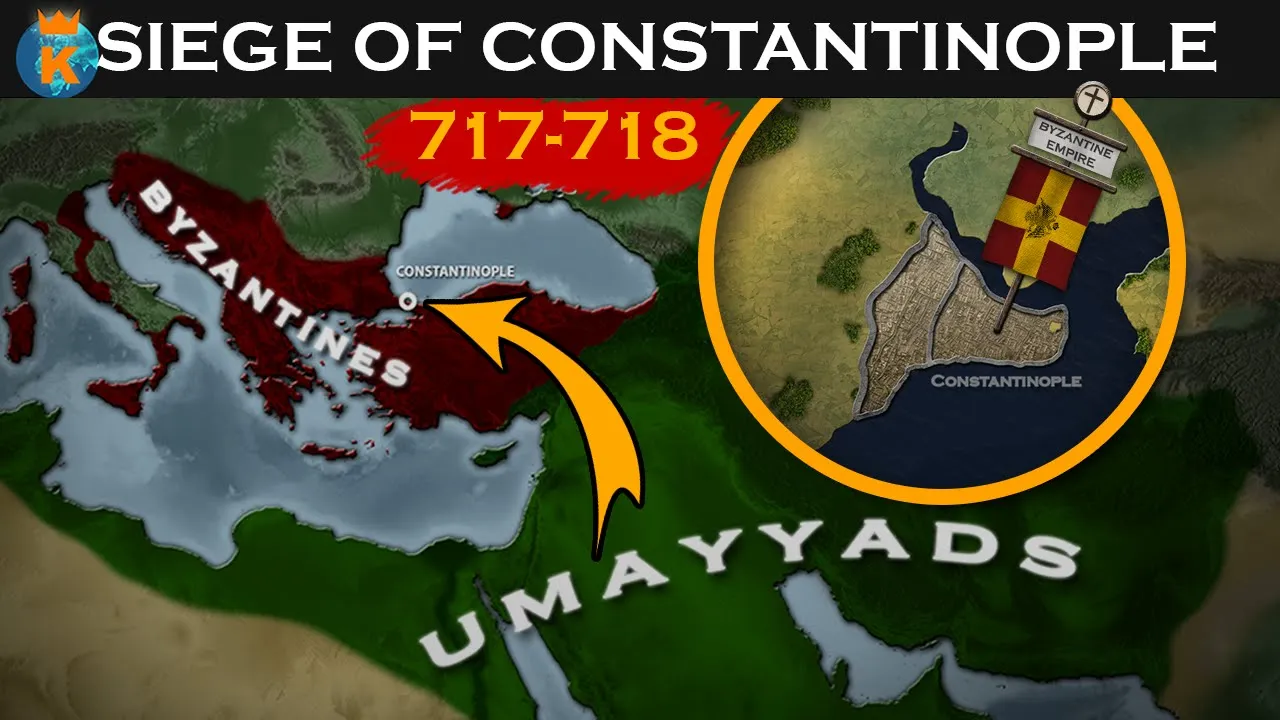


![1240- Costantinopoli 717 d.C. quando i romani salvarono l'Europa dagli arabi [Pillole di Storia]](https://i.ytimg.com/vi_webp/hP_vYbd-FPg/maxresdefault.webp)





![L'incoronazione di Carlo Magno, 25 Dicembre 800 d.C. - di Alessandro Barbero [2006]](https://i.ytimg.com/vi/2sbZ1ltuNak/sddefault.jpg)

![Carlo Magno (742 d.C.-814 d.C.) - di Alessandro Barbero [2016]](https://i.ytimg.com/vi/bGBWTQhIvvU/hqdefault.jpg)



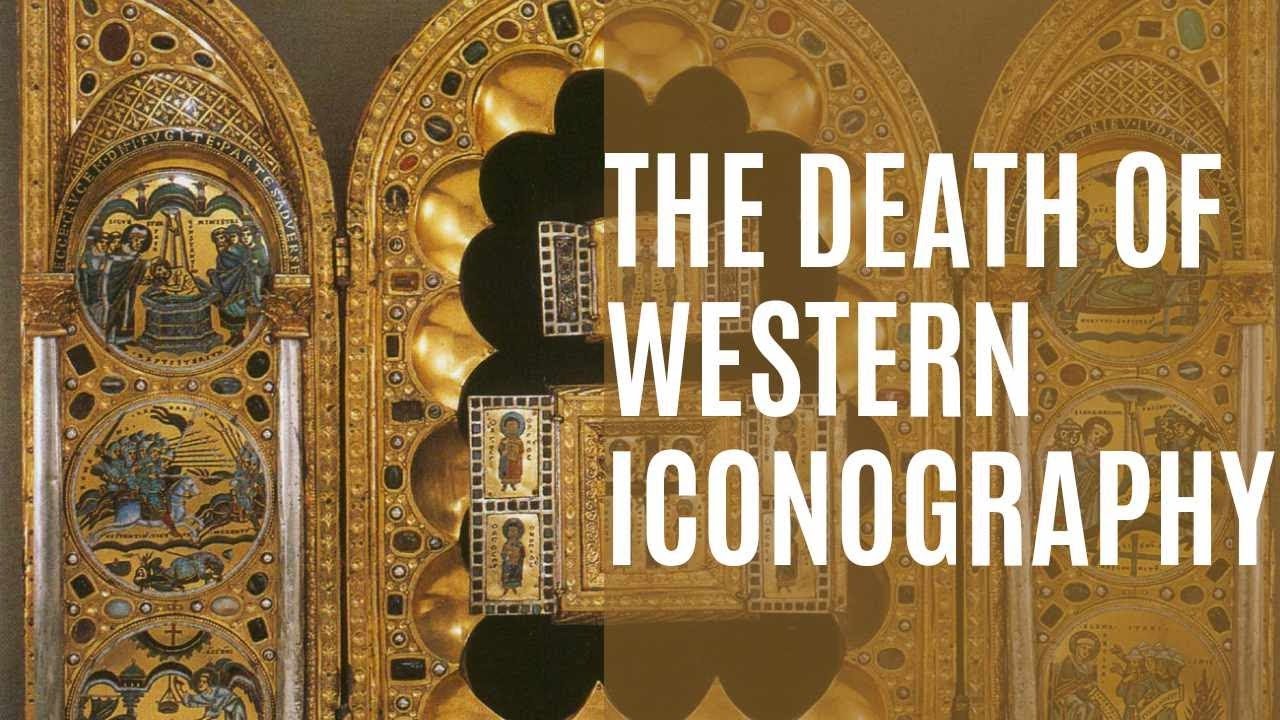

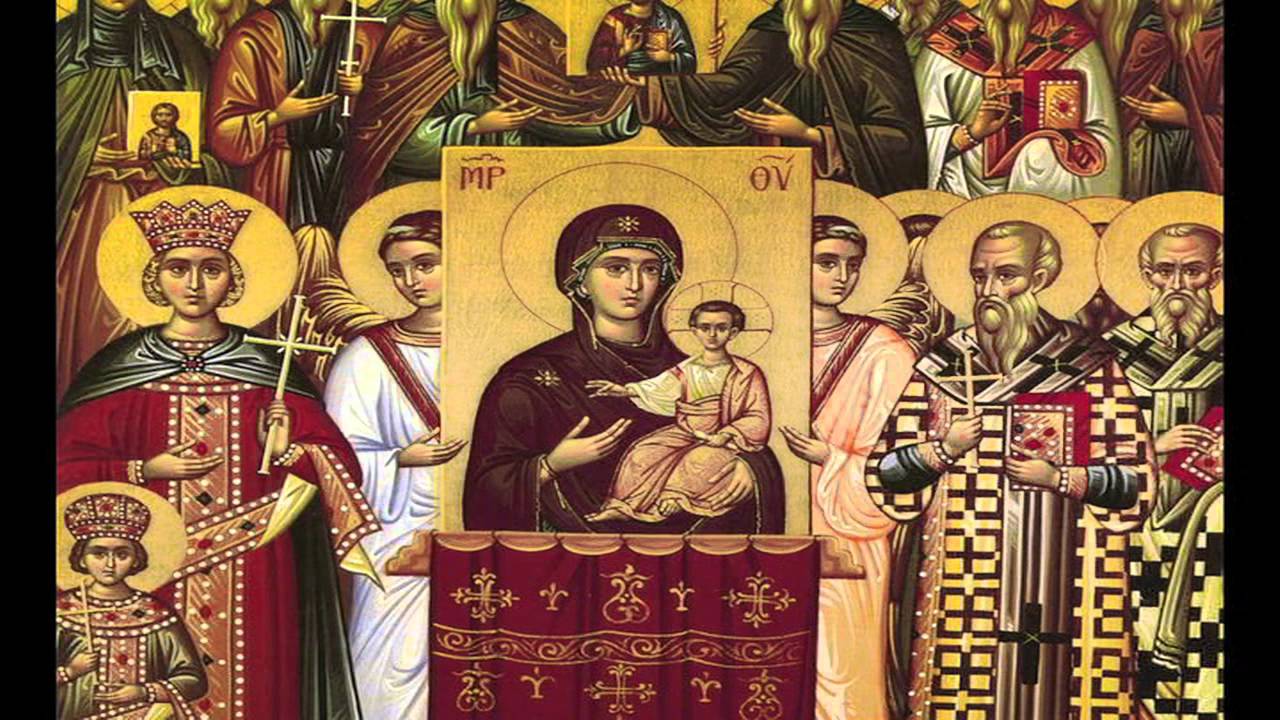
The First Iconoclast Controversy (726-787 CE) was a major religious and political crisis in the Byzantine Empire that fundamentally reshaped the relationship between the Eastern Orthodox Church and Western Europe; Emperor Leo III initiated the ban on religious images, which led to a church schism with the Pope, enabled the papacy to break free from Byzantine political influence, and ultimately created conditions for Charlemagne's rise to power in Western Europe by forcing the papacy to seek Frankish protection against the Lombards, thereby establishing the foundation for the Holy Roman Empire.
The First Iconoclast Controversy Explained: 726-787 CE
Added:The theological role of icons and religious imagery in early Eastern Christian worship.
The concept of Caesaropapism, defining the political and religious authority of the Byzantine Emperor over the Church.
The geopolitical rise of the Umayyad Caliphate and the theological influence of Islamic aniconism on the Byzantine borderlands.
The growing cultural and political rift between the Latin West (centered in Rome) and the Greek East (centered in Constantinople).
The Second Iconoclast Controversy (814-843 CE) and the final restoration of icons known as the 'Triumph of Orthodoxy'.
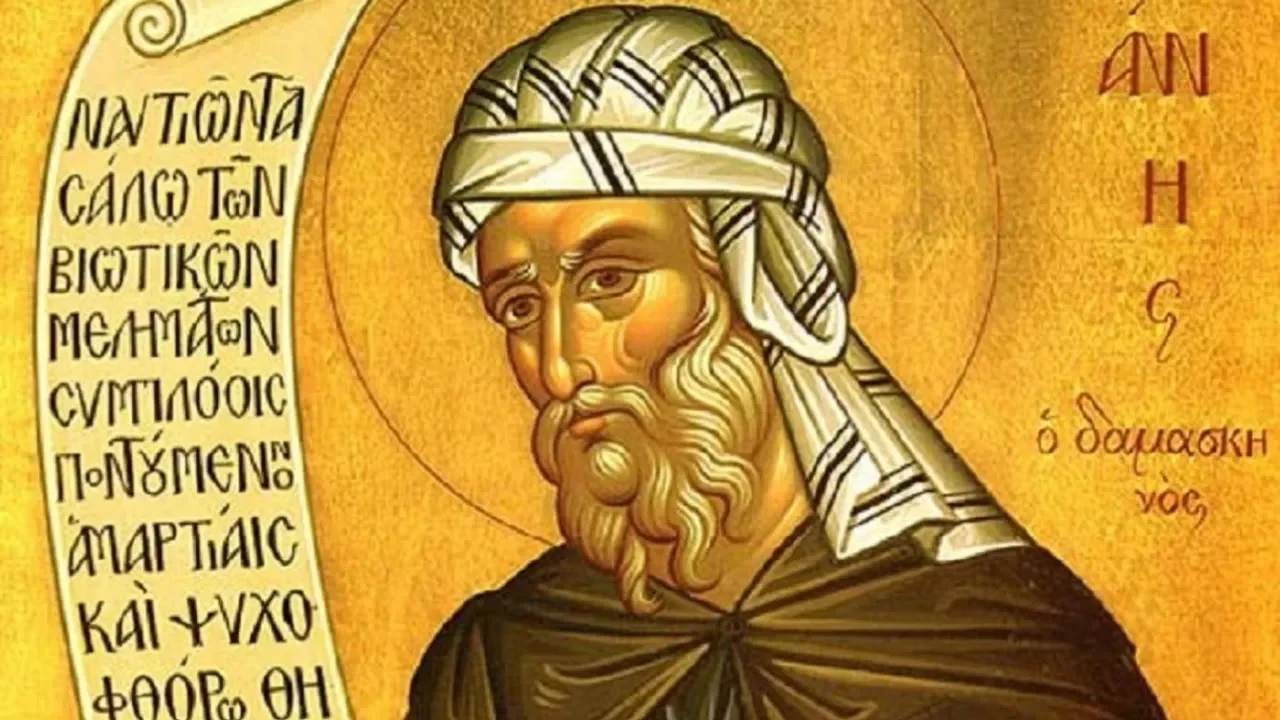
The theological defense of icons formulated by John of Damascus and the decrees of the Seventh Ecumenical Council (Nicaea II).
The political alienation of the Papacy from Byzantium, culminating in the coronation of Charlemagne as Emperor of the Romans in 800 CE.
The long-term development of distinct artistic and theological traditions in Eastern Orthodox and Roman Catholic art.
44.8K views1Klikes32:21Original Release: 2017-10-18
when I first studied Byzantine and medieval history I wasn't really left with the impression that the iconoclastic controversy had been all that impactful but now that I really rien this period as a whole and look at everything that happens in Europe I see that this period iconoclasm actually had a pretty big impact on both the course of Byzantine history and on the course of history in Western Europe and that's why I'm beginning this week with a discussion of this controversy so let's talk about the first iconoclast era from 726 to 787 and then that will set us up to talk about Charlemagne and all the things that happen in Western Europe a lot more smoothly if we want to gain a proper understanding of iconoclasm zim pact we first need to understand what it is and that understanding begins with defining what an icon is now in greek the word i khones means image and an icon therefore is any kind of image which has a religious significance and specifically a Christian religious significance you can also have icons and other religions but this controversy is all intra Christian so basically iconoclasm is the idea that involving icons and worship is a violation of the commandment against making graven images that it is worshipping an image rather than actual God himself and what iconoclastic leaders really want to do is remove images from churches and government buildings and sometimes their hatred of icons extends to openly persecuting icon of files that's a term used by some scholars to describe the people who are in favor of icons it means lovers of icons there's another term that scholars sometimes use but it is a bit less intuitive and I will avoid it during this presentation so let's look at the deep origins of icons and iconoclasm it's very likely that there had always been some Christians who were uncomfortable with the veneration of icons since after all the commandment against the veneration of images went all the way back to the old testament which predates Christianity by some centuries now icon usage grew quite a bit during the 5th and 6th century CE II and it's very probable that the origins of this opposition to icons would have really intensified during that period as these things became more prominent artistically speaking the biggest influence for icons was from the Hellenized Near East and what I mean by that are countries like Syria and Egypt which had their own ancient art styles which were then influenced by what is known as greco-roman realism during the Hellenistic period in the subsequent Roman period and then sort of that amalgam of styles became the Byzantine art style which is seen in icons so 2d iconography from Byzantium was more or less the height of medieval art prior to the Renaissance when things became more focused on realism and sort of 3d effects so in that sense in many ways the Byzantines were effectively the Sega Saturn of 2d art and for those who don't get the reference you don't need to but if you really want to understand that then I suggest you read up on the Sega Saturn I couldn't resist it was too easy of an opportunity to drop an obscure video game reference anyway back to Byzantine stuff so icons were gaining and propaganda value and they were becoming more and more associated with individuals and families during the 5th through 7th centuries and that could also have triggered some people to oppose them they could have seen this as an implies practice to try to glorify yourself by using an icon which is supposed to represent the divine that could be seen as impiety can be seen as unchristian now this was up quite a bit by the Emperor Justinian ii who actually put christ on the obverse of his coins and the obverse is the front and most numa's experts believe that the obverse of a coin was more important than the reverse so just anyone put Christ in the front and himself on the back this is a way to use the iconography of Christ to enhance his own prestige legitimacy and influence just standing the second also presided over the Quinnie sixth Council and this council mandated that Christ only be represented in his human form rather than just as a cross or as a Cairo and what this would have done is really trigger people who were in favor of using more abstract forms of representing Christ so if someone favored it for even stylistic reasons or had a theological reason for doing so then the intervention by an unpopular Emperor to prevent that would have roused quite a bit of resentment against it and if you look at the chronology of the outbreak of iconoclasm it happens under Leo the third beginning in 726 and just sinning the second had only left office in 711 so this was still a potentially somewhat fresh or at least something that would be within living memory so keep that in mind before we talk about this iconoclastic controversy itself I'd like to first talk about some of the difficulties in understanding it and most of those difficulties stem from the limitations of our sources so first of all this is the 8th century it's at the heart of the Byzantine Dark Age which means that the number of sources that we have are pretty limited and of those sources that we do have all of them are later and they're written from aniconic perspective so people like theophanies the confessor was in favor of the use of icons we also have a scholar John of Damascus who was writing from the Caliphate and he was in favor of icons he was a Christian writer at the time even though he was under the Caliphate so basically the only arguments that we know are the ones from people in favor of icons and some of them were writing with the knowledge that the I kind of file position had one out now not surprisingly given the nature of the sources iconoclast rulers are absolutely reviled in our sources Leo the third and his son Constantine v are greatly reviled and the sources and portrayed as just absolute monsters however from what we can tell from other evidence it looks like they were actually pretty successful and that they were popular in their own times we don't really see a lot of evidence of revolts against them or them having to worry about crowds rioting and killing them or anything like that and most importantly we actually don't really know what the arguments against I conical against icons actually were we can kind of guess because we know about the biblical commandment and some other stuff but we don't know the specific arguments in any kind of detail so keep that in mind therefore fortunately for me that means we don't have to talk about the theology of it but if you were actually interested in that sad news there's not really a lot to talk about so I don't know if that makes you happy or sad but let's move on anyway if you know anything about academia you know that the less evidence that is available the more creative license that scholars will apply to an issue so let's look at some of the proposed causes for the iconoclastic controversy at this time one theory is that this is a product of neo platonic philosophy based that basically the idea is that an icon is only a representation of something much more real like Christ and that therefore it is inferior to and does not do just glory to what it represents however we also know from some sources especially John of Damascus that he makes a similar argument in favor of icons that by representing something that it serves as a sort of mental trigger or reminder so that argument could cut both ways and I imagine people who used in the Oakland onic philosophy as an explanation for destroying icons could have easily you know used it in the opposite way so I think that this explanation doesn't quite work since this could easily cut either direction the oppan 'is the confessor is a pretty typical bigoted Christian of his day and he ascribes this all to the jews and arabs and his particular story involved a jewish wizard which is basically a racial stereotype at a time and an arab Azir basically an advisor who was trying to convince the emperor leo the third that the superior Umayyad caliphate was engaging in no icons and was succeeding where's Byzantium using its icons was struggling and that wasn't coincidental that solution has a little bit of merit to the extent that Jews and Arabs did not use icons or Arabs should actually Muslim in this case but you know what I mean um and you could possibly interpret that as Leo looking at people who are having a little bit more success during this period and saying well maybe they just have more favor from God and maybe the problem with our relationship with God is our use of icons maybe that's what it was and maybe he was convinced by Jewish or Arab visitors and possible to say not a hundred percent implausible but maybe a bit too reductionist and let's look at the worst explanation so a lot of old school scholars especially people from the gentleman scholar period which stretches from the 19th century until about the fifties so the icon issue as a struggle between eastern and western elements and the Byzantine Empire and they solve the icons as being sort of the Western element and their reason for thinking that is that the Pope would support icons and then the East would be anti icon because the East is associated with Islam this is sort of a dumb argument and it ignores the fact that the eastern half of the Byzantine Empire had been lost for a while now and that it had never really held sway and visiting theology anyway since the East was always full of heretics like the historians and this whole idea of an Eastern Western struggle is pretty old-fashioned and it doesn't really hold a lot of water if you really look at it the explanation that I favor is the one by Tim Gregory and his textbook on Byzantine history and that is basically that it's a combination of the personal belief of Leo the third who seems to have thought that icons were a bad thing and his autocratic style of governance where he believed that his Emperor it was his right and responsibility to correct the intellectual and moral failings of his people and using Tim Gregory's interpretation I'm going to move forward with this presentation and look at the actual events of the iconographic on a classic controversy in 717 Leo the third took power and founded the asourian dynasty now when he came in it probably looked like he was just going to be yet another minor ruler who would then be overthrown within a few years he inherited absolute chaos he was about the fifth emperor and a span of maybe six or seven years so this was not a promising career path to become emperor in the early 8th century in Byzantium now after securing some successes over the first decade or so of his rule he began to really gain confidence and to try to seek solutions for the long term and like a lot of people of his day he believed that God controlled the fate of States so when he looked at the volcanic disaster at thira which happened around 7 25 or 726 and then he looked at this ongoing struggle against the Arabs who were people who did not use icons he began to maybe think that this was God's judgment against the Byzantine Empire and that by continually pitting the Byzantines against the Arabs that God was trying to send a message to stop using icons and this would make sense if we think that Leo the third had a personal view that icons were wrong or bad in some way now the evidence that Tim Gregory uses to try to make this argument is that we owe the third published the a cloaca which is a wall code or not necessarily law but more like a handbook to wall and this along with other actually shows that he was comfortable acting by Fiat and just telling people what's what and how to think and how to behave this was pretty typical for Byzantine emperors but Leo the third was more autocratic than most now in 726 he began to try to remove icons from different buildings and and then in 730 he took it a step further and he declared icons illegal and ordered that all of them be confiscated by the state this led to the destruction of many icons and a loss of a lot of art however it's worth noting that we owe the 3rd never actually persecuted any individual people he kind he condemned icons but he never went after people who used icons so if you were caught with icons they would be confiscated but you wouldn't be removed from office or really punished in any way and that's a fairly major distinction with what happens under the reign of his son so the foreign policy repercussions of Leo the thirds ban on icons began immediately now the Pope at the time was Gregory the 3rd and he immediately condemned this practice in the east and this caused a church schism which took quite a while to heal now the papacy had been long in favor of using icons which should come as no surprise anyone who's ever seen a Catholic Church especially one in Europe and we've discussed in the past that the papacy had been trying to escape from the orbit of Byzantine political power for some time and we've also discussed when we looked at the lombards how they would sometimes side with the lombards against the Byzantines for sure periods of time in order to assert the independence of the papacy well this provides accelerant to that process and now there is a theological issue that the papacy actually cares about before some of the times when the Pope's would assert themselves in theological matters those were entirely Greek issues based on Greek linguistic problems but now this is something that the papacy can fully wrap its head around and as it has become less and less dependent upon Byzantine power the papacy is now able to fight much more vigorously against the doctrines that it opposes this further becomes an issue for Byzantine power in Italy because Leo the 3rd has really no interest in Italian Affairs and maybe he thinks that religious reconciliation was out of the question due to his own fervor for the issue and the equal but opposite fervor that the Pope was displaying at the time so more or less this is something which will have a very detrimental impact on Byzantine power in Italy when Constantine the 5th succeeded to the throne in 741 he came in as a highly learned theologian and he was eager to put his theological views into practice by using the power of the imperial throne and for that reason since you know this all the sources were hostile to the iconoclast and since constantine v was the chief of all the iconoclast he is the most reviled and hated byzantine emperor according to our sources so much so that he actually earned the nickname Capri Mimas which means dumb name and this relates to a story when he was an infant and he was baptized and supposedly when he was in the baptismal waters he had to go number two and that is where his name came from now I can't really imagine a case where an emperor who was liked by writers would be chastised for something he did as an infant but Constantine the v was so hated by later writers that that is something which stuck to him it probably also stuck to him if he did it in the water too I don't know anyway this is a great example of that source biases talking about earlier because so far as we can tell Constantin v was actually a highly successful and very popular emperor in his own time and it looks like he had numerous successes and he reclaimed parts the Balkans and did lots of really cool stuff so one of the first things that he does in regard to the iconoclast controversy however is that he hell holds a church council that he presides over personally he packs with guys who agree with him and they condemn icons pretty clearly so this gives an official Church sanction to what his dad had already been doing and now that he has this church sanction on the side he goes and he tries to purge the Army in the bureaucracy of ikana files so he's getting rid of everyone who in his mind worships icons and is a heretic he also attempted to go further than this by condemning cults of saints and relics at the one thing that he does leave alone however is the true cross which was potentially just too much ingrained in Byzantine culture since this is something that had been brought the constantinople by constantine the great he also may have personally gone to churches and scraped off icons and maybe it was a symbolic gesture like that when leaders like to cut ribbons or make the first scoop of dirt with a shovel but he may have been motivated enough to personally work in the trenches in this affair I don't know anyway the point is the Constantine v was very dedicated to destroying icons this was not a casual interest and it is the thing that he's best known for despite the fact that he did lots of other stuff and that in every other aspect of his life he was pretty much a hundred percent successful please note that just before this I said almost entirely successful one of the enduring consequences of the schism between Leo the third and the papacy is that the position of the Byzantines continued to decline in Italy under Constantine the fifth part of this was his own fault Constantine the fifth does not seem to hate any real attention to Italy this was not a party for him now in 751 under Constantine's reign the lombards were able to seize Ravenna and in Byzantine presence in northern Italy forever so that means that the exarchate of ravenna no longer exists after 751 and this happens on Constantine the fifths watch presumably he was in a strong enough position that he could have reinforced Ravenna and held on to a city which had been under Byzantine control for about 230 years at this point but he did not so that is a big stain on his otherwise very impressive record at this point popes are now equally are more comfortable dealing with Frankish rulers when they need help against the Lombards after all the Franks are Catholic they are not heretics who are smashing icons and unlike the Byzantines who often try to equate the authority the patriarch with the Pope the Franks are perfectly content to say yes the Pope is the highest authority in the church so if you're the Pope you kind of like that you know that's kind of nice and the Franks are more interested in the welfare of the papacy now before a lot of the friendship between Byzantium and the Pope's had been because the Byzantines would look out for the security of Rome however Leo the 3rd and Constantine the 5th not only were heretics in the eyes of the Pope but they were heretics who didn't care one way or the other about the fate of the papacy and that is largely why the papacy will begin to befriend people like Pepin and Charlemagne in 775 Constantine v died and then his son Leo the 4th the Khazar took over he has called the Khazar because his mother was a causar princess and that shows some of the diplomacy of Constantine v but we won't get into that for now at any rate Leo the fourth was married to a woman named Irene and she was an akan of I'll and possibly that helps Sultan Leo's attitude towards iconoclasm and he decided to really back off so he ended his father's persecutions against Icona files on an individual level and reverted to his grandfather Leo the thirds policy of just preventing icons from being erected and confiscating them when they were found he only rolled for five years however and he died at the age of 30 and at that point the Empire was officially under his nine-year-old son Constantine the sixth but it was mostly ruled by his Icona file wife Irene that will have consequences that we'll talk about but first let's take a look at this coin this is the obverse and reverse of a coin from Leo the fourth on the up verse the front is a picture of Leo and his son Constantine the ninth and on the back is a picture of his father and grandfather that would be Constantine the fifth and Leo the third respectively so this is one of the coolest dynastic coins that I've seen and I just wanted to pointed it out and it also shows that the asourian dynasty had gone away from the style of coinage introduced by just ending the second where Christ was on the obverse and that tells you a lot about the iconoclastic attitude of this dynasty and how far it extended into their self representation so in 780 the Empress Irene was more or less left in charge of the Byzantine Empire following the death of her husband Leo the fourth Irene above all else was a ruthless politician and her primary goals to reinstate the icons now to achieve this end she needed to put around her people who were sympathetic to her cause after three generations of rulers who were iconoclast that means that many of the highest officials in government and also many common people had adopted iconoclastic views so this was going to be an uphill struggle so her first step was to get a patriarch on her side and because the current patriarch had been someone who was in favor of iconoclasm she decided to get him replaced and the person who she could most count on was someone who was not even in the church her secretary taray seus so she pulls some strings to get him ordained as a priest and then he is elected almost immediately to become patriarch you can imagine that would have stirred up some resentment there were a lot of people waiting in line who had been lifelong churchmen and probably had some ambition of becoming the patriarch and all of a sudden this guy from the bureaucracy just leapfrogged all of them and took over and was now the highest official of the Eastern Church so pretty bold move by a Reem there now she also decided to convene a church council at the Church of the Holy Apostles in 786 and try to get this done while she was still in charge and before her son assumed the throne however there were iconoclast within the Imperial Army and the capital and they began a riot because they were in favor of continuing iconoclasm and this forced Irene to shut down these proceedings and in order to ensure the future success of her efforts she decided to send these troops to Asia Minor on the pretext they were going to go on a campaign in the east but when they got there they were dismissed from service for you know being disloyal and engaging in mutiny so she got rid of the opponents who had prevented her previous success and now she was ready to try again to restore the icons so the year after her failure at the Church of the Holy Apostles Irene convened a second Council this time at Nicaea which makes it the second Council of Nicaea in her mind it was probably as or more important than the first council which had been held by Constantine the first and she holds this conference under patriarch Turei seus who probably has pretty strict instructions and this council condemned iconoclast so this was another loaded Council similar to the one convened by Constantine v and what happens is that rather than really going after iconoclast the way that iconoclast under Constantine v had gone after icon of files she decided to allow a kind of class to repent and then retain their office and standing no harm no foul which is a pretty smart move because if you're Irene you need to maintain the support of officialdom as a woman ruler you are pretty vulnerable and your young son is not quite all that established either so you want to make sure that there aren't any major challenges to the throne before he really entrenches himself into power at the same time Irene did something which she probably later regretted in 787 she called off the betrothal between young Constantine the sixth and Charlemagne's son wrote rude and then she held a bridal show and selected a wife for her son now her son Constantine the fit the sixth would take control and 790 when he's about 19 or so but then he and his mother would butt heads over who was really in charge Constantine would then gain a lot of stigma in public because he divorced the wife his mother chosen for him and took another and that enabled Irene to maneuver against him and have her partisans blind him and then leave her as the Empress in 797 so pretty convoluted chain of events but if you wondered why I labeled her as a ruthless politician I think those doubts should be resolved by now so if you're able to able an won the blind Jerome son to take power you're pretty damn ruthless I'm going to go ahead and make a somewhat unorthodox argument and that argument is that Charlemagne was the biggest winner of the iconoclast controversy and a Byzantine Empire had the Byzantines been able to maintain a presence in Italy during the 8th century had Constantine the 5th ensured that Ravenna had held out then this event happening is a lot less like the papacy would have still had to worry about Byzantine power and possibly some Pope's would have been inclined to try to stick with the Allied if they had had for centuries rather than going with these newfangled Franks so had the Byzantines retained their presence in northern Italy it's quite likely that Charlemagne would have not risen to the office of Emperor in the year 800 now officially this would cause further problems so the neglect of Italy by the asourian's would then cause more problems for Byzantium going forward since the deposition of romulus augustulus and 476 and the death of julius Nepos and 480 no one in the West had claimed the imperial crown except for a failed usurper - hadn't gotten very far so this was a huge event for the Byzantines because this really undermines their claim to be unique they are the only ones who have an emperor so officially the Byzantine government sees Charlemagne as a usurper who's taking up a title that he does not have or that he does not have a claim - now for Irene this will become problematic because not only is she automatically vulnerable for being a female ruler and a female ruler who blinded her own son but she is unable to deal with this distant Western usurper and that means that the plots against her at home will thicken there are already many but because she's not really able to deal with either of these threats to her power people have more trouble taking her seriously now we also see Irene's desperation because around this time Charlemagne proposed that the two of them get married and this would have really legitimated him as an emperor and she was in such a weak position at home and so vulnerable that she actually considered it and we can only imagine what would have happened if Irene and Charlemagne had gotten married now both of them at this point are too old to have children together but still I mean can you imagine having the king of the Franks on the Byzantine throne that would be incredible this would be a reunification of the Roman world but possibly bigger and also a little bit different territorially it really is hard to imagine however uh Irene had to reject the offer because of pressure at home and now that the rumors of her possibly trying to marry Charlemagne got out she became even more vulnerable and she eventually gets to posed by the emperor Nike phorus in the year 802 so again to recap what I'm arguing here is that the iconoclastic controversy in Byzantium is something which has a huge impact on Western Europe because not only does it enable the papacy to break away more and more from the sort of orbit of Byzantium but it also opens the door for Charlemagne to become the chief power in Italy and to declare himself Emperor so I think this is a perfect segue into our next conversation about the Emperor Charlemagne and why he was the most important figure in Western European history during the Middle Ages
Up Next

6:03
The Iconoclastic Controversy and the Great Schism of 1054
@MrHurdleHistory
2.2K views•2013-01-25

33:02
The Great Schism of 1054: Causes and Consequences
@SacredCathedrals
113.5K views•2026-02-19
91:57
The Geopolitics of the Ukraine War and the Rise of Global Autocracy
@JordanHarbingerShow
468K views•2025-04-19
17:05
Understanding the Cold War: Superpower Conflicts and the Road to Détente
@OverSimplified
46.1M views•2019-01-24
Related Study Plans & Knowledge Roadmaps
Structured learning paths in History
history
Byzantine Iconoclasm: Theology, Art & Politics
01Foundations of Byzantium and Early Christian Images
02The First Iconoclasm: Leo III and the Crisis of Images
03Empress Irene, Nicaea II, and the Second Iconoclasm
+ 2 more learning modules
9h5 modules
Explore Roadmap
history
Iranian Revolution (Causes, Events & Legacy)
01The Pahlavi Dynasty and the Roots of Discontent
02The Spark of Rebellion and the Rise of Khomeini
031979: The Fall of the Shah and the Climax of the Revolution
+ 2 more learning modules
8h5 modules
Explore Roadmap
history
Mali Empire: Mansa Musa, Trade & Timbuktu
01Foundations of the Mali Empire
02The Trans-Saharan Gold and Salt Trade
03The Reign and Pilgrimage of Mansa Musa
+ 1 more learning modules
6h4 modules
Explore Roadmap
history
1947 Partition: Politics, Borders & Legacies
01Foundations of British India and the Divide
02The Political Negotiations and the Mountbatten Plan
03Drawing the Boundary: The Radcliffe Line
+ 2 more learning modules
8h5 modules
Explore Roadmap