








![การล่มสลายของคอนแสตนติโนเปิลเปลี่ยนโลกยังไง ? : [EP31] หลงไปในประวัติศาสตร์](https://i.ytimg.com/vi_webp/RY3npnXiLWQ/maxresdefault.webp)



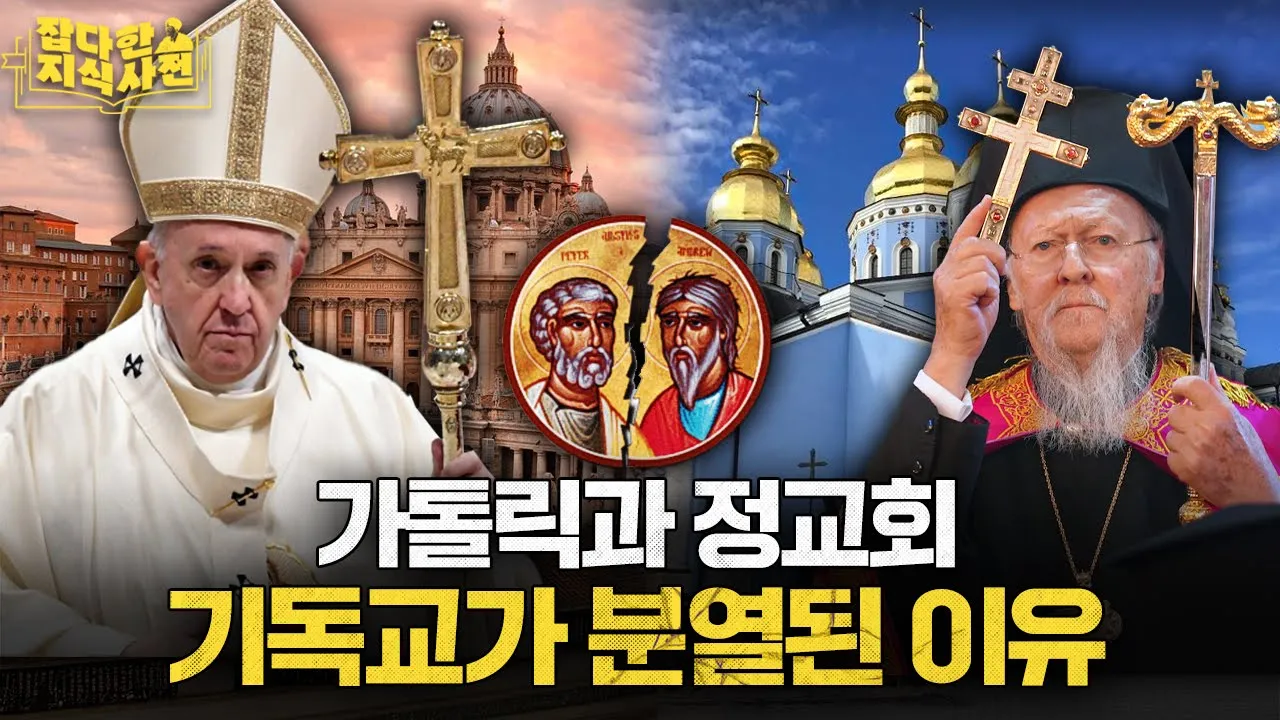
The Iconoclastic Controversy (8th century) was a major theological dispute within the Christian Church over whether religious images (icons) should be worshipped, with Emperor Leo III of the Byzantine Empire ordering their destruction in 726 CE; this conflict, rooted in the distinction between veneration (doxastike) of holy images versus adoration (latria) reserved for God alone, ultimately contributed to the Great Schism of 1054, when the Eastern Orthodox Church (Greek-speaking, Constantinople) and Western Catholic Church (Latin-speaking, Rome) formally split into two separate branches of Christianity.
The Iconoclastic Controversy and the Great Schism of 1054
Added:The geopolitical division of the Roman Empire into the Western Roman Empire and the Eastern Roman (Byzantine) Empire, including their cultural and linguistic differences (Latin vs. Greek).
The early organizational structure of the Christian Church, specifically the concept of the Pentarchy and the rising authority of the Bishop of Rome (the Pope) versus the Patriarch of Constantinople.
The biblical commandments regarding idolatry and graven images, and how early Christians utilized art, relics, and images in worship and instruction.
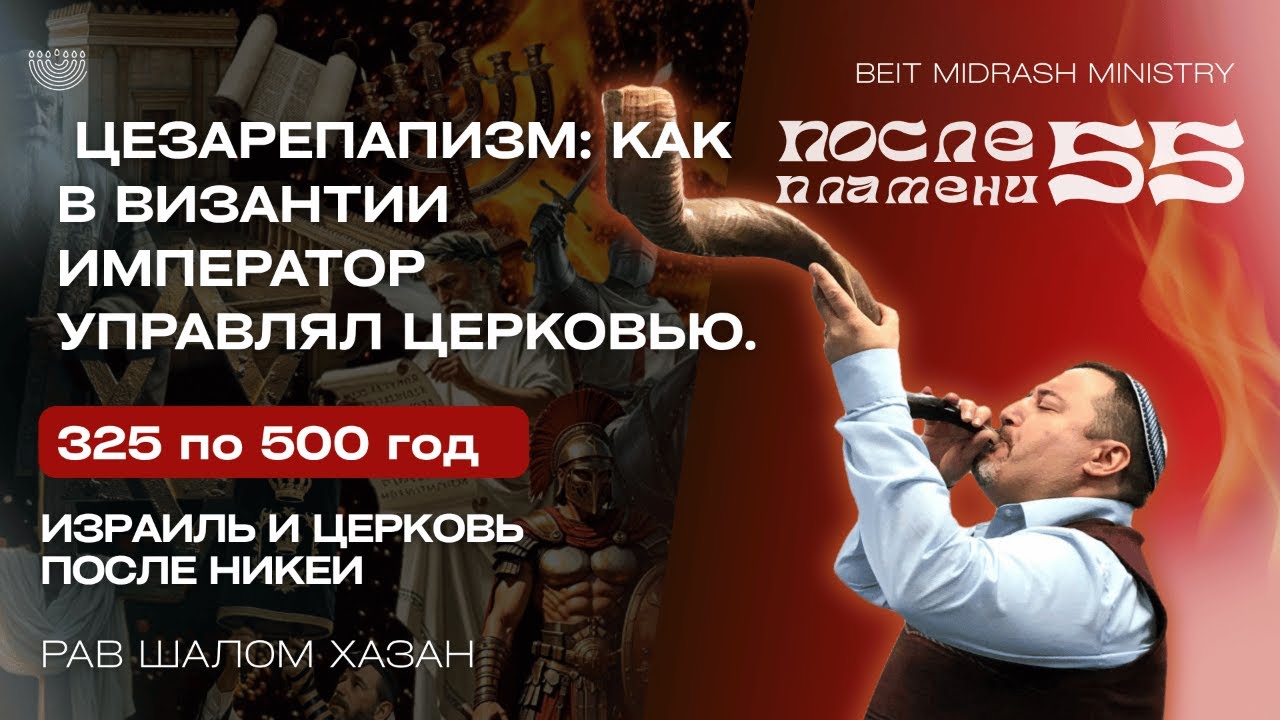
The concept of Caesaropapism in the Byzantine Empire, where the emperor held supreme authority over both state and church affairs.
The theological and liturgical differences that solidified after 1054, such as the dispute over the 'Filioque' clause, papal supremacy, and the use of unleavened bread in the Eucharist.
The impact of the Great Schism on the Crusades, particularly the Fourth Crusade (1204) and the devastating sack of Constantinople by Western Christian forces.
The expansion of Eastern Orthodoxy into Slavic lands, the fall of Constantinople in 1453, and the rise of Moscow as the 'Third Rome'.
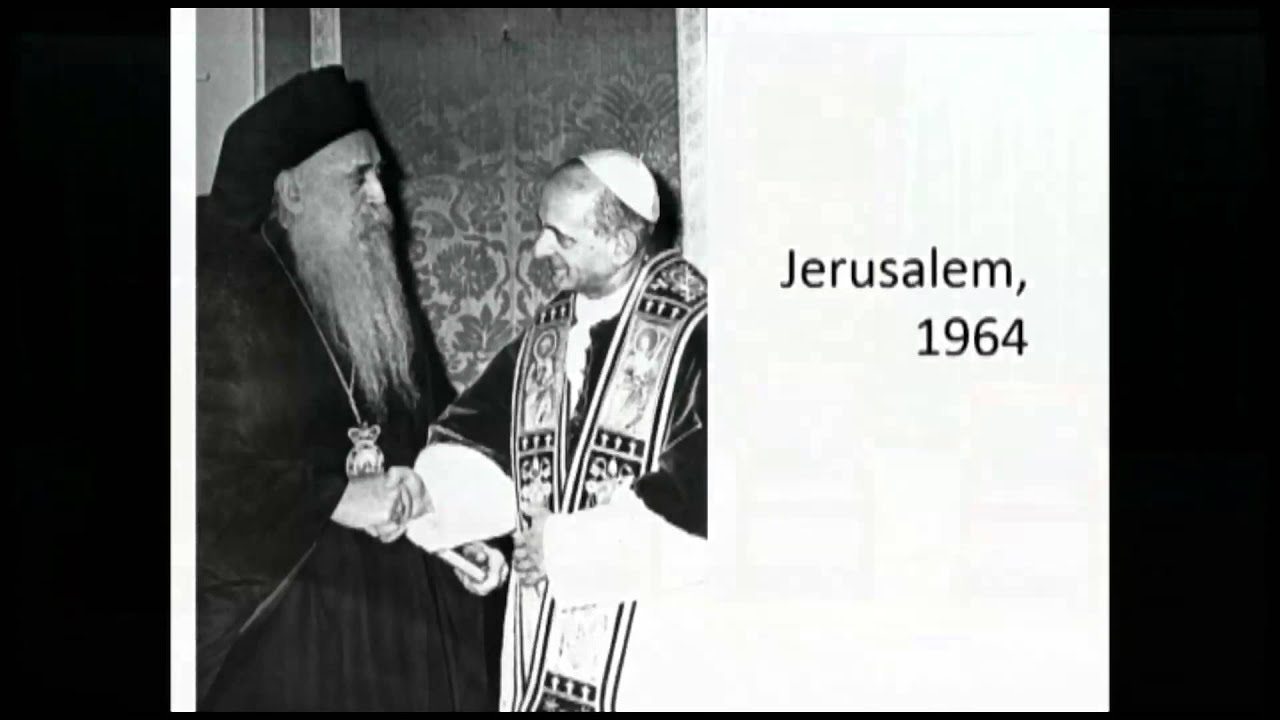
Modern ecumenical movements and dialogues between the Roman Catholic Church and the Eastern Orthodox Church aimed at healing the historical divide, including the Joint Catholic-Orthodox Declaration of 1965.
2.2K views6likes6:03Original Release: 2013-01-25
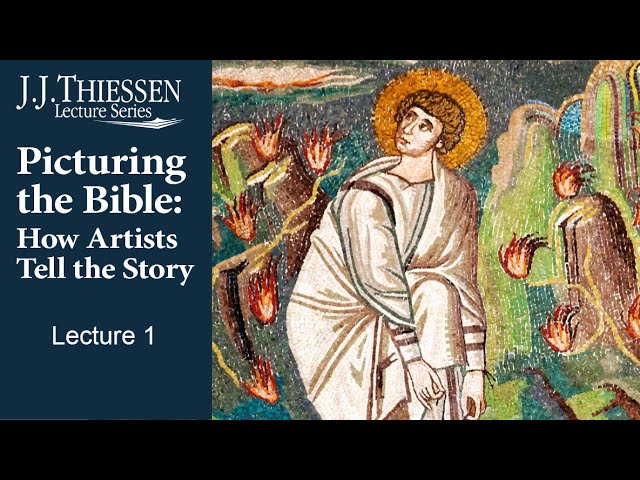
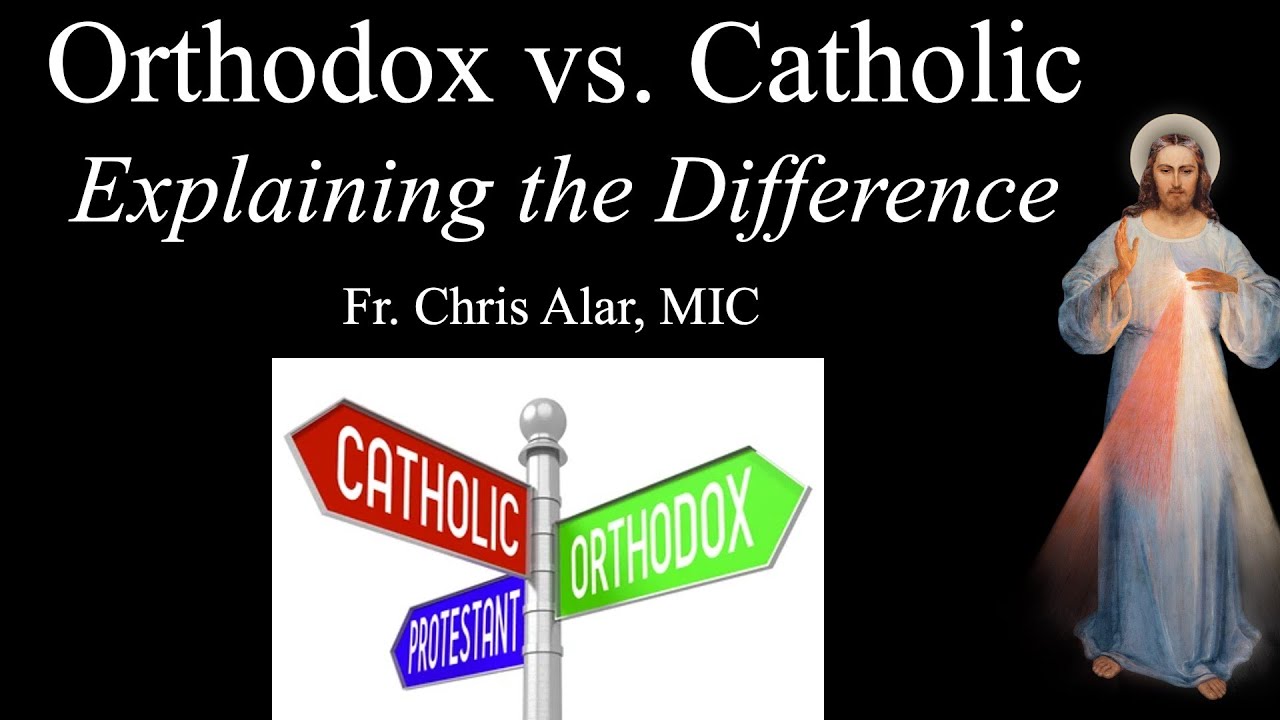
depending upon what type of church you go to you may be used to seeing a cross you may be used to seeing maybe Saints images along those lines and these debates of if these are appropriate or not if their idol worship go back really deep into the Christian Church so today we'll be talking about the iconoclastic controversies I'll be defining icons and talking about eventually how it causes the first schism or major split within the Christian Church so let's define one an icon is typically what an icon is it's on a piece of wood it was used during the Byzantine period and it basically shows like as pictured right here it shows whoa it shows Jesus Mary a saint you know somebody that's a big Christian Idol and it shows them in a church um you know traditional pose you might see like a halo something like that page 226 in your text actually does a great job going and describing how to go and what was like to go for an icon the idea of an icon if you're gonna use it in your church is it is to help you go and basically worship God how to go and pay your respect to God in church and maybe going and looking up into the eyes of Jesus can help you contemplate or concentrate during your prayer something along those lines some different churches will go and say that this isn't a good thing which is going to be the source of the schism now Emperor Leo the third so he's the Emperor of the Byzantine Empire we're talking about the Byzantines he goes and sees these icons as bad and he wants to get rid of these what he calls graven images including the at one time a volcano explodes and like he's see Turk interprets as God is displeased with the icon and on the famous gate to the balance of chalkie gate he removes the image of Christ a very very famous picture and what is that cause causes a bunch of people to go and riot and iconoclasm the word iconoclasm refers to the destruction of icons meaning the icons win and we're actually destroyed as a result of Emperor Li of the 3rd this goes back to the old theological debate right how do we go in the Old Testament it says you know you shouldn't worship idols right that's one of the Ten Commandments going in and not having the kind of these idols are putting anything else besides in front of God but then the distinction is okay it becomes a bit hard for some people because Jesus was a person right he was both human and God at the same time so is it appropriate if you we now know who as essentially what God looks like is it appropriate to have him or others as well and the East and West are going to basically go and interpret this differently Leo obviously going and representing the East now despite the fact the East and West go when they fight they both basically the leaders of both churches excommunicate each other thing about the East happiness it's the Capitol Church being in Constantinople the West being in Rome and icons are allowed back in the business business an empire with restrictions some of the restrictions is they're paying the flat you can't have a statue they're basically mean meaning you can have the icon but they can't look too realistic if you know what I mean because then at that point it becomes an idol and the concept is it's a window into heaven it's going and it's showing something that does not look like this world at all and will help you in worship but the main point here is the damage is done between these two different sides what I mean is that the east and west both you know members had basically excommunicated each other there was a long period where they basically weren't talking and when the East goes and reintroduce icons the damage is done now this this is a big date and a big event that you need to know something what is referred to as the Great Schism in 1054 at this point like I said both members excommunicate other they basically kick each other out of the church and we divide into the two parts there's the East Church and the West Ridge up until this time we kind of thought about the church on a linear fashion and you know the church is going along but in 1054 ones we get that we're gonna go we'll call this the Catholic side right there on the the west or the web and then the Orthodox side the Catholic Church will continue if you know your history the church will continue but when we get to a topic later on in the semester you're going to know that the Protestant branch will come out of there so it kind of the way to think these are the three branches of Christianity Catholicism Protestantism and the Orthodox in the Latin Church or the Western Church they speak Latin and they're called the Catholic Church and in the East they speak the language Greek and they're called but worth a thought you may have heard of like the Greek Orthodox Church that's where it comes from right Greece is in the eastern region of that area when we're talking about it being split some other differences in the Byzantine church priest could marry that wasn't in the Catholic Church and the Byzantine church they use leavened bread while the Latin Church used unleavened bread when they're going and doing the review the idea here theologically we were talking about you know what is appropriate or not is there's a distinction there's a difference made between these two things you can go and respect something you know use it in terms of worship what we call veteran veneration or reverence right here that's good versus adoration and adoration is the idea that you're going to adorn the object for itself so it's called pross Kinesis is the good one or latria as the bad one so hopefully that explains what an icon is how they got destroyed how they got back brought back damage is done however in the split in 1054 splits into the two different churches the Western Catholic Church in the Eastern Orthodox Church
Up Next
19:41
The Great Schism: Catholic-Orthodox Rivalry in Medieval Christianity
@KingsandGenerals
2.6M views•2020-02-06

33:02
The Great Schism of 1054: Causes and Consequences
@SacredCathedrals
113.5K views•2026-02-19
91:57
The Geopolitics of the Ukraine War and the Rise of Global Autocracy
@JordanHarbingerShow
468K views•2025-04-19
17:05
Understanding the Cold War: Superpower Conflicts and the Road to Détente
@OverSimplified
46.1M views•2019-01-24
Related Study Plans & Knowledge Roadmaps
Structured learning paths in History
history
Byzantine Iconoclasm: Theology, Art & Politics
01Foundations of Byzantium and Early Christian Images
02The First Iconoclasm: Leo III and the Crisis of Images
03Empress Irene, Nicaea II, and the Second Iconoclasm
+ 2 more learning modules
9h5 modules
Explore Roadmap
history
Iranian Revolution (Causes, Events & Legacy)
01The Pahlavi Dynasty and the Roots of Discontent
02The Spark of Rebellion and the Rise of Khomeini
031979: The Fall of the Shah and the Climax of the Revolution
+ 2 more learning modules
8h5 modules
Explore Roadmap
history
Mali Empire: Mansa Musa, Trade & Timbuktu
01Foundations of the Mali Empire
02The Trans-Saharan Gold and Salt Trade
03The Reign and Pilgrimage of Mansa Musa
+ 1 more learning modules
6h4 modules
Explore Roadmap
history
1947 Partition: Politics, Borders & Legacies
01Foundations of British India and the Divide
02The Political Negotiations and the Mountbatten Plan
03Drawing the Boundary: The Radcliffe Line
+ 2 more learning modules
8h5 modules
Explore Roadmap