













Space archaeology is the study of human-made objects and sites in space, including satellites, spacecraft, and lunar/martian artifacts, which hold significant cultural and historical value beyond being mere 'space junk'; these objects represent humanity's connection to space exploration, international cooperation, and technological achievement, and should be preserved as part of our shared cultural heritage rather than destroyed as waste.
Space Archaeology: Uncovering Heritage in Orbit | Alice Gorman TEDx
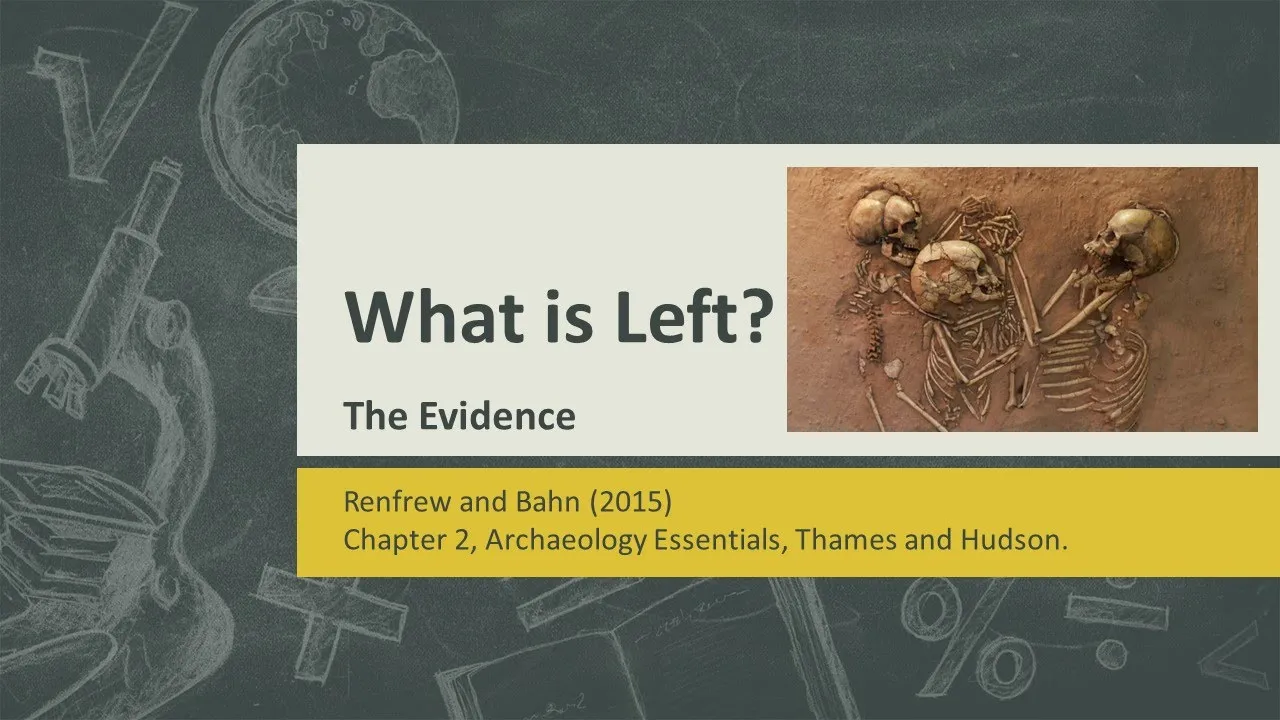
Added:Basic principles of archaeology, including how material culture, artifact analysis, and site preservation are studied on Earth.
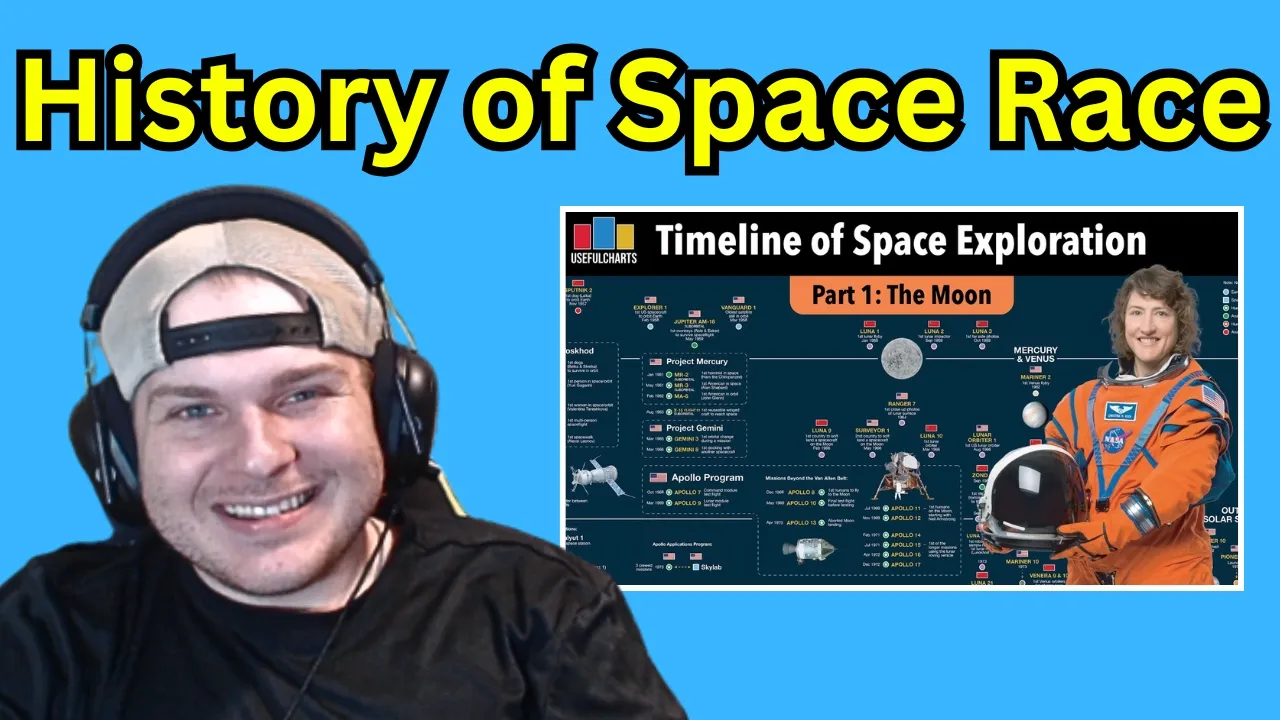
A fundamental timeline of space exploration history, particularly key milestones like the launch of Sputnik and the Apollo lunar missions.
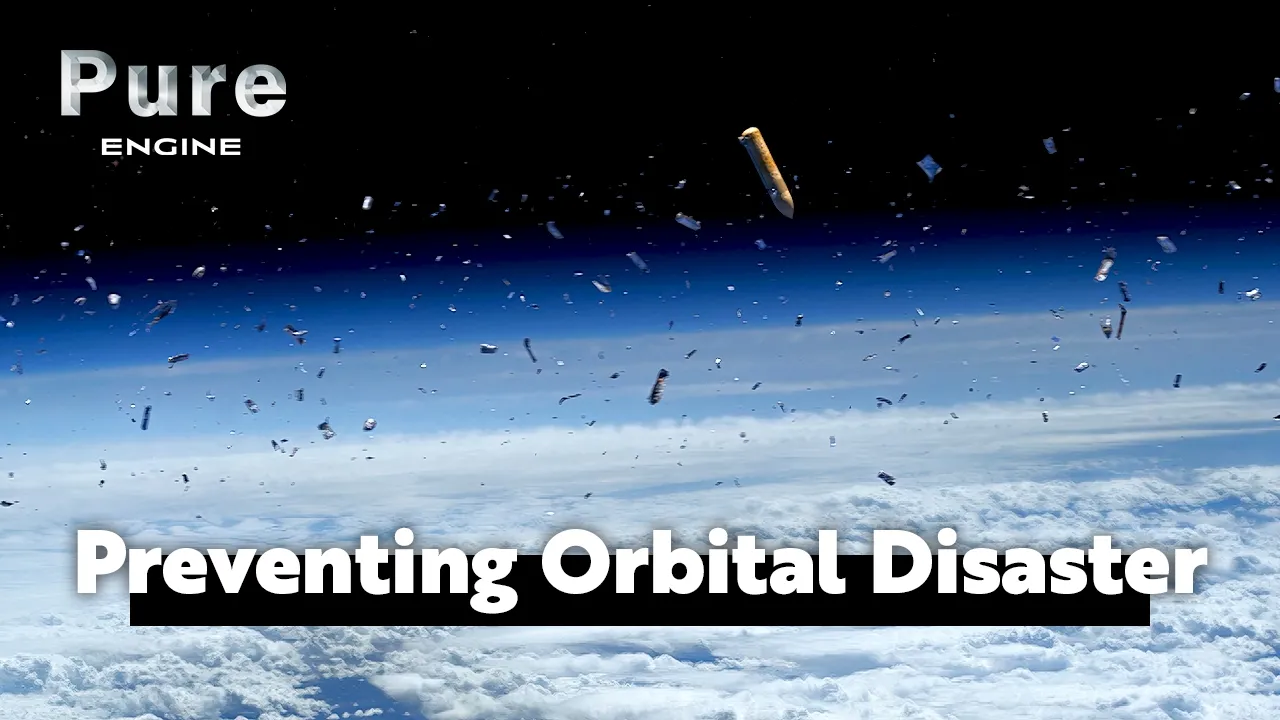
The basic concept of Earth orbits (such as Low Earth Orbit and Geostationary Orbit) and the nature of space debris or 'space junk'.
The definition of cultural heritage and how societies determine what historical physical assets are worth preserving for future generations.
International space law, specifically the Outer Space Treaty of 1967, and how it impacts the preservation of heritage sites on the Moon and other celestial bodies.
The balance and conflict between environmental space debris mitigation (de-orbiting dead satellites) and historical preservation of space heritage.
Advanced terrestrial archaeological techniques that use remote sensing, LiDAR, and satellite imagery to identify and study ancient sites on Earth.
The ethics and logistics of future space tourism and commercial development in relation to preserving historic landing sites, such as Tranquility Base.
16.8K views167likes14:06Original Release: 2013-05-09
Transcriber: Bob Prottas Reviewer: Ariana Bleau Lugo My story begins one day about 10 years ago when I was working as an archaeologist in Central Queensland on the kind of job I do most of the time which is looking at Aboriginal archaeological sites.
So I was out in the field, I was on a construction site so I had the steel capped boots on, high vis vest, hard hat. All of that stuff.
Got to the end of the day. Hot, tired, sweaty. Went home.
Didn't bother to take off the boots or the vest.
I went straight to the fridge and I got a cold beer and I went out onto my front veranda.
Now it's in Queensland and as you know there's no Daylight Savings there.
So it's pretty dark already by this time.
And when I look up into the sky, So I'm sitting back, sipping my beer, and suddenly a thought pops into my head.
Amongst all those stars, some of those little bright dots are probably actually satellites.
And some of them are probably quite old.
They probably have some kind of archaeological potential.
So this was really the light bulb moment for me.
I decided from that point that I was going to try and find out if one could do an archaeology of space exploration.
After much soul searching I decided that I couldn't actually pursue this idea from the wilds of Queensland.
So I resigned from my job.
I packed up my entire house and put it into storage.
And I embarked on that journey to find out.
Like all space missions, that journey actually started on the surface of the earth for me.
So I started visiting rocket launch sites.
I went to the US.
I went to Woomera in the deserts of South Australia.
And I went to South America.
I started looking in space museums and archives from Canberra to Paris.
And I also started turning up at space conferences where the presence of an archaeologist raised a few eyebrows, to begin with.
(Laughter) Then I was offered a job at Flinders University in the department of archaeology.
This gave me the opportunity to actually carry out this research as part of my normal job.
So what I'd like to do today is take you to some of my favorite archaeological sites and to some of my favorite artifacts in the rest of the solar system.
I'd like you to imagine that the Sydney Opera House is actually a massive space liner and we're currently sitting on the tarmac at Sidney spaceport about to take off.
We're going to be the first space tourists, proper space tourists.
And I'm going to take you to low Earth orbit, then to the Moon.
We're going to pop over to Venus for a brief stop.
And finally go out to the very edge of the solar system.
So let's start in Earth orbit, low Earth orbit specifically.
This is the area about 200 kilometers to about 2,000 kilometers above the surface of the Earth.
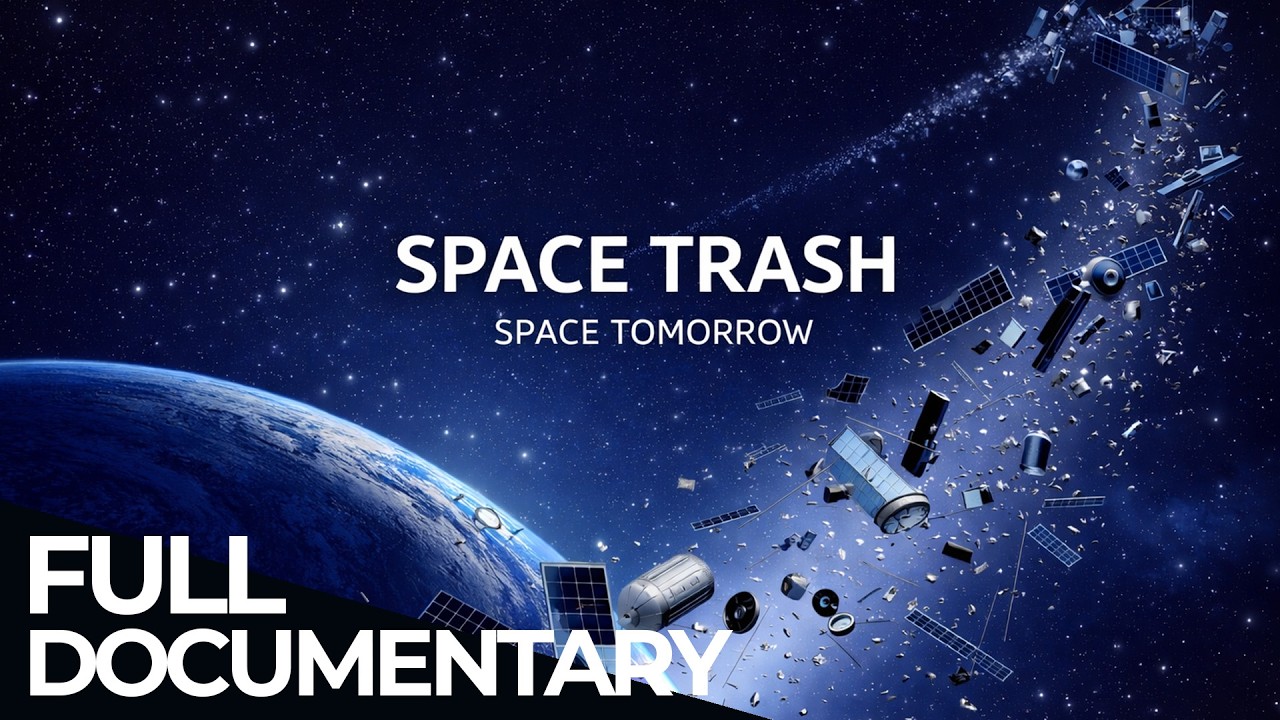
And it is actually crawling with space junk or orbital debris.
And it is, as I'm sure many people are aware, it's a significant environmental problem for our time.
We're dependent on so many satellite services for navigation, telecommunications, Earth observation.
All of these things we rely on, even your ATM.
Every time you use an ATM, it's working on satellite signals.
But there's so much junk up there, it's starting to get in the way.
So something will have to be done, there's no doubt about that.
What I want to do though is ask the question before we start trying to get rid of some this stuff, does any of it actually have cultural significance for us?
Does it have heritage value and do we want to do something sensible about that instead of just destroy it all without thinking?
To give you some examples, I'm going to look at two of my very favorite spacecraft.
The first is Vanguard I.
It was launched in 1958 by the United States and it's currently the oldest human object in Earth orbit.
It's a particularly interesting satellite because it was part of the whole Cold War adversarial relationship between the US and the USSR.
But because the US wanted to promote a particular view of space as a peaceful and democratic place they did some really interesting things.
They approached a number of countries to set up satellite tracking stations including Australia, and they also set up groups of volunteers that they called Moon watch groups to help visually track the satellite and send data in.
And again there were quite a few moon watch groups here in Australia.
So this wasn't Cold War confrontation, this was actually international cooperation involving ordinary citizens, what we'd now call the "citizen scientist".
So I think this gives Vanguard I a very particular social meaning.
It's very historic, but it's also something that means a lot of things to all of these citizen scientists.
And as the oldest human object in orbit, I think we shouldn't blast it out of the sky into bits if we don't actually have to.
A bit closer to home is the Australis Oscar V satellite.
In the 1960s a bunch of physics students at Melbourne University and their friends and colleagues decided they wanted to build and launch their own satellite.
So they got together and they designed it from scratch.
They had no money. They were amateurs in this game.
So they had to test new technologies.
They had to beg, borrow and steal components.
They even had to buy stuff just straight off the shelf at the hardware store.
And they nearly lauched Australia's first satellite.
They were beaten to it by WRESAT I which was launched in 1967 and made Australia the third nation in space.
Anyway, they weren't the first Australian satellite, but they did manage to secure a launch in 1970 from Vandenberg Air Force Base.
They also used volunteers.
There were people in 27 countries across the world who volunteered to track this little black and white box and send the data back so its scientific experiments could be done.
And it's still in orbit.
This tiny little box is still happily floating around in orbit.
It's part of Australia's history in space and again it might technically be junk but I think it's a little bit more than that.
It's a bit more interesting than that.
So now to the real thing in the 1960s.
This really was Cold War stuff.
In 1969 the Apollo 11 mission landed on the surface of the Moon and changed the way we viewed the Moon forever.
The Moon has always been a huge part of human life.
It governs the tides.
It's the light in the sky that we see at night.
So many myths and legends are centered on the Moon.
But now it's a human landscape.
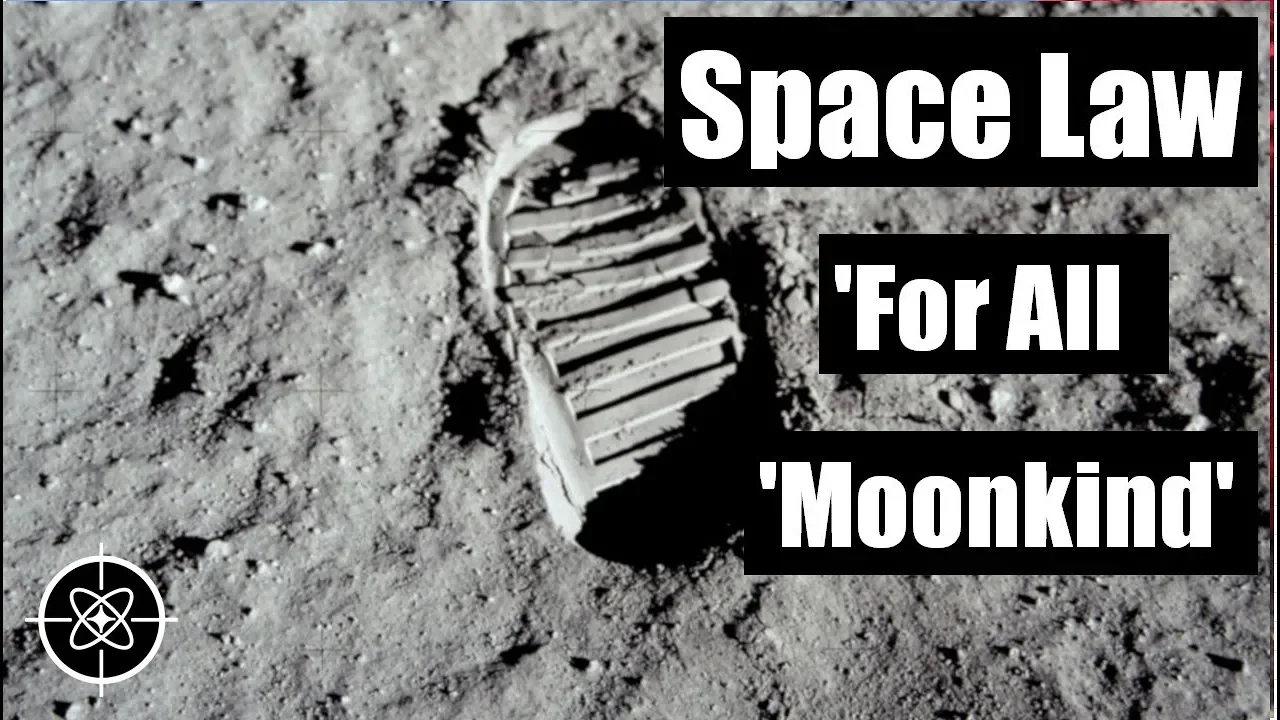
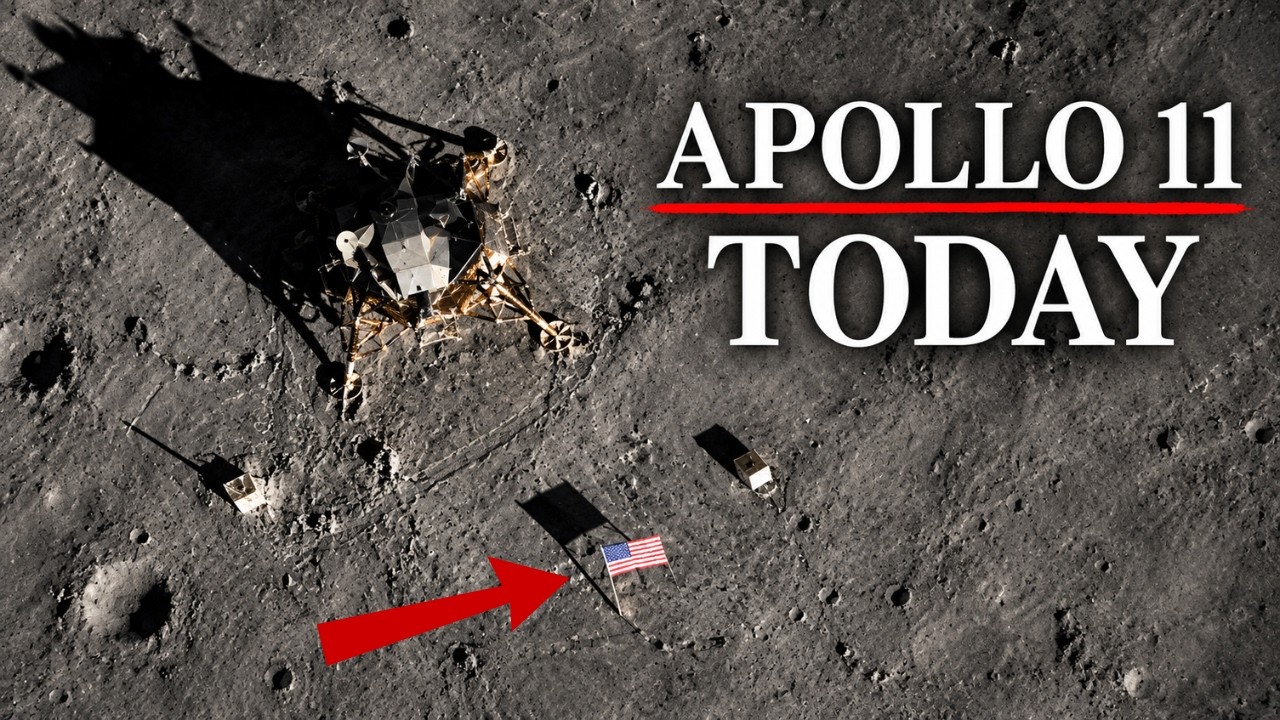
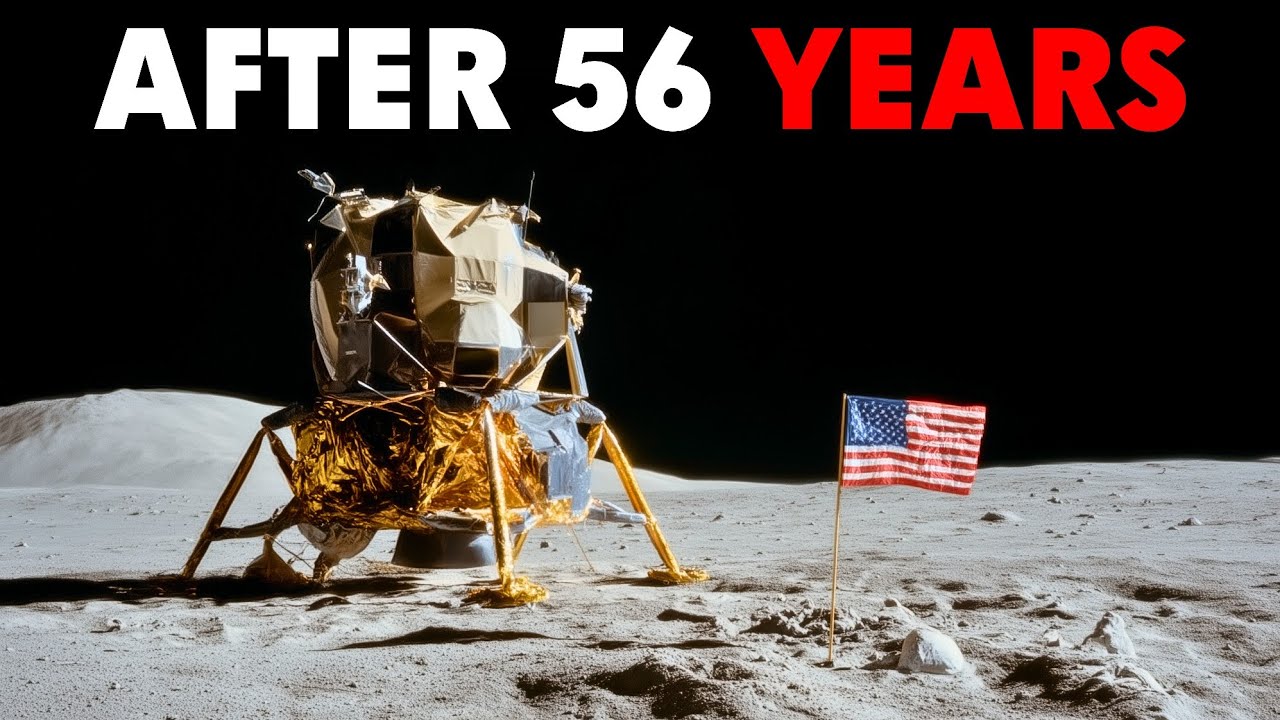
Tranquility Base where those astronauts first set foot on the Moon is an archeological site. They've left artifacts there.
They've left footprints.
We could analyze those footprints and those artifacts to learn something about that very extraordinary kind of encounter with the landscape.
Interestingly also, the United States put a flag and recent images we've got from the Lunar Reconnaissance Orbiter have shown us that the flag isn't still standing up.
But I think there's enough evidence from those images to perhaps prove the Moon conspiracy people wrong.
We really did land on the Moon.
What's interesting about the flag is that it is normally considered to be a symbol of colonization.
And under the terms of the outer space treaty, which was only set up a couple of years before 1967, no nation can make a territorial claim on space.
Space is for all humankind.
So this is interesting.
They put a flag on the surface of the Moon.
And there was some controversy around that.
But what the international community chose to do was to interpret this as an action taken on behalf of all humanity.
But that is a matter of interpretation.
There are people now: China, India, US, all the other space players, they're thinking of going back to the Moon and there are resources on the Moon that can be used.
So these symbols could change their meaning.
Which I think is a really interesting feature of how that material object can be used in the social and political world of space.
So let's leave the Moon now and go to a planet that people often forget about.
While all of the big Moon stuff was going on, the Russians were actually putting a lot of energy in the 1960s right through to the 1980s on Venus.
And they sent a series of landing missions there, called Venera.
And nobody really knew what Venus was like at this stage.
It was even thought there could be life there.
People speculated that there were warm swampy oceans full of green telepathic frogs or beautiful singing angels.
When the Venera missions returned the first images back to Earth, we learned that sadly none of those things were true.
Venus is really just a big brown old desert.
But these little spacecraft, I think, are some of my favorite things.
They look a little bit like Daleks to my mind.
But they're also very appealing.
They landed all by themselves on Venus.
In the picture you see there, it's an image taken looking down on its own feet.
It's very personal.
It's like you can feel the spacecraft in the photo.
And they sent us these pictures of another landscape, a place we've not yet visited in person.
To me they feel like we abandoned them out there.
They're little orphans all alone, waiting for somebody to come and pick them up.
And there are some missions being planned to Venus, so maybe that will actually happen.
And I'm pretty sure, even though conditions are very harsh, they're probably still surviving quite well on the surface of the planet.
So again Venus is now more than just a far away place. It's a human landscape and these Venera spacecraft are our representatives on the surface of Venus, if you like.
Many, many other places that we could have a look at in between.
But I'm going to take us right to the very edge of the solar system.
There's only 4 spacecraft to have gone this far.
Pioneer X and XI have already passed out of our knowledge.
We no longer have any contact with them.
Voyager I and II are in some kind of – they're out at the edge, they might be passing through to interstellar space any day.
There's things in the news all the time.
So they're getting to the edge of the Sun's influence and starting to move out into the galaxy beyond.
They are the ultimate orphans.
They're so little and alone out there.
And there's only one place on Earth still listening to them picking up their signals.
That's actually the Canberra Deep Space tracking station.
So Voyager sends its little tiny weak signal back to us and we know it's out there.
It's our senses extended to the very edge of the solar system.
And that alone makes the two Voyagers – I've chosen Voyager II here because it's my personal favorite.
Everyone pays more attention to Voyager I because it's likely to pass out, it's on a shorter trajectory.
Iit will get there sooner.
So everyone forgets about Voyager II. So I like Voyager II best.
(Laughter) These two little spacecraft also have on them the famous golden records.
On these records were recorded examples of all the languages on Earth.
Maybe not all, but quite a few languages on Earth.
There was music. There was sounds. All kinds of things.
Also on these records are two aboriginal songs that were recorded with an anthropologist out in the central desert.
And I think this is extraordinary.
So Australia at the moment, we've got a new space policy.
We don't have a space agency. We might never get one.
But Aboriginal culture is actually taking us out to the stars.
So, when we think about all of these artifacts and places these are human material interactions with the solar system, with the space environment.
The particular things I've decided to talk to you about today are ones that appeal to me particularly because they show very different stories about what happens in space.
They're about the public getting involved in space.
They're about amateurs successfully launching a satellite.
They're about planets and parts of the solar system that we might not be able to go ourselves but our robotic avatars can go to those places and engage with them.
They remind us that space isn't just empty and vast and black and dark and somewhere else out there.
We're actually part of it.
We're connected to Earth orbit, to the very edge of the solar system.
So space is something that we should be feeling connected with, not cut off from.
And our cultural heritage, these places and these artifacts demonstrate the kinds of attachments and meanings that we can give to these space places.
This is significant for us because there are a lot of resources in space.
There are currently plans to conduct asteroid mining, lunar mining, orbits and spectrums are under pressure from commercial enterprises.
And there's of course huge military interest in space as well.
The CIA thing, I forgot about that.
(Laughter) We need to be having a say in what happens in space.
It's our cultural heritage too.
These are places that are meaningful for us, not just for governments.
In the end, space archeology is something that connects us to our past in space and to our future in the stars.
And that future is yours and mine to decide.
Thank you.
(Applause)
Up Next
59:39
History of the Byzantine Empire Full Documentary
@Fireoflearning
1.3M views•2019-05-19

33:02
The Great Schism of 1054: Causes and Consequences
@SacredCathedrals
113.5K views•2026-02-19
13:22
The Dark History and Repatriation of Museum Artifacts
@TEDx
34.9K views•2017-08-22
17:05
Understanding the Cold War: Superpower Conflicts and the Road to Détente
@OverSimplified
46.1M views•2019-01-24
Related Study Plans & Knowledge Roadmaps
Structured learning paths in History
history
Byzantine Iconoclasm: Theology, Art & Politics
01Foundations of Byzantium and Early Christian Images
02The First Iconoclasm: Leo III and the Crisis of Images
03Empress Irene, Nicaea II, and the Second Iconoclasm
+ 2 more learning modules
9h5 modules
Explore Roadmap
history
Iranian Revolution (Causes, Events & Legacy)
01The Pahlavi Dynasty and the Roots of Discontent
02The Spark of Rebellion and the Rise of Khomeini
031979: The Fall of the Shah and the Climax of the Revolution
+ 2 more learning modules
8h5 modules
Explore Roadmap
history
Mali Empire: Mansa Musa, Trade & Timbuktu
01Foundations of the Mali Empire
02The Trans-Saharan Gold and Salt Trade
03The Reign and Pilgrimage of Mansa Musa
+ 1 more learning modules
6h4 modules
Explore Roadmap
history
1947 Partition: Politics, Borders & Legacies
01Foundations of British India and the Divide
02The Political Negotiations and the Mountbatten Plan
03Drawing the Boundary: The Radcliffe Line
+ 2 more learning modules
8h5 modules
Explore Roadmap