



















Biosphere 2, a three-acre sealed miniature world containing diverse ecosystems, demonstrated that closed ecological systems require careful management of material cycles; during the two-year experiment, the crew discovered that oxygen levels dropped dramatically (from 21% to 14.2%) because seven tons of oxygen had been absorbed by concrete foundations where excessive organic compost was decomposing, highlighting the interconnectedness of biological and geological processes in sustaining life.
Life in Biosphere 2: Sustainable Ecosystems & Human Survival
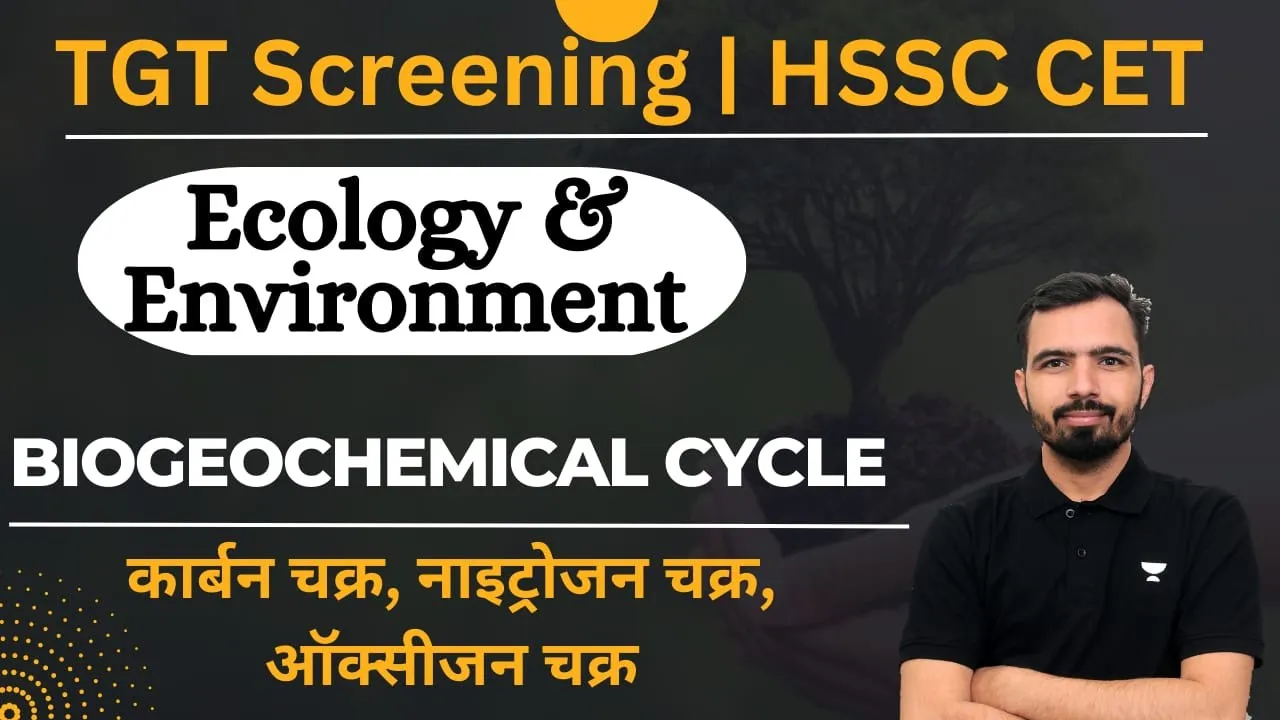
Added:Understanding of biogeochemical cycles (specifically carbon, nitrogen, and oxygen cycles) and how they sustain life.
Fundamental concepts of ecology, including trophic levels, food webs, and the roles of producers, consumers, and decomposers.
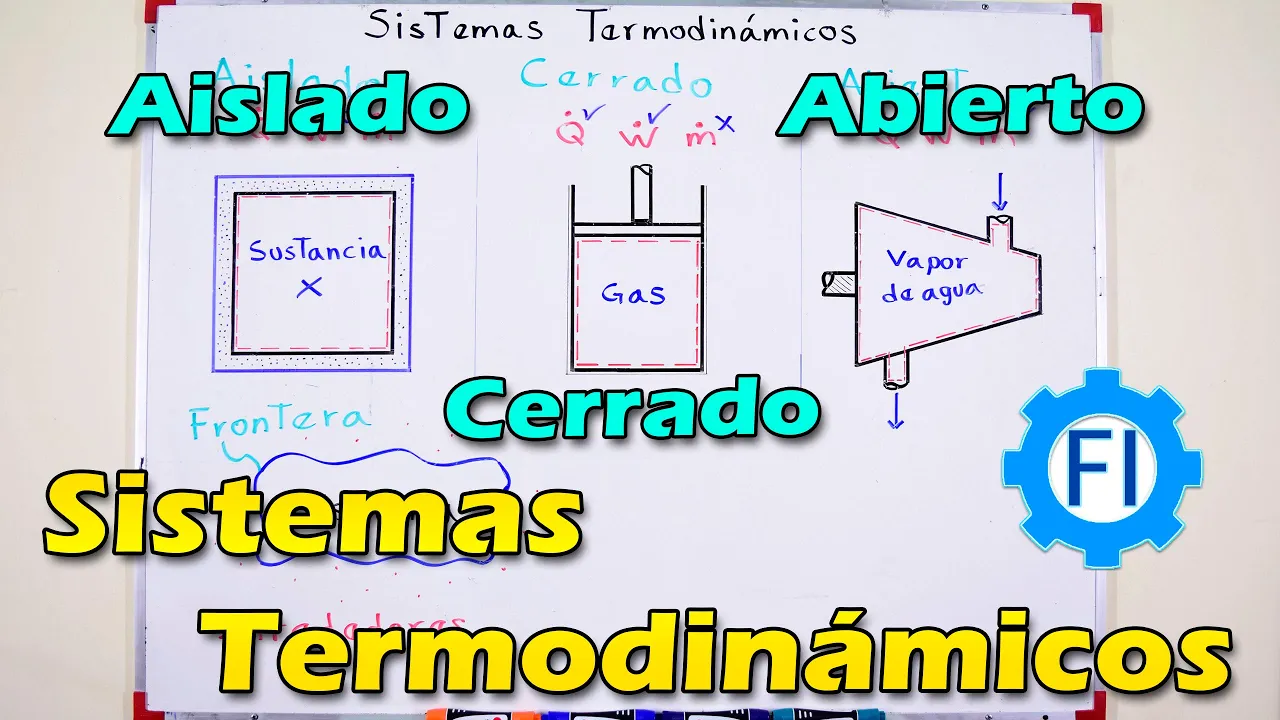
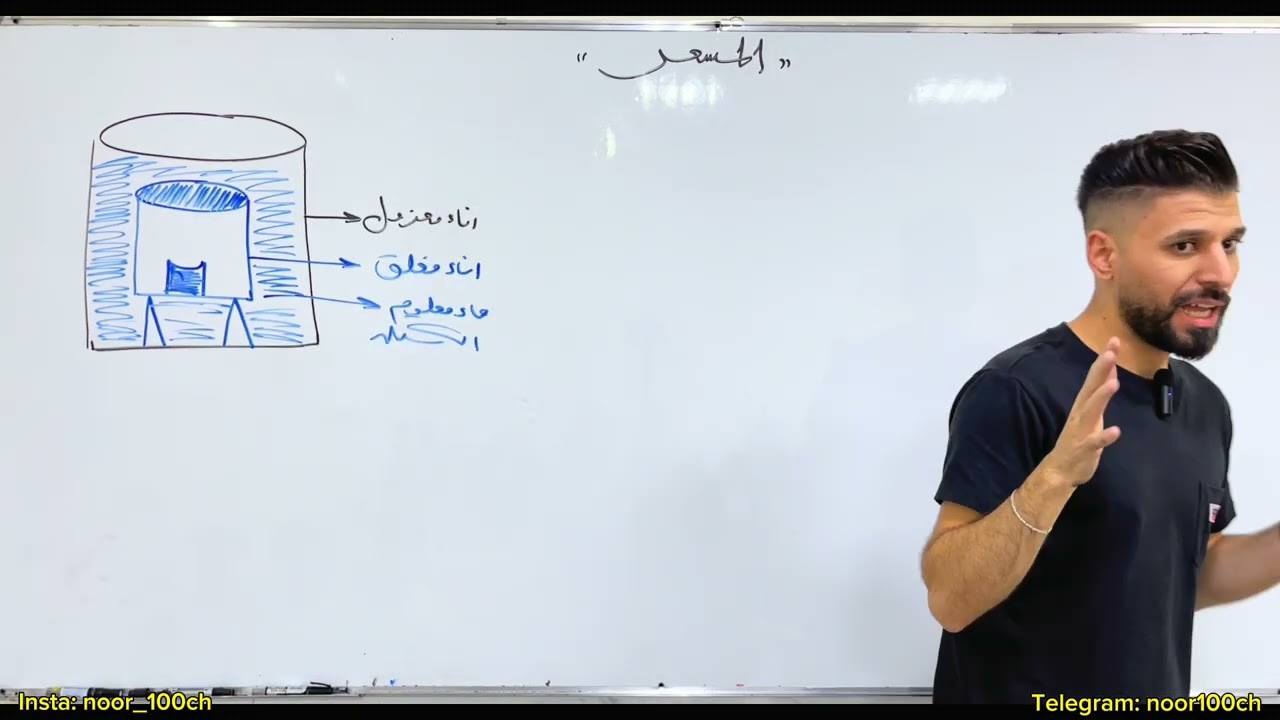
The scientific distinction between open, closed, and isolated thermodynamic systems.
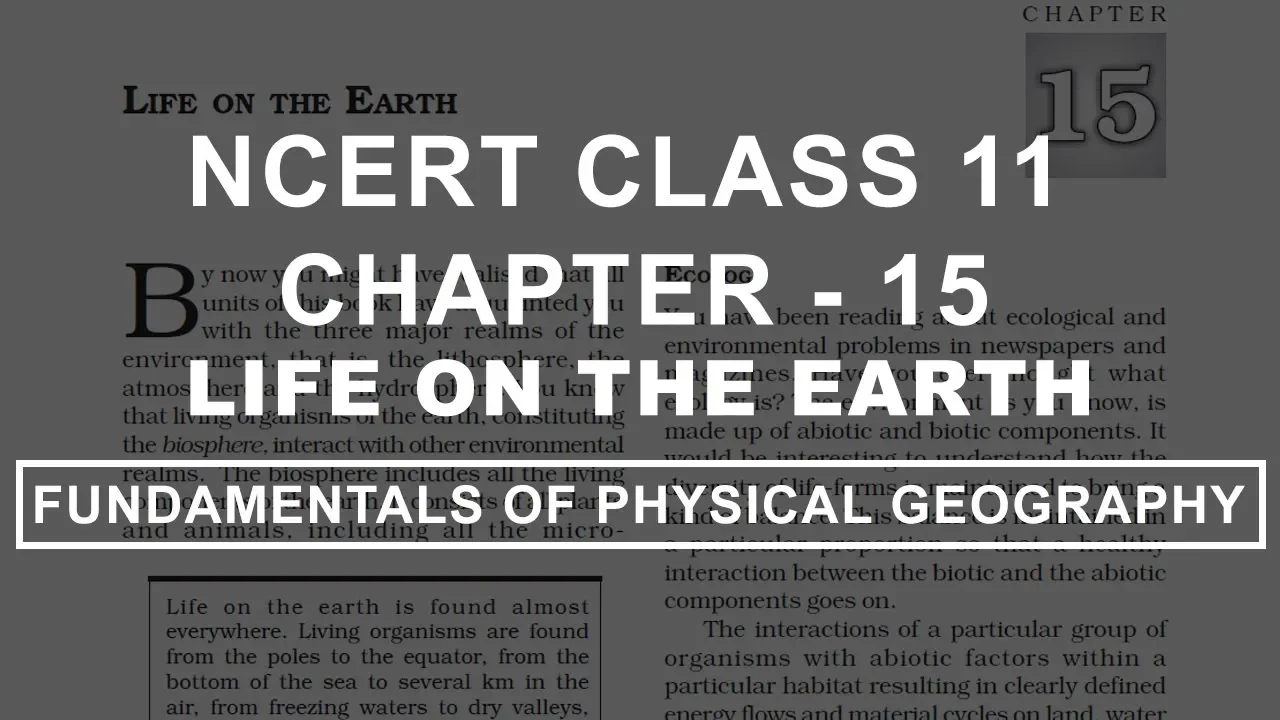
The basic biological and chemical balance between photosynthesis and cellular respiration in maintaining atmospheric composition.
Design and engineering principles of Bioregenerative Life Support Systems (BLSS) for long-duration space missions, such as Mars colonization.
The study of closed-loop agricultural systems and circular economy practices in modern sustainable engineering.
The psychological and sociological dynamics of human crews in long-duration isolation (analog space missions).
Analyzing the specific failure modes of Biosphere 2 (such as concrete carbon dioxide absorption and soil microbe respiration) to improve modern ecological modeling.
334.9K views3.1Klikes15:54Original Release: 2009-06-16
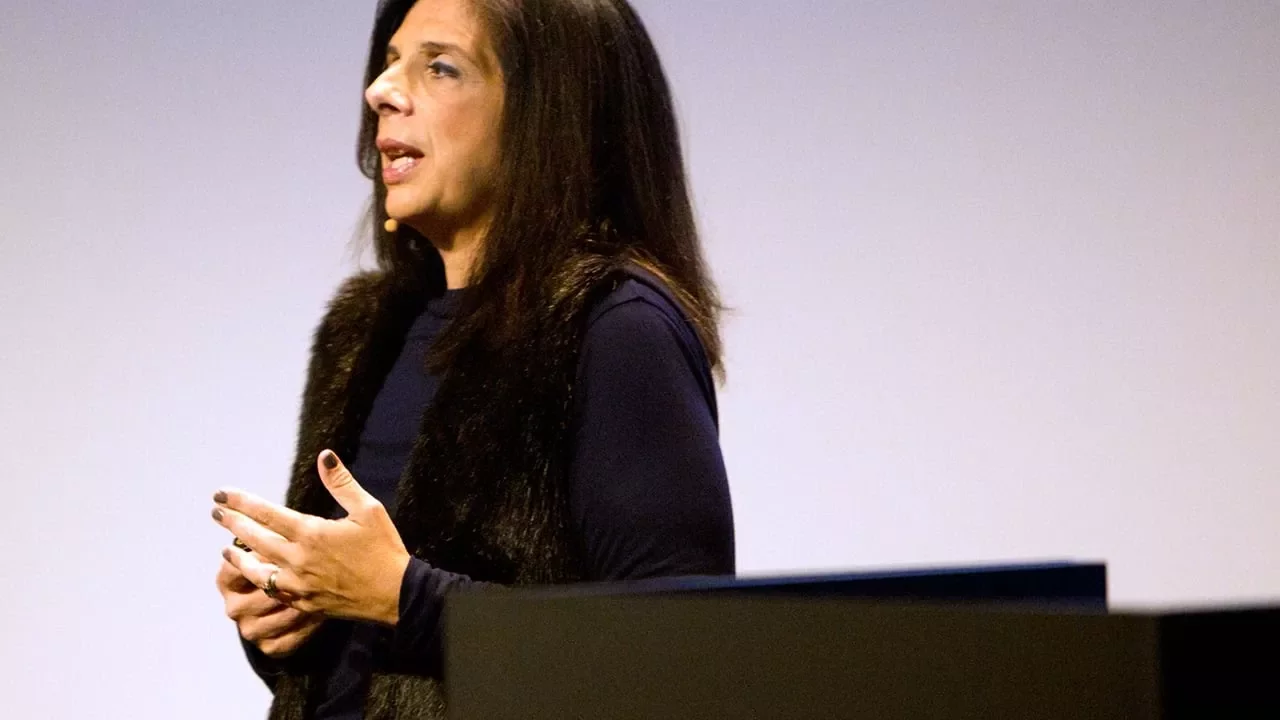
I have had the distinct pleasure of living inside two biospheres.
Of course we all here in this room live in Biosphere 1.
I've also lived in Biosphere 2.
And the wonderful thing about that is that I get to compare biospheres.
And hopefully from that I get to learn something.
So what did I learn? Well, here I am inside Biosphere 2, making a pizza.
So I am harvesting the wheat, in order to make the dough.
And then of course I have to milk the goats and feed the goats in order to make the cheese.
It took me four months in Biosphere 2 to make a pizza.
Here in Biosphere 1, well it takes me about two minutes, because I pick up the phone and I call and say, "Hey, can you deliver the pizza?"
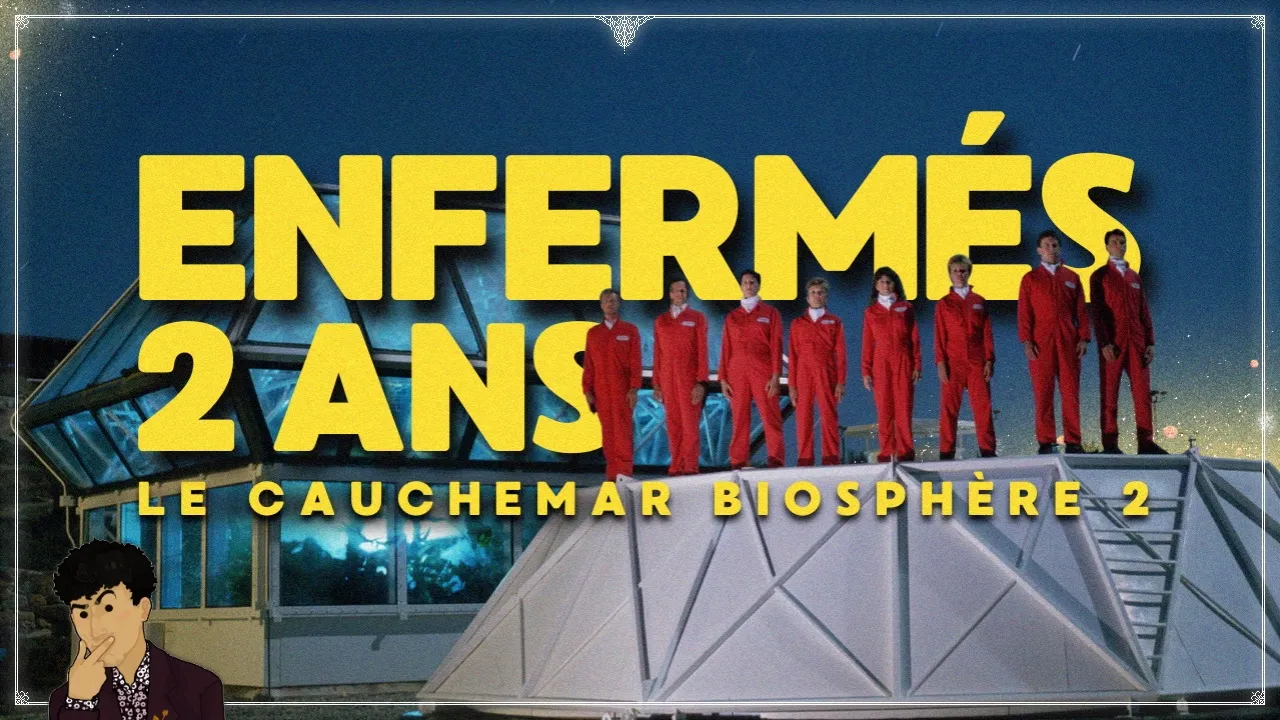
So Biosphere 2 was essentially a three-acre, entirely sealed, miniature world that I lived in for two years and 20 minutes.
(Laughter) Over the top it was sealed with steel and glass, underneath it was sealed with a pan of steel -- essentially entirely sealed.
So we had our own miniature rainforest, a private beach with a coral reef.
We had a savanna, a marsh, a desert.
We had our own half-acre farm that we had to grow everything.
And of course we had our human habitat, where we lived.
Back in the mid-'80s when we were designing Biosphere 2, we had to ask ourselves some pretty basic questions.
I mean, what is a biosphere?
Back then, yes, I guess we all know now that it is essentially the sphere of life around the Earth, right?
Well, you have to get a little more specific than that if you're going to build one.
And so we decided that what it really is is that it is entirely materially closed -- that is, nothing goes in or out at all, no material -- and energetically open, which is essentially what planet Earth is.
This is a chamber that was 1/400th the size of Biosphere 2 that we called our Test Module.
And the very first day that this fellow, John Allen, walked in, to spend a couple of days in there with all the plants and animals and bacteria that we'd put in there to hopefully keep him alive, the doctors were incredibly concerned that he was going to succumb to some dreadful toxin, or that his lungs were going to get choked with bacteria or something, fungus.
But of course none of that happened.
And over the ensuing few years, there were great sagas about designing Biosphere 2.
But by 1991 we finally had this thing built.
And it was time for us to go in and give it a go.
We needed to know, is life this malleable?
Can you take this biosphere, that has evolved on a planetary scale, and jam it into a little bottle, and will it survive?
Big questions.
And we wanted to know this both for being able to go somewhere else in the universe -- if we were going to go to Mars, for instance, would we take a biosphere with us, to live in it?
We also wanted to know so we can understand more about the Earth that we all live in.
Well, in 1991 it was finally time for us to go in and try out this baby.
Let's take it on a maiden voyage.
Will it work? Or will something happen that we can't understand and we can't fix, thereby negating the concept of man-made biospheres?
So eight of us went in: four men and four women.
More on that later.
(Laughter) And this is the world that we lived in.
So, on the top, we had these beautiful rainforests and an ocean, and underneath we had all this technosphere, we called it, which is where all the pumps and the valves and the water tanks and the air handlers, and all of that.
One of the Biospherians called it "garden of Eden on top of an aircraft carrier."
And then also we had the human habitat of course, with the laboratories, and all of that.
This is the agriculture.
It was essentially an organic farm.
The day I walked into Biosphere 2, I was, for the first time, breathing a completely different atmosphere than everybody else in the world, except seven other people.
At that moment I became part of that biosphere.
And I don't mean that in an abstract sense; I mean it rather literally.
When I breathed out, my CO2 fed the sweet potatoes that I was growing.
And we ate an awful lot of the sweet potatoes.
(Laughter) And those sweet potatoes became part of me.
In fact, we ate so many sweet potatoes I became orange with sweet potato.
I literally was eating the same carbon over and over again.
I was eating myself in some strange sort of bizarre way.
When it came to our atmosphere, however, it wasn't that much of a joke over the long term, because it turned out that we were losing oxygen, quite a lot of oxygen.
And we knew that we were losing CO2.
And so we were working to sequester carbon.
Good lord -- we know that term now.
We were growing plants like crazy.
We were taking their biomass, storing them in the basement, growing plants, going around, around, around, trying to take all of that carbon out of the atmosphere.
We were trying to stop carbon from going into the atmosphere.
We stopped irrigating our soil, as much as we could.
We stopped tilling, so that we could prevent greenhouse gasses from going into the air.
But our oxygen was going down faster than our CO2 was going up, which was quite unexpected, because we had seen them going in tandem in the test module.
And it was like playing atomic hide-and-seek.
We had lost seven tons of oxygen.
And we had no clue where it was.
And I tell you, when you lose a lot of oxygen -- and our oxygen went down quite far; it went from 21 percent down to 14.2 percent -- my goodness, do you feel dreadful.
I mean we were dragging ourselves around the Biosphere.
And we had sleep apnea at night.
So you'd wake up gasping with breath, because your blood chemistry has changed.
And that you literally do that. You stop breathing and then you -- (Gasps) -- take a breath and it wakes you up. And it's very irritating.
And everybody outside thought we were dying.
I mean, the media was making it sound like were were dying.
And I had to call up my mother every other day saying, "No, Mum, it's fine, fine.
We're not dead. We're fine. We're fine."
And the doctor was, in fact, checking us to make sure we were, in fact, fine.
But in fact he was the person who was most susceptible to the oxygen.
And one day he couldn't add up a line of figures.
And it was time for us to put oxygen in.
And you might think, well, "Boy, your life support system was failing you. Wasn't that dreadful?"
Yes. In a sense it was terrifying.
Except that I knew I could walk out the airlock door at any time, if it really got bad, though who was going to say, "I can't take it anymore!"?
Not me, that was for sure.
But on the other hand, it was the scientific gold of the project, because we could really crank this baby up, as a scientific tool, and see if we could, in fact, find where those seven tons of oxygen had gone.
And we did indeed find it.
And we found it in the concrete.
Essentially it had done something very simple.
We had put too much carbon in the soil in the form of compost.
It broke down; it took oxygen out of the air; it put CO2 into the air; and it went into the concrete.
Pretty straightforward really.
So at the end of the two years when we came out, we were elated, because, in fact, although you might say we had discovered something that was quite "uhh," when your oxygen is going down, stopped working, essentially, in your life support system, that's a very bad failure.
Except that we knew what it was. And we knew how to fix it.
And nothing else emerged that really was as serious as that.
And we proved the concept, more or less.
People, on the other hand, was a different subject.
We were -- yeah I don't know that we were fixable.
We all went quite nuts, I will say.
And the day I came out of Biosphere 2, I was thrilled I was going to see all my family and my friends.
For two years I'd been seeing people through the glass.
And everybody ran up to me.
And I recoiled. They stank!
People stink!
We stink of hairspray and underarm deodorant, and all kinds of stuff.
Now we had stuff inside Biosphere to keep ourselves clean, but nothing with perfume.
And boy do we stink out here.
Not only that, but I lost touch of where my food came from.
I had been growing all my own food.
I had no idea what was in my food, where it came from.
I didn't even recognize half the names in most of the food that I was eating.
In fact, I would stand for hours in the aisles of shops, reading all the names on all of the things.
People must have thought I was nuts.
It was really quite astonishing.
And I slowly lost track of where I was in this big biosphere, in this big biosphere that we all live in.
In Biosphere 2 I totally understood that I had a huge impact on my biosphere, everyday, and it had an impact on me, very viscerally, very literally.
So I went about my business: Paragon Space Development Corporation, a little firm I started with people while I was in the Biosphere, because I had nothing else to do.
And one of the things we did was try to figure out: how small can you make these biospheres, and what can you do with them?
And so we sent one onto the Mir Space Station.
We had one on the shuttle and one on the International Space Station, for 16 months, where we managed to produce the first organisms to go through complete multiple life cycles in space -- really pushing the envelope of understanding how malleable our life systems are.
And I'm also proud to announce that you're getting a sneak preview -- on Friday we're going to announce that we're actually forming a team to develop a system to grow plants on the Moon, which is going to be pretty fun.
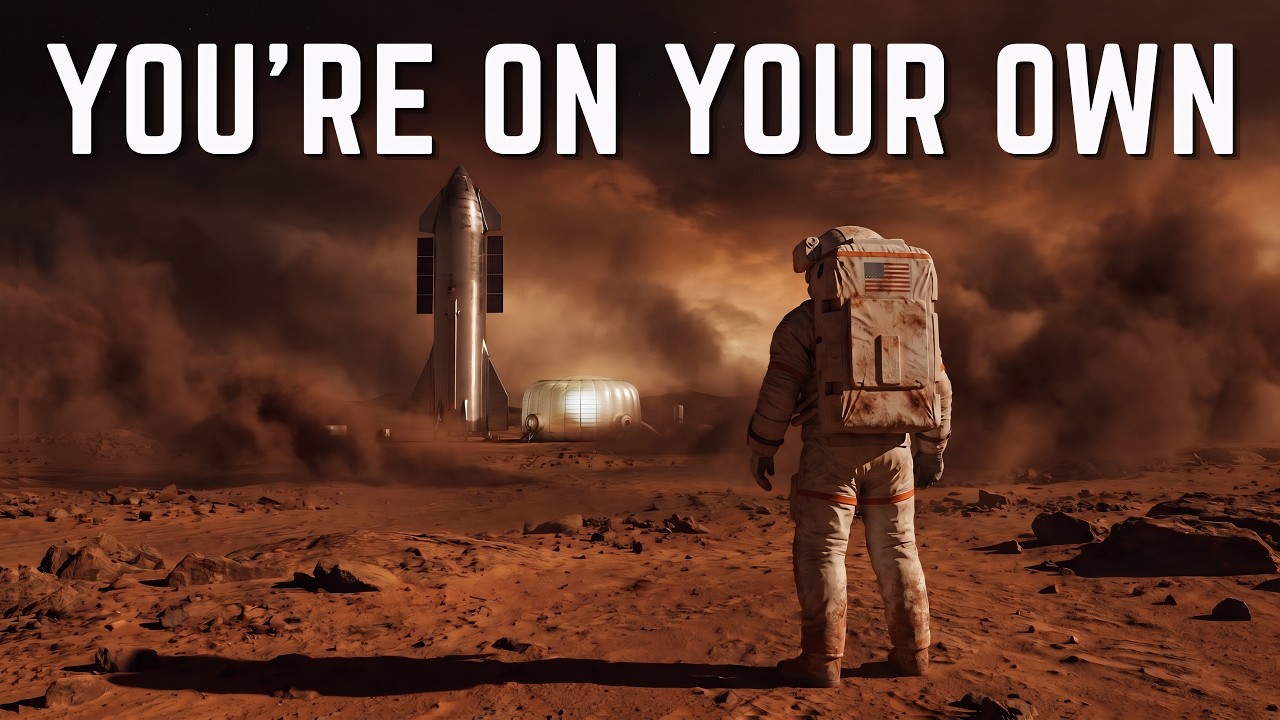
And the legacy of that is a system that we were designing: an entirely sealed system to grow plants to grow on Mars.
And part of that is that we had to model very rapid circulation of CO2 and oxygen and water through this plant system.
As a result of that modeling I ended up in all places, in Eritrea, in the Horn of Africa.
Eritrea, formerly part of Ethiopia, is one of those places that is astonishingly beautiful, incredibly stark, and I have no understanding of how people eke out a living there.
It is so dry.
This is what I saw.
But this is also what I saw.
I saw a company that had taken seawater and sand, and they were growing a kind of crop that will grow on pure salt water without having to treat it.
And it will produce a food crop.
In this case it was oilseed.
It was astonishing. They were also producing mangroves in a plantation.
And the mangroves were providing wood and honey and leaves for the animals, so that they could produce milk and whatnot, like we had in the Biosphere.
And all of it was coming from this: shrimp farms.
Shrimp farms are a scourge on the earth, frankly, from an environmental point of view.
They pour huge amounts of pollutants into the ocean.
They also pollute their next-door neighbors.
So they're all shitting each other's ponds, quite literally.
And what this project was doing was taking the effluent of these, and turning them into all of this food.
They were literally turning pollution into abundance for a desert people.
They had created an industrial ecosystem, of a sense.
I was there because I was actually modeling the mangrove portion for a carbon credit program, under the U.N.
Kyoto Protocol system.
And as I was modeling this mangrove swamp, I was thinking to myself, "How do you put a box around this?"
When I'm modeling a plant in a box, literally, I know where to draw the boundary.
In a mangrove forest like this I have no idea.
Well, of course you have to draw the boundary around the whole of the Earth.
And understand its interactions with the entire Earth.
And put your project in that context.
Around the world today we're seeing an incredible transformation, from what I would call a biocidal species, one that -- whether we intentionally or unintentionally -- have designed our systems to kill life, a lot of the time.
This is in fact, this beautiful photograph, is in fact over the Amazon.
And here the light green are areas of massive deforestation.
And those beautiful wispy clouds are, in fact, fires, human-made fires.
We're in the process of transforming from this, to what I would call a biophilic society, one where we learn to nurture society.
Now it may not seem like it, but we are.
It is happening all across the world, in every kind of walk of life, and every kind of career and industry that you can think of.
And I think often times people get lost in that.
They go, "But how can I possibly find my way in that?
It's such a huge subject."
And I would say that the small stuff counts. It really does.
This is the story of a rake in my backyard.
This was my backyard, very early on, when I bought my property.
And in Arizona, of course, everybody puts gravel down.
And they like to keep everything beautifully raked. And they keep all the leaves away.
And on Sunday morning the neighbors leaf blower comes out, and I want to throttle them.
It's a certain type of aesthetic.
We're very uncomfortable with untidiness.
And I threw away my rake.
And I let all of the leaves fall from the trees that I have on my property.
And over time, essentially what have I been doing?
I've been building topsoil.
And so now all the birds come in. And I have hawks.
And I have an oasis.
This is what happens every spring. For six weeks, six to eight weeks, I have this flush of green oasis.
This is actually in a riparian area.
And all of Tucson could be like this if everybody would just revolt and throw away the rake.
The small stuff counts.
The Industrial Revolution -- and Prometheus -- has given us this, the ability to light up the world.
It has also given us this, the ability to look at the world from the outside.
Now we may not all have another biosphere that we can run to, and compare it to this biosphere.
But we can look at the world, and try to understand where we are in its context, and how we choose to interact with it.
And if you lose where you are in your biosphere, or are perhaps having a difficulty connecting with where you are in the biosphere, I would say to you, take a deep breath.
The yogis had it right.
Breath does, in fact, connect us all in a very literal way.
Take a breath now.
And as you breathe, think about what is in your breath.
There perhaps is the CO2 from the person sitting next-door to you.
Maybe there is a little bit of oxygen from some algae on the beach not far from here.
It also connects us in time.
There may be some carbon in your breath from the dinosaurs.
There could also be carbon that you are exhaling now that will be in the breath of your great-great-great-grandchildren.
Thank you. (Applause)
Up Next
13:03
Marine Noise Pollution Effects on Ocean Life
@TED
70.1K views•2020-04-16
53:25
Dr. Joe Gaydos Explores the Salish Sea Ecosystem
@liheritagetrust
152 views•2022-06-08
21:35
Ocean Acidification in Washington: Dr. Shallin Busch
@TEDx
25.7K views•2013-05-02
10:28
Ice Stupa Artificial Glaciers: Solving Ladakh's Water Crisis
@SonamWangchuk66
3.2M views•2015-05-03
Related Study Plans & Knowledge Roadmaps
Structured learning paths in Environmental Science
environmental-science
Ocean Noise: Cetacean Impacts & Mitigation
01Fundamentals of Underwater Acoustics
02Marine Mammal Bioacoustics
03Anthropogenic Noise: Shipping & Seismic Surveying
+ 2 more learning modules
16h5 modules
Explore Roadmap
environmental-science
Road Ecology: Corridors, Overpasses & Fencing
01Foundations of Habitat Fragmentation and Carnivore Ecology
02The Road Barrier: Ecological Impacts of Transport Infrastructure
03Principles of Ecological Corridors and Connectivity Mapping
+ 3 more learning modules
14h6 modules
Explore Roadmap
environmental-science
Ocean Acidification: Kelp Buffering & Shellfish
01Fundamentals of Ocean Chemistry & pH
02Chemical Pathways of Coastal Acidification
03Bivalve Physiology & Calcification Under Stress
+ 2 more learning modules
18h5 modules
Explore Roadmap
environmental-science
Ice Stupas: Glacial Retreat & Water Security
01Foundations of Glaciology & Mountain Hydrology
02Climate Change and Glacial Retreat Dynamics
03The Science of Ice Stupas & Artificial Glaciers
+ 2 more learning modules
14h5 modules
Explore Roadmap