







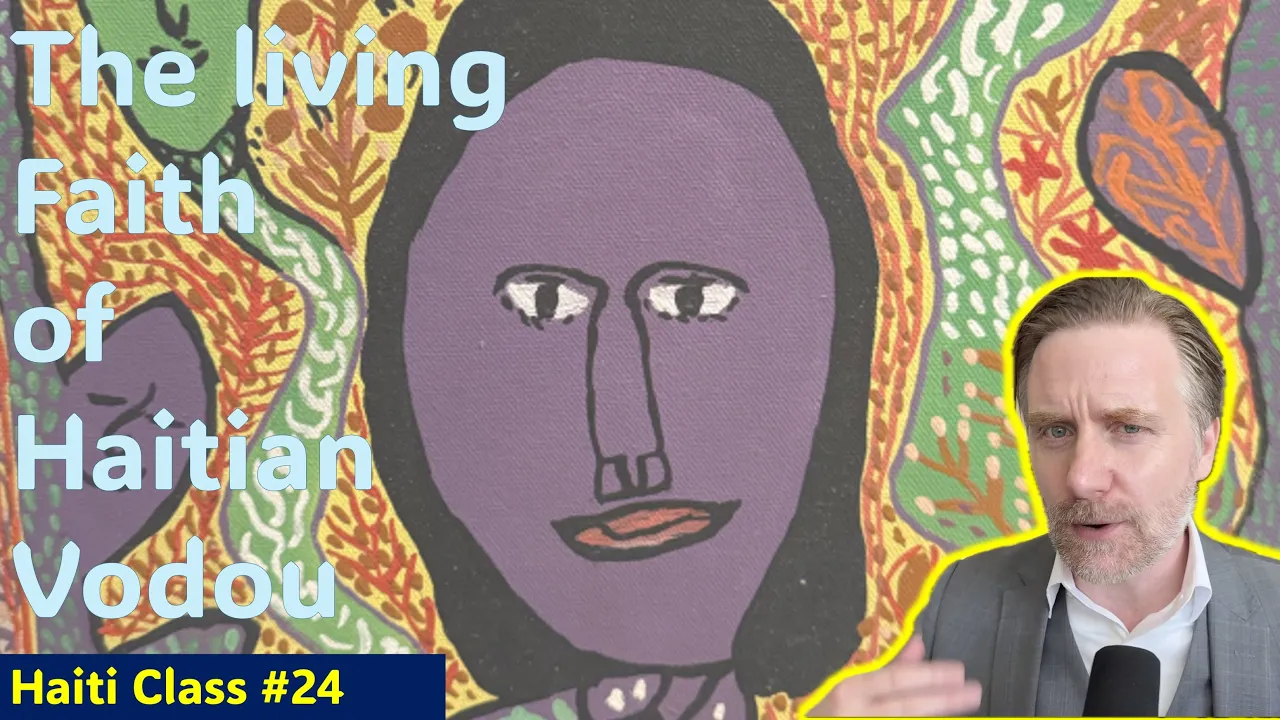











Haitian Vodou is an African diaspora religion that originated from enslaved Africans brought to Hispaniola during the transatlantic slave trade, blending traditional West African spiritual practices with Roman Catholicism; it centers on serving spirits called lwa (divine energies) through reciprocal relationships involving offerings, drumming, dancing, and ritual mounting, where practitioners temporarily serve as vessels for spirits to communicate guidance and protection to the community.
Haitian Vodou: History, Beliefs, and Rituals Explained
Added:The concept of religious syncretism, which explains how different belief systems merge, specifically the blending of West African traditional religions with Roman Catholicism.
The history of the Transatlantic Slave Trade and how it forcibly displaced diverse West African ethnic groups (such as the Fon, Yoruba, and Kongo) to the Caribbean.
The colonial history of Saint-Domingue (pre-independence Haiti) and the enforcement of the French 'Code Noir', which outlawed African religions and forced enslaved people to practice Catholicism outwardly.
Basic theological concepts of monotheism, animism, and intermediary spirits (ancestral veneration) to understand the structure of Vodou cosmology.
The critical role of Vodou in the Haitian Revolution, particularly the historical and spiritual significance of the Bois Caïman ceremony of 1791.
Comparative analysis of other African diaspora religions in the Americas, such as Cuban Santería, Brazilian Candomblé, and Louisiana Voodoo.
An examination of the Western stigmatization of Vodou, analyzing how colonial fears, U.S. occupation (1915-1934), and pop culture created the sensationalized 'Voodoo' myth.
The contemporary social and political role of Vodou in modern Haiti, including its official recognition as a state religion in 2003 and its influence on Haitian art, music, and community healthcare.
565.9K views23.8Klikes24:51Original Release: 2021-08-25
This episode of Religion for Breakfast is brought to you by Wandreum. The word voodoo conjures all sorts of creepy and exotic imagery in pop culture. Images of malevolent magic like voodoo dolls or Dr. Facilia, the villain in Disney's The Princess and the Frog who wields voodoo magic. Voodoo is also often associated with brutality and even human sacrifice.
In 2014, Universal Studios Orlando staged a Halloween horror sideshow called Bayou of Blood, where a voodoo priestess slaughters a helpless man.
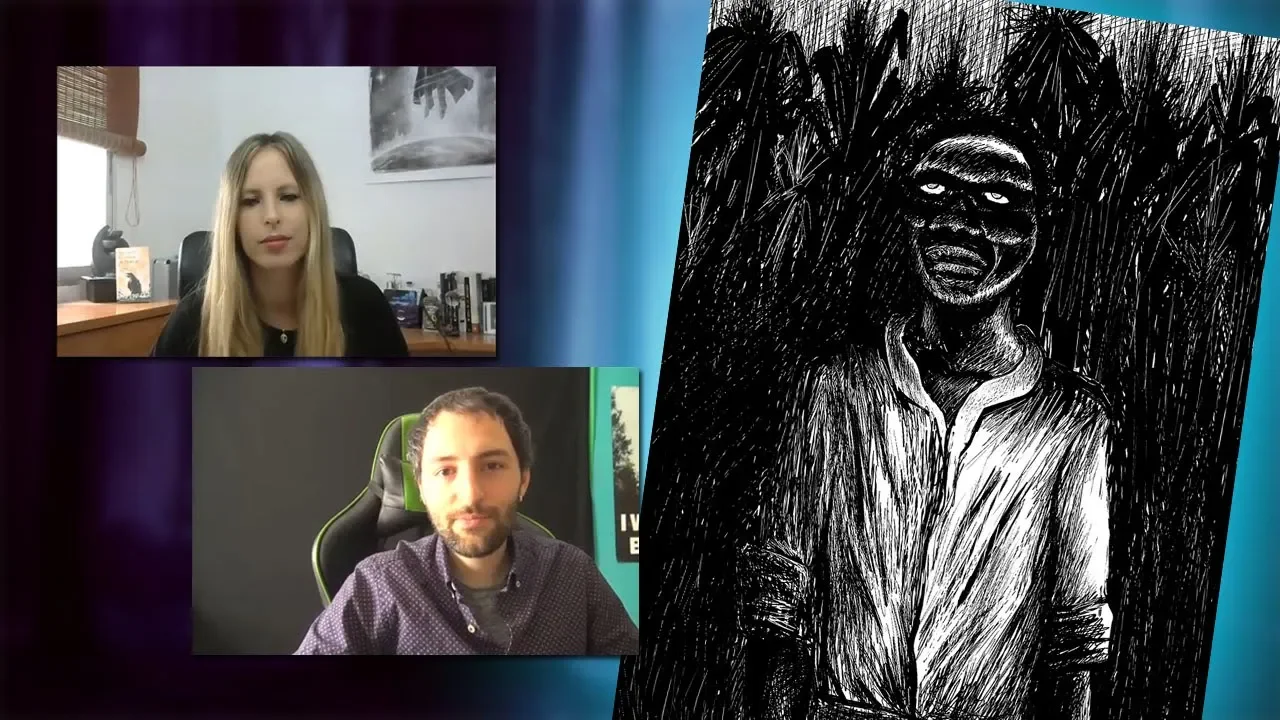
These are inaccurate stereotypes of African diaspora religions, sometimes called African derived religions. These are religions mostly centered in the Americas, including the Caribbean, that originate in part from communities of enslaved Africans who were abducted from their homelands and forced to work in European colonies during the transatlantic slave trade. Some examples of African diaspora religions include Brazilian kondumblé, Cuban lukumi, also known as Santaria, and Haitian vodu, which is the subject of this video. To help with this episode, I've teamed up with an expert, Dr. Kira Malikica Daniels, a scholar of African diaspora religion and a professor at Boston College. I'll cut to my interview with her throughout this video, but first, let's get our terminology straight. The idea of voodoo, spelled with two O's, as it's manufactured in pop culture and horror films, is not rooted in reality.
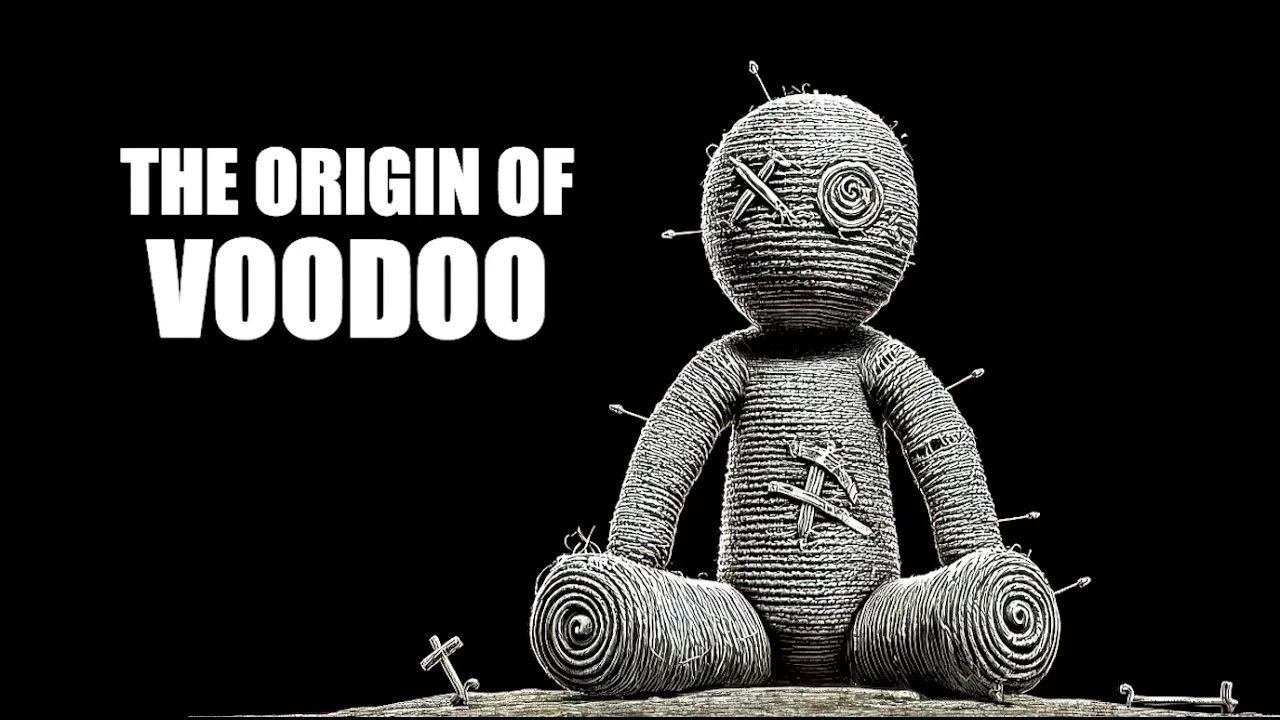
The Haitian religion known as voodoo is not primarily based on magic or witchcraft. The vast majority of vodu practitioners called vodizan have never seen a voodoo doll, let alone used one.
As we'll see later in this video, Haitian voodoo primarily involves serving spirits called lua. And a lot of Haitian voodoo practice is blended with Roman Catholicism. I also want to distinguish Haitian voodoo from the tradition of New Orleans voodoo, which we can describe in several ways. First, voodoo in New Orleans sometimes manifests as a cultural theme or what we could call tourist voodoo, something that you can see in local gift shops, on t-shirts, or in the branding of particularly hoppy beers. But New Orleans voodoo can also refer to local beliefs and practices of the populations that trace their origins back to the Atlantic slave trade when enslaved Africans were brought to Louisiana in the 17th and 18th centuries, which at the time was a French colony. Throughout this video, I'll be using the term vodu to refer specifically to Haitian vodu.
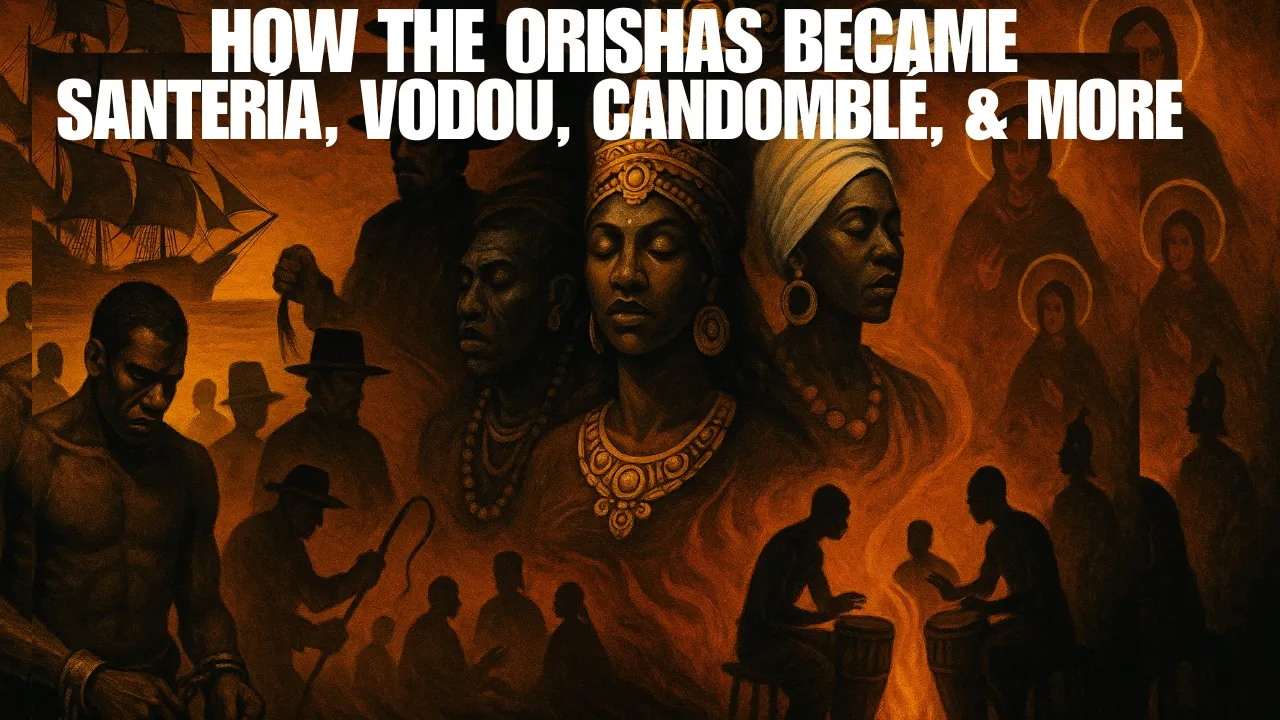
This word derives from the designation for spirit in the fawn language group of West Africa, which is spoken today in the country of Benin and its surroundings. Vodun with an N refers to beliefs and practices in West Africa today, which is a topic we'll save for a future video. Keep in mind though that religions are internally diverse. And while I'll be generalizing throughout this video, there is diversity within Haitian vodu. Beliefs and practices vary from family to family and community to community. So, with all of that in mind, let's get into it. Haitian voodoo emerged in the 1600s within communities of enslaved Africans who were forced to the island of Hispanola, which is today two countries. Haiti on the western third and the Dominican Republic on the eastern 2/3s. People from all over West and West Central Africa were forced to Caribbean plantations. Some of the largest populations that ended up on Hispanola came from the regions roughly around modern-day Benin and Western Nigeria, including the Fawn and people as well as various Eurobas speaking ethnic groups. Congo communities from central Africa also played a significant role in Hades demographic makeup. To this day, Vodu practitioners speak of their ancestral homelands in Africa as Guinea, and this is a major part of their mythology and practice. As you'll see throughout this video, many of the terms for spirits and practices within Vodu derived from African language and culture. France gained control of the western third of Hispanola in 1659 and formed the colony Sand Doming. This quickly became one of France's most profitable and most brutal colonies, producing the raw goods that helped to build European wealth and infrastructure. By the late 17th and early 18th centuries, hundreds of thousands of Africans were enslaved in this colony, who continued their religious traditions from their homeland, increasingly blending with Catholic Christianity. As we'll examine later in this video, some of this blending occurred from Africans who brought Africanized versions of Catholicism from the continent. After all, Christianity had already been introduced to West Central Africa centuries before by the Portuguese. But this blending also occurred by force under the colonial rulers, especially in 1685 when King Louis the 14th issued the code noir, which set rules for the treatment of enslaved people and also decreed that missionaries should try converting them to Christianity. Vodu played a major role in throwing off colonial rule during the Haitian Revolution. On the night of August 14th, 1791, a group of enslaved Africans met at Boa Cayaman or Alligator Forest for what has been variously described as both a political rally and a religious ceremony led by a Vodu priest Duty Bookman and priestess Cecil Fatiman.
They made an offering of a wild boar to the spirits and made a blood pact to win their freedom. Historians have described this night as the start of the Haitian Revolution. War broke out all over the colony and over a decade later, the rebelling captives finally won their freedom, declaring their independence on January 1st, 1804. The Haitian Revolution was the only successful slave revolt in Atlantic history to have resulted in the establishment of a new nation and a black republic. Since independence, African-derived beliefs and practices have held a precarious position in Haitian society. In 1814, the second president of Haiti outlawed many voodoo practices. However, more recently in 2003, the newly elected Haitian president and former priest Jean Bertron Aristid controversially decreed vodu as an official religion of Haiti along with Catholicism. Nevertheless, vodu practitioners today are in conflict with a growing population of evangelical Christians who characterize vodu practice as demonic and cast the boaiman ceremony as a blood pact with Satan instead of a proud national story.
Haitian voodoo itself has spread outside of Haiti as well. According to some scholars, Little Haiti and Inner Miami remains the densest concentration of Haitians outside of Haiti. Some estimate that around 200 Voodoo priests and priestesses live in South Florida.
Boston, New York, and Montreal have also become centers for vodu practice because of their large Haitian immigrant populations. Some of these congregations have even been attracting converts from other populations, including practitioners of new religious movements like Wikah. So there's a basic history, but what about the basic beliefs of Haitian vodu? In Haitian vodu, there is one supreme god called bond, French for the good god. Since there are a lot of points of contact between vodu and Catholicism, many Haitians equate bondu with god the father in Catholic theology, he who created the universe.
But the primary way vodizan interact with the divine is through a pantheon of spirits called luwa. So who or what are the lwa? The rua are divine energies.
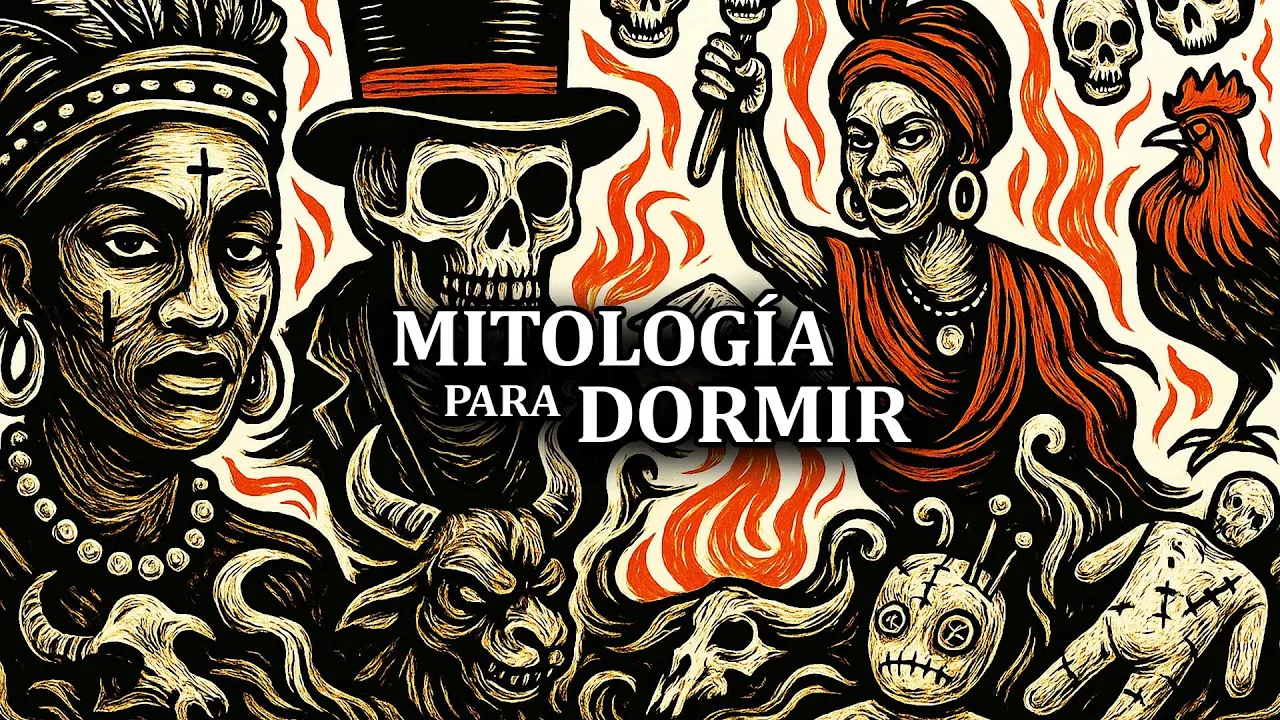
They are principles. They are entities that guide the world forward. And I think that, you know, historically speaking, yes, they have been described as saints. That's not entirely wrong, but it's also really not entirely correct. The lua are energies often of nature and also of the human realm. They work with and under bonjour in Haitian voodoo. Bonjour is God, the supreme god and if you will underneath but also in tandem with God are the who are the ones who interact most intimately with humans. People don't typically pray to bonjour except to ask for just you know magnificent strength you know in times of great desperation and need are more often interacting with the lua and sometimes they will refer to them using different terms and I think these different terms are really illuminating so sometimes they'll refer to them as seo the saints sometimes they'll refer to them as mystero as mysteries sometimes they'll refer to them as invisibio the invisible ones all of these terms are accurate So the Lwa are spirits and they also go by other names derived from Catholic terminology such as saints or angels. The Lwa fall under several categories or nations. The prominent nations of Luwa are the Rada, the Peto, and the Gedde. The Rada nation are the ancestral spirits associated with Vodun spirits from Benin. Some prominent lwa in this nation include Papaba, the gate opener, Donbala, a spirit represented by a serpent who is considered a kind and loving spirit and often called upon for help and Ezila, a law of femininity, womanhood, sexuality, prosperity, and fortune. The Rata nation of spirits are generally considered to be cool and serene spirits and are often associated with water rather than the more hot and volatile spirits of the Petro nation. The Petro spirits include some Congo spirits such as Simbi which derives from the word for spirit in the ancient Congo language. The Petro spirits also include some Haitianborn figures including heroes of the Haitian Revolution that have achieved status as Lua. There's also the GDay nation, the spirits of death, fertility, and regeneration. The Baron Smedi is probably the most famous Luwa in this nation, commonly depicted as a fancy skeletal man dressed in a top hat and a coat with tails. The baron is the lord of the cemetery, also the lord of the dead, and his assistants are the irreverent GDEay spirits.
But there are in fact said to be 21 nations. Now, I love this because it's very difficult to ask somebody to name all 21 nations. There are some who have, but it's rare. It comes with great knowledge. Usually, people can name about 12 to 15. And I would say that some of the most principal nations are Gada Pet and then you have the G nation which is also referred to as a family of spirits. These are the spirits of the dead and life, death and sexuality. Then you have the Juba nation, the agricultural spirits. That's a much smaller nation. And typically we understand that these nations were linked in fact with African origins. So you have for instance the Wongal nation which is Angola and the Congo nation which was ancient Congo. You have the sineigal nation. These spirits when they come in ceremony are said to speak Arabic and they pray in a fashion on the floor which I think is just fascinating and really reveals the way that these nations of spirits were serving as yes categories and families of spirits connected to different African lineages.
And so Haitians in the south I will note in particular because there are variations between northern and southern budu but in the south especially you serve all 21 nations. And that's important because the idea is you're serving all of your African heritage.
As you can gather from this discussion with Dr. Daniels, there are many Lwa, way too many to mention in this video.
But it's key to know that the Lwa, also known as the spirits and as the saints, are central to vodu belief and practice.
So what about ritual practices in Haitian vodu? We can summarize practice with the phrase serving the lwa or seilwa. So what does this mean? People can misunderstand it to mean I am a servant of the spirits.
Not true. It is really about reciprocity and that I think is fundamental to understanding Africana religions both on the continent and in the African diaspora. When you enter into these relationships with spirit formally through initiation, you are devoting yourself to providing offerings, to reciting their names, to you know singing songs that honor their legacy, to maintaining the heritage that you have been instilled with. In turn, you will be protected by the spirits. You will be cared for by the spirits. You will be guided by the spirits.
They will not leave you. They will not neglect you. And so it's a reciprocal and dynamic relationship. And that is essential. And we are meant to serve them, to honor them, to honor our African legacy and our African heritage and also to be guided and protected by them. So to say is really about reciprocity. So serving the law encompasses a whole constellation of ritual practices that not only aim to honor the spirits but also maintain a reciprocal relationship with them. Lua have favorite foods, favorite colors, favorite dances and music that you can offer them in ceremony. Typically, these ceremonies are held on annual saints days. And in Crayola, they're sometimes called a feta or a fiesta delsanto by Spanish-sp speakaking communities of Haitian heritage in Cuba or the Dominican Republic. These fet or fiestas or parties for the spirits invite the presence of the lwa through singing, drumming, dancing, and offering the spirits their favorite food and drink.
Generally speaking, practitioners wear white for the spirits, but this can change based on the lwa being honored.
For example, for those attending the November party honoring the Baron Somade and his gade, you usually dress in the colors black and purple and offer him spicy rum. Moreover, the dances and rhythms change depending on the spirit.
Rhythms are associated with each nation and with each family of spirits. And some of them make a great, you know, they're quite intuitive. So, for instance, again, going back to our Nagu family associated with Yoraba spirits, our warrior spirits, their dance looks militaristic.
the, you know, mot the the rhythm itself is rather staccato like a a marching, you know, band, if you will, or a marching group of soldiers. And it's militaristic movements. The movements for the water spirits, specifically the Gada water spirits look like you're rocking in a boat. And so you have these different ones that are very intuitive.
Then there are others, you know, plo is hot. So it's a very swift dance. It's a very swift rhythm.
Is a little bit cooler. And you dance like a serpent, like a snake. Because this again comes from the Fodun tradition where Dun led to our Dambala who is the eternal wise cosmic serpent.
Ceremonies are led by ordained priests called Unan and priestesses called Mambbo. However, Unan and Mambbo are relatively autonomous. There's no officially sanctioned clerical hierarchy like what we see in Catholicism. And they fulfill all sorts of roles in their communities. Not only are they trained to guide ritual services and initiate other priests and priestesses, but many also have what you could call a consulting practice. For example, you can consult an unan or mbo for advice, divination, or to provide an amulet or herbal prescription. Vodu services are held at temples called unfo. These are sometimes a single building or a compound with an open space called a peristile featuring a central pole or tree called a ptoan. You might also see eclectic altars holding all sorts of offerings for the lwa, such as images, candles, flowers, or food and drink. And speaking of food, if you look into Haitian voodoo practice, you might come across descriptions of animal sacrifice.
But this terminology is somewhat misleading. One way we could describe this is you typically serve food at a wedding, at a birthday, at Christmas or Thanksgiving, at a funeral, and that often includes meat. So, it makes sense that a party for the spirits would include specific food for specific times of year. And especially in a place like rural Haiti, it's not odd to raise and butcher your own animals just as you would on a farm. So, in many respects, this term animal sacrifice is simply referring to an animal being butchered for the spirit and in such a way that you can make a particular dish to feed the whole community. And I think it's important here to note, you know, everybody likes to talk about, oh, sacrifice d the preparations that go into making food for voodoo ceremonies feeds the entire community. It is presented on the altar table to the spirits to the lua and then it feeds the entire community. And so it is not something done in vain. It is the same style of preparation that kosher or halal meat undergoes. The animal is prayed over. The animal is blessed. The animal is asked permission to become an offering to the spirits. I don't like to use the word sacrifice. I like to use the word offering because that's really what it is. It is an offering to the spirits and then it feeds the community.
So from these examples, we can see that serving the Lwa is communal, intimate, and reciprocal. Dancing and drumming are done for the Lwa. You can offer them their favorite food and drink. You can leave gifts for them on altars. But the ultimate example of this intimacy and reciprocity is a practice somewhat misleadingly called transpossession.
I say misleading because that word possession carries a lot of baggage from Christianity. In Christianity, possession usually refers to demonic possession, a demon invading a human body. But in Haitian vodu, it's believed that during a ceremony, during the drumming and dancing, the lwa can be invited into your body. Rather than a negative bodily invasion, this is viewed as an honor. Vodu practitioners don't use the term transpossession. They use the analogy of riding a horse or ritual mounting. The practitioner temporarily becomes a horse or shall as the spirit mounts them.
I really dislike the term trance. I really dislike the term transpossession.
The term that we use is ritual mounting.
Mounting. And it's the term that they use in creole itself. And interestingly in Yoruba when people talk about mounting they use the word in Yorba that means mount as if to ride a horse. So in same thing the spirit mounts its horse. Sometimes many spirits come at once. That means a ceremony is very hot. That means the drums are working, the songs are working, the dances are working. So in ceremony you can have spirits come and they'll deliver messages. You know you need to be more respectful of your mother. You know you need to offer us blah blah blah blah blah blah. You know what you should do is d make sure that you d.
So this is what I mean by communal and reciprocal. Mounting by a lawwa plays an important social role that involves the whole community. Devotees invite the lwa to visit to honor the community with their presence. In return the spirit communicates with the congregation sometimes by performing divinations, healings or offering advice. Once the law arrives, as far as the practitioners are concerned, the person mounted has become a vessel for the spirit. The spirit has temporarily pushed aside the human soul to make room for the spirit.
And everything the person does is the spirit acting or speaking through them.
Now, not all ritual mountings are the same. Zaka, the patron law of agriculture, is thought to be a rustic peasant. Thus, when someone is said to be mounted by Zaka, they act and speak like a country farmer. Those mounted by Dambala, the serpent luwa, will act like a snake. Papa Legba may appear hunched over like an old man using a crutch. All of these practices categorized under the phrase serving the Lwa demonstrate the character of vodu practice. Vodu practice is not transcendent or abstract. The lwa are believed to be imminent. They're thought to participate in the community and ritual practice often involves very intimate communion with them. Let's turn now to vodu identity and community. As I said earlier, practitioners are called vodizan. I've also seen it anglicized as voodooists, but your average practitioner might never use those terms. Some might, but others might just say, "I serve the lwa, and of course, I'm a good Catholic." Vodu practitioners generally see no conflict between being a good Catholic and also a devote of African-derived religions. And we see this blending in Vodu practice as well.
Catholic prayers are recited at voodoo ceremonies including the Our Father, the Hail Mary as well as the Apostles Creed, usually ac cappella without drums. The law are also equated with specific Catholic saints. Donbala is equated with St. Patrick Ou with St. James. Moreover, the Catholic liturggical calendar tracks closely with the vodu calendar. Some vodu practitioners regularly attend Catholic mass while many others only attend on big holidays, especially ones that involve an event or a pilgrimage.
The biggest pilgrimages are held on saints days such as the biggest public voodoo event, sodo, which is derived from the French word for waterfall.
Celebrated on the yearly festival of our lady of Carmel in July. This festival regularly attracts over 10,000 people and involves a pilgrimage to a waterfall in central Haiti. On one hand, this blending with Catholic belief and practice is the result of long colonial history in Haiti. But this is not the whole story. Africans were already introduced to Catholicism in the 15th century, especially within the royal house in the Kingdom of Congo. King Enzinga converts to Catholicism. 1491, a year before Columbus arrives in the Americas, King Enzinga converts to Catholicism and becomes Kingo I.
What is less discussed is that he then reverts to indigenous religion again. He goes back to his ancestral religion. But he has two sons who battle over the kingdom. These two sons battle over the kingdom after his death in the early 1500s and one of his sons to become representing indigenous religion loses the battle to his brother who represents Catholicism. The brother has become converted and in 1506 159 in 1509 King Aonso I converts the kingdom of Congo to Catholicism. What does that mean? That means that central Africa has been blending Catholicism with ancestral religions for 500 years. What takes place is an Africanizing of Catholicism.
So Haitian voodoo in part is the result of the Africanizing of Catholicism and Africa is central to voodoo identity and heritage. The name African diaspora religion draws our attention to what it means to practice a religion in the Americas. Knowing that your ancestors were from Africa, some people are more familiar with the notion and concept of Jewish diaspora.
And so it's helpful to understand that diaspora very much is about memory. And so people who are in the Caribbean, people who are in Latin America, people who are in the United States and who are involved in these traditions often times are thinking about Africa cosmologically as a important icon. That's exactly what historian of religion Charles Long explains. Africa serves as symbol as metaphor um as homeland not for every African descended community in the Americas but for many. So for the vodu practitioner, Africa is not just a place. Africa is an icon. Africa is a symbol. Africa in some sense is a cosmological homeland. In future episodes, we'll examine more African-derived religions. But in the meantime, I want to thank our sponsor for this video, Wondreum. You've heard me talk about The Great Courses Plus before on this channel. They've sponsored a few religion for breakfast videos in the past. Well, the people behind The Great Courses Plus are making big moves to create bigger and better educational content. Enter Wondreum, where you can find all the tried and trueue Great Courses Plus content, plus so much more. So, let's take the Haitian Revolution as an example. So, in the historical overview section on this video about Haitian voodoo, I basically covered 400 years of Haitian history in two or three paragraphs. I'm not particularly proud of that fact, but on Wondrum, you can find lectures that will fill in all the gaps. They offer a whole lecture on the Haitian Revolution taught by Dr. Marlene Dout, a professor of African diaspora studies at the University of Virginia. And you can even find a new series on Africa's culinary diaspora, which examines how African cuisine dispersed throughout the Americas. On top of that, they have an excellent religious studies library. I personally endorse it. So they have series onnosticism, biblical archaeology, Hinduism, Buddhism. You name it, they have it. Wandreum is offering a free trial to the Religion for Breakfast audience. So head on over to wreham.com/religionforre or click the link in the description below to start your free trial today.
Thanks, Wandreum.
Up Next

51:38
Indigenous Research: Theories, Methods, and Community Values in Science Education
@SKAIDS
264 views•2021-06-12

38:41
Astrobiology Through an Anthropological Lens: Field Insights
@georgiatechastrobiology
128 views•2021-04-14

16:15
Why Baseball Players Are So Superstitious: Ritual and Uncertainty
@ReligionForBreakfast
102.1K views•2023-10-19
10:38
Psychology of Internet Trolling and Pranks Explained
@AzzyLand
10.7M views•2017-12-20
Related Study Plans & Knowledge Roadmaps
Structured learning paths in Anthropology
anthropology
Space Anthropology: Analogs, Culture & Habitats
01Foundations of Space Anthropology & Cosmic Imaginaries
02Extreme Isolation & Micro-Societies in Orbit
03Space Analog Habitats & Earth-Based Simulations
+ 2 more learning modules
15h5 modules
Explore Roadmap
anthropology
Legal Anthropology: Customary Law & Pluralism
01Foundations of Legal Anthropology and Social Justice
02Legal Pluralism: Coexisting Legal Systems
03Customary Law and Indigenous Dispute Resolution
+ 2 more learning modules
15h5 modules
Explore Roadmap
anthropology
Global Tourism: Gaze, Authenticity & Heritage
01Introduction to the Sociology of Tourism
02The 'Tourist Gaze' (John Urry)
03Staged Authenticity in Tourism
+ 3 more learning modules
14h6 modules
Explore Roadmap
anthropology
Modern Kinship (ART, Adoption & Chosen Family)
01Foundations of Kinship and Family
02Assisted Reproductive Technologies (ART) & Relatedness
03Transnational Adoption and Global Kinship
+ 2 more learning modules
12h5 modules
Explore Roadmap