



















Indigenous and traditional scientific knowledge systems fundamentally differ from Western science in their holistic, community-centered approach that integrates physical and metaphysical aspects, emphasizes inherited and locally-situated knowledge, and prioritizes community well-being over universal application; effective research with indigenous communities requires recognizing their self-identification as sovereign nations, adopting culturally appropriate methodologies like talking circles and kaupapa Māori, and maintaining ethical principles of respect, reciprocity, and responsibility throughout the research process.
Indigenous Research: Theories, Methods, and Community Values in Science Education
Added:Foundational understanding of mainstream research paradigms (such as positivism and constructivism) and standard qualitative and quantitative methodologies.
Basic concepts of decolonization, post-colonial theory, and the historical impact of Eurocentric biases on academic knowledge production.
Familiarity with standard academic research ethics, including informed consent, participant protection, and institutional review boards (IRB).
An introductory awareness of science pedagogy and current challenges in making STEM education inclusive and culturally responsive.
Advanced integration of 'Two-Eyed Seeing' (Etuaptmumk) to synthesize Indigenous Knowledge Systems with Western scientific inquiry in educational settings.
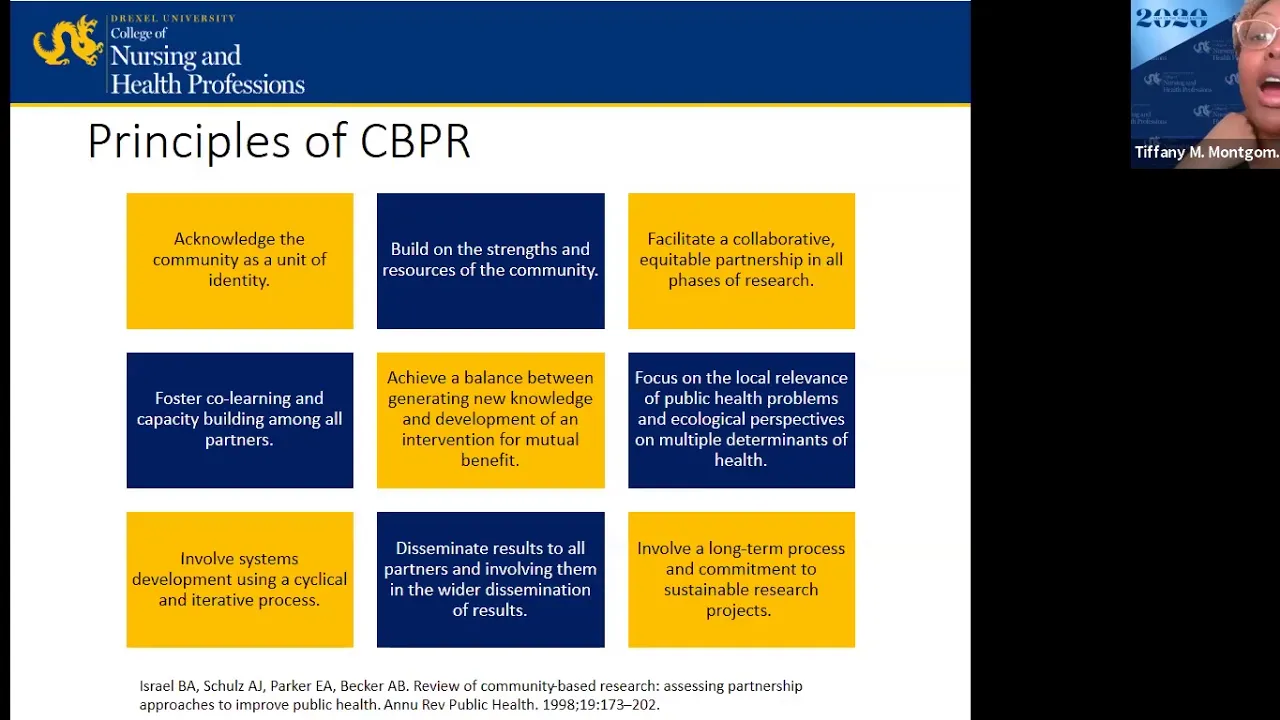
Practical design and execution of Community-Based Participatory Research (CBPR) frameworks that prioritize reciprocity and community consent.
Deconstruct and apply principles of Indigenous Data Sovereignty, such as the OCAP principles (Ownership, Control, Access, and Possession).
Development and evaluation of land-based and place-based science curricula that respect local ecosystems and traditional ecological knowledge (TEK).
264 views2likes51:38Original Release: 2021-06-12
summer research institute 2021 fellows welcome my presentation will focus on indigenous research specifically i'll be presenting uh three aspects of indigenous research the first part i'll be presenting who are indigenous people in the second part i'll be presenting what are different theories we utilize or researchers utilize in order to understand or engage in or know about indigenous people community and science education and then in the third part is what are different aspects of indigenous research that we should be careful about and also know about before we do any indigenous research so one of the things i want to stress right away is that we will cover different aspects different theories different assumptions about indigenous research as well as at the end of each of the sections you'll see a couple of readings or links where you can look at explore different ways or different kinds of research people have done or just the information about who are indigenous people what's research about and what should we think about or consider as we engage in indigenous research the other thing i want to tell you is that i'm going to shut off my video because it basically obstructs some sections of my presentation so the very first thing that i want to ask you is that in the map of indigenous people where do we see most of the indigenous people that's been designated or shown so here we go if you look at the map of the world so it's a flat map earth is not flat that we know so if you look at it what you see is most of the indigenous groups or tribes have been located studied designated mostly in north america south america australia and some parts of europe if you look at africa very few tribes have been located or put on the map and then the whole of asia is almost completely blank so the question always comes up is that what is it about other parts of the world that we haven't explored or aren't there any indigenous people there obviously that is not true so if we look more closely this is what you see on the map of north america there are a lot of different tribes similarly if we look at the australia and new zealand you see another big very colorful map different indigenous groups tribes and so on and then if you look at south america you see the same way right you see lots of different colors of different tribes represented obviously i will not go back again is that in asia and in africa most of the indigenous groups are not yet designated and so the question becomes how do we or in what ways do these indigenous communities get not represented but at the same time maybe there is something about science in which doesn't allow or maybe didn't represent indigenous communities it's not that nobody looked for them but it just doesn't exist so before we go into who are indigenous communities or how do we designate them i just want to ask you one very quick question is that what do we see when we represent science and knowledge and most of the time this is what we see so if you look at this slide what you see is a lot of science but the science that you see is very different from science that this particular slide represents in the previous slides you see that the science that's represented had no human beings there is nobody in there but if you look at this picture in this science you see human beings so one of the big difference that you see in the western science and indigenous science is that in indigenous science people are part of it whereas in western science people are always absent so going into so why how do we represent indigenous science and western science so if you look at it on four aspects of it the organizing principle the habits of mind skills and processes and knowledge so if you look at what you see is that in indigenous science or in indigenous knowledge they are always holistic they are all about physical and metaphysical aspect of it but when you look at western science what you see is that it's always limited by evidence it's always pieces are seen we never see a holistic aspect of it similarly if you look at habits of mind in indigenous science we always know that the science is connected to human beings right and therefore it trusted over time it's inherited knowledge is inherited it's not somebody gives you whereas in western science everything is skepticism so whatever in indigenous science when in indigenous communities whenever they pass knowledge to their youngs is that that knowledge is accepted as valid and then if you look at skills and procedures indigenous science relies on its importance on practical value right and the other part of it is that it's always locally situated whereas if you look at western science it always wants knowledge to be universal which we know is not possible why because even in western science knowledge is always contextualized in a given space and so but in indigenous science knowledge is always situated in the local community where it's valid where it's valuable and then the last part is knowledge what does how does knowledge exist well what's the value of that knowledge the value of that knowledge in indigenous communities is that it is always connected to everyday life of people that knowledge that has been passed through generations always makes lives of people really really better it's for well-being of the community and you'll hear this word well-being from me quite often whereas in western science it's all discipline it's always silo it's relationship to human beings or the community is afterwards it never thinks about the community first whereas in indigenous knowledge knowledge is always tied to the community and its well-being in western science the well-being of the community comes afterwards so the question becomes who are indigenous people then right so we know that the knowledge are different between western science and indigenous science we also know that how knowledge gets depicted we also know that many tribes or indigenous communities around the world are still not being recognized or they are not being put on the map yet so the question becomes who are indigenous people so one of the definitions that i will want you to engage with is the united nations united nations actually does not define who are indigenous people what it says is that indigenous people and who is indigenous is a self-identification process because it's a human rights issue and therefore what we see is we find different names or different words in different languages in order to represent indigenous people or community within their own geographical regions so let's look at some of them so the terms for indigenous so we have a lot of choices now so let's see the choices first is which very likely many of you have seen this if you have read uh any work on indigenous science or indigenous people is tribes natives first people which is mostly used in canada aboriginals they are generally used in australia new zealand that part of the world so right over here you have four different names for indigenous let's look at some more so if you look another is that sometimes in some places people call it ethnic groups they are also indigenous and the last two which are adibasi and zanjati they are in south asia especially you will find them these words used in south asia india nepal pakistan bangladesh afghanistan sri lanka uh bhutan so avibasi the first word in blue in the middle adibasi basically means people who were from the beginning in that place so basically it's temporal it's based on time adi means beginning of time bhasi means people who live there so adibasi means people who live there from beginning of time meaning before them they were no human beings therefore they are called adibasi and the last one is janjati janjati is basically groups of people or members of communities who do not belong to any caste or they do not have any membership in the cast so they are outside the caste system therefore they are called janjati and so both of these groups adibasi and janjati are indigenous communities or indigenous people in mostly south asia these are the two words we use so for us let's look at some of the characteristics of indigenous people as uh defined by united nations so all the pictures that you see across each of these characteristics are pictures that i have taken from nepal right these are my pictures so the so the very first one is self-identification so if groups of people or individuals they are accepted in a in an indigenous community then they will be called indigenous people the next one is what we have is historical or pre-colonial or pre-settler society so that's the continuation of it right so if any group of people historically have been designated as indigenous means they were there before the colonial or the settler time the other part of it is that what you see is indigenous people have very strong relationship or its connection to the territory geographical place where they lived or their ancestors lived they have a very strong connection and the natural uh surroundings uh that are very important for them and then obviously the next one is that they have a specific political social cultural economic systems right even though the system may not be recognized now but they do have these systems they have their own way of selecting who will be the leader in the community uh what kind of economic system they'll have what kind of social interaction they will have those are all based on particular group who left their pre-colonial time or from the beginning of time the other part of it is that the indigenous community has their own distinct language culture and belief right so they have their own language they may use a different alphabet now but their language is different their culture is different they have a unique belief system most of the indigenous community they make up non-dominant group right so they are always outside of the dominant group there are always marginalized group in some form or shape also is that the indigenous communities always one of the things they do is they are always interested and committed to maintain their ancestral land ancestral environment ancestral systems uh systems of culture systems of language in systems of leadership systems of ways of doing things they all of those things are already there and they are always committed to making sure that it keeps on going so now i have a couple of readings for you and sites you can go and look at them and learn more about it which later on we can discuss on it hopefully it helps you broaden your idea about what is indigenous and what counts and then how people have done research on this and this ends the part one of this welcome escapable fellows this is part two of my presentation in this part i'll be talking about several theories that have been utilized in uh indigenous science knowledge or research in indigenous communities or people schools teachers curriculum uh many of these things you very likely might have encountered them in many of your readings as well as in readings that were related to indigenous science knowledge or indigenous communities so in this respect what i'm going to do is i'm going to talk about couple of them in general and hopefully through readings and just perusing couple of sites that i have provided at the end of this part will help you understand or get some idea about other theories that are there that scholars are using it so let's go ahead so in the first theory that i have listed over here is critical race theme and so what it is is that in in terms of critical race theory is that this theory especially is allows researchers practitioners and policy makers to be conscious about race because without being conscious about race there is very little change that we can see in schools or in classroom or in curriculum that influences indigenous communities or communities that have been historically oppressed so in critical race theory race is central to understanding and critiquing the existing both the structural discrimination as well as discrimination that we see in curriculum in teaching in engagement between teachers and students engagement between curriculum and students so one of the things that critical race theory allows us to explore is to understand both the overt and the covert ways race has been used in order to discriminate people who are not from dominant groups in the context of united states our dominant group is white people therefore the critical race theory allows us to explore how race plays out in discriminating against indigenous communities immigrants african-american communities hispanic communities asian communities many of these communities the next one is critical so when we talk about critical care pedagogy what we are talking about is that it is an approach to teaching and learning that is fairly predicated on the idea that we need to foster agency and we need to empower learners because the only way we can bring change is by empowering learners or providing them agency through learning and so one of the most important aspect of critical pedagogy is to critique and provide new interpretation of existing curriculum pedagogy classroom interactions all of those things are really important the other part of critical pedagogy is it's about reflectiveness to issues of discrimination both political social and cultural so in critical pedagogy consciousness is an important component of it and especially social and political consciousness is an important component of critical pedagogy and so what it is is that it critical pedagogy allows us to engage learners engage curriculum in such a way that it provides agency and empowerment to the learners or people who are oppressed therefore critical pedagogy is an important theoretical lens through which we can explore indigenous science knowledge indigenous teaching and learning as well as the curriculum the next one is tribal critical race theory or critical indigenous theory it is basically an extension of critical race theory and elements of critical pedagogy what it is doing is it's asking the question how is indigenous community specifically have been oppressed in education in economy in their cultural discrimination so one of the things about critical engineers indigenous theory is that how treaties and the history have subjugated in indigenous people as underclass and that's what it's asking so the the other thing that's important is that whenever we talk about communities is that they are not monolithic nor do they have just single identity so what it is is that there is an intersection between an individual the community the economic status the social status the educational status therefore intersectionality allows us to understand indigenous communities and people not as monolithic group but they are different groups so the tribes that are within a country differ from each other depending on which geographical locations they are in because there are different tribes they have different language they have different culture therefore saying that all indigenous communities across the world or within a geographic region are same is a wrong way to understand how indigenous communities experience discrimination therefore intersectionality is an important component of it is for us the other is racial justice or social justice what it is is that whenever we are talking about justice we are always talking about redistribution of power that allows individuals and communities to gain access to resources and opportunities for social and political transformation that is an important component of it is is that social justice is firmly anchored in the idea of equity that advocates for cultural social political gender racial and educational opportunities as well as it allows for critical exploration of the lives of marginalized people both racial justice and social justice are about access to the world and transforming the world meaning that we can transform or we can bring change by asking and pushing back against the structural uh discrimination that exists in the society especially in education therefore when we think about indigenous science knowledge we are thinking about is is its ability for providing opportunity and access to indigenous communities and students in the fields of science or stem in general if you like to say so and therefore social justice is about or racial justice is about questioning challenging and reconstructing knowledge and that's an important part of it is that we want to reconstruct existing western dominated science through indigenous knowledge and indigenous science obviously to really famous and well utilized it is our culturally relevant pedagogy or culturally sustaining pedagogy both of them rely on the idea that culture has to be an integral part of learning and teaching therefore we have to engage students especially indigenous students based on their culture one of the things both culturally relevant pedagogy and culturally sustaining pedagogy what they are saying is pedagogy is not neutral pedagogy is never neutral it always has political social cultural biases embedded in them therefore if we really want to lift up and help indigenous students and teachers to be able to engage students in science or in stem fields we have to connect their lives and their culture and their practices to the practices of science therefore meaning making is an important component of culturally relevant pedagogy and culturally sustaining pedagogy is therefore one of the things to think about is that both of them advocate for social political consciousness meaning that students should be able to use science knowledge and indigenous knowledge to question research ask difficult um structural deficits that have always pushed indigenous communities and oppressed communities to the margins or to the bottom of educational economic political hierarchies therefore culturally relevant pedagogy and culturally sustaining pedagogy are really important ways to understand teaching and learning of indigenous communities and i would like to encourage you to think about culturally relevant pedagogy and culturally sustaining pedagogy more through the lens of social and political consciousness therefore you can ask students to be activist you can ask students to look for social change or work virtual social change you can ask students to be more transformative in their thinking and learning therefore we want to think about these theories not merely as a way to understand but also to be able to help students think about their social political cultural issues more critically so that they can push back the discriminatory practices cultures that are there that are not allowing them to engage in science or allowing them not to bring their knowledge from their communities in science to be more productive to be more engaging therefore if we are thinking about students to be activists we do want to think about more from the lens of social and political consciousness so here are a couple of readings that i encourage you to look at it there are some of the websites too that allow will allow you to understand some of these theories and maybe give you more uh sort of uh enticement to liv look into them and so this ends the part two in part three we'll talk about what are different aspects of research what should we think about research in indigenous communities or students and teachers with indigenous groups welcome to part three of research assumptions and methods in indigenous and traditional science research in this section i'll be talking about what are the assumptions of research in indigenous uh science or in indigenous communities and two is what does research mean for the indigenous communities and also for researchers who do work with indigenous communities so i have a quote over here from toei smith is that the research related to indigenous communities is about decolonizing the thinking the processes and the meaning of research and also meaning of what does it mean to do research two it's about human relationship and the place where indigenous communities live so the difference between western and indigenous research method is that the research done in collaboration with indigenous communities or people is it's not only about revealing the knowledge but it's also about balancing the power between the researcher and the community it's about decolonizing ways of thinking ways of meaning sense and ways of understanding and the last part is about healing it's about well-being of the community and the indigenous people so let's talk about couple of assumptions of research when we are doing research in indigenous communities so what we want to think about as researchers are what are ontological assumptions right how do indigenous communities construct social reality what does it mean to them right and so similarly what are the epistemological assumptions what does knowledge creation mean one of the things you will hear on and on whenever you are doing research in indigenous communities is that knowledge is not just about revealing something it's also about its usefulness and purpose to the community and that's one of the things that you will have to keep on thinking as you are thinking about researching indigenous communities the next is axological assumptions or what are the values right so when we as researchers come trained in or educated in western ways of doing things western ways of valuing things that means it starts to creep in in our own research therefore we have to think about what does research mean what does the role a researcher brings in the community and what does the community wants the researchers to take the role of or about therefore whenever we are thinking about indigenous research we need to think about not only what we want to learn but also what's the value of that learning and so we want to think about that part and then the last part is the methodological assumptions what it is is that how do we collect data how do we go about understanding what it means for indigenous communities to know about a phenomenon or know about a culture or know about their practices and so we want to think about what are different ways we explore these things and i will touch a couple of methodological assumptions in indigenous communities in the next very next slide so let's talk about first axological because that's about value right so whenever we are thinking about axological assumptions doing research in indigenous communities the very first thing that's really important is responsibility what is a responsibility of a researcher for the indigenous communities as i said earlier in previous presentation in part one and part two is that it has to benefit for the well-being of the community that is what indigenous research is about it's not about showing what are challenges of what indigenous communities don't know or what can we get from indigenous communities it's about responsibility which means it's for them not for the researcher the next part is that indigenous are based on the value of respect respect for the environment respect for the place respect for the resources and respect for the spirit of ancestors therefore whenever we are thinking about research in indigenous communities we are always thinking about honoring the knowledge honoring and sharing with people in the community so that it benefits them the third part of is that racioprosidy what that basically means is that research is a shared project therefore whenever we do research in indigenous communities we have to understand that the community is part of us part of us meaning the researchers whether they are from outside or within the community so we want to think about research as a shared process not as just the responsibility of the researcher or the researchers team and then the last part generally outsiders forget especially people who come from universities from western educated philosophy or idea or framework of research is that indigenous communities are sovereign nations they are sovereign people therefore we have to respect who they are what are their laws what they want us to know and what they don't want us to know we have to be respectful of that therefore we need to understand the rights and responsibilities of ourselves but also where do indigenous communities reside in terms of the rules and regulations that they have therefore it is perfectly fine and we as a researcher should be perfectly fine if a indigenous community says we cannot carry out a certain research or we cannot collect certain data or we cannot share certain information that we gathered it's perfectly fine because it is their knowledge it is their place so we have to respect that so what is the goal or what are the goals of indigenous research and what are we looking for or what are we trying to help understand for ourselves and for the community so first of all indigenous research the goal is to develop indigenous identity who they are what they stand for what their knowledge is and how they value that knowledge and their culture and practices the next part is mutual interdependence that basically means as researchers we have to share the power that we carry as researchers and the indigenous communities in which we go and do research there has to be a mutual respect of that if there is none then we end up harming indigenous communities more so than helping them the other part of india this research is about prolonged immersion so one of the challenges of university researchers or resources from outside and the way it's framed is that researcher is always outside the participants that is not true indigenous communities whenever we do studies or whenever we carry out research in that community we have to understand that we are there for a long haul because indigenous communities value relationship not efficiency if we look for efficiency then our research will fail not us only but it also will fail indigenous communities so we cannot allow that to happen therefore doing research in indigenous community is about building a relationship it's a relationship for a very long time to come therefore as researchers that has to be one of our goals too the other part of it is that methodological flexibility what does that mean that basically means that there are different ways of collecting data and different ways of collecting data depends on the indigenous community that we go to therefore we have to flexible be flexible in how we collect data and what are the processes of collecting data or gathering information in an indigenous community and i'll talk about that very shortly so here are some of the cultural specific research methods so we have kaupapa maori what that idea of research method is is that it's greatly ingrained and steeped in the principles and cultures and philosophy of being a maori and that we have to respect so as researchers if we are going into maori communities to do research then we have to always think about that their culture their principle their philosophy of understanding and sharing information and gathering information we have to respect that and that is a part of the method of doing research talking circles so many of us who work in north american indigenous communities we know this uh and it's basically is that you share your ideas knowledge principles based on the respect around a communal feeling which is basically you sit in a circle and you share your things as your turn comes the next one is what that is about is that in that community in anishinaabe community whenever we think about doing research we are thinking about doing research that focuses on not only future but also focuses on the present and the past and the idea is that we are always looking for good of life we are always looking for a respectful way of understanding life therefore when we think about doing research in anishinaabe communities in north america we have to think about research is not about just the future but it also is about the past and the present therefore they will share ideas and their culture and their values that are spanning past present and future and it is always for the good and respect of life pathway is another method of doing research and that is generally an idea in aboriginal communities in australia it basically means is that there is a particular structure of way of doing research that basically means you follow a particular path of respect in order to carry out a research and the other part of it is that how do we then how do you then go about doing it therefore there is always this mutual understanding or thinking about this respect for listening so this is one of the interesting things about all indigenous communities is that listening is an important part of doing research listening is an important part of being part of the community therefore listening is also about respect and we have to think about that as a researcher just asking series of questions does not allow us to understand nor does it allow us to respect what people are sharing with us the next one is which is basically filipino indigenous communities and in most of filipino islands this is the way people think about exploration is that and a phenomenon anything you want to research and any data you collect you look at it without any theoretical frame and so that is very different from western way of thinking that you have to frame every research before you go in so if you look at filipino indigenous researchers you will find this way of thinking about not having a framework to look at a phenomena but as well as collecting the data and then the last one which you will see in many uh pacific islands including hawaii is that is a way to connect different stories in a meaningful way that captures the knowledge that ancestors have given to people from one generation to another and that's how they think about it that means the stories are weaved in many different ways there are many tangential uh conversations about a phenomenon which from a linear point of view of western way of thinking about research does not fit in it therefore when we think about research we have to think about how in specific cultural ways indigenous communities share their knowledge and practices so we have to be very mindful of that so the question is that as researchers what should we do what are some of the things we can think about so we all work at an institution a university whether it's public private whatever it is and then there are indigenous communities who have their own process of giving permission for research so there is this tension that arises between university human subjects approval board and indigenous human subjects approval board but it can be navigated the very first thing we have to realize is that in business tribes or communities are sovereign nations therefore they do not have to give permission to outside researchers to do study so we have to respect that two is that we also have to understand that because they are sovereign nation therefore they may demand or will require certain aspects of research to be modified or adjusted and we have to do that and that especially happens in consent and ascend forms consent and ascent forms in from indigenous irb board supersedes the university irb consent or ascent form and we have to keep that in mind the thing the next process is that in indigenous irb process very likely indigenous communities or the irb review board may ask you to be present in person when your irb is reviewed and you have to do that and i went through that when i uh did my irb for working with uh fond du lac tribe and just be aware of that it's not about they don't want to give they want to know who you are remember for indigenous communities relationships and respect matters a lot therefore no matter how much money comes into the community no matter how knowledgeable the outside researcher might be it has less value than how much respect you give to the community and how much you care about them and that is why they want you to see in person the next is that indigenous irbs are not there for obstacles they are not there to create barriers they are failures they are for protecting indigenous knowledge because we know in history that indigenous knowledge and communities have been decimated and taken advantage of by outside people especially white settlers therefore the irb that exists in indigenous communities is not a barrier it's a way for them to protect their knowledge their practices and their values and then the last part is that which is sometimes researchers who are outsiders do not like it is that they need to have seek permission from indigenous communities especially if they have the irb board a permission to publish whatever they have found in the research we know that in the past in the history of indigenous communities and settler interactions is that settlers have always taken away indigenous knowledge without their permission and appropriated it for their benefit and indigenous communities are still struggling to gain that right therefore indigenous communities now requiring researchers to get permission from them before they publish or the outside researchers do not publish information practices cultures that should not be shared outside the community they are not going to allow you to publish therefore you need to work with them it's not about they don't want to share the knowledge it's about how we respect their knowledge right just the way everybody wants their knowledge to be respected therefore indigenous communities want their knowledge to be respected and we have to keep these things in mind as indigenous researchers or researchers in any regard so at the end what i want to show you is that we have an example of indigenous knowledge method and then what are the different ecological um systems or ecological spaces we want to uh explore and if you look at it there are a lot of intersections in methodologies between western way of doing science an indigenous way of doing science or creating knowledge but the what kinds of methods are valued in western science versus indigenous science is slightly varied but they all value different kinds of methods and we have to keep this in mind is that there is no one method the key thing whenever working with indigenous communities this relationship respect are two very essential aspects of doing research in indigenous communities and at the end of the day it has to be for the well-being of the indigenous communities thank you very much here are some of the readings and i hope you will be able to think about your own research your own way of engaging in different research but i think all of these uh values are really important for us as researchers especially if we are working with indigenous communities or any community that is marginalized and thank you very much hope you have a very engaging and fruitful isk able institute thank you
Up Next
47:13
Life in the Toughest Places: Sahara Refugee Camps and Arctic Melting
@FreeDocumentary
78.6K views•2023-09-15

38:41
Astrobiology Through an Anthropological Lens: Field Insights
@georgiatechastrobiology
128 views•2021-04-14
4:45
Proxemics Explained: The Study of Personal Space
@Vox
536K views•2016-07-05

10:38
Psychology of Internet Trolling and Pranks Explained
@AzzyLand
10.7M views•2017-12-20
Related Study Plans & Knowledge Roadmaps
Structured learning paths in Anthropology
anthropology
Space Anthropology: Analogs, Culture & Habitats
01Foundations of Space Anthropology & Cosmic Imaginaries
02Extreme Isolation & Micro-Societies in Orbit
03Space Analog Habitats & Earth-Based Simulations
+ 2 more learning modules
15h5 modules
Explore Roadmap
anthropology
Legal Anthropology: Customary Law & Pluralism
01Foundations of Legal Anthropology and Social Justice
02Legal Pluralism: Coexisting Legal Systems
03Customary Law and Indigenous Dispute Resolution
+ 2 more learning modules
15h5 modules
Explore Roadmap
anthropology
Global Tourism: Gaze, Authenticity & Heritage
01Introduction to the Sociology of Tourism
02The 'Tourist Gaze' (John Urry)
03Staged Authenticity in Tourism
+ 3 more learning modules
14h6 modules
Explore Roadmap
anthropology
Modern Kinship (ART, Adoption & Chosen Family)
01Foundations of Kinship and Family
02Assisted Reproductive Technologies (ART) & Relatedness
03Transnational Adoption and Global Kinship
+ 2 more learning modules
12h5 modules
Explore Roadmap