











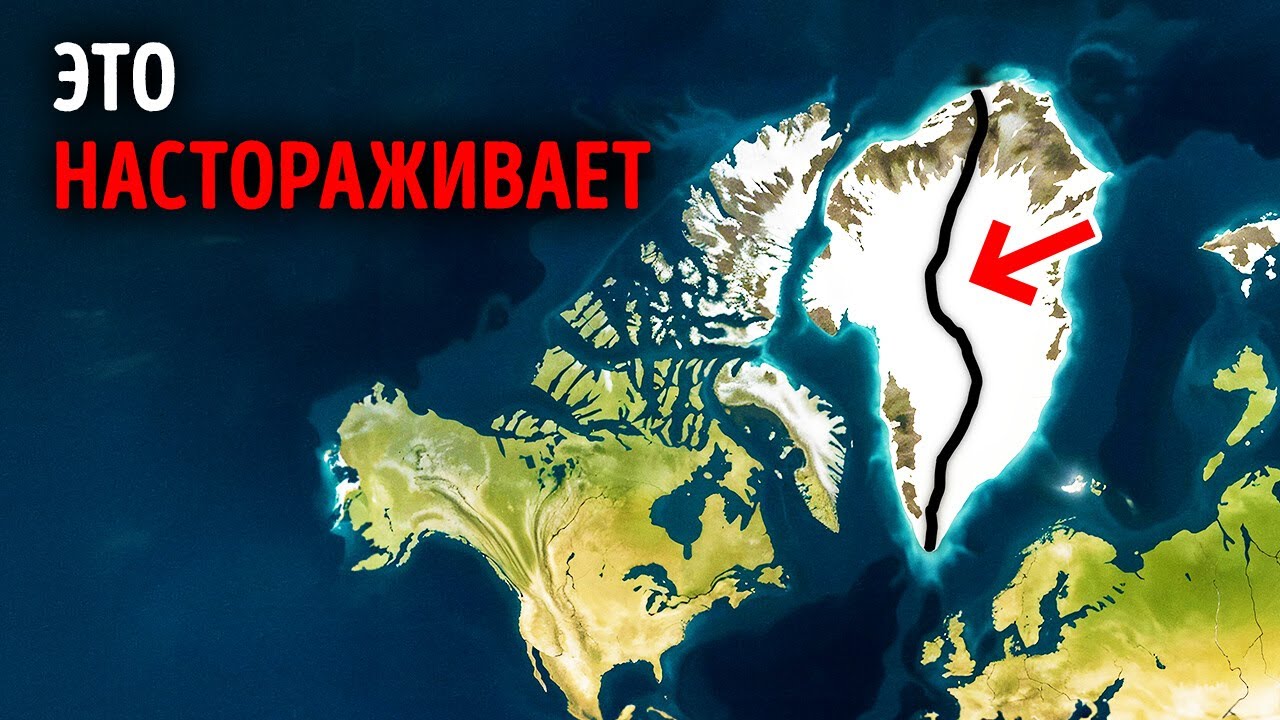




Climate change poses a severe threat to indigenous communities' traditional ways of life, as demonstrated by the Inuit people of Greenland whose 4,500-year-old hunting and fishing practices are being disrupted by melting ice, shrinking icebergs, and changing weather patterns, forcing them to adapt while preserving their cultural heritage and knowledge of the Arctic environment.
Life in the Toughest Places: Sahara Refugee Camps and Arctic Melting
Added:The historical and political context of the Western Sahara conflict and the displacement of the Sahrawi people.
Fundamental mechanisms of global climate change, including the greenhouse effect and polar amplification.
Basic principles of human geography, specifically the causes and socio-economic challenges of protracted refugee situations.
The differences between localized weather anomalies, climate patterns, and long-term ecological shifts in extreme biomes.
The legal and political frameworks surrounding environmental migration and the concept of 'climate refugees' in international law.
Advanced climatology topics, such as the Albedo effect, feedback loops, and the impact of Greenland's melting ice on global ocean circulation.
Socio-ecological resilience theories and community-led adaptation strategies in marginalized or extreme environments.
The geopolitical implications of climate-induced resource scarcity, specifically water and food security, in the Sahel and North African regions.
78.6K views825likes47:13Original Release: 2023-09-15
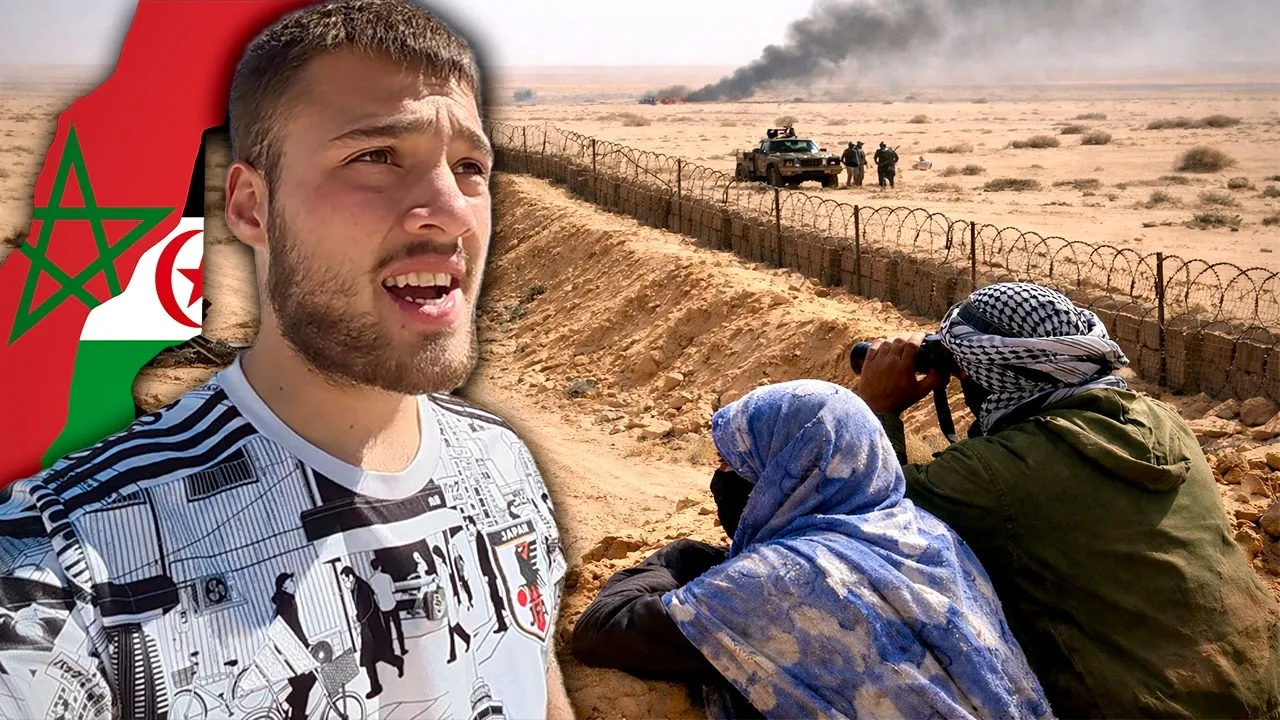
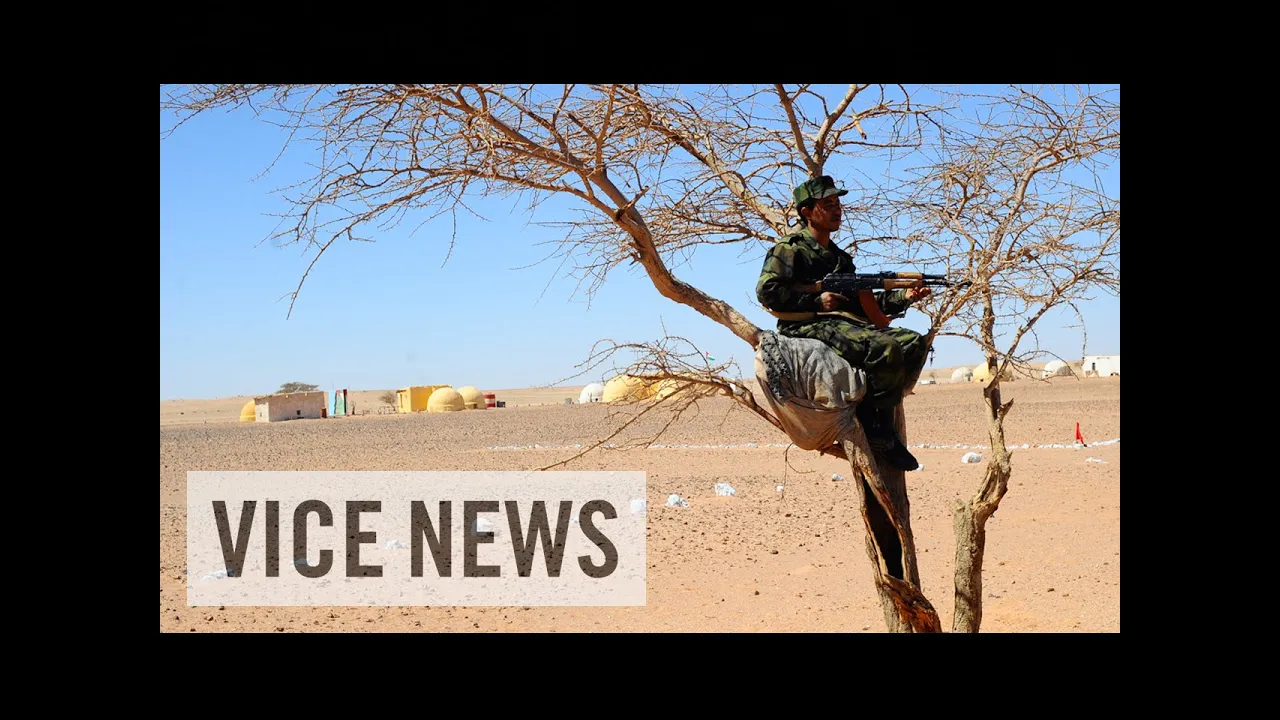
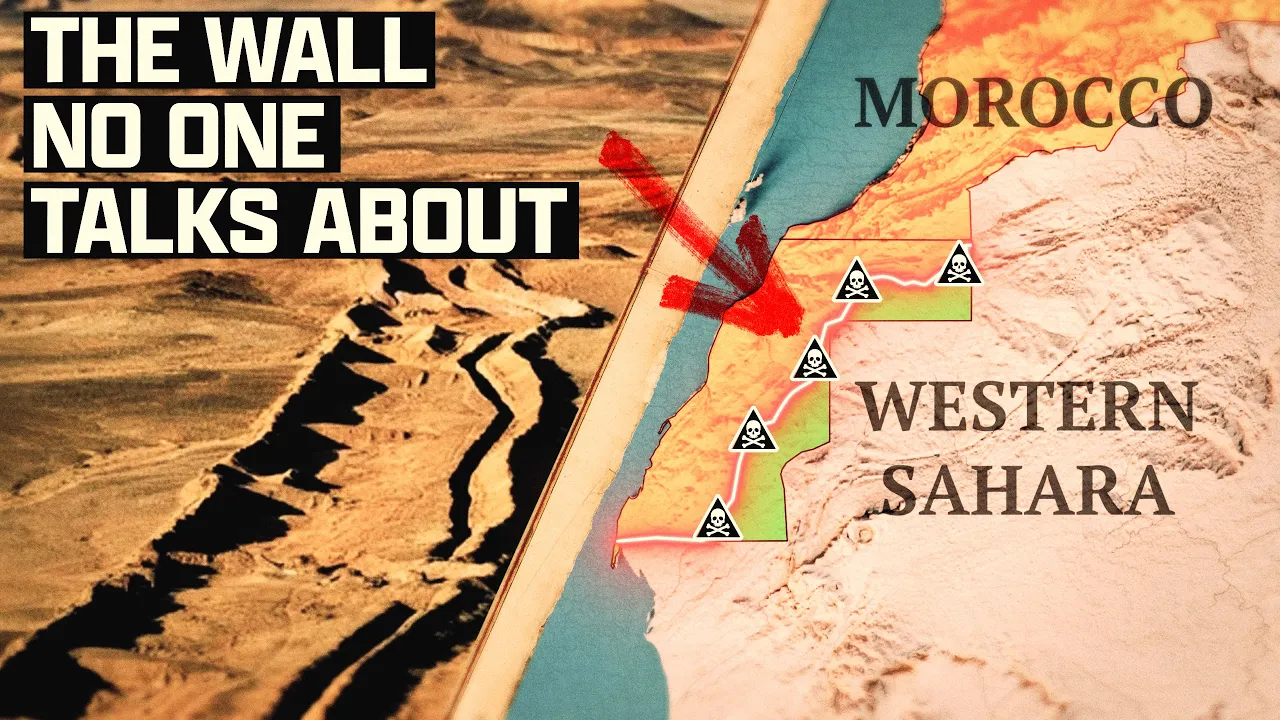
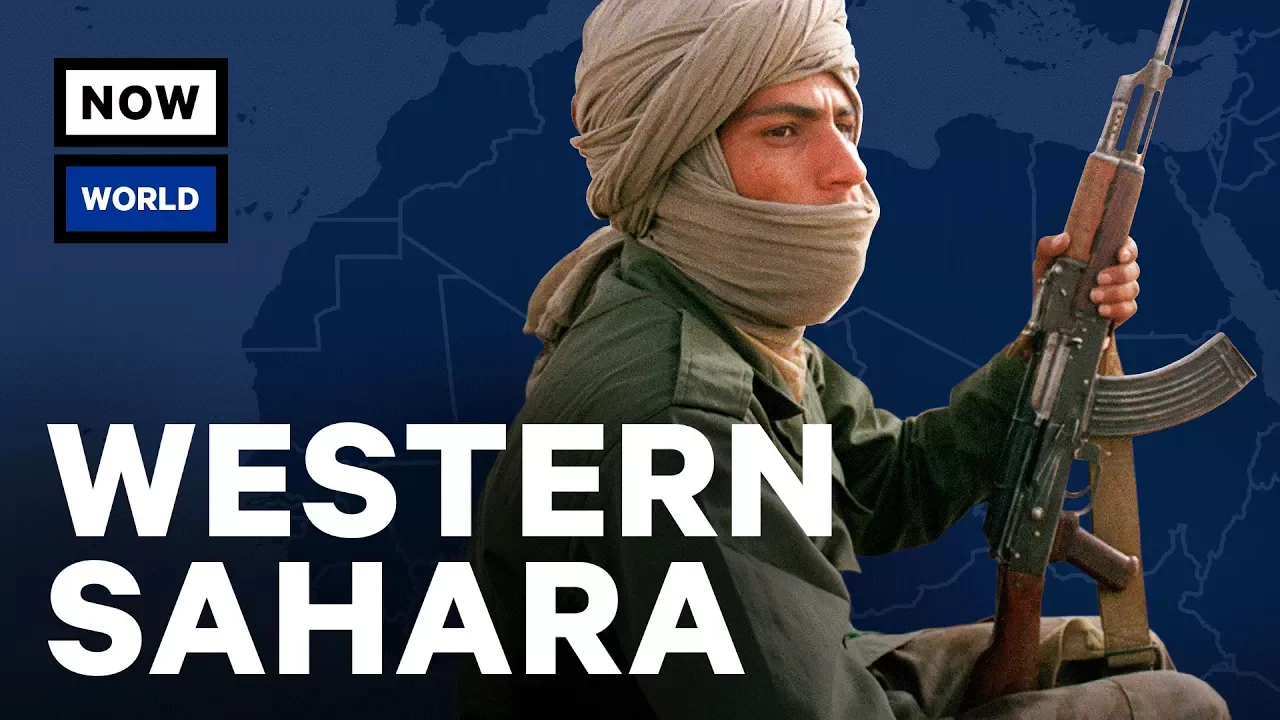
foreign ER colonies and almost a billion people have gained their independence since the United Nations was founded in 1945. here in Africa decolonization has been consigned to the history books with one exception the sahawari people of Western Sahara Africa's forgotten people exiled from their land now stranded in Algeria reduced to the status of refugees 40 years living in an open prison in one of the hottest parts of the world in what is known as the desert within the desert foreign foreign foreign [Music] camps have sprung up in this desert landscape nobody knows quite for sure how many people live here but estimates theory of between ninety thousand and one hundred and sixty thousand what is incontestable however is the harsh inhospitable and unforgiving landscape in which people live not surprisingly people want to flee this place where a temperature soar to over 50 degrees Celsius during the summer the Moroccans are not only quite our country but they keep prolonging our sufferings here in the camps in these conditions we feel that we are living in a prison in summer in Winter we face as many challenges many hard conditions and that's all because of the moral conclusion of our land to live under more than 50 degrees in the summer remind me that I'm a refugee and that I was born here as a refugee this land is not mine and this also remind us of the frustration that we are living with from what the International Community has done so far to resolve the problem and remind us that nobody care about us nobody knows about Western Sahara conflict and the heart conditions Sahara refugees living in in a daily basis first Spain in 1884 and then in 1975 neighboring Mauritania Morocco colonized Western Sahara tens of thousands of sahawari fled to refugee camps in neighboring Algeria as 350 000 Moroccan settlers and soldiers poured into the country in 1979 Mauritania admitted its wrongfulness but not Morocco who constructed a wall to cement their occupation both the United Nations and the international court of justice deemed that occupation illegal meanwhile the army of the sahawari operating within the refugee camps consider their options [Music] foreign okay [Music] foreign for many years the people of South Africa have struggled against internal colonialism and apartheid our people have been recipients of solidarity and they've seen International support we believe it's only natural for us to support those who are still in bondage I believe that no regime no matter how powerful can put the lead over boiling water forever what we will see in our lifetime I hope is the freedom of the people of Western Sahara my name is [Music] foreign [Music] [Music] [Music] we wanted to visit the liberated zone of Western Sahara that strip of desert the Moroccans did not consider worth colonizing once in the liberated Zone we were under the protection of the western Sahara polisario Army it was a spectacular seminar journey across the desert but along the way we hit the wall at over 2 000 kilometers this is the world's longest continuous wall it was built by the Moroccans over a six-year period And if you look along the horizon here you can see various Moroccan watch Towers the idea of the wall is to pen in members of the sahawari people who still live in Western Sahara and keep out members of the sahawari people who are living in refugee camps in Algeria this is as close to the wall as we can get because this whole area here has been heavily landmined about seven million landmines in total have been planted on this side on the far side of the wall making this the most heavily concentrated area of landmines on the planet along with his colleagues in the polisario our escort Mustafa Muhammad fought in a 17-year war with the Moroccans that culminated in a 1992 ceasefire and the United Nations promise of a referendum that never subsequently materialized since then Exile has been his fate foreign foreign if you could walk through those landmines and cross over that wall what would it feel like to stand on the far side of the wall as we drove across the desert a clump of trees emerged in the Horizon an oasis taking shelter under one of those trees was an older man two young children and a herd of goats the sahawari are nomadic by traditional she said me when I said um [Music] foreign foreign foreign foreign these nomadic people are now turning to tilling the desert for 40 years they have depended on the world food program for their soul food supply now against all the odds they are trying to turn the desert green haircuts they are courgette then we have coriander still small then some onions some parsley usually we grow around 25 species of vegetables families grow what they want to grow this Alfalfa grass that you're growing between the plants this is critical for the nourishment of the garden yeah yeah one of the techniques that you're using is mulching is to cover the soil with the plants to reduce evaporation from the soil inside the greenhouse we have a controlled environment the temperature is acceptable it's always around 25 between 25 and 35 and that's ideal for for tomatoes peppers and cucumbers how many people are dependent on this Garden this one seven people does that provide people with fresh vegetables year-round seven months in this camp we have 230 Gardens in total it's around 1 000 Gardens in total camps the experiences that people gathered here are accumulated after the repatriation we'll take it back with them to their Homeland but for now at least returning to their Homeland remains a remote dream for the sahawaris traveled to Algiers algeria's capital city where officially we were not allowed to film to meet with some of their diaspora he come here to Algiers to study Spanish to live all our life in the continent it's it's it's a bad solution what does that feel like for you to be a stateless person it's very hard it's it's very difficult I haven't identity in other place you don't know who I am who I am I have to get a passport Algerian to go out visit my mother or my father it's very difficult and I am so proud that I am Sahara Iman and when I go when I'm in one time when I were in Spain international airports and the policeman asked me where are you from I tell him that I am Sahara if you have you a passport I tell him no I give him my identity cards and he sent me I don't know where are you from I tell them I am from Western Sahara who are occupied for Moroccan and he tell me don't don't come back here please filming an Algeria is problematic but filming in occupied Western Sahara is strictly forbidden Morocco refuses to permit any foreign journalists into the country and those caught doing so are deported using various subterfuges two of us traveled there for three days facilitated at enormous personal Risk by two sahawaris living in Western Sahara we were happy we're not fun [Applause] we just arrived in Lion which is the capital of occupied Western Sahara with an agreement to meet our contact in the middle of the city and he met us on the side of the street we changed cars a couple of times drove for about half an hour to this Safe House they've taken huge precautions to protect us and also to protect themselves down to covering the Furnishings of this house with white sheets so there is no way the location of where we're staying can be tracked later in the evening three human rights activists came to meet with us here um the phone um [Music] something it's me I decide foreign foreign foreign [Applause] demonstrations and what has happened at various demonstrations over the year so tell me about this woman here this is a human rights Defender she's well known hell yeah so dragged her determination he's carrying a gun isn't he yes she look at this yes my goodness yeah but she's still defiant look at the way she throws her shoe yes exactly what days did this happen it was in 2013. so you're convinced that these are plain clothes policemen working for the Moroccan government yes so clear for us [Music] since we arrived here 24 hours ago this is the first time we've been able to leave the safe house in which we are staying and a bit like the journey from the airport yesterday we had to take a circuitous route to get here and on the way you could see line after line of Moroccan Flags this is in preparation for the king's visit which is imminent and it's as if they're trying to physically stake their claim to the land a claimed they are not going to relinquish easily thank you back in the refugee camps in Algeria talk turns to War I don't want to be the person who started the war but if it started I will be very convinced to participate in because not because I'm violent or Sarah people are violent but because the International Community and the United Nations we have given them more than 25 years to make it peacefully but they didn't so this is a good and strong Arguments for the young people who are pushing towards going back to war and this is also a very convincing when you see this Sahara refugees living in these hard conditions waiting for more than 40 years you're just recently married and if your husband decided to go to war would you support him I will support I die in here or die there to fight to take it back I will choose to go there and die to fight to take it back foreign [Music] war or peace whatever it takes the determination of the sarwari to return to their Homeland is unshakable when I leave this camp and go back to free western Sahara I would like to go to my hometown smart also in the western Sahara and to live in the same house of my family which were taken and occupied by Moroccan settlers after Morocco came in Western Sahara it would be a very symbolic and marks the end of the occupation when I go back to the same house where my family lived Exile lost and that sense of Abandonment are now Central narratives in the sahawari story feelings that Infuse their lives and their poetry resist your wounds a desert is treeless a place of dissatisfaction peace and rest can never dwell here our pain is ceaseless remains while we wear the chains of Conquest apparently the Inuits have 52 words for snow although there is some disagreement about that irrespective of the precise number of words for snow everyone is in agreement there is less of it a lot less and that is particularly the case here in Greenland in addition the icebergs are shrinking the ice is thinning and so is a way of life [Music] foreign [Music] [Music] [Music] [Music] foreign [Music] [Music] population of 56 000 inhabitants and most of the population lives on the western coast of Greenland and a little population of the eastern coast no one lives in the middle of the island there's only ice there are still no roads between the cities and in the winter it's a weather that is the master here in the country [Music] [Music] yeah yeah yeah yeah yeah yeah [Music] um yeah yeah my name is but our community history is 4500 years ago from soccer culture my history background is my grandfather as a hunter and dogstead so I learned how to do dog setting for my current father since I was little girl I've been watching him how he take care of his dogs so for me it's very important having a dogs that I got my dog first time when I was seven and I was very very in love with it since that I learned how it is important for me to have a dogs the teachers how to survive because the dog is a Hunters the hunting CEOs they're hunting Wheels the stranded worlds they eat it also they know how to survive in the Arctic that's how Inuit also learn how to survive from the dogs [Music] thank you here now and totally culture the dogs are very very important many stories back then that we have learned from my my grandparents and everything that tells a lot of things the modern European culture is coming closer of course and the Greenland people has many ways adapted to that culture even they still have their skills in dealing with the nature and sees all the opportunities in the nature that the European people has lost centuries ago our ancestors are very connected to the nature we believe in everything has living like the water has living rocks is living snow has living Horizon is living for me it's so important to appreciate you and learn from the know how to do weather forecast just looking at the skies and the water and everything and knowing culture some of it is disappearing but they still have people that knowing things more like all the people but it's kind of if we don't keep that it will also disappear foreign [Music] [Music] foreign turmeric an accomplishment Pursuit I found the secretary for your eyes foreign of course it is a problem because when the ice is melting the old way of fishing through a hole in the ice and the way they use dark Sledge disappeared but they can't get over the eyes that they used to do and that's a great problem for them a foreign foreign the Western world have not think about the affection of the original people with the climate change the traditional way of living it will be affected very much they can't do the same things that the ancestors could do foreign cultural things for the people in Greenland but now it's going to disappear in some way foreign [Music] [Music] I was born in 1980 here in Asia most of the time with my father and uncles hunting and in wintertime fishing and whenever my father said it is warm enough because if it was colder than -22 Celsius he wouldn't want to take me out on a hunting trip I was six years old when I fired my first gun my father took me out into the mountain and I managed to catch a champion when I was 12 I caught my first green gear I was looking at the ice and I thought it was a Pity it could be my pet but today I don't have the same thing when I look at the animal's eyes I see food I don't think it could be my pet so I grew out of it the first seal I saw today I approached and I didn't fire I was expecting it will come up again but it didn't let's see how it looks like it's moving so we went further then I saw another fuel then it disappeared again then after a coffee break we turned back the other way and there was a seal quite close where I could see the ice and I was getting ready to shoot but the bullets got stuck so it was just looking at me with almost full full body above the water and we didn't get to shoot it came up again less than a minute afterwards I tried to shoot but I missed my immediate reaction is excitement I start to shake because of the adrenaline then I start smoking Non-Stop and so it disappears or I catch the seal in a normal day I use approximately 20 bullets to hit one seal it is mainly due to my econos I don't aim properly when I'm too fast with the trigger a good Hunter you should have a good aim your ability to stay calm and you should be able to reach the weather well and the water I don't feel strange to become happy when I kill animals the way I think of it is I'm getting food by myself and I'm going to give some food to my family so I don't feel strange well nowadays it's a choice as we can get food from the supermarket but I prefer to eat local food as I have found out when I eat imported food it is easier for me to get ill it must be generations of generations adaptation of taking in the energy from Seals we are not doing it for the skin we are not doing it for the sport the main reason we hunt is for eating the island is began to melt in many places in the summer that we have not seen before we can see it with our eyes thank you when I was a child we were able to go out on the ice and put Shield Nets next to an iceberg on the ice or below the ice in September but this year I was not able to put out a seal net under the eyes because the ice was in April but in April there is not that many seals around afterwards when you get home with or without the catch you feel somehow renewed for me personally I don't feel sad about the changes because it has some benefits that we didn't have earlier but if it was like in the old days I might still have had talks so I could go dog standing and hunting it's a different way of hunting no ancient sound and you can almost sleep on this ledge very silent you can open up your mind and you will do a lot of philosophy it's kind of a meditation or walking on the ice walking on the mountain you have a lot of thoughts going on it's like putting them in order [Music] oh maybe the modern development has been brought too quickly to Greenland and they are not just ready to adjust to it said enough there's a lot of suicide here among young people as among Elder people I speak about it I I want to stay open about it right I don't want it to close up and just let it Rod right it has to get out [Music] my mom committed suicide six seven years ago when I was 14.
[Music] I have no idea I have no explanation I miss my childhood [Music] in Greenland in my opinion there's not a lot of opportunities you can like things you do in free time there's not much to do sometimes you can get bored you get used to it because I know I will experience something different in the future I'm currently studying language because I love language I love the English language like the Danish language [Music] I'm not that much in City greenlandic language though that's kind of surprising for a green Landing person if I get the opportunity I'm to work anywhere anywhere else but green Greenland I would I would take you there [Music] after I've experienced a lot I want to come back here and relax and take it easy this is where I can be relaxed the one thing that's pulling me back is the landscape here I love the landscape here there's that certain feeling that you can't explain when you like go out in the wilderness and just standing out there alone I like the silence I like the sound of silence
Up Next

10:11
Kinship as Social Practice in Contemporary Family-Making
@anthrodorphins
35K views•2023-12-07
38:41
Astrobiology Through an Anthropological Lens: Field Insights
@georgiatechastrobiology
128 views•2021-04-14
4:45
Proxemics Explained: The Study of Personal Space
@Vox
536K views•2016-07-05
10:38
Psychology of Internet Trolling and Pranks Explained
@AzzyLand
10.7M views•2017-12-20
Related Study Plans & Knowledge Roadmaps
Structured learning paths in Anthropology
anthropology
Space Anthropology: Analogs, Culture & Habitats
01Foundations of Space Anthropology & Cosmic Imaginaries
02Extreme Isolation & Micro-Societies in Orbit
03Space Analog Habitats & Earth-Based Simulations
+ 2 more learning modules
15h5 modules
Explore Roadmap
anthropology
Legal Anthropology: Customary Law & Pluralism
01Foundations of Legal Anthropology and Social Justice
02Legal Pluralism: Coexisting Legal Systems
03Customary Law and Indigenous Dispute Resolution
+ 2 more learning modules
15h5 modules
Explore Roadmap
anthropology
Global Tourism: Gaze, Authenticity & Heritage
01Introduction to the Sociology of Tourism
02The 'Tourist Gaze' (John Urry)
03Staged Authenticity in Tourism
+ 3 more learning modules
14h6 modules
Explore Roadmap
anthropology
Modern Kinship (ART, Adoption & Chosen Family)
01Foundations of Kinship and Family
02Assisted Reproductive Technologies (ART) & Relatedness
03Transnational Adoption and Global Kinship
+ 2 more learning modules
12h5 modules
Explore Roadmap