





















Anthropologist George Gmelch proposed that baseball players' elaborate rituals (such as talking to baseballs, meticulous pre-game routines, and lucky number associations) are not mere superstition but represent a universal human tendency to use ritual to manage uncertainty and exert psychological control in unpredictable, high-stakes situations; this theory, derived from Bronislav Malinowski's observations of Trobriand Island fishermen performing rituals only when facing dangerous open-sea fishing, has been corroborated by psychologists showing that rituals reduce anxiety, enhance concentration, and help athletes achieve optimal mental states, particularly in sports like baseball where outcomes are highly uncertain and careers hinge on single moments of performance.
Why Baseball Players Are So Superstitious: Ritual and Uncertainty
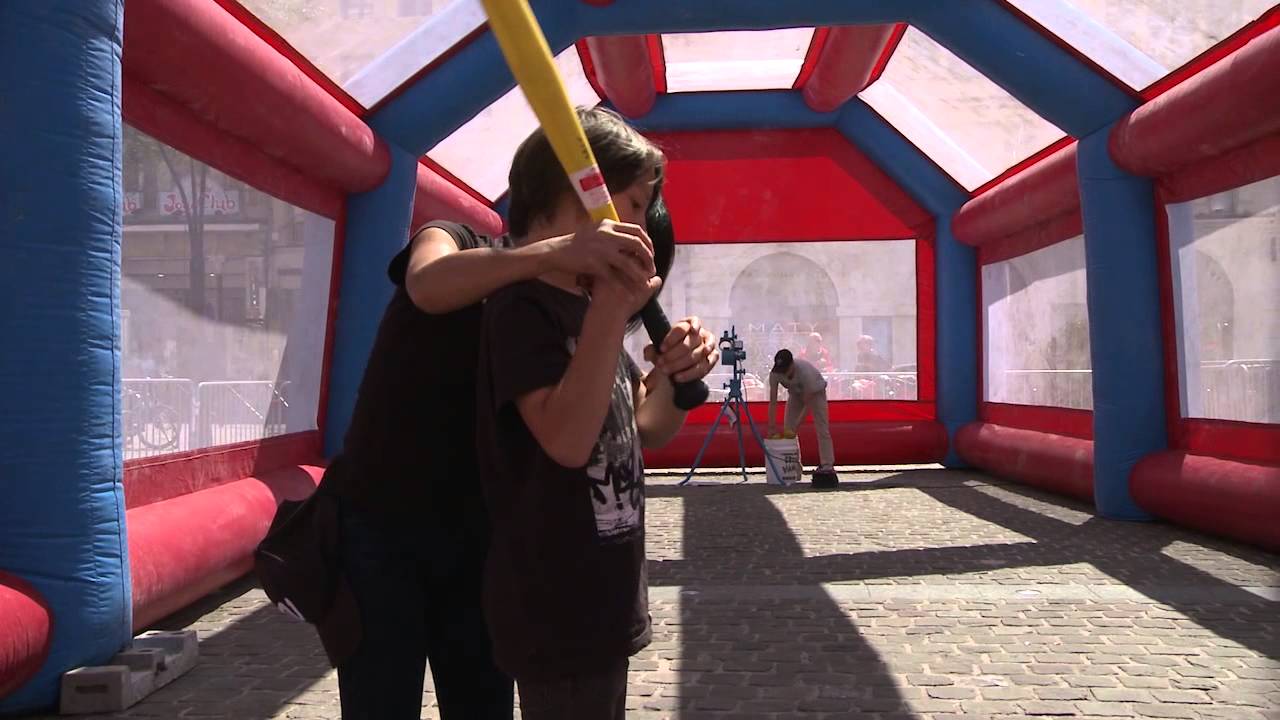
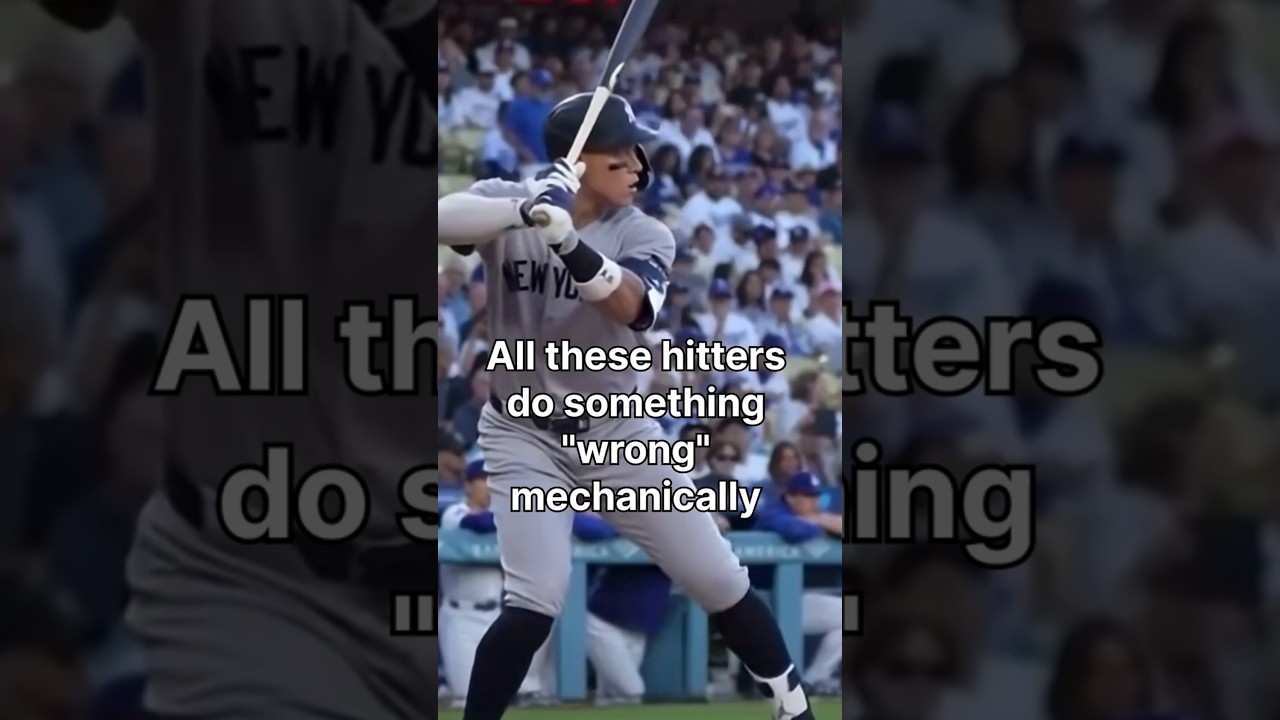
Added:in the late 1970s Tiger Stadium home of the Detroit Tigers transformed into an anthropology classroom fans would have watched their piture Mark the bird fidr deep in conversation with his baseball look at him talking to that ball FID believed that every baseball had its own life its own predetermined quota of hits so he'd talk to the baseball before the pitch giving it instructions he'd also get on his hands and knees and engage in let's say a ritualized cleansing of the mound sweeping away his cleat marks to ensure that it was just right for his next pitch fidr is far from the only example of elaborate baseball rituals shortstop Nar Garcia par had a maticulous preet bat routine adjusting and readjusting his batting gloves before each pitch some settle into their batting stance in the exact same way every single time like former Philly's first baseman Ryan Howard right Fielder Larry Walker was captivated by the number three he wore the number 33 would set his alarm clock at 33 past the hour and made sure that his wedding vows took place on November 3rd at precisely 3:33 this all stretches back to the earliest Decades of the game with baseball players ritually arranging bats moving things back and forth on the field and spitting in their gloves from the rally cap to meticulous batting stances two announcers refusing to mention a no hitter before it happens baseball has been thoroughly imbued with tabos and rituals and anthropologists of religion have noticed back in the 1970s the Anthropologist George gelch suggested that these actions are Not Mere Superstition but an example of a universal human tendency to use ritual to manage uncertainty and exert a semblance of control in unpredictable situations in the high stakes realm of professional baseball uncertainty is the only constant and rituals become vital psychological anchors that ground the players in other words players turn to baseball magic George gelch has had an unlikely career path for an academic from professional baseball player to professional Anthropologist back in the 60s he played for the Tigers organization but then he took a college class on Magic religion and Witchcraft that changed his life in this class he learned about one of the first anthropologists to critically examine why people do magical rituals bronislav malinovski in the early 20th century malinowski studied the people of the trobriand islands now part of the country of Papa Nini in the Western Pacific one of his more long- lasting contributions to anthropology came from observing the Islanders fishing practices when fishing outside of the Lagoon on the Open Sea the Troian fishermen performed elaborate rituals aiming to ensure their safety and a big catch in contrast no such rituals were performed when fishing in the safer more predictable Lagoon malinovski theorized that these rituals were a way to deal with the uncertainty and danger of open sea fishing his observations influence later generations of anthropologists who study magic in cultures all over the world certain types of rituals seem to appear around Lial uncertain or dangerous moments in everyday life in the world of GRE Roman magic for example we see rituals like protective incantations and amulets that aim to protect women during childbirth curse tablets that attempt to destroy rival business business owners or healing incantations to get rid of a migraine these are the kind of small mundane rituals that were created to deal with the crises that people face in everyday life as soon as gelch heard about malinovski in his college classroom his thoughts immediately went to baseball a professional baseball game certainly ranks high on the list of Uncertain situations careers hinge on a single pitch a single swing a single overzealous fan getting in the way and unsurprisingly in this social context text we see a ton of baseball Magic Ritual Behavior which does not have a clear technical function in the execution of skill yet which is believed to control other external factors Gelish focused on baseball but we see this in all types of sports consider Maria Sharapova the Russian tennis player who won an Olympic medal and was considered one of the best players of her generation Sharapova was famous for her highly particular preserve routine although it evolved over the years there were several key features Sharapova typically started by turning her back to the court pacing a few steps and adjusting her strings before approaching the Baseline she would brush her hair behind her ears left side and then right then slowly and deliberately bounced the ball usually twice before finally winding up for the serve Serena Williams also considered one of the greatest tennis players of all time also had pregame and pre-serve routines for example she generally bounced the ball exactly five times on her first serve during an interview she even jokingly blamed a loss on failing to follow through with her rituals what happened I didn't tie my shoes right that's what it is how many times did you bounce that b and I didn't do it five times see some Scholars call these sets of ritual behaviors pre-performance routines or pprs a systematic sequence of actions that players do before their performance of a specific athletic skill researchers have suggested that pre-performance routines are effective because they number one enhance concentration two they combat what's called warm-up decrement which is when a player's performance deteriorates due to a delay or pause and third they aid in automatic skill execution in other words pre-performance routines prevent the athlete from overthinking and trying to consciously control what's already an innate skill Scholars go further and distinguish between causally opaque versus causally transparent actions there's a very transparent reason why a basketball player might pretend to shoot a free throw a few times before actually attempting it or why a batter will take a few practice swings before stepping into the box they're simulating the actual thing they're about to attempt but there are other athletic rituals where the relationship to the performance is much more opaque there is no transparent causal connection between talking to the ball before a pitch or hitting your cleats with your bat or refusing to shave your beard to maintain a winning streak or kissing the ball have I mentioned there's a lot of kissing the connection between these actions and a successful execution of your task is opaque seemingly less empirical magical thinking if you will some of sharapova's pre-performance rituals are causally transparent like getting hair out of your eyes while others are causally opaque like emphatically bouncing the ball exactly twice interestingly at least one study found that there may be very little performance difference when using a more causely transparent method like a PPR and a completely opaque strategy like wearing lucky socks touching a lucky pendant or wearing a golden thong like Yankees Jason giomi was known to do whenever he needed to break out of a slump both strategies worked and performance was worse without either following malinovski gelch argued that athletes developed ritualized behaviors many of them highly personal and idiosyncratic many of them causally opaque as a way to create a sense of control and predictability in this high stress High uncertainty environment he noted that we especially see high levels of ritualization among piters and batters not among fielders he argued this is because Fielding has much less uncertainty he says compared with the pitcher or the hitter the Fielder has little to worry about he knows that in better than 9.7 times out of 10 he will execute his task flawlessly meanwhile batters and pitchers are under near constant stress and uncertainty with pitch after pitch after pitch even the best pitch can be crushed for a base hit or maybe a batter makes great contact but the ball goes straight to an outfielder goalies and ice hockey who are basically in a state of near constant awareness and expectation likewise have been shown to engage in higher levels of ritual Behavior gelch published his article baseball magic in 1971 even before fidr took the mound chatting with his baseball but ever since then gel's uncertainty hypothesis has been corroborated by psychologists and anthropologists across all sports athletes engage in ritual Behavior more when the outcome of a situation is increasingly uncertain a controlled experiment published in 2011 found that athletes do more rituals when facing tougher opponents or when the stakes are higher like during the playoffs moreover highlevel competitors like professional athletes are more likely to engage in ritual Behavior compared to low-level or amateur athletes other Studies have backed this up demonstrating that whether we're talking about a golf putt or a free throw shot Elite athletes take a much longer time with their pre-shot routines compared to less Elite athletes and Olympic medal winners have much more consistent pre-performance routines compared to non-m medalists the researchers concluded that sports related rituals reduce psychological tension in elite players in other words the rituals regulate emotions and help to switch from a negative to positive mindset in the face of immense pressure and stress a ritual is something you can control and that sense of control matters one team of researchers found that even completely arbitrary daily rituals can help mitigate negative emotional responses to failure in other words people who do more rituals experience less negativity when they mess up which makes ritualized Behavior something like an emotional regulatory tool this might help to explain baseball magic even a very good batter is only going to hit the ball one out of every three trips to the plate so they experience a ton of failure but because rituals can function as a paliative against anxiety and failure as the researchers put it these baseball rituals May dull the negative emotional response keeping your mind clear and ready to deal with the next performance the next at bat the next serve what's interesting is that the study also found that the rituals didn't help or hinder actual performance but they did seem to help achieve an optimal mental Comfort Zone in fact the body of research on this topic is not all that clear to what degree Sports magic actually helps there are so many confounding factors at play like the skill of the athlete and the unique conditions of Any Given game but Scholars generally agree that cognitive factors like a perceived sense of control over situation and less anxiety can improve our performance performance in sports and rituals have been shown to enhance these mental States some athletes have said as much the tennis player rafhael Nadal engages in a bunch of ritualized behavior he always ensures that his water bottles are perfectly aligned he jumps up and down at the net during coin tosses and before serving he touches his nose tucks his hair behind his ears and famously fixes his shorts in his autobiography Nadal said some call it Superstition but it's not if it were superstition why would I keep doing the same thing over and over whether I win or lose it's a way of placing myself in a match ordering my surroundings to match the order I seek in my head his own explanation for why he does all this seems to mirror what psychologists and anthropologists have found that rituals can act as a mental regulatory system acting as a buffer against uncertainty and anxiety this extends to War as well the Anthropologist Richard sosus found that individuals who experienced a war rated trauma like losing a family member or a close friend often engaged in rituals more frequently which appears to be linked with decreased levels of anxiety when talking about baseball magic the word Superstition is thrown around a lot and many athletes when interviewed about their behavior categorically reject this term no doubt because Superstition is usually a pejorative term that implies that these behaviors are ineffective or irrational Nadal's response to this accusation is an interesting data point to Scholars of religion everywhere if it were superstition why would I keep doing the same thing over and over whether I win or lose we can ask the same question about the history of religion if rituals like these are so obviously irrational and lack a causal explanation as the anthropologists say why have humans been doing magic like this for thousands of years up until today one explanation is that this is due to a quirk in our human cognition this is a common argument in the cognitive science of religion for example the Anthropologist Demetri Z galatas conducted an experiment on audiences at NCAA basketball games and found that when fans see a player do a pre-shot ritual before a free throw they evaluate that player to be more likely to make the shot his team concluded that even in non-religious contexts people make intuitive automatic judgments that rituals work which he and other Scholars argue is the result of an evolved cognitive bias though as we've seen it'd be inaccurate to say doing a ritual like kissing a ball before you throw it does nothing to affect the outcome of the game it does seem to do something at the very least to help achieve an optimal mental state in a stressful situation in the words of Harvard Anthropologist Michael Jackson yes that's actually his name if we place more emphasis on internal inductive effects of magical ritual the gap between premodern or rationality and modern rationality is significantly narrowed all human beings seek to augment and increase by all means possible their capacity for effectively working on the world thus humans throughout history have developed all manner of seemingly unproductive rituals to augment their ability to thrive in a world constantly trying to thwart us especially in Lial and uncertain situations critically these rituals don't replace Human Action it's not like the trober and Islanders chanted their open sea fishing incantation and then sat back and did nothing they still employed their expert sailing and fishing skills to ensure a good catch it's not like an ancient Roman shopkeeper cursed the guy next door and then stopped attempting to to undercut the guy prices in the same way the athletes that engage in sports magic are not only relying on the ritual when they cleanse the mound or walk a particular way before a serve they're using these repetitive motions as an augment to their skill and teaching us something about ritual in the process as the Anthropologist Stanley tambaya says all ritual uses a technique which attempts to restructure and integrate the minds and emotions of the actors all ritual whether we're talking about baseball magic purification rituals or burial one of Humanity's most ancient and Powerful rituals I've been following the nebula series becoming Human by real science which explores the major steps in human evolution and they finally made it to the episode on human burial a uniquely human ritual that reveals profound insights into the evolution of how we think and are developing understanding of our place in the world now you've heard me talk about nebula before on the channel the Creator owned and Creator operated streaming service that I'm a part of by subscribing to nebula you get access to a huge amount of content first of all you get early access to nebula creators videos before they're published on YouTube and you get to watch them ad free second you get access to nebula Originals these are high production value video series that you can watch exclusively on nebula I've recommended a few of these series on religion for breakfast so basically anytime a nebula Creator publishes something on religion I'm like oo go watch that you have real life l series on Modern conflicts you have Wendover production series on Logistics these are some of the truly excellent educational series that you can find only on nebula third you can get access to nebula classes there are over 180 of us content creators on nebula so that's a huge wealth of collective knowledge waiting to be shared that's where nebula classes come in diving into topics like how to research like a PhD student by Tom Nicholas or how to turn data into stories with Simon Clark just to name two of my favorite classes on the platform if you sign up using my link below you can get access to both nebula and nebula classes for 40% off annual plans that's a little over $25 a month again link is pinned in the comments below thanks everyone
Up Next
Rites of Passage: Van Gennep's Theory Explained
@IanBrodiePants
2.5K views•2021-09-13

Astrobiology Through an Anthropological Lens: Field Insights
@georgiatechastrobiology
128 views•2021-04-14

Haitian Vodou: History, Beliefs, and Rituals Explained
@ReligionForBreakfast
565.9K views•2021-08-25
Psychology of Internet Trolling and Pranks Explained
@AzzyLand
10.7M views•2017-12-20
Related Study Plans & Knowledge Roadmaps
Structured learning paths in Anthropology