















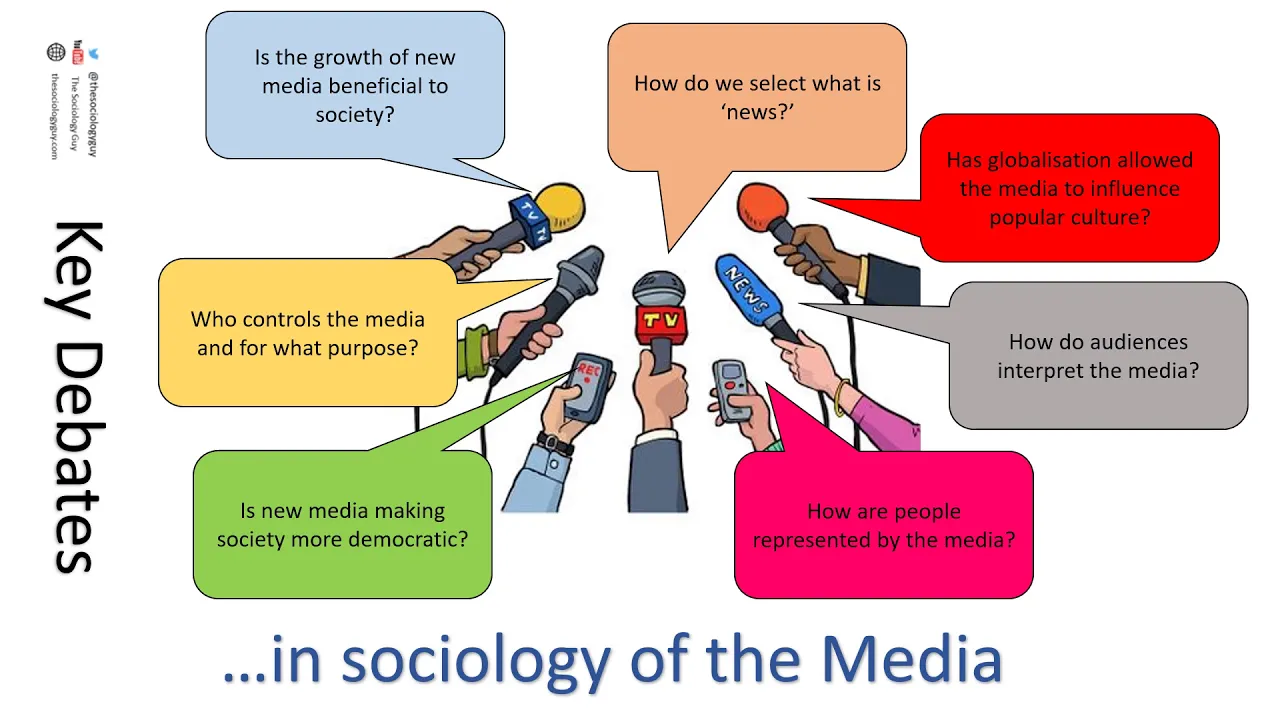
Richard Dyer's Star Theory proposes that celebrities are 'constructed images' manufactured and controlled by media power structures, where stars strategically present themselves through carefully curated public appearances (red carpets, award shows, magazine covers, social media) to fit specific archetypes such as the Good Girl, Tough Guy, Pinup, Rebel, or Independent Woman; however, this power comes with risks including falling from grace due to controversy and eventual audience fatigue from repetitive, formulaic content.
Richard Dyer's Star Theory: BTEC Media Representations Exam Guide
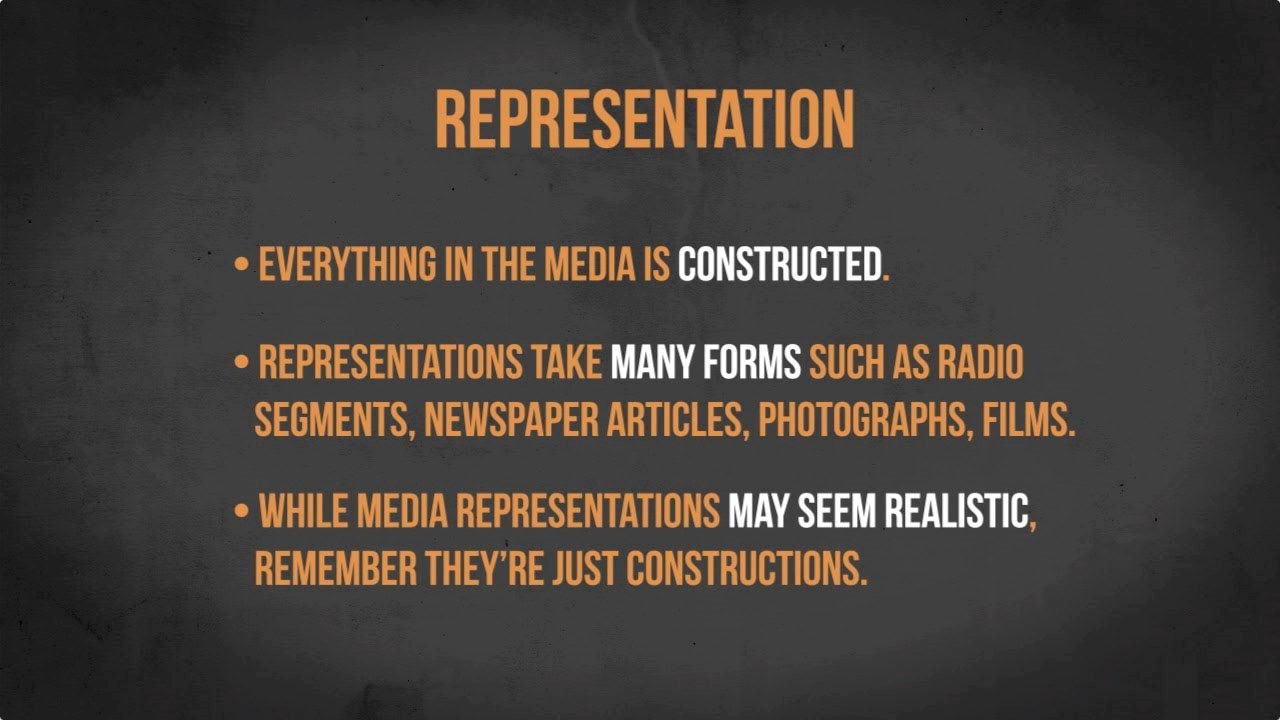
Added:The fundamental concept of media representation: how media texts construct versions of reality rather than simply reflecting them.
Basic semiotic analysis: understanding how media codes, signs, connotations, and denotations communicate meaning to an audience.
The concept of celebrity culture: a basic understanding that public personas of famous individuals are often curated for public consumption.
Familiarity with the general assessment objectives and structure of BTEC Creative Media Unit 1 (Media Representations).
Applying Dyer's Star Theory to contemporary case studies, such as analyzing the constructed personas of modern pop stars, actors, or social media influencers.
Exploring advanced celebrity theories, such as Chris Rojek's concept of celebrity classification or P. David Marshall's work on the public persona.
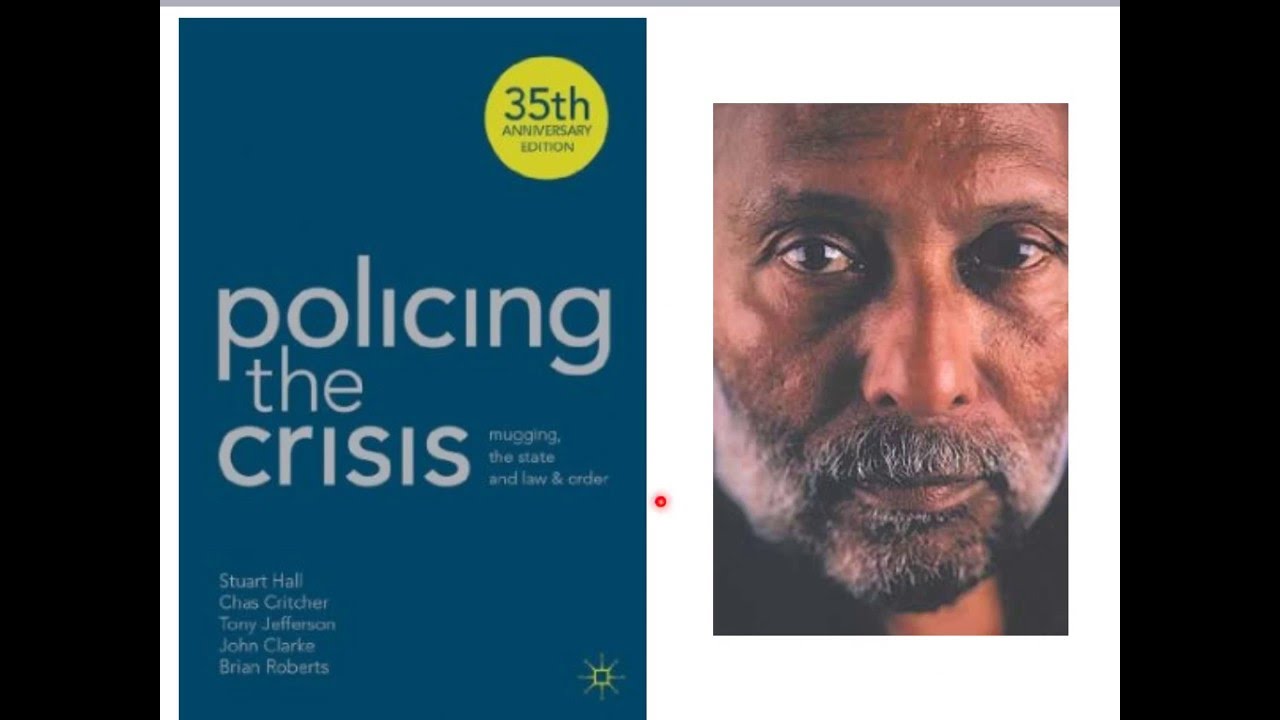
Investigating audience reception theory (e.g., Stuart Hall's encoding/decoding model) to understand how audiences negotiate, accept, or reject star images.
Practicing BTEC Creative Media exam-style essay writing, synthesizing Star Theory with other key representation frameworks like gender, class, and ethnicity.
2.9K views23likes8:48Original Release: 2022-05-13
[Music] all right and welcome to another media fewest recap video reminder as always that the lesson slides are available on the google site and in it there will be a number of tasks that i would like you to complete especially if you are participating in this lesson for the first time perhaps having missed it through illness or maybe you are revising this concept for the exam so this is the richard diet star power or star theory lesson i will start it with a little bit of retrieval we have in the past also used richard dyer when discussing stereotypes for example he said that those with power can stereotype those with less power we've seen this in tabloid newspapers for example when certain demographics are represented in a certain way so lesson ems by the end of this recap lesson hopefully we'll be able to identify and analyze star power and determine examples of richard dyer's star power archetypes and then apply this knowledge to uh structure a response to a unit one exam question so richard dyer said stars are constructed images that word constructed is important it's acknowledging that these um that stars are manufactured mediated and the image of a star is controlled quite heavily and quite particularly in terms of how they present that image to their audiences or to their fans so a task for you to do first of all and pause this video to allow you to make some notes and do this what are the characteristics of a star think about adjectives and describing words that you might use to describe a star or a famous celebrity think about the connotations the conventions the associations the expectations that you might have of that individual i'll let you pause the video and have a go at this on your own but there is a slice of stimulus on the next slide should you need to use that and i'll go to that slide now so for example there may well be some of these celebrities in your argument there that you are acknowledging that quality may well uh lead to success and individuals who have been successful in their industry who are perhaps selling a lot of records or making a lot of um movies that are box office successes or perhaps have won competitions or won acting awards okay these are individuals who are consistently perhaps at the top of their game you might hear them referred to as a-listers and that means they are bankable over time they are also usually void of any kind of controversy uh and arguably this is time sensitive because most of these individuals will have been successful stars for most if not all of their career but any one of them are capable of perhaps moving to another slide later on in the uh in the video where we might consider them controversial or perhaps having fallen from grace and maybe you might want to look at that slide and identify who perhaps that may have been recently so richard dyer adopts a system where he acknowledges different stars can be assigned a different archetype within the theory of star power or star theory similar to prop and his archetypes uh of narrative fairy tales so we have the good jewel we've got the tough guy we've got the pinup we've got the rebel and we've got the independent woman perhaps go back to that slide and acknowledge which ones would you put under which heading so which of those celebrities would you consider the independent woman which of those celebrities would you consider a pinup which of those celebrities would you consider the tough guy the good job so that might be another task to consider and pause the video and do now to go back to that phrase star power uh stars are constructed images okay richard dyer acknowledges that these stars are in control of this image and they will mediate that and they will control that quite particularly okay so how and where do stars construct their image how do they control and manipulate and project that image outward into their fan base i'll let you consider those questions now for a moment so pause the video to allow you to do that perhaps some of these answers may well have came up so things like the red carpet they'll attend the big oscar ceremony the award shows okay uh they will uh participate in uh the met gala for example they will turn up to these fashion shows catwalks oscars awards shows met gala in expensive suits and dresses they will construct their image they are wearing a costume when they appear in public they will mediate their appearance at through appearances on chat shows and magazine front covers and double page spreads and articles and perhaps also control their image via social media we can then talk about the risks associated with star power okay we've already touched upon the concept that a star could perhaps be considered an a-lister but then we've got what's referred to as z-list celebrities there's a hierarchy of star power there's there's a top and there's a bottom and you can fall from the top or you can rise to the top and that might be something to consider so what are some risks with star power and star theory in the media landscape i'll let you pause the video and consider that question but again there are some stimulus on the second slide should you need it so for example there are some celebrities here who may well in the past have been considered an airless bankable star but may have experienced some sort of controversy that has tarnished that image perhaps if you're not aware of some of those references you might want to go away and look for those up so things like lindsay lohan kevin spacey mel gibson britney spears okay russell brand charlie sheen louis suarez jeremy clarkson and aunt from mountain deck consider the impact some of ant's problems had on deck that might be something to consider you can see how star power affected deck and his image and how some of the controversies that ant experienced were um passed on to deck and that may well be something to consider so that might be something to pause the video and do a little bit of research and make some notes about that was perhaps the answer to the question i'm kind of sitting on top of the image there a little bit but i'm sure you can see will smith there who perhaps may well have experienced some controversy recently at the oscars uh which might mean that he might have moved to this slide rather than the bankable a-lister that he perhaps was before the oscar ceremony uh this year there's another risk with star power and there's a video a is a sketch a stand-up sketch from ritual which i often use in lessons to showcase this i'll let you play and pause this video in your own time but ultimately he acknowledges that star power leads to repetitiveness it's formulaic it's predictable and audiences can become fatigued with that okay they can spot the patterns and he talks about the fact that most tom cruise films become predictable follow a pattern and audiences will get tired okay here's a clip that you could perhaps use uh in an exam situation a question could be how is star power being used in the clip so again i'll let you pause the video i'll let you go to the google site and play that video make some notes and perhaps then answer that question [Music] a reminder then to summarize richard dyer does say that those with power stereotype those with less power we have in the past used this to look at how um certain demographics are stigmatized by those with power tabloids uh the news um and those who don't have power aren't able to control the stereotype that is constructed about them but we can acknowledge that this is still true of celebrities so celebrities have power they are powerful individuals they have influence and therefore they are able to use that power to construct an image of themselves that they can control and exploit perhaps to gain more power okay thank you for watching please subscribe to my youtube channel like the video and good luck for the exam [Music] you
Up Next
41:01
How Social Media Changed Fame Forever: A Creator's Journey
@Thesame24Podcast
110 views•2025-09-25

12:54
Triumph of Orthodoxy Icon: Byzantine Art & History Explained
@BenCallan
2.1K views•2024-08-06

9:49
FastAPI vs Flask vs Django: Choosing the Right Python Web Framework
@TechWithTim
302.5K views•2024-05-26

1:42
Game of Thrones Opening Credits: A Cinematic Analysis
@gameofthrones
46.3M views•2011-04-18
Related Study Plans & Knowledge Roadmaps
Structured learning paths in General & Interdisciplinary Studies
general-studies
Elevator Engineering: History, Physics & Cities
01From Hoists to Safety Brakes: The Dawn of Vertical Lift
02Hydraulic vs. Traction: The Engineering Physics of Elevators
03Modern Speed, Safety, and Algorithms
+ 2 more learning modules
12h5 modules
Explore Roadmap
general-studies
Rubber: Material Science, History & Geopolitics
01Origins of Natural Rubber & Mesoamerican History
02The Chemistry of Natural Rubber & Vulcanization
03The Geopolitics of the Rubber Boom & Colonization
+ 2 more learning modules
12h5 modules
Explore Roadmap
general-studies
Containerization: Evolution, Logistics & Trade
01Ancient Trade & Bulk Cargo: Amphorae to Barrels
02The Industrial Revolution & Cardboard Packaging
03The Containerization Revolution: Malcom McLean
+ 2 more learning modules
12h5 modules
Explore Roadmap
general-studies
Textile Tech: Evolution, Labor & Global Impact
01Pre-Industrial Textiles: Handloom & Cottage Industry
02Mechanization: The Spinning Jenny to the Power Loom
03The Factory System & Global Labor Transformation
+ 2 more learning modules
10h5 modules
Explore Roadmap