









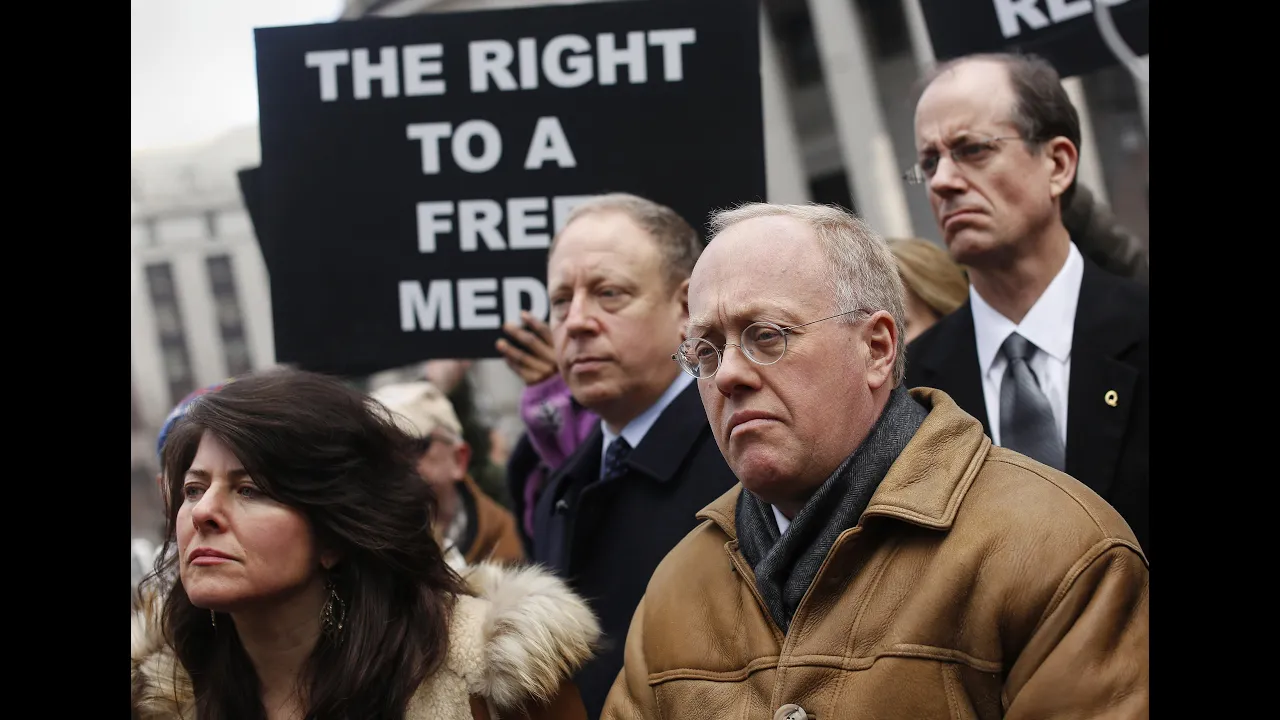
















Chris Hedges argues that America has transitioned from a literate, print-based society to a post-literate, image-based culture dominated by celebrity spectacle and consumerism, which destroys critical thinking and enables corporate control; he contends that inverted totalitarianism—where economics dominates politics through corporate media manipulation and political theater—has replaced classical totalitarianism, creating a system where both mainstream political parties serve corporate interests, the working class faces systematic destruction through outsourcing and wage suppression, and the only viable alternative to corporate fascism is democratic socialism built through mass movements rather than accommodation of power structures.
Chris Hedges: Empire of Illusion & The End of Literacy | The New School
Added:The concept of 'The Society of the Spectacle' (Guy Debord), which posits that authentic social life has been replaced with its representation.
Neil Postman’s media ecology theories, particularly the ideas in 'Amusing Ourselves to Death' regarding how entertainment-based mediums degrade public discourse.
Basic democratic theory, specifically the necessity of an informed, literate, and critical citizenry for the maintenance of democratic institutions.
The socio-economic critique of corporate capitalism and its role in commodifying information, culture, and news.
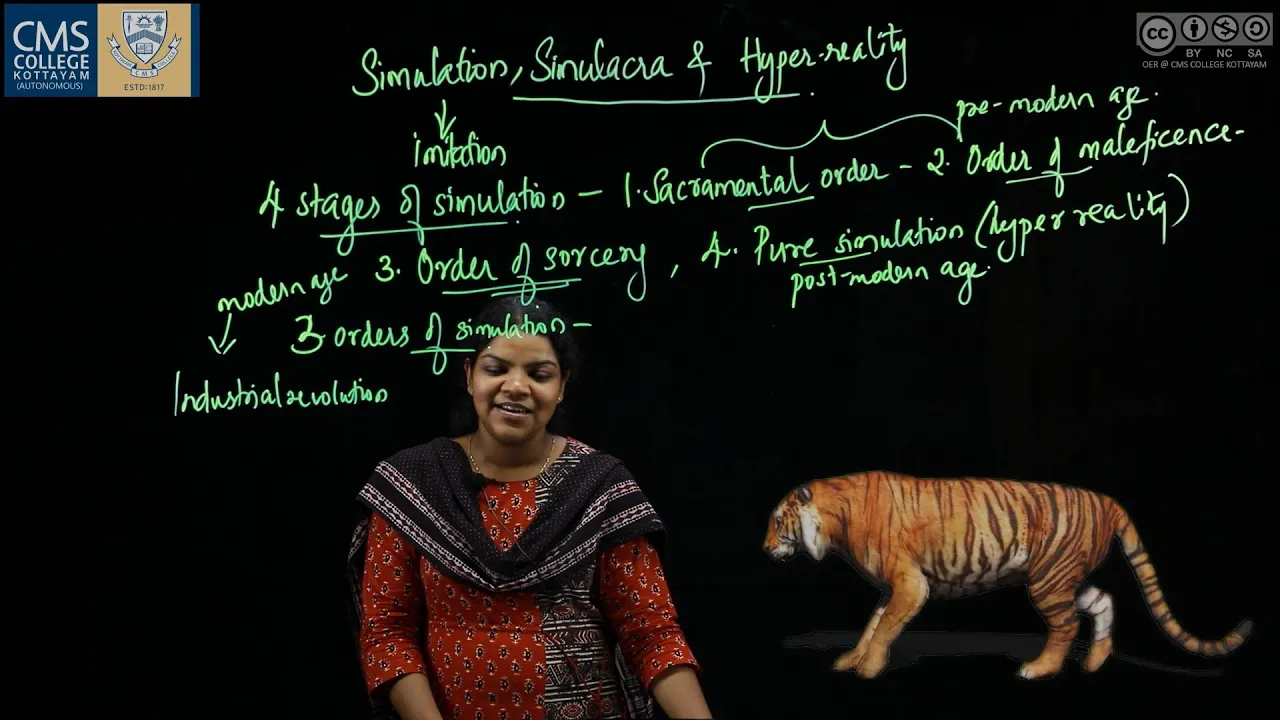
Jean Baudrillard’s theory of simulacra and simulation, examining how contemporary society replaces all reality and meaning with symbols and signs.
The mechanics of the modern 'attention economy' and how social media algorithms exacerbate the erosion of critical thinking and deep literacy.
Critical pedagogy (such as Paulo Freire's 'Pedagogy of the Oppressed') as an educational framework to combat cultural and political illiteracy.
Case studies on 'post-truth' politics, disinformation campaigns, and the structural decline of local investigative journalism.
2.4M views16.8Klikes1:22:23Original Release: 2009-12-16
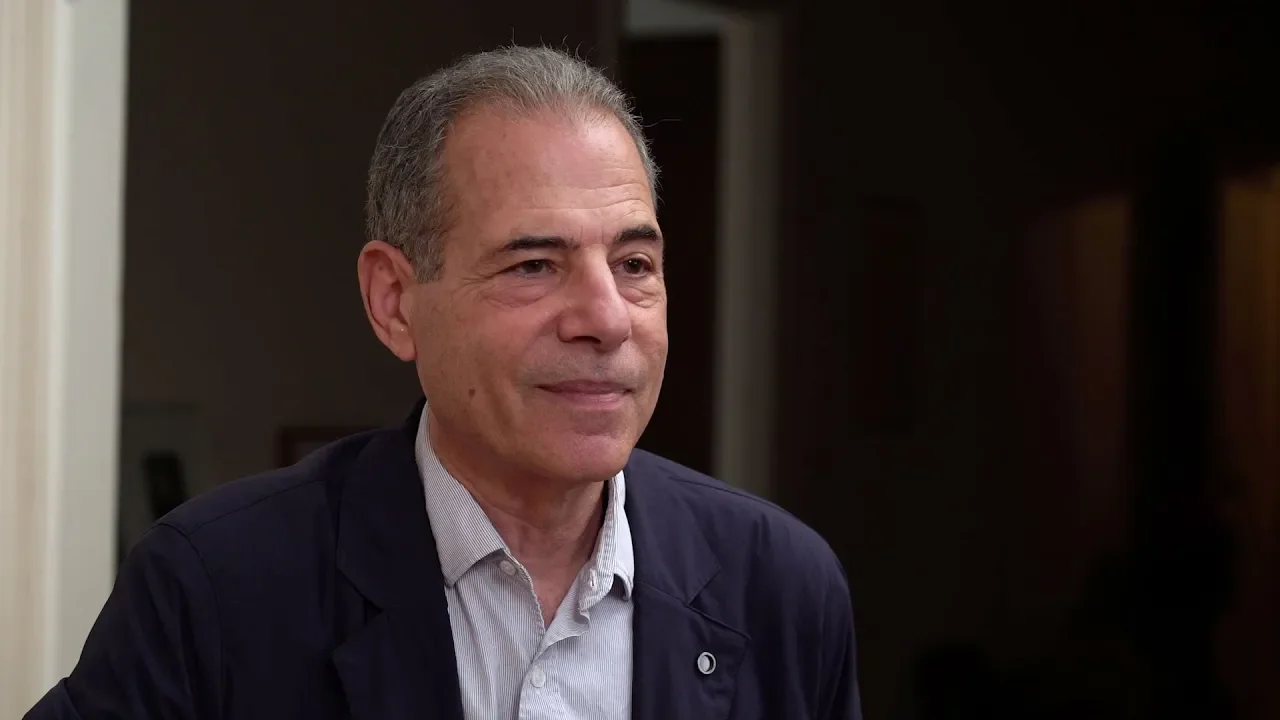
I'd like to thank the new school's creative writing Department Department of media studies and the ver list Center for art and politics for co-sponsoring this event I'd also like to thank Pam Tillis and the Office of Public programs for her support and finally a thank you to democracy now and the new school audiovisual department for recording this lecture and of course thank you to uh Rachel and Nick for assisting in their uh setup of the facilities here uh the new school is honored to host writer and journal Chris Hedges who comes to our school at an interesting time in which both this very academic institution and the liberal intelligencia of which it presumably counts itself a part grapples with its powerless identity that continues to accept and support our growing War economy each week my colleagues and I look forward to reading Mr hedge's lecture uh uh excuse me column on truthdig.com this week's column why Liberals are useless hits right at the core of this identity crisis Mr Hedges writes Liberals are a useless lot they're defeated and self-absorbed their cynicism is a cloak for their cowardice and impotence they use in action an empty moral posturing not to affect change but to engage in an orgy of self-adulation and self-pity the gravest danger we face as a nation is not from the far right but from a bankrupt liberal class that has lost the will to fight and the moral courage to stand up for what it dis spouses had Jes unapologetically ask at what point do we stop being dormant at what point do we fight back we may lose if we step outside of the mainstream but at least we Salvage our self-esteem and integrity Mr hedges's words have been published in the nation Mother Jones Harper and the New York Times where his correspondents from the Middle East won him the peit Sur prise in 2002 for explanatory journalism and an Amnesty International Global award for human rights journalism but Mr hedges's career at the New York Times would be short-lived when in 2003 Hedges delivered a commencement address in Illinois where he criticized the US invasion of Iraq Mr Hedges argued we are embarking on an occupation that if history is any guide will be as damaging to our souls as it will be to our Prestige power and security members of the audience booed and Jered him although some applauded Hedges microphone was cut twice and two young men even rushed the stage to prevent him from speaking subsequently the New York Times criticized his statements and the ERS demanded Hedges cease speaking about the Iraq War Hedges refusing to accept such restrictions left the New York Times to become a senior fellow at the nation Institute where he now writes and teaches at Princeton hedges's books I don't believe in atheist American fascist the Christian right in the war on America losing Moses on the freeway war is a force that gives us meaning and now Empire of Illusion Challenge and provoke in war as a force that gives us meaning Hedges describes War as the most potent narcotic invented by humankind subsequently as War poverty and conflict escalate as we learn an Empire of Illusion an increasingly disjointed and intoxicated population will seek comfort and celebrity culture trivial gossip pseudo events and illusion thus it seems that both War and the Illusions we exalt work in tandem to destroy what it means to be an Engaged and informed citizenry now here to talk more on this the new school would is very proud to welcome Mr Chris Hedges thank you thank you Nick um and I want to First salute all those students at the new school who were not asleep in standing up to their president and uh I hope that campaign's not over um uh secondly I want to uh remind anyone who hasn't heard or uh has heard about the event on December 12th 11 o'clock in the morning next Saturday uh Lafayette Park in front of the white house uh anti-war uh protest demonstration um which I will be speaking at Senator Mike rll will be speaking at Dennis kinich will be speaking at Cynthia mckenny will be speaking at and um as Nick read you can read that column on Truth dig today uh I think uh that line has been crossed by Barack Obama uh and it is time for all of us to step out of the mainstream uh to give up on the Democratic party which has betrayed us and in particular betrayed the working class and fight for what is left of our anemic democracy in Celebrity culture we destroy what we worship the commercial exploitation of Michael Jackson's death was orchestrated by the corporate forces that rendered Jackson insane Jackson robbed of his childhood and surrounded by vultures that prayed on fears and weaknesses was so consumed by self-loathing he carved his African-American face into a Caucasian death mask he hid his apparent pedophilia behind a Peter Pan illusion of Eternal childhood he could not disentangle his public and his private self he became a commodity a product one to be sold used and manipulated he was infected by the moral nalism and personal disintegration that is at the core of our corporate culture and his fantasies of Eternal youth delusions of majesty and desperate disfiguring Quests for physical transformation were an expression of our own yearning he was a reflection of us in the extreme his memorial service a variety show with a coffin at an average of 31.1 million television viewers it was the final episode of The Long running Michael Jackson series the stories that enthrall us our real life stories early Fame wild success and then a long bizarre and maob emotional train wreck OJ Simpson offer a Tamer version of the same plot so does Britney Spears and Tiger Woods Jackson by the end was heavily in debt and had weathered a $22 million outof Court settlement to Jordy Chandler as well as seven counts of child sexual abuse and two counts of administering an intoxicating agent in order to commit a felony Jackson reflected back to us our own physical physical and psychological disintegration especially with many Americans struggling with overwhelming debt loss of status and deep personal confusion the lurid drama of Jackson's personal life meshed with the ongoing dramas in television in movies and the news news reports on television are many dramas they provide a star a villain a Supporting Cast a good-look host and a dramatic if often unexpected ending in Fahrenheit 451 Ray bradberry's novel about a future dystopia people spend most of the day watching giant television screens that show endless scenes of police chases and criminal apprehensions life Bradberry understood once it was packaged scripted given a narrative and filmed became the most compelling form of entertainment and Jackson was a great show he deserved a great finale those who created Jackson's public Persona and turned him into a piece of property first as a child and finally as a corpse encased in a $115,000 golden casket are the agent publicists promoters script writers advertisers video technicians recording Executives public announcers and television news personalities who orchestrate the vast stage of celebrity for profit they are the Puppet Masters no one achieves Celebrity Status no cultural illusion is swallowed as reality without these armies of cultural enablers and intermediaries the producers at the Staple Center in Los Angeles made sure the 18,000 attendees and television audience and even the BBC devoted three hours to the tribute watched a funeral that was turned into another modlin form of uplifting popular entertainment the memorial service for Jackson was a celebration of celebrity there was the queasy sight of groups of children including his own singing over the coffin Brook Shields fighting back tears recalled how she and a 33-year-old Jackson who always maintained that he was a straight male broke into Elizabeth Taylor's room the night before her wedding because Michael was too excited to wait until morning to see the wedding gown Shields and Jackson at Taylor's wedding then quote pretended to be the mother and father of Elizabeth Taylor it sounds weird sheal said but we made it real there were photo montages in which a shot of Michael Jackson shaking hands with Nelson Mandela was immediately followed by one of him with Kermit the Frog celebrity culture reduces all of the famous to the same level Fame is its own denominator and and every anecdote told about Jackson seemed to confirm that when you spend your life as a celebrity you have no idea who you are and yet we measure Our Lives by these celebrities we seek to be like them we emulate their look and behavior we escape the messiness of real life through the fasy of their stardom we too long to attract admiring audience for our grand ongoing Life movie we try to see ourselves moving through our life as a camera would see us mindful of how we hold ourselves how we dress what we say we invent movies that play inside our heads with us as stars we wonder how an audience would react celebrity culture has taught us almost unconsciously to generate interior personal screenplays we have learned ways of speaking and thinking that grossly disfigure the way we relate to the world and those around us Neil gabler who has written wisely about this argues That Celebrity culture is not a convergence of consumer culture and religion so much as a hostile takeover of religion by consumer culture Jackson desperately feared growing old he believed he could manipulate race and gender he transformed himself through surgery and perhaps female hormones from a brown skinned African-American male to a chalk faced androgynous figure with no clear sexual identity and while he pushed these boundaries to the extrem he only did what many Americans do there were 12 Mill cosmetic plastic surgery procedures performed last year in the United States they were performed because in America most human beings rich and poor famous and obscure have been conditioned to view themselves as marketable Commodities they are objects like consumer products they have no intrinsic value they must look fabulous and live on fabulous sets they must remain young they must achieve notoriety and money or the illusion of it to be a success and it does not matter how they get there celebrity culture licenses a dark voyerism into other people's humiliation pain weakness and betrayal education building Community honesty transparency and sharing are qualities that will see you ridiculed and voted off any reality show fellow competitors for prize money and a chance for fleeting Fame elect to disappear The Unwanted in the final credits of the reality show America's Next Top Model A picture of the woman expelled during the episode vanishes from the group portrait on the screen those cast aside become at leas to the television audience non-persons celebrities that can no longer generate publicity good or bad vanish life these shows teach is a brutal world of unadulterated competition and a constant quest for notoriety and attention and our self-exaltation permits us to humiliate those who oppose us those who win are the best those who who lose deserve to be erased those who fail those who are deemed ugly weak or poor are belittled and mocked human beings are used betrayed and discarded in a commodity culture which is pretty much the story of Jackson's Life The Cult of the self which Jackson embodied dominates our culture this cult has within it the classic traits of psychopaths superficial charm grandiosity and self-importance a need for constant stimulation a pensent for lying deception and manipulation and the incapacity for remorse or guilt Jackson from his phony marriages to the portraits of himself dressed as royalty to his insatiable hunger for new toys to his questionable relationships with young boys had all these qualities and this is also the ethic promoted by corporations it is the ethic of unfettered capitalism it is the misguided belief that personal style and personal advancement mistaken for individualism are the same as Democratic equality it is the celebration of image over substance we have a right in the cult of the self to get whatever we desire we can do anything even belittle and destroy those around us including our friends to make money to be happy and to become famous once Fame and wealth are achieved they become their own justification their own morality how one get there is irrelevant it is this perverted ethic that gave us Wall Street bankers and investment houses that willfully trashed the global economy stole money from tens of millions of small shareholders who had bought stock in these corporations for retirement or college the heads of these corporations like the winners on a reality television program who lied and manipulated others to succeed walked away with hundreds of millions of dollars in bonuses and compensation the ethic of Wall Street is the ethic of celebrity but the Tanz and Illusions offered by our consumer culture are Vanishing as we head towards collapse the ability of the corporate state to pacify the country by extending credit and providing cheap keep manufactured goods to the masses is gone the jobs we are shedding are not coming back as Lawrence Summers tacitly acknowledges when he talks of a jobless recovery the belief that democracy lies in the choice between competing Brands and the freedom to accumulate vast sums of personal wealth at the expense of others has been exposed as a fraud Freedom can no longer be conflated with the free market and the travails of the poor are rapidly becoming the travails of the middle class especially as unemployment insurance Runs Out class Warfare once buried under the happy illusion that we were all going to enter an age of prosperity with unfettered capitalism is returning how will we cope with our decline will we cling to the Absurd dreams of Imperial power and the fantasies of a glorious tomorrow or will we responsibly face our Stark new limitations will we heed those who are sober and rational those who speak of a new Simplicity and humility in an age of Imperial as well as material decline or will we follow the demagogues and charlatans who rise up in moments of Crisis do offer fantastic visions of New Glory will we radically transform our system to one that protects the ordinary Citizen and fosters the common good that defies the corporate state that dismantles Empire or will we employ the brutality and Technology of our internal security and surveillance apparatus to crush descent and drive us into a new Dark Age in his book democracy Incorporated Sheldon wolen who taught political philosophy at Berkeley and later at Princeton uses the phrase inverted totalitarianism to describe our political system inverted totalitarianism unlike classical totalitarianism does not revolve around a demagogue or charismatic leader it finds expression in the anonymity of the corporate state it proport forts to cherish democracy patriotism and the Constitution while manipulating internal levers to subvert and thwart Democratic process political candidates are elected in popular votes by citizens but are beholden to armies of corporate lobbyists in Washington or state capitals who author the legislation and get the legislators to pass it a corporate media controls nearly everything we read watch or hear it imposes a bland uniformity of opinion it diverts us with trivia and celebrity gossip In classical totalitarian regimes such as Nazi fascism or Soviet communism economics was subordinate to politics under inverted totalitarianism the reverse is true wolen writes economics dominates politics and with that do mintion comes different forms of ruthlessness the Obama brand offers us an image that appears radically individualistic and new this image inoculates us from seeing that the old engines of corporate power and the vast military industrial complex continue to plunder the country brand Obama is about being happy consumers we are entertained we feel hopeful we like our President we believe he is like us but like all branded products spun out from the manipulative world of corporate advertising we are being duped into doing and supporting a lot of things that are not in our interest what for all our Faith and Hope Has the Obama brand given us his administration has spent lent or guaranteed 12.8 trillion in taxpayer dollars to Wall Street and insolvent banks in a doomed effort to reinl our bubble economy a tactic that at best for stols catastrophe and will leave us broke in a time of profound crisis brand Obama has allocated nearly $1 trillion in defense related spending and the continuation of our Doom doomed Imperial project in Iraq where military planners now estimate that some 70,000 troops will remain for the next 15 to 20 years brand Obama has expanded the war in Afghanistan including the use of drones sent on crossborder bombing runs into Pakistan's that have left over 700 civilians dead since Obama took office brand Obama has refused to ease restrictions so workers can organize and because of pressure from the for-profit health care industry will not consider single-payer not for-profit health care for all Americans and brand Obama will not prosecute the Bush Administration for war crimes including the use of torture and has refused to dismantle Bush's secrecy laws or restore habus Corpus corporations which control our politics no longer produce products that are different but brands that are different and brand Obama does not threaten the core of the corporate State anym than did brand George W bush the bush brand collapsed we became immune to its studied folksiness we saw through its artifice and this is a common deflation in the world of advertising so we have been given a new Obama brand with a an exciting and faintly erotic appeal bennetton and Calvin Klein were the precursors to the Obama brand using ads to associate themselves with risque style and Progressive politics it gave their products an edge but the goal as with all brands was to fool passive consumers that a brand is an experience the decline of American Empire began long before the current economic meltdown or the wars in Afghanistan and Iraq it began before the first Gulf War or Ronald Reagan it began when we shifted in the words of the Harvard historian Charles Mayer from an Empire of production to an Empire of consumption by the end of the Vietnam War when the costs of the war ate away way at Lynden Johnson's Great Society and domestic oil production began its steady inexorable decline we saw our country transformed from one that primarily produced to one that primarily consumed we started borrowing to maintain a lifestyle as well as an Empire we could no longer afford we began to use Force especially in the Middle East to feed our insa ible thirst for cheap oil and the bill is now due America's most dangerous enemies are not Islamic radicals but those who sold us the perverted ideology of free market capitalism and globalization they have dynamited the foundations of our society in the 17th century these speculators would have been hung today they run the government and consume billions in taxpayer subsidies these corporate forces will never permit real reform it would mean their Extinction the oil and gas industry will never allow us to achieve energy Independence that would devastate their profits real reform would wipe out tens of billions of dollars in weapons contracts it would [ __ ] the Financial Health of a host of private contractors from locked Martin to Boeing to to Northrup Grumman rathon halberton Blackwater now renamed Z and it would render obsolete the existence of the US Central Command it was Bill Clinton who led the Democratic party to the corporate watering Troth Clinton argued that the party could ditch labor unions no longer a source of votes or power as a political Ally workers he insisted would vote Democratic any way they had no choice it was better he argued to take corporate money and do corporate bidding by the 1990s the Democratic party under Clinton's leadership had virtual fundraising parody with the Republicans today the Democrats get more the legislation demanded by corporations including the North American Free Trade Agreement thrust a knife into the back of the American working class Naf was pedal by the Clinton White House as an opportunity to raise incomes and prosperity of the citizens of the United States Canada and Mexico NAFTA would also we were told staunch Mexican immigration into the United States but NAFTA which took effect in 1994 reversed every one of Clinton's Rosy predictions once the Mexican Government lifted price supports on corn and be beans grown by Mexican Farmers those Farmers had to compete against the huge aggra businesses in the United States many Mexican farmers were swiftly bankrupt at least 2 million Mexican Farmers have been driven off their land since 1994 and guess where many of them went this desperate flight of poor Mexicans into the United States is now being exacerbated by large scale Factory closure along the border as manufacturers pack up and leave Mexico for China but we were assured that good Goods would be cheaper workers would be wealthier everyone would be happier I'm not sure how these contradictory things were supposed to happen but on a sound bite Society reality no longer matters NAFTA was great if you were a corporation it was a disaster if you were a worker and we are now getting a taste of Clinton's Draconian welfare reform Bill signed in 1996 as tens of millions of people fa the prospect of losing their unemployment benefits and attempting to survive on $143 a month from welfare it was the Clinton administration led by Summers which signed into law the financial Services modernization Act of 1999 the ACT ripped down the firewalls that that had been established by the 1933 glass steagle act designed to prevent the kind of meltdown we are now experiencing glass steagle established the Federal Deposit Insurance Corporation it set in place banking reforms to stop speculators from hijacking the financial system with glass steagle demolished and the passage of of NAFTA the Democrats led by Clinton tumbled gleefully into bed with corporations and Wall Street speculators and many of The Architects of this deregulation economists such as Summers have come back again to service these corporations in the Obama White House the cost of our Empire of Illusion is not being paid for by corporate Titans it is being paid for on the streets of our inner cities in former manufacturing towns and in depressed rural enclaves human beings are not Commodities they are not Goods their misery is not the regrettable price of globalization and the free market they grieve and suffer and feel despair they raise children and struggle to maintain communities and the growing class divide is not grasped despite the glibness of many in the media by complicated sets of Statistics lines on a graph that chart stocks or the Absurd utopian faith and unregulated globalization and complicated trade deals it is understood in the eyes of a man or woman who is no longer making enough money to live with dignity and hope the growing desperation across the United States is unleashing not simply a recession we have been in a recession for some time now but a depression unlike anything we have seen since the 1930s it has provided a pool of broken people willing to work for low wages and to do without unions or benefits for the botom 90% of Americans annual income has been on a slow steady decline for three decades there are 50 million Americans in real poverty and tens of millions of Americans in a category called near poverty and our Elites meanwhile manipulate statistics and data to Foster illusions of growth and prosperity to mask the damage they refuse refuse to admit at least to us that they have lost control since to lose control is to concede failure they contribute instead to the collective denial of Reality by insisting that another multi-billion doll bailout or government loan will prop up the shattered edifice the well-paid television pundits and News celebrities the economists and the Banking and Financial sector leaders see the world from inside the comfort of the corporate box and they are loyal to the corporate State The Assault on the American working class an assault that has devastated members of my own family and the former mil towns in the state of Maine shows no sign of abatement in the past three years nearly one in five us workers was laid off among workers laid off from full-time work roughly one4 were earning less than $40,000 a year and there are whole sections of the United States that now resemble the developing world there's been a viar isation of the American working class and the assault on the middle class is underway anything that can be put on software from Finance to architecture to engineering can and is being outsourced to workers in countries such as India or China who except pay a fraction of that of their Western counterparts and work without benefits and both the Republican and Democratic parties beholden to corporations for money and power are responsible Washington has become our verai the media has evolved into a class of courtiers the Democrats like the Republicans are mostly cour years our pundits academics economists and experts at least those with prominent public platforms are courtiers we are captivated by the hollow stagecraft of political theater as we are ruthlessly stripped of power the role of cour is to Parrot official propaganda courtiers do not defy the elite or question the structure of the corporate State the corporations in return employ them and promote them as celebrities or elected officials courtiers and face powder deceive Us in the name of Journalism courtiers and our political parties promise to look out for our interests and then pass bill after Bill to further corporate Fraud and Abuse no class of courtiers from the Unix behind the man shoes in the 19th century to the Baghdad cffs in the Abid caliphate has ever transformed itself into a responsible and socially productive class being a courtier requires agility and eloquence and the most talented of them should be credited as persuasive actors they entertain us they make us feel good they persuade us they are our friends they are the smiley faces of a corporate state that is hijacked act the government and when these corporations make their iron demands these courtiers drop to their knees they plate the telecommunications companies that want to be protected from lawsuits they permit oil and gas companies to rake in obscene profits and keep in place the vast subsidies of corporate welfare doled out by the state they allow our profit driven Health Care system to leave the unin insured and underinsured to suffer and die and over 20,000 Americans died last year because they could not get proper Medical Care Health Care industry like the defense industry profits from Death it is legally permitted to hold sick children hostage while their families frantically bankrupt themselves to save their son or daughter any discussion of Health Care should acknowledge the fact that our for-profit Health Care system is the problem and must be destroyed only then can we have an honest debate about what comes next but this will never happen it will never happen because the industry's money and lobbyists Drive the discussion and the courty years in Washington and on the television screens dance to the tune they play America is devolving into a third world nation and if we do not immediately halt our Elite's rapacious Looting of the public Treasury and our bizarre State socialism for corporations we will be left with trillions in debts which can never be repaid and widespread human misery which we will be helpless to ameliorate our anemic ocracy will be replaced with a robust National Police State the elite will withdraw into heavily guarded gated communities where they will have access to security goods and services that cannot be afforded by the rest of us and tens of millions of people brutally controlled will live in Perpetual poverty a state of Neo feudalism this is the inevitable result of unchecked corporate capitalism the stimulus and bailout plans are not about saving us they are about saving them as The Economist Paul Krugman has noted anyone who has seen how economic statistics are constructed knows that they are a subgenre of Science Fiction this science fiction has been steadily employed to camouflage our economic decline President Ronald Reagan included 1.5 million US Army Navy Air Force and Marine Service personnel with the civilian Workforce to magically reduce the nation's unemployment rate by 2% President Clinton decided that those who had given up looking for work or those who wanted full-time jobs but could only find part-time employment were no longer to be counted as unemployed his trick disappeared some 5 million unemployed from the official unemployment roles if you work more than 21 hours a week and most low-wage workers at places like Walmart a average about 28 hours a week you are counted as employed although your real wages put you below the poverty line our actual unemployment rate as the Los Angeles times has pointed out when you include those who have stopped looking for work and those who can only find poorly paid part-time jobs is not 10% but somewhere between 17 and 20% a sixth of the country is now effectively unemployed and we are shedding jobs at a faster rate than in the months after the 1929 crash Franklin Delena Roosevelt recognized the danger of unregulated capitalism he sent a message message to Congress on April 29th 1938 titled recommendations to the Congress to curb monopolies and the concentration of economic power in it he wrote this the first truth is that the liberty of democracy is not safe if the people tolerate the growth of power to a point where it becomes stronger than the Democratic State itself that in its Essence is fascism ownership of government by an individual by a group or by any other controlling private power the second truth is that the liberty of a democracy is not safe if its business system does not provide employment and produce and distribute Goods in such a way to sustain an acceptable standard of living the rise of the corporate state has Grave political consequences as we saw in Italy and Germany in the early part of the 20th century Anti-Trust laws not only regulate and control the marketplace they serve as bullworks to protect democracy and now that they are gone now that we have a state run by and on behalf of Corporations we must expect inevitable and I fear terrifying consequences as the pressure mounts as this Despair and Desperation re es into larger and larger segments of the populace the mechanisms of corporate and government control are being bolstered to prevent civil unrest and instability the emergence of the corporate State always means the emergence of the security State and this is why the bush White House pushed through the Patriot Act and its renewal the suspension of habus Corpus the practice of extraordinary rendition warrantless wiretapping of American citizens and the refusal to ensure free and fair elections with verifiable ballot counting the motive Behind these measures is not to fight terrorism or to bolster National Security it is to seize and maintain internal control and it is about control of US senator Frank church as chairman of the select committee on intelligence in 1975 in investigated the government's massive and highly secretive National Security Agency he was alarmed at the ability of the state to intrude into private lives he wrote when he finished his investigation that capacity at any time could be turned around on the American people and no American would have any privacy left such is the capacity to monitor everything telephone conversations telegrams it doesn't matter there would be no place to hide if this government ever became a tyranny if a dictator ever took charge in this country the technological capacity that the intelligence Community has given the government could enable it to impose total tyranny and there would be no way to fight back because the most careful effort to combine together in resistance to the government no matter how privately it was done done is within the reach of the government to know when Senator Church made this statement the NSA was not authorized to spy on American citizens today it is in his book The Great transformation written in 1944 Carl Pani laid out the devastating consequences the depressions Wars and totalitarianism that grow out of a so-called self regulated free market he grasped that fascism like socialism was rooted in a market society that refused to function he warned that a financial system always devolved without heavy government control into a mafia capitalism and a mafia political system all traditional standards and beliefs are shattered in a severe economic crisis the moral order is turned turned upside down the honest and industrious are wiped out while the gangsters profiteers and speculators walk away with Millions a self-regulating market inevitably turns human beings and the natural environment into Commodities a situation that ensures the destruction of both Society in the natural world the free Market's assumption that nature and human beings are objects whose worth is determined by the market allows each to be exploited for profit until exhaustion or collapse a society that no longer recognizes that nature and human life have a sacred Dimension an intrinsic value Beyond monetary value commits Collective suicide such societies cannibalize themselves until they die we Face an environmental meltdown that is linked to our economic meltdown polar ice caps are melting sea levels are rising the planet is warming at an alarming rate droughts are destroying crop lands Russia's Northern Coastline has begun producing huge quantities of toxic methane gas scientists with the international Siberian shelf study described what they saw along the coastline recently as methane chimneys reaching from the sea floor to the ocean surface methane locked in the permafrost of the Arctic land masses is being released at an alarming rate as average Arctic temperatures rise methane is a greenhouse gas 25 times more powerful than carbon dioxide the release of millions of tons of it will significantly Excel cerate the rate of global warming the continued release of large quantities of methane some scientists have warned could actually asfixiate the human species but even in the face of this crisis the oil and gas industry along with the coal industry have blunted any serious environmental reform profit comes before the Urgent task to save the ecosystem on which human life depends our working class which has desperately borrowed money to stay afloat as real wages have dropped now face years maybe Decades of stagnant or declining incomes without access to new credit the national treasury is being drained on behalf of speculative commercial interests the government the only institution citizens have that is big enough and powerful enough to protect its rights is becoming weaker more anemic and increasingly unable to help the mass of Americans who are embarking on a period of profound deprivation we have been borrowing at the rate of more than2 billion dollar a day over the last 10 years and at some point it has to end the moment China the oil Rich States and other International vestors investors stop buying treasury bonds and walk away from the dollar which now appears to be underway we will have no choice but to allow the Federal Reserve to buy treasury Bonds in essence printing money and at that point our currency will become junk inflation will rocket upward and we will become viar Germany a furious and sustained backlash by a betrayed and angry populace one unprepared emotionally intellectually and psychologically for collapse with will sweep aside the Democrats and most of the Republicans it was the economic collapse in Yugoslavia that gave gave us slobad mosovich it was the viar Republic that vomited up Adolf Hitler and it was the breakdown in zaris Russia that opened the door for Lenin and the Bolsheviks a cobble of Proto fascist misfits from Christian demagogues to loudmouth talk show hosts who we naive ly dismiss as buffoons will find a following with Promises of Revenge and moral renewal there are powerful corporate entities fearful of losing their influence and wealth arrayed against us these anti-democratic forces which will make an alliance with the radical Christian right and other extremists will use fear chaos a hatred for the ruling Elites and the Spectre of left-wing descent and terrorism to impose Draconian controls to extinguish our democracy and while they do it they will be waving the American flag chanting patriotic slogans promising Law and Order and clutching the Christian cross totalitarianism George Orwell pointed out is not so much an age of Faith but an age of schizophrenia a society becomes totalitarian when its structure becomes flagrantly artificial or well warned that is when its ruling class has lost its function but succeeds in clinging to Power by force or fraud and force is soon all our Elites will have left and yet mass culture assures us even in the midst of catastrophe that if we close our eyes if we visualize what we want if we have faith in ourselves if we tell God that we believe in miracles if we tap into our Inner Strength if we grasp that we are truly exceptional if we focus on happiness Our Lives will be harmonious and complete this cultural Retreat into illusion whether pedal by positive psychologists Hollywood or Christian preachers is a form of magical thinking it turns worthless mortgages and debt into wealth it turns the destruction of our manufacturing base into an opportunity for growth it turns alienation and anxiety into a cheerful Conformity it turns a nation that wages illegal Wars and administers offshore penal colonies where it openly practices torture into the greatest democracy on Earth it is time to fight back against corporate culture in small and large ways coalitions of environmental anti-nuclear anti- capitalist sustainable agriculture and anti-globalization forces have coalesced in Europe to form and support socialist parties this has yet to happen in the United States the left never rallied in significant numbers behind Cynthia mckin or Ralph nater and this was our mistake in picking the lesser of two evils it it threw its lot in with a Democratic party that again has proven that it backs our Imperial Wars empowers the National Security State does the bidding of Corporations and ignores the needs of citizens if Obama does not end the flagrant theft of tax payer dollars by corporations and the disgraceful abandonment of our working class especially as foreclosures and unemployment Mount many in the country will turn in desperation to the far right embodied by groups such as Christian radicals the failure by progressives to offer a Democratic Socialist alternative the only alternative remaining that can save our open Society to openly make war war on corporate power to continue to back the Democratic party will mean there will be in the eyes of many embittered and struggling working and middle class Americans no alternative but a perverted Christian fascism I spent two years traveling the country to write a book on the Christian right called American fascists the Christian right and the war on America I visited former manufacturing towns where for many the end of the the world is no longer an abstraction they have lost hope fear and instability has plunged the working class into profound personal and economic Despair and not surprisingly into the arms of demagogues in charlatans of the radical Christian right who offer a belief in magic miracles and the fiction of a utopian Christian Nation and unless we rapidly re enfranchise these dispossessed workers back into the economy unless we give them hope our democracy is doomed democracies as writers as ancient as plutar and thiddies understood cannot be sustained in oligarchic States we forgot that social reform never comes from accommodating the power structure but from frightening it the Liberty party which fought slavery The suffragists Who battled for women's rights the labor movement and the Civil Rights Movement knew that the question was not how do we get good people to rule most of those attracted to power are at best mediocrities and often venal but how do we limit the damage the powerful do to us these mass movements were the real engines for social reform the correctives to our democracy and the true Protectors of the rights of citizens we must begin to opt out of the mainstream we must rebuild socialism as a viable political force we must no longer be content with the crumbs tossed to us in the vain hope that we can influence the power elite from the inside we must become as militant as those who are seeking our enslavement if we remain passive we will soon be engulfed by a ruthless totalitarian capitalism if we remain passive as we undergo the largest transference of wealth upwards in American history we will become surfs if we fight back we have a chance the saturation coverage of Jackson 's death was one of many examples of our Collective flight into illusion it deflected the moral questions arising from mounting social injustice growing inequalities failing Imperial Wars economic collapse and political corruption as we sink into an economic and political morass as we Barrel towards a crisis that will create more misery than the Great Depression we remain controlled manipulated and distracted by the Celluloid Shadows on the wall of Plato's Cave the fantasy of celebrity culture is not designed simply to entertain it is designed to drain us emotionally confuse us about our identity blame ourselves for our predicament condition us to chase illusions of impossible Fame and happiness and keep us from fighting back and in the end that is all the Jackson coverage was really about another tody and tasteless spectacle to divert a Dy culture from the baning wolf at the gate thank you [Applause] um 70 years ago at about the same time as that quotation you gave us from Roosevelt warning us about corporate culture and non-regulation Sinclair Lewis the novelist wrote a relatively unknown piece called it can't happen here yep I see you nodding already but it can um my question actually based in part upon that work of fiction is this evening we are privileged to hear not only an indictment but a small message of Hope to inform our say Collective understanding uh but given the corporate culture and given particularly the pop media um how does one get past that if at all that is to say the most popular television shows on cable this week at least on Monday's times where World Wrestling followed by SpongeBob SquarePants um and of course there's always Sports um what are the options within the media per se not all of us read truth dig uh to get past that continuing illusion that all is right with the world and that it can't happen here well you know I opened the book with professional wrestling um and found it a fascinating lens to describe the narratives that make sense Within in popular culture my grandfather used to watch wrestling religiously once a week when uh the narratives within professional wrestling were built around racism xenophobia they were always battling somebody named the Russian bear or the iron shake or and the the the the person you know who embodied American values always was sort of blonde and blue-eyed and um and that narrative is gone now it's all about personal disintegration infidelities sibling rivalries physical abuse nobody there is no good or evil no delineation between good or evil everybody cheats as soon as the referee turns their back um and I attended one of these professional wrestling bouts in mad Square Garden is completely sold out mostly working class mostly white uh and these guys some of these guys are huge I mean upwards of 500 pounds I mean they're just massive and they played out the fantasies of Revenge that in real life these people don't have but the narratives were were were stunning stunningly reflective of what's happening in the country at large there was a whole narrative going that night around a wrestler uh his name is Shawn Michaels his his wrestling name is the Heartbreak Kid who had been wiped out lost his 401k thrown foreclosed from his house and was now within the grip of a evil capitalist named JB are you wrestling fans oh and um uh there was there's another long uh uh rivalry between a guy who supposedly was a prison guard in Georgia and a former prisoner who he abused physically within prison who enters the ring in an orange jumpsuit and has post-traumatic stress disorder but suddenly you begin to see Within These narratives that personal disintegration that is ripped apart whole communities uh you rip apart communities physically and if you've been in Youngstown or you know innumerable I've just spent over a week in camed in New Jersey for Harper's magazine because per capita is the poorest city in America and when you just destroy the physical possibility of community then you destroy the emotional possibility of community and family and it it's not coming back how do we you have to build walls popular culture is so intrusive that you have to physically try and wall it out I I learned this in Yugoslavia where the first thing and and you know the war in Yugoslavia was not caused by ancient ethnic hatreds was caused by the economic collapse of Yugoslavia 25,000 per inflation again you know money in paper bags and um the first thing the Nationalist parties did whether it was frano tman or was take over the airwaves Andy they bombarded you like Fox News day in and day out so that you would even question yugoslavs who had great disqui over what was happening within their own country and yet they spoke in the perverted cliches and jargon by which they were handed it's even if you don't agree with the war on terror as soon as you use the phrase the war on terror you're limited in terms of your possibilities of self-expression of creating another narrative and I that's why I don't own a television um and I work as hard as I can to distance myself from the cat of popular culture so that I can speak in my own language not the one they give me and that requires reading I mean what is most frightening about American society is that we are shifting from a print-based culture to an image-based culture and uh uh we are confusing how we are made to feel with knowledge confusing propaganda with ideology and totalitarian societies are image-based societies built around image and spectacle so I think consciously shutting out the poison is a is a really important First Step uh this is not intended at all as a hostile question because I'm in great sympathy I've had many so that's okay wor it's really not I mean I know you're not afraid of it but I just want to make that clear from my own point of view um because I'm really in in great sympathy with your argument um not just this argument but argument you've made in your other books as well but my question is just um what evidence or arguments can you give us to um convince us that your prescription for um some kind of escape from this horrible scenario for the future is less utopian um than the right Wing scenarios which are based on emotion and hope and fears um I'm just you know well because utopianism is a non-reality based belief system uh that's how we got into Iraq having spent seven years in the Middle East being in an Arabic speaker many many months of my life in Iraq the idea that we would occupy Iraq and be greeted as liberators that democracy would be implanted in Baghdad and emanate outwards across the Middle East least that the oil revenues would pay for all the Reconstruction was utopian I use the word utopian the way Thomas Moore coined it in 1516 which means no place it doesn't exist you've probably never thought of Dick Cheney as a utopian um but he is and the culture of Illusion the Empire of Illusion is failing to recognize the the inevitable economic decline it's not just that we can't pay for the lifestyles that we are maintaining internally we can't pay for Empire I think by 2010 the federal government will have to pay $92 billion a week to service the debt we're finished and if you look in the Twilight period of any Empire Roman read Cicero oh austo Hungarian Reed Joseph Roth Ottoman Empire people fall or even the Egyptian Empire for some reason people fall into this Collective state of self delusion where uh they are utterly unable to see the walls literally collapsing around them and and believe in these fantasies of a glorious tomorrow I mean the pyramids were built to immortalize for eternity the Pharaohs at the very moment that the Egyptian Empire disintegrated I mean it's a kind of metaphor it's why the New York Times goes out and buys a $600 million office building at the moment it dies um there there is a it's a kind of psychological think things are so Grim that there becomes a retreat into illusion and what is illusion it's really a state of Eternal childishness uh it it's it allow kind of infantilizing of a society and but the danger is that as that the gap or the chasm opens up between the illusion and reality eventually it becomes impossible when you're being foreclosed from your home when your unemployment insurance runs out when you are bankrupt because of medical bills it becomes impossible to ignore the reality but if you're not prepared for it then you react as children which is to look for a savior a demagogue to save you from these inexp inexplicable forces that you're not have not been prepared for intellectually emotionally or psychologically to confront and that's the danger hope you know I covered Wars for 20 years we didn't use the word pessimist or Optimist we took very sober readings of which weapon systems were at the end of that road and what the capacity were of those weapon systems to do us harm and people and I knew them War correspondents that had you know fantasies about immortality usually didn't live very long um I I I literally had friend I knew a guy in Saro who painted on the spray painted on the side of his car he did not have an armored I had an armored save your bullets I'm Immortal and he used to make a Mad Dash across the tarmac uh uh separating the airport tarmac separating the besieged city from the next Croatian town to buy cigars I mean it was just foolish buy the cigars come back smoking the cigars and of course the Serb snipers would shoot at him he is now today a [ __ ] um that that that a sober reading of reality is the best possibility for survival in Hope and if we continue within a state of Illusion then hope becomes impossible possible because every decision we make is not reality based and you can see it with the financial disfiguration of the country um you know the theory behind pumping this kind of liquidity into the market is that the banks and the and the and the corporations will then when the money runs out next year put the liquidity into the market well it's very clear that they're doing what all good capitalists would do with our money which is hanging on to it and we're we're screwed that's an that is an example of an illusion belie in aass not also potentially an illusion well there is no work there is no working class I didn't I don't to have a belief in a workingclass movement because we've destroyed our working class and uh and you know traditionally social movements have been built around a working class but now we have a new paradigm where nobody has any jobs I mean the working class are people who are working 28 hours a week in Walmart and uh you know as soon as they uh raise the slightest issue of of dissonance with their supervisor Walmart sends their SWAT teams in by jet to make sure they and all the people they've contaminated in the store don't have a job uh I don't know how we're going to build it uh because it is it's a paradigm that we've not seen before it is it is a paradigm that it's inevitable result is a form of Neo feudalism and we're already very far down that road so we have uh time for a couple more questions and hi thanks a lot for your work um I had some question I had a question mainly around what your vision of socialism is that you are saying you know that's a good question how would you suggest one gets there but I also wanted to mention that I see the connection between you know War as a thing that gives us meaning and the sort of illusionary things that you're talking about now which Builds on that that same need yeah anyway I think you're right well I gave a talk at the University of Winnipeg a few weeks ago and thought as usual that I was delivering an incendiary and radical message and there was this grim based group of Economics professors after I finished who were there the whole economics Department was there and one of them stood up and said we want to make it clear to everyone in this room that you are nothing but a radical kenian um the economics department at the University of winipeg is uniformly Marxist um that's Canada for you uh yeah when I talk about socialism I am a radical kenian I talk about Swedish socialis I've lived in France I've lived in Europe I'm talking about universal healthcare I'm talking about full employment I'm not talking about I'm not a Marxist uh I come out of Hannah erant who was a socialist a democratic European socialist Carl popper I mean these are the reinold neber these are the great foundational moral philosophers for me um uh up in Sinclair I mean someone mentioned he was a socialist I mean there was a powerful socialist movement in this country uh but uh WRA Wilson used the Sedition in the Espionage Act and uh to to essentially destroy it D to destroy the age of the Muk rakers and then after the war that very Swift transition from the hated hun to the to the Red Scare and uh had had the twin purpose of promoting war and destroying Progressive social movements and I think we have to begin to reclaim those movements um because socialism for me is about the common good it's about not throwing your mentally ill on heating grates in the street uh it's about not allowing children in your country to go to bed hungry uh it's about making sure that every American no matter how poor has access to decent decent Medical Care a public education the chance to go to university I mean my son's at Colgate University it cost $51,000 a year can you imagine if they tried that in France the French University students would shut the country down we're just you know we're we're and these kids are borrowing staggering sums of money and they're not going to get the jobs to repay it and there probably some in this room and uh this one more question um last summer I read a book by Marian wolf titled um PR and the squid where she describes um what happens to a child that you know can learn how to read you know with dyslexia and a whole host of learning disabilities and in that book there's a little passage where she talks about um Socrates and how Socrates you know came from this oral tradition and he was you know railing against you know books and you know talking about how books are going to come to impoverish um the the new culture you know cuz he he's he belonged to this oral tradition and he used to you know think well you know you memorize things and and and and your experience with human beings is richer um whereas you know you read a book and there's no there's no feedback um now I don't know if anybody would argue that books have not been good for Humanity for the past 25 200 years I don't not sure that Socrates could have envisioned you know the library at Alexandria and maybe the 42nd Street Library here and and you know uh but my question is we're moving you know uh like you say from a print-based uh uh literate Society to an image-based society and I'm wondering you know whether you know we're moving from a society that's that's you know print based to an electronic society and where is this electronic thing going you know I mean I look at the you know the Nook and and and and the Kindle and now you have the you know the power to carry you know 60 books books don't think you have time to read 60 books but you have the power to carry it um and I'm just wondering if you can make a comment as to you know where where Socrates was criticizing books and where we are now criticizing this electronic um image-based Society Socrates fear and Socrates understood in the same way that Jesus understood and St Francis understood that when when moral philosophy becomes written down when it is written down in the words of Steiner it freezes speech it becomes a form of Orthodoxy and that's what terrified Socrates um that that dialogue that that struggle for the moral life was too ambiguous to ever be codified and of course ocres greatest disciple Plato was a fascist um so he was correctly talking about the danger of taking moral philosophy which is a form of questioning and and writing it down so that it became a kind of Orthodoxy in terms of uh um the internet you don't read on the internet um anybody who's ever tried to read a five or 10,000 word piece on the internet if they can do it you print it out the internet is and and and you know even if you look at the homepage of the New York Times it's movement movement strobe light flashing when I first came back from overseas to New York one of the hardest things to adjust to was how every all images around me moved and so two three times a week I retreated into the Metropolitan Museum of Art because I could stand and reflect on something that didn't move and you look at my son's generation who are texting and twittering and listening to music and it it it it has the capacity to destroy thought thought is done in solitude and silence and we live in a culture where we fear any kind of solitude and we have created such powerful systems of technology and most of us are hallucinating we are completely disconnected from the real from what's real we've created a virtual reality that we mistake for the real and as somebody who covered War one of the most frustrating things and this is true for veterans or anyone who's come back is that the graphic depictions of violence Saving Private R are so powerful that people think they understand the reality of War so that those of us who have been to war we can't compete against those images we can't against the LIE of those images because those images have made people feel as if they have had an experience but they have been manipulated very skillfully by image makers and turned in a particular direction most people who have been in combat one of the reasons they have such a difficult time speaking about it and the Army did a study about combat V Army psychologists that said that for soldiers and Marines who had been in combat it was the emotional equivalent to being in a severe car wreck where your best friend is killed that's what war is like and and I don't I I even in I live in Princeton I don't even go I don't have dinner anymore with like Princeton professors because I can't debate Afghanistan I know what 155 howt or shells do to human bodies I know what iron fragmentation bombs from f-16s do I know how when a small unit is pinned down a first lieutenant has the capacity to utterly obliterate an entire village within a matter of I know all those realities and I can't convey it um under the Absurd rubric that we're liberating the women of Taliban as if once you use the instrument of industrial violence there is such a thing as human rights um and when you talk about the intrusion or the power of pseudo events and images um the internet and handheld devices uh have become tools which if misused make it impossible to think and cut us off from what's real and we have to be very very careful with these Technologies um it's one of the reasons why I have sent all my kids including my daughter who wasn't happy about it uh for seven weeks up on the alash where there was no computer no cell phone seven weeks sleeping on the ground portaging canoes so at least she stopped because that's the real world that's the real world and that's the world that if we we don't stand up these corporations are literally going to kill thank you very much thank you [Applause]
Up Next

18:39
The Culture Industry: Adorno, Horkheimer, and Neomarxist Critique
@PlasticPills
228.7K views•2020-03-02

131:21
The Arcades of Paris: Walter Benjamin on Urban Politics & Philosophy
@internationalcentreforcont7204
2.3K views•2013-06-19

68:32
Should We Destroy the Machines? Big Tech Surveillance Critique
@TheStoriesWeTell303
167.9K views•2025-11-30
4:57
The Myth of Sisyphus: A Greek Legend of Eternal Punishment
@TEDEd
8.6M views•2018-11-13
Related Study Plans & Knowledge Roadmaps
Structured learning paths in Philosophy
philosophy
Philosophy of Death (Metaphysics, Harm & Grief)
01Introduction to the Metaphysics of Death
02Is Death Bad? Epicureanism vs. The Deprivation Account
03Lucretius's Symmetry Puzzle
+ 2 more learning modules
15h5 modules
Explore Roadmap
philosophy
Frankfurt School: Critical Theory & Culture
01Foundations of the Frankfurt School and Critical Theory
02Horkheimer & Adorno: The Critique of Instrumental Reason
03The Culture Industry and Mass Deception
+ 2 more learning modules
12h5 modules
Explore Roadmap
philosophy
Philosophy of Language: From Frege to Austin
01The Linguistic Turn: An Introduction to Language in Philosophy
02Gottlob Frege: Sense and Reference
03Early Wittgenstein: The Picture Theory of Meaning
+ 3 more learning modules
15h6 modules
Explore Roadmap
philosophy
Feminist Epistemology: Standpoint & Injustice
01Introduction to Epistemology and Feminist Critiques
02Sandra Harding and Standpoint Theory
03Donna Haraway and Situated Knowledges
+ 2 more learning modules
12h5 modules
Explore Roadmap