



![Resilience isn’t about bouncing back. It's about building differently. [Economic Architecture]](https://i.ytimg.com/vi/g2qNd3Wr-xA/maxresdefault.jpg)



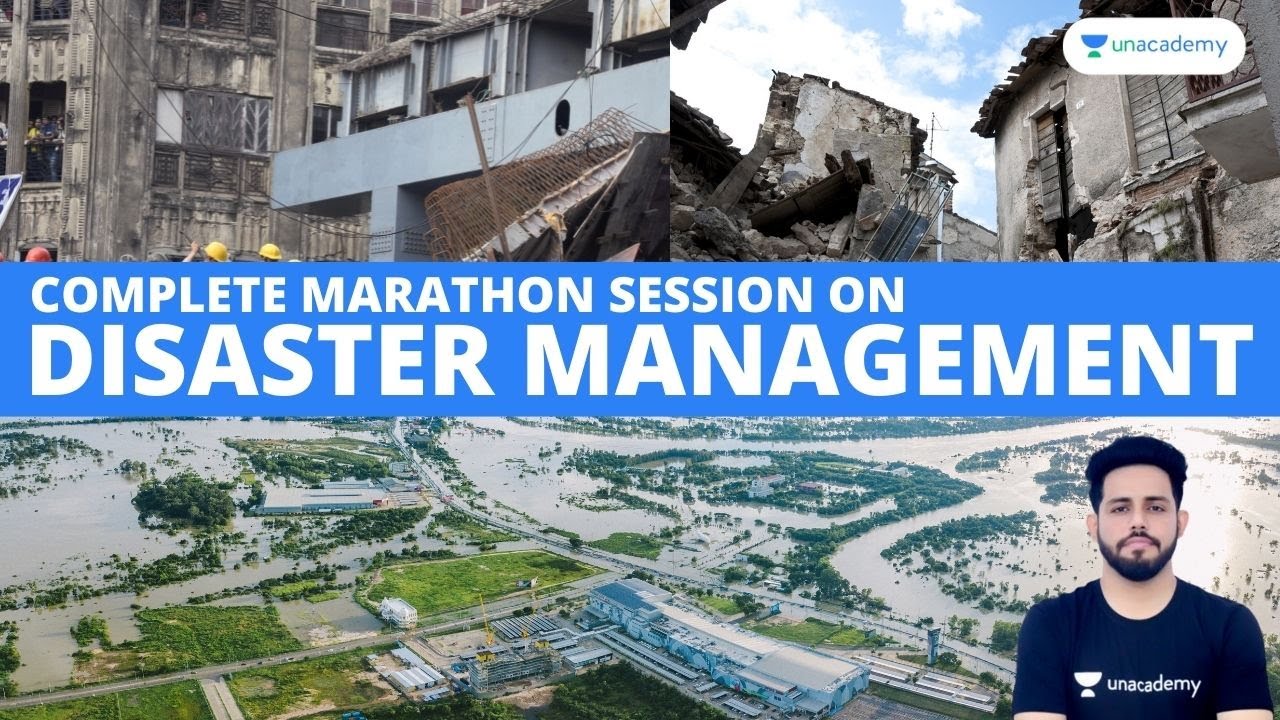


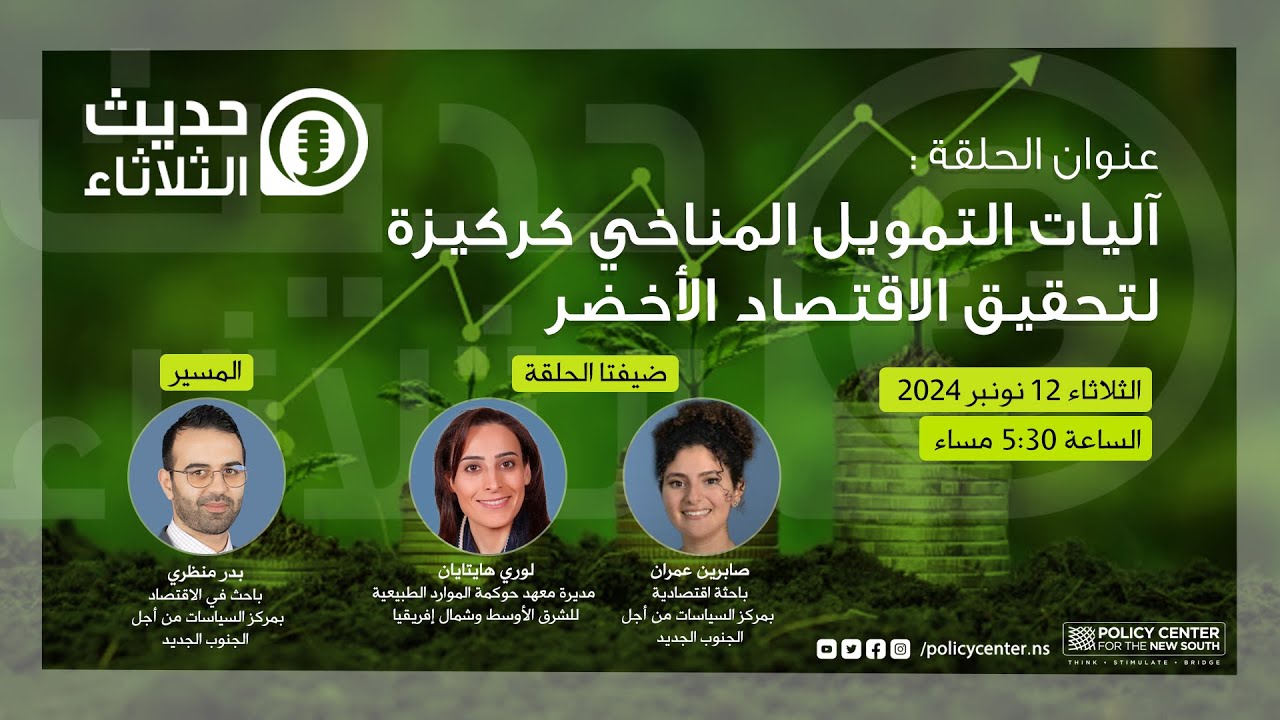
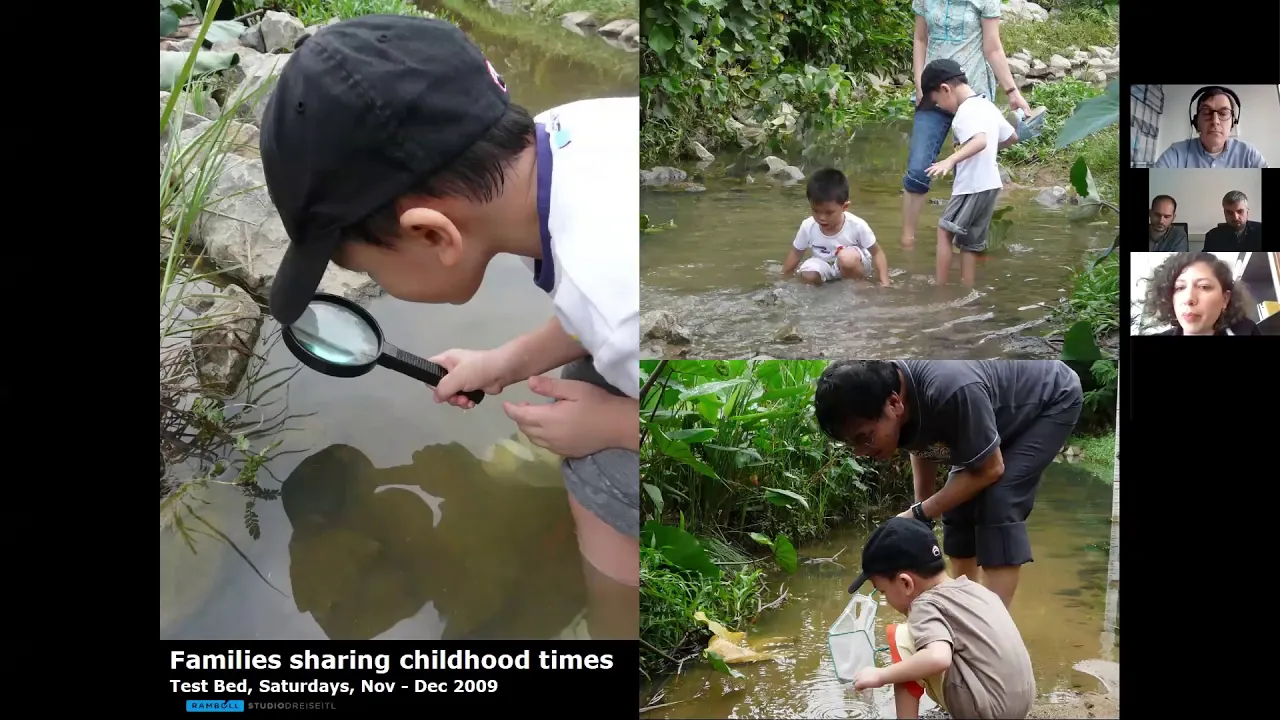







Natural disasters have caused over $1.2 trillion in economic losses and claimed 2.3 million lives in developing countries over the past 30 years, yet international aid allocates only 3.6% to prevention and preparedness versus 96% to emergency response; building resilience requires shifting from reactive disaster response to proactive investment in disaster risk management, including stronger building codes, community preparedness, and integrating resilience into development planning at all levels—from public policy and private sector investment to local community bonds.
From Disaster Response to Prevention: Rachel Kyte | TEDxSendai
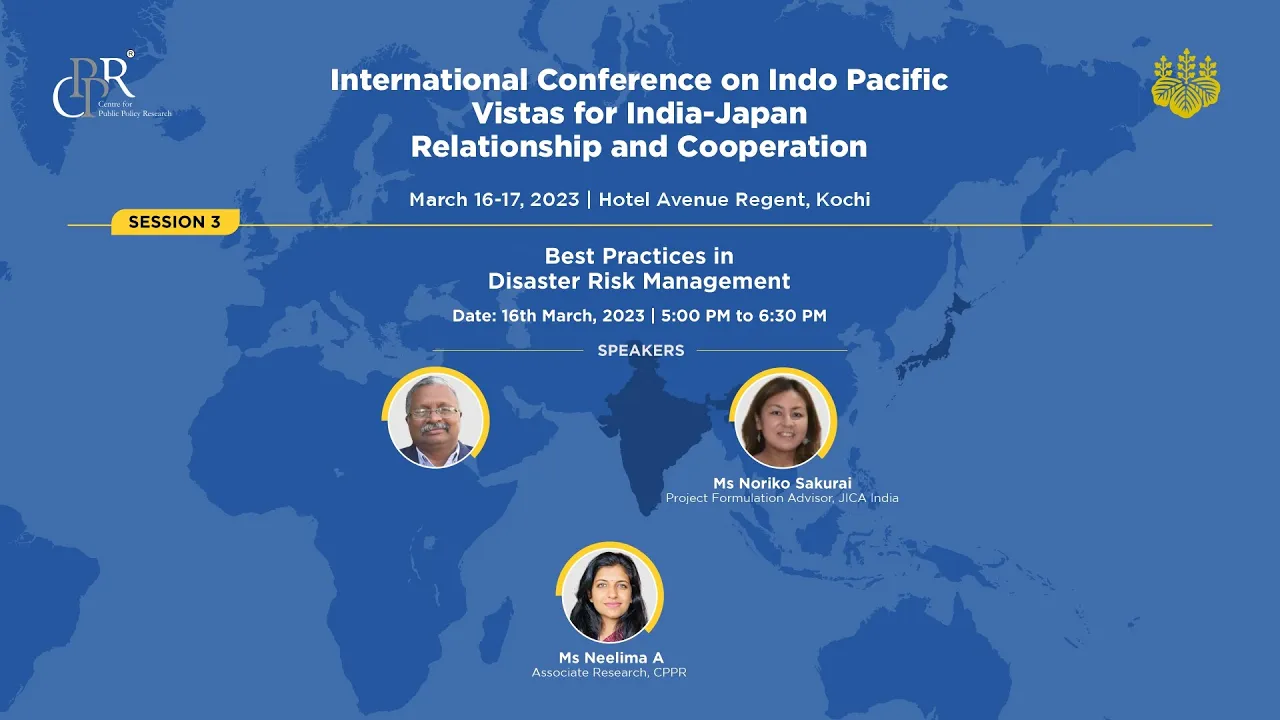
Added:Basic concepts of Disaster Risk Management (DRM), specifically the distinction between reactive disaster response and proactive disaster mitigation.
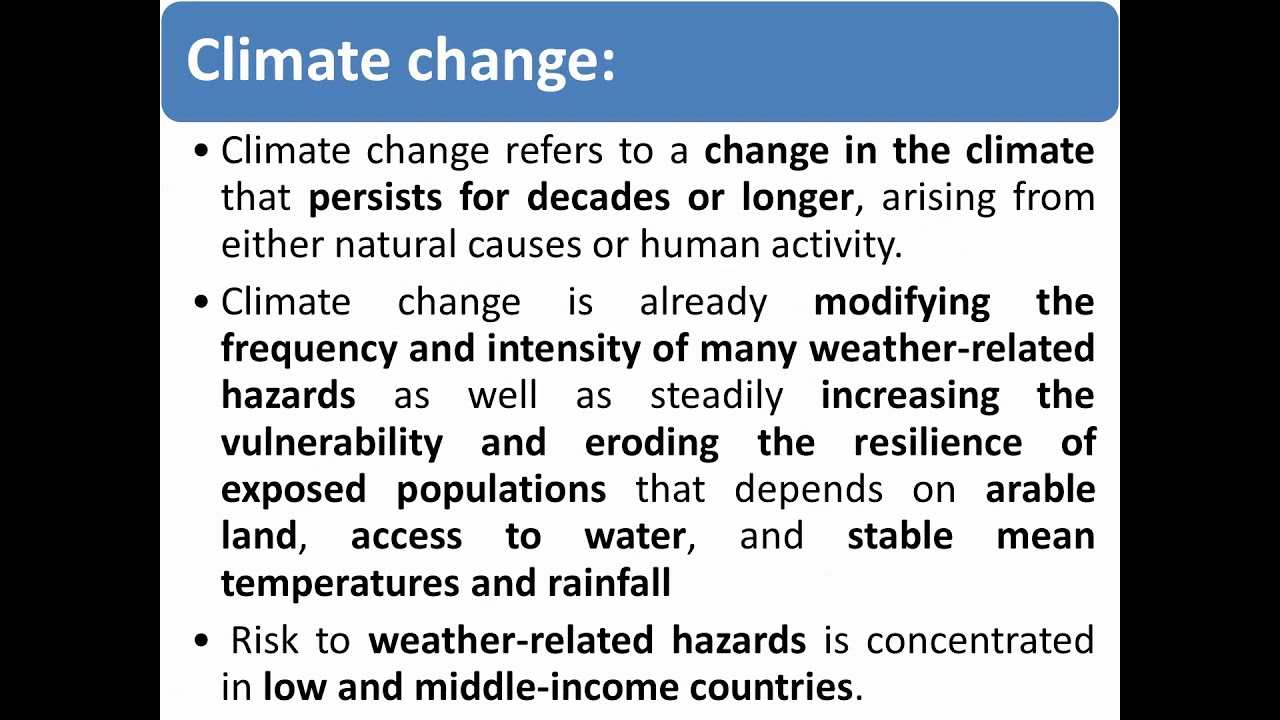
The concept of climate resilience and how environmental changes increase the frequency and severity of natural disasters.
Fundamentals of cost-benefit analysis in public policy and infrastructure, explaining how initial investments relate to long-term economic risk reduction.
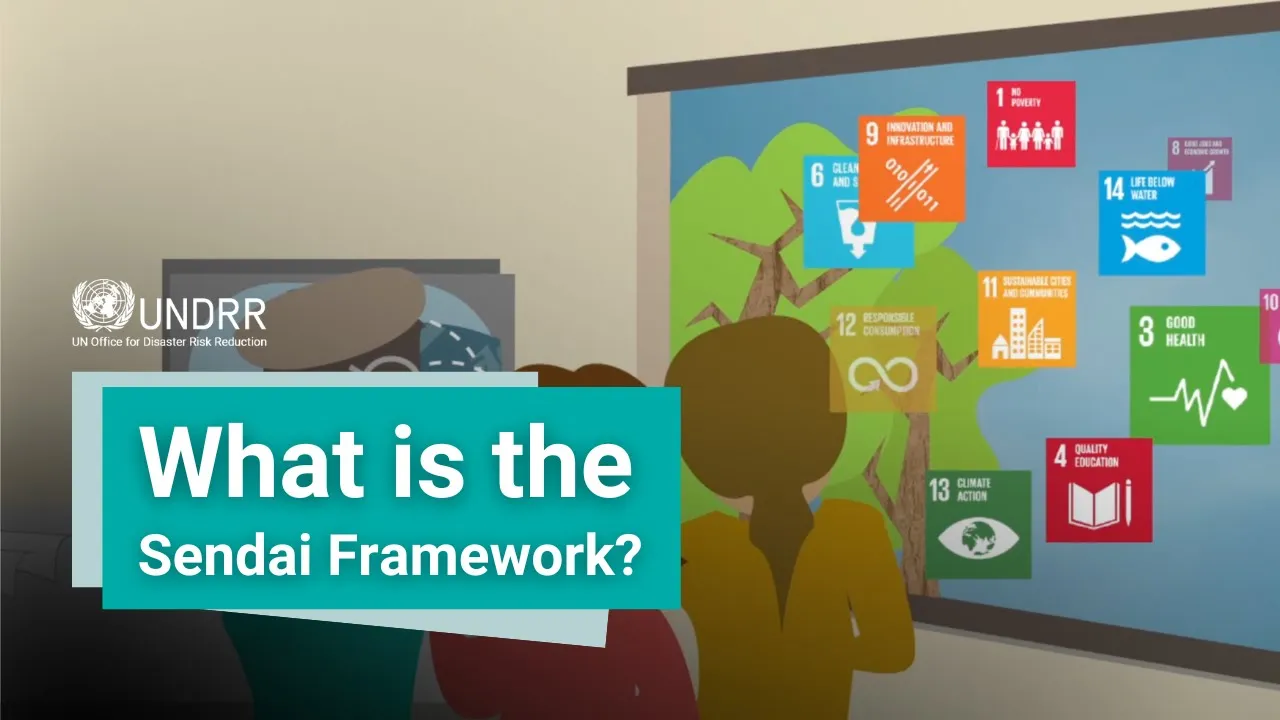
An introductory understanding of the Sendai Framework for Disaster Risk Reduction and its global significance.
Advanced climate finance mechanisms, such as Green Bonds, catastrophe bonds, and resilience insurances.
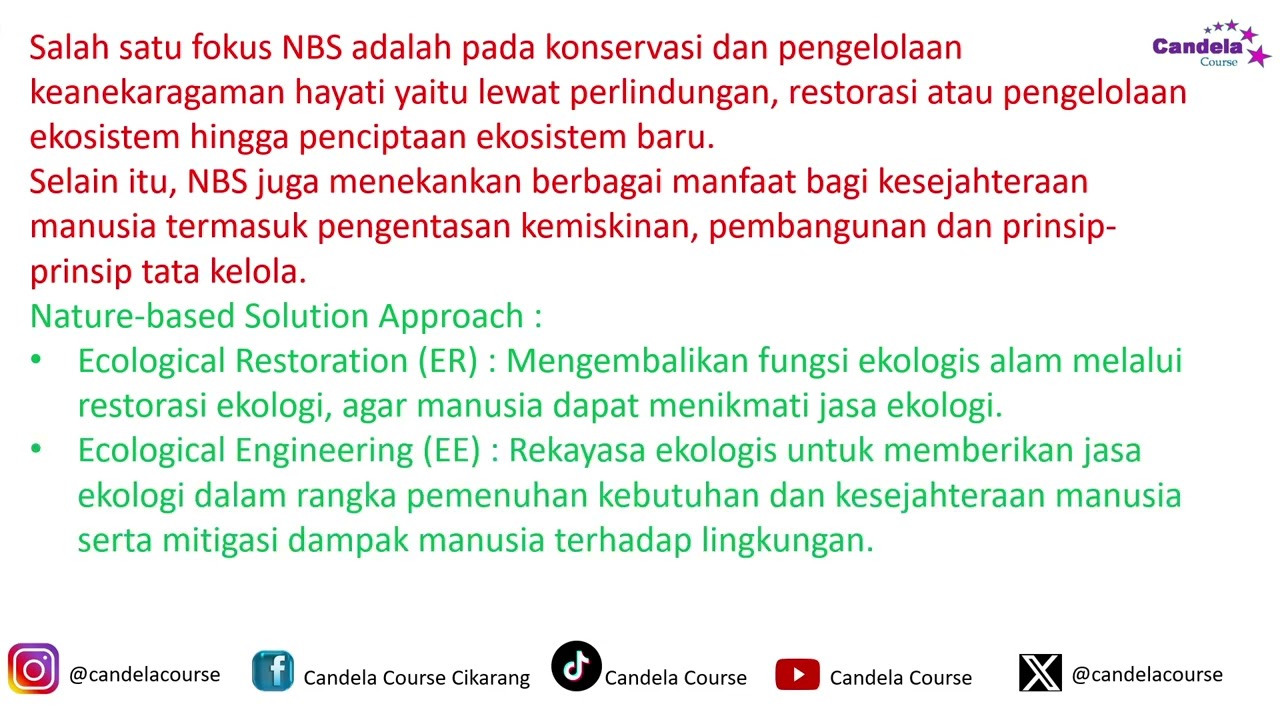
Design and implementation of Nature-Based Solutions (NbS) for disaster mitigation, such as wetland restoration and urban green infrastructure.
Policy integration strategies for embedding disaster risk reduction (DRR) into national development plans and municipal zoning laws.
Methods for measuring and modeling socioeconomic vulnerability to assess the equity of resilience investments.
192.5K views2Klikes11:49Original Release: 2012-10-13
Transcriber: Isabel Pozas González Reviewer: Capa Girl Good morning everybody.
It's my great pleasure to be here today and I would like to talk to you about resilience.
This is a picture of my grandmother, my maternal grandmother, Nancy Staples and she's leaning on the gate at the end of our gardens and the land that we worked two generations ago.
My earliest childhood memories are of her and my great grandmother and my grandfather particularly at this time of the year trying to eke out every ounce of nutricional value and economic value from our gardens and from the land.
It was a time to harvest but it was a time to preserve, to jam, to pickle in any shape, way or form, that nutritional value so we could take the bounty of the summer and extend it for us, our family but also for the poorer members of he community around through the winter months.
She was born at the beginning of one world war lived through a second, and survived polio.
She was tough, and when I think about resilience I think about her, her generosity, her toughness and many like her in that generation.
But let's talk about resilience today.
This is a picture of the Hotel Montana taken in Port-au-Prince, Haiti just after the devastating earthquake in 2010.
As you can see, it pancaked killing 200 people or more as it did so.
It simply wasn't built to resist the shock.
Today we have to be more concerned about natural disasters than ever before.
In the past 30 years the economic losses from natural disasters have more than tripled.
The number of natural disasters has actually doubled.
Let's look at the numbers.
Over the past 30 years, in low-income and middle-income countries alone we have lost 1.2 trillion dollars due to damage.
That is equivalent to the GDP annually of Mexico.
Another way to think of it is that it is equivalent to a third of all the official development assistance that we've given in the same time period.
So think, that for every three dollars of overseas development aid that we've given, we've taken one and thrown it away.
In the same period, the same 30 years, 2.3 million people have perished.
That's the population of Namibia.
This is something that we need to pay attention to.
And it's getting more difficult.
Climate change is ravaging especially poor countries.
Already this is not a phenomena for the future, it's for us today.
Already countries are trying to work their way through the complex nexus between a food crisis, a water crisis and an energy crisis and climate change is just making it more difficult and raising uncertainty.
At the same time, over the next 40 years we will add 2.6 billion people to the cities of the world most of that in developing countries.
In fact, 90% of that growth will be in South Asia and Africa.
And, between now and 2050, we will double the number of people exposed to cyclones, and mudslides and collapse as a result of natural disasters in urban settings to more than 1.5 billion people.
The lack of building codes, the lack of enforced building codes, will punish these people.
And it will be the poor, for it is always the poor, the most vulnerable that will suffer most.
So think of the story that we are beginning to understand.
We have more and more disasters.
Their intensity is being developed by climate change.
Climate change is adding to uncertainty and we have a path of urbanization that this civilization has never seen before.
How do we invest in our resilience?
Well, there are two key ways.
First of all, we actually have to change our growth path.
We need to move to a greener and more inclusive growth now.
Every country can start on that journey we must mitigate and adapt to climate change.
At the same time, we need to invest in disaster risk management.
Disaster risk management must be part of development.
But it must also be considered a first line of defence against the uncertainty that is coming tomorrow.
We need action in the public sector we need frameworks in public policy we need awareness and investment in the private sector and we need civil society and communities to engage.
Now, I talked to you earlier on about the hotel in Haiti the Hotel Montana, that had pancaked, that had collapsed -- this is where we are today, this is the Westin in Sendai a gorgeous 37 storey hotel that survived the catastrophic earthquake on March 11th, 2011, the great Japan earthquake, with almost no damage at all.
In fact it served as a disaster response centre.
Disaster risk management is in the building code in Japan disaster risk management in the building code is enforced in Japan.
Disaster risk management is part of the curricula in schools in Japan and disaster risk management, not disaster is part of the public discourse, here in Japan.
So, every country, every government, can take steps now, no matter where they are on the development trajectory, to try to start to invest in their own resilience.
But there is much more that can be done by the international community as well.
Often, we offer too little, too late.
Between 1980 and 2009, the international community spent 90 billion US dollars on disaster-related assistance.
But of that 90 billion, only 3.6% was invested in prevention and preparedness.
The other 96% plus was invested in emergency response and reconstruction.
We have to change those numbers.
We have to switch that graph around.
In fact, we have to move from a tradition of response to a culture of prevention, a culture of resilience.
But let me give you an example of what does seem to start working.
This is the island of Saint Lucia, in the Caribbean a small island developing state buffeted by storms and hurricanes where landslides are, unfortunately far too often, part of the rhythm of life there.
In 2008, the World Bank, working with 5 communities on the island started to try to invest in the resilience of these communities and their ability to withstand and to avoid landslides.
And we built these hillside drains.
In 2010, when Hurricane Tomas hit the island unfortunately many communities suffered the landslides that are so often part of the rhythm of life there but the five communities where these hillside drains had been built suffered no losses at all.
It's important to understand the economics of this project as well.
For every dollar that the community invested in these drains it saved another three dollars that it would have had to spend on response and on reconstruction if they had not taken the steps towards preparedness.
So, if disaster risk resilience seems to make such economic and business sense is the private sector interested?
Is the private sector investing?
Well, the good news is that leaders are.
This is a picture of the Port of Cartagena, in Colombia which is operated by a private firm, Muelles de Bosque on a long term government concession.
Recently they undertook a study together with the International Finance Corporation the private sector lending arm of the World Bank where they looked at the risks to the port operating environment from changes in climate and changes in weather pattern.
What was interesting was that in order to get the data for the report they had to go to 30 different public and private sources which shows that there is much to be done to make the data and awareness of these issues more available to public and private sector alike.
But the report resulted in recommendations from changing the dredging regime for the way that ships approach the port to drainage to onside land operations.
So, for example, changing the heights of roads and things like this.
And as a result of those recommendations Muelles de Bosque invested 30 million dollars in new capital construction in order to make them more resilient in order to improve their operations going forward.
So this port company was able to see the benefit from investing in their ability to be resilient going forward and that this was a commercial advantage to them.
So I've talked about the public sector and I've talked about the private sector and now we need to talk about community.
We know empirically that communities that have stronger social bonds do better in disaster.
We know that in fact those strong social bonds are one of the strongest determinants of resilience within the community.
I mean, it makes intuitive sense neighbours know which neighbour needs help which neighbour is vulnerable which neighbour is weakest.
We also know that families, neighbours and friends are the ones that help reconstruct first after disaster has hit.
And so when we think of resilience this is not an adapt construct it's not just a word that is thrown around in development circles.
Resilience is, both, the need for public policy and the need for private investment.
It's also about a different response from the international community and it is about the local municipal leaders the mayors that we elect to lead us through these uncertain times.
But resilience, very importantly, is about community.
I think the people of Japan know that.
I think that my grandmother her friends and others in our community when I was growing up knew that too.
And so, for me personally, when I think of resilience I think of top-down policy and investment flows but I think of bottom-up building of community.
For me, resilience is about you and me and the bonds that bring us together.
Thank you.
(Applause)
Up Next

4:51
How Open Source Software Generates Revenue and Profits
@techquickie
493.5K views•2019-08-20

14:25
Microsoft Wins FTC Case: Activision Deal Analysis
@DestinL
63.1K views•2023-07-12

14:46
Evidence-Based Decision Making: A Behavioral Economist's Case
@TEDx
107.2K views•2022-05-17

17:30
The Planned Obsolescence of Light Bulbs and Tech
@veritasium
25.3M views•2021-03-26
Related Study Plans & Knowledge Roadmaps
Structured learning paths in Business
business
Pop-Up Retail: Strategy, Design & Execution
01Introduction to Pop-Up Retail & Strategic Goal Setting
02Budgeting, Site Selection, and Legal Essentials
03Experiential Retail Design & Visual Merchandising
+ 2 more learning modules
15h5 modules
Explore Roadmap
business
Reg CF: Startup Funding, Marketing & Launch
01Introduction to Equity Crowdfunding & Reg CF
02Platform Selection & Legal Preparation
03Crafting High-Converting Campaign Assets
+ 2 more learning modules
14h5 modules
Explore Roadmap
business
Productized Services: Scaling Solo Freelance
01Foundations of Productized Services
02Packaging and Scope Definition
03Pricing and Subscription Models
+ 2 more learning modules
15h5 modules
Explore Roadmap
business
Gov Procurement: Find, Bid & Win Contracts
01Introduction to Government Procurement & Business Setup
02Small Business Certifications & Set-Asides
03Finding and Analyzing Contract Opportunities
+ 2 more learning modules
14h5 modules
Explore Roadmap