





![ChatGPT ti sta IMBROGLIANDO [AI e Bias Cognitivi]](https://i.ytimg.com/vi_webp/ua3FKHyXzYQ/maxresdefault.webp)

![La place de l’intuition dans la décision [Christophe Haag]](https://i.ytimg.com/vi_webp/fKq0d3kKCVg/maxresdefault.webp)








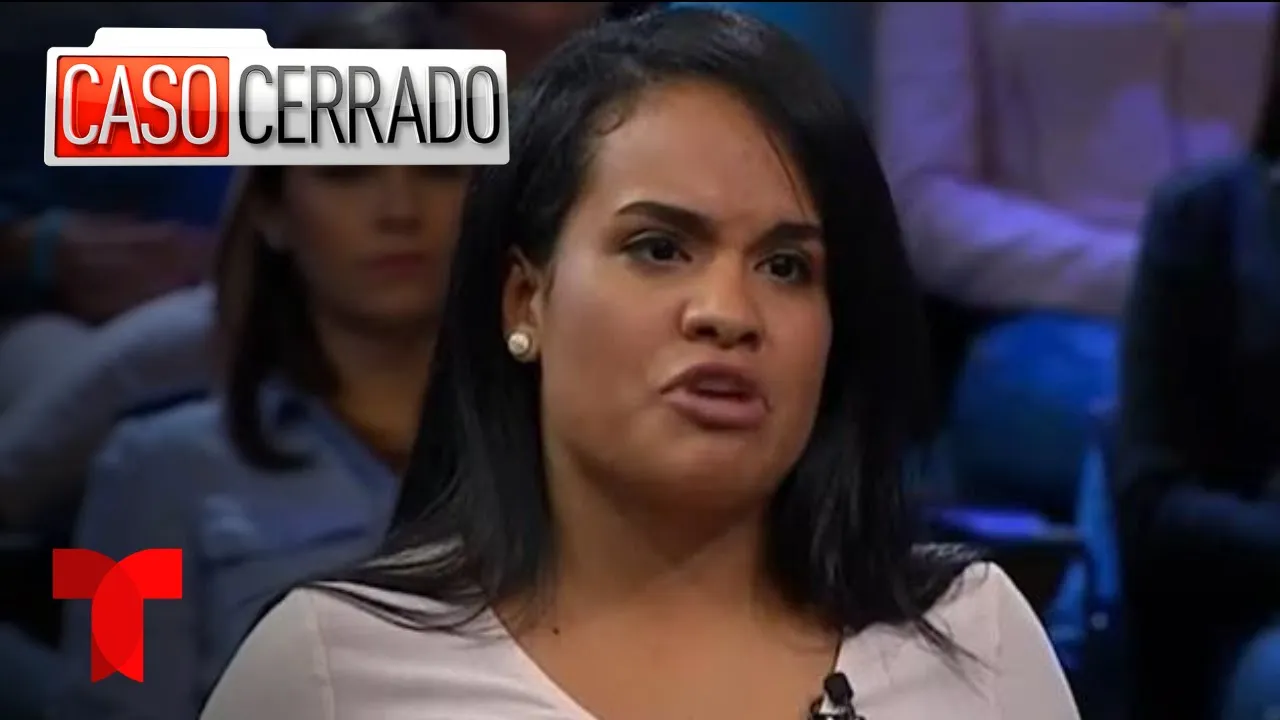

Evidence-based decision-making through controlled experiments is essential for effective business and policy decisions, as demonstrated by the 'Scared Straight' program which increased crime rates by 13% despite intuitive expectations, highlighting that human intuition often fails when predicting behavior change; organizations can implement simple experiments using existing data and randomization to test interventions before committing resources, enabling them to redirect funds from ineffective programs to proven solutions.
Evidence-Based Decision Making: A Behavioral Economist's Case
Added:Introduction to Behavioral Economics: Understanding how psychological, cognitive, and emotional factors affect economic decisions, contrasting with classical rational-agent models.
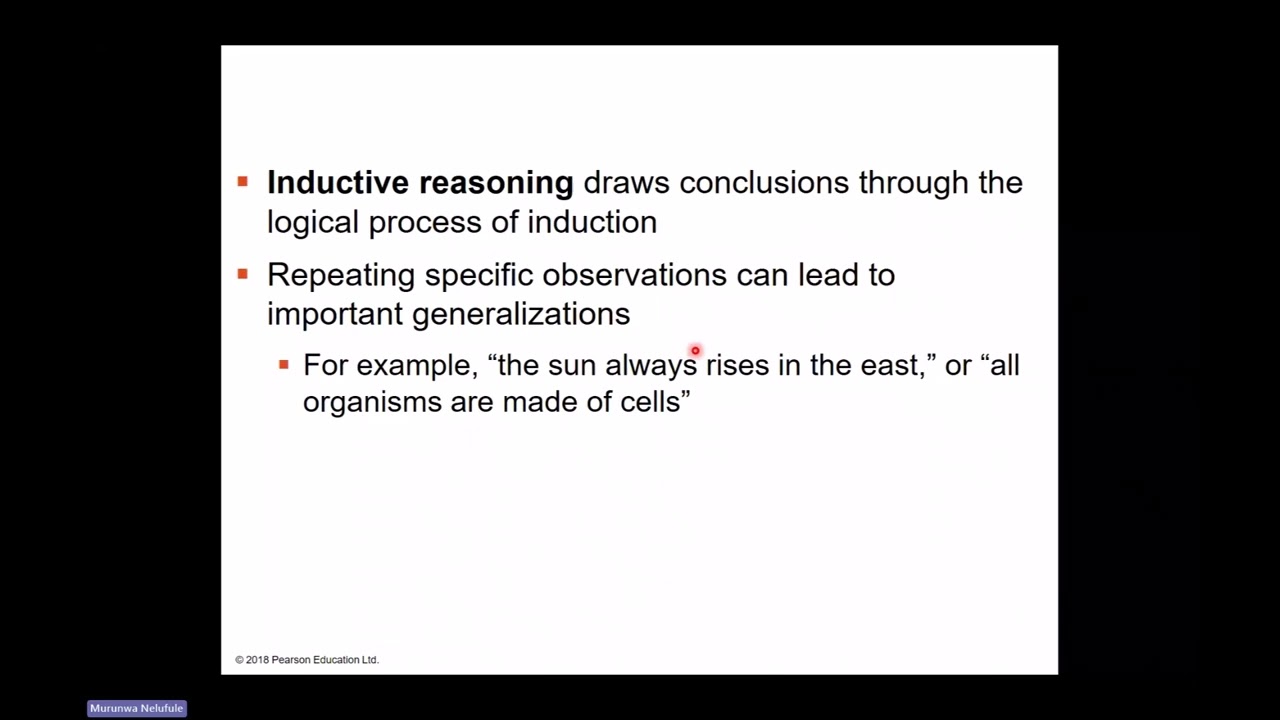
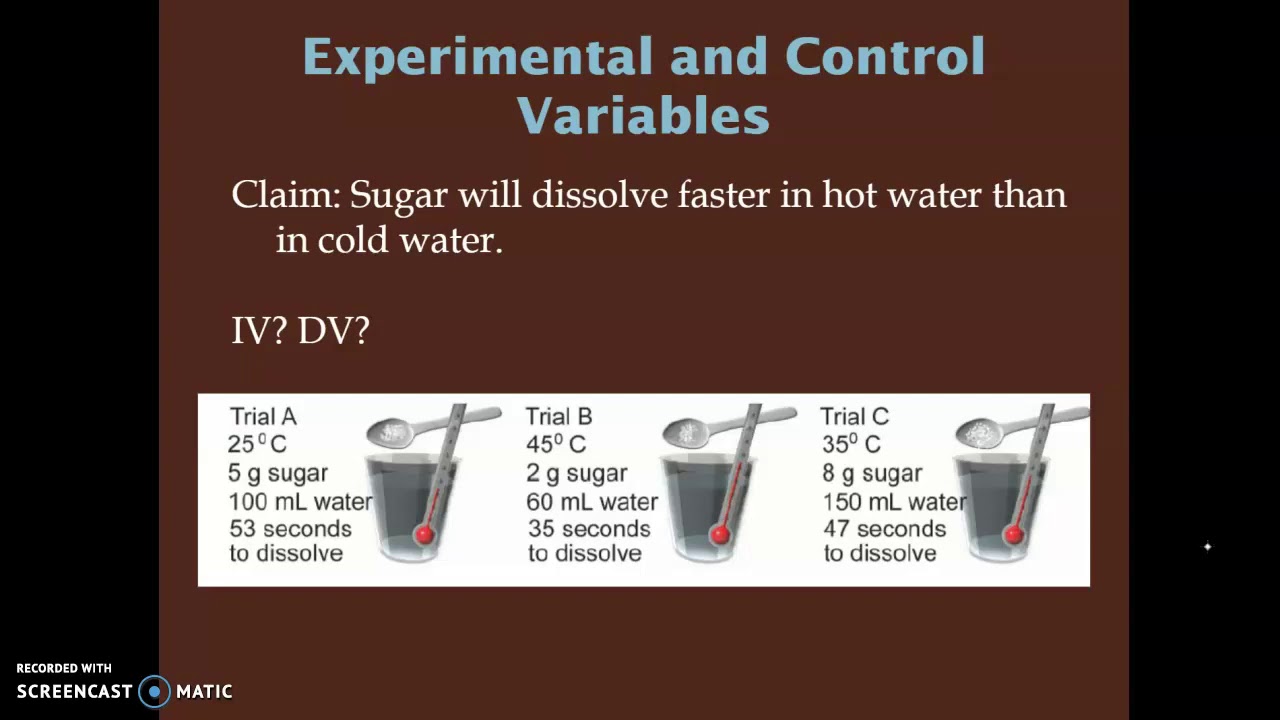
Foundations of Scientific Inquiry and Hypothesis Testing: Basic knowledge of independent and dependent variables, control groups, and statistical significance.
Cognitive Biases and Heuristics: Familiarity with systematic deviations from rationality, such as confirmation bias, overconfidence, and the availability heuristic.
The Role of Intuition in Decision-Making: Understanding when subjective judgements are useful versus when they systematically fail in complex environments.
Design of Randomized Controlled Trials (RCTs) in Policy and Business: How to construct and implement field experiments to test the efficacy of programs and strategies.
Nudge Theory and Choice Architecture: Learning how to design decision environments to subtly steer people's behavior without restricting their freedom of choice.
Quantitative Program Evaluation: Advanced statistical methods, such as regression discontinuity and difference-in-differences, used to measure causal policy impacts.
Ethical and Philosophical Implications of Behavioral Interventions: Exploring the debates around libertarian paternalism, manipulation, and the ethics of nudging.
107.2K views2.2Klikes14:46Original Release: 2022-05-17
i don't want to go to prison no don't worry i'm not on the run but the mere thought of spending a day behind bars certainly scares me into walking the line based on this quite sensible insight inmates at a new jersey prison developed a program that sends at-risk kids to prison for a day the inmates then show and tell them in gruesome detail what life behind bars is like the program spread all across the u.s europe and australia it made intuitive sense the kids were scared straight the program was very effective but not in the way you might be thinking now unfortunately scared straight wasn't scaring anyone instead of producing fewer criminals it was producing more how do we know that researchers ran an experiment a dozen experiments to be exact and instead of sending all of the kiss kids to the prison field trip they randomly selected half of them to stay at home you already know this message from medical trials where some receive the treatment and others receive a sugar pill using an experiment we can then back out the effect of the program the researchers found that participating in scared straight increased the chance of committing a crime by 13 percent we don't know for sure why it didn't work but the numbers don't lie for every dollar spent on this program it increases future crime costs by 200 dollars so let's put this into perspective if a government agency spends just five thousand dollars on this program it essentially throws one million dollars out of the window so i'd love to say that this is a special story a special example i found just for today but it's not when i asked my twitter network for their favorite examples of spectacular policy failures i got hundreds of answers in a couple of hours and i'm sure if we went around the room today we could easily double that list there is one thing though that makes scared straight special and that is by now we have clear evidence that it doesn't work for most policies though we have no idea if they work or not or if they're even causing harm a recent study by the national audit office showed that in the uk out of 108 major government programs only 8 percent are assessed for their effectiveness that is 400 billion pounds of british taxpayers money spent without any evidence that it actually makes a difference the u.s is even worse only one percent of government spending is evaluated for its effectiveness nowadays no drug or treatment is allowed on the market without thorough clinical trials but every day people are sitting in offices and deciding on ideas and policies meant to change human behavior based on ideologies anecdotes common sense and a gut feeling of individuals would you take a pill that hasn't been tested then why is this okay in all other aspects of our lives evidence-based medicine has transformed our medical practice it's time for evidence-based policy to transform the way we make social and economic decisions as a behavioral economist i work with super motivated people every single day people who are dedicated to improving the lives of their fellow citizens customers and employees but when it comes to using experiments for evidence-based decision-making i often feel like this guy the main argument i usually hear about why we can't make decisions based on evidence is that it's too costly and too difficult but really how can it be more costly than spending millions of dollars on a program such as scared straight alone so my mission for today is to prove to you that it's worth it to make decisions based on evidence and that's easier than you might think you already know one sector that has understood how important experiments are for understanding and changing human behavior the tech sector the streaming platform netflix is running thousands of experiments every single week trying to get you more and more hooked on their product and it works so let's have a look at an experiment in action i looked at my partner's netflix account and he got an ad for the vikings then i want to see what i got i also got an ad for the vikings but as you can tell we usually have a hard time agreeing on what to watch netflix has understood that an organization that doesn't test is an organization that doesn't learn and isn't getting better so challenge you next time you're sitting down for an evening of netflix and chill have a look and see if you can spot an experiment in action but what if the same amount of effort that goes into finding the perfect movie trailer would go into improving our health wealth and happiness what if as a result of rigorous testing policy makers could decide to cut spending on programs that don't work and move that money towards programs that have been proven that they do fortunately this is what's starting to happen government agencies and consultancies are taking inspiration from science and the big tech companies and applying rigorous testing to important policy choices in the uk 9 out of 10 people support organ donations but fewer than 1 in 3 are actually signed up this intention to action gap inspired the uk government to run an online experiment to see if they could get more people to sign up to the nhs organ donor registry website users were shown a number of different websites either they received a message with ask them to sign up to the registry or they received a message telling them that if they would want an organ if they needed it they should sign up to help others or they received a social norm message saying that every day thousands of people who see this page decide to register or the same social norm message but it was a picture of a group of people based on prior research they had done on monetary donations all the smart people in the room would have bet on the picture and the social norm but they would have been wrong the picture version did not just perform worse than the winning idea it even performed worse than a basic message they had before if they had not tested they would have missed out on an estimated 100 000 additional registrations so which results are you missing out on by now i've trained hundreds of people in using behavioral science and experimentation and i'm willing to bet that every one of you here has at least one personal or professional question that could benefit from running an experiment i still remember my first experiment i was a phd student in chicago at the time absolutely no budget but tons of motivation one night i was at a comedy club and i met a guy called kevin turns out kevin was running a charitable bookstore and always interested in increasing donations next thing i know we were running experiments on how to increase donations to the bookstore using just a couple of post-it notes and different messages on them we found that surprisingly when we reminded people of their prior donation to the bookstore they were more likely to donate from then on i was hooked what other questions could we answer if we're just willing to test what works and while i really enjoyed raising donations for a good cause there was one challenge i was even more interested in to protect our planet we need to change our habits and we need to change them fast we can't afford to spend millions of dollars on ineffective programs we need evidence and we need it fast how by testing what works one of the people i worked with was alsa a waitress at a restaurant in sweden her restaurant was interested in lowering their climate impact but as many companies do without paying anything or increasing the burden on their employees so any experiment we were going to run needed to be simple low cost but informative something the restaurant would be able to implement if it turned out effective the question we were interested in was could placing vegetarian food at the top of the menu increase its demand to test that what we needed to do was to print two different menus one was a vegetarian dish on top and the other was the meat dish on top we then randomly distributed these menus in different areas of the restaurant and because the restaurant was already keeping track of who ordered what we could then back out the effect of the menus the experiment actually caused nothing to run because the menus needed to be printed anyway but by using the power of randomization we were able to back out the effect of the menu order by the way if you're curious about what we found out of those who received the vegetarian dish on top of the menu fifteen percent ordered vegetarian and out of those who received the meat dish on top only three percent ordered the vegetarian dish if also kevin and i can run experiments using just a printer and a couple of post-it notes so can you so here are four simple steps to get you started today one choose a question that's meaningful to you ozza and kevin didn't set out to evaluate juvenile delinquency programs they did experiments on questions that matter to their daily business two make use of the data you already collect whether this is website clicks sales numbers or book donations start with what you have three randomize you can flip a coin or use a random number generator as long as you have a control group you're good four test if it worked no well then at least you can now spend your time and effort on other ideas without testing what works a lot of time and money will continue to be spent on ideas that might or might not be effective whether you work in super innovative tech companies or more old school at administration we all have one thing in common our intuition is often wrong human behavior is complex and what worked in one situation might not work in another no behavioral scientist or management expert or ted speaker can perfectly predict whether an idea will work luckily that doesn't matter not if you're willing to test what works and the size of the price is immense imagine trillions of dollars spent annually around the world by governments and organizations on ideas that actually work we have the tools we have the know-how so now we just need the will and a discipline to test our way to a better future thank you [Applause] you
Up Next
4:23
Comparing Business Entities: LLC, Corporation, or Sole Proprietor
@legalzoom
29.1K views•2022-06-03
46:36
Retention Habits of Top DTC Ecommerce Brands Revealed
@SendItPodcast
44K views•2026-03-03

15:23
Decoy Effect: How Pricing Psychology Influences Consumer Spending
@bobinvestsUS
90K views•2026-01-05

17:30
The Planned Obsolescence of Light Bulbs and Tech
@veritasium
25.3M views•2021-03-26
Related Study Plans & Knowledge Roadmaps
Structured learning paths in Business
business
Pop-Up Retail: Strategy, Design & Execution
01Introduction to Pop-Up Retail & Strategic Goal Setting
02Budgeting, Site Selection, and Legal Essentials
03Experiential Retail Design & Visual Merchandising
+ 2 more learning modules
15h5 modules
Explore Roadmap
business
Reg CF: Startup Funding, Marketing & Launch
01Introduction to Equity Crowdfunding & Reg CF
02Platform Selection & Legal Preparation
03Crafting High-Converting Campaign Assets
+ 2 more learning modules
14h5 modules
Explore Roadmap
business
Productized Services: Scaling Solo Freelance
01Foundations of Productized Services
02Packaging and Scope Definition
03Pricing and Subscription Models
+ 2 more learning modules
15h5 modules
Explore Roadmap
business
Gov Procurement: Find, Bid & Win Contracts
01Introduction to Government Procurement & Business Setup
02Small Business Certifications & Set-Asides
03Finding and Analyzing Contract Opportunities
+ 2 more learning modules
14h5 modules
Explore Roadmap