





























Open source software companies generate revenue through multiple strategies: selling proprietary add-ons and features (like Red Hat's Linux distribution), offering support, training, and consulting services, providing hardware or software-as-a-service solutions, securing advertising partnerships (such as Firefox's search engine deals), building ecosystems that monetize content and app transactions (like Google's Android), and receiving community donations or merchandise sales.
How Open Source Software Generates Revenue and Profits
Added:The fundamental definition of Open Source Software (OSS) and how it differs from proprietary, closed-source software.
Basic software licensing models, including copyleft (e.g., GPL) and permissive (e.g., MIT, Apache) licenses.
Core business concepts such as revenue streams, cost structures, and the distinction between free-of-charge (gratis) and freedom of use (libre).
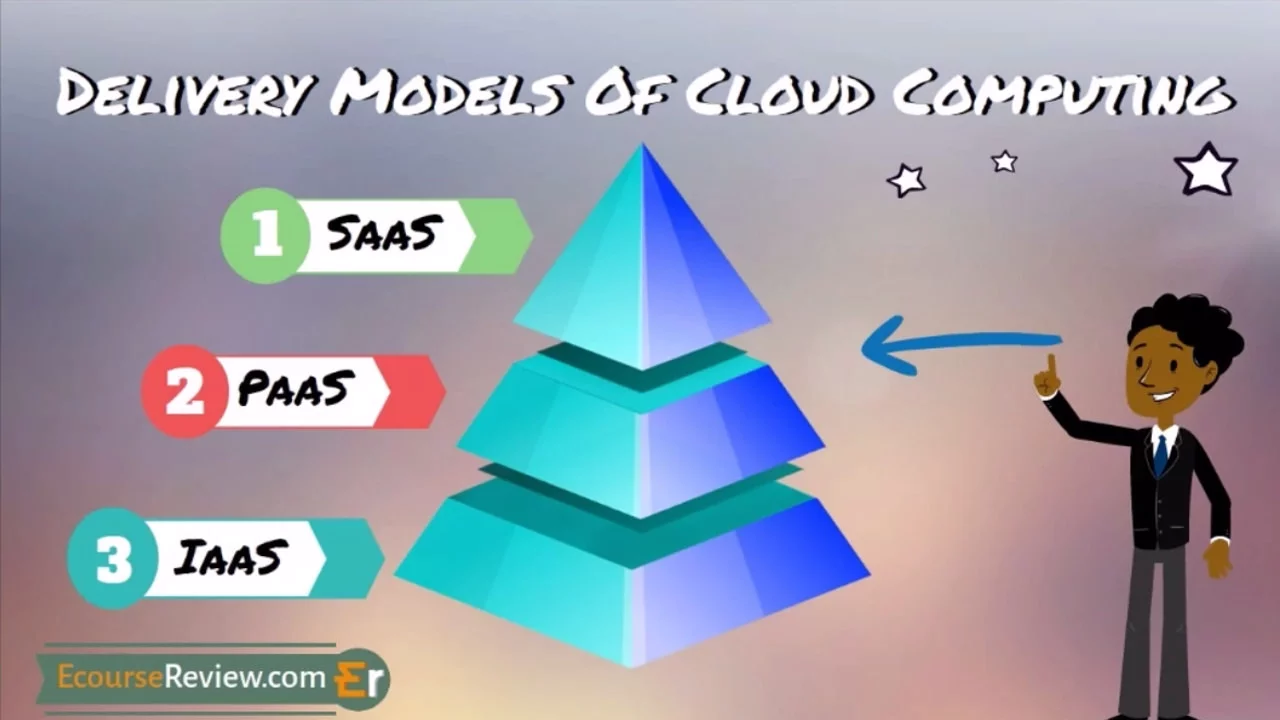
An understanding of basic cloud computing and software delivery models, specifically Software-as-a-Service (SaaS).
In-depth analysis of the 'Open Core' and dual-licensing business models utilized by modern software companies like GitLab and MongoDB.
The role of community management, Developer Relations (DevRel), and developer ecosystems in scaling a commercial open-source business.
Legal and intellectual property (IP) considerations, including Contributor License Agreements (CLAs) and protecting brand trademarks in OSS projects.
Case studies of successful open-source business transitions, acquisitions, and IPOs (e.g., Red Hat, HashiCorp, and Elastic) to evaluate market viability.
493.5K views21.2Klikes4:51Original Release: 2019-08-20
have you ever thought of trying to make money by selling stuff that's actually available for free and before you came up with air and water pepsico and gas stations already beat you to the punch so sorry fortunately this also happens a lot in the tech world with open source software open source is a term that refers to any kind of software whose code can be used and distributed for free plenty of well-known programs and even operating systems are in fact open source such as firefox android and linux just to name a few and this openness is a key to modern technological innovation because one of the ideas behind open source software is that it can help businesses and organizations by allowing them to collaborate more easily on the development of the same open source software platform instead of a bunch of different proprietary ones in fact some companies with a more traditional business model like ibm are well known for providing funding to open source projects simply so that they can reap the benefits of the new technology without dedicating their own human resources to its creation now that's business lots of big companies love open source software because it spreads out the burden of checking for security issues and open source apps can be easily modified for special purposes an example of this last one is the way that many smartphone manufacturers tweak android to give their users a more customized experience for better or for worse another way that open source software can make money is by monetizing features and services other than the core software itself a good example of a company that's thrived this way is red hat which develops and maintains its own open source linux distribution the source code for that distro is free but red hat makes money by selling additional features such as proprietary add-ons for the core product they also sell support training consulting and technical assistance because simply taking the source code and deploying it can be difficult without the company's expertise additionally customers can pay to have the linux distribution modified to better suit their specific needs red hat also sells automation and infrastructure as a service meaning that a client doesn't have to have tons of hardware to actually run the software or store related data if they're willing to fork out some cash other companies have different approaches sometimes a developer will offer a free version of a certain piece of software that can be downloaded installed and run on the client's hardware but also offer either official hardware designed to run that software like ix systems does with their freenas open source operating system and truenas lineup of servers or they might offer a paid software as a service version that's stored on the company's servers and maintained by the company so the client doesn't have to bother messing around with hardware or troubleshooting yet another way to make money off of open source software is one that isn't really technical at all and is a little more obvious advertising a prime example of this is actually firefox traditionally one of mozilla's biggest sources of revenue has been from google or yahoo paying as much as hundreds of millions of dollars a year to be the default search engine provider in their browser another key revenue generation strategy is ecosystem google's android is a great example here unlike traditional operating systems which would cost money up front for the user or device manufacturer google decided to develop and provide android for free free turns out they were playing a long game and now that everything from phones to tvs to car stereos runs on android these days they're raking in massive amounts of money from users buying content and apps for their devices with google taking a cut on each transaction many open source projects also survive by raising cash from their users instead of enticing customers to buy something related the wikimedia foundation for example stays afloat just for merchandise sales and those banner ads that remind you that if everyone gave today they would be finished fundraising in four hours or whatever you know what come to think of it maybe skip that donut at the tim hortons today for your health and for human knowledge speaking of knowledge those in the know know that freshbooks is the small business accounting software custom built for how you want to work freshbooks is the simple way to be more productive organized and to get paid quickly create and send professional looking invoices in less than 30 seconds set up online payments with just a couple of clicks and get paid up to four days faster and see when your client has seen your invoice and put an end to the guessing games for your unrestricted 30-day free trial just go to www.freshbooks.com techwiki i think it's that slash and enter in techwiki in the how you've heard about us section so check out freshbooks at the link below well that's it for this tech quickie guys thanks for watching like dislike check out our other videos comment below with video suggestions and don't forget to subscribe to us and follow us help help us help us out
Up Next

14:25
Microsoft Wins FTC Case: Activision Deal Analysis
@DestinL
63.1K views•2023-07-12

11:31
FTC and DOJ Unveil New Merger Guidelines: Key Updates and Impact
@YahooFinance
2.1K views•2023-07-22

15:23
Decoy Effect: How Pricing Psychology Influences Consumer Spending
@bobinvestsUS
90K views•2026-01-05

17:30
The Planned Obsolescence of Light Bulbs and Tech
@veritasium
25.3M views•2021-03-26
Related Study Plans & Knowledge Roadmaps
Structured learning paths in Business
business
Pop-Up Retail: Strategy, Design & Execution
01Introduction to Pop-Up Retail & Strategic Goal Setting
02Budgeting, Site Selection, and Legal Essentials
03Experiential Retail Design & Visual Merchandising
+ 2 more learning modules
15h5 modules
Explore Roadmap
business
Reg CF: Startup Funding, Marketing & Launch
01Introduction to Equity Crowdfunding & Reg CF
02Platform Selection & Legal Preparation
03Crafting High-Converting Campaign Assets
+ 2 more learning modules
14h5 modules
Explore Roadmap
business
Productized Services: Scaling Solo Freelance
01Foundations of Productized Services
02Packaging and Scope Definition
03Pricing and Subscription Models
+ 2 more learning modules
15h5 modules
Explore Roadmap
business
Gov Procurement: Find, Bid & Win Contracts
01Introduction to Government Procurement & Business Setup
02Small Business Certifications & Set-Asides
03Finding and Analyzing Contract Opportunities
+ 2 more learning modules
14h5 modules
Explore Roadmap