













![[GDC 2019] GOOGLE PRÉSENTE "STADIA" ET ANNONCE LA FIN DES CONSOLES](https://i.ytimg.com/vi/pRY7u5Un6xE/maxresdefault.jpg)




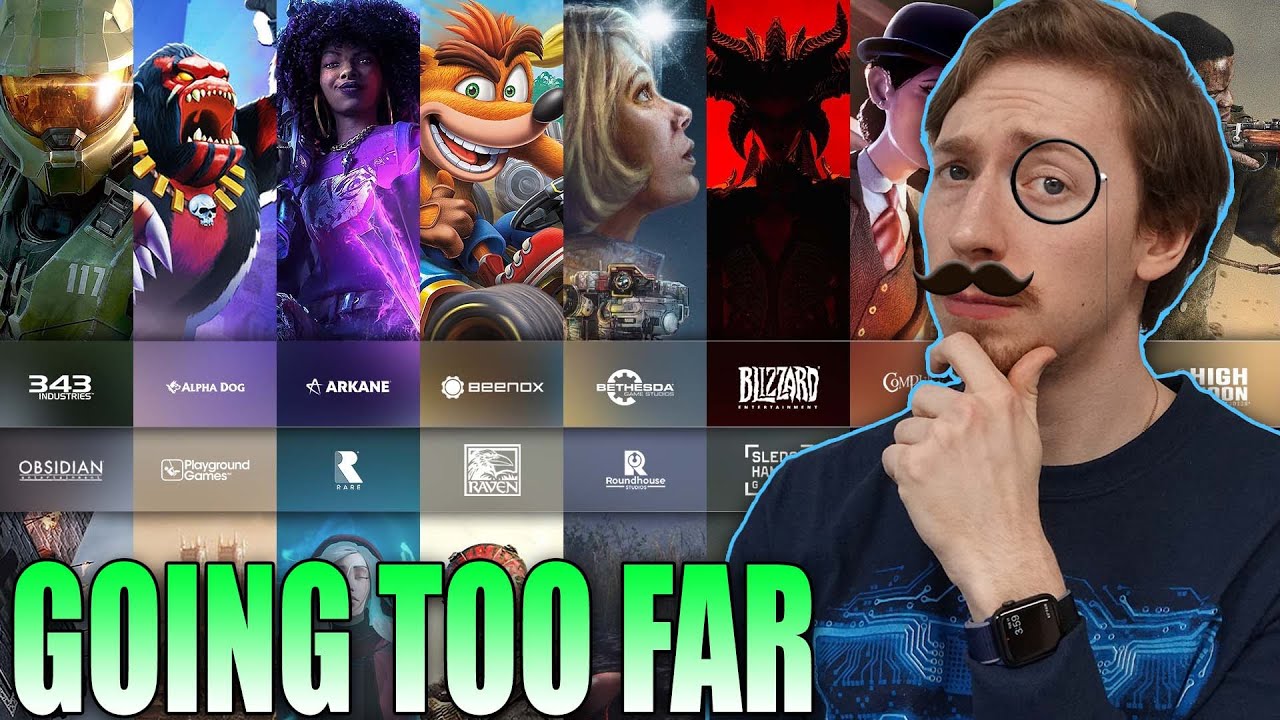
In the FTC versus Microsoft case regarding the $68.7 billion acquisition of Activision Blizzard, Judge Jacqueline Scott Corley denied the FTC's motion for a preliminary injunction, ruling that the FTC failed to demonstrate a likelihood of prevailing on its claim that the merger would substantially lessen competition; the court found that Microsoft's commitments—including keeping Call of Duty on PlayStation for 10 years and expanding content to cloud gaming services—pointed to increased consumer access rather than reduced competition, effectively allowing the merger to proceed toward closing.
Microsoft Wins FTC Case: Activision Deal Analysis
Added:Basic principles of antitrust law and the role of regulatory bodies like the Federal Trade Commission (FTC) in assessing market competition.
The fundamental differences between horizontal and vertical mergers, particularly how vertical integration affects market dynamics.
An understanding of the video game industry ecosystem, including the relationships between platform holders, game publishers, and distribution channels.
The concept of 'market foreclosure' and how exclusive content rights can potentially harm competition.
Analyzing international regulatory divergence by comparing the FTC's approach with rulings from the UK's CMA (Competition and Markets Authority) and the European Commission.
The economic impact of gaming subscription services (like Xbox Game Pass) and cloud gaming on traditional console-based business models.
The strategic management and integration challenges of large-scale corporate acquisitions within the media and technology sectors.
Evaluating the long-term precedent this ruling sets for future antitrust litigation involving major technology platform acquisitions.
63.1K views4.3Klikes14:25Original Release: 2023-07-12
the results of the FTC versus Microsoft case are in and the FTC has lost their case to make a preliminary injunction stick for Microsoft is Microsoft going to close what will the FTC do next what have people said let's get into it all right now [Music] I think the best place to start is going to be with this quote from Judge Corley who said the following Microsoft's acquisition of Activision has been described as the largest in Tech History it deserves scrutiny the scrutiny is paid off Microsoft has committed in writing in public and in court to keep Call of Duty on PlayStation for 10 years on parity with Xbox it made an agreement with Nintendo to bring Call of Duty to switch and it entered several agreements to for the first time bring Activision's content to several cloud gaming services this Court's responsibility in this case is narrow it is to decide if notwithstanding these current circumstances the merger would be halted perhaps even terminated pending resolution of the FTC administrative action for the reasons explained the court finds the FTC has not shown a likelihood it will prevail on its claim this particular vertical merger and this specific industry stream a substantially lessen competition to the contrary the record evidence points to more consumer access to Call of Duty and other Activision content the motion for a preliminary injunction is therefore denied now there's a ton more to dive into in the official decision letter but today I'm going to go over all of the drama that has unfolded since then first let's take a look at the statement from Brad Smith here's what he said upon the reveal our statement on today's decision we're grateful to the court in San Francisco for this quick and thorough decision and hope other jurisdictions will continue working towards a timely resolution as we've demonstrated consistently through this process we are committed to working creatively and collaboratively to address regulatory concerns not even just a few minutes oh my goodness my hair not even just a few minutes later we got another statement from Brad Smith who said the following our statement on the mutual request with the CMA for a pause of our appeal in the UK after today's Court decision in the U.S our Focus now turns back to the UK while we ultimately disagree with the cma's concerns we are considering how the transaction might be modified in order to address those concerns and proposals Microsoft and Activision have agreed with the CMA that a state of the litigation in the UK would be in the public interest and the parties have made a joint submission to the competition appeal tribunal to this effect now I have the full quote pulled up here here's what the CMA said whilst merging parties don't have the opportunity to put forward new remedies once a final report has been issued they can choose to restructure a deal which can lead to a new merger investigation Microsoft and Activision have indicated that they are considering how the transaction might be modified and the CMA is prepared to engage with them on this basis these discussions remain at an early stage and the nature and timing of next steps will be determined in due course while both parties have requested a pause in Microsoft's appeal to allow these discussions to take place the CMA decision to set up in its final report still stands so for the time being it does still stand but we will see how things progress as it goes by now let's jump back to the FTC and what's going on with the FDC Michael Acton had the following statement from the FTC we are disappointed in this outcome given the clear threat this merger poses to open competition and cloud gaming subscription services and consoles in the coming days we'll be announcing our next step to continue our fight to preserve competition to protect and protect consumers he knows that this is interesting because in my experience the boilerplate response is we are disappointed with the decision and are considering next steps nothing about this statement suggests to me that FTC has done with this case what is that next step appeal a deal with Microsoft keeping the administrative case going those are the questions that everybody has been asking so before I dive into the idea of the FDC filing appeal if you do like this content please hit that subscribe button the Subscribe button is not working right now but pretend this super cool subscribe button actually worked once in a while and came on the screen and it said subscribe now everybody what is happening so hit that subscribe button hit that Bell to know when my content goes live thank you so much for watching everybody so continuing on from there there's been a lot of talk about what might happen with the ftc's appeal it's very clear that Microsoft and the CMA are working together so Bloomberg has reported that the CMA or sorry the FTC is leaning towards appealing the Microsoft Activision loss here's what it says on their article exactly what I just said but here here's the specific quote Robert land a professor at University of Baltimore School of Law said Corley was too strict about the level of certainty she required from the ftc's case the law only requires the agencies show that a deal May substantially lessen competition not that it will or is likely to he said I believe the judge evaluated the case using the wrong standard and I believe the FTC should appeal said Lynn who gave a lecture at the FTC in March on Research into how courts have applied that antitrust standard to mergers and right below that Bloomberg has another person saying it is extremely unlikely that the FTC could persuade the court of appeals to enjoin the merger before July 18th said uh melamed a former justice department Anti-Trust official so which way are they going to go well look I'm not a lawyer but I've I've did a quick Google search about the FTC and what happens after they've lost the case in court the FDC has modified its rules of practice to address what happens to administrative proceeding challenges challenging mergers after the agency tries but fails to obtain a preliminary injunction in U.S District Court under the revised rule 3.26 when FTC seeks a preliminary injunction and the court and loses the administrative litigation now will be automatically stayed if requested by the emerging parties in the administrative proceeding this day will allow FDC to decide on a case-by-case basis whether it would be in the public interest to continue pursuing the administrative litigation in other words a win by the emerging parties and district court now effectively halts an administrative challenge to a merger this has not been the case since 2009 when the rules last were changed so long story short reading between the lines it would be strange if the FDC were to file appeal especially given the short window I think they have until Friday and people are saying that Microsoft is likely trying to close this whole this whole thing before uh what day were they saying they're trying to close it before um for Monday they want to close it on Monday so I'm gonna go into Studio mode here because I had a few other quotes um most of these are about the CMA agreeing with the merger and then there was yeah okay so nothing else about uh the FTC so continuing on here here's what I had found when I was looking around online like okay what are they going to do about this one or more of the parties May file a motion to disqualify the judge based on either the judge's discourse or upon their own independent knowledge if the latter is the basis for the motion the judge may have been unaware of such a potential disqualifying circumstance until the motion was filed so why Dustin why are you talking about the judge being disqualified a lot of people have pointed out that on day one of the trial the judge revealed that her son works for Microsoft and a watchdog group has asked for the judge to step down because of this conflict of interest I've actually had this letter open for weeks and one to talk about it uh a judge should avoid impropriety and the appearance of improprietary in all activities acknowledging the even appearance of improper ins incentives that could influence a judge's decision-making can be deeply harmful harmful for public trust in government so the main issue is though this was disclosed at the start of the meeting if the FTC had an issue with it the FTC could have filed something to ask the judge to recuse herself but there's another important thing to note Microsoft wanted this case to take place in Washington DC the FTC specifically asked for San Francisco the Northern District Courts to be the location that this place that this case went to trial they got their wish and now they're saying oh we lost well well the internet is saying oh well they lost well let's get the judge out of there the FTC asked for that judge they got that judge they had the opportunity to ask her to step down they did not so here are some other avenues where people have said that there could be an issue one potential Avenue for an FTC appeal in the Microsoft Activision case is Judge corley's interpretation of The Clayton Act the law blocking anti-competitive deals the law May substantially lessen competition quarterly probably substantially Less in competition some appellate quartz I don't know what that means including the ninth circuit where Corley is have adopted the word probably While others use may but in a world where judges increasingly look to the text of the statute especially the scotus majority the FTC could argue that Corley got it wrong we're going to find out whether or not they do decide to appeal this peel by the 14th here's what Acton says again per the order the FDC has until midnight July 14th to get appeals court to issue a stay on today's order I expect the FTC will give it a shot question is what grounds it will appeal on it would be around the legal burden the judge applied for instance here the judge writes it is not enough that a merger might lessen competition the FTC must show the merger will probably substantially lessen competition the FDC argued section 7 of The Clayton Act says all it has to do is show the deal May substantially Less in competition that word may versus probably on that's what's going to do it if it's things like this that could form the basis for legal quibbling another question entirely whether ninth circuit will be willing to Halt the deal which has a termination date of July 18th while it reviews of course Microsoft and Activision can renegotiate and the CMA case means they still can't close without ignoring a major Global regulator so why highly expect a win for Microsoft today but the chickens have not yet hatched a final point the FDC typically drops an administrative case if it loses a pi in federal court which just happened but it doesn't have to it can still keep the administrative case going if it really wants to so he's reflecting on the point that I made earlier about how yes they could potentially still file this appeal but or halt to the case but they're likely not going to now Reuters had the following statement they said the FDC would face a tough appeal of Microsoft Activision order uh that's what experts are saying so the FTC has until Friday a lot of the power of the opinion on appeal comes down to an analysis of the factual record says antitrust scholar David crane of University of Michigan law school Corley found there was no record contradicting Microsoft's bow that it would not make Call of Duty exclusive to the company's Xbox platform the FTC may have difficulty on appeal establishing that fact without which the case as they framed it goes away that's according to Crane so that's everything that we have right now about the drama surrounding the case will the FTC end up filing a stay on this case meaning that it drags out a little bit longer is the CMA going to get that stuff in writing I'm not sure but my immediate reaction is a lot of people said that this case was dead I said it was DOA once the CMA blocked it and we pointed out on this channel that no there are other avenues that they can go towards we were pointing that out before the CMA blocked so when everybody was saying it was dead it's like until Microsoft backs out it's not dead and if Microsoft is saying they're going to fight it they're going to fight it and if they say like that in the FDC case that they're going to drop it if the FTC like ties them up for too long then they're going to drop it but as of today it does look like the Activision Blizzard deal is going to close we'll keep watching and I'll let you know what happens I'm going to make a video about just the uh legal documentation that quarterly filed giving her reasoning for the case there's a lot of Juicy stuff in there there's quotes from Lulu Changas survey a lot of drama about the judge and this potential appeal I'll keep you updated don't worry thank you so much for watching hit that subscribe button hit that Bell if you already subscribed hit that like button thank you so much for watching thank you so much to the members for supporting I know it was an incredibly slow Newsweek so I didn't post anything but the members support this channel anyway thank you so much hit that join button if you want to get all these videos without ads I'm gonna get out of here here's uh my recap of the closing arguments if you want to watch that again I'll see you next time bye for now everybody foreign [Music] [Applause]
Up Next
4:51
How Open Source Software Generates Revenue and Profits
@techquickie
493.5K views•2019-08-20

11:31
FTC and DOJ Unveil New Merger Guidelines: Key Updates and Impact
@YahooFinance
2.1K views•2023-07-22

15:23
Decoy Effect: How Pricing Psychology Influences Consumer Spending
@bobinvestsUS
90K views•2026-01-05

17:30
The Planned Obsolescence of Light Bulbs and Tech
@veritasium
25.3M views•2021-03-26
Related Study Plans & Knowledge Roadmaps
Structured learning paths in Business
business
Pop-Up Retail: Strategy, Design & Execution
01Introduction to Pop-Up Retail & Strategic Goal Setting
02Budgeting, Site Selection, and Legal Essentials
03Experiential Retail Design & Visual Merchandising
+ 2 more learning modules
15h5 modules
Explore Roadmap
business
Reg CF: Startup Funding, Marketing & Launch
01Introduction to Equity Crowdfunding & Reg CF
02Platform Selection & Legal Preparation
03Crafting High-Converting Campaign Assets
+ 2 more learning modules
14h5 modules
Explore Roadmap
business
Productized Services: Scaling Solo Freelance
01Foundations of Productized Services
02Packaging and Scope Definition
03Pricing and Subscription Models
+ 2 more learning modules
15h5 modules
Explore Roadmap
business
Gov Procurement: Find, Bid & Win Contracts
01Introduction to Government Procurement & Business Setup
02Small Business Certifications & Set-Asides
03Finding and Analyzing Contract Opportunities
+ 2 more learning modules
14h5 modules
Explore Roadmap