
















Vulnerability is the degree of susceptibility and resilience of different elements (physical, social, economic, and environmental) to specific hazards, where physical vulnerability relates to infrastructure characteristics like population density and building materials, social vulnerability involves disruptions to communication and transportation systems, economic vulnerability depends on income levels with poorer communities facing greater risk, and environmental vulnerability stems from natural resource depletion; vulnerability can be quantified as a ratio (for people: casualties/injured to total population, for buildings: repair cost or damage degree) ranging from zero (lowest) to one (highest).
Vulnerability of Elements Exposed to Specific Hazards | DRRR Lesson
Added:Understanding the fundamental distinction between a hazard (a potentially damaging physical event) and a disaster (the actual disruption of a community).
Familiarity with the basic disaster risk formula, where Risk is a function of Hazard, Exposure, and Vulnerability.
The concept of 'exposure' in disaster risk reduction, specifically identifying what elements (people, infrastructure, livelihood) are in harm's way.
Basic awareness of the different categories of hazards, including natural (meteorological, geological) and anthropogenic (man-made) events.
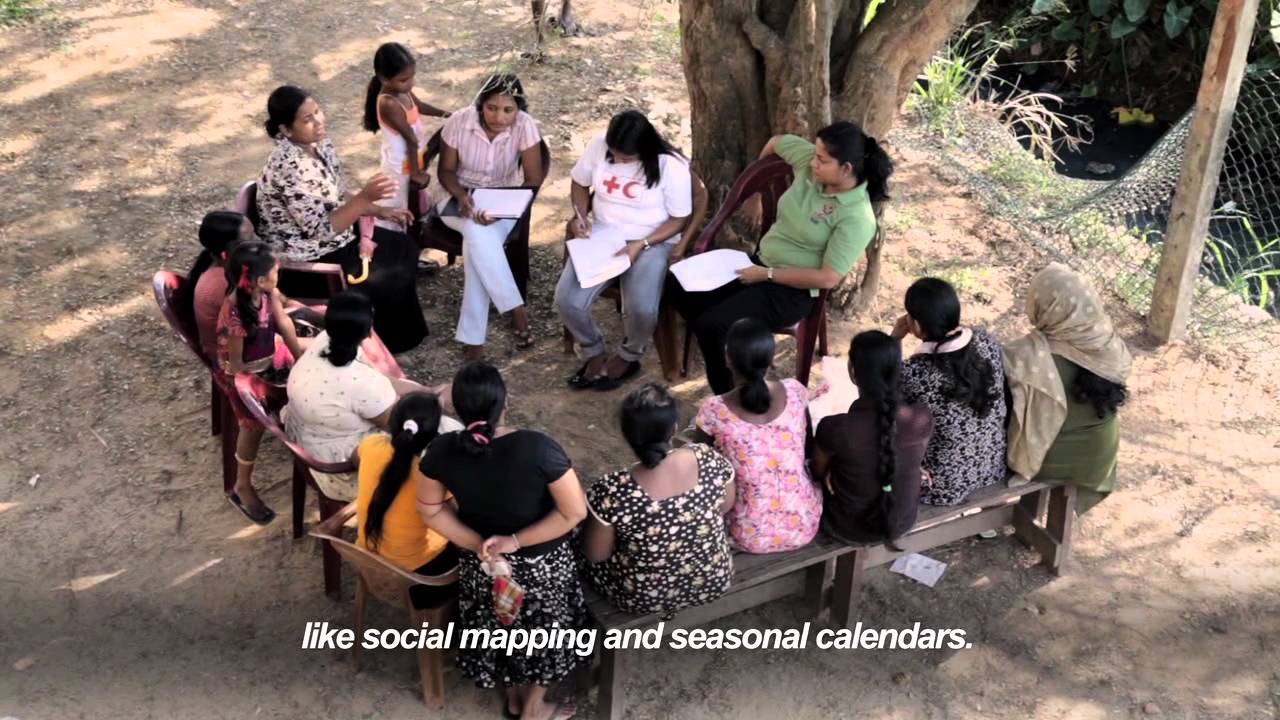
Conducting local Vulnerability and Capacity Assessments (VCA) to evaluate a community's specific weaknesses and resources.
Designing and implementing structural (e.g., retrofitting buildings) and non-structural (e.g., land-use planning) mitigation strategies.
Applying Geographic Information Systems (GIS) to create vulnerability maps that overlay hazards with exposed physical and social assets.
Studying global disaster risk frameworks, such as the Sendai Framework for Disaster Risk Reduction, to align local policies with international standards.
Developing integrated Climate Change Adaptation (CCA) and Disaster Risk Reduction (DRR) action plans for sustainable development.
24.4K views314likes6:36Original Release: 2020-10-28
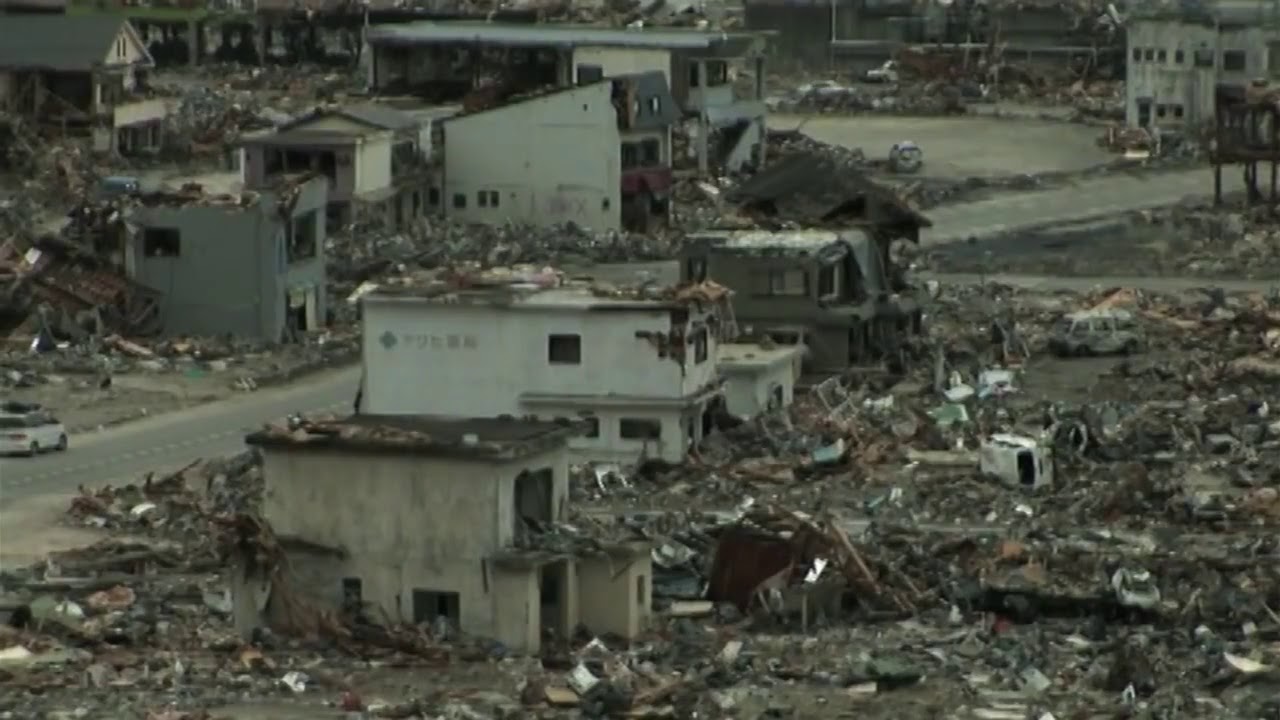
[Music] for today's video we are going to discuss vulnerabilities of different elements exposed to specific hazards basically at the end of this lesson you'll be able to realize that recognizing the vulnerabilities will help your community decide to formulate strategies programs and prevention mitigation and immediate response in case disasters may happen well recall manu nathan and vulnerability in everyday life you are using this word vulnerable but do you really understand the meaning of this vulnerability is a degree of susceptibility and resilience of community and environmental hazard this is the inability to withstand the effects of yes [Music] so for example senior citizens are vulnerable to copyright into what it means if it's to be a name as pro-imba among your citizens why are they grown because of their characteristics so the problem of vulnerability is the word susceptibility and disciplines when we say susceptible it means easily influence or harm by something so that is susceptible second is the word resilience [Music] resilience it is your capacity to recover quickly from the difficulties how quickly can we recover what is our capacity of recovering then that is our senior now let's identify the vulnerabilities of different elements that are determined due to its exposure with particular and specific hazard number one is physical vulnerability when something is physical it's really there you can see it touch it taste it [Music] hear it or even smell it for physical vulnerability it includes population density levels [Music] place of settlement [Music] the site design materials used for infrastructure and housing [Music] 10 members of the family while family b mero naman silang 20 members family b is more dense than [Music] so that is a population density one of the example of physical vulnerabilities is when up visayas buildings were totally destroyed during the super tape in uganda that was in 2008 leaving the structure totally damaged another example is the decrease in population density like what happened in value during the 1990 earthquake in north luzon when a lot of people were injured and died [Music] second is social vulnerability which refers to the potential negative effects on communities it happens due to inability of people organization and societies to prevent severe effects from hospitals because of the expected behavior in social interactions institutions and system of cultural values so for example during typhoon the line of communications were cut off when cell sites shut down or disruption of transport system due to inability of small vehicles to pass through the flooded areas or and possible roads and bridges with some difficulties in the delivery of services such as relief goods and medicines a lot of problems occurred like shortage of food and spread of infections diseases therefore when social elements were exposed to hazard this may lead to disruption of normal processes and activities in the community and i want to tell you that the level of economic vulnerability is based on economic status of individuals communities and nations the poorer the country the more vulnerable to disasters the most affected are those who belong to low income and informal workers [Music] the environmental vulnerability that is caused by natural resources depletion and destruction so human human activities like deforestation burning of fossil fuels and it affects the natural abilities of the environment protect vulnerability can be expressed as zero which is the lowest degree of vulnerability and one if it is the highest vulnerability of people is the ratio of casualties or injured to the total population wherein the vulnerability of buildings is expressed as a repair cause or degree of damage [Music]
Up Next
46:59
Environmental Justice After Hurricane Harvey: Dr. Robert Bullard Interview
@DemocracyNow
7.6K views•2017-09-08

15:54
Life in Biosphere 2: Sustainable Ecosystems & Human Survival
@TED
334.9K views•2009-06-16
14:30
Microplastics Everywhere: How Plastic Impacts Our Lives
@TEDx
100.9K views•2018-05-08
10:28
Ice Stupa Artificial Glaciers: Solving Ladakh's Water Crisis
@SonamWangchuk66
3.2M views•2015-05-03
Related Study Plans & Knowledge Roadmaps
Structured learning paths in Environmental Science
environmental-science
Ocean Noise: Cetacean Impacts & Mitigation
01Fundamentals of Underwater Acoustics
02Marine Mammal Bioacoustics
03Anthropogenic Noise: Shipping & Seismic Surveying
+ 2 more learning modules
16h5 modules
Explore Roadmap
environmental-science
Road Ecology: Corridors, Overpasses & Fencing
01Foundations of Habitat Fragmentation and Carnivore Ecology
02The Road Barrier: Ecological Impacts of Transport Infrastructure
03Principles of Ecological Corridors and Connectivity Mapping
+ 3 more learning modules
14h6 modules
Explore Roadmap
environmental-science
Ocean Acidification: Kelp Buffering & Shellfish
01Fundamentals of Ocean Chemistry & pH
02Chemical Pathways of Coastal Acidification
03Bivalve Physiology & Calcification Under Stress
+ 2 more learning modules
18h5 modules
Explore Roadmap
environmental-science
Ice Stupas: Glacial Retreat & Water Security
01Foundations of Glaciology & Mountain Hydrology
02Climate Change and Glacial Retreat Dynamics
03The Science of Ice Stupas & Artificial Glaciers
+ 2 more learning modules
14h5 modules
Explore Roadmap