






















Sociologists study disasters by examining how social groups are disrupted and how norms are re-established, using a model that analyzes the social structure before the event, the precipitating event, the disruption phase, and the adjusted social structure afterward; they measure disasters through three key factors—scale (severity of destruction), scope (widespread impact), and time (duration of recovery)—rather than just deaths or property damage, recognizing that a disaster's social impact can extend far beyond its immediate geographic location.
Understanding the Sociology of Disaster: Social Disruption & Recovery
Added:Introduction to social structure and institutions: Understanding how communities organize, function, and maintain stability under normal conditions.
The distinction between environmental hazards and disasters: Recognizing that disasters are social phenomena, not just physical events.
Social stratification and vulnerability: How socio-economic factors (race, class, gender) influence individuals' exposure to risks and access to resources.
The concept of social cohesion and collective efficacy: How trust and social networks function to bind communities together.
Disaster capitalism and unequal recovery: Investigating how post-disaster reconstruction can exacerbate existing systemic inequalities.
Applied emergency management and policy: Exploring how sociological insights are used to design equitable mitigation and response strategies.
Sociological case studies of major events: Analyzing specific disasters, such as Hurricane Katrina or the Fukushima nuclear crisis, to see these concepts in action.
Climate migration and community displacement: Studying the long-term demographic shifts caused by chronic environmental degradation and recurrent disasters.
1.1K views13likes7:40Original Release: 2018-11-12
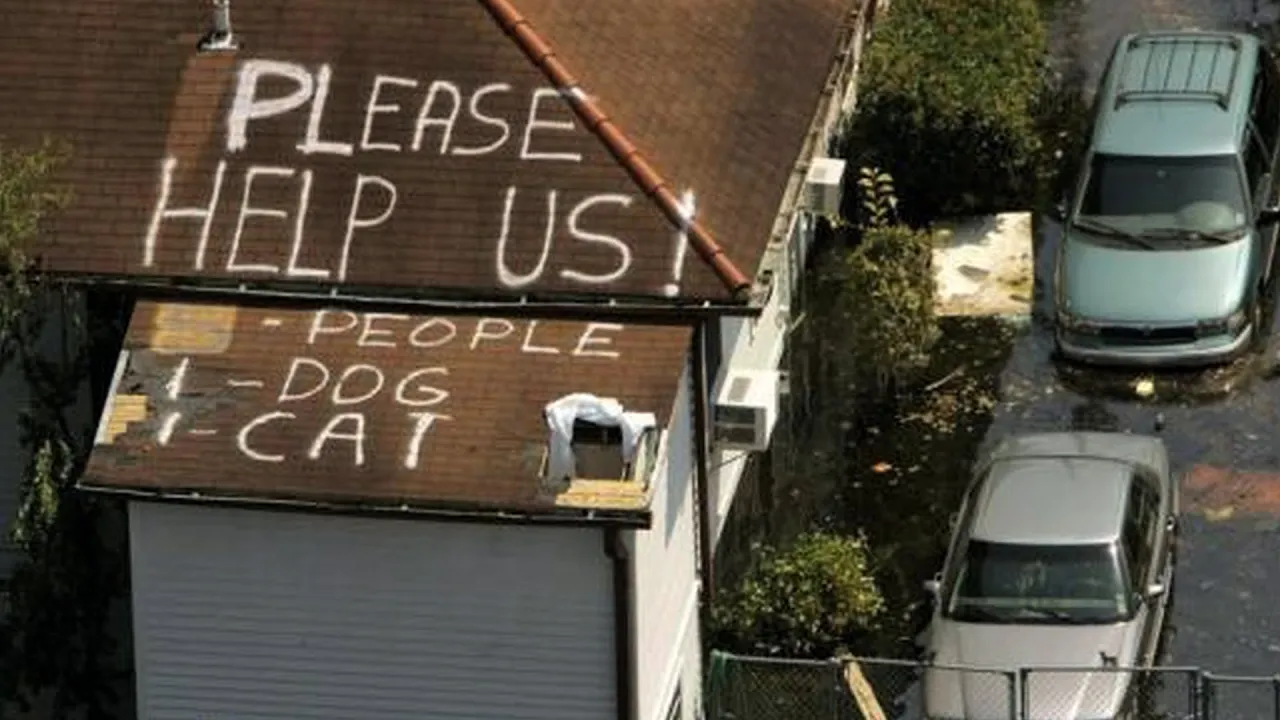
people all over the levees all over houses and they're gonna die unless we can get help [Music] we just need help the hardest thing is telling our kids what sociologists do not study disaster as most people typically think of the word disasters are studied by seismologists in the case of earthquakes hydrologists in the case of floods meteorologists in the case of hurricanes and tornadoes and so on these forces of nature are of no concern to sociologists in addition psychologists study how individuals deal with and react to traumatic events in their lives on an individual level sociologists don't typically study this either by definition sociologists focus on the group sociologists are concerned with the ways in which social factors influence and motivate individual behavior sociologists that study disaster focus on the ways in which social groups are disrupted by a disaster and how norms and daily behavior are re-established after such an event a sociological model a disaster looks something like this first we have the social structure that's in place prior to the event this is the status quo and we know that sociologists study this extensively then we have what we might call the precipitating event now this event is typically what most people refer to as the disaster for example the hurricane flood tornado etc but for the sociology a disaster the disruption is caused by the precipitating event and that is what is of concern so the next phase is the disruption this is the actual disaster event for sociologists so for example the meteorologists studying a hurricane they're studying here in this model the precipitating event that's the hurricane but the sociologists are concerned with the next step which is the disruption phase sociologists are studying how groups of people respond and how social structure responds and changes based on this event and then the last phase would be the adjusted social structure so after the disruption begins to be dealt with by the communities of people what is the new social structure like how our norms reinstituted in that society how do how do they begin to function in ways that can provide them with what they need to survive and return to a sense of normalcy in society sociologists measure and analyze disaster differently the many other researchers as well for example the most common statistic related to disasters is usually deaths or property damage so as an example Hurricane Katrina resulted in eighteen hundred and thirty six deaths and a hundred and twenty five billion dollars worth of property damage however these two numbers don't at all provide a picture of how vast the social disruption of the event actually was lives lost and property destroyed aren't adequate ways to determine the social aspects of a disaster for example the there could be a disaster in which no one dies but the disruption is so great that is impossible for the life as the community knows it to continue in any form rather sociologists consider three things when analyzing a disaster event the first one is scale this is how severe the disaster is what is the level of destruction and the stress that results from this event are a few of the homes missing their rooms and they need to replace or does an entire neighborhood cease to exist because every single home has been destroyed or even greater than that has an entire city been quote-unquote wiped off the map by some incredible flood or hurricane tornado etc so we have a scale ranging from a-minor as in a home missing some siding or something too very very major in fact the formal scale goes all the way up to annihilation which is society ceasing to exist the second thing that's considered is scope how widespread is the disruption so is just one house on one street experiencing this or is it spread throughout the entire community the entire neighborhood or the entire city or even the entire society at large part of this discussion on scope is the different ranges that an event can have so an event can affect just merely one single individual or it can affect a larger group it can infect a community overall or a locality a city or a neighborhood as example it could have an impact on the state or it could be felt at a national level it's important for us to understand - from a sociological perspective that the disaster itself doesn't actually have to be national in order for it to have a larger impact as an example Hurricane Katrina was only experienced in New Orleans and the outlying areas but at a both state and national level it was impacted due to resources and funding that had to be funneled into that area to provide aid for the residents there that were impacted so just because a disaster event doesn't take place at a national level doesn't mean it doesn't have an impact in other parts of the state or the country so that's something to consider the last factor that's considered is the time or duration of an event so the greater scope and scale usually the more likely more time will be needed to correct the disruption so if an entire neighborhood is completely destroyed we can imagine that that's going to take more time for normal life in that to be reconstituted whereas if one house happens to be affected typically that family can find a different place to stay until their house is repaired or until they can resume some type of normalcy in their individual lives but that doesn't usually take as long as if multiple or hundreds or even thousands or tens of thousands of families are impacted by some disaster event so sociologists are looking at scale scope and time or duration that it takes for the community to be rebuilt that's just a short introduction to how sociologists study disaster events differently than many other researchers
Up Next
86:16
Naturalizing Disaster: Risk, Resilience, and Social Construction
@UChicagoPGE
702 views•2013-04-23

108:25
Mutual Aid Explained: Definition, Examples, and How to Participate
@BCRWvideos
24.2K views•2020-07-24
19:23
How to Analyze Conversations Scientifically | Elizabeth Stokoe | TEDx
@TEDx
1M views•2014-12-04
9:41
What is Sociology? The Sociological Perspective Explained
@crashcourse
4.6M views•2017-03-13
Related Study Plans & Knowledge Roadmaps
Structured learning paths in Sociology
sociology
Disaster Sociology: Risk, Power & Recovery
01Foundations of Disaster Sociology
02Structural Vulnerability & Social Inequality
03Ulrich Beck and the 'Risk Society'
+ 2 more learning modules
15h5 modules
Explore Roadmap
sociology
Celebrity Culture: From Hollywood to TikTok
01Foundations of Celebrity Sociology
02The Rise of Micro-Celebrity & Digital Platforms
03Parasocial Relationships & Algorithmic Intimacy
+ 2 more learning modules
12h5 modules
Explore Roadmap
sociology
Hostile Architecture: Space, Power & Control
01Introduction to the Sociology of Space
02Social Control and Surveillance in the City
03Hostile Architecture and Defensive Design
+ 2 more learning modules
12h5 modules
Explore Roadmap
sociology
Loneliness Epidemic: Third Places & Isolation
01Foundations of Social Capital and Community Cohesion
02The Death of Third Places and Urban Space Erosion
03The Privatization of Leisure and Atomization
+ 2 more learning modules
12h5 modules
Explore Roadmap