























Viscose rayon is a semi-synthetic fiber made from regenerated cellulose through a multi-step chemical process involving sodium hydroxide treatment, carbon disulfide reaction, dissolution in caustic soda, and regeneration in sulfuric acid, resulting in a highly absorbent, soft, and comfortable fiber with excellent moisture regain and dyeability properties, commonly used in apparel, home textiles, and non-woven products, and distinguished from polyester by being biodegradable and having superior absorbency despite being less durable and more prone to wrinkling.
Viscose Rayon: Manufacturing Process, Properties & Uses
Added:Basic polymer chemistry, including the definition of monomers, polymers, and natural macromolecules.
The chemical structure and properties of cellulose, specifically its presence in wood pulp and plant-based fibers.
The fundamental distinction between natural fibers (e.g., cotton, wool) and fully synthetic fibers (e.g., polyester, nylon).
Introduction to industrial textile manufacturing concepts, such as extrusion, spinnerets, and chemical coagulation.
The environmental impact of viscose production, including the toxic chemicals used (like carbon disulfide) and sustainable alternatives.
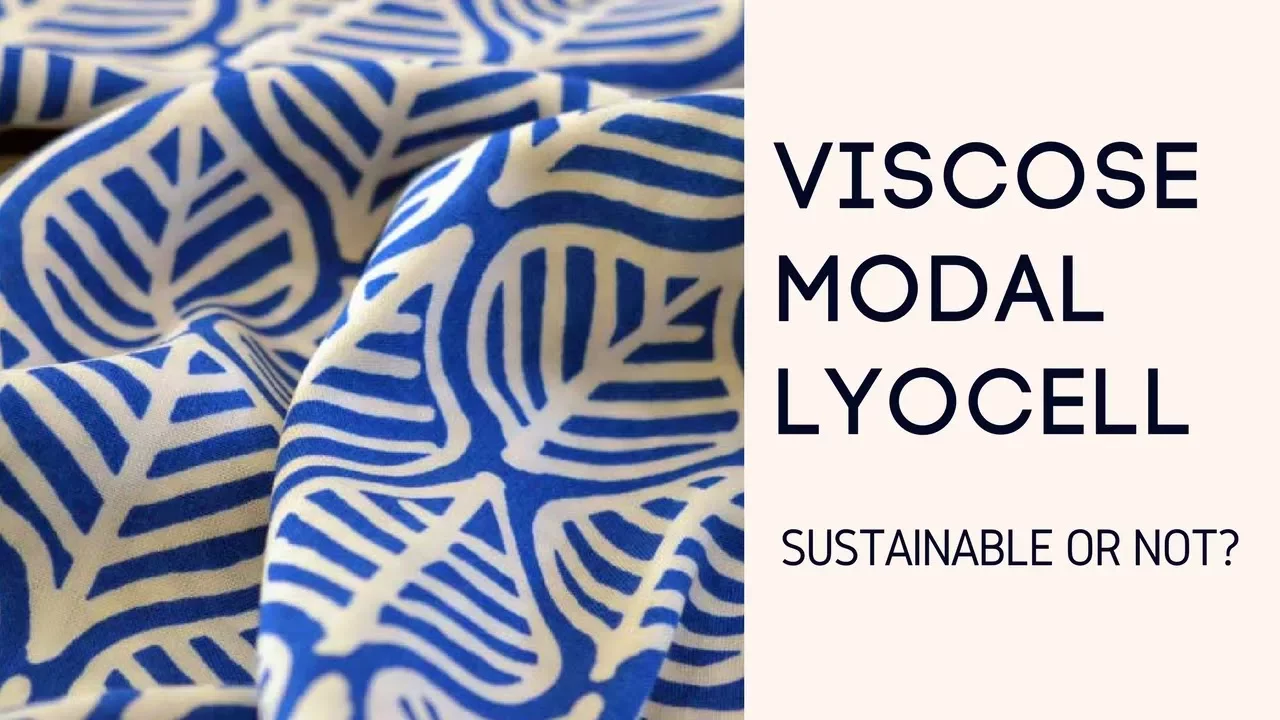
Next-generation regenerated cellulose fibers, such as Lyocell (Tencel) and Modal, and their closed-loop manufacturing processes.
Textile blending techniques, focusing on how combining viscose with polyester or cotton alters fabric durability, comfort, and care requirements.
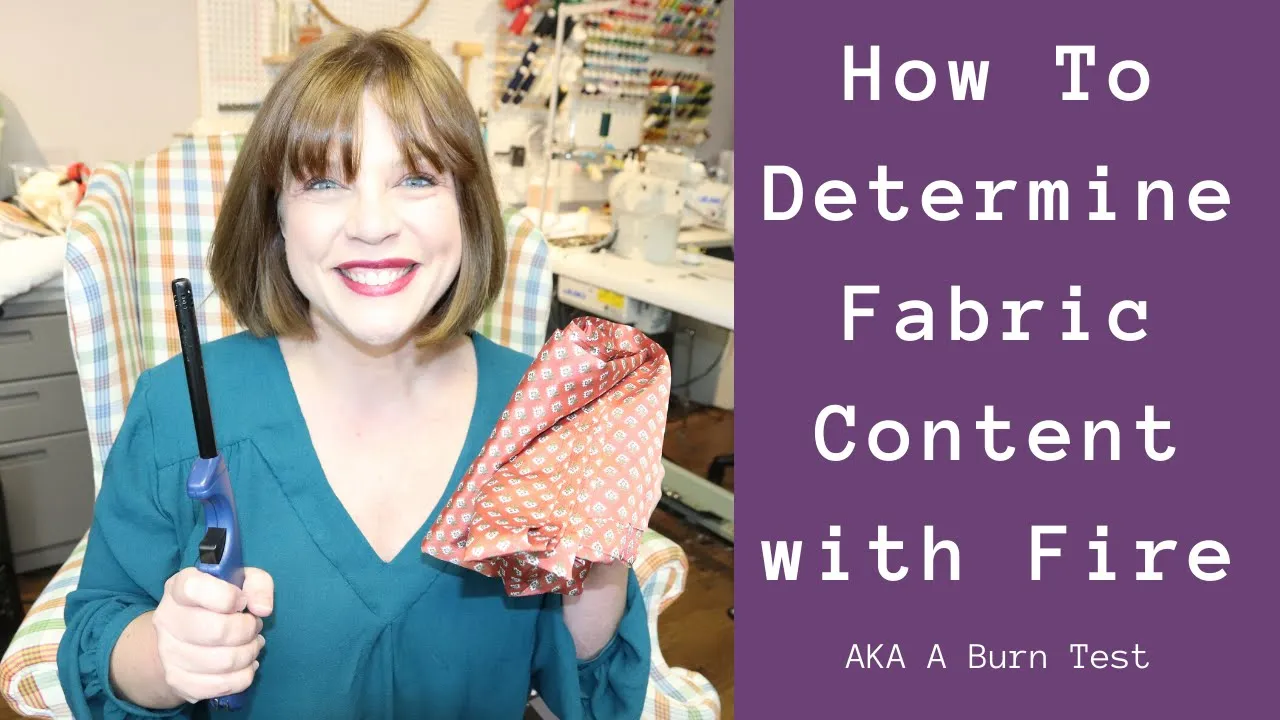
Methods of fiber identification and quality testing, such as burn tests, chemical solubility, and microscopic analysis to distinguish rayon from other fibers.
174.6K views2.4Klikes5:14Original Release: 2021-08-20
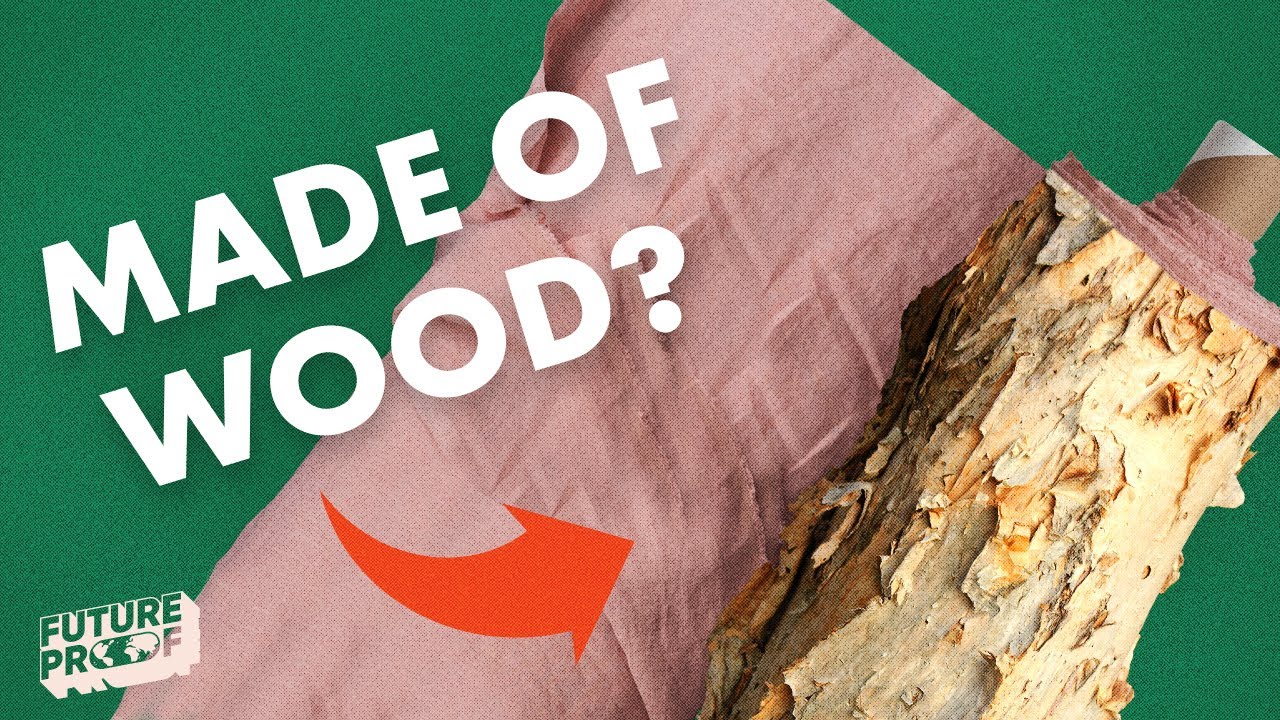
[Music] viscose is a semi-synthetic fiber which was earlier known as viscasren which made from natural sources of regenerated cellulose such as wood bamboo and related agricultural products it has the same molecular structure as cellulose it is used widely and in huge demand showing to its spatial characteristics like high strength with soft and comfortability welcome to textile vlog stay with us and enrich your textile knowledge how viscous fiber are made at first woods are chopped into small pieces and processed into cellulose pulp the cellulose is treated with 17.5 percent solution of sodium hydroxide which converts it into soda cellulose two the soda cellulose reacts with carbon disulphide to form sodium cellulose xanthane three sodium cellulose gente as dissolved in a dilute solution of caustic soda and its form orange honey like liquid this liquid extruded into sulphuric acid which regenerates the cellulose now in the form of long filaments called viscose rayon and this point key modification such as changing the shape and size of the cross section well cooperative attitude can be made [Music] properties of viscous fiber viscose is the most absorbent of all cellulosic fibers even more so than cotton or linen viscose gives the appearance and feels so soft and silky and very comfortable to wear viscose fibers have good moisture regain property like cotton fibers viscose has a good drapeability property it has good tensile strength and abrasion resistant properties viscous fibers can be easily dyed in several colors when heating the viscous fiber it does not shrink viscous fiber is biodegradable viscous can be blend with some other fibers with polyester give poly viscose with cotton give cotton viscose also viscous can be blend with spandex for good stretch ability commercially viscous fiber known as central avril fibro hso and graziem and uses of viscose rim the softness drip and the luster in the fiber make it a preferred choice for ladies garments and menswear the most common uses of viscous are in apparels like dresses suits saree lingerie and children clothes it is used in making umbrella cloths and protective clothes it is used as swing embroidery threads uses in curtains cushions beach and sports wire viscose is also used in non-woven fabrics for baby wipes wet wipes and napkins etc what is the difference between viscose and polyester while many consider the viscous and polyester to be similar there are a lot of differences between the two materials both polyester and rune are made from long fibers but polyester is a synthetic fiber whereas viscose is semi-synthetic that is using natural fibers but chemicals in the process polyester is more moisture wicking while viscose is more absorbent dries faster and does not wrinkle as easily as a viscose polystyrene is stronger and does not shrink viscose is more likely to peel whereas polystyrene resists abrasion polyester is made from oil while viscose is made from plants viscose fiber is biodegradable most of the polyester are not biodegradable and polyester production and use contribute to pollution around the world thanks for watching please subscribe this channel to get more update and if you like these videos please share with your friends [Music]
Up Next

11:40
Inside Blackrock Neurotech: Brain-Computer Interfaces Explored
@BCIGuy
20.3K views•2022-12-07
26:22
Walking in the City: Urban Rituals and the Flâneur in Contemporary India
@PSBTIndia
1.9K views•2016-08-02

9:49
FastAPI vs Flask vs Django: Choosing the Right Python Web Framework
@TechWithTim
302.5K views•2024-05-26

1:42
Game of Thrones Opening Credits: A Cinematic Analysis
@gameofthrones
46.3M views•2011-04-18
Related Study Plans & Knowledge Roadmaps
Structured learning paths in General & Interdisciplinary Studies
general-studies
Artificial Light: History, Tech & Human Impact
01The Pre-Electric Era: Fire, Oil, and Gas Lighting
02The Incandescent Revolution and Grid Electrification
03Gas Discharge and Fluorescent Illumination
+ 3 more learning modules
14h6 modules
Explore Roadmap
general-studies
Elevator Engineering: History, Physics & Cities
01From Hoists to Safety Brakes: The Dawn of Vertical Lift
02Hydraulic vs. Traction: The Engineering Physics of Elevators
03Modern Speed, Safety, and Algorithms
+ 2 more learning modules
12h5 modules
Explore Roadmap
general-studies
Rubber: Material Science, History & Geopolitics
01Origins of Natural Rubber & Mesoamerican History
02The Chemistry of Natural Rubber & Vulcanization
03The Geopolitics of the Rubber Boom & Colonization
+ 2 more learning modules
12h5 modules
Explore Roadmap
general-studies
Containerization: Evolution, Logistics & Trade
01Ancient Trade & Bulk Cargo: Amphorae to Barrels
02The Industrial Revolution & Cardboard Packaging
03The Containerization Revolution: Malcom McLean
+ 2 more learning modules
12h5 modules
Explore Roadmap