


















Brain-computer interfaces (BCIs) are implantable devices that translate neural signals into commands for external devices, enabling individuals with paralysis to control prosthetics, communicate, and perform daily activities through thought alone; the Utah Array, invented by Richard A. Normann in 1989, pioneered reliable 3D neural signal recording and has been used in over 30,000 patient days across applications like prosthetic control, sensory restoration, and speech encoding, with next-generation technologies like Neuralace promising even higher electrode densities (up to 10,000+) for improved biocompatibility and data collection.
Inside Blackrock Neurotech: Brain-Computer Interfaces Explored
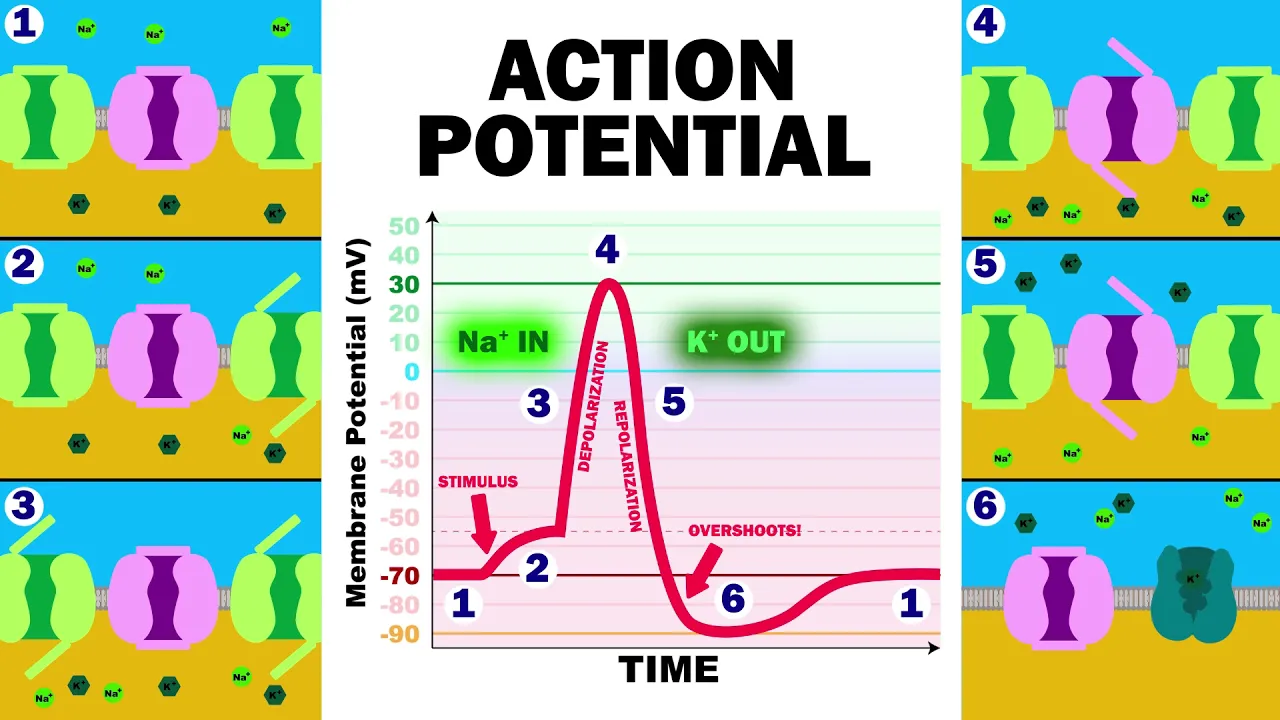
Added:Basic neurobiology, specifically how neurons generate and propagate electrical signals (action potentials).
The fundamental concept of Brain-Computer Interfaces (BCIs), including the basic pipeline of signal acquisition, decoding, and device control.
The distinction between invasive, semi-invasive, and non-invasive neural recording techniques (e.g., EEG vs. ECoG vs. intracortical microelectrodes).
Introductory signal processing concepts, such as noise filtering, amplification, and analog-to-digital conversion of bioelectric signals.
Advanced decoding algorithms, including the use of machine learning and neural networks to translate neural spikes into complex motor or speech outputs.
The challenges of long-term biocompatibility, neural tissue response (glial scarring), and material science innovations in flexible electronics (like Neuralace).
A comparative analysis of competing BCI architectures, such as Neuralink's thread-based electrodes and Synchron's endovascular Stentrode.
Neuroethics and regulatory hurdles, specifically the FDA approval process for Class III medical devices and the ethical implications of cognitive enhancement.
20.3K views465likes11:40Original Release: 2022-12-07
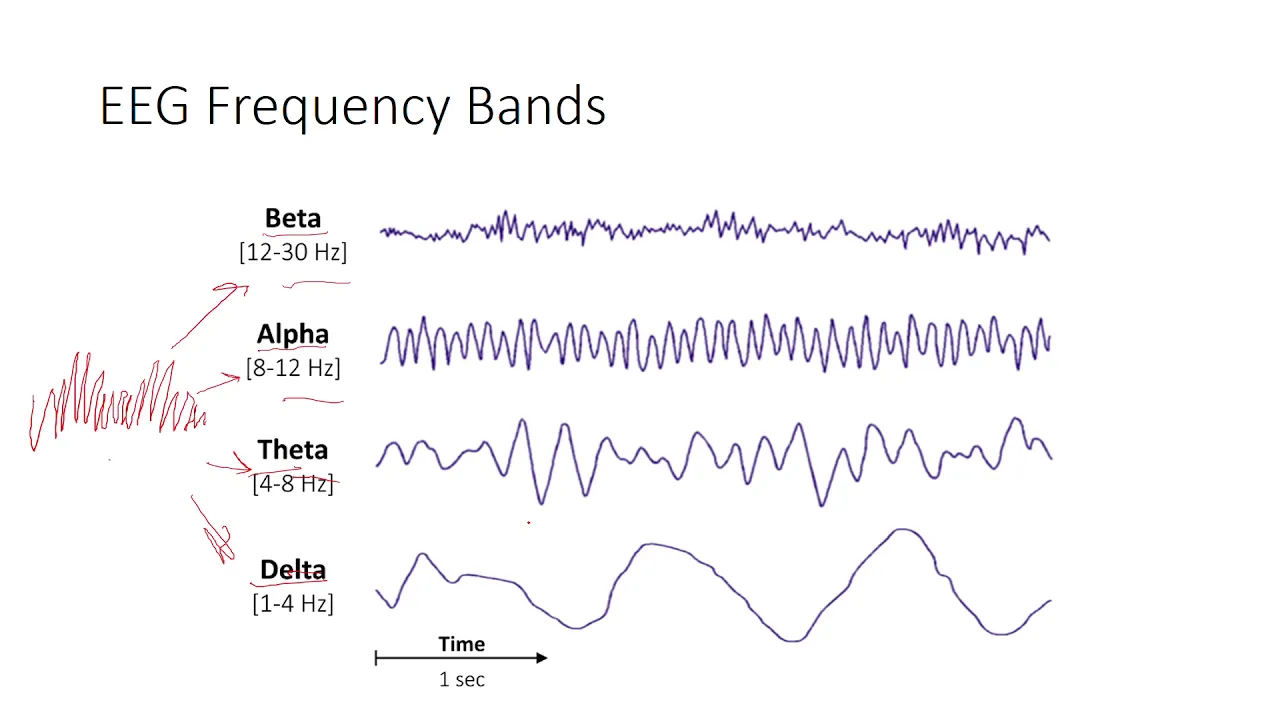
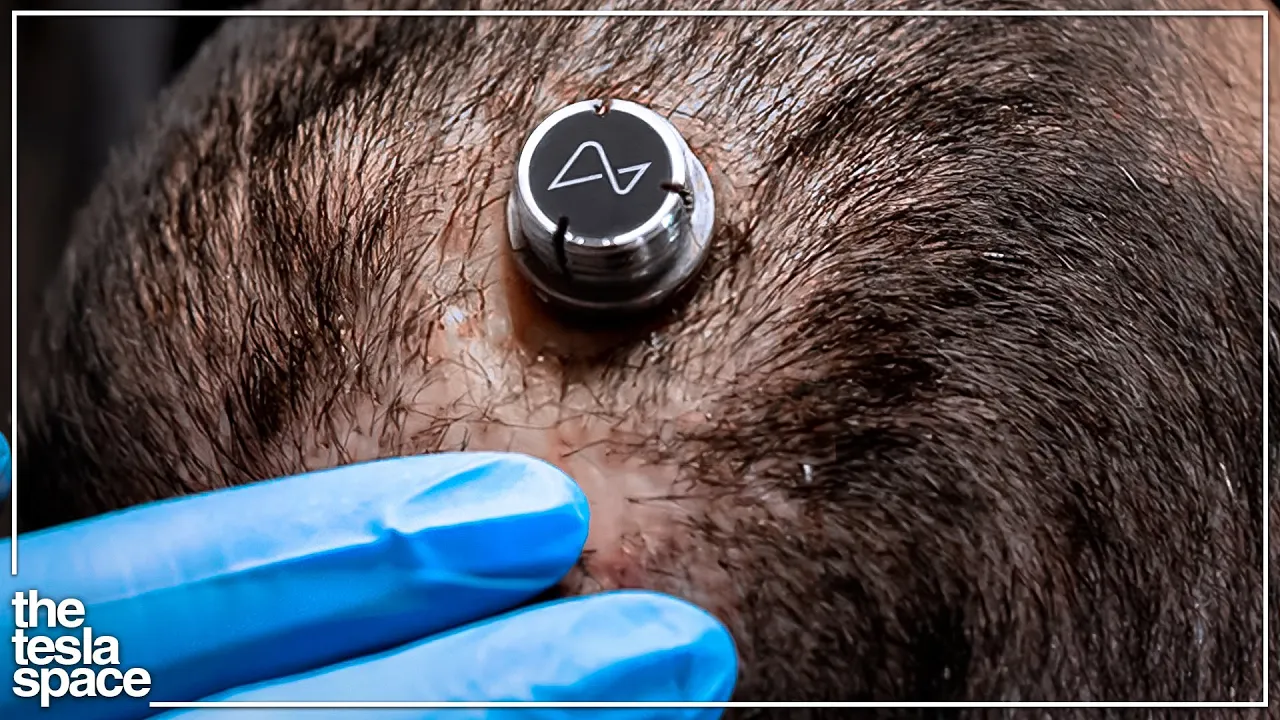
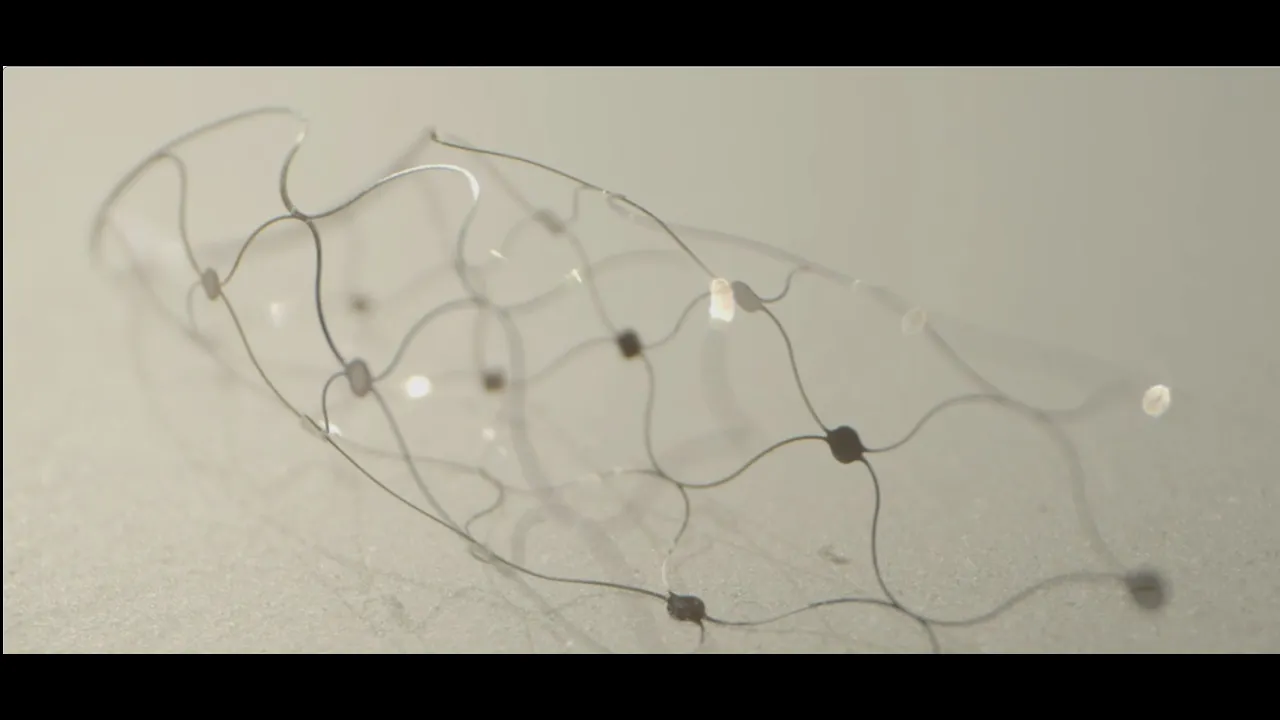
we're here at BlackRock neurotex headquarters in Salt Lake City Utah they flew us out here to give us and all of you an exclusive behind-the-scenes look at their incredible technology their devices have been implanted in dozens of people since the early 2000s and have been a part of many of the most pioneering research projects in the BCI field including brain controlled neural Prosthetics sensory restoration encoding thought into speech and many many Advanced brain computer interface functions like sending emails or playing video games oh by the way I should mention that this is a sponsored video and I do ongoing Consulting work for BlackRock all right let's head inside foreign the story of BlackRock neurotech really has been the story of the brain computer interface industry more broadly at least for implantable devices blackrock's Flagship device the Utah array has been at the core of many of the greatest advancements in the field to date it's been used to control Prosthetics and even in some cases send feedback back to the brain to feel through those prosthetics it's been used to control Advanced Computer Applications like making digital art and playing video games and has restored patients ability to communicate and speak through a computer all just through thought it all started back in 1989 when Richard A Norman at the University of Utah filed a patent for the Utah array the Utah array was game changing as it allowed neuroscientists to reliably collect neural signals in three dimensions for the first time by the late 90s neuroscientists had realized the Utah raised potential as a BCI device and we're already using it in primates to move a cursor this development was a watershed moment that proved that this type of device was possible Primate Research continued to prove increasingly better capability and safety in 2004 another Milestone was achieved as a volunteer in the newly formed rain gate project which would go on to be one of the leading BCI developers Matt Nagel became the first person to have a utahrave BCI implant rain gate which is still around today has produced Innovation after Innovation with the Utah array proving it's possible to control Prosthetics send emails and texts and decode speech just from thought in 2008 lifelong friends Marcus Gerhart and Florian soulsbacher saw the potential of the Utah array to be used as a medical device to help millions of people worldwide with paralysis they founded BlackRock Microsystems which would later become BlackRock neurotech and acquired the intellectual property from cyber kinetics and others to make this possible you know we've grown out of the mural engineering and Neuroscience Community we've always seen ourselves as somebody who helps everybody to make progress in that field learn with them and then work with them towards getting towards the solutions that then help we've been working on as I said a number of other electrodes and Technologies most people sort of refer to the Utah electorate array as a hundred Channel device that is one embodiment of it a very few people are aware of the fact that in most patient settings they are now multiple devices so you're technically usually working with 400 channels or more in non-human primates we've gone all the way to a thousand channels even with that old architecture so what we've done first is building that platform of Technologies and making sure it's also not one electrode but starting with the uter electrode array which is a family of electrodes now then developing the electronics and miniaturizing them these are massive key methods and I'm very very grateful and lucky to be in that position that we've been able to attract more and more people to come towards this cause who are contributing their ideas and suggestions and have really made what we're able to do today for the people that need these Solutions what it is a big thank you goes out there to everybody who's making who's making that possible [Music] I think it's also important to understand that there are lots of other pieces to the system and lots of other things that matter when you're talking about how to report from the brain each one of those tips if it's close to a neuron in the cortex can record the action potentials of that neuron you can think of the ash potentials that we're pulling out as sort of the direct form of understanding what the brain is doing in addition to the action potentials you can look at different frequency bands within this local field potential to understand different aspects of how the brain is operated and so between the local field potentials and the actual potential firing rates you can record quite a lot of information from the cortex using neuroport electrode array so right now we're looking at pretty much everything but the Utah array this is everything on the opposite end that makes sure you actually can get information out of a BCI patient or BCI Pioneer to start with we've got a head stage here which is the neuroplex E this little rectangular box screws onto the Utah array pedestal and converts all of the signal that's getting picked up by the array itself into digital ones and zeros and then sends it along this HDMI cable here to our digital hubs and then the digital hubs convert the digital ones and zeros over to a fiber optic connection and send it to the big box at the bottom here which is the neural signal processor or NSP for short the neural signal processor is where the rest of the magic happens you can record brain signals all you want but it doesn't do anything until you process it and pull the spikes out which is what you're seeing visualized over here on the computer monitor on the right we have grid visualization of the array that's coming out of this simulator right here and then in each of the like each of the channels from that array we're getting a bunch of spikes that are coming through and being processed by the NSP itself over here on the left I've zoomed in on one specific channel in order to demonstrate exactly how it pulls out the information and it thresholds using this red line here and then is capable of sorting out the spikes into different neural units by using currently just brackets but we have a number of different spike sorting methods built into the software I've worked here at BlackRock narotech for one and a half years I have a master's in chemical engineering from the University of Florida I did a lot of work in semiconductor microfabrication techniques and that is a bulk of what we use to fabricate our utahries so processes like photolithography wet etching plasma etching all these are very important techniques that we use in our uttario fabrication so I joined BlackRock about a year ago my undergrad I did in neuropsychology and then my Master's I did in neuroscience and then I moved to um University of Pittsburgh that's where I met a BCI Pioneer and got exposed to Blackrock for the first time because they were using the hardware and that was so cool like the fact that Nathan was able to move Prosthetics with his dogs we have 32 BCI Pioneers to date we have over 30 000 patient days the neural interphase Utah ra with our system is what has shown efficacy across numerous applications already and we're just opening that door we are now on seven years going on eight years a BCI Pioneer using this technology for eight years when we started this I remember distinctly 2008 meeting with researchers and they said this is not wrong well it's worked for eight years in human patients it's worked for over 10 years of non-human primates we've proven that this can work for that period of time just that network of Neuroscience actors from researchers to participants and researchers you know across the board from the established pis to your postdocs tour that Network we've been in for over a decade we've been servicing that network with tools to do foundational science all the way to translational science and so and we're extremely grateful to that community that Community has made us strong their ideas their input their continued drive to push science forward our focus is on concrete applications with patient care in mind the technology comes after we then figure out what technology is best used and deploy to achieve that before her accident Nancy loves to play the piano as a result researchers wanted to see if they could use a brain computer interface to restore this ability the videos you're looking at now show the training process that Nancy and the other Pioneers went through to train with the system notice how she is controlling the cursor to move toward the highlighted circles just with her thoughts Jan was an early Pioneer of neuroprostatic control you can see that back in 2012 she already had expert control over the device accurately grabbing objects of different sizes and moving them to different targets when asked how she did it she'd often say that she would just think where she wanted the robotic arm to go and her brain would do the rest Jen was even able to use the arm to feed herself opening a world of possibility for assistive use cases one of my favorite moments in BCI history is when Jan fed herself a piece of chocolate but I'll let her tell that story um they were asking if there was something special I wanted to do like touch my children's cheek or my husband's hand and I said my goal is to feed myself chopped and I did that today I fed myself chocolate and then uh string cheese and then a red pepper there we go for a woman one giant bite for at least yeah although the Utah Ray has been blackrock's Flagship device the company is looking to the future we got Hands-On access to their next Generation neural interface the neuralace which BlackRock announced in mid-november of 2022 at the society for Neuroscience conference the implant is a flexible hexagonal mesh that conforms to the surface of the brain the first configuration of the device will have 10 000 electrodes but the system is designed to scale to many many more in the future we were told that this design makes the neural lace more biocompatible scalable and capable of collecting better data compared to previous neural interfaces they expect that this interface will be available for researchers in 2024 so keep an eye out for that thank you again so much to Blackrock neurotech and all the amazing people here for flying us out and showing us a behind the scenes look into their Cutting Edge technology it was really fun and a great learning experience for us and hopefully for you as well if you like this type of video please tell us in the comments and like And subscribe because we've got more coming we'll see you in the next one [Music]
Up Next

53:06
EEG-Based Brain-Computer Interfaces: A Beginner's Guide to Neurotech
@neurotechnologyexploration9406
13.2K views•2021-05-03

12:54
Triumph of Orthodoxy Icon: Byzantine Art & History Explained
@BenCallan
2.1K views•2024-08-06

9:49
FastAPI vs Flask vs Django: Choosing the Right Python Web Framework
@TechWithTim
302.5K views•2024-05-26

1:42
Game of Thrones Opening Credits: A Cinematic Analysis
@gameofthrones
46.3M views•2011-04-18
Related Study Plans & Knowledge Roadmaps
Structured learning paths in General & Interdisciplinary Studies
general-studies
Elevator Engineering: History, Physics & Cities
01From Hoists to Safety Brakes: The Dawn of Vertical Lift
02Hydraulic vs. Traction: The Engineering Physics of Elevators
03Modern Speed, Safety, and Algorithms
+ 2 more learning modules
12h5 modules
Explore Roadmap
general-studies
Rubber: Material Science, History & Geopolitics
01Origins of Natural Rubber & Mesoamerican History
02The Chemistry of Natural Rubber & Vulcanization
03The Geopolitics of the Rubber Boom & Colonization
+ 2 more learning modules
12h5 modules
Explore Roadmap
general-studies
Containerization: Evolution, Logistics & Trade
01Ancient Trade & Bulk Cargo: Amphorae to Barrels
02The Industrial Revolution & Cardboard Packaging
03The Containerization Revolution: Malcom McLean
+ 2 more learning modules
12h5 modules
Explore Roadmap
general-studies
Textile Tech: Evolution, Labor & Global Impact
01Pre-Industrial Textiles: Handloom & Cottage Industry
02Mechanization: The Spinning Jenny to the Power Loom
03The Factory System & Global Labor Transformation
+ 2 more learning modules
10h5 modules
Explore Roadmap