






![[01] EEG Bootcamp - Beginner's Guide to EEG Recording](https://i.ytimg.com/vi/LwSqSeaJGU0/hqdefault.jpg)












![[01] Intro to Brain-Computer Interfaces](https://i.ytimg.com/vi/xw2N-4ClHQs/hqdefault.jpg)





EEG-based brain-computer interfaces (BCIs) work by recording electrical activity from the brain's outer layers (neocortex) using non-invasive electrodes placed on the scalp, detecting synchronized neural activity patterns such as event-related desynchronization in the mu frequency band (8-13 Hz) during motor imagery, which allows users to control external devices like cursors or wheelchairs by modulating their brain activity without physical movement.
EEG-Based Brain-Computer Interfaces: A Beginner's Guide to Neurotech
Added:Basic neuroanatomy and neurobiology, specifically how neural populations generate electrical fields (postsynaptic potentials) detectable on the scalp.
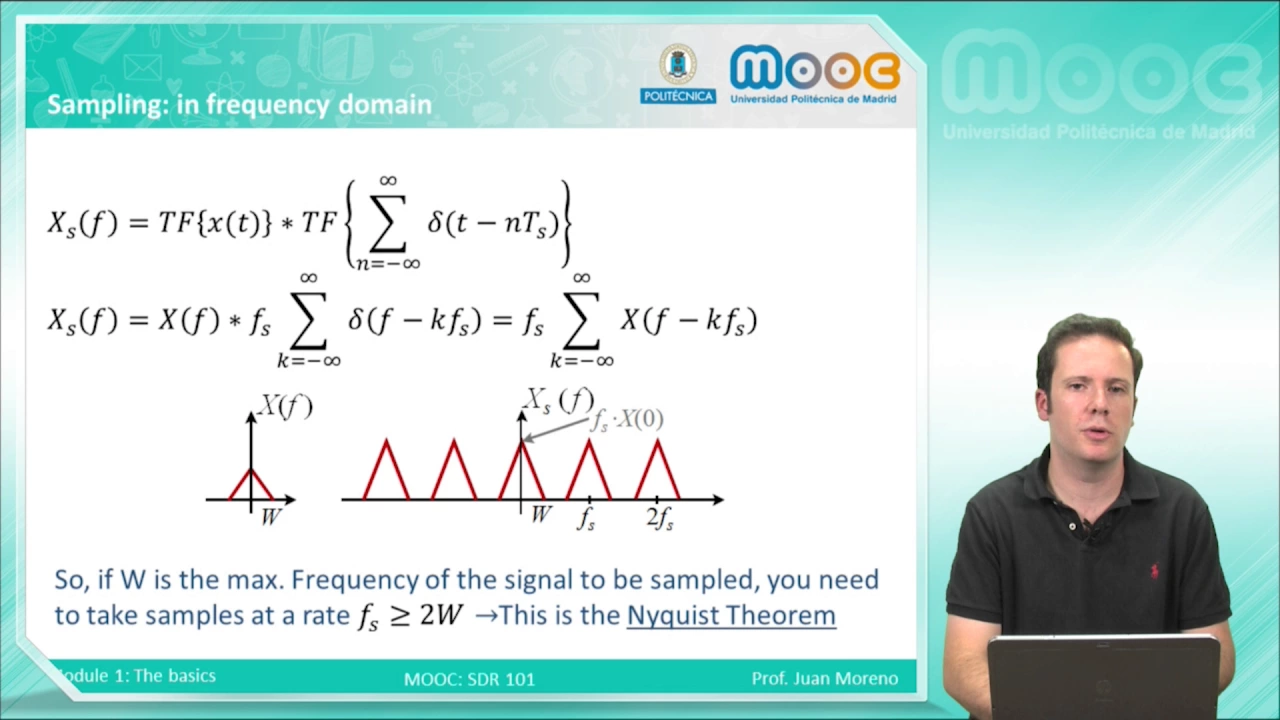
Fundamentals of signal processing, including concepts like analog-to-digital conversion, sampling rates, and basic frequency-domain filtering.
Elementary physics of electromagnetism, particularly voltage, impedance, and how passive electrodes capture microvolt-range signals.
A basic understanding of human-computer interaction (HCI) and how input signals are mapped to hardware control commands.
Advanced machine learning and feature extraction methods for EEG, such as Common Spatial Patterns (CSP), Support Vector Machines (SVM), and Deep Learning architectures.
Exploration of active, reactive, and passive BCI paradigms, such as Motor Imagery (MI), Steady-State Visually Evoked Potentials (SSVEPs), and P300-based spellers.
Invasive neurotechnologies, such as Electrocorticography (ECoG) and microelectrode arrays, analyzing their trade-offs in signal quality versus surgical risk.
Neuroethical, security, and privacy implications of neural data harvesting, alongside regulatory pathways for medical-grade BCI devices.
13.2K views425likes53:06Original Release: 2021-05-03
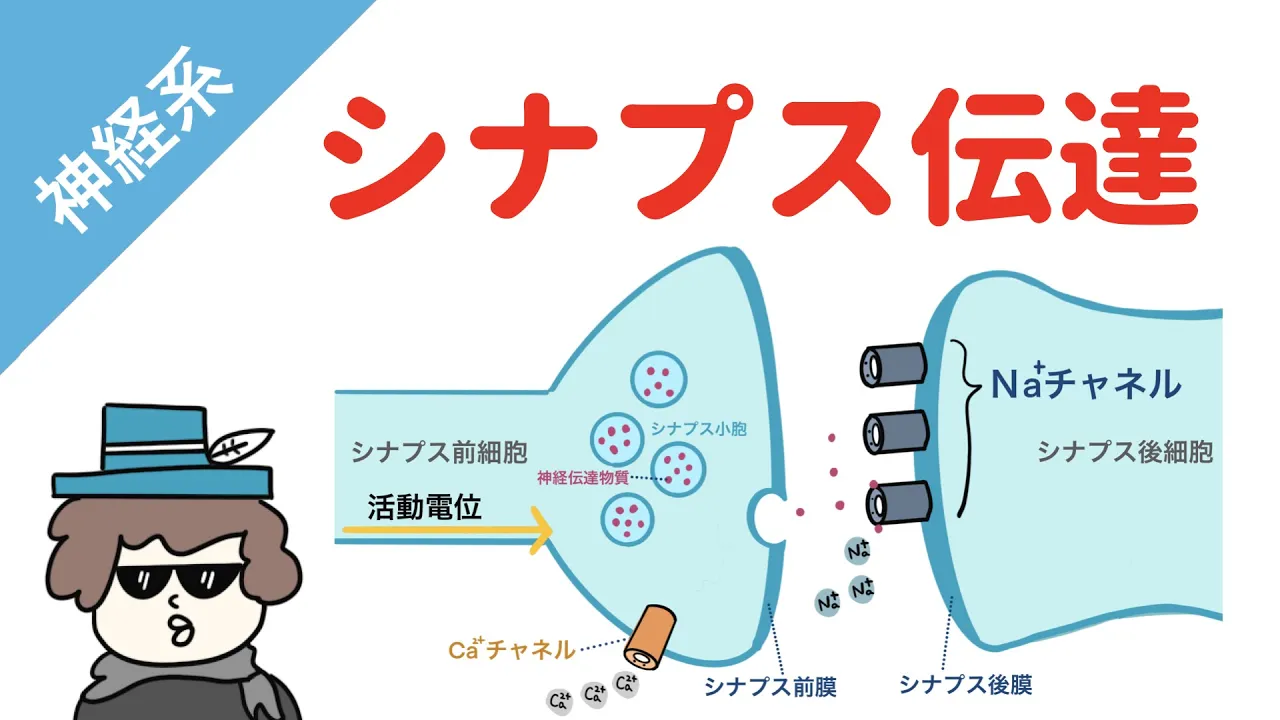
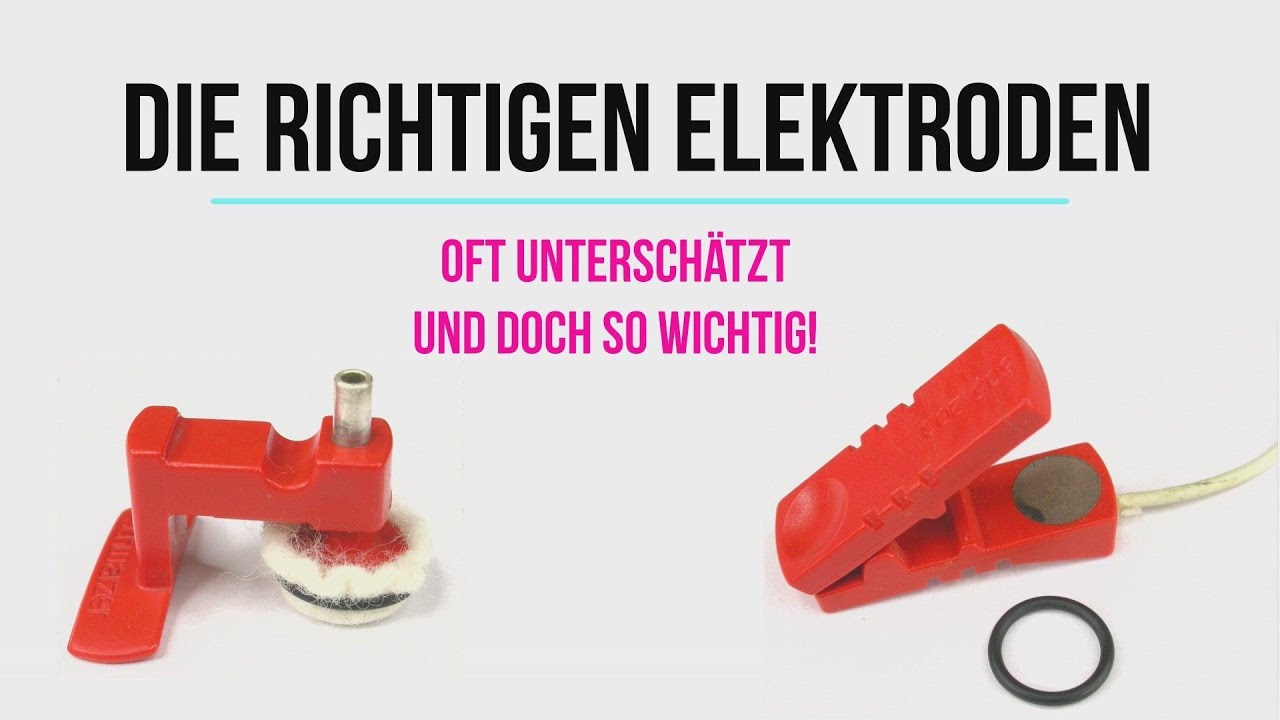
great so glad to have you all here uh just in case you don't know this uh we're talking about uh rit and u of r this is in uh rochester new york um and so i'm coming to you from my my bedroom in rochester new york the work at home life um so what i wanted to do here was uh give a a pretty like basic 101 if you will overview of what goes into creating an eeg based bci this is in some ways a distillation of a lecture series i gave about a year ago at this point um that was that was over three hours long and that went into more depth but i'm going to try to fly through what you might need if you're just starting off into into the realm of pcis and specifically eeg and an acknowledgment here a lot of this information a lot of the charts and diagrams you're going to see here are from this book bring computer interfacing and introduction by radius rau and this is a great book i would recommend to recommend to anyone starting off undergrad level or early early graduate level but this this book kind of goes through all of the uh all the subject areas that are involved in creating bcis so it's a great place to start and a little bit about myself i've been the project lead for the brain controlled wheelchair team at nxt for about two years now and i've been working more heavily over the past semester on getting a getting a working working bci and so at the end of this presentation i'm going to give a pre-recorded demo of what we have there that's my my email you can take that down if you want i just wanted to say if i'm certainly not an expert by any means so if anyone here has a lot more knowledge in any of these areas and feel that i've made a significant error that's going to mislead people who are just getting into this i would really appreciate anybody reaching out to me and i'll try to issue some corrections afterwards everyone who participated this in this okay great so i'm going to take off into some basic neuroscience here just the fundamentals of what you need to to understand the rest of this lecture um so starting at the a low level of of what is a neuron i liked rouse this is a quote directly from the book there a leaky bag of charged liquid so you have a potential difference due to a concentration of ions on either side of this lipid bilayer membrane and and we have these channels that control the flow of ions and so the the way that these neurons communicate with each other is what we call action potentials or spikes where you have a rapid influx of sodium ions and uh so if you were able to record from an individual neuron from an electrode sitting right near it uh this is this is what you might see and these are what again we call spikes and so there's some information there at a very low level about uh what what is going on with individual neurons and this is just an overview what what a neuron looks like so we have the some of the cell body um and it communicates sends its spike over the uh the axon and it receives communications effectively from other neurons through dendrites um and now at a at a higher level for what we're interested in with eeg uh we're talking about the the outer layers of the brain so the neo neocortex uh which is roughly an arrangement of uh six layers and 30 billion neurons tons of connections between those neurons and you actually have this pretty interesting um columnar structure perpendicular to to the the brain surface and what's important to know about the neocortex is you have a functional specialization so different areas of the neocortex are responsible for different things and for the pci that i've been working with um we're focused on the the primary motor cortex which is a strip roughly in this area here um and the summary what what you need to take away from this very basic introduction to what's going on in the brain is that you have the communication with spikes within the brain and it's the fundamentally electric nature of the communication between neurons that opens the door for bcis and specifically for eeg and eeg based bcis it's important to understand the neocortex so the outermost layer of the brain and the functional specialization of the different different regions so now how do we how do we record how do we pick up information from the brain and this is where electroencephalography eeg comes in so for eeg we're really we have electrodes that are sitting on the outside of the outside of the scalp so this is a non-invasive technology no surgery nothing required and actually i can this is a good time as i need to show it off here this is the uh the open bci ultra cortex which is the um the structure we've been we've been using for creating bci so it sits on the head like this so very simple to to take on and off um it isn't the most comfortable thing in the world but it gets the job done um and the electrodes if you can if you can see here these are spike electrodes that will actually try to go through your hair to make a good good contact with your skin and there's flat electrodes as well to go against forehead or any any exposed uh skin and these are just spring-loaded uh electrodes um they're actually just plastic but coated in a highly highly conductive has a highly conductive coating um so right so so for eeg what we're uh we're picking up uh information from large populations of neurons we're definitely not able to see what we saw before with those spikes the communication between individual neurons and we're not able to pick up information from too deep within the brain like i said we're looking at the outer layers and and this is really because we're talking about voltage fields here for what we're picking up and that's going to fall off with the square of distance so you you can't you can't get too far down um and when we're talking about eeg usually we say that it has a good temporal resolution where activity with the within the brain is able to be picked up very quickly but you have poor spatial resolution so really talking on the order of like a square centimeter um for what's useful a useful range to pick up data from um there there is effectively a maximum number of electrodes that you can have before each one is just picking up such similar information that it's not it's not going to help you out and uh what what you have over to the right here this is uh this is what's called the the 10 20 system so it's a standard and agreed upon set of electrode locations uh one of the some of the important ones that we're going to be looking at further here is c3 and c4 so these are over the primary motor cortex strip that i that i mentioned earlier and so from c3 we're actually going to be able to see some information about what's going on with the right hand specifically and c4 for the left hand so that's what's going to go into the bci that i'm going to show you a bit later on we're talking really low amplitude signals so these are low voltages they require a strong ampli amplification um in our case we're using the open bci cyton board i'll have a picture of that coming up here and since the the information that we're picking up from the populations of neurons is is not strong it's easily contaminated by muscle activity electrical devices some things that you might consider user noise so if if we say noise is anything that we're not interested in seeing uh relative to our what we would say is our signal uh some forms of user noise are eye movement eye blinks uh facial muscles any any muscles um on the head and head movement uh that's that's one of the things that we get with this open bci ultra cortex is there's definitely a bit more shifting going on if you're moving around compared to compared to something like this cap that you see on the right that's going to be going to be more secure under movement and uh psychological states actually will change uh what what you are seeing in your eeg data [Music] and so depending again depending on what you're doing you might consider this noise or in some cases you might actually be able to try to determine what these states are and for non-user noise uh power line noise very common i mean this is going to be the strongest thing that you see in your data and so it's very common to just throw a notch filter in to filter out at 60 hertz or 50 hertz depending on where you're where you're living and uh electrode impedance can also change um over time as you're wearing the headset um and so that will that will change what we're what we're picking up from these electrodes over time uh sometimes people abrade the scalp to get a to get a better connection i found this wasn't uh necessary with what i'm working with here with the the open bci electrodes again i talked about this 10 20 system um and also i mentioned that you do have some high density eeg arrays and you're going to see a lot of the same information coming from two electrodes sitting next to each other uh but there's a lot of um awesome techniques to uh to determine what is what is unique to each and and how that can inform your system so now here's a here's a picture of the board it's actually sitting on the back of this this ultra cortex here is the cyton it's in an enclosure um but the picture on the right is a is a cyto board with what's called a daisy module attached and so the site on board by itself you're going to be able to record from eight electrode locations and when you use the the daisy board you get up to 16. and there's a few different ways we reference our electrodes one of the most common and if you're looking through the open bci guides this is this is what you're going to see is uh these bottom pins actually are i think you can use either of the pins um if you're only using one uh but they're going to be referenced to uh ear clips so you have two ear clips in the in the case of the open bci system you see them hang them down there um one serves as the ground for the system and the other uh serves as a as a reference point for all of the other uh electrodes so this is a differential amplifier system so it's amplifying the difference between your reference and the electrode of interest uh so so that's what we would call a unipolar electrode configuration or you might also have a bipolar electrode set up so if i flip back to the slide here where you can see the 10 20 system you might have a bipolar setup where you're actually recording the difference between say c3 and cz that can give you some different information and so the the openvci cyton is actually capable of this by plugging into both pins here so if you if you have leads connected to both of these pins it'll do a difference between those rather than a reference on the ear and there are some other referencing methods as well that are typically done in software not at the hardware level one of the awesome things that we get with the openbci cyton and probably a lot of other boards is all of the electrodes are sampled simultaneously which means that theoretically we can go in and rather than have two leads connected that it's taking the difference between like i said c3 and cz you can actually just subtract those you can take the difference of them in software and you should get the same result um so so you can do more advanced uh referencing there's common average referencing uh where you're referencing against the average of all of the electrodes uh or just some of them and then there's another type on here that's not on here called a laplacian where it's looking at the um the nearest neighboring electrodes to do that reference so again we're talking about pretty weak signals so your amplification might be one to a hundred thousand times and typically the sampling rates you're going to see are from 250 to a kilohertz and the the open bci cyton board is capable of 250 hertz in its standard configuration if you add that daisy module you drop it to 125 so you have it [Music] this is a limitation of the the bluetooth the low energy bluetooth dongle so this is a wireless board and that's that's the usb dongle that that gets plugged into your computer they do have a wi-fi module as well if you if you wanted to use that instead and then you can get up to uh the max that the the uh that the chip is actually able to handle which i believe is uh is one kilohertz and what what eeg data is really well suited for observing is oscillatory brain activity which we call brain waves and there's we can get some information from the synchronization or desynchronization of populations of neurons and so uh when we're talking brain waves uh we have these classifications for different uh frequency ranges um and so a while ago when uh eeg was more in its infancy there were there were plenty of doctors primarily medical doctors who were observing um this eeg data in in its time domain form like what you're seeing here on the right and trying to determine what's going on in that person's in that person's brain over different regions and so they're actually books just filled with different waveforms effectively [Music] from from eeg data that try to determine what might be going on uh so anyways these are the different um classifications of of brain waves to different frequency ranges uh i would i would warn uh that with these alpha beta delta they they vary um from study to study sometimes but there's actually a paper um a review paper that goes through and and looks at how these how these vary um so they're not terribly consistent so when in doubt i would i would look more at the actual frequency rather than those names um but our different frequency ranges tell us different things about about what's going on in the brain at any given time so some things like uh drowsy driving um you might see uh more activity in the the lower frequency ranges the theta range and uh so just a summary of this what we need to what we need to know going forward is we're we're recording electrical activity of populations of uh millions and billions of neurons and these populations of neurons synchronize under certain conditions allowing us to detect these brain waves and we're really trying to characterize the brain waves that are that are detectable over certain regions and and researchers have been doing this for decades now all right so now now for the main event jumping into egbcis and uh how you create it and what kinds of eeg information we're looking for so this is again from the rail book a representation of the components of a brain computer interface system so we're we have our signal acquisition phase so this is our eeg differential amplifier board picking up data and then we go through a process of pre-processing and feature extraction so you might do some filtering you might compute some features in the time domain you could do fourier analysis and take out some features in the frequency domain and a lot of the techniques that you'll see uh done certainly in the last couple of decades uh have really focused on different machine learning techniques um where you're talking either classification or regression and um yeah so so you you can classify those features into potentially potentially two or more classes that allow that allow the system to understand what's going on and so really what's enabling this is our brains are are good at learning an action to receive a reward there were some very early experiments with primates actually recording from individual neurons so this is invasive looking at the spikes of an individual neuron and determining that that those primates can actually learn to modulate the the rate of firing of that neuron to receive a reward which is which is very cool and from an eeg perspective what we're talking about is learning to modulate uh the activity of neuron populations so two uh broad categories of approaches for eeg bcis or all bcis really are a self-paced or asynchronous mode where the subject the user is voluntarily modulating those neuron populations to do something like move a cursor or select one of the options that's on a screen and then there are stimulus-based or synchronous asynchronous mode which is uh the the bci system detecting some brain response um that is generated by another uh external stimulus um and and typically those stimulus you'll connect it to a certain choice so it might be a word or sorry a letter and a speller or a certain option on screen and so the point to take away is that this isn't this synchronous mode is not initiated by the subject all right so hey adam if i can interrupt you quickly we have a question in the chat i think you might answer this later but uh someone says which software do you use eeg lab or mne python question mark cool yeah so i use um [Music] yeah i don't know if i've tried a ugly but i do use uh m e python for analysis after having collected uh some data i think it's a it's a great it's really a great open source tool it's definitely something you should you should know about if you're if you're interested in this area what i use for my real time if you will bci system is a package called brain flow and this allows you to pick up information from [Music] a various it's board agnostic so you can you can pick up eeg data from all different kinds of boards in my case the open bci cyton board and it also has some signal processing tools built in so that's what i use for real time cool so oscillatory uh potentials and uh event related desynchronization um so in this context we're talking about um imagery or motor imagery based bcis and in the case of event related desynchronization which is actually what's enabling the bci that i'm going to show off here in a little while is when you imagine movement of your right hand or your left hand that is going to be detectable as a a desynchronization so really a decrease in amplitude for a certain frequency range over the c3 and c4 electrodes that i that i showed before in the 10 20 diagram and so some of the earliest experiments with this is cursor control and this is focused on the mu band which is 8 to 13 hertz so somewhere around there is where you're going to see your most important information when you're talking about motor imagery event related desynchronization so really when you're doing this you're thinking you're imagining the movement but you're not performing it so here's one of the earliest um cursor control experiments uh this was actually performed in albany new york new york so very close here um to to those of us at rit and this was 1d cursor control with just a few subjects or four subjects and it was using two electrodes anterior and posterior to c3 so as a bipolar configuration like we talked about before where you're taking the difference between those two electrodes and it was looking at the amplitude at the 9 hertz frequency band taken in a third of a second windows and the amplitude of that 9 hertz band was mapped to different movements up or down of the cursor and so in this case i believe it was uh when you're relaxing or that's what they trained the users to do is relax and that actually really raises the um at the amplitude the power in that band to its to its maximum and and i think in their case it was uh moving the cursor upwards towards the target and then the event-related descent desynchronization so the user imagined moving their right hand some people imagined lifting weights that was a downward movement and we saw a decrease in amplitude in that nine hertz band so this chart really really shows this well but it might be a little confusing to look at so i'll try to explain it here um so the the x-axis here you're looking at the amplitude again this is just nine hertz so the amplitude um at nine hertz uh so low to high and uh the the y-axis is the the percent of all of those uh amplitude recordings for each a third of a second uh time window so really this is a density plot of um of all of those all of those recordings uh throughout the throughout the trials so notice here that um the black line this is the event related desynchronization so the motor imagery of moving the right hand uh resulted in a lower um lower amplitudes at that nine hertz band which is a exactly what we want and the dashed line is the relaxed state and so so what's important to see here you can see it shows a correct rate and a number of hits per minute and so you can you can kind of see that the more distinct these two classes are either relaxed or in the motor imagery state the better performance um that that that user has and this is the this is the step um ranges so the way they set it up is you kind of have this dead zone in the middle where it might be your motor imagery it might be you're in the relaxed state so the cursor isn't moving um or if uh when you get down further lower amplitudes then you're moving down to the target and then they have three different step ranges to move up towards the target so really you're only seeing these higher amplitude values in that relaxed state so you can make it make a bigger movement towards that top target looking at the chat here yes this this recording will be available to watch later on we're going to have it posted on youtube a little while later so yeah okay i think that's it for that and this is really what the the bci that i'm going to show is trying to replicate but in my case i'm using uh i mean it's 30 years later but i'm using significantly cheaper hardware and something that you can buy off the shelf and have very quickly and it's a completely dry system so you're not using uh electrode paste and getting getting gunk in your hair if you will uh so that was a just a one-dimensional cursor control but they upped the ante to 2d this was many years later and it involved uh involved more electrodes and they used like i said before that laplacian filtering technique around the c3 and c4 locations so notice that we have c3 and c4 so right and left hand motor imagery so this enabled 2d cursor control so that's what this stepped into and rather than having those those kind of bins to determine uh how far you're going to move the cursor they actually had continuous equations that had weights applied to the value of the c3 or c4 amplitudes and they got again just four subjects but they got them all to 70 to 92 percent accuracy which is certainly impressive you can see what they did here with eight different target locations and so this is those four users user a and user d you can see had had really really great control of that cursor went pretty much directly to the targets and somewhere around a second for each of them too so that's that's awesome the other ones did acceptably well i would say um there's some squirrely pathways like this one here or you you might get in trouble in a uh in a real world use case of this where you go over a target that you didn't really want to um but really impressive results would still not not a very complex system behind it so this this is a different type of potential so the the event related desynchronization from motor imagery you're able to detect that for an extended period of time that that desynchronization that decrease in the amplitude and that that mu frequency band but there's this this other potential movement related uh potential which is also called the the readiness potential and it is a more significant but ephemeral just a short deflection in um in the primary motor court primary motor cortex so it's it's detectable as the the preparation of a movement but the execution of that movement doesn't actually need to occur need to occur occur sorry now this is moving into the synchronous modality that i said before so you're looking at the chat again here uh so i i certainly haven't gotten into uh into 3d at all i'm not sure i'm not sure of the latest research looking into that not so much that i've seen with with motor imagery but definitely some ssvep applications that's getting back to the synchronous bcis just because you can add more uh elements to look at i mean there are plenty of invasive invasive systems that have been doing that for for quite a while miguel nicolais comes to mind i can put a link into the chat um so there are there's like virtual control um and then as well as uh robotic prosthetic control so i'll post a couple links in the chat cool thanks harrison yeah so this is synchronous um so it's detecting some response of the brain as a result of some stimulus happening on a screen or or somewhere else so the stimulus evoked potential there are potentially many different [Music] stimuli that work for this but the notation that you'll see um is is p followed by a number of milliseconds or n and that's uh either a positive or a negative deflection um in that in that eeg recording and one of the one of the most common forms of stimulus evoked potential is the the p300 speller so again this is a positive deflection uh 300 milliseconds after the stimulus roughly so you can you can see these uh deflections here just just an example of it um so the the p300 speller i'll pull up this video and uh and talk over it is uh it has all of your letters and then your flashing uh flashing rows or columns and the the user the subject is going to focus their attention on the letter that they want to they want to be spelled out and after after enough flashes go by the the bci system is able to detect which which letter they had their attention focused on and moving on to what harrison just mentioned so this is a study state visually both visually evoked potential ssv ep so rather than just a quick flash of something that they're focused on it's a constantly fluctuating um target area on the screen usually at a rate greater than five hertz is what is what works well and so for this we're looking at uh electrode eeg electrode recordings over the occipital region of the brain which is in the back um and you're actually able to detect that same frequency that you see on the screen um from those from those electrode locations so this was first explored in the early 2000s and you can see a typical format for this will be a bunch of buttons or menu options on a screen that that has some element flashing at a certain rate uh another another one so rather than a visual um a visual stimulus it's an auditory stimulus and so rather than focusing your attention something on a screen you're actually uh listening you're attending to either uh the the right or left ear and and short beeps in either and so you you are able to detect a similar similar deflection that you would see from the stimulus evoked potential like that p300 speller air potential is really interesting and is has really been studied more just over the past decade or so so more recent but it's the brain has a detectable response to misclassification whether it's in the use of a bci or something else so one of these early studies was actually just controlling a robot with a controller it wasn't a bci system controlling the robot but it was just a controller and every so often that robot would make an incorrect move and uh sure enough uh with the with the right uh right electrode locations in this case cz and fc um looking i guess it was somewhere in the in the one to her one to ten hertz range um you're able to see uh this uh pretty distinct waveform um in the in the time domain and one of the things that i saw from from later research was that uh this error potential as it's called can actually be um classifiably distinct um based on the type of error that's made so so potentially in the event of using a bci there are different types of errors that happen in the world and you're able to detect each of those uniquely as air potentials and so really you have a opportunity to to try to apply this to your bci system to detect when something went wrong and and figure out how to remedy that and uh there's a there's a topic of um co-adaptive vcis which is really uh so on the bc bci side of things within the system within software we're looking at machine learning so [Music] so algorithms that learn over time to become better at classifying the user's intent but we're also dealing with human subjects who will change their strategies over time and get better at modulating the the activity of neuron populations so code active bcis it's a discussion about how do we optimally let the user change their strategy and improve themselves while also improving the the bci the software side of the the system uh just some reasons why uh the eeg data might change over time um so again user like change in strategy uh fatigue can can change the eg data that you're getting changes in electrode impedance or location this is one of the problems that i have with this open vci system is well it's just me and i don't have anyone sitting around able to measure to ensure that uh this c3 electrode that i'm interested in is is at the the correct spot um i tried to get the headset on consistently but sometimes um sometimes it doesn't go on the way it needs to and it's it becomes difficult or impossible to exert the control that i have in other other circumstances um and yeah so this is just a study study that really explored um how you can do this effectively and it showed that it doesn't require tens of hours of user training to get to become effective at controlling a bci but if you have good learning algorithms on the other side you can within just a few minutes or really up to an hour for people that are struggling more exert a good control over your system okay so that's the end of uh kind of the foundation of what i wanted to cover um hopefully that was a informative introductory level and now i just wanted to show what i've been working on really just this past semester for an actual bci implementation and what i wanted to do was effectively replicate that one-dimensional cursor control that we saw with the wool paw team about 30 years ago now but again we're working with hardware that is probably a fraction of the cost that theirs was at that time but thanks to technology improvement and the work of openvci among others we get this this pretty awesome hardware at a much lower cost you're talking somewhere on the order of a thousand dollars for this system so i really wanted to to just validate that with this lower cost system that we can get pretty much right off the shelf that and that we have multiple of within the nxt organization that we're going to be able to see this data this eeg information that other researchers have been um and so there there are some some modifications to what they were doing in that uh in that system i'm using the par power spectral density um rather than just looking at the amplitude for a specific frequency band in their case it was just they were looking at nine hertz uh i'm looking at the the the psd power spectral density for 10 to 12 hertz um and roughly every tenth of a second i'm recalculating uh the the pst value over the last three seconds of eeg data um and there's some windowing going on in there but that's that's a bit technical and like in the in the cursor control study we saw before we had the bins determining uh how far the cursor is going to move in this case i had a similar binning solution rather than a continuous equation and it changed the velocity of the cursor to move either up or down to towards the target so on the next screen i'm going to show a video demo of what we have but i wanted to show what the what the uh the user interface looks like before we get into that um because it is maybe a bit to take in uh so just at the top there's a running tally of how many targets we've hit and how many we've failed on uh each trial the cursor will start in the middle and i will have 10 seconds to to get to the target there's no penalty important thing to note there's no penalty for going where the other target would have been so this target either comes at the top or the bottom um but actually you'll see that only actually in this video i don't think there's really any case where i would have hit the other target and then it comes back down but most of the time if you do you're not able to control it well enough and you go up into that region you'll run out of time before you can get back down to it on the right you'll see again the the one to focus on is the the 10 to 12 hertz that's what's informing uh the the cursor velocity uh and but these are your other your other common um uh brainwave ranges and this is a a frequency domain plot of of the power spectral density with the green highlighting that the 10 to 12 hertz that we're looking at so there aren't any questions about what you expect to see there i'm going to go ahead and play the video what you're going to see is 20 trials and well i'll let you see the result um so what you're going to see if you if you look over towards this this power spectral density graph is um when i am uh trying to do the motor imagery uh is when the cursor is going up and so you're going to see a lower a lower value for psd in that range to move the cursor down i'm effectively relaxing and trying to maximize what we're getting in that frequency band and this actually is one of the bugs that i had in the system this only happens once fortunately um where the cursor actually it only updates a few times per second and it skipped right over the the target but uh this is a this is a log scale over here but hopefully you can see um that we are getting the higher levels when the when the cursor is moving downwards and i'm relaxing this is the last one here so there you go yeah so um hopefully you could hopefully you could see that okay coming across on zoom um but that was that was 18 uh successful target hits out of 20 and oops sorry there we go and so i wanted to compare my result with what we what what i showed you earlier what i explained to you earlier this this graph of the the 1d cursor control from woolpaw so again this is showing the the density um of the the recordings that we're getting the power spectral density values that we're getting uh when the target's at the top which is the blue and that's that's me doing motor imagery and so you have the event related desynchronization and lower uh psd values uh whereas when it's in the bottom and i'm relaxing you get a wide range of values um but it's it's it's flatter and you get more towards the this high tail end and so that's when you have your your big moves downwards with those different bins so it was just awesome to validate effectively the hardware that we had against this study that was done 30 years ago at this point um one of the one of the real challenges was again uh sometimes i would put the headset on and it just everything would just be in the right place and and recording well and this would work effectively and other times i would i wouldn't be able to exert much control um so so that's one of the challenges of the the hardware that i experienced but but that's the result from that um so now uh i'll take some questions so these are um the question is uh are your headsets commercially available so so these are uh openvci all this hardware is from openvci which is actually as the name suggests it's all open sourced um but they have a store as a company they have a store you can you can buy all of this hardware um off the shelf uh yep harrison just linked it there um i'll show it again that was their donation link apparently that's what comes up first when you click on it i'll put the other one in a second okay yeah so there's the length there but this is the uh the frame here and this is actually 3d printed so uh nxt has a 3d printer we 3d printed the frame to save some money instead of buying it from them um so so this plastic frame and then it has these these screw in uh electrode inserts and so we purchased the the board we didn't make our own we didn't purchase our own pcbs and populate them we purchased the the site on board ready to go but we we also purchased these these electrode units which have they have threads and they screw in to that frame and these you could try to 3d print them and make them yourselves but these are injected injection molded um and they're they're much stronger than what you'd be able to do with a 3d printer um so these these we paid for it they work well for us [Music] and the the frame comes in different sizes what you saw there was a a large which in in some dimensions is actually a bit big for me but a medium is is the right size for for most people yeah anyone if anyone else has questions you can throw them in the chat you can or you can raise your hand in the uh in the participants tab and then talk if you want while we're waiting for some questions to come in i just want to say that was an awesome presentation so hats off to you um and i hadn't seen your your demo yet of that so um congratulations on that accuracy as well it was very cool very cool to watch yes it was it felt great to to get it done we've been talking about talking about this stuff for a while and learning the the fundamentals but um to to really be able to uh to pull off a system although still a very simple system to validate it it's it's great um and it's it's a very neat experience to actually uh be controlling a bci system so all right there aren't any questions i guess i pretty much nailed the nailed the hour time so thanks everyone for joining in again we'll be making a video a video recording of this um and we'll get that sent out over some channels if you want to review anything from it but thanks all from for joining yeah so as adam said that will be going up on our youtube channel we'll also put links to
Up Next
56:16
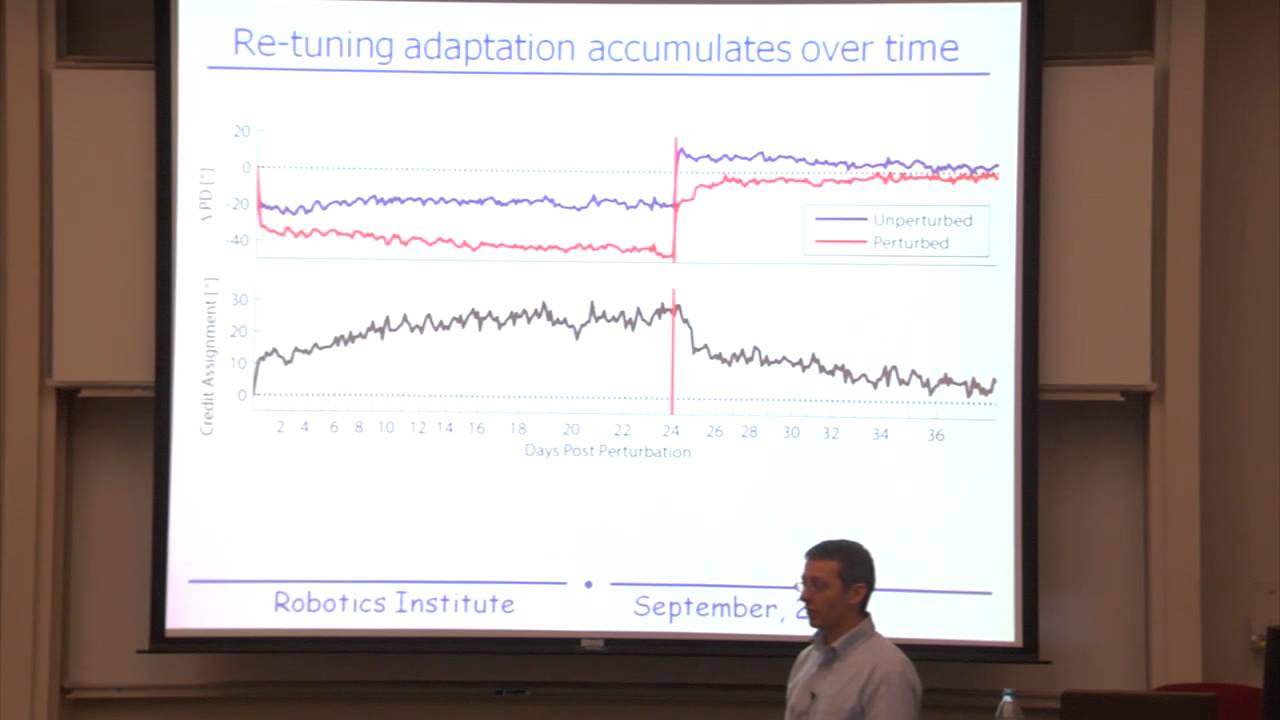
Neural Prosthetic Control: Cognitive Factors & Adaptation
@cmurobotics
765 views•2012-09-08

12:54
Triumph of Orthodoxy Icon: Byzantine Art & History Explained
@BenCallan
2.1K views•2024-08-06

9:49
FastAPI vs Flask vs Django: Choosing the Right Python Web Framework
@TechWithTim
302.5K views•2024-05-26

1:42
Game of Thrones Opening Credits: A Cinematic Analysis
@gameofthrones
46.3M views•2011-04-18
Related Study Plans & Knowledge Roadmaps
Structured learning paths in General & Interdisciplinary Studies
general-studies
Elevator Engineering: History, Physics & Cities
01From Hoists to Safety Brakes: The Dawn of Vertical Lift
02Hydraulic vs. Traction: The Engineering Physics of Elevators
03Modern Speed, Safety, and Algorithms
+ 2 more learning modules
12h5 modules
Explore Roadmap
general-studies
Rubber: Material Science, History & Geopolitics
01Origins of Natural Rubber & Mesoamerican History
02The Chemistry of Natural Rubber & Vulcanization
03The Geopolitics of the Rubber Boom & Colonization
+ 2 more learning modules
12h5 modules
Explore Roadmap
general-studies
Containerization: Evolution, Logistics & Trade
01Ancient Trade & Bulk Cargo: Amphorae to Barrels
02The Industrial Revolution & Cardboard Packaging
03The Containerization Revolution: Malcom McLean
+ 2 more learning modules
12h5 modules
Explore Roadmap
general-studies
Textile Tech: Evolution, Labor & Global Impact
01Pre-Industrial Textiles: Handloom & Cottage Industry
02Mechanization: The Spinning Jenny to the Power Loom
03The Factory System & Global Labor Transformation
+ 2 more learning modules
10h5 modules
Explore Roadmap