

![Simons, Tausen e Petri: Reforma no Norte - O GRANDE CONFLITO [TE02 EP13] 4K](https://i.ytimg.com/vi/MjZGT7Qh_6E/maxresdefault.jpg)













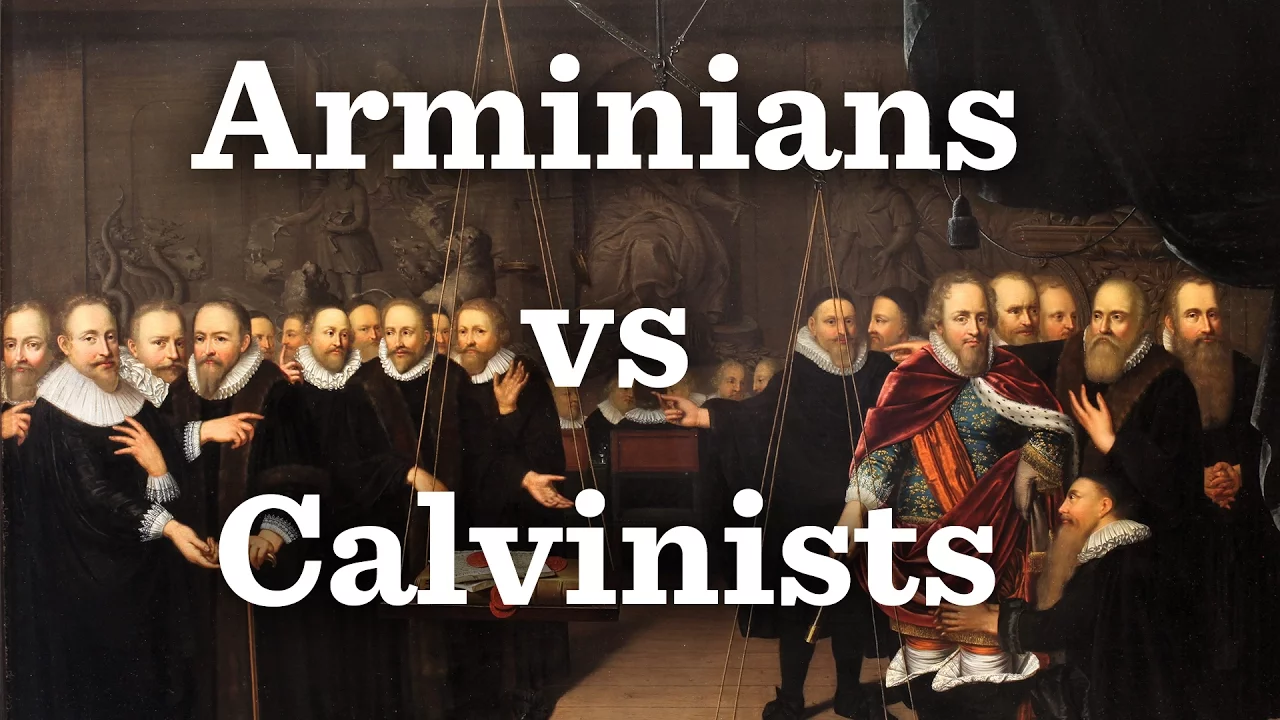


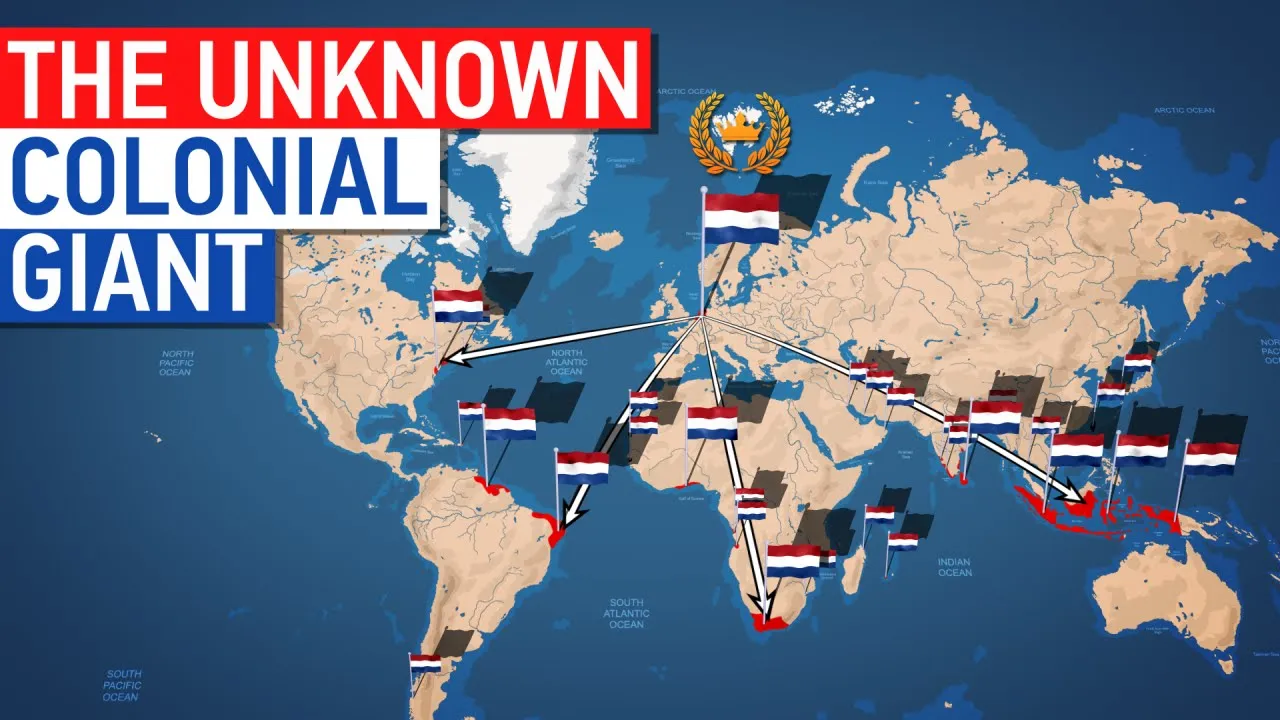
The Dutch Republic emerged in the late 16th century through a combination of political, social, and economic factors, including the unification of northern provinces under the Union of Utrecht (1575) and the Union of Utrecht (1579), which established a confederation of seven provinces with a decentralized government structure featuring the States General, Stadtholder positions, and a balance between provincial autonomy and centralized administration, ultimately transforming the region into one of Europe's most powerful imperial powers.
The Emergence of the Dutch Republic: Causes and Rise
Added:The Protestant Reformation and the spread of Calvinism in Northern Europe, which fueled religious tensions with Catholic rulers.
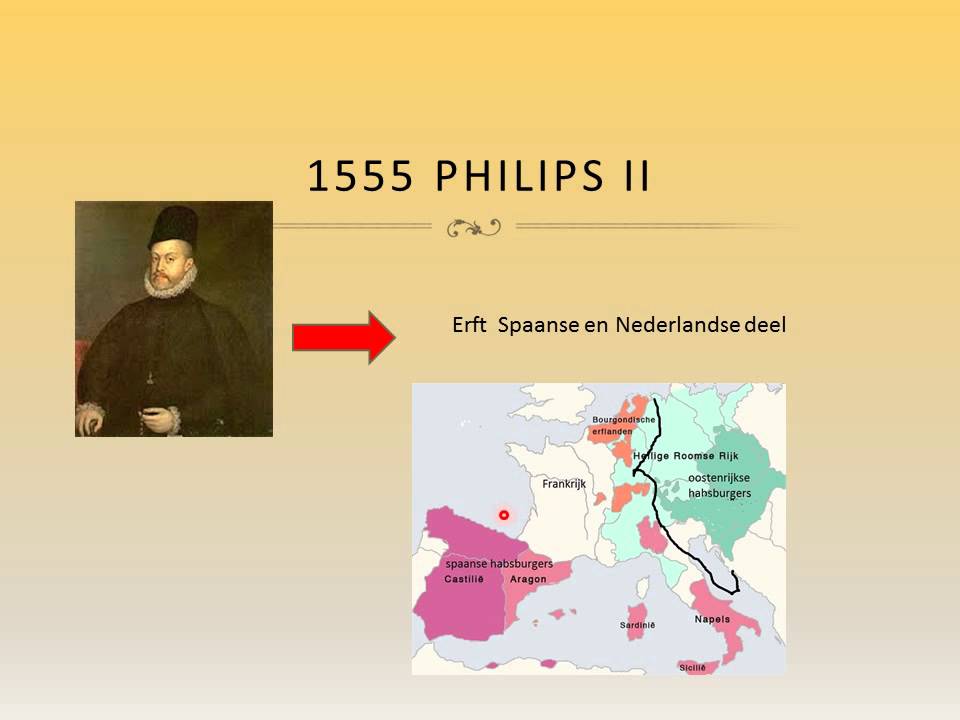
The structure of the Habsburg Empire under Charles V and Philip II, and how Spain came to rule the Low Countries.
The traditional political privileges of the Netherlandish provinces and the function of the States-General.
The economic significance of the Low Countries as a major hub for European trade and finance in the 16th century.
The Dutch Golden Age, exploring the unprecedented flourishing of Dutch art, science, and global trade during the 17th century.
The foundation of the Dutch East India Company (VOC) and West India Company (WIC), representing the birth of modern joint-stock capitalism.
The Peace of Westphalia (1648) and its formal international recognition of the Dutch Republic's independence.
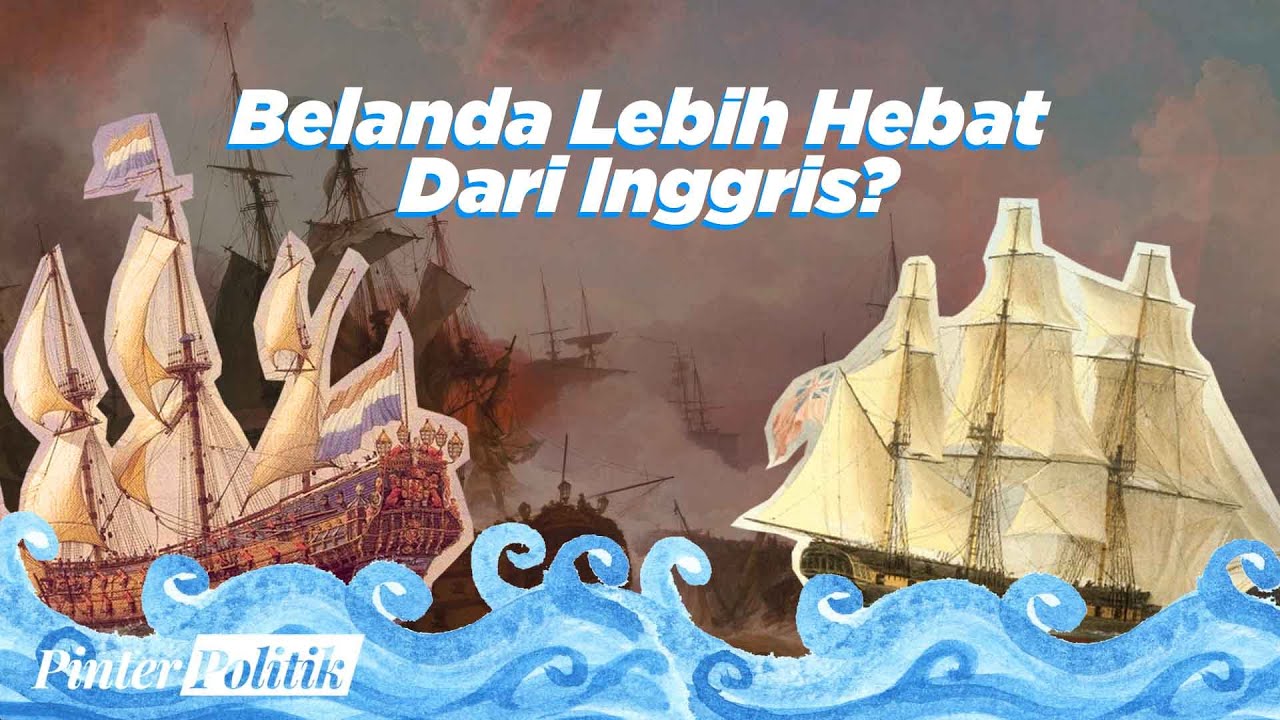
The Anglo-Dutch Wars and the geopolitical rivalry between England and the Dutch Republic over maritime trade dominance.
6.1K views74likes16:08Original Release: 2014-06-21
in this lecture we'll be examining the emergence of the Dutch Republic in the late 16th century a number of uh political social and economic factors would play key roles in the move by the Dutch to achieve independence from the Spanish Habsburg Dynasty though comparatively small in population the Dutch would arise in the 17th century as one of the most important Imperial powers in Europe as as well as the world let us Begin by considering the geography of the region of the Netherlands which are often called the low countries due to the fact that much of the area is at or below sea level this territory today makes up the Nations 21st century nations of Belgium Luxembourg and the Netherlands sometimes the term Holland is used interchangeably with the Netherlands but this is technically inaccurate Holland is specifically uh refers to the present day provinces of North Holland and South Holland though these are the most populous and well-known areas of the Netherlands there were three principal ethnic groups present in the region the Dutch the Flemish who speak a Dutch dialect and the walloons who speak French the Netherlands had been part of the Holy Roman Empire dating back to at least the 10th Century CE the southern region especially Flanders and bant were more urban and served as a center of the textile industry these regions were linked by what was known as the htic league to market across the Baltic in England and down in Tuscany the north was more of a rural Frontier in the 13th century that was gradually reclaimed by windmills and dikes during the 14th century the Netherlands was not as severely devastated by the Black Death as some parts of Europe though the the port city of antp was hard hit there was also a wave of violence against Jews in 1350 that nearly wiped out the entirety of the Jewish population of the low countries the northern provinces began to emerge as centers of bulk shipping of Timber and grain from the Baltic as well as salt from Portugal and France the north featured many medium-sized cities that focused on Commerce but there were a few major International ports the South became significantly connected to the Mediterranean economy especially the Italian city state of Florence in the 15th century the low countries became embroiled in dynastic disputes between the hoburg and the French House of valis the ruling Dynasty in France for a period of about 50 years beginning in 1432 the North and South were United under various Dukes of burgundi who were connected to the French Royal Dynasty that were the cadet branch of the the vwa in the 1430s the legislative body known as the states General was formed and centralized Finance emerged in the low countries government operations were centered in Brussels and the South became enmeshed it the with the Hundred Years War in France in the 1470s the French Crown engaged in a series of Wars against the Duke of burgundy who was Charles the Bold Charles died in the 147 7 Battle of nansi and the Netherlands were inherited by his daughter Mary of burgundy eventually the low countries passed to the house of Habsburg after her death because she had married maximilan the first the Holy Roman Emperor the hoburg brought foreign troops uh further centralized government and increased taxes to the Netherlands competing claims between maxmillian and the Vala Dynasty in France led to a series of wars with the French into the 1480s Dutch Nobles um revolted against Habsburg rule but bankers and dutched Merchants preferred the stability of the hoburg and this Revolt failed the marriage of Ferdinand II of Aragon and Isabella of Castile United most of Spain in 1468 with the exception of Granada in the late 15th century the Catholic church and Inter dynastic marriages were the only real sources of unity in Europe the daughter of Isabella and Ferdinand whose name was Wana married Philip the fair the son of the Holy Roman Emperor maximilan and Mary of burgundy Wana became unfortunately known as loka or the crazy one due to mental health issues that she suffered she spent nearly 50 years locked away in a Convent on a side note W's sister was Katherine of Aragon Henry thei for first wife so you're seeing some of these connections between dynasties um across Europe the net result for the Netherlands of these intermarriages was that the Netherlands had become part of one of the largest empires in world history Charles I was the son of hanana and Philip the fair and he ruled as Holy Roman Emperor from 1519 to 1556 he was actually born in the low countries living his first year few years in the Flemish city of gent Charles I was known as the defender of Catholic Europe against Luther and the Protestant Reformation during his Reign the Spanish conquered the Aztec and Inca Empires as a child in 1506 Charles inherited the low countries from his father in the 1549 pragmatic sanction Charles declared that the Netherlands would forever remain a hoburg domain this action stream lined the process of succession law in the 17 provinces or the low countries and it declared that all 17 of these provinces would be ruled as a single entity while this simplified governance for the Hobs bgs Dutch Nobles and Dutch political leaders saw this as an infringement upon their traditional rights with the Reformation led by Martin Luther protestantism began to take the blue areas on this man app indicate regions below sea level or vulnerable to flooding either by sea or by rivers in contrast with other European States agriculture in the 16th century Dutch provinces featured free peasants on small Lots in general subsistence agriculture was practiced though Dairy Farmers produced some products for retail sale and for export the Dutch Maritime industry produced a great deal of food for the cities by 1500 and Agricultural Revolution was emerging in Dutch regions drainage dams canals dkes and windmills led to Greater land use and even land reclamation manure from fodder crops and animal pens began to be widely used as fertilizer increasing agricultural yields still the Dutch were highly Reliant upon the importation of Baltic grain especially from Poland High rents and small farms meant that Dutch farmers were generally quite poor as the 16th century opened the South became a center for what was known as the rich trades items like textiles spices metals and sugar and the City of antp was the center of economic activity in the south in addition Associated trades Rose to prominence in Industries like Woolen cloth linen tapestries sugar refining and metal refining long-distance ships owned by wealthy Merchants provided considerable wealth to the economy of the South agriculture especially Dairy farming was still an important center of economic activity in the South the economy of the northern provinces in the 16th century is noted for the growth of Maritime Depot cities for Baltic grain and Timber goods from across the Baltic would then be trans shipped throughout Europe by Dutch Merchants shipping ship building rope sails barrels and gunny sacks were among the major industries in the north by 1580 Holland the province of Holland had 1,800 seagoing ships by comparison the city state of Venice had only 300 uh sea vessels um at its 16th century Peak the development of the flu ship in the 1590s aided the growth of Dutch shipping these ships had a small crew and were considerably roomier than com able vessels at the time this image depicts mid 17th century examples of the fluid ship these ships did not carry the heavy fire power of Portuguese and Spanish vessels and they were designed primarily for shipping that Warfare some of these fluts uh carried twice as much cargo as comparable Spanish or Portuguese ships the Dutch provinces faced significant challenges in the middle of the 16th century professionally trained bureaucrats began replacing Nobles in many government positions reducing the traditional power of the nobility a series of wars with France placed a financial burden on the population as taxes Rose to meet the war expenses the low countries emerged as convenient sites for the hoburg to launch a number of invasions of France Philip II of Spain began to rule the low countries in 1555 after Charles I retired following the Peace of Augsburg unlike Charles I however who considered the low countries his birthplace his Heir Philip II had the little real connection with the region except as a source of uh income Dutch Exiles began to convert to Calvinism and Calvinists then began to be found among Dutch business and government leaders during the 1550s by the 1560s protest protestantism was well positioned in the north with over half the population becoming Protestant uh to a lesser extent in the South the French Wars of religion also served to destabilize the low countries the Buon storm which rough roughly translates as Statue storm or iconic clastic uh controversy was a mob directed wave of Destruction that began in 1566 against religious images especially in Roman Catholic churches and in public spaces strict Calvinists believe that religious imagery could be a form of idolatry or that people would be worshiping the image and not God the Council of troubles which the Dutch called the Council of blood was a tribunal created in 1567 by the Spanish governor general of the Habsburg Netherlands the council was intended to address the religious political and social unrest in the low countries many non- noble wealthy Dutch were targeted and many of these folks chose to leave in 1569 the Spanish levied taxes for a standing army in the low countries which further angered the Dutch who believed they should not have to pay for an army that attacked its own people William the silent uh emerged as a leader of the Dutch resistance in order to end a Siege the dikes were cut at the city of Leiden in 1574 to allow seab based reinforcements to reach that beleaguered city um finally a group of rebels known as the seab Beggars began to seize ports in the region the image on this slide depicts a 1566 raid on Amsterdam's Port facilities by the Sea Beggars these were calvinist Dutch Nobles who led bands of mercenaries and sailors in a prolonged period of resistance against the Spanish the seab Beggars emerged as privateers who attacked Spanish ships and plundered Spanish strongholds in the Netherlands the name was originally applied to Dutch Rebels as a pejorative term but the seab Beggars later adopted the name as a source of Pride the process of unifying the northern provinces began with the Union of Holland and Zealand the provinces in 1575 the nucleus of the emerging Dutch State uh were common Financial administrative and Military concerns that the provinces shared the other five Northern provinces joined in what became known as the union of utre in 1579 which you can see circled on this map the provinces of the Southern Netherlands signed their own accord called the union of Aras a r Ras which pledged loyalty to the Spanish Crown the image on this slide is a 1658 map of the Republic of the seven United Netherlands or the northern provinces the Republic consisted of seven provinces in total and 18 designated municipalities all political social and economic questions were discussed in the towns first at the Province level each province had one vote in the states General though the provinces of Holland and Zealand were much more powerful due to their greater wealth and higher population the rod vanat or Council of state provided the basic Administration for confederation matters such as the military finances and taxes admirality colleges served as the administrative body in charge of Customs ports and River maintenance the highest office in the Dutch Republic was the stat holder a term that roughly translates as placeholder or city holder theoretically the stat holders were freely appointed by each province but in practice the princes of Orna of the House of oranna nasau beginning with William the silent were always chosen as St holders of most of the provinces in an attempt to break the Dutch Revolt the Spanish laid Siege to the important city of antp in the southern provinces in 1584 at the time Anor was not only the largest Dutch City but was also the cultural economic and financial heart of the 17 provinces and of Northwestern Europe the city was heavily damaged as a result of the siege which took the Spanish and their allies nearly 13 months to conquer onor Protestants were forced to leave after the fall of the city and in total approximately 60% of its citizens left Anor so the the victory was a hollow one for the hoburg as the capture of Anor merely strengthened the city of Amsterdam to the north people from the South were the earliest immigrants to the uh United provinces many of these immigrants brought distinct skills such as linen bleaching which you can see on this uh slide accompanying the or the image on the slide and tilework poor Eastern dutch-speaking people were the next major group to immigrate to the United Pro es which became a magnet for uh uh free peasants and uh people of Dutch ethnicity during the 30 Years War from 1618 to 1648 the United provinces also attracted tens of thousands of German immigrants the N result of all this migration was that Amsterdam was now the new center of pols politics economy and culture in the Netherlands this draws to a close our look at the emergence of the Dutch Republic
Up Next
7:00
History of the Netherlands: Dutch Golden Age & Empire (c. 1500-1945)
@Suibhne
526.7K views•2019-07-26

33:02
The Great Schism of 1054: Causes and Consequences
@SacredCathedrals
113.5K views•2026-02-19

91:57
The Geopolitics of the Ukraine War and the Rise of Global Autocracy
@JordanHarbingerShow
468K views•2025-04-19
17:05
Understanding the Cold War: Superpower Conflicts and the Road to Détente
@OverSimplified
46.1M views•2019-01-24
Related Study Plans & Knowledge Roadmaps
Structured learning paths in History
history
Byzantine Iconoclasm: Theology, Art & Politics
01Foundations of Byzantium and Early Christian Images
02The First Iconoclasm: Leo III and the Crisis of Images
03Empress Irene, Nicaea II, and the Second Iconoclasm
+ 2 more learning modules
9h5 modules
Explore Roadmap
history
Iranian Revolution (Causes, Events & Legacy)
01The Pahlavi Dynasty and the Roots of Discontent
02The Spark of Rebellion and the Rise of Khomeini
031979: The Fall of the Shah and the Climax of the Revolution
+ 2 more learning modules
8h5 modules
Explore Roadmap
history
Mali Empire: Mansa Musa, Trade & Timbuktu
01Foundations of the Mali Empire
02The Trans-Saharan Gold and Salt Trade
03The Reign and Pilgrimage of Mansa Musa
+ 1 more learning modules
6h4 modules
Explore Roadmap
history
1947 Partition: Politics, Borders & Legacies
01Foundations of British India and the Divide
02The Political Negotiations and the Mountbatten Plan
03Drawing the Boundary: The Radcliffe Line
+ 2 more learning modules
8h5 modules
Explore Roadmap