

















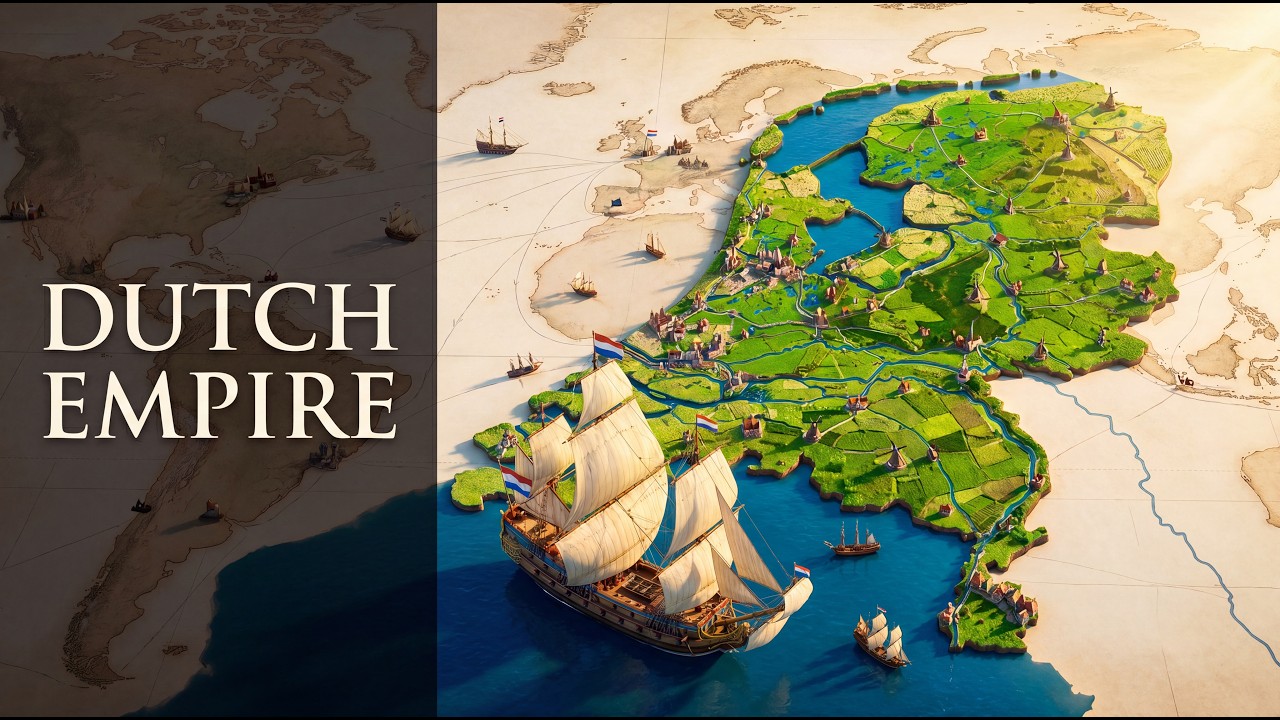

The Netherlands transformed from a feudal territory under Habsburg control into a powerful maritime republic through the Dutch Revolt (Eighty Years' War), establishing the world's first publicly traded company (VOC) that dominated global trade for half a century and fueled the Dutch Golden Age of art and science; however, internal economic policies that prioritized foreign lending over domestic development, combined with external pressures including Anglo-Dutch wars and French revolutionary intervention, ultimately led to its decline and eventual annexation into the French Empire, followed by the creation of Belgium and the modern Dutch state.
History of the Netherlands: Dutch Golden Age & Empire (c. 1500-1945)
Added:The Protestant Reformation (particularly Calvinism) and its role in causing religious and political friction with the Catholic Spanish Habsburg Empire.
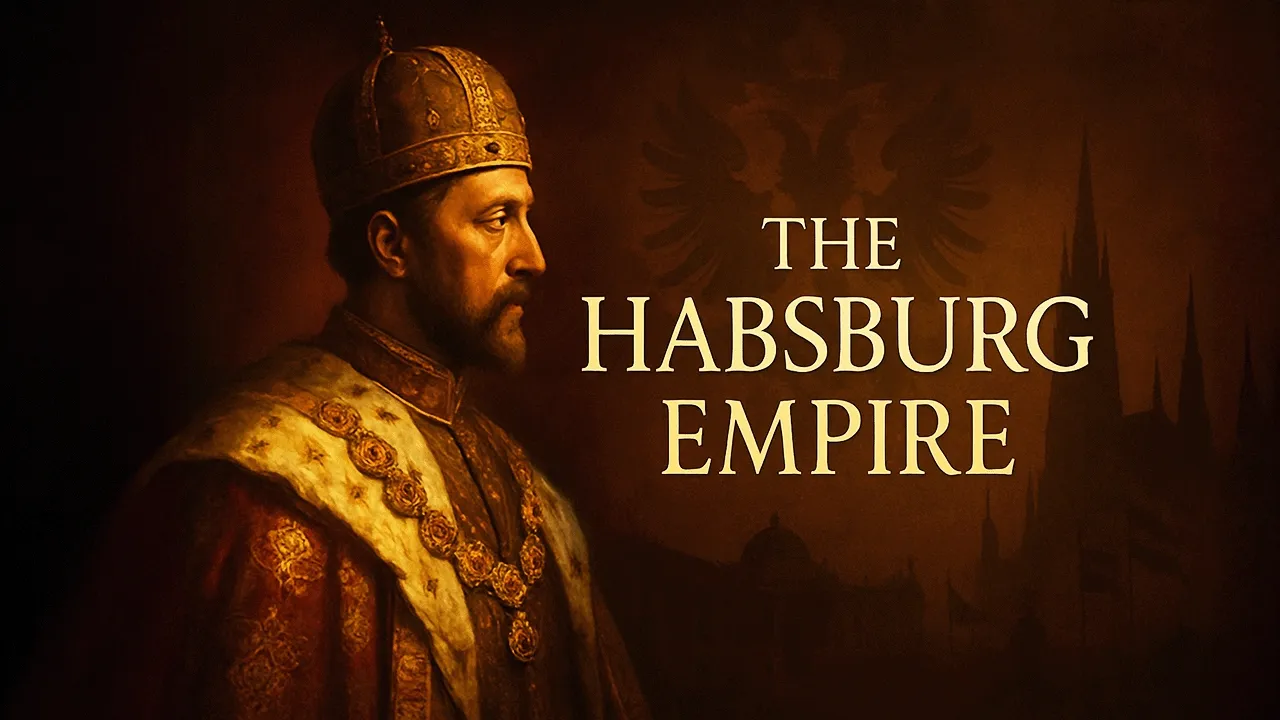
The political structure of the Holy Roman Empire and the dominance of the Habsburg Dynasty in 16th-century Europe.
The fundamental concepts of mercantilism and the initial phase of the European Age of Discovery led by Spain and Portugal.
The economic innovations of the Dutch East India Company (VOC) and West India Company (WIC), including the birth of the world's first formal stock exchange in Amsterdam.
The cultural and scientific achievements of the Dutch Golden Age, including Dutch Realism art (Rembrandt, Vermeer) and early modern philosophy (Spinoza, Descartes).
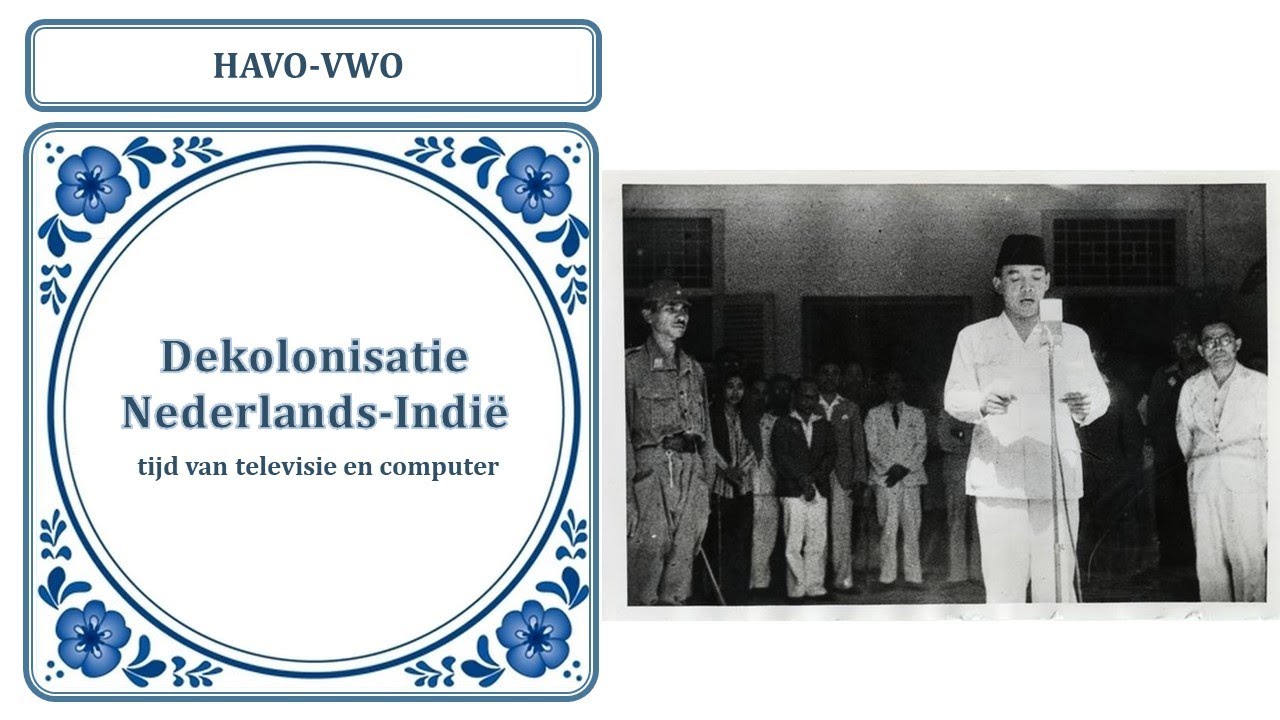
The decolonization of the Dutch East Indies (modern Indonesia) post-WWII and its impact on post-war Dutch society and international relations.
A comparative study of the Dutch maritime empire's commercial model versus the territorial imperialism of the British and French Empires.
526.7K views11.8Klikes7:00Original Release: 2019-07-26
this episode is supported by audible Hamazon Prime members can get an incredible 66 percent of their first three months at audible.com slash su ibh any only available for a limited time so sign up fast the morass henry fear who fold a locker london was in doing before cab eight under head hail hamza right verse a hoot Verdun had oven fan taken canal and invent Mullins on father ate on lanta pumpin in a in Europa's handle sentiment in broad montec ririn the fro Henare lenders very ample room tomo handle scripts bow in hydro-engineering in the Frankish [ __ ] are variks broken who owned the evolutionary near Lancet are of dolphin at Lackland in those rare in the near Landers abhorrent [Music] feudalism held sway in the land and as the trade increased the cities of Amsterdam Prussia and unhappen prospered and soon these trading posts became more and more integrated into the Hanseatic League a sort of trade agreement in the North Sea after the Viking raids had ceased through both conquest and inheritance the Dutch counties came under the control of the House of Burgundy they then passed it on to the Austrian House of Habsburg they pulled the Netherlands out of the Hanseatic League and then took over control of trade themselves this is known as the era of the seventeen provinces but by this point the merchants had begun to embrace Calvinist Protestantism this led to the Dutch Revolt also known as the eighty years war also known as the Dutch war for independence the war was a complex mix of secular religious and mercantile motives but saw the northern provinces unite in the Treaty of Utrecht against the Spanish Union of Arras the Spanish marched north though and managed to take back most of the south in 1581 the united provinces declared themselves free and independent and the war became about securing that declaration during the war the Protestants in the South fled to the north and the French Calvinists called the Hyuga nose followed suit making Netherlands a firmly Protestant controlled nation and in 1588 became a Confederated Republic because they couldn't really find a good king instead they instituted the start holders with the house of orange-nassau but only with the provinces approval the Dutch were very good at two things by this point water and money so they combined them and formed the Verdana de austin Dasia company to begin trade in the Indian Ocean the Dutch Revolt overlapped with the broader 30 Years War in which Spain was defeated and finally recognized as independent in the Peace of Westphalia Jewish settlement increased as the tolerance of the New Republic was appealing to the persecuted Sephardic Jews as well as growth in the small community of Ashkenazi Jews the V OC brought immense wealth to the Dutch Republic revolutionizing modern banking and finance that citizens enjoyed shares in the company helping spread the wealth more evenly this fuelled the dutch golden ages of art architecture and building of universities making huge strides in science and medicine the voz dominated trade for half a century founding trade colonies all over the world it wasn't all rainbows and sunshine the voz operated with little to no oversight and were often very violent and engaged heavily in the slave trade they eventually lost this dominance to the English but their legacy as engineers and shipbuilders and financiers continued to spur growth this became aggravated by Dutch merchants lending money to foreign powers thereby protecting and growing their own wealth which simultaneously stagnated the economy in the Netherlands while propping up for our nation's but you know that's capitalism for you the decline in prosperity and the devastating anglo-dutch wars soon made them prime targets for French revolutionaries overthrew the Dutch and created the Batavian Republic then monarchy under Napoleon's brother before final annexation into the French Empire including the southern Netherlands when Napoleon was defeated the Congress of Vienna created the United Kingdom of the Netherlands merging with the southern Netherlands to create a buffer state between France and the German states William the first of the House of Orange was made King however it was pretty short-lived because the southern Netherlands was almost all Catholic and the French language was far more important there the South fought an independence war and broke away from the Dutch forming the nation of Belgium the Dutch returned to their economic ways and were decidedly neutral during the first world war after the chaos died down they found themselves battling the great depression mostly by furthering trade with their colonies in Suriname and the Dutch East Indies this was halted during the second world war in which the Netherlands was invaded to bypass the Maginot Line the small country fell to the Germans and its Jewish population were deported and killed in the Holocaust Rotterdam the second largest city and major trade port was firebombed and completely destroyed by the Luftwaffe the Dutch East Indies was lost to Japan in 1942 Operation Market Garden was part of a larger strategy to cross the Rhine River to advance into the northern Netherlands and northern Germany but it was deadlock and they ultimately failed to capture the crossing at Arnhem in September of 1944 instead the troops would concentrate on vessel and reefs on the Rhine to liberate the Netherlands punching a deep hole through German territory and invading from the east this incredible military achievement saw the greatest paratrooper landing in history with more than 1.2 million allies involved and massive success for the Allies who were able to advance around the Dutch choke point you can learn more about this real-world event in the incredible audio book for hours of fury by James M Fenelon for free for new members when you sign up for audible an extremely well researched and well-documented narrative of the battle for which he had a special interest as a paratrooper himself and there is a special deal for Amazon Prime members until July 31 you can sign up for an audible membership and get an incredible 66 percent of your first 3 months basically getting 3 months for the price of one new audible members can listen to this book for free or choose your own in the vast library of fiction and nonfiction and copious amounts of history and you even get one free audiobook and two audible originals per month for free giving you more than ever with an audible membership head to audible.com slash su ibh ne or text su ibh any 2 500 500 and listen for free today with audible thank you for watching please like and subscribe and if you really enjoy the content you can support on patreon follow me on Twitter for any updates until next time [Music]
Up Next
18:31
The Dutch East India Company's Rise and Fall: A Business History
@HowHistoryWorks
761.5K views•2024-07-17

93:30
Zola, Baudelaire, Maupassant & the Transformation of Paris, 1852-1900
@SylviaSagona
5.6K views•2015-05-31

91:57
The Geopolitics of the Ukraine War and the Rise of Global Autocracy
@JordanHarbingerShow
468K views•2025-04-19
17:05
Understanding the Cold War: Superpower Conflicts and the Road to Détente
@OverSimplified
46.1M views•2019-01-24
Related Study Plans & Knowledge Roadmaps
Structured learning paths in History
history
Byzantine Iconoclasm: Theology, Art & Politics
01Foundations of Byzantium and Early Christian Images
02The First Iconoclasm: Leo III and the Crisis of Images
03Empress Irene, Nicaea II, and the Second Iconoclasm
+ 2 more learning modules
9h5 modules
Explore Roadmap
history
Iranian Revolution (Causes, Events & Legacy)
01The Pahlavi Dynasty and the Roots of Discontent
02The Spark of Rebellion and the Rise of Khomeini
031979: The Fall of the Shah and the Climax of the Revolution
+ 2 more learning modules
8h5 modules
Explore Roadmap
history
Mali Empire: Mansa Musa, Trade & Timbuktu
01Foundations of the Mali Empire
02The Trans-Saharan Gold and Salt Trade
03The Reign and Pilgrimage of Mansa Musa
+ 1 more learning modules
6h4 modules
Explore Roadmap
history
1947 Partition: Politics, Borders & Legacies
01Foundations of British India and the Divide
02The Political Negotiations and the Mountbatten Plan
03Drawing the Boundary: The Radcliffe Line
+ 2 more learning modules
8h5 modules
Explore Roadmap