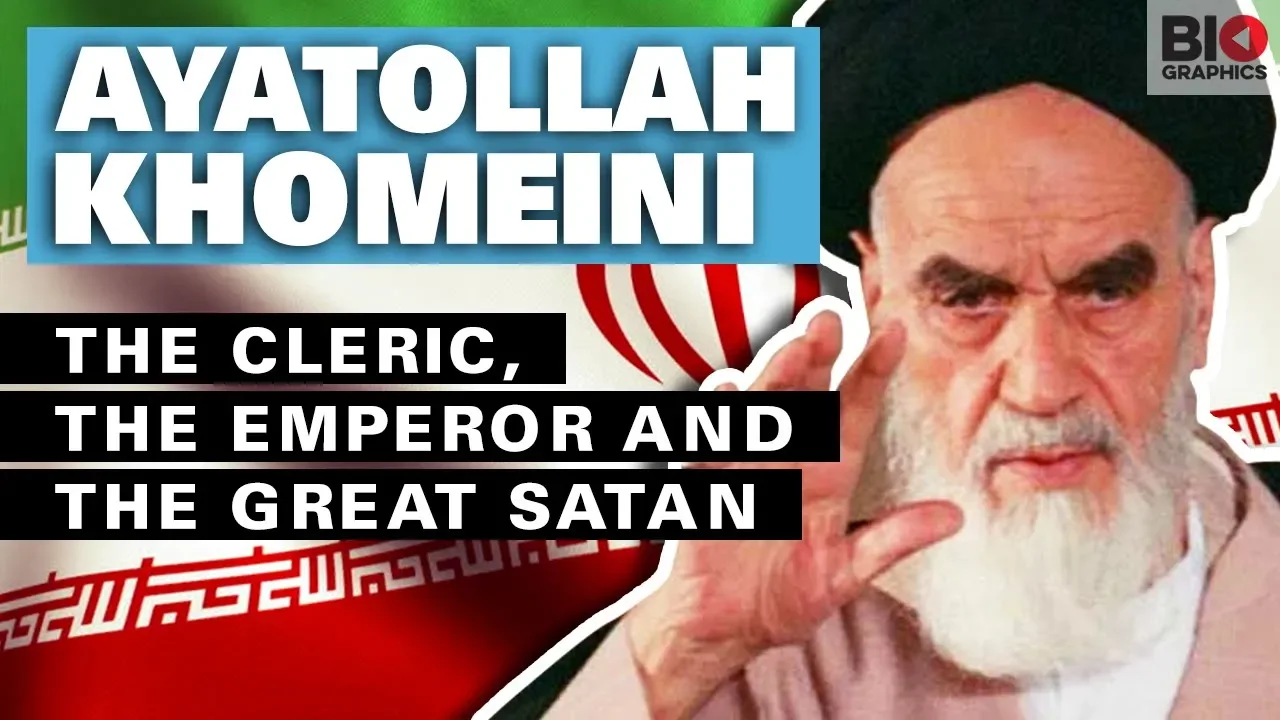

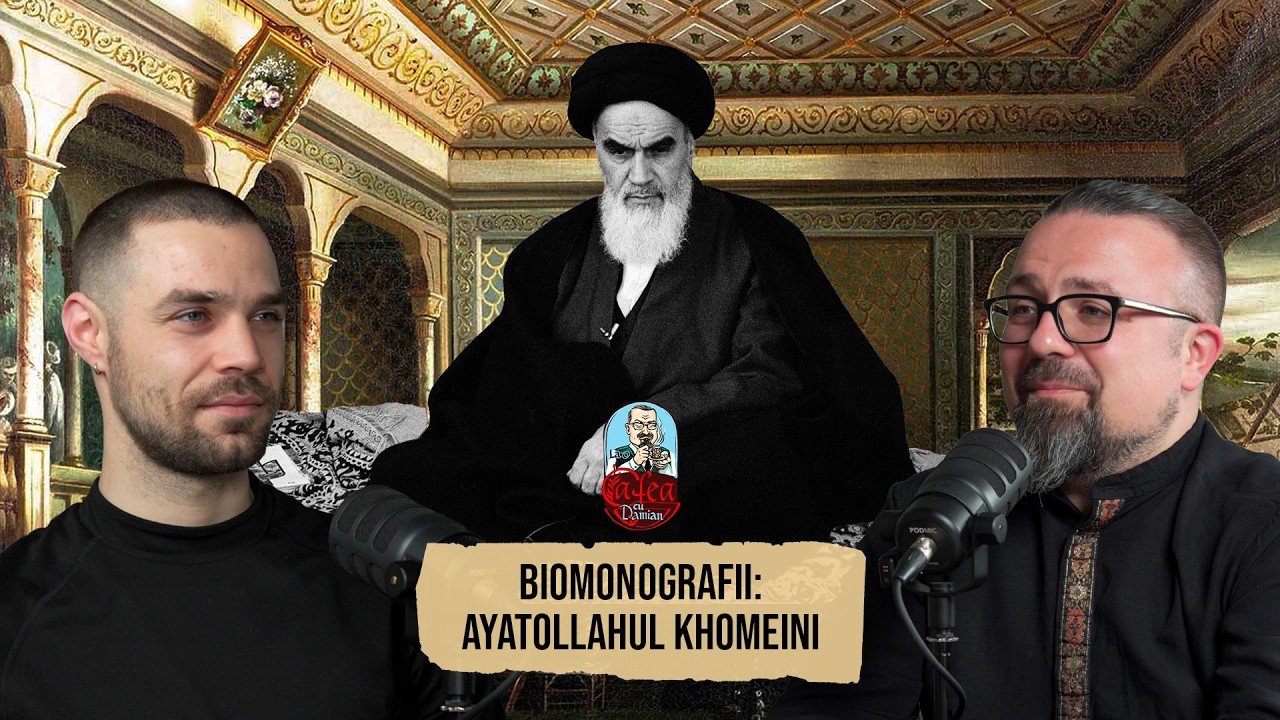
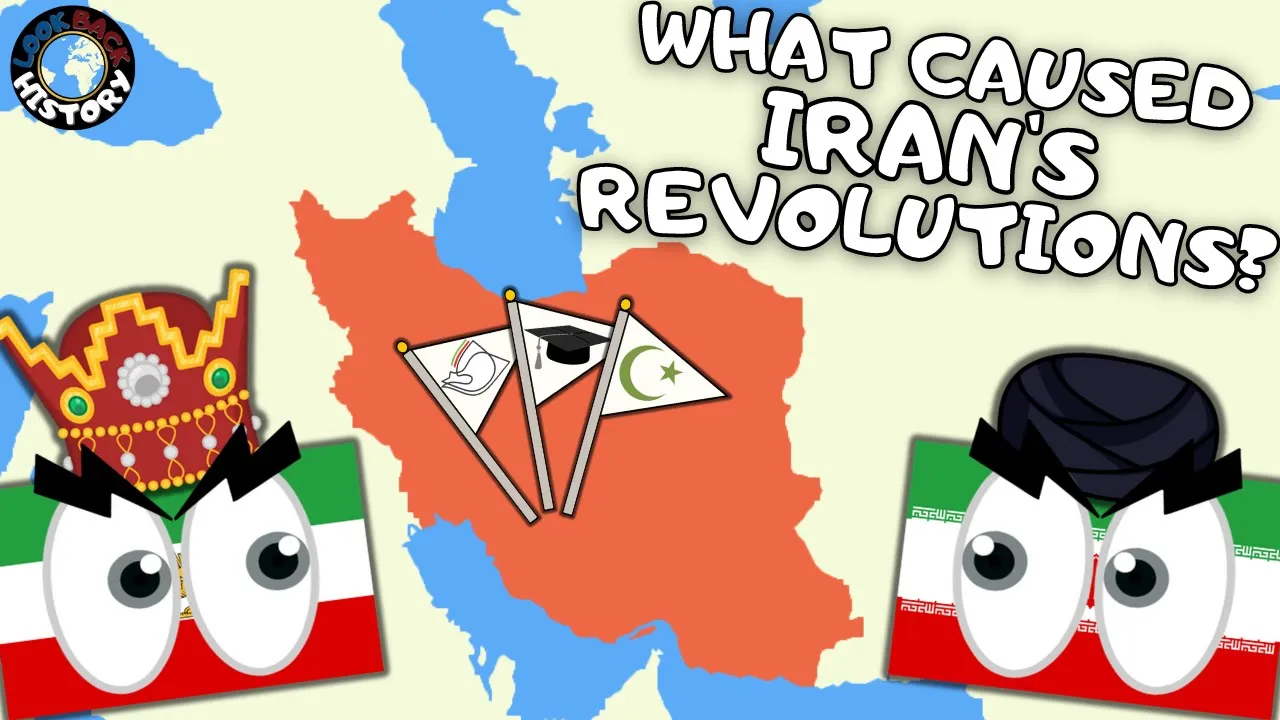



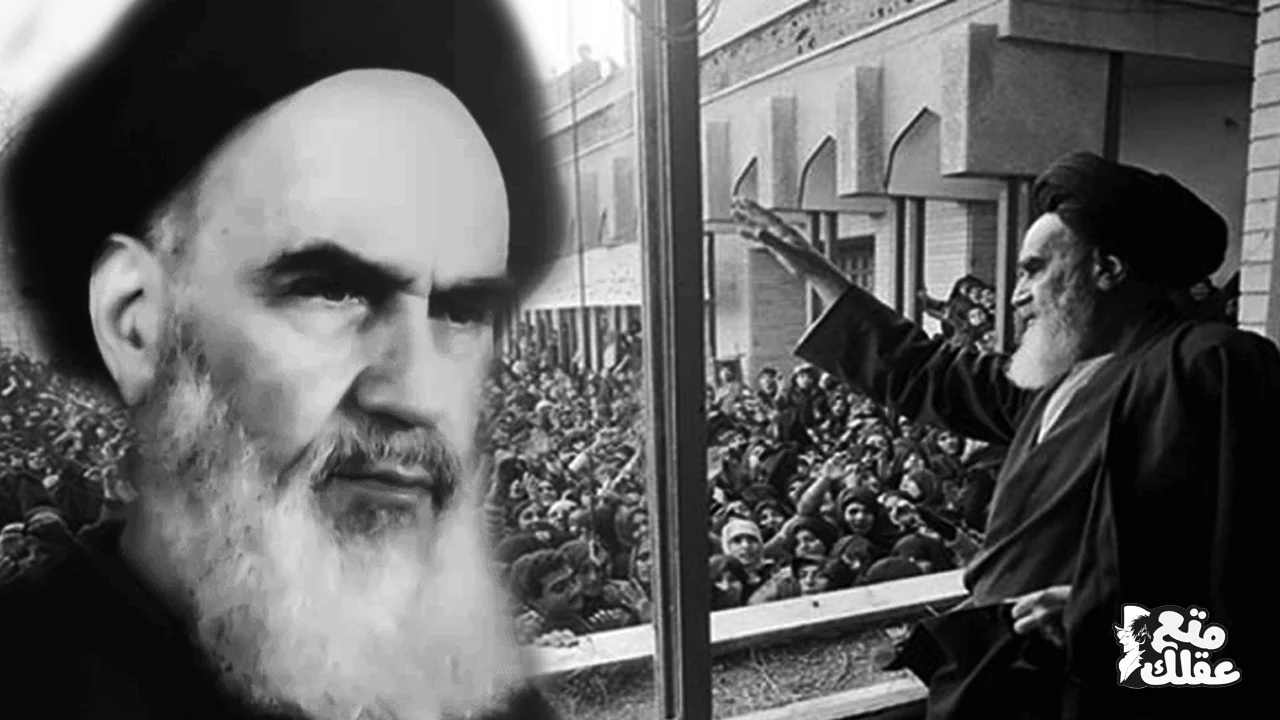






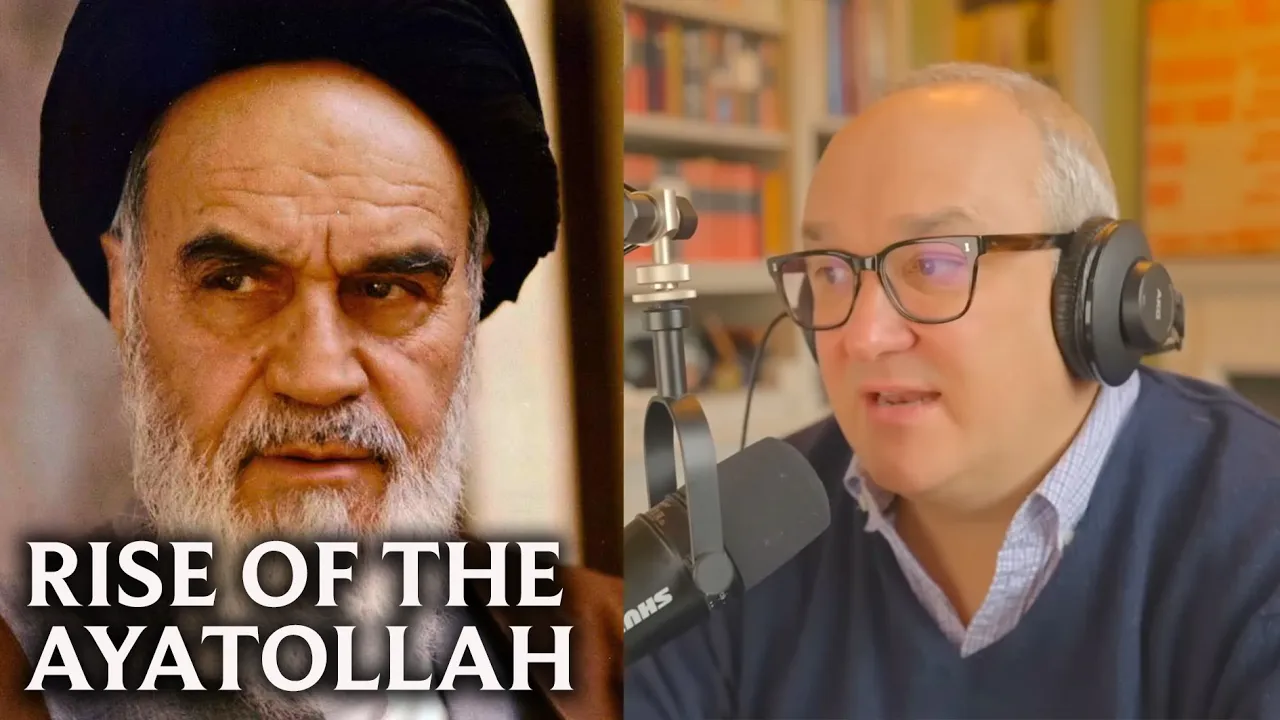

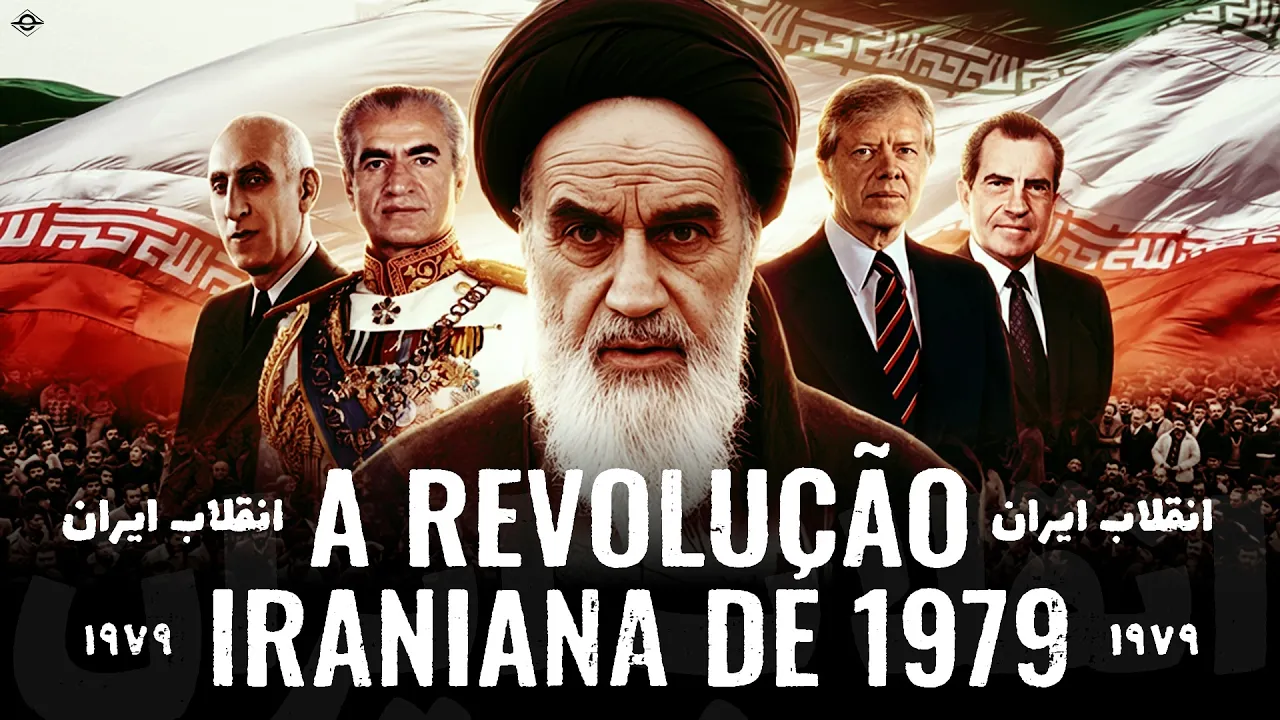




On January 16, 1979, Mohammad Reza Pahlavi, the Shah of Iran, fled the country during the Iranian Revolution, marking the end of his 37-year rule and the rise of Islamic fundamentalists led by Ayatollah Ruhollah Khomeini; this event followed over a year of violent mass demonstrations and represented a significant shift in Middle Eastern politics, transitioning Iran from a Western-aligned monarchy to an Islamic republic.
Iranian Revolution 1979: Shah's Departure & Exile
Added:The domestic reign of Mohammad Reza Pahlavi (the Shah), including his modernization and secularization policies known as the 'White Revolution,' as well as the authoritarian rule enforced by his secret police, SAVAK.
The 1953 Iranian coup d'état (Operation Ajax), wherein the US CIA and British MI6 helped overthrow the democratically elected Prime Minister Mohammad Mossadegh, restoring the Shah and generating deep-seated anti-imperialist sentiment.
The role of Ayatollah Ruhollah Khomeini as a dissenting Shia cleric, his exile in the 1960s and 1970s, and his political philosophy regarding Islamic governance.
The geopolitical dynamics of the Cold War, particularly how the United States viewed Iran as a crucial strategic buffer against Soviet expansion in the Middle East.
The formal establishment of the Islamic Republic of Iran and the drafting of its unique theocratic constitution based on 'Velayat-e Faqih' (Guardianship of the Islamic Jurist).
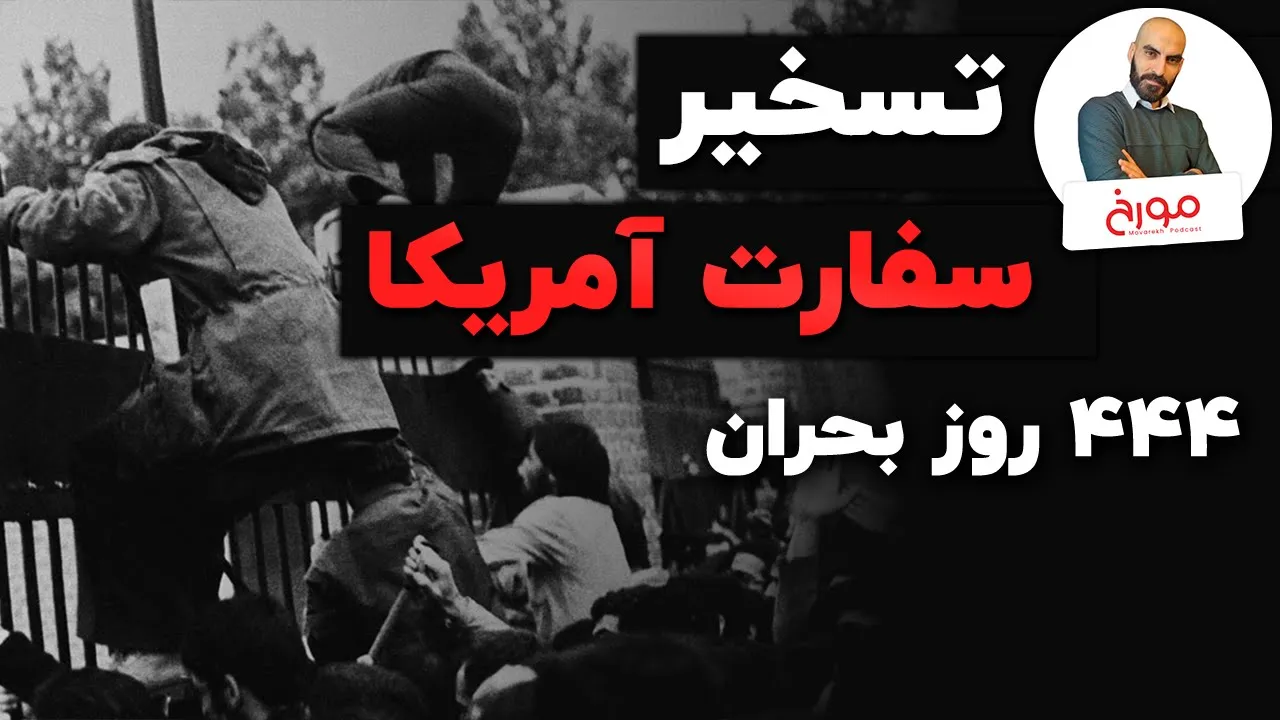
The Iran Hostage Crisis (November 1979 - January 1981), during which Iranian students seized the US Embassy in Tehran, permanently reshaping US-Iran relations.
The outbreak of the Iran-Iraq War (1980–1988) and how the external conflict helped Ayatollah Khomeini consolidate domestic power and silence political opposition.
The broader geopolitical realignment of the Middle East post-1979, including the export of Islamic revolutionary ideals and the intensification of the Saudi-Iranian regional rivalry.
190.6K views1.6Klikes10:23Original Release: 2023-01-16
this is the CBS Evening News with Walter Cronkite good evening a tearful Shaw of Iran left his country today on a vacation from which he may never return and for the first time since violent allyshaw protests began in Iran more than a year ago there were celebrations in the streets of Tehran Bob McNamara is there chaotic celebrations erupted in Tehran when the news broke the Shah had gone it was like Liberation day martial law soldiers trapped in traffic were showered with scores of flowers and kisses the same soldiers who were accused of murders of massacres and atrocities and trying to keep the Shah in power a newspaper with the headline Shah leaves was in the streets within minutes of his departure and Welding crowds chanted the Shah is defeated komani has won some people cut the Shah's portrait out of Iranian currency notes while dozens threw penny-sized candy into the crowd following a traditional custom of displaying happiness despite fuel rationing tens of thousands surged into the center of Tehran honking their car horns flashing the lights and waving windshield wipers prize of the crowds brought constant army helicopter patrols above main Avenues just before sundown despite the fact the Shah has officially gone on an extended vacation some believe he must stay away forever today there were more shouts of Yankee go home Yankee referring to any Foreigner PE American or Asian or Pakistani or Polynesian but several people were anxious to point out these are all Muslims there are no Communists here they said in the meantime there was a stepped up campaign to replace the Shahs portrait with photos of exiled Ayatollah Khomeini trucks loaded with packages of Khomeini posters arrived at the Tehran Bazaar for distribution today men and young boys were selling Khomeini dinner plates and photos like scorecards and programs are sold at football games the largest demonstrations ever staged in Iran are expected on Friday to show support for comani and urge him to return from Exile Bob McNamara CBS News Tehran it was the second time in his 37 years on the Peacock Throne that the shaw was forced to flee Iran the first time in August 1953 when he was ousted in a brief parliamentary takeover the CIA put him back in power six days later but many observers believe today's departure will spell the end of the 59-year-old Monarch's rule as he and his wife the empress Farah left Tehran the shaw carried a small container of Iranian soil he piloted an Iranian Air Force jet on a flight to S1 Egypt the first stop toward his ultimate destination the United States Doug septon reports the Shah of Duran today embarked on what could be his Exile there was little cheer or cause for it as a Shaw and Empress stepped onto the foreign soil of this provincial airport president and mississaugat greeted the royal couple as the presidential guard played national anthem [Music] thank you Egypt and Iran to this point have enjoyed warm relations the man in the street here is aware that it was the Shah who came to Egypt's Aid with badly needed oil during the October 1973 War at a time when other oil states were slow and deliberate small crowds there were along the motorcade route were squeezed into the Town Center soldiers stationed shoulder to shoulder guaranteed the safety of the official Party The Shaw and the empress will be housed in a tourist Hotel on an island in the Nile their stays of Uncertain duration so far but meetings have been scheduled Egyptian officials indicate the two men will discuss what they believe to be the Russian Menace which threatens the entire Middle East God has expressed concern over how it could happen for a ruler to seem to have everything and then to lose it advisors close to the president have conceded that the fish but they will not turn their backs on him now what can be said about the Shah's reception here is that it was friendly no small thing for a man who's not sure at this point just how many friends he has Doug Sefton CBS News Aswan Egypt before the Shaw's departure from Tehran a severe earthquake hit Northeastern Iran there were no immediate reports of casualties or damage all the royal family now is believed out of Iran the Shah's mother arrived in the United States last month his mother-in-law and three of his children and possibly other family members arrived today at Reece Air Force base near Lubbock Texas where the Shaw's 17 year old Sons undergoing pilot training we'll return in a moment with more on the Iran story the final obstacle to the Shaw's leaving was removed early today when Iran's a lower house of parliament by a four to one margin approved the civilian government of prime minister shapur bhaktiar the major block now to bhakti are is possibly a Muslim high priest living in Exile in France Don cladstrup reports a victory for the people was how Ayatollah homini described it his friends and followers clearly agreeing as the 78-year-old exiled Muslim leader emerged from his Cottage near Paris after learning the Shah had left Iran it was hominy more than any other person who helped bring about the Shah's downfall who today called the Monarch's departure a first step towards ending 50 years of tyrannical rule in Iran hominy warned the United States against trying to remove or destroy American military equipment in Iran equipment the Ayatollah said had already been bought and paid for he reiterated his opposition to the present civilian government there calling on all workers to resign and announcing that he would soon introduce a provisional government for the country that would pave the way for free elections hominy has been living in France since October after spending years of Exile in Iraq while he said much today about what he wants he said little about what he would do next in calling on Iranians to put aside their differences and start working to put the country back together he gave almost no hint when he might return to Iran to personally help in that effort no one not even hominy himself apparently knows exactly when he will leave here and return to Iran a decision has not been made all I can tell you said a spokesman is that his departure will be very soon Don cladstrup CBS News Pontchartrain France in addition to warning the United States against tampering with American military equipment in Iran how many have warned the Iranian Army that not to protect that equipment would be treasonous because of Iran's strategic location there is a lot of very sophisticated gear and the U.S now must determine what to do with it Mike Pappas reports the Iranian Air Force is said to have removed and stored underground certain so-called black boxes that control such things as the electronic Jammers and guidance systems on the American-made F-14 Fighters and super secret Phoenix missiles they carry to prevent sabotage from dissidents Pentagon spokesman Thomas Ross said none of the intelligence gathering equipment owned by the defense department has been removed from Iran and is still operating the equipment was described as being in place and unmolested however it is believed that the CIA may have begun to dismantle some of its far-reaching radar equipment along Iran's northern border used to monitor Soviet military movements Communications and missile testing officials said the United States remains satisfied the Iranian military is quite adequately protecting the American-made weapons in its possession American military officials meet daily with the Iranians to maintain security Ike Pappas CBS News the Pentagon Iran has been one of the United States major listening posts on the Soviet Union's Southern border but with Iran's now tenuous nature the U.S has begun negotiations with turkey to ensure that intelligence gathering might continue at the state department however officials maintain its business as usual with the ram Marvin Kalb reports the United States plans no drastic change in policy despite the Shah's departure U.S ambassador William Sullivan is under orders to continue working closely with prime minister bakhtar's new regime to re-establish the American position in Iran at the same time U.S diplomats in Paris and Tehran are starting to develop ties with the Khomeini religious faction and General Robert Heiser Deputy Chief of Allied Forces in Europe has again extended a stay in Tehran to discourage a military coup and to oversee the security of American intelligence apparatus so it doesn't fall into unfriendly hands then there is the question of what happens to billions of dollars of Iranian orders for American Military supplies 12 billion dollars between now and 1983.
Iran may not want those weapons any longer behind the scenes officials are engaged in a crash review of American policy because few have any confidence in the backyard regime's ability to manage the crisis they anticipate khomeini's return to Iran the possibility of a split in the Iranian military and then the likelihood of further turmoil chaos and perhaps Civil War Marvin kelp CBS News the state department at Iran's U.N Mission all the diplomats and employees accept Ambassador hoveda announced they were loyal to the new regime and they removed pictures of the royal family from their offices they also exposed two members of the delegation as members of Sava the Iranian secret police in Iran's Washington Embassy several staff members were calling for the removal of Ambassador artist sir zahidi a former son-in-law and long-time Consular to the shaw
Up Next

41:31
Iran, Israel, and the United States: A 40-Year Secret War | DW Documentary
@DWDocumentary
1.1M views•2025-06-26

26:22
Walking in the City: Urban Rituals and the Flâneur in Contemporary India
@PSBTIndia
1.9K views•2016-08-02

9:49
FastAPI vs Flask vs Django: Choosing the Right Python Web Framework
@TechWithTim
302.5K views•2024-05-26

1:42
Game of Thrones Opening Credits: A Cinematic Analysis
@gameofthrones
46.3M views•2011-04-18
Related Study Plans & Knowledge Roadmaps
Structured learning paths in General & Interdisciplinary Studies
general-studies
Artificial Light: History, Tech & Human Impact
01The Pre-Electric Era: Fire, Oil, and Gas Lighting
02The Incandescent Revolution and Grid Electrification
03Gas Discharge and Fluorescent Illumination
+ 3 more learning modules
14h6 modules
Explore Roadmap
general-studies
Elevator Engineering: History, Physics & Cities
01From Hoists to Safety Brakes: The Dawn of Vertical Lift
02Hydraulic vs. Traction: The Engineering Physics of Elevators
03Modern Speed, Safety, and Algorithms
+ 2 more learning modules
12h5 modules
Explore Roadmap
general-studies
Rubber: Material Science, History & Geopolitics
01Origins of Natural Rubber & Mesoamerican History
02The Chemistry of Natural Rubber & Vulcanization
03The Geopolitics of the Rubber Boom & Colonization
+ 2 more learning modules
12h5 modules
Explore Roadmap
general-studies
Containerization: Evolution, Logistics & Trade
01Ancient Trade & Bulk Cargo: Amphorae to Barrels
02The Industrial Revolution & Cardboard Packaging
03The Containerization Revolution: Malcom McLean
+ 2 more learning modules
12h5 modules
Explore Roadmap