Nobel laureate Tu Youyou discovered artemisinin, a breakthrough antimalarial drug, by combining traditional Chinese medicine knowledge with modern scientific methods; inspired by a 1,700-year-old medical text, she conducted 191 trials before successfully isolating the compound in 1971, which has since saved over 1 billion lives and opened new pathways for integrating traditional Chinese medicine into global healthcare.
Tu Youyou's Artemisinin Discovery: A Nobel-Winning Malaria Breakthrough
Added:Deep Dive
The biology of the malaria parasite (Plasmodium species) and its transmission vector, the Anopheles mosquito.
#LT_GIC_KVS_NVS_EMRS_BIOLOGY || TARGET MAINS EXAM SERIES LEC-10 || AamirSiddiqui || THE BIO JUNCTION
785
This segment covers female Anopheles mosquito, Plasmodium species, and transmission. Students learn that malaria is caused by female Anopheles mosquito bites, not male mosquitoes. Female mosquitoes require blood for egg formation (calcium for egg development). Male mosquitoes feed on flower nectar and do not transmit malaria. Female Anopheles mosquitoes are attracted to humans and bite them to obtain blood for egg formation. They can detect human presence and bite even in the dark. Plasmodium has several species: P. ovale (rest type species), P. falciparum (causes malignant malaria with highest death rate), P. malariae (not widely spread in India), P. vivax (most widely distributed in India, 60% of cases), and P. knowlesi (causes malaria in humans and other primates). When female Anopheles mosquito bites a human, it releases sporozoites into the blood. These sporozoites are the infective stage of Plasmodium.
Click to watch →

ENFERMEDADES - BIOLOGÍA
390
The Anopheles mosquito is a biological vector for malaria. Female Anopheles mosquitoes bite humans to feed on blood (males feed on nectar). When they bite an infected person, they ingest Plasmodium parasites. Inside the mosquito, the parasites multiply and complete part of their life cycle. When the mosquito bites another person, it injects the parasites into the new host, transmitting malaria. This demonstrates how biological vectors enable disease transmission through pathogen development within the vector.
Click to watch →

MALÁRIA - Parasitologia Humana - Vídeo Aula Completa - Luix Nascimento Biologia
16.5K
Female Anopheles mosquitoes transmit malaria through blood-feeding, requiring proteins for egg development. With ~400 species worldwide, only ~60 transmit malaria parasites. The mosquito's nocturnal feeding habit makes nighttime exposure the primary risk factor. In Brazil, three main species exist: Anopheles darlingi (primary vector), Anopheles aquasalis, and Anopheles cruzii. Plasmodium species identification relies on microscopy: P. vivax infects reticulocytes with Schüffner's dots and maintains normal erythrocyte shape; P. falciparum infects mature erythrocytes with banana-shaped gametocytes and altered cell morphology. These microscopic differences are critical for accurate diagnosis and treatment selection.
Click to watch →
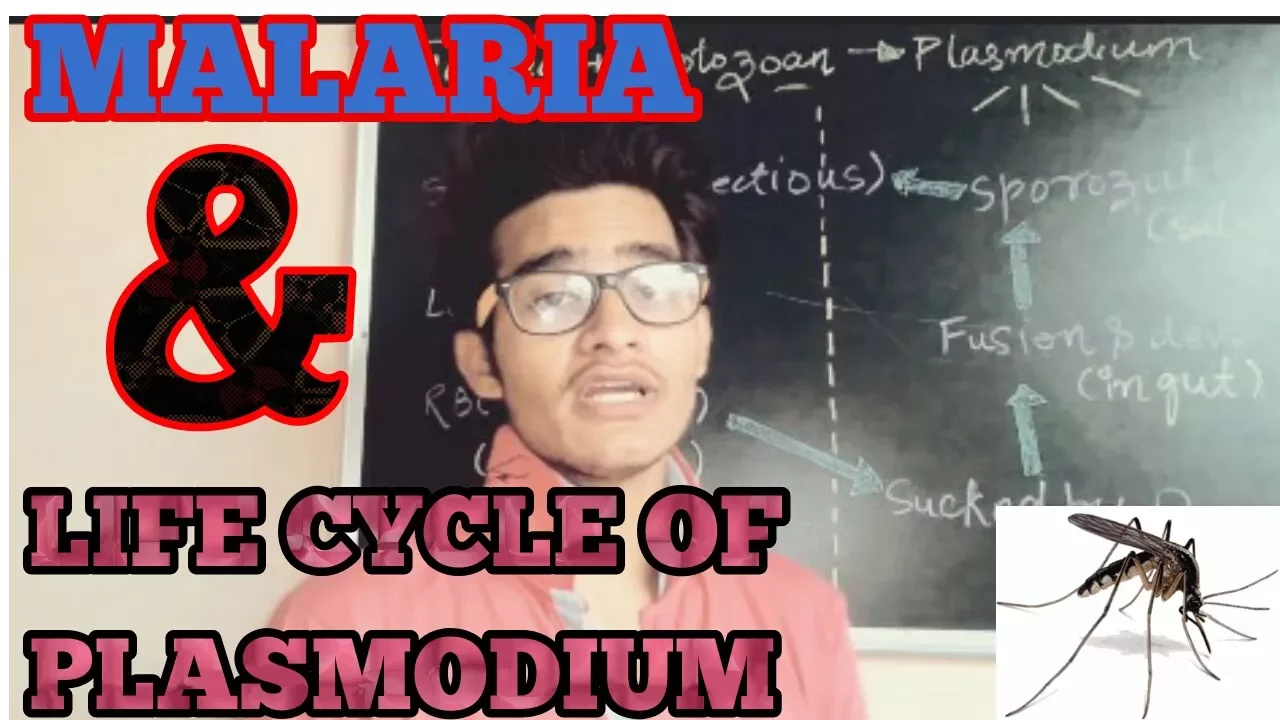
Malaria and life cycle of plasmodium (simplified) for NEET and AIIMS.
173.2K
Malaria is caused by Plasmodium parasites, with four main species: P. falciparum (most dangerous, causes malignant malaria), P. vivax (most common), P. ovale (least common), and P. malariae. The parasite has two hosts: female Anopheles mosquito (definitive host and vector) and humans (intermediate host). The life cycle begins when sporozoites from an infected mosquito enter human blood, travel to liver cells, and undergo asexual reproduction, causing liver cells to burst and release merozoites into the bloodstream. These merozoites infect red blood cells, multiply asexually, and cause cell bursting that releases toxic chemicals (hemoglobin) responsible for malaria symptoms like fever and chills. Some merozoites develop into gametocytes, which are ingested by female mosquitoes during blood feeding. In the mosquito gut, gametocytes fuse and develop into sporozoites, which migrate to salivary glands and are transmitted to new hosts during subsequent bites.
Click to watch →
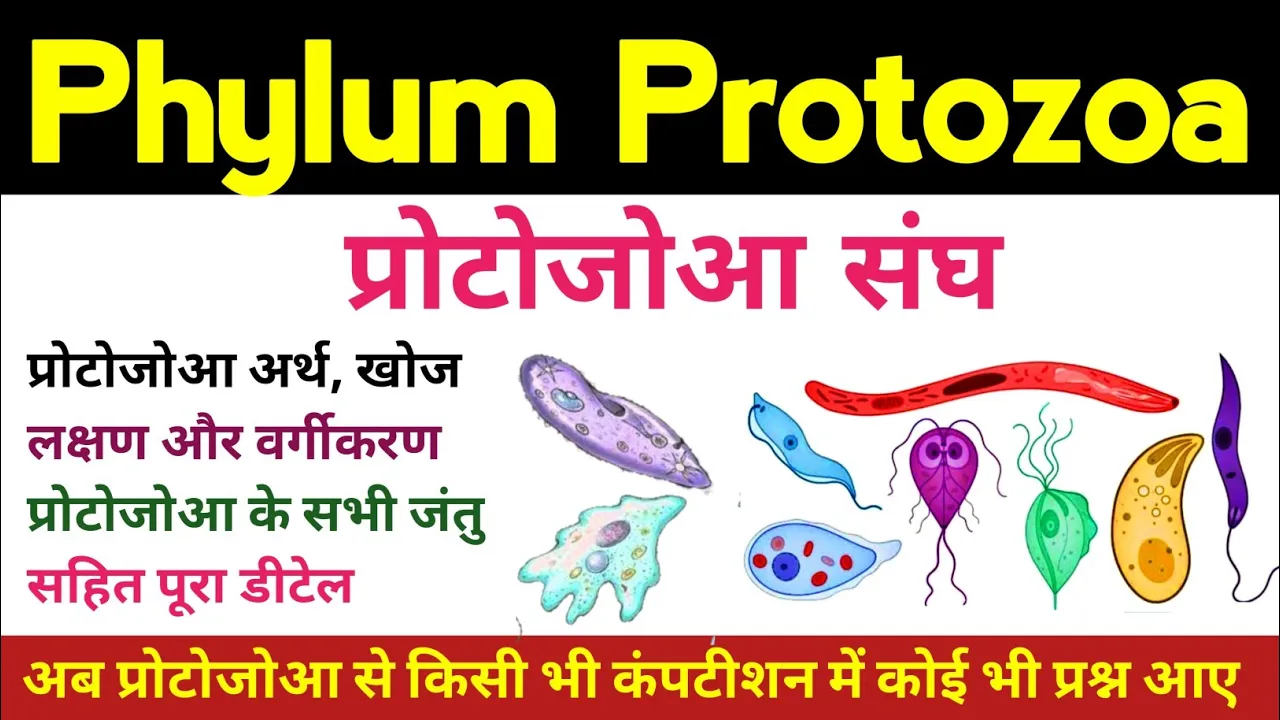
phylum protozoa | Protozoa in hindi | protozoa general characters & classification | animal kingdom
257.7K
Plasmodium (malaria parasite) belongs to Kingdom Protista, Phylum Protozoa, Class Sporozoa, Order Haemosporidia, Family Plasmodiidae. It causes malaria, transmitted by female Anopheles mosquitoes. The life cycle involves two hosts: humans (primary host) and Anopheles mosquitoes (vector). In humans: sporozoites travel to liver and multiply, merozoites released enter red blood cells and multiply, some develop into gametocytes. In mosquitoes: gametocytes develop into gametes, fuse to form zygote, develop into ookinete, form oocyst, produce sporozoites that migrate to salivary glands. Symptoms include periodic fever, headache, muscle pain, and fatigue. The periodicity corresponds to the parasite's replication cycle in red blood cells.
Click to watch →
Deep Dive
The history of early antimalarial treatments, such as quinine and chloroquine, and the concept of drug resistance.

Antimalarial Drug Resistance : Basics and Emergence (Part - II) I Biotechnology I Amit Bhattacharya
127
Drug resistance emerged sequentially: chloroquine (1930s-1990s) due to 10+ years of widespread use causing P. falciparum mutations; sulfadoxine-pyrimethamine (replacing chloroquine) developed resistance rapidly in high-transmission regions; artemisinin remains effective but faces emerging resistance reports. Resistance timelines differ dramatically: quinine took 270+ years for resistance to develop, while synthetic drugs developed resistance much faster. Genetic mutations (K76T in PFCRT gene for chloroquine) enable resistance by reducing drug accumulation in parasite food vacuoles.
Click to watch →

The Most Valuable Plant In History. Why Did They Turn It Into A Cocktail?
63.3K
In 1934, Bayer synthesized chloroquine, cheaper and easier to manufacture than quinine. By 1947, it replaced natural medicine. However, resistance emerged rapidly: chloroquine resistance began 1957 (12 years post-introduction), mefloquine resistance appeared in 5 years, and atovaquone faced identical failure. Every synthetic antimalarial followed this pattern of rapid success followed by total failure. Meanwhile, quinine maintained 400 years of effectiveness without resistance. The pharmaceutical industry prioritized synthetics for profit margins, abandoning the natural compound that continued working while alternatives failed.
Click to watch →

Professor David Fidock, Columbia University Irving Medical Center, New York, USA
298
Since the 1600s, malaria treatment has cycled through successive drug classes: quinine, chloroquine, sulfadoxine-pyrimethamine, and artemisinin-based combinations. Each new drug became first-line treatment until clinical resistance emerged within approximately 12 years. Artemisinin, derived from Chinese sweet wormwood, was introduced in the late 1970s but has a very short plasma half-life (~1 hour), requiring combination with longer-acting partner drugs. Artemisinin resistance first appeared in Southeast Asia around 2009, marked by delayed parasite clearance, and has since spread across the Greater Mekong Subregion.
Click to watch →
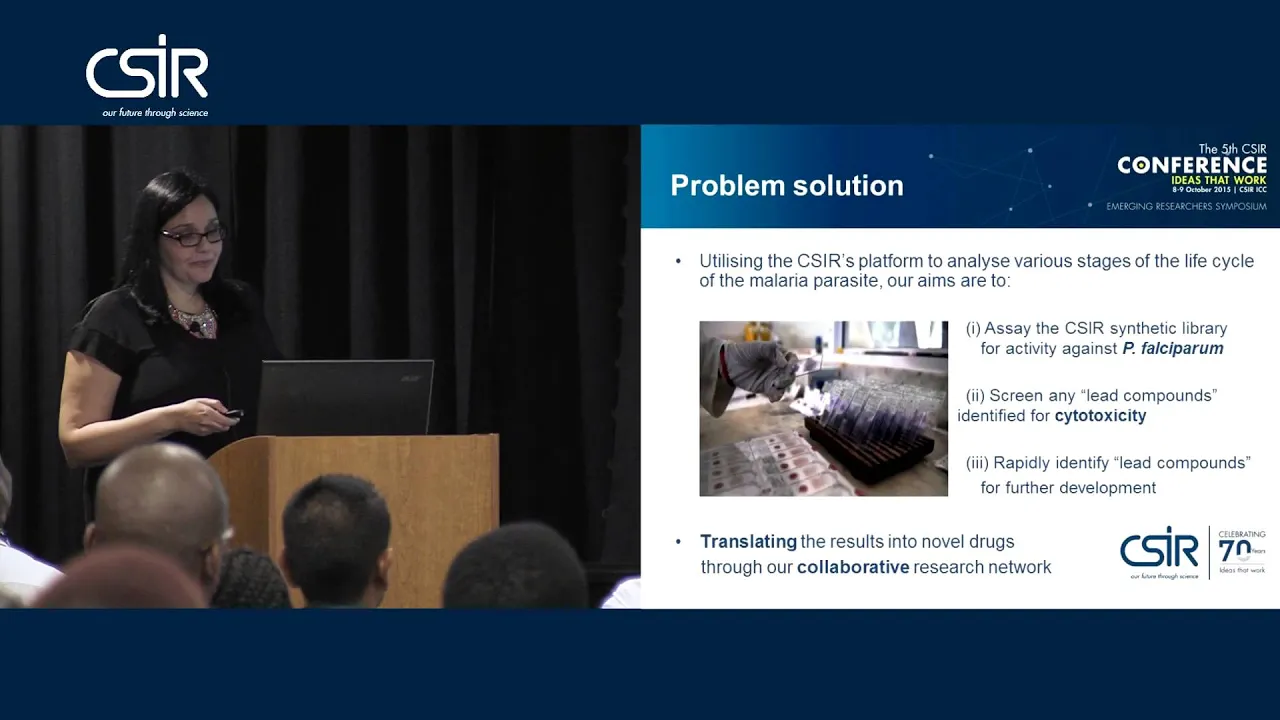
CSIR 2015 Conference: Emerging Researchers Symposium: Jenny-Lee Panayides
107
Multiple antimalarial drugs have been introduced throughout history, each eventually losing effectiveness due to resistance. Quinine (1632) had resistance by 1910. Chloroquine (1945) was used in eradication campaigns but resistance emerged globally by 1957. Mefloquine (developed through US Army-WHO collaboration) followed, then pyrimethamine combinations. Artemisinin derivatives (2015 Nobel Prize) became the standard treatment, but resistance is now emerging in Southeast Asia. Each new drug class provided temporary relief before resistance spread, demonstrating the persistent challenge of treating malaria and the urgent need for novel therapeutic approaches.
Click to watch →

25 Teórico 15 Antiparasitarios
1.4K
Quinoline antimalarials (quinine, chloroquine, mefloquine, primaquine) are alkaloids extracted from cinchona bark. Quinine was the only treatment from the discovery of America until WWII. Chloroquine, a synthetic derivative, was the main therapy from WWII to the 1970s-80s when Plasmodium falciparum developed resistance. Mefloquine, with fluorine substituents, was developed as an alternative but also developed resistance. These drugs have multiple mechanisms of action, which delayed resistance development. Chloroquine and artemisinin prevent hemozoin formation, causing free radicals to kill the parasite. Chloroquine, when protonated in the acidic food vacuole, becomes trapped and accumulates. It binds to hemozoin crystals through hydrogen bonds and covalent interactions, preventing polymerization. Artemisinin has a reactive endoperoxide bridge activated by free heme, forming adducts with heme or generating carbon-centered radicals that alkylate parasite proteins and oxidize membranes.
Click to watch →
Deep Dive
Fundamental concepts of drug discovery, including natural product extraction, chemical isolation, and screening assays.

Plante molécule et médicament_Part02
1.8K
The discovery of natural product drugs follows a systematic workflow: (1) Field identification using botanical knowledge to classify plants by family, followed by laboratory confirmation through herbarium comparison and microscopy; (2) Sample collection and solvent extraction (polar and non-polar); (3) Biological screening assays to identify active compounds; (4) Isolation using Soxhlet extraction; (5) Purification via chromatography based on polarity; (6) Structural elucidation using UV, IR, mass spectrometry, NMR, and X-ray crystallography; (7) Structure-activity relationship studies to optimize compounds; (8) Drug development through plant cultivation, chemical modification, semi-synthesis, or total synthesis. This workflow has produced important drugs like ellipticine (antitumor from Apocynaceae) and ellipticine derivatives.
Click to watch →

Extraction, isolation, purification and structure elucidation for drug discovery
19.6K
The drug discovery workflow from natural products involves a systematic multi-step process: (1) Sample collection and identification by botanists to determine plant species; (2) Extraction using appropriate solvents based on compound polarity (non-polar to polar); (3) Fractionation through techniques like column chromatography and HPLC to separate mixtures; (4) Purification to obtain single compounds; (5) Structural elucidation using spectroscopic methods including UV, IR, mass spectrometry, and NMR; and (6) Bioassay-guided isolation to identify active compounds. This integrated approach requires collaboration between ethnopharmacologists, botanists, pharmacognosists, and pharmacologists, as demonstrated by Nobel Prize-winning discoveries like artemisinin from traditional medicine sources.
Click to watch →

Extraction of Natural Products (Basic Principles and Fundamentals) - I
1.7K
Extraction is the process of separating medicinally active chemical constituents from plant or animal tissues using selective solvents. The resulting products include extracts (liquid), pillular (semi-solid), and dried powdered materials. Three key terms define extraction: menstruum (the solvent), macerate (solvent rich in extracted constituents), and mark (exhausted drug material). An ideal extraction procedure requires high yield/exhaustiveness, high selectivity (targeting desired therapeutic constituents), non-destructive nature, simplicity, reproducibility, technological adaptability, economy, and safety. Effective solvents must possess solubility, specificity, good volatility, high recovery, low viscosity, low boiling point, low flammability, non-reactivity, economy, and environmental safety. The FDA classifies solvents into three toxicity categories: Class III (most safe, allowed in final products - acetone, ethanol), Class II (specifically permitted with ppm limits - acetonitrile, chloroform), and Class I (forbidden in industry due to carcinogenicity - benzene, carbon tetrachloride).
Click to watch →
SHARING SESSION BERSAMA BRIN - 1. Prof. Apt. Ari Satia Nugraha, SF., GDipSc., MSc-res., PhD
110
Drug discovery follows a systematic pipeline: screening thousands of compounds, preclinical testing, clinical trials (Phases 1-3), and regulatory approval. A key challenge is the vast number of organisms to study; research shows only certain plant families produce medicinal compounds. By plotting species on phylogenetic trees, researchers identify 'hotspots' with high medicinal compound concentrations. Three main approaches exist: random screening (like early taxol discovery), chemo-informatics using molecular networking, and biorational approaches using traditional knowledge or ecological characteristics. Cancer remains a major global health challenge with 20 million cases worldwide, half resulting in death. Approximately 60% of current anti-cancer drugs are derived from natural products, highlighting biodiversity's essential role in pharmaceutical development.
Click to watch →
Natural Products with Dr. Barry O'Keefe
2.3K
Natural products have contributed approximately 30% of FDA-approved small molecule drugs, with over 40% of anti-cancer drugs derived from them. The NCI maintains a global repository of over 230,000 extracts collected under international agreements ensuring equitable benefit-sharing. Crude extracts present screening challenges including cytotoxic compounds, non-specific binding proteins, fluorescent and colored compounds, and hundreds of individual compounds per extract. Effective screening requires assay optimization with red-shifted fluorophores, wash steps, and excipient proteins. Two case studies demonstrate this workflow: MALT1 inhibitors for diffuse large B-cell lymphoma used a fluorescent substrate assay optimized with GST-MALT1 (KM ~100 μM), screening 108,000 extracts to yield 879 initial hits; TDP1 inhibitors to restore topoisomerase sensitivity screened over 200,000 samples yielding only 117 confirmed hits, demonstrating assay rigor.
Click to watch →
Deep Dive
An introductory understanding of Traditional Chinese Medicine (TCM) and how historical medical texts document herbal remedies.

Orang Ini Berumur Panjang Karena Konsumsi Herbal & Sejarah Herbal | Ngobral - Ep .02 Part 1
249
Traditional Chinese Medicine (TCM) represents one of the oldest and most comprehensive systems of herbal medicine in human history. The video explains that TCM documents the use of herbal plants as medicine, with knowledge passed down through generations via empirical observation and recorded in ancient texts. This traditional knowledge system forms the foundation for modern herbal medicine and demonstrates how ancient civilizations systematically documented and preserved medicinal plant knowledge for centuries before modern scientific methods were developed.
Click to watch →

Medicina Tradicional China - Parte #1
53.2K
Traditional Chinese Medicine (TCM), known as 'Sun' in Chinese, is the largest medical tradition in Chinese culture, originating from the universal human need to heal and care for oneself. The earliest written records date back to 1700-1100 BCE, with writings on turtle shells and bones discussing basic health care and treatment of common illnesses. Between 1100 and 227 BCE, the first exclusive TCM treatise was written, marking a significant milestone. Two original treatises existed—one for internal conditions and one for external conditions—but the external treatise was lost to history.
Click to watch →

BEVEZETÉS A KÍNAI ORVOSLÁSBA
37.8K
Traditional Chinese Medicine (TCM) is a knowledge system originating in China over 1,000 years ago, based on continuous written and oral traditions. The term 'TCM' translates from Chinese 'Dung Yi' (中医), meaning Chinese medicine. Before Western medicine's introduction in the 17th-19th centuries, this was simply called 'medicine.' TCM differs from folk remedies passed through families by having a complex literary tradition with over 60,000 surviving texts. The first state-sponsored medical education began in the 7th century with a five-year curriculum. TCM is classified as complementary medicine, not alternative medicine, as it complements rather than replaces modern medicine. The Hungarian Academy of Sciences recognized TCM as scientifically grounded in 2004.
Click to watch →

Traditional Chinese medicine | Wikipedia audio article
161
Traditional Chinese Medicine (TCM) is a style of traditional medicine based on more than 2,500 years of Chinese medical practice, including herbal medicine, acupuncture, massage, exercise, and dietary therapy. One of its basic tenets is that the body's vital energy (Qi) circulates through channels called meridians connected to bodily organs. Scientific investigation has not found evidence for Qi, meridians, or acupuncture points, and TCM theory is not based on scientific knowledge. The philosophical foundation is based on yin-yang theory and the five phases theory, which were later absorbed by Taoism. Yin and yang are ancient Chinese concepts traceable to the Shang Dynasty (1600-1100 BCE) that represent two abstract and complementary aspects that every phenomenon in the universe can be divided into. The five phases theory presumes that all phenomena of the universe can be broken down into five elemental qualities: wood, fire, earth, metal, and water. Key historical texts include the Yellow Emperor's Inner Canon (compiled around 1st century BCE) and the Treatise on Cold Damage Disorders (compiled 196-220 CE). Starting in the 1950s, the Chinese government promoted a systematized form of TCM, including attempts to integrate it with modern notions of anatomy and pathology.
Click to watch →

67. Medicina Tradicional China con la Dr. Karen Rosario
721
Traditional Chinese Medicine (TCM) is the world's oldest medical system with 10,000 years of practical use and 3,000 years documented in texts. It is the origin of all medical specialties except surgery. TCM is not an alternative medicine but the foundational system from which all others evolved. The three main components are Chinese herbal medicine (most popular in Asia), acupuncture, and dietary therapy. Herbal medicine is edible and can be consumed as teas, pills, or cooked preparations. Preparation requires significant expertise as different herbs have varying cooking times, and improper use can be harmful. TCM practitioners must understand diagnosis, herb combinations, and dosage modifications based on patient symptoms.
Click to watch →
Prerequisite Knowledge
- Concept 01The biology of the malaria parasite (Plasmodium species) and its transmission vector, the Anopheles mosquito.
- Concept 02The history of early antimalarial treatments, such as quinine and chloroquine, and the concept of drug resistance.
- Concept 03Fundamental concepts of drug discovery, including natural product extraction, chemical isolation, and screening assays.
- Concept 04An introductory understanding of Traditional Chinese Medicine (TCM) and how historical medical texts document herbal remedies.
Subsequent Learning
- Step 01The biochemical mechanism of action of artemisinin, specifically how it interacts with iron in the parasite to produce destructive free radicals.
- Step 02Artemisinin-based Combination Therapies (ACTs) as the modern gold standard for malaria treatment and the clinical strategies used to prevent drug resistance.
- Step 03The geopolitics of scientific discovery, specifically the history of 'Project 523' during China's Cultural Revolution.
- Step 04The application of synthetic biology to mass-produce artemisinic acid using engineered yeast, reducing reliance on sweet wormwood harvests.
- Step 05Current global health initiatives for malaria eradication, including the development of malaria vaccines (such as RTS,S) and gene-drive technologies in mosquitoes.
Discovery of Artemisinin
Discovery of Artemisinin
0:00Playing Section
- 1
Tuoyo discovered artemisinin after 191 trials, inspired by ancient Chinese medicine.
- 2
The compound became a key malaria treatment, with over 1 billion courses since 2000.
- 3
The Nobel Prize highlights TCM's potential for global health, urging modern research integration.
The Debate Over Collective Credit in Project 523
While Tu Youyou's Nobel Prize rightly celebrated her pivotal role in identifying the low-temperature extraction method, critics and historians point out that the discovery of artemisinin was actually the result of 'Project 523'—a massive, state-run military research initiative during the Cultural Revolution involving over 500 scientists and dozens of institutions. Many argue that attributing the breakthrough to a single individual diminishes the essential, highly collaborative nature of socialist-era Chinese science. Crucial steps, including the structural analysis of the compound, the first successful clinical trials, and the development of artemisinin-based combination therapies (ACTs), were collective efforts. This perspective challenges the western, individual-centric narrative of scientific discovery, arguing that the success of artemisinin belongs to an entire scientific community rather than a single researcher.
Deep Dive
The biochemical mechanism of action of artemisinin, specifically how it interacts with iron in the parasite to produce destructive free radicals.
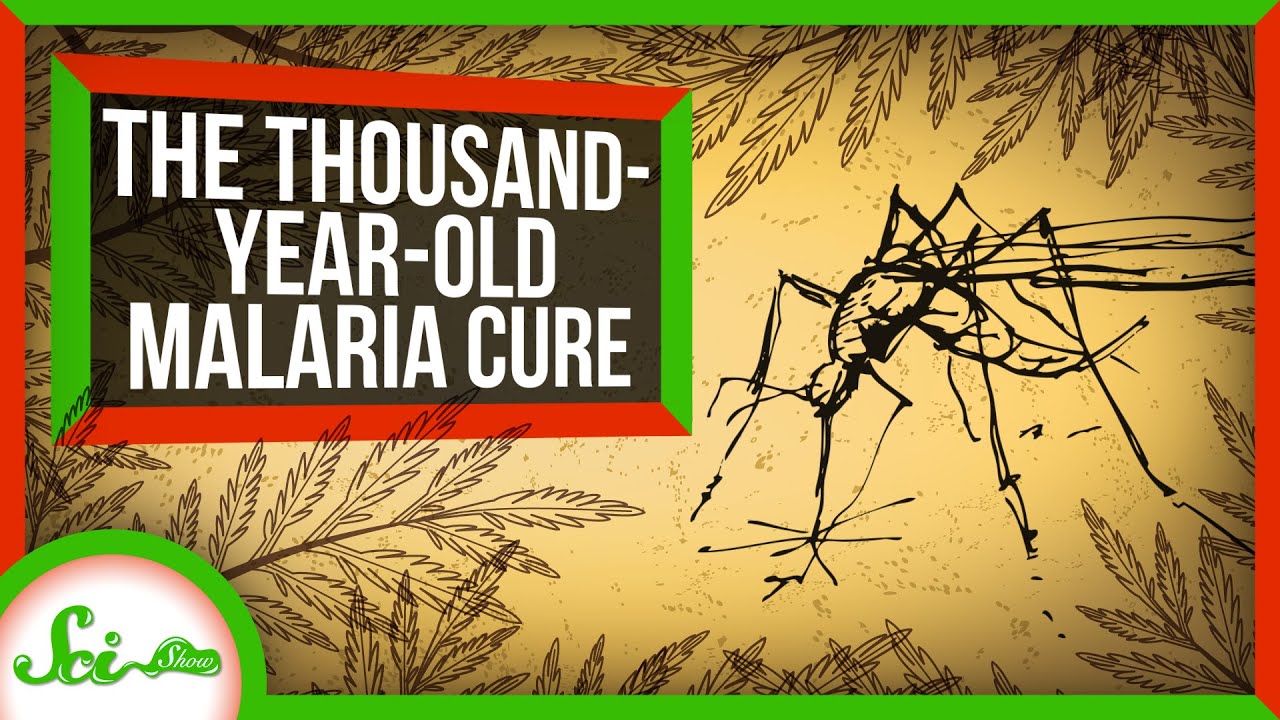
How an Ancient Remedy Became a Modern Cure for Malaria
236.5K
Artemisinin is effective against malaria because it interacts with hemozoin, a compound that mature malaria parasites contain, which they obtain from digesting human blood. When artemisinin encounters hemozoin, they react to create unstable atoms called free radicals. Free radicals have uneven numbers of electrons, unlike most atoms and molecules which have paired electrons, making them extremely reactive and capable of tearing cells apart. These violent reactions destroy the parasites. While artemisinin can also react with compounds in human cells to create free radicals, it reacts more readily with hemozoin than with iron in human cells, allowing safe use at controlled doses.
Click to watch →
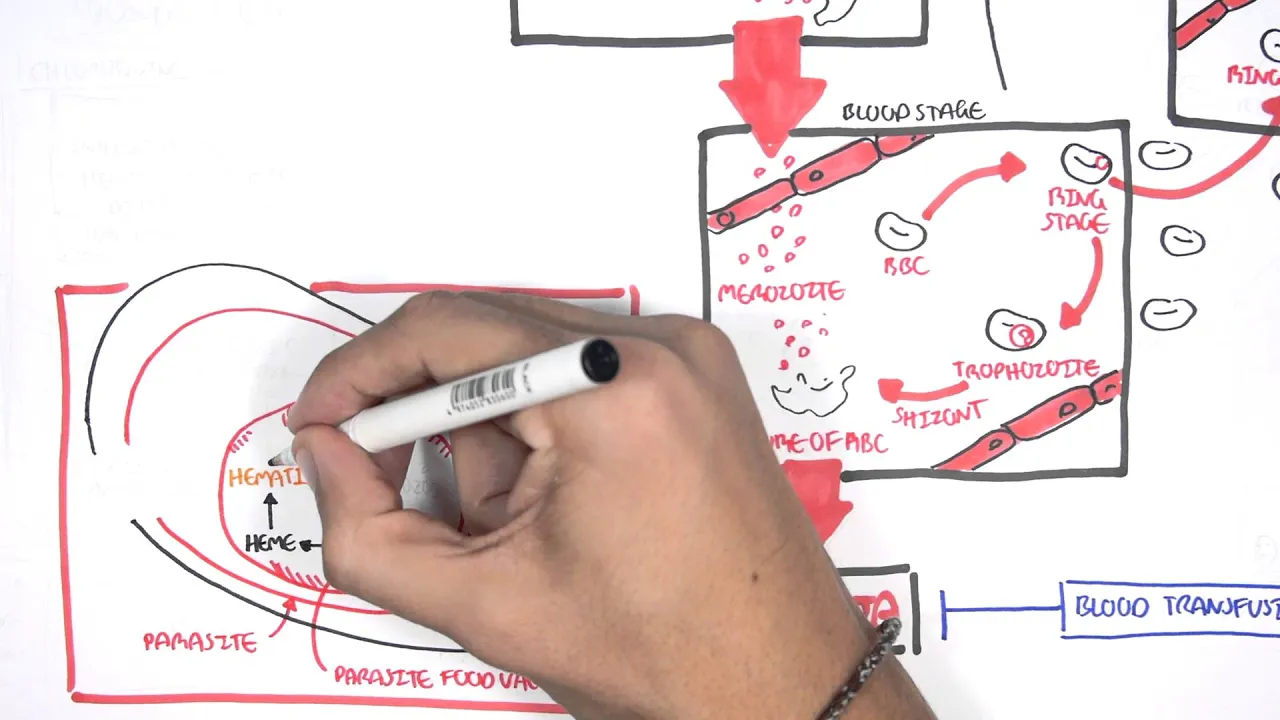
Pharmacology and life cycle - Malaria (Antimalarials, pathophysiology, treatment)
487.8K
Artemisinin derivatives (artemether, artemotil, artesunate) are inactive when administered but become activated by heme iron in the parasite's digestive vacuole. Activation produces carbon-centered radicals that kill parasites through multiple mechanisms: damaging lipids and vacuole membranes, inactivating parasite proteins, alkylating heme, and interfering with hematin conversion to hemozoin. This increases toxic hematin levels in the parasite, causing death.
Click to watch →
Anti malarial Pharmacology - Antifolate Drugs - Dr Rajesh Gubba
17.4K
Artemisinin derivatives generate highly reactive free radicals when they interact with iron present in the parasite's mitochondria. These free radicals cause oxidative damage to the parasite's cellular membranes and organelles, ultimately leading to parasite death. This unique mechanism differs from conventional anti-malarial drugs and contributes to their effectiveness.
Click to watch →

Solution - Antimalarial drugs || Part 3 Unit 2 || Medicinal Chemistry 6th Semester
270.8K
Artemisinin and its derivatives work by generating reactive oxygen species that damage the parasite's cellular structures. The drug binds to iron-containing proteins in the parasite, triggering a cascade that destroys the parasite's cellular machinery. This mechanism makes artemisinin effective against multiple stages of the parasite's life cycle.
Click to watch →
![Pharmacology of Antimalarial Drugs (Complete Overview) [ENGLISH] | Dr. Shikha Parmar](https://i.ytimg.com/vi_webp/F8irSpADJYQ/maxresdefault.webp)
Pharmacology of Antimalarial Drugs (Complete Overview) [ENGLISH] | Dr. Shikha Parmar
12.7K
Artemisinin derivatives (artemisinin, artemether, artesunate, dihydroartemisinin) are highly efficacious against P. falciparum, including chloroquine-resistant strains. Artemisinin contains an endoperoxide bridge that activates in the presence of ferrous iron in parasite food vacuoles, generating free radicals. These radicals cause lipid peroxidation of parasite membranes, damage endoplasmic reticulum, and destroy the parasite. They also kill early gametes, reducing transmission. Artemisinin derivatives are short-acting with high relapse rates, requiring combination with longer-acting drugs like mefloquine or amodiaquine.
Click to watch →
Deep Dive
Artemisinin-based Combination Therapies (ACTs) as the modern gold standard for malaria treatment and the clinical strategies used to prevent drug resistance.

Artemisinin therapy for malaria by Professor Nick White
9.5K
Artemisinin therapy has become the cornerstone of modern malaria treatment following decades of research and international collaboration. Derived from Chinese traditional medicine, artemisinins represent the most effective antimalarial drugs ever developed. Artemisinin combination treatments (ACTs) combine artemisinins with other antimalarials using a multi-drug strategy designed to prevent resistance—a principle also applied in tuberculosis, HIV, and cancer treatment. ACTs are now the first-line treatment for uncomplicated falciparum malaria globally, while artesunate has proven superior for severe malaria, reducing mortality by up to one-third in landmark trials across Asia and Africa. This evidence-based approach replaced previous hit-and-miss methodologies, establishing a scientifically grounded framework for malaria treatment that continues to evolve with ongoing research into optimal dosing and combination strategies.
Click to watch →

Malaria | Wikipedia audio article
112
Artemisinin-based combination therapies (ACTs) are the first-line treatment for uncomplicated P. falciparum malaria, achieving ~90% efficacy. ACTs combine artemisinin derivatives with long-acting partners (amodiaquine, lumefantrine, mefloquine, sulfadoxine-pyrimethamine) to reduce resistance development. Severe malaria requires intravenous artesunate or quinine. However, drug resistance poses growing threats: chloroquine resistance spread globally by 1980s; artemisinin resistance emerged in Southeast Asia (Cambodia-Thailand border) due to sub-therapeutic monotherapy exposure. Resistance mechanisms involve genetic mutations selected by inappropriate drug use patterns.
Click to watch →
![[Conférence] M. DANIS - Le paludisme aujourd'hui et son traitement](https://i.ytimg.com/vi_webp/HPHQSAwTlak/maxresdefault.webp)
[Conférence] M. DANIS - Le paludisme aujourd'hui et son traitement
1.2K
Artemisinin-based combination therapies (ACTs) represent the cornerstone of uncomplicated malaria treatment, combining artemisinin derivatives with partner drugs to reduce resistance development. Five main ACTs are available: Artemether-lumefantrine (2 doses daily, requires food), Artesunate-amodiaquine (1 dose daily), Artemisinin-mefloquine (1 dose daily, neuro-psychiatric side effects), Artesunate-sulfadoxine-pyrimethamine (separate tablets, sulfadoxine-pyrimethamine resistance common), and Dihydroartemisinin-piperaquine (1 dose daily). In 2016, 409 million ACT treatments were purchased, with 99% distributed in Africa. Seasonal chemoprevention targets 15.7 million children in 12 Sahelian countries, though funding gaps prevent full coverage.
Click to watch →

સ્પે. BMC 100 માર્કનું મોડેલ પેપર - 2 | MPHW | FHW | NIKUNJ RAMANA
18.3K
Artemisinin Combination Therapy (ACT) is the recommended treatment for malaria, particularly for Plasmodium falciparum malaria. ACT combines artemisinin derivatives with partner drugs to effectively treat malaria while reducing the risk of drug resistance. This combination therapy has become the standard of care for malaria treatment in endemic regions due to its high efficacy and ability to prevent the development of drug-resistant strains.
Click to watch →

CHAPTER 52 - Antiprotozoal Drugs: Antimalarial Drugs and Other Protozoal Infections
134
Artemisinin-based combination therapies (ACTs) are the global standard for uncomplicated P. falciparum malaria. The core rationale is that artemisinins' short plasma half-lives (30-60 minutes) led to high recrudescence rates when used alone. Partner drugs with longer half-lives mop up remaining parasites and provide resistance protection. WHO-recommended ACTs include Coartem (artemether-lumefantrine), ASAQ (artemether-amodiaquine), and dihydroartemisinin-piperaquine. For severe malaria, intravenous artesunate is superior to quinine in efficacy and safety. Artemisinins are generally well tolerated but can cause delayed hemolysis (13% of cases). WHO recommends ACTs for uncomplicated P. falciparum in second and third trimester pregnancy, with intravenous artesunate for severe cases.
Click to watch →
Deep Dive
The geopolitics of scientific discovery, specifically the history of 'Project 523' during China's Cultural Revolution.

"Project 523" by Keith Arnold, Zhang Jianfang
786
During China's Cultural Revolution, over 500 scientists across 60 institutions secretly developed artemisinin, an antimalarial drug derived from the Qinghao plant, after receiving a request from North Vietnam for help with drug-resistant malaria; this breakthrough, achieved despite political persecution and obsolete equipment, became the most widely used malaria treatment globally.
Click to watch →
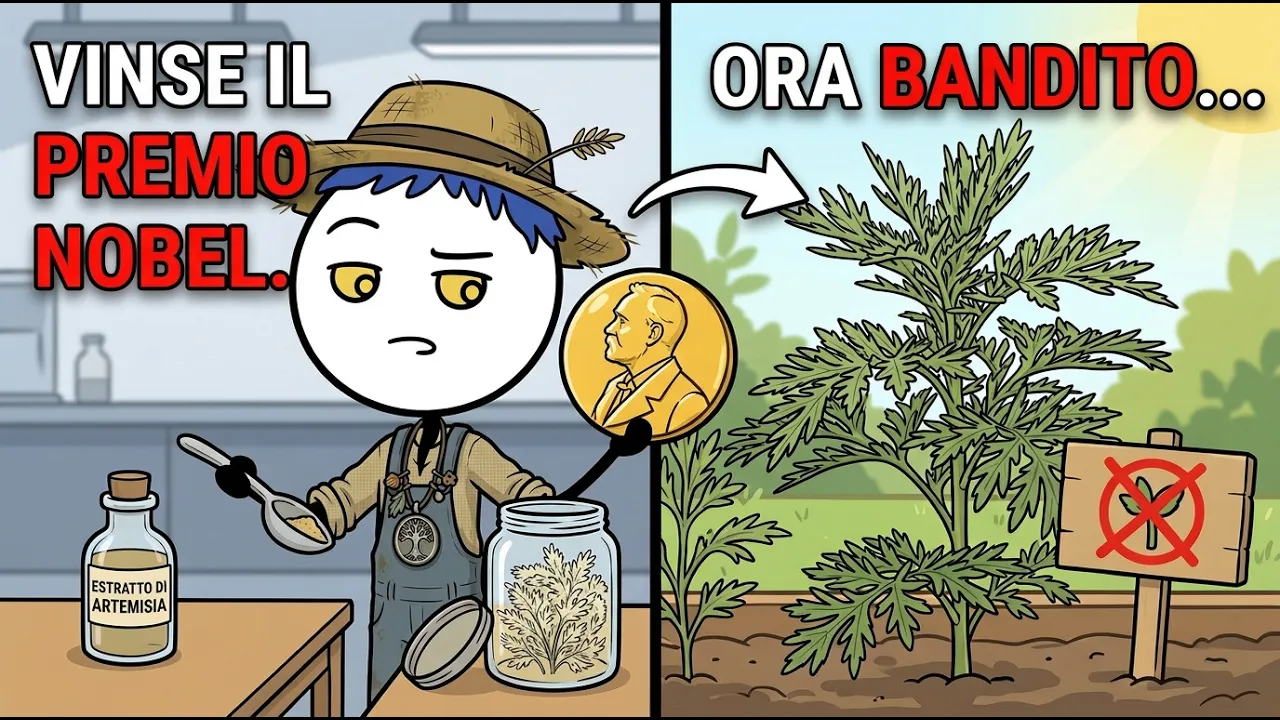
Questa erba salva milioni di vite ogni anno e ha vinto il Nobel. Perché è stata vietata?
3.3K
On May 23, 1967, in Beijing, the Chinese government officially launched a secret military medical program named Project 523. The program had a single objective: find a new and effective cure for chloroquine-resistant malaria as quickly as possible. It had truly national scope, with over 500 scientists from 60 research institutions across China participating, including medical military institutions, pharmaceutical laboratories, and university departments. This transformed it into one of the largest coordinated scientific programs in the country's history. The work proceeded in two parallel and complementary directions: one purely modern, where chemists systematically synthesized and tested new chemical compounds; the other looking to the past, where medical historians and pharmacologists methodically studied ancient texts for references to plants and preparations used against malaria fever for millennia.
Click to watch →
Nobel Kazanan O Ot: İnsanlara Neden Ondan Uzak Durmaları Söyleniyor?
927
This segment details China's secret Project 523 launched in 1967 to combat the malaria crisis killing thousands of soldiers in Vietnam. After screening 240,000 compounds failed, Tu Youyou was appointed in 1969 to examine ancient medical texts. Her team screened 2,000 traditional recipes and 380 plant extracts. Initial failures occurred because boiling destroyed the active compound. Following Ge Hong's 340 AD instruction not to boil the plant, they successfully extracted artemisinin on October 4, 1971, achieving 100% effectiveness in animal tests. Tu Youyou became the first mainland Chinese woman to win the Nobel Prize in Physiology or Medicine in 2015.
Click to watch →
![[Засыпаем с наукой] Главный враг всего человечества...](https://i.ytimg.com/vi/TDaB5JDacY8/sddefault.jpg)
[Засыпаем с наукой] Главный враг всего человечества...
174
During the harsh military conflicts of the second half of the 20th century, in the impenetrable jungles of Southeast Asia, a terrible truth was revealed. Synthetic medicines, on which such enormous hopes were placed, were rapidly losing their power. Soldiers on both sides of the front line were dying in large numbers from fever, as the parasite had developed reliable protection against tablets. A critical, almost desperate need arose for a completely new means of salvation. In 1967, the Chinese government launched an absolutely secret research project, code-named Project 523.
Click to watch →

33 Dumbest Government Secrets In History
174
In 1967, at the height of the Vietnam War, the Chinese government launched a massive secret military project with the code name 523, named after its start date of May 23rd. The mission was to find a cure for malaria, which was killing North Vietnamese and Viet Cong soldiers faster than American bullets. Hundreds of researchers across China were mobilized. Among them was a young pharmaceutical chemist named Tu Youyou. The government ordered scientists to search everywhere for solutions, including ancient Chinese medical texts going back thousands of years. Tu Youyou found a reference to sweet wormwood in a 1,600-year-old manuscript and extracted a compound called artemisinin that proved devastatingly effective against malaria. The discovery was kept classified for years because it was a military project. The outside world had no idea China had found one of the most important antimalarial drugs in modern history. Tu Youyou didn't receive international recognition until decades later, eventually winning the Nobel Prize in medicine in 2015. A secret military project designed to help fight a war accidentally produced a medicine that has since saved millions of lives worldwide.
Click to watch →
Deep Dive
The application of synthetic biology to mass-produce artemisinic acid using engineered yeast, reducing reliance on sweet wormwood harvests.
![La Biologie Synthétique, Entre Fantasmes Et Révolutions [ Documentaire Scientifique ]](https://i.ytimg.com/vi/AUtO8MdrHdY/hqdefault.jpg)
La Biologie Synthétique, Entre Fantasmes Et Révolutions [ Documentaire Scientifique ]
86.8K
Artemisinin is a critical drug for treating malaria, killing over a million people annually. Natural production from sweet wormwood plants is limited and expensive. Synthetic biology offers a solution by reprogramming bacteria to produce artemisinin through metabolic engineering. Scientists take the natural metabolic pathway and insert it into bacteria, enabling these microbes to produce the drug. This approach can reduce production time by a year and increase yield significantly.
Click to watch →
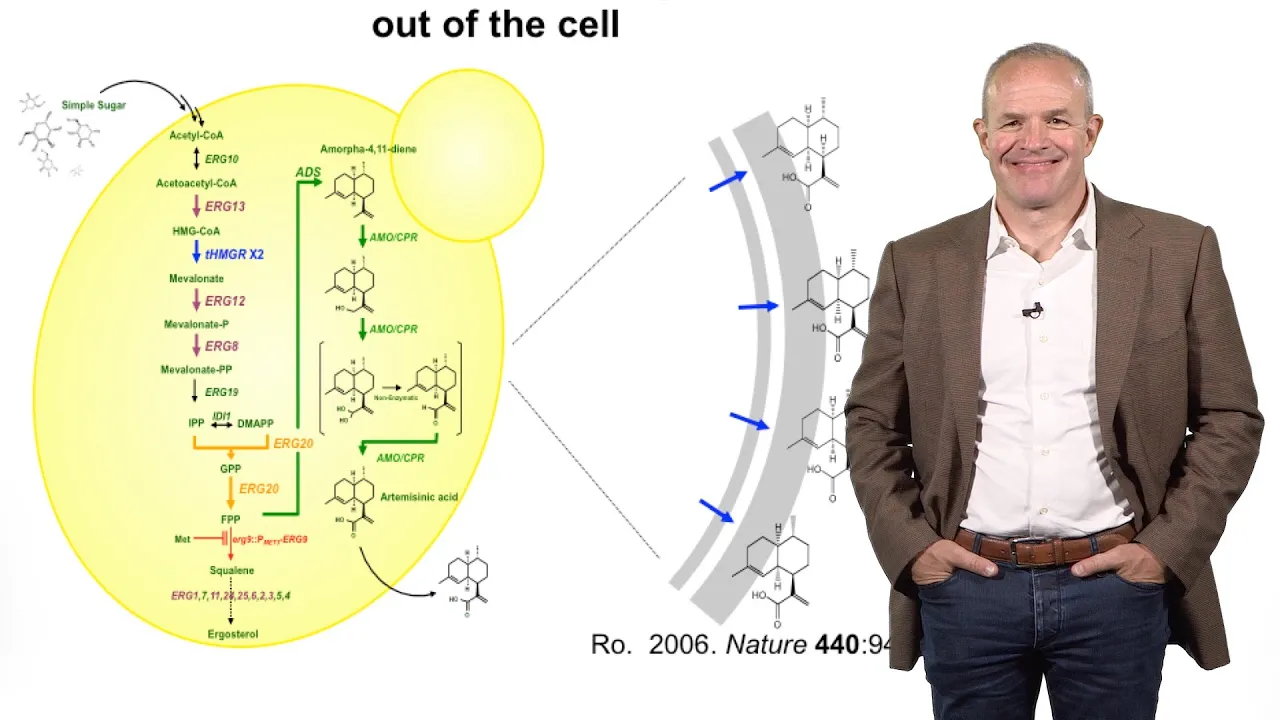
Synthetic Biology: Engineering Microbes to Solve Global Challenges - Jay Keasling
36.5K
Engineering microbes to produce artemisinic acid instead of artemisinin offers advantages: lower yeast toxicity and direct substitution in drug pipelines. The strategy involved: (1) using E. coli as chassis because it produces farnesyl pyrophosphate, (2) importing yeast ergosterol pathway to boost precursor production, (3) adding amorpha-4,7-diene synthase gene, and (4) developing synthetic biology tools including enzyme scaffolds, regulatory systems for toxic intermediates, and debugging tools. Researchers identified a single cytochrome P450 enzyme from Artemisia annua that catalyzed all three conversion steps. Artemisinic acid precipitated in fermentation broth due to yeast excretion pumps, providing natural purification. Industrial scale-up achieved 100-150 million annual treatments, with 16 million delivered to Africa by May, addressing half global malaria needs. The same principles apply to biofuels producing hydrocarbons that excrete directly for simple purification.
Click to watch →

From Lab to Life: Exploring Synthetic Biology with Drew Endy, John Cumbers, and Jennifer Holmgren
4.3K
This segment traces the evolution of fermentation technology and its revolutionary potential. It covers: (1) Fermentation as the foundational technology of synthetic biology, analogous to brewing beer but programmable for any molecule; (2) Genentech's pioneering work inserting human insulin genes into yeast to produce insulin through fermentation; (3) The principle that any molecule found in nature can theoretically be produced through engineered cells; (4) Metabolic pathway engineering demonstrated with artemisinic acid production from yeast instead of harvesting Chinese wormwood plants; (5) The progression from single-cell production to programming multicellular systems; (6) The vision of biological iPhones capable of producing another iPhone; (7) The goal of making biology as programmable as computer code; (8) The broader context of the bioeconomy representing a fundamental paradigm shift in manufacturing and materials science.
Click to watch →

Mod-10 Lec-40 Metabolic Engineering & Synthetic Biology
8.7K
In 2006, researchers engineered Saccharomyces cerevisiae to produce artemisinic acid (a precursor to artemisinin) at concentrations up to 1 gram per liter. The strategy involved: engineering the mevalonate pathway to increase farnesyl pyrophosphate (FPP) production; introducing the amorpha-4,11-diene synthase gene from Artemisia annua (the plant source of artemisinin) to convert FPP to amorpha-4,11-diene; and cloning a novel cytochrome P450 enzyme from Artemisia annua to perform three-step oxidation of amorpha-4,11-diene into artemisinic acid. This semi-synthetic approach combines biological and chemical synthesis steps.
Click to watch →

Cup o'Joe-Battling malaria with synthetic biology
376
Synthetic biology has revolutionized the production of artemisinin, an effective malaria treatment discovered from Artemisia annua (sweet wormwood) by Tu Youyou (Nobel Prize 2015), by inserting the plant's genes into bacteria or yeast to produce artemisinic acid, which is then converted to artemisinin through a simple chemical reaction, making this life-saving medication more affordable and accessible.
Click to watch →
Deep Dive
Current global health initiatives for malaria eradication, including the development of malaria vaccines (such as RTS,S) and gene-drive technologies in mosquitoes.

Current Affairs Today | 12 March Current Affairs 2026 for Bank Exams | Daily Current Affairs 2026
4.2K
The International Malaria Conference 2026 was held in New Delhi from March 7-9, organized by the Indian Council of Medical Research and National Institute of Malaria Research. The theme was 'Discovery, Development and Delivery: Driving Malaria Elimination and Eradication.' WHO approved two malaria vaccines: RTS,S/AS01 (Mosquirix) and R21/Matrix-M, developed by Oxford University and Serum Institute of India. Georgia became the 45th malaria-free country, while Suriname became the first Amazon region country to achieve this status. India's indigenous vaccine is called Ad-Felvax.
Click to watch →
El Animal que Más Humanos Mató Mientras Dormían — Y Cómo Aprendimos a Vencerlo
192
The RTS,S vaccine (developed by GlaxoSmithKline with the Malaria Vaccine Initiative) targets the sporozoite stage of Plasmodium falciparum, stimulating the immune system to attack parasites before they establish liver infections. Clinical trials (2009-2014) in seven African countries with over 15,000 children showed 39% reduction in clinical malaria in children 5-17 months old. In October 2021, WHO recommended it for children in moderate-to-high transmission areas—the first vaccine against a parasitic disease approved for general use. Global malaria mortality has fallen over 50% since 2000. China was certified malaria-free by WHO in 2021, and El Salvador achieved the same in 2021.
Click to watch →
Why Diseases Still Win
281
Global health organizations aim to eliminate preventable deaths and create a world without deadly infectious diseases. Malaria has declined dramatically over time, with the End Malaria Initiative targeting elimination by 2040. Gene drive technology enables near-100% inheritance of modified genes in mosquito populations, allowing for disease-resistant mosquitoes. Wolbachia bacteria, inserted into mosquito populations, prevent dengue transmission and spread naturally through the population. Malaria vaccines (RTS, R21, PFSPZV) are now being mass-produced in Africa, with projections of 10-30 million doses annually by 2035. Bed nets and seasonal chemoprevention cost approximately $5,000 per life saved, making them among the most cost-effective interventions.
Click to watch →

The Hindu Analysis Today | 25 November 2025 | The Hindu Newspaper Analysis | Daily Current Affairs
34.2K
GAVI (Vaccine Alliance) and UNICEF have partnered to make malaria vaccines affordable for high-burden African countries. The R21 Matrix-M vaccine (Oxford University and Serum Institute of India) and RTS,S/AS01 (GSK) are WHO-approved. The partnership negotiated $2.99 per dose, enabling vaccination of 7 million children over five years. With 70% of malaria cases in Africa, particularly affecting children under 5, this initiative represents coordinated global health efforts to combat one of the world's most significant infectious diseases through equitable vaccine distribution.
Click to watch →

Malaria (IN ONE SHORT) | UPSSSC ANM | 38 TOPIC | FREE CRASH COURSE : By Shivam sir #396
812
WHO has approved RTS,S/AS01 (Mosquirix) as the first malaria vaccine for children in endemic areas. India is developing indigenous vaccines: RTS,S/AS01 was developed by GSK, Oxford University, and Serum Institute of India. Ad5AS01 is being developed by ICMR, RIMS Bhubaneswar, and NII. The definitive host is the female Anopheles mosquito where sexual reproduction occurs. World Malaria Day is observed on April 25th annually. These initiatives represent significant advances in malaria prevention and control efforts.
Click to watch →
Discovery of Artemisinin
Discovery of Artemisinin
0:00- 1
Tuoyo discovered artemisinin after 191 trials, inspired by ancient Chinese medicine.
- 2
The compound became a key malaria treatment, with over 1 billion courses since 2000.
- 3
The Nobel Prize highlights TCM's potential for global health, urging modern research integration.
The Debate Over Collective Credit in Project 523
While Tu Youyou's Nobel Prize rightly celebrated her pivotal role in identifying the low-temperature extraction method, critics and historians point out that the discovery of artemisinin was actually the result of 'Project 523'—a massive, state-run military research initiative during the Cultural Revolution involving over 500 scientists and dozens of institutions. Many argue that attributing the breakthrough to a single individual diminishes the essential, highly collaborative nature of socialist-era Chinese science. Crucial steps, including the structural analysis of the compound, the first successful clinical trials, and the development of artemisinin-based combination therapies (ACTs), were collective efforts. This perspective challenges the western, individual-centric narrative of scientific discovery, arguing that the success of artemisinin belongs to an entire scientific community rather than a single researcher.
The biology of the malaria parasite (Plasmodium species) and its transmission vector, the Anopheles mosquito.
The history of early antimalarial treatments, such as quinine and chloroquine, and the concept of drug resistance.
Fundamental concepts of drug discovery, including natural product extraction, chemical isolation, and screening assays.
An introductory understanding of Traditional Chinese Medicine (TCM) and how historical medical texts document herbal remedies.
The biochemical mechanism of action of artemisinin, specifically how it interacts with iron in the parasite to produce destructive free radicals.
Artemisinin-based Combination Therapies (ACTs) as the modern gold standard for malaria treatment and the clinical strategies used to prevent drug resistance.
The geopolitics of scientific discovery, specifically the history of 'Project 523' during China's Cultural Revolution.
The application of synthetic biology to mass-produce artemisinic acid using engineered yeast, reducing reliance on sweet wormwood harvests.
Current global health initiatives for malaria eradication, including the development of malaria vaccines (such as RTS,S) and gene-drive technologies in mosquitoes.
6.3K views45likes2:10@cgtnamericaOriginal Release: 2015-10-06
A breakthrough discovery, the fruit of repeated trials and errors. Inspired by a line from a medical prescription written almost 1,700 years ago, Tuyo discovered artisan in her 191st trial.
We started our research in 1969 and discovered artisanin in 1971. We drew lessons from traditional Chinese medicine and used scientific methods of research to make it happen. China had records of artemisin being used to combat malaria 340 years ago. After repeated tests, we finally discovered a new chemical structure in the element which worked better to cure malaria. It was a breakthrough.
Artiscin compounds have become the mainstay of malaria treatment over the past 15 years. Since 2000, more than 1 billion artisan based treatment courses have been administered to malaria patients. Showing me to Yoyo's work, Mr. Yao Na explains the discovery is a breakthrough for traditional Chinese medicine.
It's a milestone for Chinese medical science. It's an acknowledgement to traditional Chinese medicine. Yoyo's Nova Prize opens another door for traditional Chinese medicine into the global medical community. Traditional Chinese medicine could contribute more to improving human health. But there is still a long way to go before traditional Chinese medicine goes global. I think we should combine modern research methods with experience and lessons of traditional Chinese medicine.
Yoyo has given us the good example. It also shows us the direction traditional Chinese medicine should go.
It's in the lab in the building behind me that Toyoyu has discovered antimmalaria drug therapy. Bas her discovery on the traditional Chinese medicine, Tuoyo let the world know that the Chinese element could always offer a source for the cure for global diseases.
seen CCTV by Jang.
Up Next
39:19
Malaria Treatment Controversy: Big Pharma vs Artemisia Annua
@France24_en
124.1K views•2019-01-11

12:54
Triumph of Orthodoxy Icon: Byzantine Art & History Explained
@BenCallan
2.1K views•2024-08-06
5:23
COVID-19 vs. History: How Pandemics Redesign Urban Spaces
@cgtnamerica
570 views•2020-05-19

1:42
Game of Thrones Opening Credits: A Cinematic Analysis
@gameofthrones
46.3M views•2011-04-18
Related Study Plans & Knowledge Roadmaps
Structured learning paths in General & Interdisciplinary Studies
general-studies
Elevator Engineering: History, Physics & Cities
01From Hoists to Safety Brakes: The Dawn of Vertical Lift
02Hydraulic vs. Traction: The Engineering Physics of Elevators
03Modern Speed, Safety, and Algorithms
+ 2 more learning modules
12h5 modules
Explore Roadmap
general-studies
Rubber: Material Science, History & Geopolitics
01Origins of Natural Rubber & Mesoamerican History
02The Chemistry of Natural Rubber & Vulcanization
03The Geopolitics of the Rubber Boom & Colonization
+ 2 more learning modules
12h5 modules
Explore Roadmap
general-studies
Containerization: Evolution, Logistics & Trade
01Ancient Trade & Bulk Cargo: Amphorae to Barrels
02The Industrial Revolution & Cardboard Packaging
03The Containerization Revolution: Malcom McLean
+ 2 more learning modules
12h5 modules
Explore Roadmap
general-studies
Textile Tech: Evolution, Labor & Global Impact
01Pre-Industrial Textiles: Handloom & Cottage Industry
02Mechanization: The Spinning Jenny to the Power Loom
03The Factory System & Global Labor Transformation
+ 2 more learning modules
10h5 modules
Explore Roadmap