




















Artemisia annua, a plant used in China for 2,000 years to treat malaria, has shown remarkable effectiveness against the disease but faces opposition from regulatory bodies like the World Health Organization and pharmaceutical companies, despite evidence showing it achieves 97% effectiveness with no side effects compared to 80% for conventional artemisinin-based combination therapies, raising questions about whether financial interests of big pharma are hindering access to this natural remedy.
Malaria Treatment Controversy: Big Pharma vs Artemisia Annua
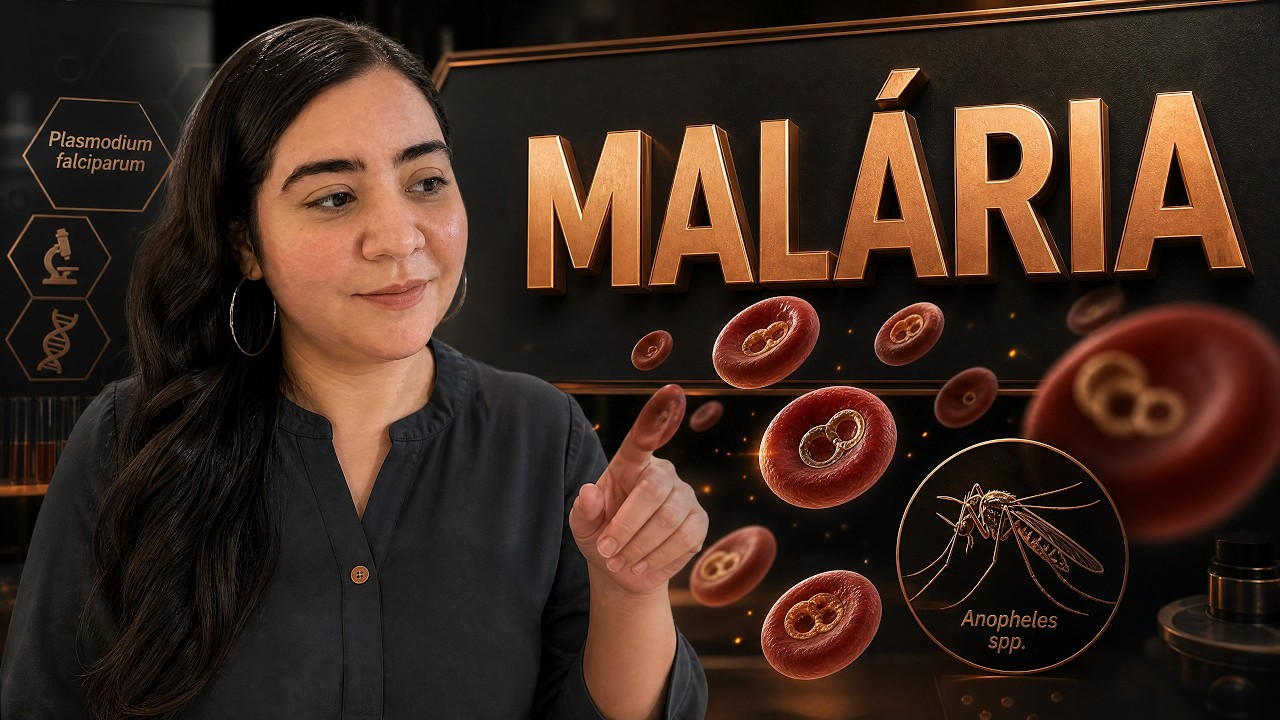
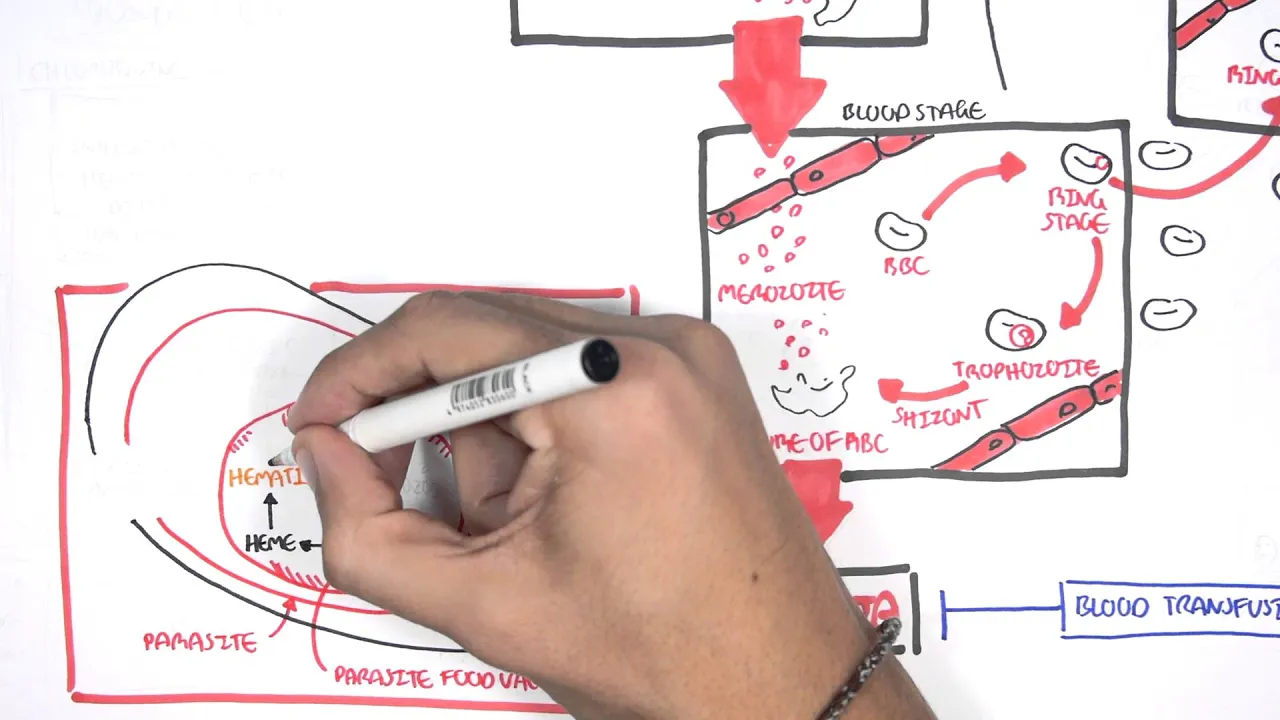
Added:Basic biology of Malaria: Understanding the life cycle of the Plasmodium parasite, its transmission via Anopheles mosquitoes, and its global physiological impact.
Fundamentals of Artemisinin: Knowing that Artemisinin is a compound derived from the sweet wormwood plant (Artemisia annua) and serves as the backbone of modern malaria treatment.
The Role of the WHO: Understanding how the World Health Organization establishes global medical guidelines, treatment protocols, and drug approval standards.
Monotherapy vs. Combination Therapy: Grasping the pharmacological distinction between using a single active compound (monotherapy) and combining multiple drugs to prevent resistance (e.g., ACTs).
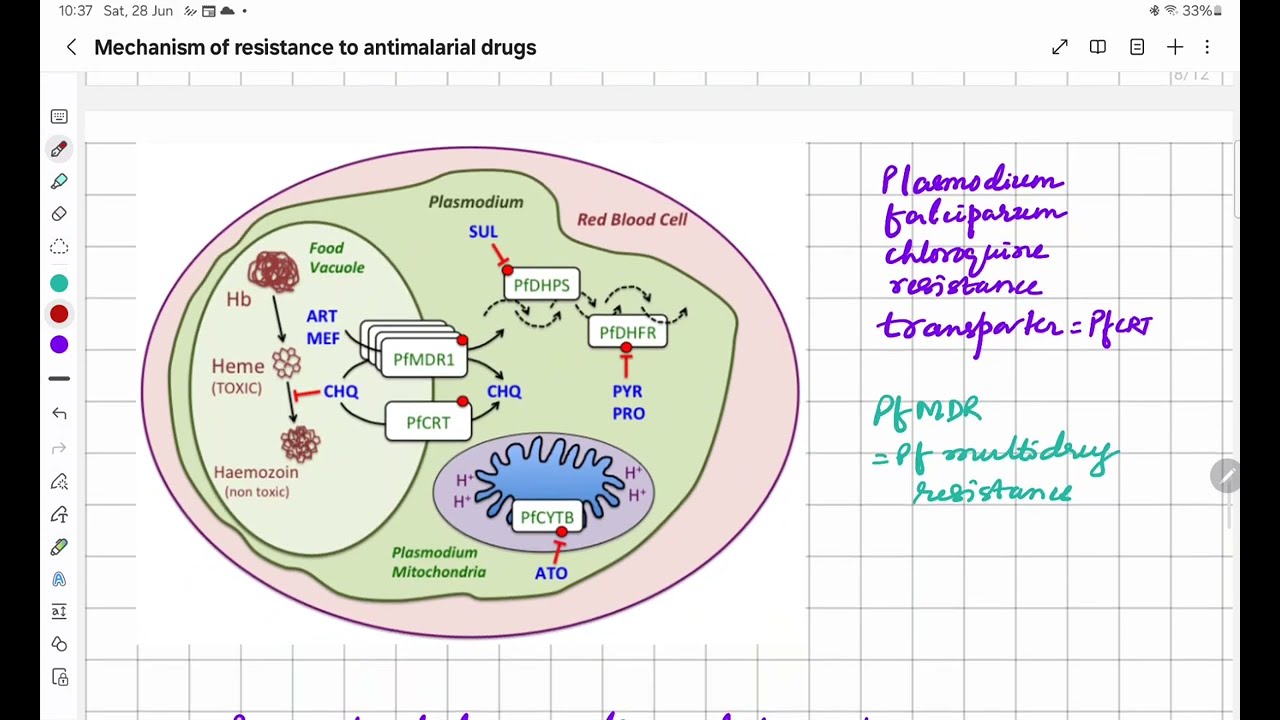
Antimalarial Drug Resistance: Investigating the emerging resistance to Artemisinin in regions like the Mekong subregion and parts of Africa, and the strategies to combat it.
Intellectual Property and Global Health: Exploring how patent laws, pharmaceutical monopolies, and drug pricing affect access to life-saving medicines in developing nations.
Ethnobotany and Drug Discovery: Studying how traditional herbal medicines are scientifically validated, standardized, and integrated into modern evidence-based pharmacology.
Political Economy of Global Health: Analyzing the influence of corporate pharmaceutical lobbying, funding models of international health bodies, and the geopolitics of disease eradication.
124.1K views2.3Klikes39:19Original Release: 2019-01-11
we have a row to welcome to reporters plus see on France 24 malaria is a disease but claims almost half a million lives each year it hits hardest in Africa The Situation's become more and more alarming in recent years as the mosquitoes that spread the disease are becoming more and more resistant to insecticide and due to the complexity of the virus no actual vaccine is available so it's said a particular plant can effectively treat the illness it's from China it's called Artemis yeah and it's not approved by the World Health Organization it's even banned in a number of countries so we're asking what's behind this ban now some suggest it's all about the financial interests of big pharma that have turned malaria into a business and the whole issues productive Rob between those for and against natural medicine war investigation focuses on Madagascar and our reporter burner Curtin [Music] [Music] this is a field of Artemisia annua or sweet wormwood it's also a battlefield scene of one of the ultimate fights against malaria this disease claims 500,000 victims every year the majority of whom are children we're in Madagascar these farmers are harvesting Artemisia annua a wormwood originally from China some consider Artemisia a dangerous plant it's even banned in some countries however it's neither poisonous nor drug Artemisia is only dangerous for the anti malaria business [Music] [Music] because important see you strong possible a shuttle and are on the medial downfall will have to have drugs and vaccines and other things to do these eradication since it started well he doesn't really tell it well is it true salsa really it really tab remote area that's really showy suitably supplanted and a little first [Music] there are so many other anti-malarial compounds in the plant I'm calling the Bahamas etiquette I'm a demon let me shift on to the pettiness your business to understand what's at stake here a painful reminder is necessary malaria is spread by a no-fail mosquitos carrying the parasite there are several forms of malaria the one we're interested in is the most severe and is caused by the Plasmodium falciparum parasite the symptoms of the disease are severe fevers and sweats which him degenerates into a fatal coma children are the main victims of malaria in some heavily effected areas one in five children die for centuries man has been fighting malaria on to France the war against the parasite and the war against the mosquito insecticide such as DDT have been used to combat the an FL mosquito and have red industrialized countries of the disease in 1964 malaria ceased to exist in Europe to protect themselves from bites people use mosquito nets since the late 1980s some nets have been sprayed with long-lasting insecticide recommended by the World Health Organization these nets are often distributed free of cost to the most affected populations at the same time as the battle against mosquito started so did the battle against the parasite extracted from tree bark we mean was the first substance used to treat malaria Kadena's then isolated synthesized and sold under the name chloroquine and so begins the malaria business the Vietnam War revealed an alternative treatment American soldiers took chloroquine to avoid catching malaria on the opposing side communist troops lacking treatment were wiped out by the disease Vietcong veterans later said that mosquitoes were more feared than gi's the communist leader Ho Chi Minh called for help from China which offered to send a medicinal plant you serve the centuries single scientific name Artemisia annua tons of Artemisia dispatched to Vietnam and taken by communist fighters in the form of a herbal tea it acted as a magic potion and contributed will be it modestly to the Vietcong victory some consider this the first success story of natural treatments over conventional medicine in the 1960 the Chinese launched project 523 a huge research project aimed at isolating the active ingredients on medicinal plants including Artemisia strangely the West took no interest in the plant which was confined to the shadows the World Health Organization continues to recommend chloroquine and other derivatives the w-h-o believes that chloroquine has pushed back the disease across the globe however its massive use has also generated resistance in the seventies resistance to chloroquine was observed in Southeast Asia shortly after in South America and an a dispute Fugazi strong resistance spread and reached Africa in the late 70s and early 80s indeed in cateura German Velasquez a Colombian expert was a director at the w-h-o at this time AB segi Coachella malaria as far as malaria was concerned the WH Show did not act fast enough when we started to see resistance to chloroquine replacement products for chloroquine often arrived very late but what quit though in the early eighties malaria started to kill again on a huge scale this catastrophic situation accelerated the return to favor of Artemisia annua the Chinese project 523 isolated a molecule which was named artemisinin supposedly the unique active ingredient of Artemisia annua in the early two-thousands chinese artemisinin medicines started to appear in africa alexandra Pusa is one of the first Westerners to have tested these medicines he and his wife were traveling on foot from South Africa right to the north of the continent we're walking deep in the Rift Valley between Lake Manyara and Lake Natron in the heart of Masai country the couple was in Kenya and Alexandra first became ill with malaria when we suffered our first attack I wanted to test this Chinese medicine for myself it was a bit crazy but I did it 24 hours later I felt better in 48 hours I was cured my symptoms had gone I found out later that I wasn't fully cured but it worked what Alexander didn't know at the time was that Chinese Artemis a new medicine is very good at killing the majority of malaria parasites within a few hours but some survived so a combination of the medicine and another molecule which would destroy the remaining parasites was urgently required this was the start of our team Athenian based combination therapies or AC teas the w-h-o imposed a CTS on all malaria affected countries the ACG market exploded leading to a shortage of the raw material Artemisia annua the mostly Asian growers couldn't keep up the sale price of Artemisium eat in 2005 business was there to be made that's when a Franco Malagasy company decided to move into large-scale artemisia annua production the company's business model is simple it encourages local farmers to grow the plant promising to buy their harvest at a predetermined price 10,000 Margazhi farmers were tempted by the prospect of a good yield higher than for rice in one season a grower can earn up to 700 euros this is a godsend in a country where a majority of farmers live on less than one euro a day the smell of dried Artemisia annua leaves hangs in the air in several Malagasy villages but this is a crop for export to manufacture medicines abroad and not for treating the local population some farmers have figured out a short part - if you have a fever add a pinch of Artemisia drink it and the fever disappears that Calif elusive attention in 2001 Alexandre pulsar was still on his Africa track he'd been treated but not cured with a Chinese artemisinin medicine and in Ethiopia he suffered a second malaria attack I contracted falciparum cerebral malaria and we didn't have the Chinese medicine I had acute symptoms of a type of malaria that could have killed me after three days we arrived somewhat distressed at a dispensary I was given Artemisia her Balti the same plant but not a tablet or capsule made by a laboratory if hid behind the white dog just the plant as a herb all teeth I drank three liters of this herbal tea over the course of one day that very evening I felt better I could get up the following evening my symptoms had gone I was no longer real to this day 15 years on have never had a repeat attack I contracted malaria and it's never come back and I never used Western medicine recounted in his book which sold over 400,000 copies this experience was of interest doctors herbalists and humanitarian associations but they hit a brick wall Artemisia annua is a pretty plant belonging to the Daisy family it's highly effective but banned in France effective but banned banned by the government by the Codex Alimentarius by the w-h-o by people who work hand in hand with pharmaceutical laboratories and those who run the world today we went to trial log at a specialized herbal apothecary on the shelves next artichoke no RT Monsieur we often have people ask for this plant they're planning to travel in Africa or Asia and what do you reply you know well that unfortunately French legislation does not authorize us to sell this planet at all in Belgium a Royal Decree from 1997 less dangerous plants ban from sale or consumption on the list despite being totally harmless his Artemisia annua curiously though it is authorized in neighboring Luxembourg home of professor Liu Jian he works many years for multinationals in the chemical industry of retirement she joined an NGO involved in the fight against malaria this is where he first came into contact with RT Missy and understood its full potential on that we have run planting programs in Peru and Cameroon we have organized grants in Senegal and Peru financed by our ministry for cooperation and the National Research Fund all fine until the day we received a nasty shock voila good delegates from the WH Olli big farmer and the Antwerp Institute of Tropical Medicine at the Ministry for cooperation as I say that it was financing activities beyond its remit you know that is actually ridiculous but saw that diseases are the responsibility of pharmaceutical companies and big pharma the big pharma the Ministry bowed to pressure and our financing was cut overnight rather naively Pierre Lucien thought he could persuade the whu-oh to change its opinion in 2012 he arranged a meeting at the headquarters of the organisation in Geneva he received a courteous welcome but nothing more one month later the WH show published serious warning on its website for Pierre Luton this was a serious snub no no but I said no you cannot ban treating people with herbal medicine it goes against tradition it goes against common sense we successfully renewed planting activities despite WH OHS misgivings hundreds of researchers are currently working on our team is here across Colombia Cambodia and Senegal more and more scientists are getting involved in artemis your research as they're convinced of the effectiveness of the plant in malaria treatment or wonder what can possibly justify the distress of the medical establishment with regards to Artemisia annua the most common argument is the sacred precautionary principle until we understand the full extent of the properties of the plant we must avoid using it if this precautionary principle applied as strictly to pharmaceutical products larium is an anti-malarial drug which continues to be prescribed despite having devastating side effects especially for sensitive individuals [Music] Oh turkish türkçe mama come over to my risotto AKO physique molly and i really internally to twin city concerns could do zoo executive more as he knows a saudi so this should be a busy fiscal i am some i suffered a side effect of larium in june 2015 during a tour in africa can do not only on a freak I was stressed I was exhausted had a breaking point for sure but the accelerator was Larry on Mexico City Lanka I didn't realize what was happening during the concert because I believe the madness was in of course with the hide side it's paranoia loads of things my brother figured out something was wrong if he hadn't been there I would have committed suicide that night for sure I choose my words carefully when I say that if he hadn't been there I wouldn't be talking to you today the Belgian pop star isn't the only one who suffered due to larium generic name is mafia Queen numerous Iraq war veterans who took this treatment experienced serious psychological disorders some even going as far as committing senseless murders several NGOs are seeking to ban the molecule despite frightening side-effects and lawsuits in several countries the w8 show still recommends mefloquine on it's essential medicines list at the same time the organization refuses to recognize the therapeutic benefits of the harmless Artemisia annua plant institutional inertia and a lack of interest from the pharmaceutical industry for a disease affecting that Paul has led several charitable individuals to take things into hand in Paris we met dr. Lucille corny varme an orthodontist deeply involved in promoting our team is here and a friend of Alexander Kusa alphabetics on spoke of how he was cured with Artemisia herbal tea in Africa during his trip I realize this was a true story that Artemisia annua herbal tea really does treat malaria and that the main problem today is that no institution in the world is capable of running studies and promoting this plant therapy she said to her boutique you about that's where it all started we said let's do it we'll set up an association to develop Artemisia growing in Africa associations sprung up all over Europe to promote Artemisia these initiatives are often targeted with very limb criticism from those in favor of the precautionary principle in 2012 the well-known Antwerp Institute of Tropical Medicine took a stand against the use of Artemisia annua Anup um waiting are you dizzy it's not the middle ages in my opinion using infusions or capsules where the amount of active ingredient is unknown is a responsible service I would never give this to my own child awful I'm not convinced he'd get better and he could die from malaria so why would I give it to someone else living in Africa your nephew in Africa precisely researchers are carrying out fill studies to prove that Artemisia is effective and safe Kim goo on the river Congo in mani Emma province dr. Jerome um yangji a young Congolese researcher is used to taking risks after a three-hour drive dr. moon yangji is welcomed like the prodigal son school children held a man who will perhaps rid them of malaria dr. Miyagi's career past is emblematic of the difficulties encountered by Africans who defend a type of medicine adapted to the continent [Music] [Applause] [Music] [Applause] [Applause] [Music] [Applause] [Music] Mijares idea melia quiray our aleppo je na in a coffee nonsense I first came into contact with automation following a malaria attack I suffered in Kinshasa it was a resistance trained and I had already taken anti malarial treatment to no effect the friend who had already used Artemisia offered me the plant I said I didn't like quacks who use plants my friend insisted it was on the third day I felt much better headaches and fever had done at the end of treatment on the seventh day I went to have some tests done in the laboratory everything was great no more Plasmodium that was my first experience of Artemisia impressed by this result the doctor decided to devote the rest of his studies to the plant with his medicinal diploma and a bunch of artemus he leaves in hand he began a master's degree in Paris a policeman Dan after three weeks of analyses we were a standard by the results of our lab tests observe lipof is the teacher working with me was also surprised and readed the tests herself I remember one of my teachers saying this is a bombshell and we don't want this bombshell exploding in our lab because our funding comes from pharmaceutical companies and the research was halted my lab notebook detailing the tests was even taken away from me the Artemis's samples I had brought were confiscated and taken to the laboratory director virtually expelled from University with no grant dr. Lu youngji refused to give up he contacted Lucile corny Varney who helped him continue his research well this is the awesome we decided to launch a large study on a significant population sample following w-h-o standards which are somewhat complicated randomized double-blind testing etc we studied a thousand patients at this point I started fundraising acceded to the way the phenol see these studies were financed by friends foundations companies seek walk because they truly believe a plant is the answer to the evil scourge of malaria in Africa [Music] once funding had been found the doctor returned his native province to launch the study 1000 falciparum infected patients were involved 500 took Artemis herbal tea and a placebo medicine 500 took a CT medicine and a placebo herbal tea dr. Michelle Eden boat was the main study investigator general secretly pallidus Emma we diagnose malaria from blood samples taken before treatment and tested in a top laboratory to determine the parasite count the challenge of policy their patients were split randomly into one group taking her booty and another taking a CTS we collected data every day for four months both groups a CT and herbal tea showed good clinical results Carville fit however parasitology showed the parasite count disappeared for patients taking her booty showers Jafar has it there whereas patients on a CT treatment still had parasites in their blood even though their clinical condition had improved results were indeed spectacular while a CT medicines are considered 80 percent effective the herbal tea scored 97% with no side effects contrary to the medicines the results were surprising in a positive way and that's when the trouble started with conventional medicine sort of trouble first we were banned from holding a conference at the end of the study Jostens evolving when we submitted the results to the doctor in charge of the area he immediately blocked us said conference no I said I will not allow this conference I won't do home to keep quiet and not communicate his findings to the public lisanna v they realized the herbal tea had better results than AC teas and we were given to understand that the pharmaceutical companies could withdraw support they accused us of arrogance and I was dismissed in your opinion who was behind this in my view it was pharmaceutical funds what makes you say that after the results were published we told patients that the herbal tea was more effective and they too had observed this so patients stopped buying AC teas we were starting to get in the way I was contacted by a large pharmaceutical Depot in kindy said we can't sell a CTS anymore because of your study you sir are messing with our business when Congolese doctors talk of pharmaceutical firms they're not referring to multinationals listed on the stock market pressure is being exerted at a provincial level Big Pharma is not behind this maneuvering it's the local pharmaceutical depots [Music] at the end of the study villagers adopted the herb or tea they had trialed you know my Jersey that came before I was often ill and malaria since I took part in the study I haven't had malaria you put this one I've always suffered from malaria herbal tea I feel much better my lady in 2016 a new experiment was run for six months at the village school children drunk Artemis yet twice a week as a preventive treatment not one child caught malaria during this period research needs to be carried out on thousands of children to validate these findings in the meantime the school teacher is more enthusiastic than ever taking Artemisia is very positive and profitable for our life and that of our pupils we've noted a drop in absenteeism an increase concentration when Artemisia has taken the days of missing school are gone dr. me younger took advantage of the study to lead a second one the patients who took her Balti were in fact split into two subgroups 250 took artemisia annua and the other 250 took Artemisia Afra the African species this one does not contain artemisinin the supposed active ingredient in anti malarial treatment the results were perfectly identical in the two subgroups which showed that artemisinin used by labs in their medicines is not the only therapeutic substance this caused a huge stir dr. moon Yangon study was completed in 2015 in order to impact the scientific community it needs to be published in a recognized medical journal editors are weary of plant-based remedies and studies carried out in Africa Africans are not alone in discovering the virtues of RT Monsieur [Music] at the Worcester polyclinic Institute an hour from Boston we met professor Pamela weathers has been interested in Artemisia annua for the last 25 years initially she focused her studies on artemisinin only we've always been interested in Artemis and we are still studying its biosynthesis but now we know that because this whole plant material is so efficacious at getting the drug artemisinin into the body we've also seen evidence that there are so many other anti-malarial compounds in the plant and so we now have a much more holistic perspective on our research the plant material is very nice because it has more than one drug it has more than two more than three it probably has about ten we actually were able to show that we could use the plant material to combat rodent malaria that was resistant to Artemis ninh and so as a result one would consider that this has a great potential to be used against malaria resistant parasites and also in patients to prevent the emergence of resistance the question of resistance has split those involved in two groups for or against Artemis yet skeptics including w-h-o experts believe wide-scale use of the herbal tea could generate resistance and be prejudicial to a CT drugs for those in favor of Artemisia this argument is flawed herbal tea has been used for over 2,000 years in China without any signs of resistance history seems to have proved what science can't yet show perhaps the answer lies in nature optimist your annua and its African cousin are in fact Polly therapies it's the combination of their various components that give the plants their therapeutic power they should therefore be used in totem hole without trying to isolate a particular active ingredient the w-h-o is seen today as the main obstacle to the spread of artemis yet anywhere officialy because of the precautionary principle but maybe also for political and financial reasons exactly 25 years ago over 50% of the w-h-o budget came from compulsory public donations from w-h-o member states mumbled aloha miss you today twenty or so years on only eighteen twenty percent comes from public money so the private sector with foundations such as Bill and Melinda Gates have taken control of the organization during the first 50 years of the pharmaceutical industry drugs would develop to cure diseases over the last 20 years the industry has produced drugs to treat but not cure diseases maybe it's more profitable to have a patient as a customer am i lucky and clean profit comes before public health interests in June 2016 Bill Gates made a solemn declaration his foundation committed to eradicating malaria from the face of the earth within a generation will have to have drugs and vaccines and other things to do these eradication so we should be able to complete it all by 2040 this declaration was made in conjunction with the then British finance minister to fight disease perhaps the Health Department would have been a more obvious choice but in this case it was the Finance Ministry of the Gates Foundation promised to invest four billion euros to eradicate malaria [Music] we invited the International Federation of pharmaceutical manufacturers to respond they replied unfortunately we are unable to participate in your documentary we have no experts available to speak on the subject we also try to find out the current position of the WH Show with regard to Artemisia annua which had advised against in 2012 we received this curt reply we will not be able to address your questions on alternative medicine the WH show is clearly not ready to embrace Artemis year but it is spouting up in many other places more than 40 countries worldwide produced extracts of the plants for therapeutic use Artemisia is not only beneficial for health it's also creating jobs dozens of men and women have found work in this new sector one of the reasons for multi Macias success is its price five times less expensive than recommended medicines it's already being sold at some markets before we used to buy medicine at the pharmacy it was very expensive and didn't really cure the malaria but the Hubble tea is cheaper and you gets better faster I will tell you straight away that I have used this plant at home for several years that's my personal situation and I recommend it to colleagues and scientists who also use it professor Diallo who studied Artemisia for the last ten years in his bacteriology laboratory at Dhaka University we have been looking at Artemisia Afra for some time and believe that it's a promising route forward in fields in Senegal research is now focusing on Artemisia Afra the African species which does not contain artemisinin and cannot therefore induce resistance to a CT drugs Afra has been used in Africa for centuries and as such is naturally recognized as a medicinal plant it's also easier to grow than an yuuup well have I dreamed that every African family has an Artemisia Afra plant it's a perennial bush and they can take Artemisia cuttings every two days to make herbal tea no more malaria end of story their hope is that Artemisia will finally be recognized not against the view of conventional medicine professionals but with their approval publication of clinical trials would force the w-h-o to review its position and that this years of silence would come to an end last week Miss Africa needs insurgents research insurgents what interests me in all of this is not saying my African brothers died from a disease that we can treat we can find local solutions rather than waiting for medicines to be manufactured in Europe or to come from India we can find solutions here to cure our brothers with plants that we grow locally if Ultima SIA herbal tea turns out to be the ultimate remedy for malaria the world could be left wondering why so much time has been wasted why so many victims have suffered and why such a huge anti malaria business ever existed [Music] and I report from Bernard Kristen and that's a reporter's plus for this edition but stay with us here on France my cat much more calm [Music] you
Up Next
63:50
Pharmaceutical Drug Development Process Explained by Medical Expert
@YMHStudios
72.2K views•2023-09-29

12:54
Triumph of Orthodoxy Icon: Byzantine Art & History Explained
@BenCallan
2.1K views•2024-08-06

9:49
FastAPI vs Flask vs Django: Choosing the Right Python Web Framework
@TechWithTim
302.5K views•2024-05-26

1:42
Game of Thrones Opening Credits: A Cinematic Analysis
@gameofthrones
46.3M views•2011-04-18
Related Study Plans & Knowledge Roadmaps
Structured learning paths in General & Interdisciplinary Studies
general-studies
Elevator Engineering: History, Physics & Cities
01From Hoists to Safety Brakes: The Dawn of Vertical Lift
02Hydraulic vs. Traction: The Engineering Physics of Elevators
03Modern Speed, Safety, and Algorithms
+ 2 more learning modules
12h5 modules
Explore Roadmap
general-studies
Rubber: Material Science, History & Geopolitics
01Origins of Natural Rubber & Mesoamerican History
02The Chemistry of Natural Rubber & Vulcanization
03The Geopolitics of the Rubber Boom & Colonization
+ 2 more learning modules
12h5 modules
Explore Roadmap
general-studies
Containerization: Evolution, Logistics & Trade
01Ancient Trade & Bulk Cargo: Amphorae to Barrels
02The Industrial Revolution & Cardboard Packaging
03The Containerization Revolution: Malcom McLean
+ 2 more learning modules
12h5 modules
Explore Roadmap
general-studies
Textile Tech: Evolution, Labor & Global Impact
01Pre-Industrial Textiles: Handloom & Cottage Industry
02Mechanization: The Spinning Jenny to the Power Loom
03The Factory System & Global Labor Transformation
+ 2 more learning modules
10h5 modules
Explore Roadmap