












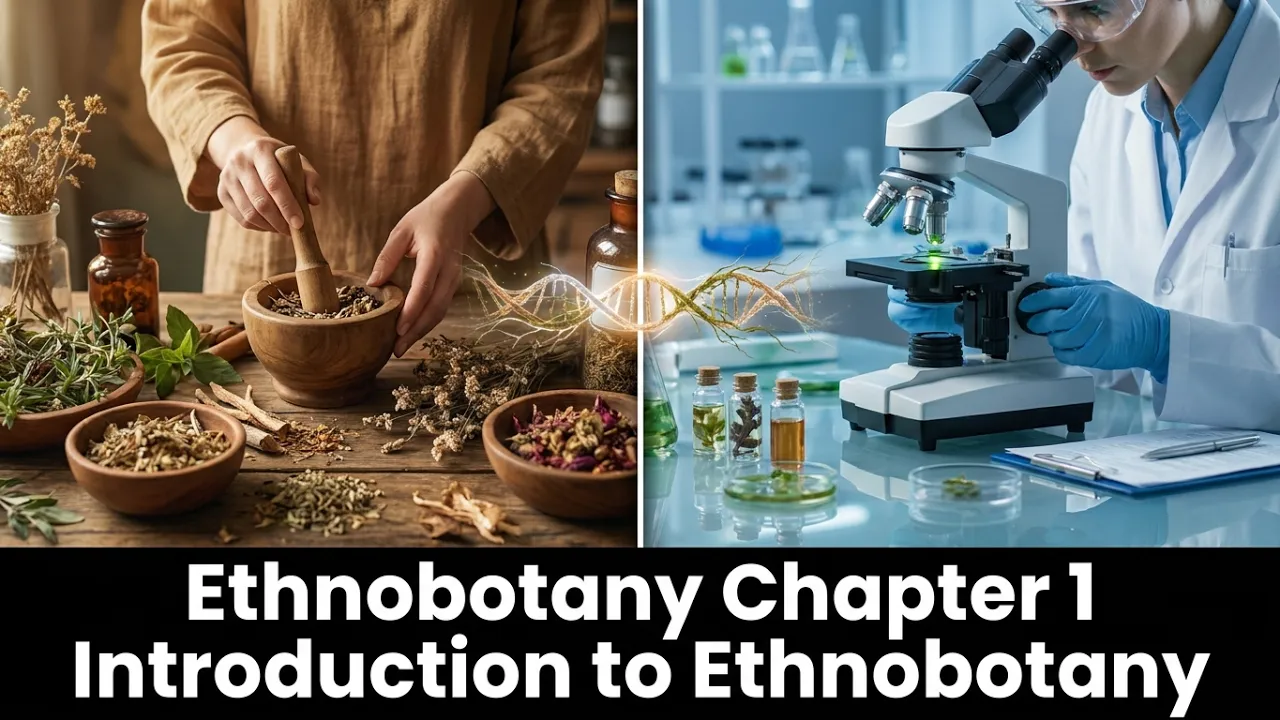








Ethnobotany is the interdisciplinary study of the relationship between people and plants, examining how humans have used, modified, and represented plants across cultures throughout history; unlike economic botany which focuses primarily on plants' utility for humans, ethnobotany emphasizes equal attention to both plants and the people who use them, with modern practice requiring rigorous methodology, ethical frameworks including prior informed consent and benefit-sharing, and collaborative approaches where research agendas are set by local communities rather than external researchers.
Ethnobotany: People, Plants & Culture | Mark Nesbitt
Added:Fundamental botanical concepts, including plant classification (taxonomy) and basic ecology.
Basic sociological and anthropological concepts, particularly how different cultures interact with and conceptualize their natural environments.
The historical context of colonial-era plant exploration and the development of economic botany.
An introductory understanding of research ethics, particularly regarding human participants and the utilization of natural resources.
Advanced field methodologies in quantitative ethnobotany, such as calculating cultural significance indices and informant consensus.
The application of ethnobotanical data in drug discovery, pharmacology (bioprospecting), and sustainable agriculture.
International legal frameworks governing biodiversity, such as the Convention on Biological Diversity (CBD) and the Nagoya Protocol on Access and Benefit-Sharing.
Archival and curation techniques for economic botany collections and herbarium specimens.
Participatory conservation strategies that integrate traditional ecological knowledge (TEK) with modern conservation biology.
649 views10likes28:35Original Release: 2020-08-21
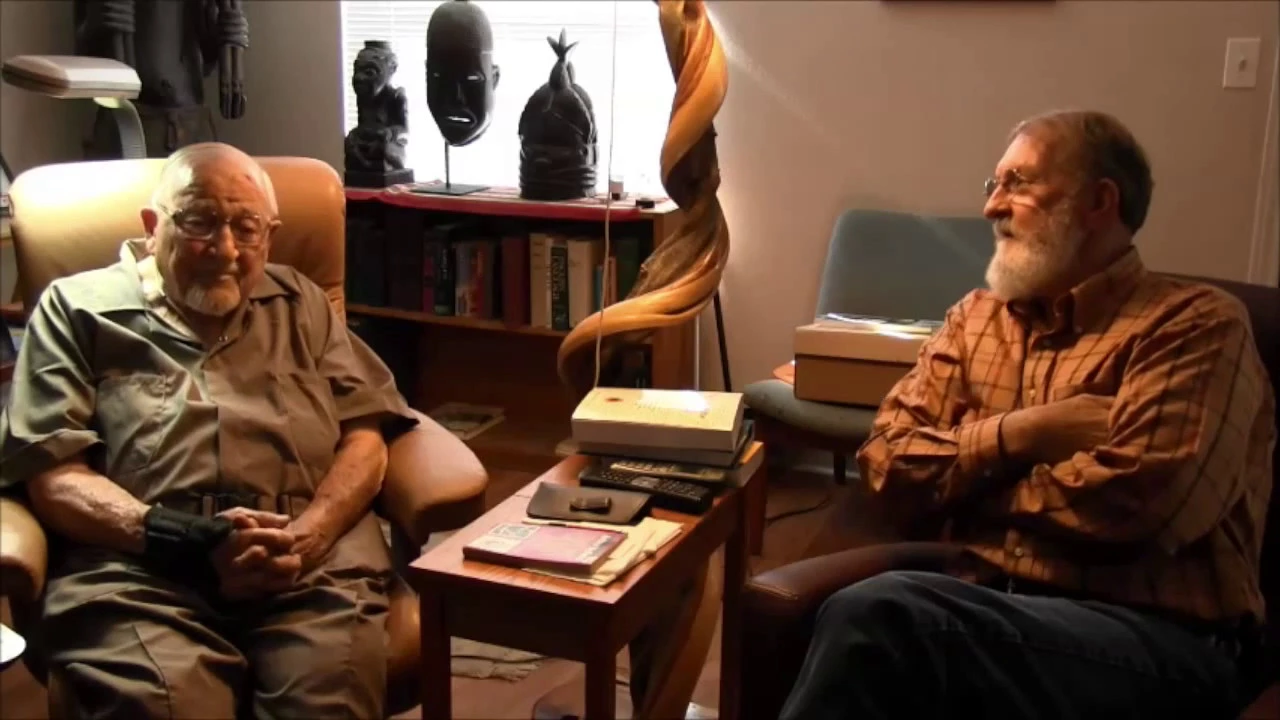
[Music] welcome everybody this is robin harford from eatweeds.co.uk and today i am here with mark nesbitt mark i think it's best if you tell us about yourself i'm very excited to have you on i know you're a senior research leader at queue but in what department i look after the economic botany collection which is a sense of useful plants things made from useful plants from ancient egypt to current times my job is both to care for that collection but more especially to kind of generate research into useful plants wonderful so you mentioned economic botany ethnobotany did one come before the other did one come later what's the history the story of what i understand as ethnobotany even though there is the society of economic botany uh these terms that we can also throw bio-cultural into the mix as well and they do reflect uh different emphases through times etho and both me which you can chase back to various points but probably really into the 18th century that the clues perhaps in that first word but it did mean something slightly different in the 19th century it meant more practical or useful but nonetheless the fourth bear was very much what can plants do for us whereas ethnobotany i think gives a more it gives way for more equal emphasis both to the plants and to the people who are absolutely the quorum effect and it also symbolizes the fact that we we see plants as having us a wider role in a society than purely economic and modern terms one of the reasons we've hung on to the term economic botany for the collection at queue is there was the world's first museum of economic partnering so there's a kind of historical resonance there but ethnic is probably the more familiar term to most people these days my understanding that richard evans schultz is considered the father of modern ethnobotany is that true and if so who was he and why was he important compared to other plant hunters or researchers have passed i think there's a complicated answer to that because absolutely he's one of the fathers of modern ethnic you know his uh fantastic work starting in 1940s and south america things like world rather really set very high scientific studies for that work collecting herbarium specimens publishing everything really well works very foundational for the whole work that's going on now for example my own worker and the amazon is drawing on sources publications and specimens at the same time there's a reading of sources work today but i'm less comfortable with there is a kind of narrative about the lone ethnobotanist in the field which is absolutely not how we work today it's a narrative you know he was obviously fascinated by psychoactive uh substances and those are a really important element of life especially where he was working in the amazon well that's not the the dominant aspect of ethnic balcony today and it can sometimes guide people perhaps into a quite limited understanding about what ethnic book is about i'm totally with you on that one because it's my experience particularly certain organizations in america are really focusing on the kind of the psychoactive uses of various plants and that's just one small cultural use within a far greater context but that's important people i know go ethnobotany right shaun says oh that's about tripping out in the amazon it's like no it's not and i actually get quite upset over that it belittles a culture to reduce a culture to a psychoactive substance is is deeply crass actually and i do feel there's an element of self-indulgence often uh amongst the some of his senses and from other researchers and elements of an agenda but isn't asking open questions it's driven by a particular views on on trends then of course to send the whole controversy around the use of things are tourism is that cultural appropriation or is it bringing income into communities uh big unresolved questions so there's ethnobotany someone's jazzed up they really are into ethnobotany where do they go and get properly trained uh with all the qualifications in the academic research etc i think the things about ethnic me is that like all these modern and very interdisciplinary fields it's very flexible i i would say there is there's a core aim at center of ethnobotany which is about reconciling uh people and plants or biodiversity lipids but quantitative methodology has evolved the last 20 or 30 years which a lot of us use but the framework for that you know could sit in an ecology department department anthropology department that's even a history department in in many cases so you could take effort in lots of different directions well there's some messages of people interested in going further into that field is there relatively few jobs for ethnobotanists but very large numbers of jobs where ethnic as a technical skill is super useful in in doing them so this question quite often comes up in sort of facebook groups or somewhere and i study uh and the emma ken started 20 years ago as a february 17 2 very well known ethnobus uh roy ellen anthropologist working in indonesia and gillian prance when the director of queue works in the uh amazon gives you that very concentrated one-year half uh training in context understanding what ethnic development is and things like environmental and equality and all those policies like convention and biological diversity the methodology the methodology which is repeatable methodologies means different people can do the same kind of study in different communities and compare results uh which is really exciting development and everything so you get all that packed into one year together with six months field work to actually put into practice what you've learned but those technical skills haven't cost really published there's some really great handbooks on ethnic balcony by people like gary martin tony cunningham if you're in the right department the right supervisor joining in the right networks going to the right meetings you can of course learn these skills of eric and the botany in quite a few different settings i had someone literally just yesterday she said she was looking for a mentor either in foraging botany or ethnobotany she's already done an msc in environmental science and something else i can't remember and she didn't want to do the kent route is there any other route not to become qualified officially but are there courses what would be your advice for people who want to become competent and proficient in ethno-botany without necessarily going the full academic route or is that even possible learning free doing is is a really good route and i think uh um some broader piece of advice which i've often end up giving to people on the kemp masters course as well is about having a specific area of focus it's quite hard to develop yourself if you have a very broad fuzzy interest in plants and people it's hard to give advice on where to go what kind of work you might do what kind of reading you should be doing if you're interest is in conservation of chinese medicinal plants being imported from the himalayas then it's much more straightforward think about where what is your next step going to be to develop that interest i think the question of short courses is an interesting one we're just doing a review at the moment a view of uh of our education provision and master's degree has always been very important for us we are also thinking about widening the scope of short courses now there is an opportunity to give those sort of basic tools introductions the context in a shorter period of time we do that for things like tropical plant identification there's no reason why we shouldn't be doing that for ethnobotany too it was actually one of the the reasons for for me getting you on the call because it seems certainly in my networks that there's a number of people not everybody but certainly a number of people who are fascinated by the whole science of ethnobotany and they kind of we're kind of floundering because it's like well where do we go you know if you don't can't do the msc then short introductory courses into the methodology like you say personally i think would be pretty pretty important which then fed into the question that i asked you specifically with kind of the growth of citizen scientists which some people understand other people really embrace and where would is there is there a place for such a thing as citizen ethnobotanists absolutely and i mean what i love about the term citizens it's a bit of a buzzword it's great for projects and so on presidents and citizens because if you look at natural history and folklore in most countries as one example a citizen has been absolutely at the heart of that local natural history societies have been the backbone of biodiversity research in the uk what 200 years or so and if you look at for example roy vickery's wonderful books on on food law and his plans where does the raw material come from it comes letters that people write to him it comes from stories collected by folklore as citizen scientists back in in the 19th century so i think there absolutely is a rule but there are perhaps some lessons to them from that earlier work but those citizen scientists think natural history didn't do it by themselves they didn't do it in isolation they formed groups together they called these wonderful natural history societies that still exist everywhere and so i think the question is where is that community going to form and of course part of that community has been forming on areas like facebook and social media so someone is fascinated with plants particularly the ethnobotanical uses which from my understanding covers all the uses that a plant has served within human culture and the relationship around those uses so someone goes abroad they find someone in a forest and they want to learn about the forest medicine and they go out for a few days or a couple of weeks with that person who happens to be a local from a village they're not a scientist they just know the plants because they are part of their life and they note down all the uses that the person's telling them one of the things that i've been discussing with ethnobiologist friends in america is the importance of honoring the local people and where the knowledge comes from so we're covering things like intellectual property rights and potentially cultural appropriation so where's where are we at with all that at the moment what would what would be your advice to someone who goes because i've got loads of notebooks in my times abroad and people have said to me continually well why haven't you published any of that information i go well it's actually not ethically cool to be doing it because one to actually go back and give full credit to the to the people that i learned from would require other journeys and also trying to find them again so what would be your advice yeah so i think you're you're absolutely right and there's i guess a fine line between as an individual chatting people about plants which is a pretty good thing and warmly to be encouraged and doing what we might call research which perhaps at the core of the services idea of dissemination no sharing results obviously the the legal intellectual property position is this complicated no cue full-time people to work purely on those uh aspects but the principles are very clear and i think the principles will set out now around things like benefit sharing and concern but i would summarize it's all in one word it's about collaboration and so the idea when we would or any research now simply go off and do research somewhere is around about 30 years out of date the most ethnic mechanical field work these days i think we first say probably initiated by the communities where that work is being done and the agenda the dissemination themselves the way that they use the way the benefits flow back into those communities so i think that's one of the differences you could say to 19th century economic partner it was extractive it was about taking implants and information elsewhere for our benefit modern day ethnic the focus is always on the community that you're working in how can the techniques and so on that we have been shared and benefit of them so if we're doing collaboration then all of these things have worked out through joint discussions and there's you've got budget time to take place but if the agenda is being led by where you're working you know the conflicts are going to be less because you you're clearly working to better agenda so just a feedback to people looking for courses i've come across some courses claiming to be level four accredited programs in ethnobotany under the guise of the institute of outdoor learning what's your feelings on those kinds of courses are they valid or are they just kind of riding on the bandwagon i'll have to look up his courses i don't know but i do sometimes make suggestions to people who are looking uh you know for a different route or for a taster or fulfilled skills and there are quite a few field courses around uh and what i always look for there is do the people leading these courses have you know phds or equivalent qualifications of the subject what does the modules look like do they include intellectual property conventional biological diversity as a modern quantitative methodologies how how do you do surveys and there are some really great courses but particularly latin america but do meet those criteria and an ideal well looking for courses are coming out of a reputable institution but it's important to say that there are also individuals running really good courses too so where do you see the future ethno botany some people have said to me well you know really what's so relevant about it surely it's just all been done it's all everything's been bagged and tagged what is the relevance of ethnobotany in the modern world or are we all just living in past but interesting ask that question right right at the moment in the middle of the pandemic which i think is is for all sorts of reasons including this incredible silence that we suddenly have in london where i'm living and working it has attuned to people thinking more about our relationship the natural world and also about how our disruption of the natural world although may sometimes have short economic benefits can have longer term perturbations or really bad effects for our own uh future and so that ethnic is probably more more relevant than ever and in terms of where those future directions one is actually united kingdom itself it's obvious subjects a bit like anthropology that tended to look you know to the other to look um and the work particularly gabrielle hatfield so my wonderful books has really redirected attention to the wealth of what we have here both amongst people still around to remember days before the national health service when access to medicines is really poor the evolution of union knowledge the influence of uh you know new diaspora communities uh united kingdom is a really rich area to work overseas i think there was a really interesting time when some of these messages around sustainable forestry for example have been taken on a high international level as our international legislation controlling these but making these actually work on the ground making sure communities are involved communities benefit that's above all where the ethnobotanists can bring together these techniques during ecology during anthropology can be really relevant people have often said to me oh well we've we've lost our indigenous knowledge and i've kind of said well yeah we kind of lost it possibly with the picks but we have cultures like the roma is from my experience they're very quite closed to outsiders with their plant knowledge i just wondered if there were any projects that you know of that have managed to build bridges into those communities so before their elder people start passing on that knowledge can be recorded and documented is there such a thing that's a good question i think first it's important that knowledge is not static and new knowledge is evolving of course the whole foresting movement has seen a big boost this year sometimes it comes under attack you know it's accused of being unsustainable and that's where real underground studies could be really abandoned i think on on roma culture perhaps a subject for another one of your podcasts would be sarah edwards who has a phd in anthony baldness who did her field work in northern australia but she has a chapel and heritage uh herself i know he's been developing quite detailed conversations with roma communities around ethnobotany and i think that's a really good example of the research agenda being set within a community rather than outside the community most of the audience that listen to this podcast often they're beginners they're they're very excited about plants and culture say someone is going right i want to start a project what would be your advice for someone where they are not flying away somewhere but actually on the ground in their local community what would be your advice for them to start recording knowledge i would start then if you'd like more wider by doing a bit of reading beforehand so look for those books by people like miguel alexis gary martin tony cunningham and there's some rosy buys ebooks these days i think the most is still in print rather than leaping into research it is it's worth just stepping back perhaps reading multi-base books with people like mark clock in writing about the uh amazoners as well shortest work too so a little bit of context first and what you will find in in books like ethnobarnard methods manual gary's book really quite clearly set up methodologies on how to do this kind of thing how to interview people there's simple techniques around open questions for example techniques that produce data tables that you can show for other people and then again thinking about networks now is there a forager's group in your area can you create such a group you know talk to people who are doing commercial approaching as well but also then kind of at the heart of research if you like behalf of what we do is asking questions and that's what drives the search for these three exciting research so what are the problems in your area or what are the opportunities in your area are there wild plants that could be encouraged for example if you're thinking about foraging but all of that comes around through networking and talking to people that they the other piece of advice is around going to conferences and going to meetings often by students to you know just do some simple google searches around keywords that they're interested in i think meetings like the society of economic botany which was going to be in jamaica this year should be there next year a very good opportunity for people all stages in the field and parties are very open and not at all limited people and academic jobs uh to see what what people are doing of course is the way the service works it's not a lone scientist enterprise uh it's about you know learning tricks from from other people find out that what's an important question in france or belgium could just as well be an important question impression as well you brought up the society of economic botany which i'm a member of and have been for a number of years which i find absolutely vital really because of the wealth of research papers that i have access to so tell us a little bit more about the society of economic economic botany and why should people join for me it's really important but i don't know many people in my network who i'd have heard of it or have even joined it actually one of the questions that does come up from time to time should we be changing our name and it's a complicated question because the scope of the society is around a very broad view of ethnic body includes people working archaeology as i used to myself people working on novel crops orphan crops genetic resources all this kind of thing and we really uh value that breadth but i think it is the closest to a professional society that we uh have foreign i don't get it in print anymore and i regret that i get free access from the very few academic journals that anyone interested in plants could actually read from beginning to end and actually really enjoy reading and if you do join you get the audiences in 1951 uh onwards the annual meeting is i think it's unnoticeably friendly meeting at the last meeting i was meeting the people who were coming to fa botany for the first time looking for resources and there's some great resources and those videos on the website for example if you become a member 200 videos teaching i think one of our questions is how can we be a more international society and it is an international society it's always had 50 60 70 uk members and in the past we used to meet more on a reasonable basis i remember meeting with gideon prance and his director of queue hosted such a gathering in his house of queue back and must be in the 80s and that's something we need to return to but one change that we have made is we now do rotate those annual meetings so typically one will be united states and then the following year will be in another part of the world so anyone listening to this who wants to follow up on what mark has suggested either with the books or with the various organizations like kent university there will be links in the show notes so you just need to visit eatweeds.co.uk and click on the podcast link and the share of the episode will be there for you to explore further mark thank you for your time i know that we're we're cutting into it and i just wanted to ask one more question and it became a personal question so a few years ago my academic botanist and ethnobotanist friend said robin you're an ethnobotanist and i was going well no i'm not an ethnobotanist because i don't follow rigorously the methodology and they said yes but your research goes really deep and it was like well okay so for a very short while i did use that tag but i became very very uncomfortable using it because i don't have i haven't done the msc course so what's the boundary because i know some people in the community are starting to call themselves ethnobotanists without having done kent is that acceptable uh-huh so the question comes up quite a lot particularly you know from perhaps early career researchers who have invested in a master's and a phd and for whom you know that the word effort it's really quite um important i i'm not sure that it's um as i said before this is very new very interdisciplinary very community based community orientated field and so setting strict boundaries doesn't sit well with that i would say perhaps the sort of central aspects are for in someone who describes themselves in epinephrine just like you i was the same doubts myself whether it's the right word for what i do is it is perhaps a a central commitment to the ethical aspects and if i don't see those then i really would would raise questions so there is a community based is it prior inform consent is it benefit sharing is it capacity building in an ideal world would be no ethnicist yet setting off to other places because every place should have a capacity to that worker itself so i think that ethical aspects sit at the the heart of ethnobotany and if you sign up to those then by all means call yourself an ethnobotanist it's a funny one because it's a bit like herbalism there are folk herbalists like the marvelous christopher headley and then there are a medical herbalist so the medical herbalists have done all the the academics and got the qualifications and the phocobliss haven't but what they have is decades and decades of experience of what i call embodied learning so they have worked regularly every day with plants in a medicinal context so it kind of borders into that and i suppose at the end of the day for anyone who's listening who who is wanting to call themselves themselves an ethnobotanist one listen to what mark just said and two can you genuinely hand on heart sit with yourself and know that you're not basically bullshitting people yeah i quite like your distinction to the idea of being an ethnic artist and the idea being someone who doesn't botanical research which is somehow more modest and realistic claim and i think one that i'd be happy to sign up to so it's been wonderful having you on mark i really appreciate it i know you know you're cute you're inundated with work even with lockdown so many many thanks for coming on that's very good for provoking questions
Up Next

1:54
Nestlé's Biopiracy Attempt on South African Rooibos Tea: A Case Study
@ajplus
586.2K views•2026-02-11

38:41
Astrobiology Through an Anthropological Lens: Field Insights
@georgiatechastrobiology
128 views•2021-04-14
4:45
Proxemics Explained: The Study of Personal Space
@Vox
536K views•2016-07-05
10:38
Psychology of Internet Trolling and Pranks Explained
@AzzyLand
10.7M views•2017-12-20
Related Study Plans & Knowledge Roadmaps
Structured learning paths in Anthropology
anthropology
Space Anthropology: Analogs, Culture & Habitats
01Foundations of Space Anthropology & Cosmic Imaginaries
02Extreme Isolation & Micro-Societies in Orbit
03Space Analog Habitats & Earth-Based Simulations
+ 2 more learning modules
15h5 modules
Explore Roadmap
anthropology
Legal Anthropology: Customary Law & Pluralism
01Foundations of Legal Anthropology and Social Justice
02Legal Pluralism: Coexisting Legal Systems
03Customary Law and Indigenous Dispute Resolution
+ 2 more learning modules
15h5 modules
Explore Roadmap
anthropology
Global Tourism: Gaze, Authenticity & Heritage
01Introduction to the Sociology of Tourism
02The 'Tourist Gaze' (John Urry)
03Staged Authenticity in Tourism
+ 3 more learning modules
14h6 modules
Explore Roadmap
anthropology
Modern Kinship (ART, Adoption & Chosen Family)
01Foundations of Kinship and Family
02Assisted Reproductive Technologies (ART) & Relatedness
03Transnational Adoption and Global Kinship
+ 2 more learning modules
12h5 modules
Explore Roadmap