Biopiracy refers to the unauthorized appropriation of indigenous traditional knowledge and biological resources by external entities, such as when multinational corporations attempt to patent traditional medicines or crops developed by local communities over generations. The case of Nestlé's failed attempt to patent Royos tea in South Africa demonstrates how international legal frameworks can be challenged to protect indigenous intellectual property rights, leading to formal recognition of traditional knowledge holders and benefit-sharing agreements that ensure communities receive fair compensation for their traditional knowledge.
Nestlé's Biopiracy Attempt on South African Rooibos Tea: A Case Study
Added:Deep Dive
The basic definition of biopiracy and how intellectual property laws can conflict with the preservation of indigenous traditional knowledge.

Plus Two Biology Public Exam | Chapters 9 , 10 & 11 | Eduport Plus Two
71.5K
Biopiracy refers to the unauthorized use of biological resources by multinational companies and organizations without proper authorization from the countries and people who originally developed or discovered these resources. This often involves taking traditional knowledge or biological resources without providing compensation to the source communities. Examples include patents on traditional medicines like neem and basmati rice.
Click to watch →

Why Burkina Faso Just Banned Big Pharma From Its $5B Miracle Tree?
3.3K
This segment introduces the central conflict: the moringa tree, used for centuries by Sahel communities as medicine, is viewed by pharmaceutical corporations as a five-billion dollar asset. The video explains biopiracy as the modern face of colonialism where corporations steal traditional knowledge and DNA of life, transforming it into high-priced products while original owners remain in poverty. This sets up the fundamental tension between indigenous knowledge systems and corporate intellectual property claims.
Click to watch →

Además de prohibición de maíz transgénico, urge atender biopiratería: Especialista
31.1K
Biopiracy refers to the unauthorized exploitation of biological resources and traditional knowledge from indigenous communities, which can be prevented through legal frameworks that recognize these resources as intellectual property; countries like Peru have implemented strict regulations to protect their indigenous biological heritage, including the coca leaf, from unauthorized commercial use by foreign entities.
Click to watch →

Plus Two Christmas Exam Botany | Biotechnology And It's Applications | Xylem Plus Two
39.3K
Biopiracy refers to the use of biological resources by multinational companies and other organizations without proper authorization from the countries and people concerned, and without compensatory payment. It involves taking intellectual property rights over biological resources that belong to indigenous communities or countries.
Click to watch →

ఇంక ఆయుర్వేదానికి తిరుగులేదు - UN లో 193 దేశాలు సంతకాలు పెట్టారు.
8.3K
This segment explains biopiracy as the stealing of indigenous knowledge about genetic resources. The UN treaty prevents others from patenting traditional knowledge originating from specific countries. For example, if India has traditional knowledge about medicinal treatments, no one else can claim patent rights. The treaty requires that when traditional knowledge is used, the country of origin must be acknowledged and receive compensation. This protects the intellectual property of indigenous communities worldwide.
Click to watch →
Deep Dive
The history, cultural identity, and geographic distribution of the Khoisan peoples, the indigenous communities of Southern Africa.

First People: The Lost History of the Khoisan – Andrew Smith
4.6K
The Khoisan people, comprising the San hunter-gatherers (descendants of humans who arrived in southern Africa approximately 300,000 years ago) and the Khoekhoe herders (who migrated from East Africa around 2,000 years ago), represent the oldest continuous human lineages in Africa; their distinct languages, cultural practices, and spiritual traditions—including rock art used for communicating spiritual experiences—have been marginalized by colonial and post-colonial governments, yet they played a crucial role in shaping early racial categorizations when European explorers encountered their radically different way of life in the 15th and 16th centuries.
Click to watch →

KHOISAN PEOPLE OF SOUTHERN AFRICA : OLDEST HUMANS // Asian Ancestors?
225.3K
The Khoisan people of Southern Africa are considered among the oldest continuous human populations on Earth, having inhabited the region for up to 140,000 years; they are hunter-gatherers who speak unique click-consonant languages, possess extensive knowledge of over 1,000 plant species for survival, and maintain cultural practices dating back thousands of years, making them invaluable to understanding early human history, language development, and sustainable living.
Click to watch →

Tourism in South Africa - The De-Developing State
20.3K
The indigenous peoples of Southern Africa include the Khoisan (Khoikhoi and San), who were hunter-gatherers and cattle herders respectively. Neither group is considered part of the modern Bantu African concept. The Khoisan were later displaced by Bantu African migrations southward.
Click to watch →
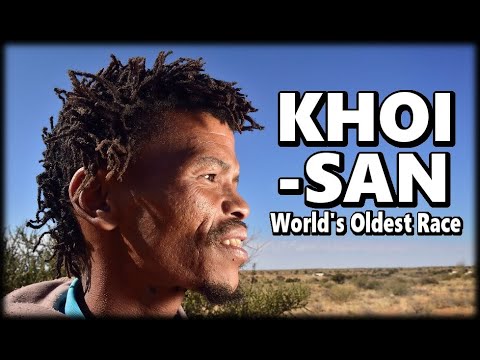
Who are the Khoisan? The World's Oldest Race and the Indigenous South Africans
820.8K
The Khoisan are described as arguably the oldest race of modern Homo sapiens and the original inhabitants of South Africa, Botswana, Namibia, and other parts of Southern Africa. They are distinguished by unique physical appearance, language, culture, and history, yet remain seldom discussed in the Western world. The video highlights their significance as a people group deserving greater attention. Their languages are noted for containing click consonants, a feature rare in other language families. Genetic studies referenced in the sources indicate ancient population structures in Africa, with the Khoisan showing deep genetic divergence from other human populations. Research cited explores their genetic ancestry, including connections to the Hadza and Sandawe peoples of East Africa, and reveals patterns of ancient admixture between Khoisan groups and Bantu-speaking populations in Zambia. The Khoisan are portrayed as having a shared past with other Southern and East African hunter-gatherers, with their genetic legacy preserved in modern populations. Despite their historical and genetic importance, they face marginalization and lack visibility in mainstream narratives. The video aims to bring awareness to their distinct identity and contributions to human diversity.
Click to watch →

The Different Types of Coloureds | Mixed-Race South Africans
78.7K
The Khoisan (also called Koi and Sun people) are indigenous to southern Africa, with some groups present for over 25,000 years and possibly up to 100,000 years. They are physically distinct with unique cheekbones and hair texture. Some argue they were responsible for humanity's origin at the Cradle of Humankind. These people have historically protested against being labeled 'colored,' as they consider themselves separate from both black Bantu peoples and mixed-race groups. They are not mixed race nor are they black Bantu.
Click to watch →
Deep Dive
The fundamentals of the Convention on Biological Diversity (CBD) and the Nagoya Protocol, which govern access to genetic resources and fair benefit-sharing.

Convention on Bio-Diversity & the Nagoya Protocol: relations to pandemics - Workshop 01 Session 02
331
The Convention on Biological Diversity (CBD), established in 1992, addresses global biodiversity loss through three core objectives: conservation, sustainable use, and fair benefit-sharing from genetic resources. Its governance structure includes the Conference of the Parties, Subsidiary Body on Scientific Advice, and Subsidiary Body on Implementation. Two key protocols supplement the CBD: the Cartagena Protocol on Biosafety (addressing genetically modified organisms) and the Nagoya Protocol on Access and Benefit-Sharing (governing genetic resource access). The Nagoya Protocol establishes predictable conditions through Prior Informed Consent and Mutually Agreed Terms, addressing historical inequities where developing countries feared misappropriation while users needed clear access procedures. Benefits are categorized as monetary and non-monetary, shared with resource-providing parties. Article 8B provides special considerations for emergencies and expeditious access needs.
Click to watch →

Eliška Rolfová: Nagojský protokol
112
The Nagoya Protocol addresses access to genetic resources and fair benefit-sharing. It is part of the Convention on Biological Diversity (CBD), adopted in 1993, which has three objectives: conservation of biodiversity, sustainable use of its components, and fair sharing of benefits from genetic resources. The Protocol aims to prevent 'biopiracy' - unauthorized use of genetic resources from biodiverse countries without sharing benefits. The Nagoya Protocol was adopted in 2010 as a supplementary agreement to the CBD and entered into force on October 12, 2014. It currently has 140 contracting parties. Key definitions include: genetic resources (material with functional genetic units), utilization (research at genetic/biochemical level), user (anyone conducting utilization), and collection (any set of genetic resources). The Protocol establishes three pillars: Access (standardizing international rules), Benefit-Sharing (ensuring benefits are shared fairly), and Compliance (requiring parties to monitor users).
Click to watch →

The Hindu Analysis | 18 March 2026 | Daily Current Affairs for UPSC | Vishal Sir
3.3K
The Nagoya Protocol is an international agreement signed in 2010 as a supplementary agreement to the Convention on Biological Diversity (CBD). It establishes that countries providing genetic resources (plants, animals) to foreign companies for developing products (like medicines) should receive fair and equitable sharing of benefits arising from the commercial use of those resources. This is also known as Access and Benefit-Sharing (ABS).
Click to watch →

Environment and Ecology - Convention on Biological Diversity | Lecture 28 l StudyIQ IAS Hindi
15.8K
The Nagoya Protocol is a supplementary agreement to the Convention on Biological Diversity addressing access to genetic resources and fair and equitable benefit-sharing. Adopted in 2010 in Nagoya, Japan, and entered into force in 2014, it establishes a legal framework ensuring countries providing genetic resources receive appropriate benefits when used for commercial purposes. The protocol addresses concerns about exploitation of genetic resources from biodiversity-rich countries and requires prior informed consent and mutually agreed terms for accessing genetic resources. It also addresses traditional knowledge held by indigenous communities.
Click to watch →

Convention of Biological Diversity
431
The CBD has two major protocols: the Cartagena Protocol on Biosafety (adopted January 2000, operational 2003) protects biodiversity from potential risks posed by living modified organisms resulting from modern biotechnology, ensuring genetic resources used in medicine, agriculture, and industry are not harmful to environment and human health. The Nagoya Protocol on Access and Benefit Sharing (adopted October 2010, operational 2014) ensures fair and equitable sharing of benefits arising from genetic resource utilization, addressing cases where multinational companies exploit traditional knowledge without benefiting local communities. In October 2010, the parties adopted the Strategic Plan for Biodiversity 2011-2020 with 2020 targets to guide implementation.
Click to watch →
Deep Dive
The botanical and economic significance of Rooibos (Aspalathus linearis), a plant endemic to the Western Cape of South Africa.
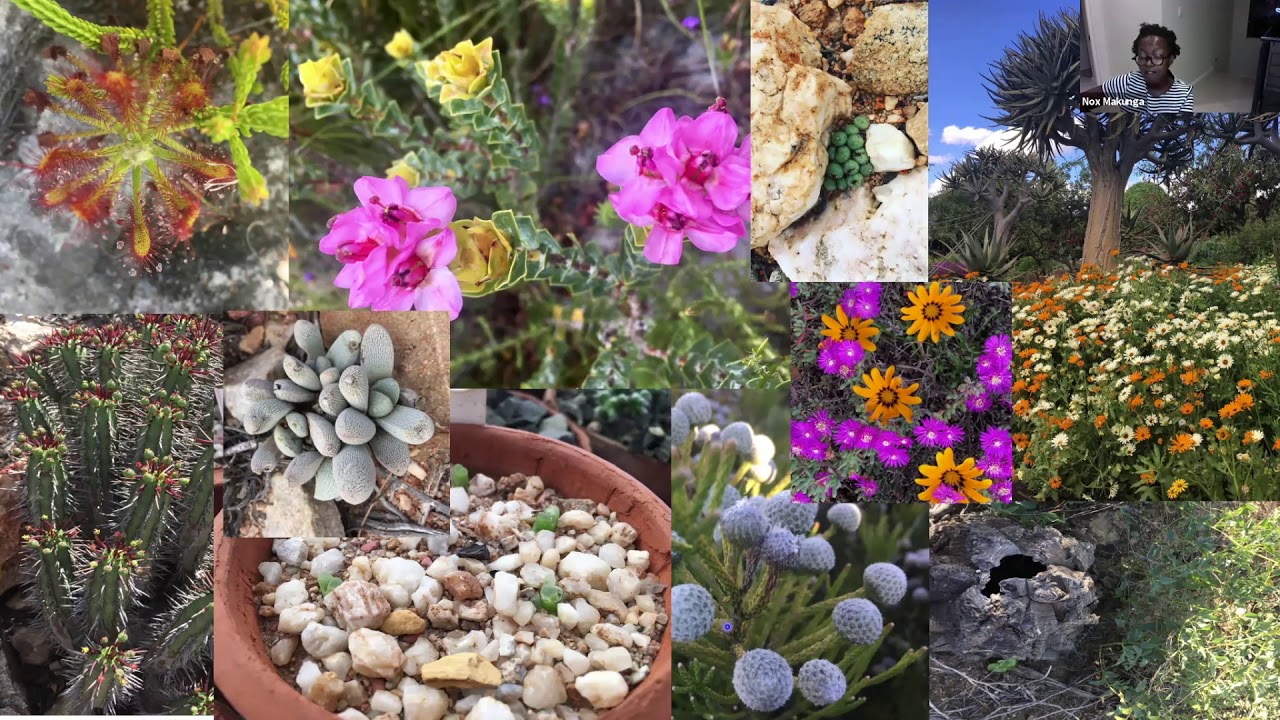
Nokwanda Makunga: Mining the botanical gold of the Cape Floristic Region of South Africa
281
Rooibos tea is commercially produced worldwide and used in wine maturation, cosmetics, and bread fortification in South Africa. Wild populations exist as distinct eco-types clustered geographically. Plastid primer analysis detected four haplotypes, while nuclear markers provided additional resolution. Some populations are reseeder types while others are resprouter types, potentially explaining genetic differentiation between Cedarberg and Northern Cape populations. Understanding these genetic and ecological variations supports sustainable commercial cultivation and conservation efforts.
Click to watch →
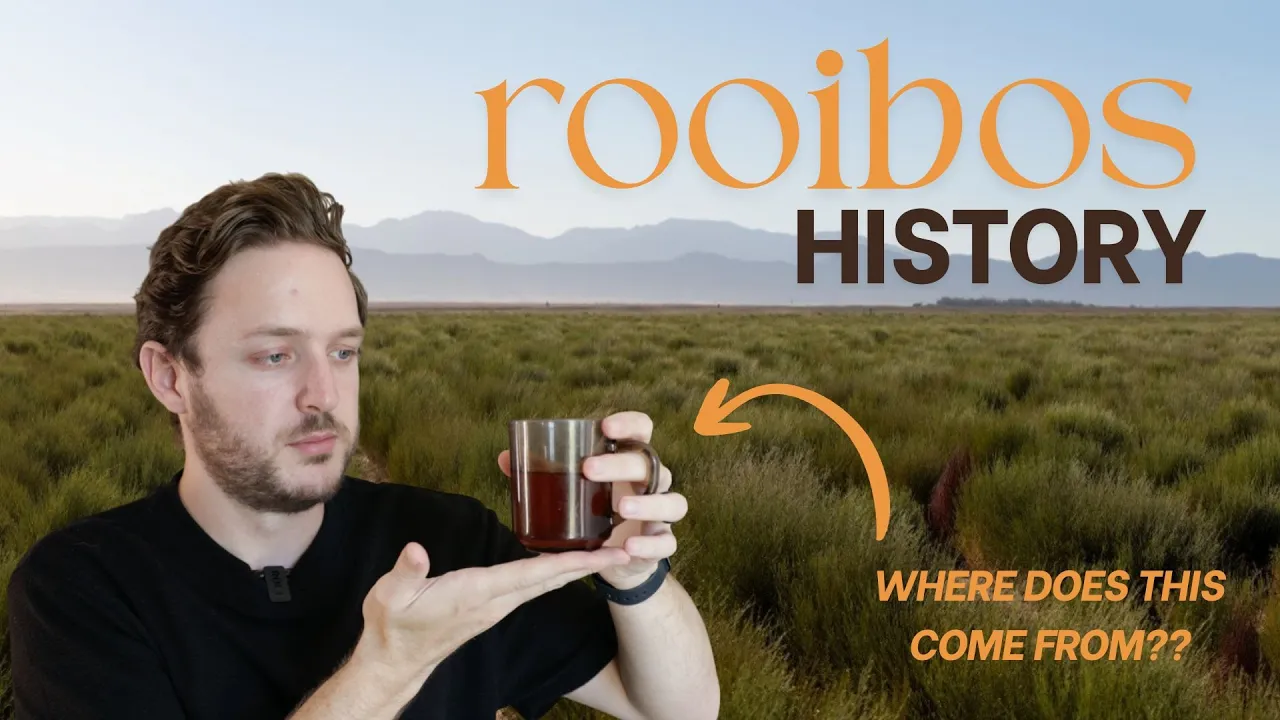
Why Rooibos Only Grows in One Place on Earth
53.4K
Rooibos is a shrub-like bush growing to 1.5 meters tall with needle-like leaves, native exclusively to South Africa's Cedarberg and southwestern regions. It thrives in well-drained, sandy, acidic soils adapted to hot dry summers and cool wet winters. As a naturally caffeine-free beverage, Rooibos is low in tannins and lacks oxalic acid, reducing kidney stone risk, while containing alpha hydroxy acid common in anti-aging cosmetics. Known as 'red bush' in Afrikaans, the name is protected in South Africa with EU PDO status. The plant undergoes oxidation during processing, producing its distinctive reddish-brown color and enhanced flavor. The modern production process involves germinating seeds in January, transplanting seedlings in May, harvesting from December-February, cutting, bruising, and fermenting for 24 hours. The industry generates 5.6 billion cups worth of sales, serving as an economic mainstay for Clan William and the Cedarberg region while honoring Khoisan heritage through sales contributions to indigenous communities.
Click to watch →

Qu'est-ce que le rooibos
49.6K
Rooibos is a plant endemic to South Africa that produces a caffeine-free, tannin-free herbal tea rich in antioxidants (including aspalathine) and minerals like iron, calcium, and magnesium, making it suitable for consumption by all ages at any time of day without interfering with nutrient absorption.
Click to watch →

SA’s Rooibos Tea unique to Western & Northern Cape
172
Rooibos tea, a South African plant native to the Western and Northern Cape provinces, has become the first African food product to be approved by the European Union for listing on the geographical indication register, which legally protects products that are produced, processed, and prepared in a specific area using traditional methods, thereby preserving its unique terroir and heritage while providing economic benefits to local producers and communities.
Click to watch →

Around the World in 80 Teas - Rooibos/Redbush
2.5K
Rooibos (redbush) is a caffeine-free herbal tea endemic to the Cape Floral Kingdom of South Africa, where it grows only in the rugged Cedarburg mountains; it is the first non-Camellia sinensis infusion featured on Around the World in 80 Teas, and is traditionally brewed like black tea with optional milk, sugar, or lemon, while modern applications include iced teas, smoothies, baking, and cocktails, with the South African Rooibos Council having successfully registered it as a geographic indication on the EU register in May 2024.
Click to watch →
Prerequisite Knowledge
- Concept 01The basic definition of biopiracy and how intellectual property laws can conflict with the preservation of indigenous traditional knowledge.
- Concept 02The history, cultural identity, and geographic distribution of the Khoisan peoples, the indigenous communities of Southern Africa.
- Concept 03The fundamentals of the Convention on Biological Diversity (CBD) and the Nagoya Protocol, which govern access to genetic resources and fair benefit-sharing.
- Concept 04The botanical and economic significance of Rooibos (Aspalathus linearis), a plant endemic to the Western Cape of South Africa.
Subsequent Learning
- Step 01The details and outcomes of the landmark 2019 Rooibos benefit-sharing agreement, which established industry-wide royalties for the Khoisan communities.
- Step 02Comparative analysis of other high-profile biopiracy cases, such as those involving the Hoodia cactus, the Neem tree, or Maca root.
- Step 03Advanced frameworks for legal protection, including the World Intellectual Property Organization's (WIPO) initiatives on Traditional Knowledge and Genetic Resources.
- Step 04Strategies for ethical sourcing, fair trade, and corporate social responsibility (CSR) within multinational food, pharmaceutical, and cosmetic corporations.
Biopiracy Fight
Biopiracy Fight
0:00Playing Section
- 1
Nestle attempted to patent South Africa's indigenous Rooibos tea, a form of biopiracy.
- 2
Activists and Khoi-San communities fought back, leading to government recognition of their traditional knowledge.
- 3
A benefit-sharing agreement now ensures the community receives 1.5% of unprocessed Rooibos sales annually.
Corporate Innovation and Structured Benefit-Sharing under the Nagoya Protocol
An alternative perspective argues that corporate research and patenting of genetic resources like rooibos are essential for transforming traditional knowledge into standardized, scientifically validated, and globally accessible products. Proponents of this view contend that private enterprises invest substantial capital and scientific expertise to isolate active compounds and prove efficacy—steps necessary for modern medical or cosmetic applications that exceed traditional preparation methods. Furthermore, this perspective emphasizes that international legal frameworks, such as the Nagoya Protocol on Access and Benefit-Sharing, exist precisely to regulate these situations. In the case of rooibos, this legal structure ultimately enabled a landmark 2019 benefit-sharing agreement, demonstrating how corporate commercialization can be successfully leveraged to secure formal, legally binding revenue streams for Indigenous communities (the Khoi and San) that would otherwise not exist.
Deep Dive
The details and outcomes of the landmark 2019 Rooibos benefit-sharing agreement, which established industry-wide royalties for the Khoisan communities.

Khoi and San people and Rooibos industry owners sign benefit sharing agreement
1.1K
A historic benefit-sharing agreement has been signed between South Africa's Khoi and San indigenous people and the Rooibos industry, recognizing their centuries-old indigenous knowledge of the Rooibos plant found only in the Cederberg region. The agreement, resulting from nine years of negotiations, mandates that 1.5% of all commercial sales (approximately 12 million rand annually) be placed into trusts for the benefit of these communities. This represents the world's first formal recognition of indigenous knowledge in commercial benefit-sharing, ensuring that communities who developed and preserved this knowledge will benefit economically rather than serving only as laborers on Rooibos farms.
Click to watch →

Minister Creecy statement on payment of benefits from Rooibos Industry
435
South Africa's Rooibos Traditional Knowledge Benefit Sharing Agreement, signed in November 2019, represents a landmark implementation of the Nagoya Protocol and NEMBA regulations, where the rooibos industry pays a 1.5% levy on farm gate prices to the San and Khoi communities, generating over R12.2 million in the first year to support biodiversity conservation, cultural heritage protection, education, and community development.
Click to watch →

Rachel Wynberg and Sarah Laird: Rethinking biodiversity-based economies for justice and conservation
140
The Rooibos industry, a successful South African indigenous natural product over 100 years old, illustrates both achievements and limitations of ABS. In 2010, two indigenous San and Khoi organizations demanded recognition as primary knowledge holders, leading to a benefit-sharing agreement requiring a 1.5% levy on farmgate price paid equally to the South African San Council and National Khoisan Council. First payments in 2022 totaled approximately R12 million ($700,000). However, this victory raises complex questions: colonial persecution meant indigenous San and Khoi knowledge was largely lost, yet small-scale colored farmers and farm workers who contributed significantly to the industry were largely excluded from negotiations and receive only 5% of benefits, while simultaneously being required to pay the levy to San and Khoi organizations.
Click to watch →
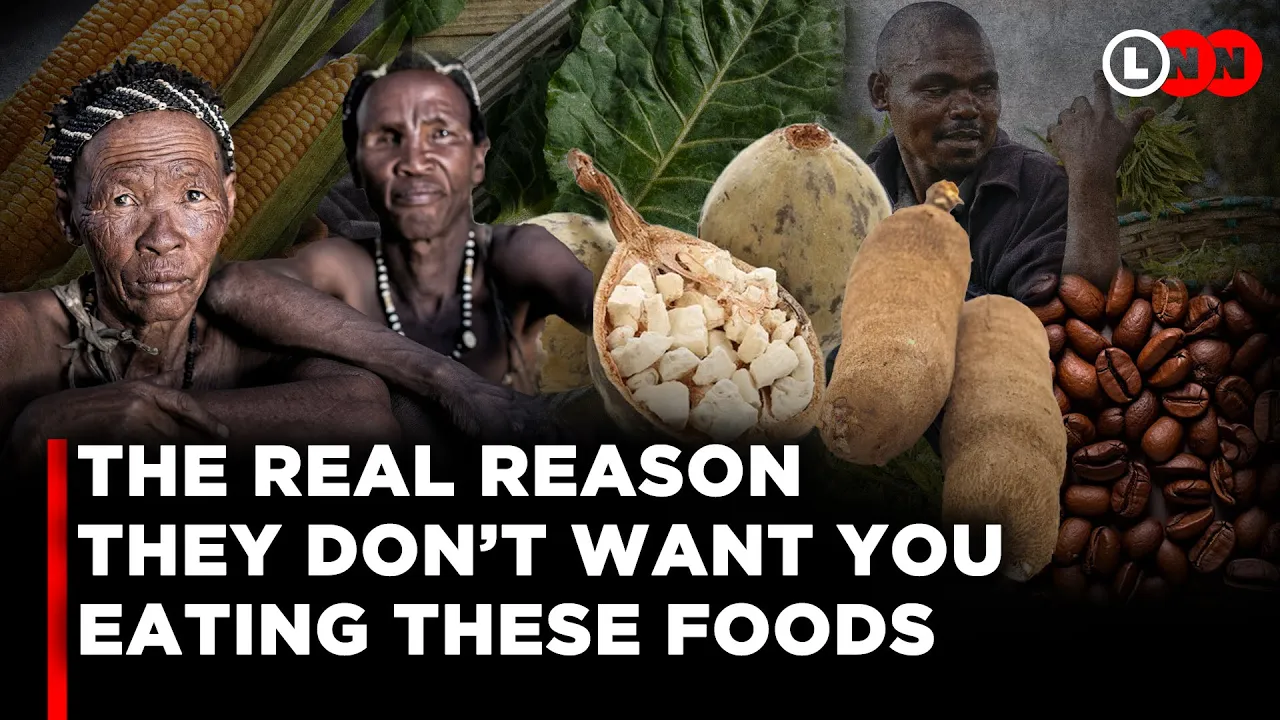
How Africa’s “Poor Man’s Foods” Became Europe’s Expensive Superfoods | LNN
654.7K
Some progress has been made in benefit-sharing agreements for traditional knowledge. For decades, companies tried to trademark South Africa's red tea (rooibos). In 2019, a deal finally recognized the Khoisan people as custodians of this red tea, giving them 1.5% of the farm gate price—a small victory but a rare acknowledgment. Similarly, in 2022, Namibia forced benefit-sharing agreements for devil's claw, a plant used for healing in Namibia and Botswana that had been turned into a booming European herbal industry. These cases demonstrate both the challenges and possibilities of protecting indigenous knowledge.
Click to watch →
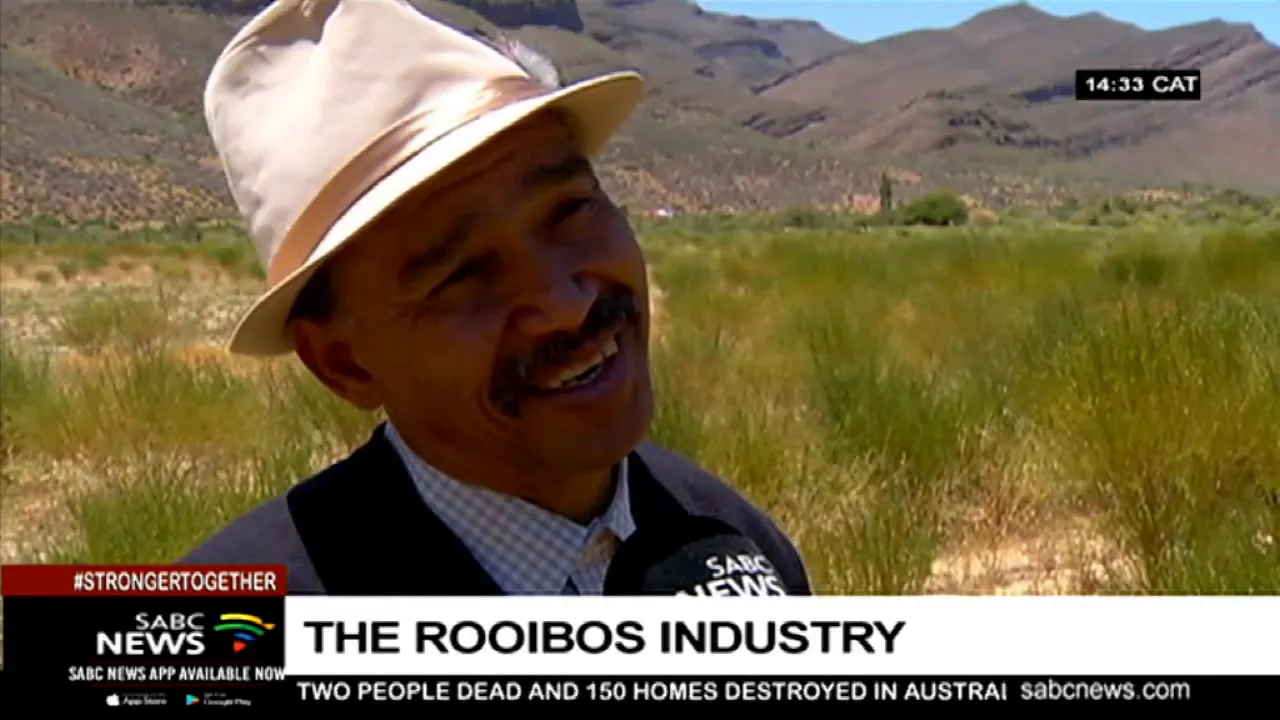
The rise of small scale Rooibos farmers in the Khoi and San communities
1.6K
The Khoi and San communities in South Africa's Cederberg region have become the first indigenous people worldwide to achieve formal recognition for their traditional knowledge of rooibos cultivation, resulting in a historic benefit-sharing agreement that allocates approximately R12 million annually (1.5% of farm gate sales) to support small-scale farmers and promote sustainable development in the region.
Click to watch →
Deep Dive
Comparative analysis of other high-profile biopiracy cases, such as those involving the Hoodia cactus, the Neem tree, or Maca root.

EP 034 Industry Insights Biopiracy
209
Biopiracy is the unauthorized and uncompensated appropriation of genetic resources and traditional knowledge from indigenous communities. Unlike legitimate bioprospecting which involves informed consent and benefit-sharing, biopiracy represents intellectual property theft where corporations take traditional knowledge without permission or compensation. The global pharmaceutical market exceeds $1.42 trillion annually, with significant portions derived from naturally occurring compounds. Four landmark cases illustrate biopiracy patterns: Neem tree (used in India for 2,000 years, patented by US companies); Hoodia cactus (used by San people for hunger suppression, patented without consent); Basmati rice (cultivated by Indian farmers for centuries, patented by RiceTec Inc.); and Stevia (used by Guarani people for centuries, now a multi-billion dollar industry). These cases reveal a consistent pattern: valuable traditional knowledge is patented, commercialized, and source communities receive nothing.
Click to watch →

UN Members Sign Biopiracy Treaty: End to Bogus Western Patents? | Vantage with Palki Sharma
81.5K
The hoodia cactus, found in southern Africa with hunger and thirst quenching properties, became the subject of biopiracy when a British firm partnered with pharmaceutical giant Fiser and a South African firm to produce an anti-obesity drug using the plant. They gave no credit or royalties to the indigenous San people who had been using it for generations, prompting demands for compensation and eventually leading to a benefit-sharing agreement.
Click to watch →

How a Namibian Inventor Made Calls With No SIM Card!
364.3K
Many pharmaceutical companies have profited from African traditional knowledge without compensating the communities that preserved it. For example, the Hoodia cactus used for centuries by the San people of southern Africa to suppress appetite during long hunts was studied by a South African research council and later commercialized by Western drug companies without initial consent or benefit sharing. Only after public pressure was a compensation agreement reached, though it remains a glaring example of biopiracy.
Click to watch →

Vandana Shiva - Against Genetically-Modified Foods
3.2K
Specific cases illustrate how biopiracy operates: (1) Neem tree patenting - Union Carbide's pesticide leak killed 30,000 people, yet neem provides safe natural pest control; (2) Basmati rice patenting - Texas company claimed invention of aromatic rice seeds, cooking methods, and aroma; (3) Monsanto's patent on Indian wheat variety for low gluten content; (4) Climate-resilient crop patents for drought, flood, and salt tolerance. These cases show how corporations appropriate traditional knowledge and biological resources for profit.
Click to watch →

Elci Henz Franco - Os seres sem fronteiras: biopirataria e biotecnologia
125
Biopiracy is the unauthorized transfer of genetic resources and traditional knowledge from indigenous peoples to multinational corporations. The term was coined in 1993 by RAFI (now ETC Group). Historical biopiracy began with European navigators seeking spices, who brought crops like wheat, coffee, and sugarcane to the Americas while taking native foods back to Europe. The potato (Andean origin, 7,000 years old) was brought to England in 1520 and caused the Irish Potato Famine. The rubber tree case (1876) is considered the 'mother of all biopiracy,' where Henry Wickham took seeds to London, breaking Brazil's rubber monopoly. Coffee (native to Ethiopia) was brought to Brazil by Sergeant Francisco de Melo Palheta in the 17th century. Brazilian cocoa was taken to Africa in 1746. The cinchona tree (quinine source) was taken to Southeast Asia in 1860. Modern cases include Jaborandi (Merck), Unha de Gato (four US patents), Copaíba (patents in France, Japan, WIPO), and Cupuaçu (SA Foods). In 2003, the WTO cancelled the cupuaçu trademark, ruling that common words cannot be patented.
Click to watch →
Deep Dive
Advanced frameworks for legal protection, including the World Intellectual Property Organization's (WIPO) initiatives on Traditional Knowledge and Genetic Resources.

Day 3: IKS-TKDL Workshop-9 (10/12/2025)
113
International protection frameworks include Peru's recognition of indigenous rights to manage collective knowledge as intellectual property with infringement actions; ARIPO's protection for TK and TCEs with rights including recognition, authorization, prevention of use without consent, fair benefits, and legal proceedings against infringement. Ongoing international negotiations under WIPO aim to establish minimum standards of protection, prevent misappropriation, empower communities, and control access without consent. The Treaty on Protection of Genetic Resources has been achieved but provides limited protection for traditional knowledge. The IGC continues discussions on an international regime.
Click to watch →
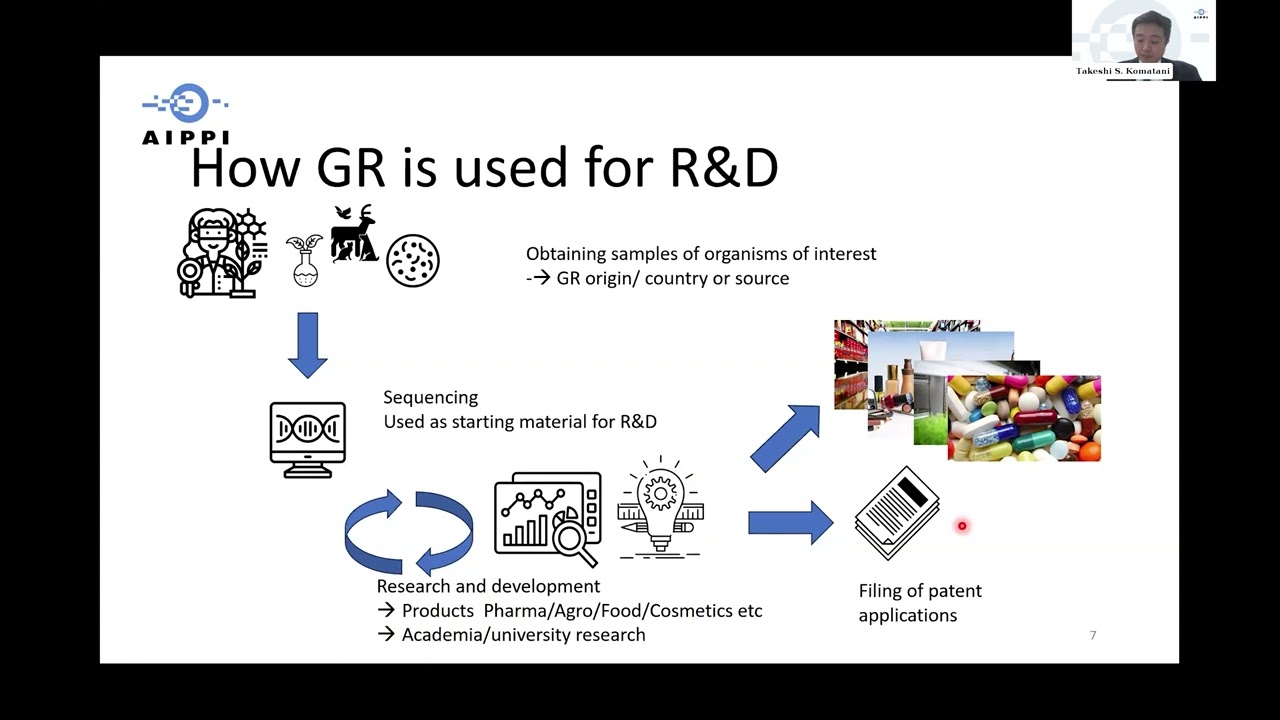
The WIPO Treaty on Intellectual Property, Genetic Resources and Associated Traditional Knowledge
526
The WIPO Treaty, adopted May 24, 2024, establishes mandatory disclosure requirements for genetic resources in patent applications, requiring country-of-origin disclosure and establishing information systems with indigenous consultation. India, a mega-diverse nation with 2.4% of global land holding 72.8% of world species, has developed a comprehensive framework including the Biodiversity Act (2002) for benefit-sharing, Section 3(p) of the Patents Act barring traditional knowledge patentability, and the Traditional Knowledge Digital Library (2001) documenting Ayurveda, Unani, Siddha, and Yoga knowledge in five languages. India has welcomed the treaty as a victory for developing nations but faces challenges harmonizing with existing strict laws and addressing industry concerns about increased compliance burdens.
Click to watch →

WIPO’s New Treaty on Intellectual Property, Genetic Resources and Associated Traditional Knowledge
1.1K
The WIPO Treaty on Intellectual Property, Genetic Resources and Associated Traditional Knowledge, adopted by WIPO member states in May 2024, requires patent applicants to disclose the origin of genetic resources and associated traditional knowledge used in their inventions, marking the first international intellectual property treaty to explicitly address Indigenous Peoples' rights and representing a significant step toward preventing biopiracy and ensuring fair recognition of traditional knowledge holders.
Click to watch →
BSc Botany 4th Semester Unit-4 Traditional Knowledge In IPR || BSc 4th Semester Botany Unit-4th
2.2K
International frameworks address traditional knowledge protection through several mechanisms: (1) Digital traditional knowledge libraries document knowledge to prevent misuse and verify origins; (2) Sustainable development requires meeting current needs without compromising future generations, and indigenous communities have been passing down traditional knowledge across generations; (3) The UN Declaration on Rights of Indigenous Peoples (2007) recognizes indigenous knowledge contributes to equitable and sustainable development; (4) Most international IPR conventions do not specifically contemplate traditional knowledge, creating protection gaps; (5) WIPO provides global intellectual property frameworks and technical assistance; (6) The Convention on Biological Diversity (1992) aims to preserve biodiversity and share benefits fairly.
Click to watch →

El nuevo tratado OMPI sobre PI, los Recursos Genéticos y los Conocimientos Tradicionales Asociados
270
The new WIPO treaty, adopted in May 2024, establishes minimum disclosure requirements for patent applications involving genetic resources or traditional knowledge, requiring applicants to declare the country of origin or source of genetic resources, or the indigenous peoples or local communities from which traditional knowledge was obtained, while allowing rectification unless fraudulent intent is demonstrated; this treaty complements existing frameworks like the Nagoya Protocol and regional agreements such as Andean Community Decision 486, which Peru has already implemented through its national legislation including Law 27811 protecting collective knowledge of indigenous peoples.
Click to watch →
Deep Dive
Strategies for ethical sourcing, fair trade, and corporate social responsibility (CSR) within multinational food, pharmaceutical, and cosmetic corporations.

Ethical Sourcing, Fair Trade, And Chocolate - Lessons We Can All Learn
116
The cocoa industry provides a template for corporate social responsibility through four key actions: (1) Proactively address ethical issues before criticism arises, (2) Publicly acknowledge supply chain problems honestly, (3) Define clear solutions with measurable action plans, and (4) Integrate ethical practices into core brand identity. Major chocolate companies demonstrated this by creating dedicated web pages, investing billions, and making ethical sourcing visible on packaging. This framework shows businesses can transform from potential problems into part of the solution while maintaining profitability.
Click to watch →

Corporate Social Responsibility (CSR)
166K
CSR serves as a strategic business tool offering multiple benefits including enhanced reputation, increased employee motivation, and improved stakeholder relationships. CSR activities span sustainable sourcing, responsible marketing, fair employee treatment, philanthropy, and community investment. Major corporations have embedded CSR into core strategies: Marks & Spencer's 'Plan A' aims for sustainable retail leadership; Unilever's Sustainable Living Plan demonstrates profitability through sustainability; IKEA integrates sustainability into its corporate culture of providing better everyday lives. These examples show how CSR can align with long-term business objectives.
Click to watch →

Types of CSR
13.8K
Ethical responsibility refers to a firm's commitment to practice ethics that uphold human rights principles including fair treatment of all stakeholders, fair trade practices, and equal pay. Being ethically responsible means ensuring a business engages in fair business practices across all interactions with employees, stakeholders, and customers. Examples include setting higher minimum wages than mandated by law and requiring products to be sourced according to free trade standards.
Click to watch →

KFC, Mc DO : Ces multinationales qui appauvrissent l'Afrique
39.5K
The video proposes that multinational companies operating in African countries should be required to source their products locally. The speaker argues that companies like KFC, McDonald's, and Pizza Hut should be obligated to purchase ingredients from local producers rather than importing from abroad. This requirement would force companies to develop local supply chains and contribute to local agricultural development.
Click to watch →

4 Ethical And Sustainable Sourcing التوريد الأخلاقي والمستدام
337
Ethical and sustainable sourcing integrates moral and environmental considerations into purchasing decisions. Fair trade ensures producers in developing countries receive fair compensation. Corporate Social Responsibility (CSR) requires businesses to integrate ethical principles into operations, such as supporting local farmers and reducing environmental impact. Organizations face challenges balancing ethical standards with profitability, managing cultural differences, and addressing risks like child labor. Strategies include conducting supplier audits, establishing clear ethical policies, and maintaining continuous monitoring. Sustainable supply chain management ensures all practices are environmentally and socially responsible. Fair trade certification guarantees products are produced under fair conditions. Strategic sourcing involves reducing supplier numbers to improve efficiency. Organizations should balance sustainability goals with cost considerations. Strategic supplier partnerships involve developing long-term relationships with key suppliers, potentially lasting 15-50 years, leading to mutual benefits including cost savings, improved quality, and innovation. Outsourcing involves contracting external suppliers for business functions, allowing organizations to focus on core competencies while carefully evaluating risks. Collaborative sourcing involves sharing tasks between internal teams and external suppliers, leading to cost sharing and improved efficiency. Vendor Managed Inventory (VMI) involves suppliers managing inventory levels at buyer locations, reducing costs and improving efficiency.
Click to watch →
Biopiracy Fight
Biopiracy Fight
0:00- 1
Nestle attempted to patent South Africa's indigenous Rooibos tea, a form of biopiracy.
- 2
Activists and Khoi-San communities fought back, leading to government recognition of their traditional knowledge.
- 3
A benefit-sharing agreement now ensures the community receives 1.5% of unprocessed Rooibos sales annually.
Corporate Innovation and Structured Benefit-Sharing under the Nagoya Protocol
An alternative perspective argues that corporate research and patenting of genetic resources like rooibos are essential for transforming traditional knowledge into standardized, scientifically validated, and globally accessible products. Proponents of this view contend that private enterprises invest substantial capital and scientific expertise to isolate active compounds and prove efficacy—steps necessary for modern medical or cosmetic applications that exceed traditional preparation methods. Furthermore, this perspective emphasizes that international legal frameworks, such as the Nagoya Protocol on Access and Benefit-Sharing, exist precisely to regulate these situations. In the case of rooibos, this legal structure ultimately enabled a landmark 2019 benefit-sharing agreement, demonstrating how corporate commercialization can be successfully leveraged to secure formal, legally binding revenue streams for Indigenous communities (the Khoi and San) that would otherwise not exist.
The basic definition of biopiracy and how intellectual property laws can conflict with the preservation of indigenous traditional knowledge.
The history, cultural identity, and geographic distribution of the Khoisan peoples, the indigenous communities of Southern Africa.
The fundamentals of the Convention on Biological Diversity (CBD) and the Nagoya Protocol, which govern access to genetic resources and fair benefit-sharing.
The botanical and economic significance of Rooibos (Aspalathus linearis), a plant endemic to the Western Cape of South Africa.
The details and outcomes of the landmark 2019 Rooibos benefit-sharing agreement, which established industry-wide royalties for the Khoisan communities.
Comparative analysis of other high-profile biopiracy cases, such as those involving the Hoodia cactus, the Neem tree, or Maca root.
Advanced frameworks for legal protection, including the World Intellectual Property Organization's (WIPO) initiatives on Traditional Knowledge and Genetic Resources.
Strategies for ethical sourcing, fair trade, and corporate social responsibility (CSR) within multinational food, pharmaceutical, and cosmetic corporations.
586.2K views43.6Klikes1:54@ajplusOriginal Release: 2026-02-11
Did you know that Nestle literally tried to steal South Africa's national tea?
[music] It's a gorgeous red tea called Royos and it's been farmed by South Africa's indigenous koi and sun populations for generations. And get this, it only grows in South Africa's western Cape region. It does not grow anywhere else in the world.
>> Royos is everything to us here.
>> Hi, I'm Yara and today I'm going to unpack how Swiss multinational food giant Nestle caught wind of Royos and attempted what's called biopiracy.
[music] Basically stealing the biological goods of another people.
Think of it as scientific colonialism.
So, I was just in South Africa and Royos is huge there. They put it in their bread, their chocolate, their boba drinks, their kombucha, their desserts.
It's literally [music] in everything.
And the indigenous folks I talked to told me about its many health uses, like boosting children's appetites, relieving eczema, soothing stomach aches, and improving [music] sleep, especially for babies. But in 2010, Nestle attempted to patent the health and cosmetic uses of Royos to collect royalties on it.
Nestle's attempt was defeated. The South African government didn't grant any of the five patents they [music] filed, but the fact that they even tried something so brazen naturally upset a lot of Koansan people.
>> How can somebody from abroad come and and and take your stuff or or want to patent your your stuff?
>> Yeah, >> it's not right.
>> This is the only income we had.
>> So, Coen leaders joined other groups to fight for recognition of their role in farming Royos. And then in 2019, after years of negotiations, Koi and son folks were formally recognized by the government as the traditional knowledge holders of the plant. And as part of a so-called benefit sharing agreement, they're supposed to receive 1.5% of the value of the unprocessed Royos they sell annually. Money that then gets invested in cultural and social programs among other things.
>> This is the first acknowledgement like this in the old world.
>> That's huge.
>> Yeah. And we can now take it further forward and our our children can follow within in our steps.
Up Next

11:25
Reciprocity in Anthropology: Gift-Giving and Social Bonds
@NicholasHerriman
30.6K views•2012-10-16

38:41
Astrobiology Through an Anthropological Lens: Field Insights
@georgiatechastrobiology
128 views•2021-04-14

4:45
Proxemics Explained: The Study of Personal Space
@Vox
536K views•2016-07-05

10:38
Psychology of Internet Trolling and Pranks Explained
@AzzyLand
10.7M views•2017-12-20
Related Study Plans & Knowledge Roadmaps
Structured learning paths in Anthropology
anthropology
Space Anthropology: Analogs, Culture & Habitats
01Foundations of Space Anthropology & Cosmic Imaginaries
02Extreme Isolation & Micro-Societies in Orbit
03Space Analog Habitats & Earth-Based Simulations
+ 2 more learning modules
15h5 modules
Explore Roadmap
anthropology
Legal Anthropology: Customary Law & Pluralism
01Foundations of Legal Anthropology and Social Justice
02Legal Pluralism: Coexisting Legal Systems
03Customary Law and Indigenous Dispute Resolution
+ 2 more learning modules
15h5 modules
Explore Roadmap
anthropology
Global Tourism: Gaze, Authenticity & Heritage
01Introduction to the Sociology of Tourism
02The 'Tourist Gaze' (John Urry)
03Staged Authenticity in Tourism
+ 3 more learning modules
14h6 modules
Explore Roadmap
anthropology
Modern Kinship (ART, Adoption & Chosen Family)
01Foundations of Kinship and Family
02Assisted Reproductive Technologies (ART) & Relatedness
03Transnational Adoption and Global Kinship
+ 2 more learning modules
12h5 modules
Explore Roadmap