



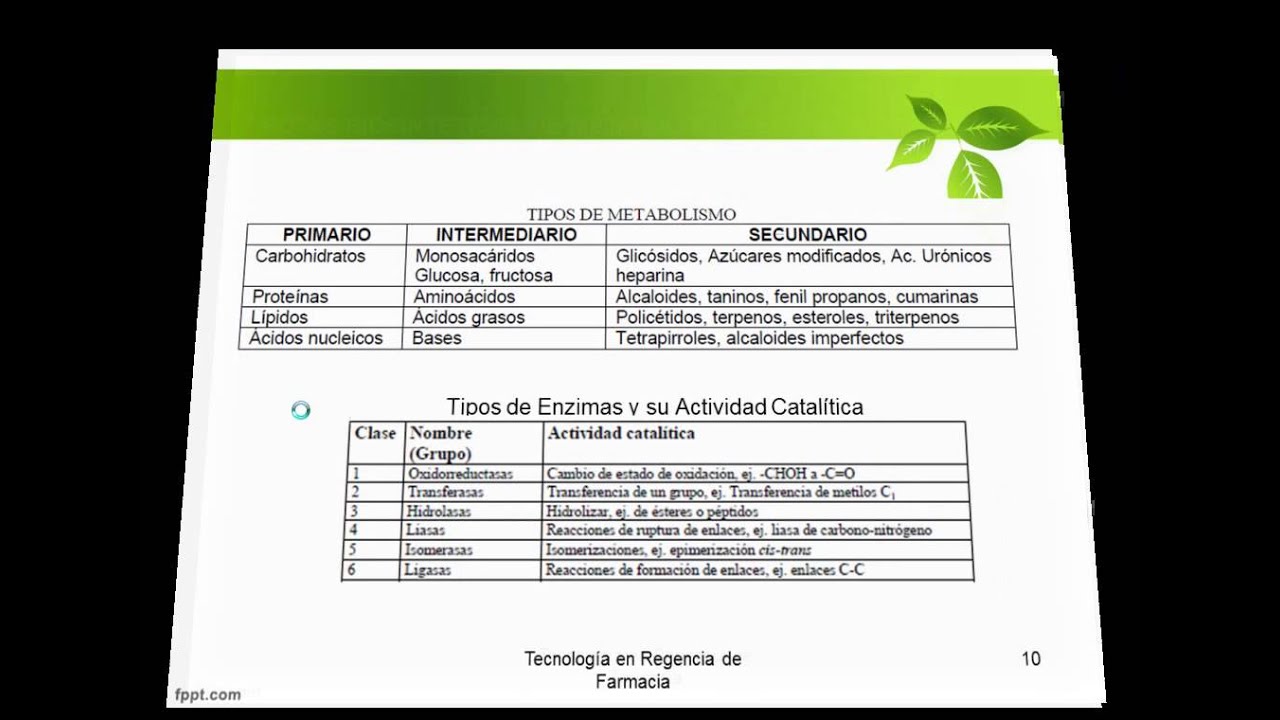





















Plants contain diverse phytochemical compounds that serve various biological functions, including alkaloids (nitrogen-containing compounds like morphine and caffeine with potent medicinal effects), bitters (stimulate digestion and appetite), essential oils (concentrated aromatic compounds with therapeutic properties), enzymes (organic catalysts speeding up chemical reactions), gums (polysaccharides produced as wound responses), glycosides (substances yielding sugars and therapeutic components when broken down), saponins (soap-like compounds with emulsifying properties), tannins (astringent compounds providing bitterness and tissue-tightening effects), and mucilage (viscous gels soothing irritated tissues), each contributing to plant defense mechanisms and offering numerous applications in medicine, food, and industry.
The Power of Plants: Exploring Phytochemical Properties
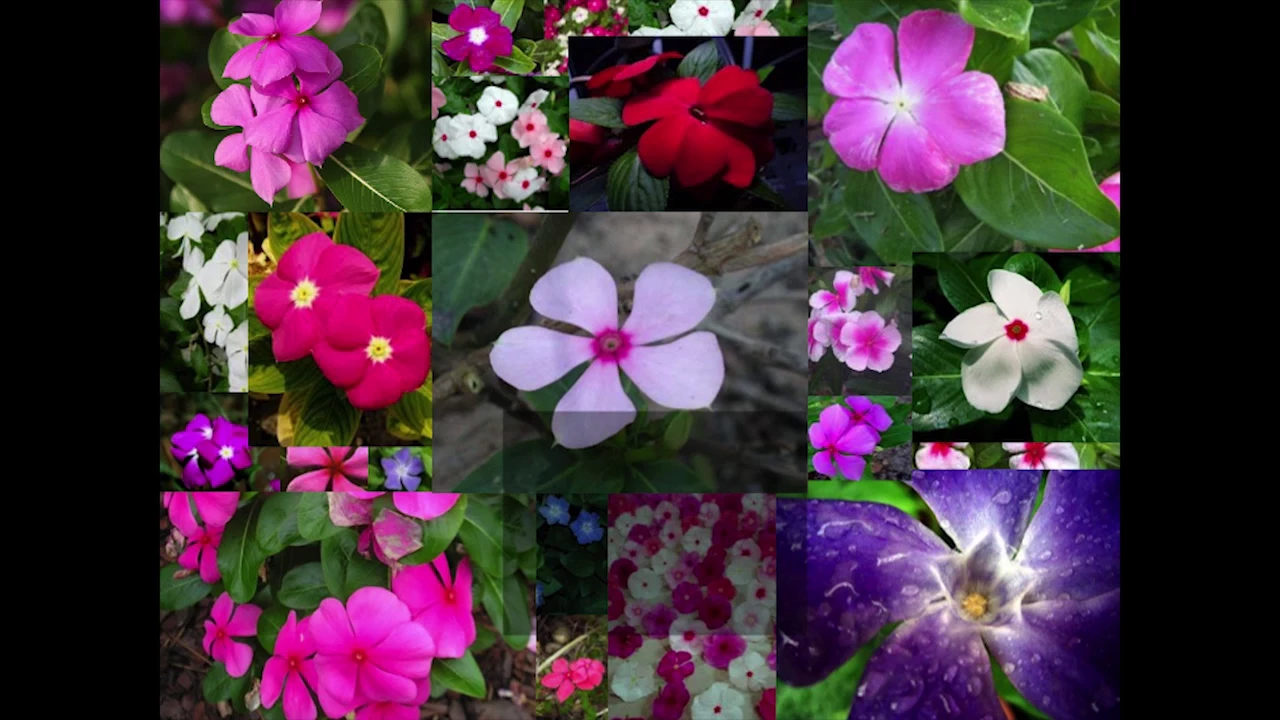
Added:okay y'all i have 6 30 so we'll go ahead and get get started tonight um some of you may remember last year we we did this as kind of an introductory class because i was throwing around a lot of words um like the chemistry chemical components of plants and i was getting a lot of questions about what all those words meant so i thought as we started off our month of august as we get into herbs that it would be a good refresher to kind of talk about some of those and utilize plants as illustrations as to what all those phytochemical properties are within plants hence the name of tonight's class the power of plants because it's really kind of cool when we start really delving deep into these plants and their historical origins and and what they're used for today just truly how powerful they really are so as always if you have questions pop those in the chat and we'll make sure we get those answered for you and we'll get this up on the web portal within a couple of days and um just remember every monday night in august we've got something dealing with herbs so we're just going to kind of build on tonight's class and jenny's on here so i'll pick on her since she's always so good at kind of running the chat and all that good stuff so make sure you share anything too that the entire class could use as we go through tonight um as always just remember that a lot of the the plants that we're talking about we're talking about those historical components because we know that plants humans health society and economics have always been intertwined and it's just focusing on that foundation it just kind of helps put everything into a more general context but just as a disclaimer remember i'm not a phd or an mb so a lot of the things that i'm going to be providing you to tonight are in fact just based on those historical elements just to kind of make you aware just giving you some reference points as we as we move through this evening so what do plants really give us and again i think this is pretty um fabulous when we really dive into it just to realize um the complexities of the plant um kingdom and so many plants have so many different uses and so we're going to approach it a little bit differently than what we usually do for tonight so phytochemistry um some people that whole chemistry word scares a lot of people off but it's it's pretty much just put it into the context of the study of chemicals and plants and just what each one of those i'm actually made and we're not going to have enough time to dive into all of these and you'll notice here that terpenoids we're not going to go into that tonight but think about terpenes and hemp you know that's new on the horizon we've heard a lot about that in the last um several years but terpenes will kind of leave that for another class but those listed there on the left are kind of what we're going to dive into tonight and again i'm going to use plants to illustrate each one of these phytochemical properties so we're going to kind of start out with what i consider one of the fun ones is the alkaloids because this is one where we have a lot of history and lore plus some of the most toxic plants out there but basically in a nutshell alkaloids are going to be any active organic compound that contains at least one nitrogen atom so we're kicking it back onto those college days of organic chemistry that everybody dreaded so bad but to put it in a more defined context just think about morphine morphine we know is pretty powerful painkiller very potent as you see there and are often the focus of pharmaceutical research but when we talk about morphine that's kind of where it all began because it was the first individual alkaloid that we isolated from the poppy plant uh papa persona ferum and you see that picture there on the left this is one that is quite prevalent in many of our landscapes even today but it was isolated in 1804 from the opium poppy and then there on the right this is a member of the nightshade family which is the belladonna plant sometimes you'll actually hear it called not shade but it is the belladonna and from this we get two derivatives which are atropine and scopolamine and sometimes you'll actually hear this called the etropa plant too kind of depending on where you're located but atropine is actually the active ingredient in lamoda so that's a prescription only medication for diarrhea it's also used in surgical procedures to help reduce saliva or any kind of mucus secretions in your airway um actually occur during surgery excuse me it's also going to be used as an antidote which is kind of um kind of ironic i guess because this one is so potent itself but it uses an antidote for organophosphate or carbamate poisoning or those magical mushrooms whatever the magical mushroom poisoning as well and it's also going to be used to treat bradycardia which is a slow heart rate um the other derivative is the polamine and that's going to be used for motion sickness so think about bone or dramamine but again scopolamine is going to be that prescription only medication that's used as a patch it's just a little bit stronger than dramamine and this plant belladonna actually naturally produces capolamine which is pretty cool and not only that it's been used in rituals and religious ceremonies for years so it's kind of um cool but basically how it works is that it blocks acetylcholine it's an antagonist and that's what actually causes the motion sickness so that's how it works a couple more to make mention of when we talk about alkaloids now this is a plant you probably won't recognize this is the strychnine plant and this is the active ingredient that we use in rat poisoning today so if you've ever heard of that it actually is derived from a plant that you see pictured here another one is nicotine we utilize this as a pesticide but it's also kind of see some of these chemical formulas here at the bottom we know nicotine is going to be one of those alkaloids but we also have three other alkaloids that are derived from that and not to get into the to the science of that but we um anytime that tobacco undergoes a process called nitrization nitrosamines are formed and that's actually the bad stuff in tobacco so that's why over the years there's been a lot of what we call cleaning the seed to reduce some of that naturalization from occurring so it helps reduce some of those secondary conversions which more nicotine is actually going to be one of the the work or the it's it's actually a worse alkaloid than what the actual nicotine is um which a lot of people don't realize that but um another pretty popular alkaloid that we see and it of course does have those um habit-forming receptors as well here's one that you probably won't recognize either because this is going to be native to south america more specifically peru but this is the chinchona tree uh which is where quinine comes from and the quanon is actually extracted from the bark of the tree and you'll notice here that you also get this in tonic water you can actually see there it says contains quinine but it's extracted from the bark which is kind of cool um there is another alkaloid that's derived from this plant it's called quinodine and it's used for afib or any other type of cardiac arrhythmia meds as well and probably one of my favorite alkaloids is going to be from this plant vinca minor many of you know this plant it's our periwinkle but now there's many different cultivars of periwinkle but just in a nutshell um within that vinca family we have 86 alkaloids that are derived from that plant and the majority of those are being conducted in research trials now for chemotherapy treatment and more specifically lymphoma that cancer if you've ever heard of menoblastine that chemotherapy is actually derived from the mitogas car periwinkle not the one you see here but it is very closely related cousins so some really great things happening with a lot of these alkaloids so even though they're very potent and utilizing chemotherapy drugs um it is helped prolonging the life of you know many many patients and a lot of those are plant-based many of you have heard me talk about may apple in the past that's another one the podophylum so there's um several even plants native to our area that are being used in some of those research trials now um alkaloid we're spending a little bit of time on this one because it is so vast but two pictures here the one on the left is one that we probably all start our day with this is caffeine or coffee so caffeine is going to be naturally found in the seeds the nuts or leaves of many plants not just coffee but anything that's going to be native to east asia africa south america and then even coffee grows in the u.s on the island of hawaii the cool thing about caffeine is that um there's the substance caffeine actually helps protect them against predator insects so it's this natural defense mechanism that's built in plus it prevents germination of nearby seeds as well so it's kind of cool there's about 120 species of coffee worldwide that's excluding the katura plants which are also coffee but also yerba made if you've ever heard of that or chocolate those two are going to have caffeine as well as tea and if you remember a couple months ago we talked about the difference between teas and testings because a tea is actually anything that comes from that camellia plant which does have caffeine whereas a tissaine is going to be any of our herbs that were grown in our landscape the nine times out of ten are going to be naturally decaffeinated and they're not coming from that camilla plant so that's a big difference there on the right you'll notice it's very similar to the coffee that you see there on the left that is actually a roth i can't ever say this word y'all erythroxylase which is coca not coco that we that we drink but actually cocaine so we all know what kind of alkaloid that is a very potent source highly addictive but all of those are going to have those alkaloids within those plants which makes them so powerful another component another phytochemical element is going to be bitters and you're going to see some similarities because many of these plants are going to kind of cross over a little bit but the unique thing about bitters is that they have a very distinctive bitter taste oftentimes you're going to find that toward the back ear your throat but the big thing about bitters is that they stimulate the appetite so a bitter herb is going to be any herb that tastes bitter again this is going to be one of those components that these plants were used for ceremonies for healing purposes and then as well as cooking and of course dandelion that we see there on the left we know that's a a bitter green that we feed in the early springtime into the summer months now the thing about bitters is that they can mild or range from mild to pretty um pungent so chamomile is actually going to be a bitter but it's very very mild whereas we have something like brew if you're familiar with that plant it's going to be really pungent you're really going to know that that's a bitter plant again the bitters are going to help stimulate or improve digestion and they help counter inflammation within the digestive system so just a few to make mention of besides the ones you see pictured here which are the dandelion horhound we've got angelica chamomile goldenseal milk thistle peppermint wood sorrel wormwood brew and yarrow um here's one of the most famous bitters this is the wormwood or the artemisia symptom so you can probably guess wager guess from that latin name that it is the source for absence so if any of you have ever had the pleasure of trying that magical green drink which is pretty popular in new orleans um it it does in fact have a lot of folklore in history that's tied with that too but it's very powerful very intoxicating and incredibly bitter tasting it will literally turn your tongue upside down when you try this stuff so um wormwood it does have a chemical called fujong and that is the main source of the bitterness and that's what also makes it very toxic so if you do try absent um go easy on that you don't want to over indulge [Music] another pretty popular bitter is going to be hops just as an fyi hops is the only other plant in the cannabis family so it's going to be right there with him but hops are going to be the ones that's known for giving beer its signature flavor otherwise how boring would beer be um a lot of people well i guess it's kind of a toss-up you either like hots or you don't depending on how well you like that bitter taste but it does produce a pretty powerful resin from the female flower bud that you see here and it's that resin that's going to be the main source of that bitter flavor and that's where we obtain that source of digestive system benefits and the ability to actually tone that vagus nerve which is another huge benefit of hops not promoting beer but just telling y'all that's kind of one of the good benefits of that now the female is going to be the only ones that produce these cone like flowers they're all they're the females are the only one that's going to be used in the brewing process uh the vines of hops you can get those in either male or female but if you do happen to if you're growing these just as fun the males i should have put a picture on here but they have a flower that's got five little um white flowers you want to pick those off because they're not going to do any good and we actually want to encourage that female plant to be non-productive and only produce non-fertilized seed and then another source of bitters is going to be for the passover cedar ceremony it's these bitter herbs that were used to symbolize symbolizing embittered slavery that the jews experienced in ancient egypt so the herbs are actually um serving a ritualistic or ceremony um if you will to just make sure that history is never forgotten and that it's taught each year at passover which it still is today now the herbs are used today are a little bit different because today they use horseradish and actually romaine lettuce but do remember that in the bible there were many mentions of several plants um i think it's about 128 times that we actually see herbs mentioned in the bible but some of those again um endive coriander wild lettuce so there are several different mentions of that but again this is the passover cedar or center ceremony again one of our favorite bitters is probably going to be that morning cup of joe that we have and just as an fyi artichokes are also a pretty high highly concentrated source of bitters as well another one that we briefly touched on a few weeks ago or a few months ago when we talked about herbs was essential oils and we talked a little bit about the difference between essential oils and hydrosols well the essential oils are actually those concentrated aromatic essence of the plants where you're obtaining the most benefit not only is it the fragrance but that's where the actual health benefit where we obtain that health value is actually coming from and you'll notice there that it's what's providing that antiseptic protection for the plant as it grows we have about 50 available essences to the public typically we usually thought about aromatherapy has been delivered via massage but now we also use that in room sprays incenses toiletries and then the aromatherapy that has gained so much popularity here in the last several years and this is just a chart kind of showing some of that um one of the most famous probably here as well as the united kingdom is the lemon balm which folks over there do call it melissa we know that it's an excellent source of tea as well as a pollinator plant as well but the oil of melissa or oil of lemon balm actually helps promote sleep a couple others to make mention of are frankincense and myrrh and we know that these two were also listed in the bible but egyptians also use these in mummification and i don't know if you can see the thorns on these shrubs but uh kind of a woody little devil as well their own self-defense mechanism built in um externally as well as the oil itself um but these essential oils are actually derived or extracted from the resin of the tree and we're going to talk a little bit about the differences between resins and gums here in a few minutes but when it gets down to the distillation process distilling from a plant like this from the resin is actually a little bit easier than it would be some of the other plants that we'll talk about in a few minutes another essential oil that's pretty popular and we don't really use this in beauty products is going to be the neem tree it is a bio pesticide and it's a member of the mahogany family one of the essential oils that is probably the most expensive on the market is going to be the polyanthus tuberosa which is the tuberose the reason it's so expensive is because it takes about 60 000 roses to make an ounce of rose oil so that's a lot of flowers another one of my favorites y'all have heard me mention langling before very highly fragrant flowers um smells kind of like spicy jasmine a little bit um and we actually will the steal this um fragrance by steam and that's what goes into making perfumes and lotions hair oil all that good stuff and ylang ylang actually means a flower of flowers and if any of you ladies wear chanel number five ylang ylang is what is the fragrance within that very expensive perfume because it is where it undergoes that um distillation process is another reason that it's so expensive um also another popular phytochemical property is our category is is are the enzymes these are what we refer to as the organic catalyst because they're going to be essential for all chemical functions so one way to illustrate this is through the utilization of facials but enzymes are going to be found in all plants and it's often been said that without enzymes there would be no life because basically what enzymes do is speed up all these chemical reactions in the body so basically compare these two honey bees they're actually the worker bees okay they're these enzymes are what really makes things happen and just to break it down a little bit to kind of illustrate a little bit more we have three different types we have digestive enzymes and some of you may be familiar with that because um if you take a um oh my goodness that just anyway there's digestive enzymes that you can take before a meal or you know those to help stimulate the good bacteria in your gut all that good stuff those are kind of along the lines of digestive enzymes we also have metabolic enzymes and then we have the food or plant enzymes which are what you see here generally food and plant enzymes are going to be naturally present in raw food so you can obtain all those of course by eating fresh raw anything that's uncooked like fruits veggies eggs unpasteurized dairy and fish so if you look at what we've got pictured here pineapples aloe turmeric ginger papaya when we when we see those that's something we naturally think about as calming and soothing the skin as well but don't forget that they also play an important role in the digestive system i'm not going to go into the major four here but there is a link if you want to read up a little bit more on enzymes because they are a very important component especially when it comes to the power of plants [Music] but next up our category is gums and this is one that it's got some cool info but it's also maybe a little bit harder to understand but gums are going to be those sticky substances that are going to be insoluble in organic solvents and typically as you see here they're going to be produced as a result of a plant wound okay so kind of keep that in the back of your mind as we move through the next few slides so um when we talk about gums we're talking about polysaccharides okay so when we hear saccharide we know that there's a lot of sugars okay so that just means that there they have those natural sugars built inside these plants and what happens is that they're capable of causing a large increase in viscosity even when we use those in small concentrations so hopefully this is going to make sense in a few minutes but primarily when we talk about gums we talk about botanical gums okay so they're going to be found in the woody elements of plants or within seed coatings that's where those gums are going to naturally reside so when we look at this plant here on the left it's not one that we're going to be familiar with here this is actually the cognac plant and it's native to asia but the corn of this plant actually contains glucomannan fiber which is used as an emulsifier and as a thickener so some of you may be familiar with that terminology glucomannan fiber it's also counted for weight loss benefits so if you purchase any of those over the counter then you've probably seen that another one that's really popular comes from our plantain you hear me talk about this one frequently this is the one that the native americans called the white man's footsteps or the white man's weed because everywhere the white man tried then this plant would spring forth uh but plantain has got lots of properties and you've heard me talk about this especially in making um scabs for wounds on your skin because it does have those powerful properties well it kind of works the same way just from within the plant itself because this plant is where we get psyllium seed and i should have put this up here the p-s-y-l-l-i-u-m seed and that comes from any member of the plantago which plantain is comes from that family and these seeds are what's commercially used for the production of mucilage and it's used as a dietary fiber so this is what is touted for lowering your cholesterol and your blood sugar so if you use metamucil or any of those that are similar then more likely than not plantain is going to be one of those ingredients which is kind of cool now you heard me talk about produced as a result of a plant wound right so when we go to this slide here many of you have probably seen this especially on fruit trees this is where it's typically the most prevalent but gamosis or gumming syndrome that's the release of this gum that you see here in response to an injury or a wound so think about if you got there with your weed eater and you're in your trimming up and that string catches the bark of the tree or even think about this year with cicada damage that we had it opens up you know she's opened it up to layer eggs um anything like that that's going to injure that tree especially fruit trees then this is what's going to form so it's almost like when we cut ourselves and we get a scab it's basically kind of the same thing but a true gum like you see pictured here is going to be formed from the disintegration of internal plant tissue and that's from the decomposition of cellulose so that's what we're seeing right here decomposition of cellulose and that's what's called gomoses so that's what makes it a little bit different from a resin just a resin be in the coating within that seed or nut or derived from the root whereas this is actually a sugar response to sealing that wound within a tree to take it a little bit further this red seaweed which is edible we don't see this here either but this is the derivative of carrageenan and this is what makes all these products kind of stick together bind together because it does have such a great thickening uh property no nutritional value whatsoever but it is considered a food additive so think about your toothpaste and your ice cream and all that good stuff when you read the list of ingredients oftentimes you're going to see carrageenan which on the table i'm going to show you that in a few minutes is listed as e407 this picture here is actually a lagoon some of you may know it as astragalus um also called milk but gum wrap gum arabic and then carob gum are two other gums and the carob is actually coming from the carob locust tree and gum arabic comes from the acacia tree but this is where we get those special exudate gums that's just acting as a defensive mechanism for that plant okay so most of the time these are gonna um actually create these guns that kind of thicken when they get when they come in contact with air and water and that's where we actually will harvest those that dried sap is extracted from the root or the stem and that's what's going to be used as a thickener for salad dressings and ice cream to give it that texture so anything that has an e number and you'll see here e 400 to 4.99 that's where these emulsifiers and stabilizers are going to come from but they're going to be plant derived if you smoke cigars the cap that's utilized put in place on the cap of that cigar or which what we call the flag leaf we're also going to use one of these e emulsifiers to do that and also they're going to be used in artists pastels as well kind of continuing on with that you'll notice two more additives here example gum and guar gun so if you've ever tried the keto diet then you're probably familiar with xanthan gum because it is going to add bulk with no carbohydrates but example gum is actually derived from a bacteria during fermentation process the cool thing about xanthan gum is that it's the same bacteria that's going to be responsible for black rot on our cruciferous vegetables so think about broccoli brussels sprouts and cabbage and that's pretty prevalent here in northeast tennessee but this is an example most monetary when you look at the latin but um we just call that black rock um another one that you see pictured here the guar gum this is actually the guar gum or the guar bean um it's also known as guava bean but the cool thing about this plant is it's never been found in the wild but you're going to see this listed on a lot of labels because a lot of our food and beverages actually have that because it is going to be able to change the viscosity of some of those beverages or food source and it's going to be a fiber source and it's also used for cattle feeds as well as cover crops especially in nitrogen rotation because it is a legume so it's gonna be nitrogen fixing um it's also going to be used in fracking and then paper and textiles as well so kind of unique when we get to talking about the big family of gums um all of that coming just from a defense mechanism built within that plant it's just protecting itself and then we derive so many things from that um even though it's in the source of additives like you see pictured here another category are the glycosides and this is a great big category as well but glycosides are going to be substances that we break down by those enzymes that we were talking about earlier that's going to yield a sugar and a therapeutic treatment so what you see pictured here is the fox glove which is where we get digitalis from which is a cardiac glycoside and we're going to talk a little bit more about the lima beans and all here in just a few minutes but to move on to the white willow this is salix alba of course we know from this is where we get aspirin but just as an fyi if you take bare aspirin that's actually coming from um meta sweet which is a type of spirea because they discovered years ago that it was a little bit easier on the digestive system it didn't cause as much upset so spirea almeria is actually where again bare aspirin is derived from but it was first derived from the white willow um a couple others senna here is a actually it's a legume as well and then rhubarb which is pretty popular here in northeast tennessee and then one that i don't have picture but would be in the same category would be aloe um all three of these are going to have laxative type properties um it's anthroquinone and that's considered a glycoside uh miralax is going to be made of let's see you should be able to see that where's that on yeah propylene glycol here whereas rhubarb and cinna are going to be natural to the system so that's why a lot of people will choose one of these over on the synthetic formula just as an fyi but they're going to act very similar now a subgroup of glycosides are going to be our flavonoids and these are where we're going to get anthocy anthocyanins and of course those those two are going to be a component of flavonoids so we actually have over 5000 naturally occurring flavonoids and all those are coming from all kinds of plants so even strawberries which are pretty popular in the springtime those are going to be a glycoside because they contain uh pillar gardening which is also going to be where the red comes from in geraniums so if you look at the latin name for geraniums you're going to see um that relationship there but it's going to be that pellergonidin is where that red is going to come from hence the reason it's considered a flavonoid parsley is going to be one of those herbs in our kitchen garden that has a tremendous amount of flavonoids okay super healthful a lot of benefits in essence a time i won't go through all those but if you're not growing parsley in your kitchen garden you really need to be because it's not just the garnish on the plate it really does have some great health benefits yet again polyphenols are going to be a subgroup of flavonoids as well just a few illustrations here antioxidants are going to be kind of umbrella here so we hear that term thrown around a lot when we think about antioxidants and polyphenols we want to think about anything that's red and blue so when you see here the blueberries and the grapes um we know that those are high in antioxidants and polyphenols but a lot of people don't realize that peanuts because they have that red skin are also going to be very healthful and fall into the same category so when we talk about polyphenol-rich beverages this kind of probably illustrates pretty effectively a glass of red wine again coming from those grapes is going to have really high amounts of polyphenol and you can kind of see how that compares to a lot of other beverages including our black tea which is going to come in at two cups which is really good too so um that's black tea uh the cool thing to remember about flavonoids you get so many great things from these again it's not just about the flavor and those health benefits but we're also getting pollinator attractants through some of those it's what's going to control the color of a lot of our flowers and the flavor you'll see here seed germinations is going to occur as a result of this seed maturation plant growth and development all those stress management and illegal chemicals so all of these things are going to be kind of housed under that glycoside umbrella and flavonoids are going to be responsible for a lot of these plant processes that actually get that plant to grow so think about enzymes you're going to have a lot of those kind of playing into this as well kind of working in tandem together [Music] now when we talk about um a lot of these we also need to mention apricots and bamboo shoots cassava elderberries which was on that slide i showed you a few minutes ago flax seed lima beans all of these are actually related because they are a source of cyanide they contain those cyanogenic glycosides bitter almond elderberry eucalyptus um wild cherry is even going to fall into that category too think about wild cherry when it wilts it's toxic to cattle um the reason for that is because of those cyanogenic glycosides so glycosides can be great they can also have some detriment if we're not careful with that but we do have plants as well as bacteria fungi algae that can produce cyanide and it's going to be found in a naturally occurring in a number of plants almost 3 000 plants and these are just phytochemicals that again we're referring to these cyanogen and glycosides and so they basically have one carbons what that means with sugar added to it so um as we got smarter and started breeding um plants we took a lot of those cyanogenic compounds compounds out so to illustrate that lima beans if you were to look at an old cookbook from colonial era the early pioneer days here in southern appalachian then you're going to find those recipes actually saying to to boil those in an open pot to break down those cyanogenic glycosides because they were really high in those older varieties because boiling repeatedly twice is going to remove a lot of those compounds but it's going to leave that sugar which makes the beans not only safer to eat but also sweeter to eat so that's that's kind of the difference that's where a lot of that has now been bred out when we take cassava and consider some of our poor countries in the world we see a lot of that cyanide poisoning and the reason for that is because cassava is such a staple in those countries so that's why we see a lot of that even even still today that would be the reason for that or because of those cyanogenic compounds moving on to our next category we're going to talk a little bit about saponins and basically um saponins we kind of directly and indirectly relate to soap okay so you'll see there they're emulsifying and irritating toxic similar to soap they're going to be related to steroids which yield sex um hormones like estrogen and cortisol so um these going to be found in most vegetables beans and herbs just naturally occurring think about your soybeans and your peas and even any herb that has soap in the name and we're going to talk about some of these here in a few minutes but like uh soapboard i think that's actually the next one we are going to talk about but they gain their name because they form a lather when you combine them with water so they're found especially in plant skins and they're going to form this waxy protective coating and it actually is going to help turn on the immune system within that plant and it's actually considered a natural antibiotic for that plant so you see picture there ginseng we know that it helps improve physical stamina as well as mental performance and it helps promote longevity but it's actually promoting a metabolism and growth of normal cells and accelerates the development of both the brain and body and increases muscle mass and has all these great traits it can actually enhance fertility and all that good stuff which is where it's related to the sex hormones um and the steroids if you will but when we talk about a true saponin ii the kind of where we gained a lot of this knowledge was through some of these naturally foaming plants like soap work which is what you see here it um actually was probably the first soap that we used here with our um early settlers and pioneers again because the roots and the leaves actually will form those bubbles it's really cool and then romans actually used this as a water softener years ago and then farmers would make a soap out of this plant and bathe the sheep before they sheared the sheep to clean the wool and then colonists they brought the plant with them to use as that soap substitute so basically you're just chopping it up boiling it water and then it creates a cleanser and you're going to find that actually a lot of these plants that have these sapnum properties are going to be used in a lot of skin care products today yucca is another plant that has those saponin properties and you can actually utilize that as a cleanser as well blue cohosh and calendula that we see here we're going to utilize the blue cohosh in the dietary supplement form um the native americans love this one as as well as black cohosh but black cowash doesn't have those saponin properties as much as the blue cohosh but it was utilized as a uterine tonic and it just helped improve um the muscle tone in the uterus when they were birthing babies and then calendula we have a couple different kinds of calendula but the calendula resina species especially is what we will actually utilize in a lot of bath and beauty products because of those saponic properties [Music] moving on to another category tannins um this is probably one of my favorites those that know me know that i'm a wine drinker especially red wine and i like tannins but these um tannins are what give those astringency compounds it also helps the blood proteins to coagulate but you see a lot of plants there cocoa wine tea coffee even cinnamon all of those are going to be high in tannins um tannins are also going to be a glycoside you will all um actually hear that referred to as tannic acid sometimes too but they're water-soluble polyphenols and you're going to find this present not just in these foods but in a lot of other plants too so if you've ever drunk a glass of red wine and your tongue gets a little fizzy or the sides of your mouth then those are tannins at work if you like raspberries that's also going to be high in tannins as well as yarrow it's got a lot of high tannins any herb that has tannins high amounts of tannins are going to tighten up tissues like varicose veins they can drive any kind of watery secretion so think about diarrhea or protect any kind of damaged skin like acne or eczema stop bleeding think about yarrow the blood clotting and it's also going to kind of help keep infections in check so we got a lot of plants with tannins i think um artichokes borage um cassia chamomile comfrey ephedra hawthorne hops vervain witch hazel yarrow dock poplar rhubarb and tansy all of those are going to have high amounts of tannins in those plants that's why if you think about those plants i just listed you've heard me mention those before and some of our medicinal herbs because they do have those high amounts of tannins it's also going to help create a medicinal effect so that's that is one of the reasons why because of the tannins when we look at the english oak we know that years ago it was considered a pagan symbol but there were so many things that the oak gave us more specifically tannins but now we did also use the acorns as a food food source it was used as a coffee substitute believe it or not years ago early settlers would feed acorns to the hogs to fatten them up before slaughter but it's really this oak bark that has given us a great source of of tannin so of course i've got the barrel here because any time we age red wine and those oat barrels we're gonna get tannin tannic acid or high amount of tannins we also will find nut galls that are going to be formed as a result and those nut calls are also going to have high amounts of tannins too and oftentimes those are going to be removed and utilized as medication believe it or not um just as an fyi we look at the english oak we've got many different ones if you're a wine drinker you'll hear french oak or slavonian oak those are both going to be english oaks and those are going to be used in wine making when we talk about that grain of the yolk is what is going to yield a different amount of tannic acid so slavonian oak which is not from slovenia it's actually from an area in croatia those slavonian oak has a tighter grain than the french oak so you're going to get less tannin because of that that's why we see french oak utilize so much in red wine because it's going to impart more tannic acid which is going to give you more fizzy on the tongue just as an fyi when we talk about other plants that are high in tannins we can't forget um tarragon this is considered the king of herbs in france and we think the reason for that is because it is the high tannic acid content if you've ever eaten bernays sauce um or utilize this finest herbs blend that's also going to include chives and parsley and chervil but tarragon is going to be what gives it that pungent bittersweet flavor it's going to almost have that licorice a nice kind of kind of a menthol flavor but that's going to be found in any plant that has that licorice flavor it's you know that is going to tell you it's very high in tannins and then as we move on to the next category we are looking at mucilage you've heard me say mucinologinous a couple of times already tonight but mucilage is a viscous gum that swells into a gel in water and the biggest thing is that it's used to soothe that irritated or inflamed skin so they're deriving their properties again from sugars that they naturally contain that word polysaccharide again and when we look at polysaccharides they're giving us like a slippery mild taste but then they also swell in water and that's where we're getting that gel-like mass and that is what is going to help protect and soothe irritated tissues not only externally but internally as well this one here is the marshmallow and we had a master gardener a few years ago do a presentation on this and it was just fabulous but the cool thing about marshmallow is that they have these ring-shaped fruit which are what we call cheeses and it's these that we use in cosmetics because of these mucinologenous properties so ladies if you're wearing mascara and that viscous substance that's coming from some of these plants that are naturally mucinogenous um the roots of the marshmallow actually contain natural sugars and they were used in those early medicinal sweets and then hence the original marshmallow was born [Music] um yet again we have another category vitamins and minerals we didn't want to omit this one because oftentimes when we talk about those phytochemical elements we um we'll kind of leave out vitamins and minerals because it's one of those things we all we all hear every day and it's on the forefront of our minds but these are going to be required for various metabolic functions but unlike enzymes they're not going to be catalysts so remember enzymes are going to be instrumental for speeding up any of those chemical processes whereas vitamins and minerals are just going to be there for those metabolic functions so a couple that i kind of picked out was calcium and vitamin d i've always said if you if you like kale and you're eating it for the health benefits then try stinging nettles which is urtica daisha because they're going to be higher in mineral content especially the calcium that you see here now a lot of people when i talk about cooking those or eating those are you know those stinging prickly things but when you cook or dry or soak those that's going to deactivate that stain when you touch those so that's going to that's going to take that out it is considered a very healing food it's going to be a general tonic it's a nutritive a good blood building herb so at its peak rightness it's going to contain up to 25 dry weight protein and that's really high even higher than kale when we look at it for a leafy green vegetable and then vitamins we know that those are going to be responsible for any type of regulation and promoting any type of vital functions in our bodies but vitamin d we usually associate that with getting out the sunshine or we associate that with drink in dairy and absolutely that is but you're also going to find it in alfalfa like you see picture here you're going to find it in eye bright carrots fenugreek even moline that we see blooming right now dandelion chickweed lemongrass lettuce and parsley and i mentioned parsley earlier again and that's another reason that it is touted so much because it does have high amounts of vitamin d as well now to just kind of wrap this up we're going to shift out of some of those phytochemical properties and just think about maybe some plants that we've not hit on already in these categories but just want to make you aware of again the power of plants so this is our balsam fir or the she balsam so the reason for that is that resin milking from the from the bark blisters the heat awesome is actually going to be the red spruce which is the fraser is a subspecies of the spruce so typically we're going to see this in those northern climates but at elevations higher than 5500 we're going to see this here but one of the products that we derived from this balsam fir is going to be any of this turpentine or varnishes that we use but also we're going to utilize this in potpourri and toiletries and even in cough drops y'all so a lot of great things come from those frasers sugar maple or the acer saccharum this is often planted just because of the beauty of the bright orange color in the fall but it is going to produce the sweetest maple syrup of all maple syrups um this is the silver birch or the bachelor pendulum the cool thing about the birch that we probably normally wouldn't think about is that it's going to produce a really bright and vivid green and yellow dye um and i saw annie when we first logged on so i didn't i don't know if you know that any but i thought that was really cool very very vivid green and yellow dye but the sap is also going to be used in syrups and in wines and vinegars and then the bark is waterproof so they're going to be used to dress or scent and actually give durability to russian leather that was one of the primary uses for the silver birch and then the bark and butter oil is going to be used in medicated soaps like you see picture here um a tree that we're starting to see grow in popularity because it is going to be one of those natives is the quince it is one of the the world's oldest cultivated plants and if you'll notice there from that picture of mascara we know that it does in fact have those mucinologenous properties so it is going to be used in the production of cosmetics but it's also going to yield a beautiful pink jelly when you cook it down because um and oh and again the seeds are what first mucinolation is here you can't really eat this fruit raw but it's great for pies jellies and jams um the ginkgo tree this is going to be the most common tree street in the u.s at least a couple of years ago it was um it is considered a living fossil it's about 200 million years old which is what makes it a living fossil the females will actually produce fruit if the male is nearby there used to be one of these outside the washington county extension office and if i'm not mistaken when i was down there for something a month a month or so ago i think that tree is gone because it was a female tree so it would drop its fruit it's really stinky fruit if you've never smelled a female ginkgo not only does it smell bad but it's a very messy tree uh but ginkgo is touted for improving brain efficiency and cellular energy we see we see that touted all the time but we know that this is a very um it has a lot of tenacity and we saw this because the reason that ginkgo is so popular is because when the um when we dropped the bomb on hiroshima in japan there were actually six gingko trees that were growing less than a mile uh from the drop zone and um this this is one of the few things that's still living today it actually survived that blast so even though plants and animals and everything in the area were killed in 1945 these were charred and they were burned up pretty bad but just within a few years they were healthy and living again and um and the six trees are still alive at least as of a couple of years ago uh the sweetgum tree when you actually crush these leaves they're gonna release a fragrance which is why it's called sweetgum the bark is what's actually going to produce that resin it's going to be utilized in perfumes and incense and even fumigation asthma patients um the the resin is going to be used as an expectorant in those inhalers so it does have a really good medicinal use as well but usually it's going to be used in cosmetics um just as an fyi the flight 93 that went down in shanksville pennsylvania they planted a sweet gum to commemorate that that plant the sassafras tree it's a very highly aromatic tree it's got outstanding fall foliage which makes it very popular in landscapes but the cool thing about this plant we get so many things from this plant first of all the native americans loved it because they used every part of this this tree if you like cajun food gumbo gumbo filet um is actually going to be um out of powder or the ground leaves are used as a dried powder as that seasoning for gumbo you'll notice there too that safro is going to be that oil that's extracted and that's was what was made to use uh root beer it was also used in toothpaste it was used in perfumes of course now that several has been banned for a root beer but that was the original root beer this is an fyi the largest sassafras tree is in owensboro kentucky which is up along the ohio river northwest of nashville i guess it's over 100 foot high and it's about 21 foot around so that's kind of cool um this is the european mountain ash or the sorbus it's going to flower in the spring and fall it's an excellent wildlife habitat food as you can see but the cool thing is that the berries are really rich in vitamin c um so it's going to be actually great in jams jellies and wines but also it's used as a flower substitute or to implant enhance the flavor of flour believe it or not the seeds are going to be one of those that contain the hydrocyanogenic acid but we know that we can cook that out this is also going to be a tree that was used as a country charm against witchcraft so if you've ever gone to scotland this is one that you will probably see these and souvenir stores and everything because it is said to protect against the witchcraft the plant was actually called the witch in england and they would use dowsing rods to find ores made out of its out of its wood and then um they would actually use twigs to drive the cattle into the pasture for the first time in the springtime because they said that that would help promote the fertility and the health of those cattles all year long here's a plant that you'll either hear good or bad about this plant this is the you the taxa spicata you either love it as a landscape plant or you don't it's a very slow growing plant but it's also long-lived why um is one reason folks really like this you'll see this on a lot of the homes that are about 100 to 150 years old but this plant also generates an alkaloid called taxol so you may have heard that in cancer research it's being continually conducted on that another cool use for the you is that you can burn the wet needles to create a smoldering insecticidal smoke and that's going to help repel mats and skeeters so if you have access to you and you're sitting around your burn pit or fire pit you can throw a few wet needles in there and it'll help drive them off um the other cool thing about you is that we don't think about it as being a wood that we use in anything but it's often used in bows and axe handles and we have evidence of this being found with the iceman in the european alps we consider the wood from a you as as a closed poor soft wood so think about your cedars and your pines it's going to be very similar to that uh the reason that we like this wood for bow handles and axe handles is because it's really easy to work it's very fragile so it's going to be the hardest of those soft woods but it's got great elasticity so that's why it makes it ideal for anything that's requiring any type of springiness such as the bows um this picture right here is one of the oldest living artifacts today it's known as the clacton claxton spear um i can't remember exactly where that's at but um the cool thing again about these uses that they can live up to 400 to 600 years and the entire u bush the entire taxes plant except the ariel which is the red flesh of the berry that covers the seed here is poisonous so that's where those alkaloids are actually coming from and that's what's used in that cancer research um this is your linden or your basswood this tree is going to be really hard to id because they hybridize um so freely so think about bradford pears you all heard me harp on that a few weeks ago i'm self hybridizing it's the same thing with the basswood but some of the best honey you'll ever eat is the linda honey it does it is probably a little bit more expensive but it is some of the world's most valued honey and the flowers are really super sweet they were actually utilized in tobacco years ago they would smoke that their peace pipes and use it to flavor both snuff and cigarette tobacco i wanted to make mention of cotton because it's one of our big fiber plants so we get our blue jeans and t-shirts cottonseed oil all of that comes from the mighty cotton plant uh just as an fyi those flowers actually change color and let's see there was something else that's gonna mention about cotton that i can't remember oh it's being researched as a male contraceptive i'm not sure what the status is of that but there is a link in the notes to read up on that um here's a plan i just wanted to put it in here because we're starting to see this on health health store shelves and everything this is the macopa so this is a plant that grows pretty prolifically even in mud you can tell here it's a it's a succulent plant so think about your sedums in your landscape no relation there but it's going to be kind of similar to that or a jade plant the consistency but a lot of people will eat bacopa because it does have a really bitter and pungent taste and many cultures around the world treat um epilepsy they use it in western eastern medicine for the yen and the yang they use it to stimulate the yang energy so a lot of people also use this just in um aquariums in their homes black cohosh you've heard me talk about this multiple times native americans use this for ease of childbirth and as a antidote for snakebite we're seeing joe pie bloom right now it does have a place in cancer research it's showing potential and antitumor properties and i see them getting close on time so i'm going to zip through these last few um lupines you've heard me mention that before in cover crops it is something though that can spread really bad so you don't want to get into that unless you're going to be able to control that but it's great to use for oily or acne prone skin the seeds are going to be utilized as a coffee substitute or even a flower substitute they are a nitrogen fixer grade is a green manure the the biggest thing about them is that they absorb excess poisons and chemicals from the soil so when the chernobyl catastrophe happened blue pines were planted around chernobyl to absorb that radiation poisoning after that nuclear disaster and then pyrethrum which comes from the pyrethrum daisy this has given us a very popular insecticide that we use in our gardens the the pyrethrum um active ingredients become toxic um if it's highly concentrated so be be aware of that um just a few more and we'll get you out of here we'll look at some plants maybe not always think about the the cashew uh we actually call these swollen stems apples and then that protruding kidney-shaped fruit is actually the the nut itself um in asia they eat all parts of this plant they actually will make an alcoholic spirit there called queswado and then the leaf the flower the bark and the oil are all going to be poisonous so like i say they eat this in asia but they're cooking that um and they're using it medicinally but the oil of this plant is very caustic believe it or not but they also use um the fruit the apple to make dye for travel paints and such um this is the jackfruit or the autocarpus it's an evergreen shade tree uh notice here that the fruit grows directly from the trunk the cool thing about jackfruit is that a lot of folks are utilizing that as the next big meat substitute and when i say big i mean big you can see how big that fruit is uh but it's also going to be um the color of it's going to be well the trunks actually yield this yellow dye that you see the monks wearing which is kind of cool and then carob i've kind of bounced around this in a little bit tonight you can probably tell by looking at this one that it is a legume it's a very drought resistant shrubby little dense tree it's going to produce these little green pods and these are what's really sugar rich in in pulp they contain the protein vitamins and these little hard beans on the inside like you see right here this pulp is actually going to be used as an alternative to chocolate flavoring and that's going to give you a caffeine free food it's also going to be utilized as the coloring agent for bouillon cubes so if you still use the bullion cube next time you open a square think about the humble carob tree here and then the beans this is a jeweler's original carrot measure okay so one carob seed actually equaled one carrot when they were talking about diamonds and then they also will use this to make a coffee substitute again because it is caffeine free um this is the one i'm working on this for later i don't know if that's one of the august or one of the ones that we're going to talk about maybe in november but we're going to talk about some of these notable herbs um i've been working on this for a few months now so i'm hopefully y'all are really going to enjoy that but we're going to get into some of those plants with a lot of hefty alkaloids if you will and talk about some of these ancient treasures that were used in a lot of conspiracies way back in the day and even some of these that are causing us problems today like the poison hemlock and the water hemlock or even the jimson weed y'all probably heard um i think teenagers are smoking the gypsum weed again but we'll talk more about some of those a little bit later in the year and with that we are going to conclude tonight and let's see where did everybody go there we go all right so i will check out the chat box and get all this stuff sent out to you in the next day or two and i hope y'all enjoyed tonight and we'll just kind of build on that for the rest of the month and i will see you all next monday night at 6 30. thank y'all good night melody not
Up Next
The Discovery of Penicillin by Alexander Fleming Explained
@nowyouknowabout
194.3K views•2017-06-19

Triumph of Orthodoxy Icon: Byzantine Art & History Explained
@BenCallan
2.1K views•2024-08-06

FastAPI vs Flask vs Django: Choosing the Right Python Web Framework
@TechWithTim
302.5K views•2024-05-26

Game of Thrones Opening Credits: A Cinematic Analysis
@gameofthrones
46.3M views•2011-04-18
Related Study Plans & Knowledge Roadmaps
Structured learning paths in General & Interdisciplinary Studies