














Scottish scientist Alexander Fleming accidentally discovered penicillin in 1928 when he noticed that a green mold (later identified as Penicillium notatum) growing on a contaminated bacterial culture dish killed the surrounding bacteria; however, it took ten years before scientists Ernst Chain and Howard Florey developed methods to purify and mass-produce penicillin, ultimately saving millions of lives worldwide since its introduction in 1945.
The Discovery of Penicillin by Alexander Fleming Explained
Added:Understanding the basic differences between bacteria and fungi (molds).
The Germ Theory of Disease, which establishes that specific microscopic organisms cause specific infectious illnesses.
The historical context of medicine in the early 20th century, where minor bacterial infections and wounds were frequently fatal.
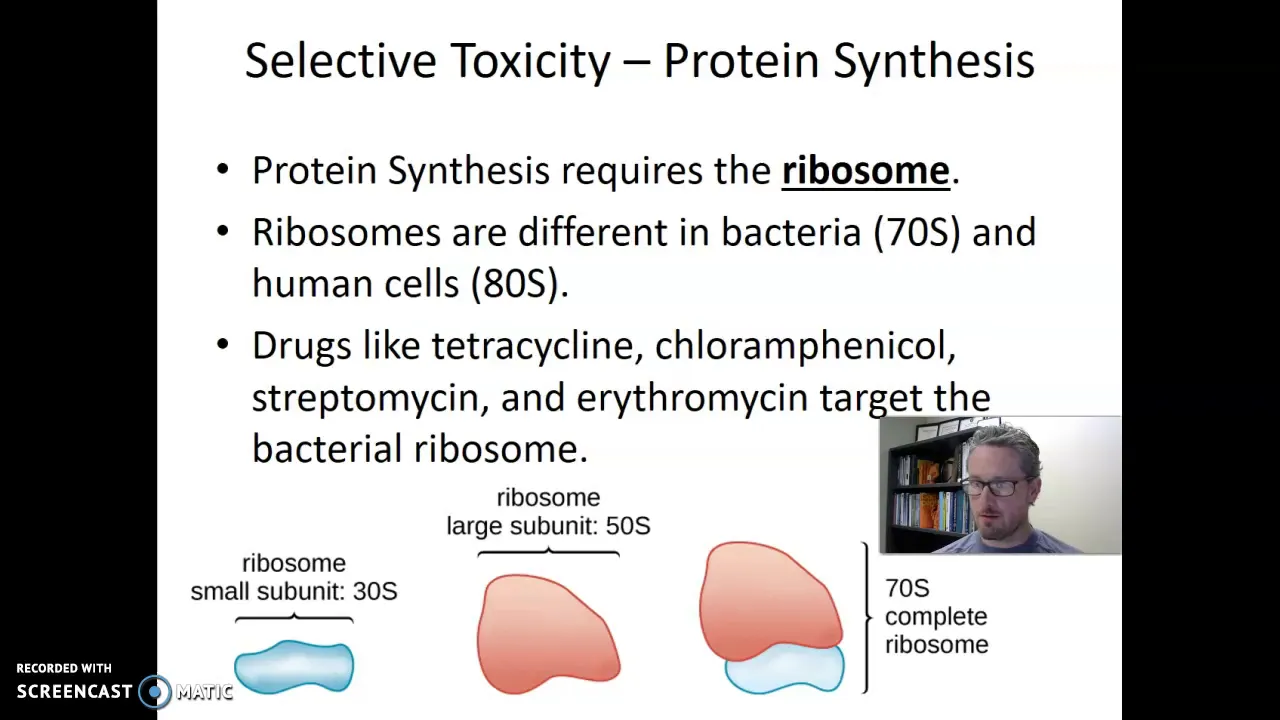
The concept of selective toxicity in pharmacology, which is the ability of a drug to target and kill pathogens without harming the host's cells.
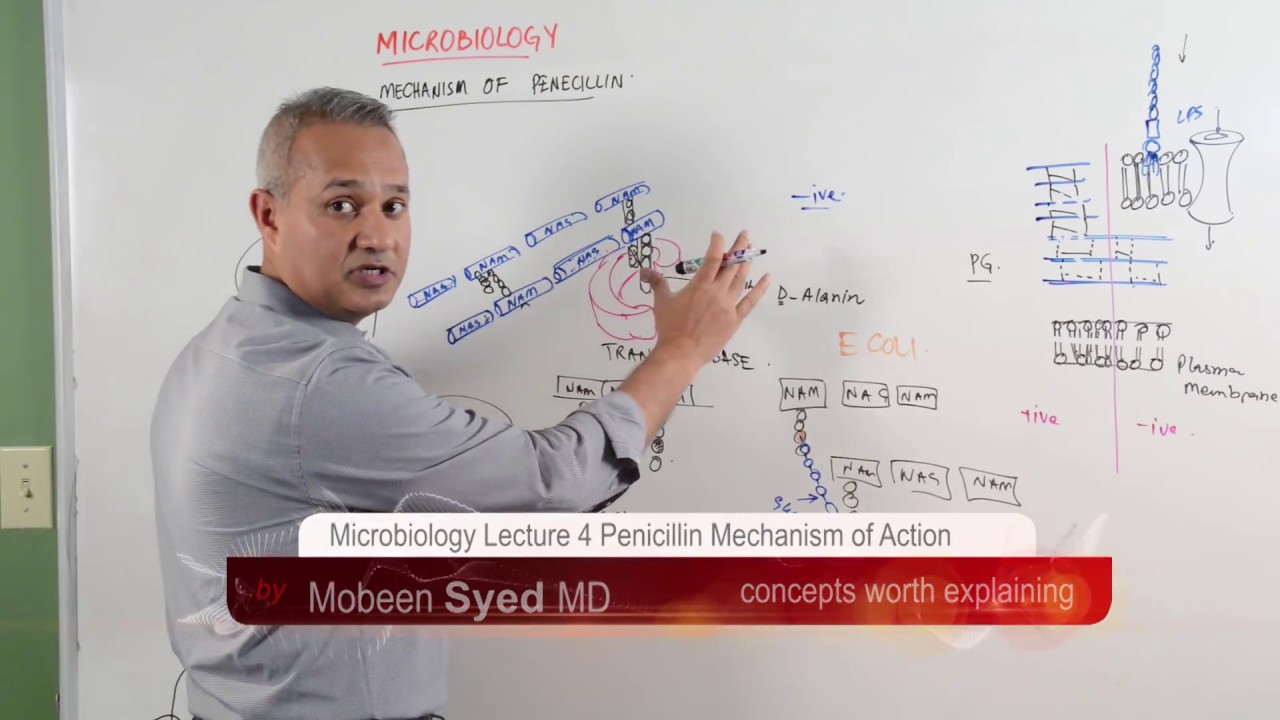
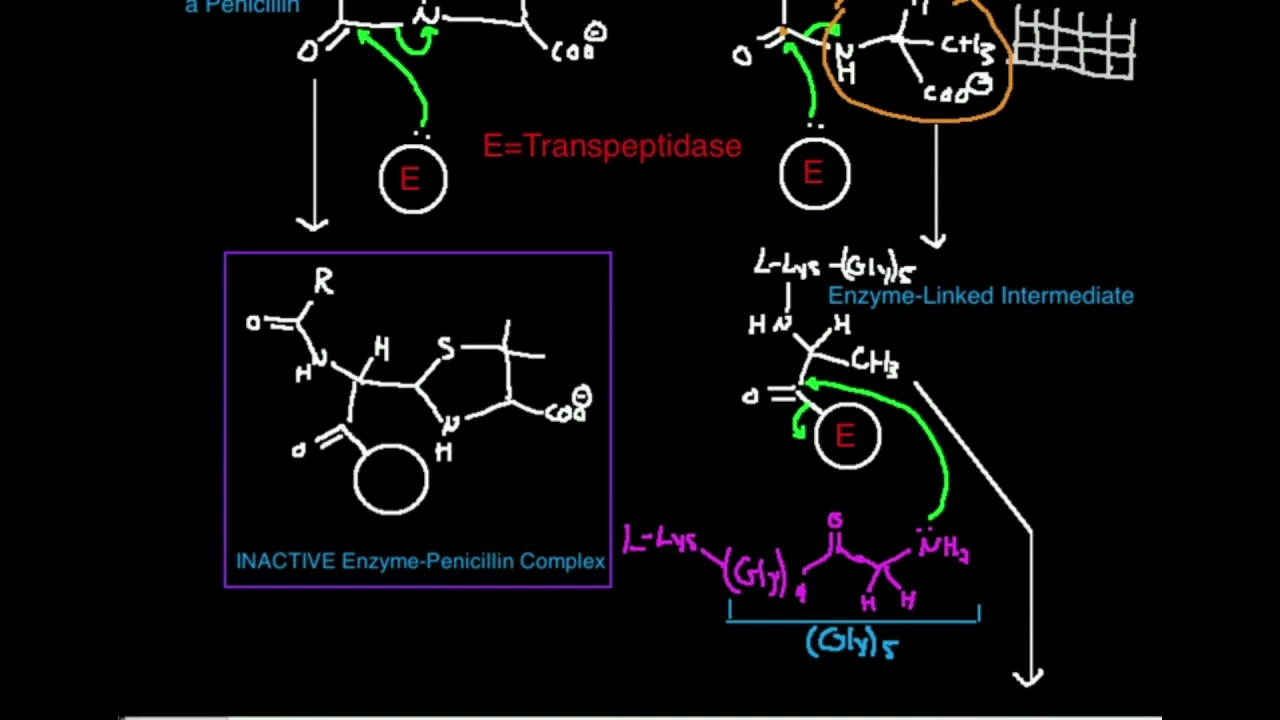
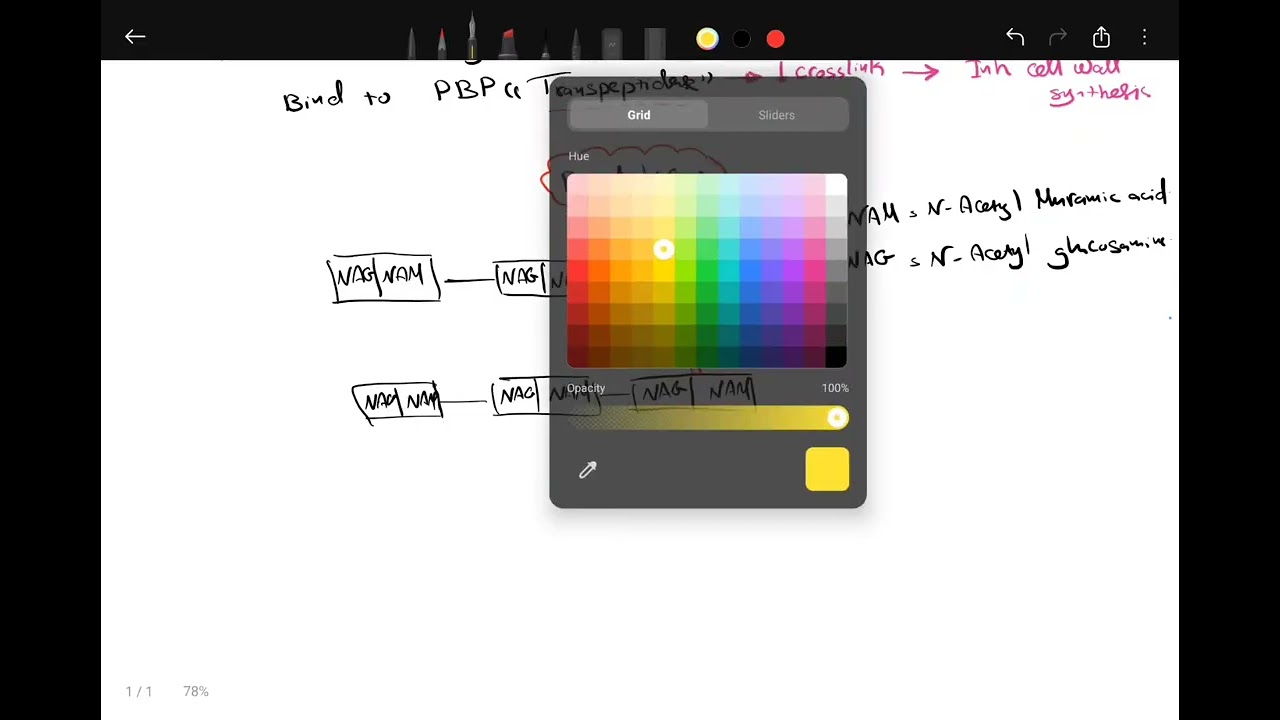
The biological mechanism of action of penicillin, specifically how it inhibits peptidoglycan synthesis in bacterial cell walls.
The industrial-scale production and biochemical engineering challenges overcome during World War II to mass-produce the drug.
The development of antibiotic resistance (such as MRSA) and the biological mechanisms bacteria use to deactivate penicillin, such as beta-lactamase enzymes.
The discovery of subsequent antibiotic classes (like streptomycin and tetracyclines) and the overall history of the 'Golden Age' of drug discovery.
194.3K views1.7Klikes7:44Original Release: 2017-06-19
[Music] hello my name is Alexander Fleming I'm a doctor and just under a hundred years ago I discovered penicillin quite by accident this is the story of what happened if you go to the doctor when you're feeling ill he or she might give you antibiotics to kill the infection well it was me Alexander Fleming who discovered the most famous antibiotic of the lot penicillin and today it saves the lives of millions of people all around the world before penicillin there was no way to cure infections and even a little cut on the knee if it got badly infected could turn into something serious enough to kill you so let me tell you a little bit about me Alexander Fleming I was born on a farm in [Music] Scotland my father was a farmer and my mom was a farmer's daughter so it's kind of lucky that I didn't become a farmer too my older brother Thomas became a doctor when he grew up and I decided that I wanted to follow in his footsteps so he said come on Alexander come to London and study at St Mary's Hospital it's one of the best hospitals in the country at St Mary's I started work in a laboratory learning everything I could about bacteria and disease squeezing my syringe of germs into little dishes to see how it grew my professor s arm Roth Wright was rather strict and scary but he taught me how to understand [Music] germs and I used to do some really really weird experiments one day I went to work with a bad cold some of my snot accidentally fell into the bacteria dish I was working on whoa that's strange I thought my gooey green snot has killed some of the bacteria in the dish from that I learned that there is a magic ingredient in our snot our sweat and our spit that protects our body from some germs I call it lysosome when the first World War war broke out in 1914 I went to work in a field Hospital on the Battlefront helping Soldiers with their horrible wounds and [Music] injuries so many of these poor young men died in hospital rather than on the battlefield from their horribly infected wounds their lives could have been saved if only we knew how to fight the infection do you know I'm an untidy kind of person and my lab was always very messy old food Mankey test tubes uneaten sandwiches and dirty lab dishes that I never washed up but you can tell your mom that being messy can sometimes be a good thing I left my laboratory in a big old mess when I went off on holiday One Summer oh it was nice to be on holiday I took my wife and our two children and we went off to the seaside and we had a lovely time when I got back to my lab after the holiday I noticed that one of my dirty dishes had grown a Big Blob of mold on it just like if you didn't wash up your cereal bowl it would go green after a few days that's funny I said and then I saw [Music] it all around the green mold in the dish the bacteria were dead that gunky green mold had killed everything near it the mold was called penicillin and it was amazing it could kill germs I was so excited and I ran off to tell all my fellow scientists what I had discovered but they weren't impressed not at all they weren't interested and they didn't think it could ever work as a medicine boring idea it'll never work 10 long years went by without anyone noticing my amazing Discovery until one brilliant man did and that man was me erns chain I am a Scientist and I'm from Germany I was working at Oxford University and one day I was flicking through Dr Fleming's paper about penicillin when I thought wow this is an incredible idea I must call my brilliant Australian friend Howard Flory he's a scientist like me here at Oxford and together we can see if this green world is any good so the the first thing we had to do was find out if this penicillin stuff did actually kill infection our patient was a policeman who had scratched his eye on the thorn bush his eye had become all gooey and green and it looked like he might die and guess what the penicillin did work the infected area around his eye disappeared our next question was how can we make lots and lots of penicillin Penicillin mold needs of air so we started growing it in big dishes and wide bowls and even hospital bed pant then we filtered the liquid through some parachute silk to get the pure penicillin but we did it all by ourselves and we couldn't make enough we needed to ask some big powerful friends to help [Music] us so we went to America to the companies that make medicine and explain the problem they agreed to help us make seriously big quantities and we needed to start with the very best quality Penicillin mold do you know where we found it on a rotten old melon just like these ones maybe you've had one we added the mold from the melons to big containers full of water and a syrup that comes from corn like this and then we waited for the mold to grow we started producing it in factories and we tested it on white rabbits from new Zealand and when we knew it was safe it was put into bottles and boxes in a factory and soon we had mountains of it enough for everyone since that time in 1945 penicillin has become the most often-used antibiotic in the world and has saved countless lies and who do we have to thank that's right let's hear it for alander Fleming I discovered it erns chain how I knew Dr Fleming's Discovery could work Howard Flory and I made it into medicine for everyone Hi everyone my name's Clarissa I'm a teacher and I'm a mom and I love general knowledge if you enjoyed watching our video please subscribe to our Channel and also consider supporting us on patreon so we can make loads more videos about fascinating people from history especially for kids
Up Next

2:10
Tu Youyou's Artemisinin Discovery: A Nobel-Winning Malaria Breakthrough
@cgtnamerica
6.3K views•2015-10-06

12:54
Triumph of Orthodoxy Icon: Byzantine Art & History Explained
@BenCallan
2.1K views•2024-08-06

9:49
FastAPI vs Flask vs Django: Choosing the Right Python Web Framework
@TechWithTim
302.5K views•2024-05-26

1:42
Game of Thrones Opening Credits: A Cinematic Analysis
@gameofthrones
46.3M views•2011-04-18
Related Study Plans & Knowledge Roadmaps
Structured learning paths in General & Interdisciplinary Studies
general-studies
Elevator Engineering: History, Physics & Cities
01From Hoists to Safety Brakes: The Dawn of Vertical Lift
02Hydraulic vs. Traction: The Engineering Physics of Elevators
03Modern Speed, Safety, and Algorithms
+ 2 more learning modules
12h5 modules
Explore Roadmap
general-studies
Rubber: Material Science, History & Geopolitics
01Origins of Natural Rubber & Mesoamerican History
02The Chemistry of Natural Rubber & Vulcanization
03The Geopolitics of the Rubber Boom & Colonization
+ 2 more learning modules
12h5 modules
Explore Roadmap
general-studies
Containerization: Evolution, Logistics & Trade
01Ancient Trade & Bulk Cargo: Amphorae to Barrels
02The Industrial Revolution & Cardboard Packaging
03The Containerization Revolution: Malcom McLean
+ 2 more learning modules
12h5 modules
Explore Roadmap
general-studies
Textile Tech: Evolution, Labor & Global Impact
01Pre-Industrial Textiles: Handloom & Cottage Industry
02Mechanization: The Spinning Jenny to the Power Loom
03The Factory System & Global Labor Transformation
+ 2 more learning modules
10h5 modules
Explore Roadmap