












![[Nanophotonics] 1. Course Introduction](https://i.ytimg.com/vi/Fc8E79NvqvM/maxresdefault.jpg)


This episode explores various scientific concepts including human physiological adaptations to climate (acclimatization), the evolutionary origin of mitochondria through endosymbiosis during the Great Oxygenation Event, the physics of sound echoes and the Doppler effect, and the biological basis of human buoyancy determined by body composition and fat percentage.
Buoyancy, Bioacoustics, and Evolution: Science Q&A with Dr Karl
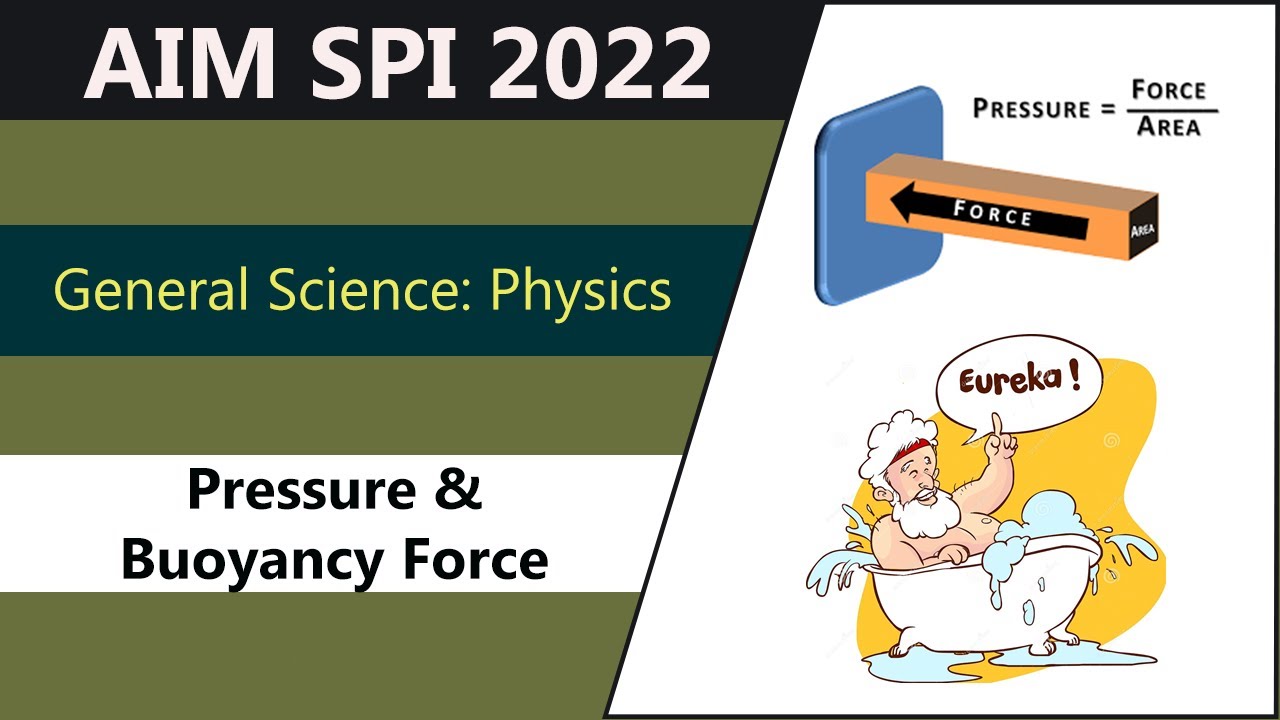
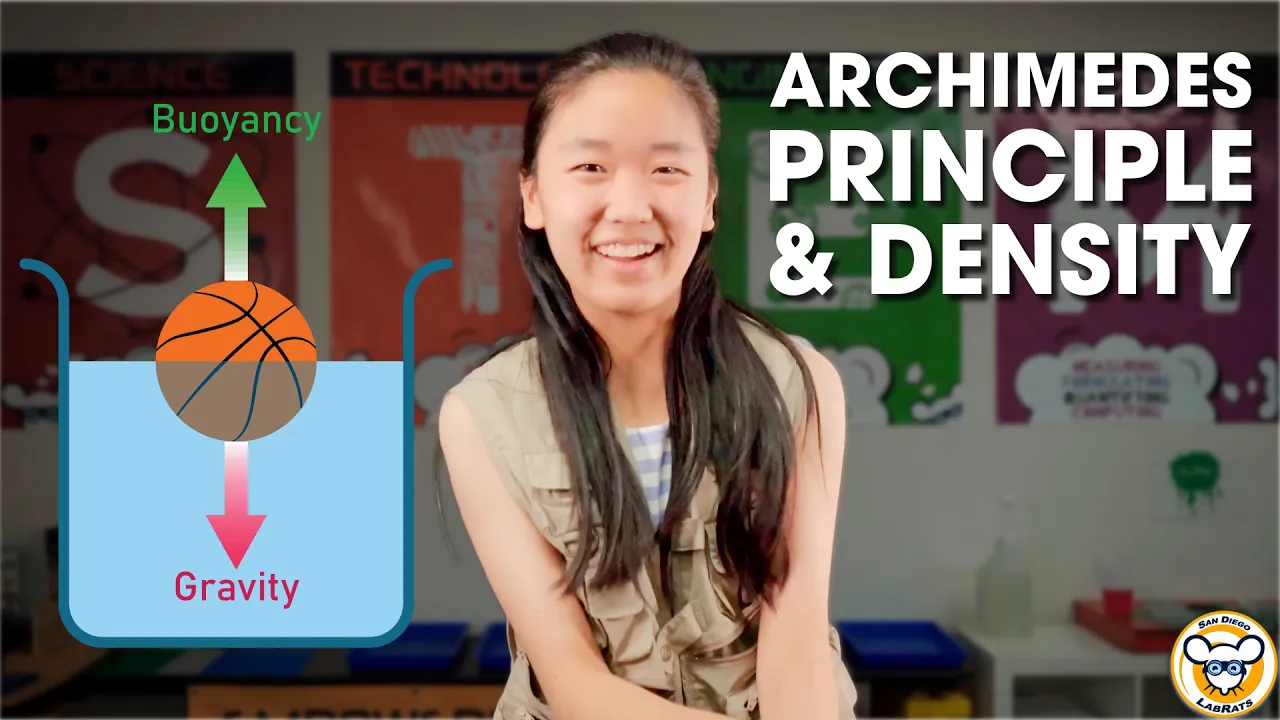
Added:Archimedes' Principle and Density: Understanding how the density of an object relative to a fluid determines buoyant force and whether an object floats or sinks.
Basic Wave Mechanics: Fundamental properties of sound waves, including frequency, wavelength, amplitude, and how sound propagates through different physical mediums.
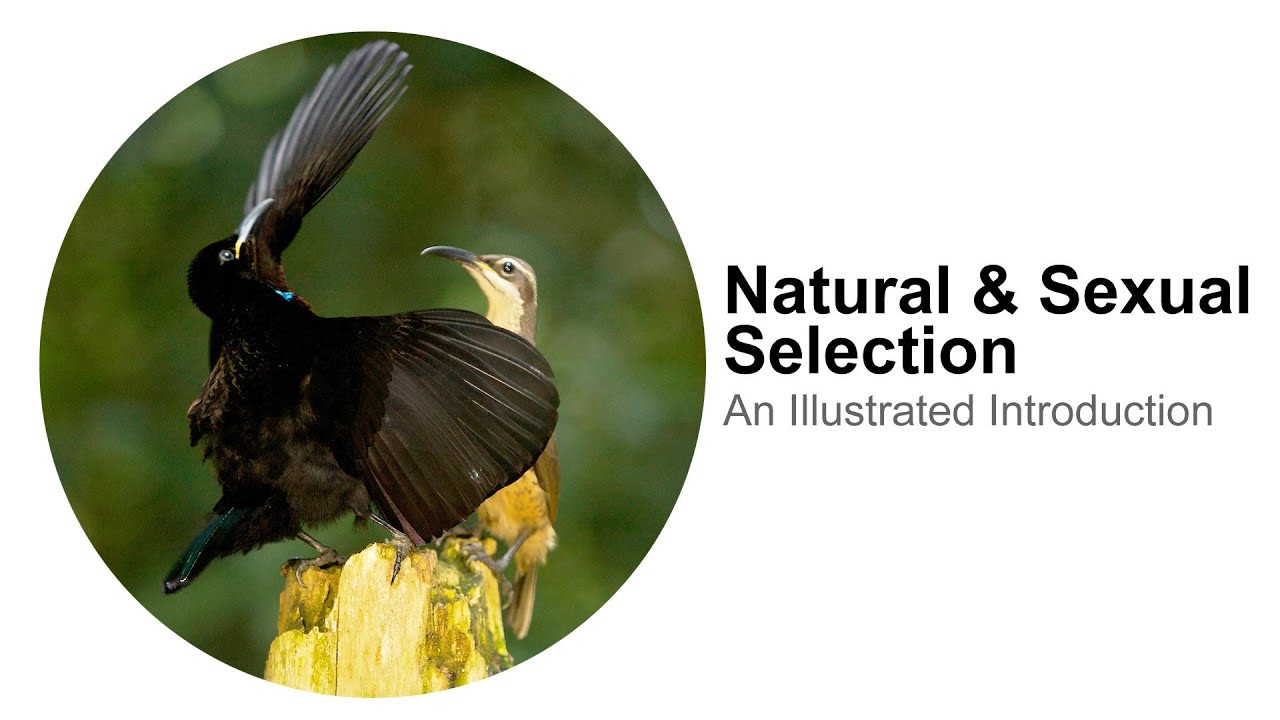
Principles of Natural and Sexual Selection: Core concepts of evolutionary biology, specifically how traits are selected for survival or reproductive success over generations.
Introductory Human Endocrinology: A basic understanding of hormonal cycles, specifically the female menstrual cycle and the theoretical concept of pheromones.
Fluid Dynamics and Marine Adaptations: Studying how marine organisms regulate buoyancy (e.g., swim bladders, lipid-rich livers) and applying these principles to submarine engineering.
Bioacoustic Conservation and Ecology: Exploring how passive acoustic monitoring is used by ecologists to track wildlife populations and study animal communication networks.
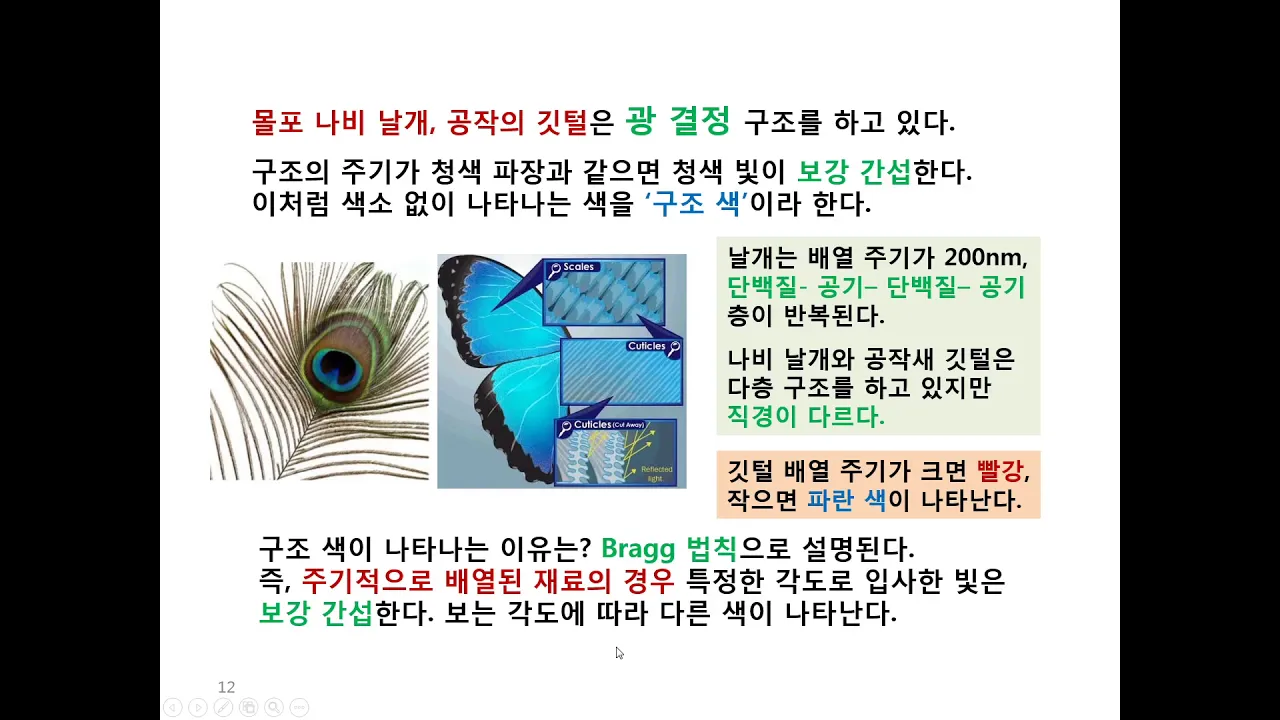
Biophotonics and Structural Coloration: Investigating the physics of nanostructures in bird feathers and insect wings that produce brilliant, non-pigmentary colors through light interference.
Scientific Methodology and the 'McClintock Effect': Analyzing the statistical flaws and lack of replication in menstrual synchrony studies as a lesson in mathematical modeling and cognitive bias.
1.1K views15likes41:51Original Release: 2026-01-29
This is a Triple J podcast.
>> We're back. That is right. Welcome to the first episode of 2026 Science with Dr. Carl in your podcast feed. Thank you so much for joining us. If you are getting this one automatically, it means that you have already liked and subscribed. So, what I need you to do is to send this to someone who you think will love Science with Dr. Carl. Maybe you hear something in this episode and it makes you think of a friend or a colleague. send this podcast their way because we always love it when we've got new people joining the Science with Dr. Carl fam and maybe they want to make this their new favorite podcast for 2026. Let's start the year off right and we did that with today's episode. So many different questions coming through.
We had questions that settled a workplace debate about immobile objects and the sounds they make when you drive past them. We had questions about time and space. We had questions about the bubbliness of soda water and whether you can actually emulate that at home. And does your period sink to the full moon?
We get into that with not only Dr. Carl, but Zoe Keane, friend of the show, expert on evolution, nature, and animals. So, first of the year, let's do it.
For the first time in 2026, he is here.
Dr. Carl >> a shark. Welcome back.
>> And you're here, too. It looks so lovely to be wonderful back with you again.
>> Yeah, you go a little under the weather, but we've got you fit healthy, ready to go.
>> Oh, mate. Antibiotics. When penicellin came in by itself, it increased life expectancy by 15 years. And suddenly pneumonia turned from well, the bad news is Lucy, you've got pneumonia and you'll be dead in two days. But the good news is you got a whole day where your mind is still clear and you can write your will >> and and you turn from a death sentence into do you know I had to take some tablets twice a day for a whole week. Oh my god it was so inconvenient >> and that's it.
>> Yeah. And people of all ages get it and with influenza one in every thousand people die worldwide over the whole population. But if you then fall into the subgroup where you get an infection that lays you in bed like CO did, then the death rate jumps up to one in 100.
Bring on the antibiotics for the pneumonia that goes with it. Hooray. I love antibiotics.
>> Well, it's so good to have you back.
Ready to go for another year of science.
And we've got a special guest joining us for this week's the fabulous Zoe Keane.
Now Zoe, we have to start with some exciting news. Dr. Carl, do you want to do the honors? Um, not just Zoe Keen, but Zoe Keane with two letters at the end of her name, I believe, which are not her degree in in science, but in something else. What are they?
>> Yeah. Or three letters.
>> Three. Oh, that's that's one. That's 50% better than two letters.
>> Well, you've you've got the you've got two letters, which is also very exciting. Uh, but they are O A [gasps] M. [laughter] >> Order.
>> Order of Australia Medal.
>> Oh gosh. What? It's >> What does it stand for anyway? It basically means Zoe that you are an incredible Australian and you've been recognized for your work in science communication. How did it feel to know that you were on this honors list? It was it was pretty bizarre actually. I I couldn't believe it. I didn't believe it when I was told. Like I believed it but I didn't believe it in my soul. Um but because I am a journalist and it was um for services to science journalism which is kind of which is very cool cuz you know science journalism needs a plug. So hopefully I can help you know promote science journalism with this. Uh but as a journalist I actually get the embargoed list of people who have got orders. So you know who who have received these amazing things. And so when that happened a week before it was announced and I saw my name was definitely on there and the media was definitely told then I started to know and also my colleagues knew. So I had to keep it secret before then so it didn't really feel real. But once I could, you know, tell my colleagues, it felt real.
So >> now it's out there. So exciting. Well, what can I say? We got two OAMs between us three. I'm excited about it. And Zoe, you are someone who is really an expert in evolution. You have a book called Why We Like This, which taps into just the reasons why we are the way we are, but you're also pretty apt when it comes to talking about nature, about animals, and evolution as well. So you're a friend of the show. We've had you on before and you're always so good at getting into those kind of reasons, you know, why we look at the world and how it got there.
So, if you've got a question for Zoe, 04397575.
If you've got a regular science question for Carl, get those in as well. Rory in Brunswick, you are kicking us off. First question of 2026, what do you want to know?
>> Hi, doctors. Um, my question is just about um the sound that objects make um as you're driving past them in a car.
So, for example, when you drive past a row of bolards on a construction site or like a row of cars, um what causes that whooing sound as you drive past them?
>> Ah, now I've been worried about that for a while. Inspired by the goddess herself, Tato, who holds the microphone near her mouth, even though she's a billionaire and if there was a technology where you did not have to hold the microphone near your mouth, she'd use it. I realize why sound is so hard. When you're taking a video or a movie of somebody, the photons leave that object, don't interact with the outside world much at all, and land in your eyeball. But when you're listening to somebody or recording them on a microphone, the sound can hit the walls. It can bounce off and you got this dreadful thing called room echo. And I actually went into a proper anooic chamber. An A meaning not o echoic meaning echo. And basically you walk into this room, there's all these sort of plasticky rubbery triangles sticking out the wall.
You're walking on a steel mesh and there's these grids of mesh of of pyramids above you, below you, left and right, and everywhere. And for the first time in my life, I actually heard a sound coming out of a person's mouth.
And it was the most bizarre thing. When somebody spoke, I'd just swivel around and I could see it coming out of their mouth. And then somebody opened a door and then suddenly I could hear the sound coming out of a person's mouth and then with a bit of a delay coming from the wall on the other side of the door. So went out of their mouth, left the room, hit a distant wall, came back and I could hear that echo. So when you're driving past bolards, you're hearing the echoes of your movement through the air which are the vehicle pushing through the air that creates a bit of a swoosh noise and the tires and the engine and various other things. Zoe, you're kind of thinking similar.
>> I'm thinking exactly similar. You're hearing echo echo echo as you're going past. And would you be getting any kind of Doppler effect or would that not work if you're back in the car?
>> Um, there almost certainly would be a Doppler effect as you come towards them and go away from them and there are people >> I always I'm not very good at explaining the Doppler effect. Can you I know I know it's an effect and I know it happens when you hear a car going past, but are are you able to explain it?
>> Yeah. So the wavelength of air of sound in air is maybe say a meter across and then when you're running towards it they you you run into them sooner so they get squashed to maybe 0.9 of a meter but when you're running away from it they go to a lower frequency and the typical example supposedly is the um fire engine police siren ambulance siren but they all go up and down so that doesn't work anymore. Apparently, uh, when the experiment was done way back in the late 1800s, somebody hired some musicians to play a note on the back of a trolley.
And so, they drove them down the street.
They could hear the note go up as they came towards them and away from behind.
But there are people who are visually impaired who make clicking noises either with their tongue or their fingers and they can navigate ever so well. And so, for most of us, >> we just sort of live in a soft, oh yeah, I can hear something from coming over there. But other people go, "Oh, there's a hard thing coming at me." Like a car or a soft thing. I'm trying to think of a soft thing. Like there's not many wagons anymore with cloth on them.
>> Does that help you, Rory?
>> Yeah. Thank you very much. That's helped uh a debate that we had at work. Thank you.
>> What was the debate? What was the debate?
>> Well, we were listening to these sounds go past us as we were driving the truck along. Um and I asked, "What do you think the reason for that was?" And there was a couple of different theories. Um, and yeah, one guy's going to be buying fish and chips for the rest of [laughter] >> Rory. This is why I love this segment.
We are settling debates everywhere. And you know what, Rory, congrats. Enjoy that meal.
>> Thank you, doctors.
>> Hell yeah. If you want to settle a debate that's going on maybe between your workmates, your housemates, let me know. 04397575.
Let's go to Nawal Country with Peter.
Dr. Peter, what do you want to know?
>> I just want to know if it's possible to see objects in real time in space. or are you always looking at them at in the past because of the way the speed of light works?
>> Um, two factors. Firstly, there's the speed of light which is roughly 100 300 m per millionth of a second which is not that much. More importantly, your brain has a delay 310 of a second between when photons of light land on your retina and you get that full 3D color image. 3/10en of a second. It's called the P300 in visual electrneurohysiology.
And the thing is we've all adjusted for it. So I can be walking down a corridor with you say, "Oh, Peter, could you just top up my cup of tea?" And so we're both walking down, you got the teapot, and we're both walking and we're living 3/10en of a second behind reality, but we're used to it all of our lives. And so you can pour the tea into my cup even though it's not where it was 3/10en of a second ago.
>> Yeah.
>> Yeah. We've adjusted.
>> It's a lot to wrap your brain around.
>> Yeah. Yeah. So, I think the hippies were right. Reality is for people who can't handle drugs.
>> Peter, you got that?
>> Get it?
>> I love it.
>> Hey, we got Paul. Paul, are you currently coming from Tokyo, Japan?
>> Yes, that's correct. Good morning, doctors. My question is about a climat.
Good morning. A climatization.
I've noticed uh winter in Tokyo is very cold. Minus degrees are very common. But if I go back to Brisbane, winter is fine. And I want to know, do I actually have an extra layer of insulation because there's something physiological that changes in my body?
>> Zoe, what do you scales?
When I step on the bathroom scales, it doesn't show me that I've got an extra layer of insulation. But in winter in Brisbane, I can walk around in almost summer clothing. However, after a few years, if I was to move back there, I'm sure that I would feel the cold again like all the other Brisbaneites do.
What's happening? Is it physiological or psychological?
>> I would say it's absolutely a little bit of both. I'm here in Luchida, Tasmania, and am one of the many people here who wear shorts all year round and have climatized to the cold here. But your body does actually change a little bit, but it happens, you know, pretty pretty quickly, like over, you know, maybe one or two weeks. So that's hard in a holiday, right? But over a season, it makes a bit more sense. And that we used to think that your blood would get thinner or thicker um depending on uh the climate and that's been you know shown not to be what's really happening.
But the blood is involved. So your vascular system or all all your um you know veins and blood vessels are involved in helping you regulate your heat. And one thing that happens is the amount of blood that's being sent to your skin to your outside bits where it can then be cooled down if you're sweating and um you'll uh you get cooled down as as you sweat and as that water evaporates off that changes. So if you go back to the heat, your your kind of um physical settings might be a little bit different for a week or two while you get back um to that. So you'll kind of notice there are some signs that you can tell if you've acclimatized back. So if you have a lower heart rate, um you know, you don't you're not getting, you know, when you get hot and bothered and your heart rate goes up. If your heart rate kind of goes back and you you're not getting that um heartbeaty feeling when you're when you're hot, if you're improved, >> you're improved in your sweating. So you kind of sweat earlier. I mean, we don't all want to sweat, but sweat is what we use to cool down. So if you kind of start sweating earlier on um and also yeah there's there's some there's some changes in the way that your blood is being moved around your body. So um yeah it's really really an exciting physiological thing and it is real.
>> It is real. I was surprised when my brother-in-law rang us from Germany and said oh my god it's so warm here in Germany. It's warmed up at 15° centigrade that everybody's going into the park and taking their clothes off and we're going oh my god it's so cold at 15 degrees the same number we're having to put jumpers on. So there's a psychological factor. Then as Zoe mentioned, there's a physiological factor. So you've got 100,000 kilometers of blood vessels in your skin.
And that's more than twice around the earth at this circumference. And [clears throat] the percentage of them that's that are open at any given moment. As Zoe said, it can vary from zero to 100%. And zero is when you're in really cold weather and you're trying to preserve your heat. At 100% is when you're in a sauna and you are just sweating. And in the Antarctic, they have this 300 club where you go from 100% of all your blood vessels open and you're at a temperature of uh 95° C and then you go out into the air at colder than minus 100 Fahrenheit. Sorry to mix the units, but the temperature change is 300 Fahrenheit degrees. And you've got to be young and healthy to do it, but and and you do it. And people love this sauna thing in the colder country. So the blood vessels opening and closing and then the composition of your sweat changes. So many things change and it's real. And so athletes will go and train in a higher lower environment, higher lower altitude and after a few weeks they perform better than on the day they arrived.
>> Wow.
>> And so you've just made me think of another question. Is it a fallacy or not? But generally speaking, are women more sensitive to cold than males? And is that also connected to your explanations? Yeah.
>> Um the a a cliche I've heard which seems to be kind of a little bit correct is cold hands, warm heart.
>> So on average, women have a slightly colder peripheral temperature but a slightly warmer internal temperature, but I've been reading more about temperatures and I don't know if that's true anymore. And by the way, what happens in that series Drops of God in Tokyo? Don't don't tell me, but I'm following that whether she wins the competition. It's a competition about a It's a new series.
>> It's a series between trying to guess what a wine is between a Japanese male and a French female. But let's not don't give me the answer, Dr. Paul. I'll look it up myself.
>> Okay. Paul, thanks so much for calling us from Tokyo.
>> You're welcome. Thank you for calling me.
>> I love that. Hey, we've got Adam from WA here. Adam, what's your question?
>> Hi, doctors. Um, I was wondering if um, Earth's atmosphere had oxygen and not dioxygen, would we still be able to breathe? And why does the atmosphere have O2 and not O? I've never heard the word dioxygen before, Dr. Carl.
>> I know, because we're lazy. So, there's an oxygen atom joined to another oxygen atom. And so, being lazy, people said, "Well, we call it oxygen or dioxygen."
Nah, save time. Life's too busy. So really you're dead right Dr. Adam, it should be D oxygen and it began. Zoe when did the great oxygenation crisis monito mitochondria was that about what one two how many how many billion years ago? Oh, I can't remember the date in terms of billion years, but you mentioned mitochondria, but it wasn't mitochondria what done it. So, this is one of the greatest disasters ever to occur on Earth uh in terms of a mass extinction. But the thing was at this time multisellular, so animals or plants or anything made up of lots of different cells didn't even exist yet. This was, you know, back in the good old days when things were simple and everything was single cellular. uh some single cellular uh species started to do this incredible thing called photosynthesize. So they started to create their own energy using the sun and produce oxygen. But there hadn't been lots of free oxygen around at that point in time. So nothing was really evolved to be able to kind of handle it to hack it. And so there was a mass die off. A lot of things, you know, died and didn't make it. But it set the stage for one of life's amazing transitions. Usually when we talk about evolution, we're talking about genetic changes. So there'll be a mutation and it ends up being beneficial in some way and you know spreads throughout the population. But this was a a instance of evolution that's a little bit different.
There would have been genetic factors, but there was a bacteria that was able to use oxygen to unleash energy. And then that was engulfed by another single cell cuz you know cells were out there preying on each other, eating each other up. Num nom nom, right? So this one went inside this other one, but it didn't get eaten. And in fact, it started to produce energy that then that other cell could use. And from that moment, we created well we created the mitochondria was born. So that energy producing cell that was engulfed eventually became the mitochondria we know and love today. And the mitochondria is something in the body that like produces energy that the rest of our cells are able to use. So very very cool. But it started with photosynthesis and then eventually it led to the mitochondria.
>> And Zoe put her finger right on it when she said it was the greatest mass extinction ever known. Why? Now, Adam, have you done atoms at school? Do you kind of remember atoms at all?
>> I haven't done atoms yet, but I like, you know, just >> looking at them anyway.
>> Okay. Have you done the solar system?
>> Yeah.
>> Okay. So, an atom is like a mini solar system. And this ties back to why oxygen was such a killer and why is dioxygen.
So, um in a solar system, you got a heavy lumpy small thing in the middle, the sun, and lots of empty space. In an atom, you got a similar thing, the nucleus, and also empty space. And then in a solar system, you got planets going around in orbits.
>> And in an atom, you've got electrons going around in orbits. Big difference.
In a solar system, only one planet per orbit. But in atoms, you can have many.
And this was the killer was oxygen. It had two extra planets or electrons, and they just wanted to react with anything.
And they just killed stuff. And we think that they're related to the iron being naked iron turning into iron oxide.
That's why the Australian outback is red because of rust, iron oxide. So to answer your question, why is it dioxygen? Because there are two electrons and they just want to react with anything and they do. And if they got nothing else, they react with each other.
>> Yeah. Thank you.
>> Thanks so much, Adam. We've got Tim in Ginderbine here. Tim, you got a question about soda water.
Yes, big fan, longtime listener. Thank you for taking my question. Um, is it possible to match the extra bubbles you often have in a purchased bottle of sparkling water with a homemade sparkling water maker? The reason I asked is because um I did actually experiment with a mini TEG that I injected the CO2 into um and I couldn't get anywhere near the sparkle. And I'm wondering where there's a there's a threshold or or a limitation in the ratio between the volume of water, its temperature, and the CO2 and its pressure.
>> Mate, you you you've once again you've answered directly. So the first thing is that you have carbon dioxide in that cylinder and almost certainly that carbon dioxide came from a hole in the ground outside Adelaide.
Years ago they were looking for natural gas outside Adelaide and they found instead this reservoir of pure carbon dioxide. So several times a day a day trucks from all over Australia go there fill up with carbon dioxide and it ends up in your drink. Okay, that's number one. Number two, Henry's law. So the the colder the temperature, the more that gases will dissolve in it. So down in the Antarctic, the temperature is really cold, like - 1.8° centigrade, and oxygen dissolves like crazy. So you got this enormous biomass of um which because of the oxygen, but also carbon dioxide. So you got to get the water really, really cold. Secondly, the cylinders um I actually am obsessive enough to weigh them and they come in and they weigh 1,200 grams and then we use them down to about 780 grams and then they've hardly got anything left at all. Every now and then we get a cylinder that's,00 g really the quality control is not that good but in general it's fairly it's pretty good. We normally get 1200 grams.
So you you got to if the cylinder is a normal weight you don't have to worry about that. Chill the water as much as you can. And there's got to be the right what you'd call air space, gas space above the liquid. So the bottle that you're filling up has a little marker.
Follow that marker. Obey that marker.
Not too low, not too high. Dr. Zoe.
>> Love it.
>> What he said, right?
>> Yeah. What he said. Exactly that. I just I I want the soda water. I want the bubbles to feel like tiny knives going down my throat, Tim.
>> Oh, they're delicious.
>> Exactly the same. I'm glad I found a fellow person who weighs the bottles.
I've found the exact same thing.
>> It's interesting that you're not Oh, sorry I interrupted you there. But it's interesting that you're not just having you're not just putting in the bubbles, you're actually changing the chemical nature of the liquid that you're drinking, which is a really cool um aspect of carbonization. I I love that.
And that's something I discovered going on a a research journey about why you shouldn't carbonate milk and why it tastes really badly when you do it cuz you change you change the um you know you change the chemistry of the milk and then it tastes absolutely awful.
>> Fizzy fizzy milk. Tell us more of this abomination. Well, you should never do it in your soda stream because it's very likely to explode and also it changes uh yeah changes the acid the pH balance the acids and the base in there and then that causes chemical reactions and it tastes really yucky apparently though you can ferment milk to get fizzy milk and that is uh widely enjoyed around the world but it's a different process.
>> Oh my gosh. Don't try this at home.
>> Don't try this at [laughter] home.
Really seriously don't try this at home.
>> Yeah, really don't.
>> Jazz on the Northern Rivers. What do you want to know?
>> Good morning, doctors. Um, I'm just calling today uh to ask a bit of a weird question. Um, my cycle is currently synced up with the full moon, and I was wondering, is there an evolutionary reason why some women's cycles sync up with the full moon cycle?
>> Firstly, I want to say, Jazz, that there are no weird questions here on Science with Dr. Carl. Anything is on guard. Zoe, what do you reckon? I love that you're synced up with the full moon and I am going to have to start surveying my friends as to whether they're synced up with the full moon.
The the group chats are going to get some uh invasive questions after this.
Um but I mean menration is a kind of weird thing. We have a few traits as humans um that are pretty rare. So one of those is menopause. So living for a long time after you're able to have kids. That's a bit of a weird trait. We share it with orcas. We share it with chimpanzees. We share it with narwhals, but not many other species, but also so is minration. It's it's pretty random and rare. Elephant shrews do it. We do it. I think there's a mouse that does it, a spiny mouse. Um, so it is a bit unusual, but also the way we menrate in the modern world is also pretty unusual.
So we generally and hopefully are wellfed throughout our childhood. And we also don't start, you know, reproducing generally as a cohort um when we're very young and um tend to breastfeed for a little less time as well. So back in the day or in different um cultural settings, you actually have a lot less periods. So imagine you only start to get your period at about 17 and then maybe you have your first kid at 18 and then you breastfeed for 3 years and then you have another kid and breastfeed for 3 years. You'll actually have far fewer periods than we do. we have about 400.
So, it's a really interesting thing that we do because it's rare in terms of our space species that we do it at all. But the idea of someone having um synced up periods in general was probably not the most common thing in a in a population, imagine, you know, you're in a band of 20 people and there's in that band there's five or six people who are of reproductive age, then quite a few of them wouldn't actually be getting their periods at the at the same time. Um so I'm not sure about syncing up with the moon but we do seem to sync up with each other. I mean anecdotally we know this.
Um but there has been research into this too. So um people looking at interestingly medical students who are living together and this is a I think it came out a few years ago a study that I found where um medical students were asked who were like living in co-housing together about their periods and um over time they were getting closer and closer to each other which is really cool but the evolutionary reason behind that I don't know.
>> Okay. Hey, I thought it might have had something to do with maybe um ovulating a couple of weeks before. Maybe that's when the it's the new moon and it's quite dark, so the men wouldn't maybe be out hunting at that time. They might be staying home cuz they couldn't see and making baby time. I don't know.
>> Yeah, like you know, things happening in the cover of darkness. I don't know. I love the hypothesis. [laughter] It sounds like you've got a hypothesis to test. Email a scientist who works in this space.
Okay, thank you.
>> Thanks, Jazz. Yeah, I love the theory and I have to say I feel like no matter what share house I'm in, I always sync up with my housemate. I don't know if it's I don't know if it's legit. I'm not sure.
>> It It seems to be legit.
>> All right, we've got Jack now. Jack, we've got you on a road trip from CRA to Sydney. What's on your mind? What question do you want to put out there?
>> Hey, doctors. Um, I'm just calling with a question about birds. So, I've recently gotten into bird watching, and I've noticed that a lot of birds have these really vibrant, awesome colors that make them really easy to see, which is great if you're bird watching, but probably also great if you are a predator. I was kind of wondering what the evolutionary reason is that birds would develop these really vibrant colors.
>> Yeah, if you're a bird watching them, say if you're an eagle looking for them or something. Uh, there can be so many different reasons behind the evolution of color. So, one thing is think about something like a rainbow laorakeet. It seems like it would be really obvious and it seems like a predator would be able to spot it really well, but if you're a bird of prey circling above a eucalyp tree and there's a whole lot of rainbow lauricates in there, their backs are green and then they've saved their really vibrant colors for their chests.
And so there's this idea that they've got camouflage from above, but where it's safe, they've got this social signaling um that they can use to essentially say, "I'm a rainbow laurate, you're a rainbow laurate. Let's be mates." Um through having this distinguishing pattern there. So there can be this social signaling function.
Um also, you know, sometimes maybe to be a little bit bedazzled and have bright plumage can be a little bit bit attractive. Um, so if you're trying to um, well, not I shouldn't say you're trying to. This is a a teiology and it's a cardinal sin in evolutionary biology to say that um, a species is trying to do something or um, that a a trait is trying to evolve. It's just happening through random chance and luck. But if say being a little bit more shiny means that you got a few more mates, then that little bit more shiny trait will spread through the population as long as it's not dangerous enough to kind of counteract that. So if you're in a place where there's a whole lot of visual predators and just having any kind of coloring will mean that you're not going to survive, uh then that won't evolve.
But if you're in a space where you can get away with that and the chance of death is a lot lower than that might evolve. And you'll notice with a lot of birds, I'm not sure if you've seen this out bird watching, but say a lot of pigeons or ducks, they'll be really vibrantly colored, but when their wings are um you know down, you won't be able to see those vibrant colors. So, lots of species also have the option of >> um showing their colors at different times. So it matters what is preying on them in that particular environment, how many colors are around in that particular environment, the visual system of what's preying on them. So if they're being hunted mainly by snakes or something, it might not be a big factor, but if they're being uh hunted by visual predators, then you know they might be a bit drabber. So there's all these different evolutionary pressures working at all these different places and times.
So it's a really interesting question.
>> Ah, now can I ask a question? Firstly, what does the word teology mean? And do you spell it t e l e o l o g y?
>> Well, Carl, my great weakness in life is spelling.
So I I couldn't um spell it for you off the top of my head, but a teiology is that idea that something is evolving because it wants to happen. So if I say the bird evolved this birds evolved to be bright and colorful because they wanted to be more sexy, that's putting this kind of idea of an evolutionary trait having a motivation behind it and having something that it wants to be.
>> Whereas evolution doesn't work like that. It'll say you get something with this, a slightly richer color. And if that slightly richer color results in it having more offspring and those offspring surviving to then have more offspring and that trait is inherited, then that will go through. So it's not wanting that. It's just random chance.
But it's really easy to accidentally talk about it like it wanted to happen.
>> Okay. And then the second thing is with regard [clears throat] to birds, there's an article coming through in a peer-reviewed literature about the significance of tails >> on birds, tail feathers, and I'm looking forward to read it when it becomes available next week.
>> So, watch your space.
>> Watch your space. Thanks, Jack.
>> Thanks, guys. Really appreciate it.
>> No worries at all.
>> A safe journey, safe travels. Thiago on Sandy Beach, you got a question about crying. What's up?
>> Hi. Hi. Thanks for having me. Um, I was just wondering about kids. When kids get hurt, they cry, right? But then adults when we get hurt, we it's not really a reaction. We don't really cry. Are the kids cry more out of shock or is is crying even a reaction from pain at all in humans?
>> Zoe, what do you reckon?
>> Does that make sense?
>> Yeah, it does 100%.
>> Yeah. Fascinating question. So crying especially in children has a social function as well as a you know uh kind of other function I guess. So it's primarily to show to caregivers and adults around I'm in distress. I'm not feeling well. So that's why when you have really young babies they can't tell you what's wrong. They can't say I hurt my knee. They can't say my tummy hurts.
They can't say I'm hungry. I'm hot. they can just go a and if you're a you know child and you hurt yourself you know whether you're two whether you're five whether you're 10 and you start to cry then the caregivers around you are going to notice that and take your pain seriously. So we've got to think about the social function of crying and it kind of um it it works in adults too. It just we communicate through crying. we show that we're really distressed and it's like a kind of communication sometimes we can't even control um showing that we're distressed through crying but when you're a kid the importance of that is even higher. So that's one thing and then there's all these uh things that kind of kick in as we get older and older. So as we get older we start to be able to uh regulate our emotions more. We start to get ideas about what's acceptable and what's not acceptable. I remember being at the ABC in Sydney once and just falling flat on my face and really hurting myself, but there were lots of people around [laughter] and so I felt like I couldn't cry, but I got to shake it off. Yeah.
>> Yeah. Whereas I think if maybe I was with my friends, I might have like let a tear out and been like, I don't feel so good. And that's on me holding myself tight and regulating myself.
>> Well, that's so funny you mentioned because I think something we can all relate to is maybe stubbing your toe or jamming your toe when your instant reaction is to suppress it. You go [groaning] like you know your body clenches. You don't let yourself um exclaim what you want to exclaim in that moment. Dr. Carl, >> uh two things. Firstly, swear words reduce the pain. The experiment has been done that if you say gosh darn as opposed to oh dear, you will feel less pain. And number two, around the age, and I forget the exact number, forgive me, but around the age of 4 to seven, >> the human can generate the loudest noise that it can in its entire life.
>> Okay?
>> So, at that stage, they've got past the early childhood diseases that kill them.
It's worthwhile keeping them alive cuz they might have babies. So, they have that sort of maximum volume at that age.
>> If you've got a 4 to sevenyear-old in your in your life and that makes sense about the volume, send this to someone, okay, who might be feeling the same thing. Thiago, does that help?
>> Yes, it does help. So, it seems to me that it is not really a reaction to pain. It's more like a social cue or or a communication kind of tool. And you you we don't really cry for pain. Is that correct?
>> It's it's kind it's kind of both. I think I think there's this real social function of it, but it is still, you know, we still cry when we're alone and we still cry when we're in pain. And so, they're deeply connected. So true. Cuz get an adult in enough pain and they will cry as well. But Thiago, thanks so much for your question.
>> Thanks a lot, doctor. Thanks a lot.
>> Hey, Valentina in Sydney, what do you want to know?
>> Hi. Um, I find that when I go to the beach, my friends are usually more buoyant than me, like better at floating, and I'm I just sink straight away if I try and do a starfish.
>> Mhm. Zoe, what's going on? All right.
So, if Dr. Carl and I went to the beach together and we had a float off, I don't know, tried to float for the longest, um, or tried to figure out who was the most buoyant, I would absolutely put my money on me being more buoyant than Carl. And the reason that Dr. Carl would be a little less buoyant than me is because, you know, he is a slender gent.
And so one of the things that uh makes you more floaty um is that if you've got more fat, so just in a very binary way, women tend to be uh just have a higher fat composition in their body compared to men. That's just the kind of binary take. There's a whole lot of complexity around that. And there are other things that can go into it, too. So you might have friends with really long torsos or big torsos. So, if you've got friends that have big torsos and they're not as long and limmy, um, then they might be better at floating. And if you've got friends with great lung capacity who have really big lungs that are taking in big breaths, that's essentially like putting a balloon, two big balloons inside you that help you float. And you might have done this at the beach where you're, you know, laying in the on your back in the water floating and then you take a deep breath in and you go up a little bit and then a big breath out and you sink a little bit and that's because you become less buoyant when you breathe out. So you just have a different body composition to your mates. I also find that I I tried floating at the beach recently and I was able to do it, but I think before this point, I'd been really anxious about water getting in my ears.
So, I felt like I was fighting my need to float and I wouldn't allow myself to do it. And then recently, I just went, "Let go, babe." And then boom, floating.
>> Such a big part of it. And that's when people are in distress in the water often they're they're freaking out and they're moving a lot and they won't be buoyant.
>> Yeah. I felt like I was almost engaging my core too much or not allowing myself to just kind of spread out. Dr. Carl, is there some >> Yeah. I've got a cheat for you to do the starfish. And I always think feet first when I do the starfish. And [clears throat] the trick is bend your legs at the knees.
>> Mhm.
>> And try and make your heels kiss up against your buttocks.
>> Then you're shifting your center of gravity towards your head and magically you're a sort of short and starfish. But at least you're floating.
>> You're doing it. Valentina, try that.
Okay.
>> Incredible. It makes sense because I'm very lanky.
>> Okay, [laughter] Valentina.
>> Give it a Give it a go. We've got Ila from is it Valor, New South Wales?
>> Uh, yeah.
>> Amazing. Ila, what's your question?
>> Well, I have heard that there are spiders in every country except Antarctica. And I was wondering how they all get got there. Like, do they have a common ancestor? So, what's happening there?
Ah, Zoe, me. Okay, so I'll start. So, Charles Darwin traveling on the Beagle, uh, way off the coast of South America.
We're talking a couple of centuries ago, nowhere near land they could see. And suddenly out of the sky, they started getting covered with spiders traveling on spider webs. And there were two different sizes of spiders. And it turns out that spiders can float, wait for it, up to 4,000 ft. and literally for thousands of kilometers. And the way [clears throat] they get moving is they can adjust their electric. They're floating in the earth's electrical field of so many volts per meter and they wait for the wind and up they go. And the experiment has been done and I've written about this in great moment science on the ABC where some scientists got some spiders and spiderw webs and then adjusted the electrical field and they could get make them go up and down.
So floating is one way they can get get around the place.
>> Yeah. So that's one thing. They're super mobile and um uh Dr. Carl's right there.
But you mentioned a really important evolutionary idea there that I wanted to pick up on and that is the idea of a common ancestor. So a common ancestor is something that a whole lot of different species would evolve from. And do they all have the same common ancestor if they're spiders? Yes. So they will have all evolved from a very very ancient. We think it's probably more than 400 million years ago ancestor. So super ancient and they've had all that time to disperse. Um but there are some spiders that we think of as spiders. We call them spiders like daddy longlegs that aren't actually spiders. They're different things. And there are things that have stayed in same places. So we've got ancient spiders in litera Tasmania um that live in caves. Their um eggs take nine months um to hatch and they're a really ancient species from ancient Gonduana and because they're a cave spider they haven't dispersed in the same way um Dr. Carr was talking about but they've stayed in a kind of the same place but it's just that those continents have moved over time and changed and so they've got this really deep ancient history.
>> Okay. Well, that's really interesting.
>> Great. Thanks, Ella.
>> Yeah, thank you.
>> All right, that's it. Can you believe how quickly that went? Insane.
>> Microcond. Yeah, Zoe Keane, thank you so much for joining us. You've got a book out. It is called Why We Like Like This.
And if we want to check out more of your stuff, we can see you on Tik Tok and Instagram. Zoe Keane Sai.
Congratulations again on your Australian honors this week.
>> Thank you. I You're the first people I have told in the world. I haven't really put it on social media yet. So, you're the first to know.
>> We get the official announcement. Thank you so much for joining us. Tada. Dr. Carl. So good to have you back for 2026.
>> Absolutely fabulous. Thank you.
And that's it. Our first episode of 2026 done and dusted. And I want to keep this good energy and curiosity going. You can ask a question live every week by listening to Triple J and sending them through from about 9:00 a.m. Australian Eastern Daylight Time via the Triple J app or on 04397575.
And of course, you can always just listen back right here on YouTube, on Apple Podcasts, Spotify, wherever you get them. Make sure you liked, subscribed so you're the first to know when a new episode drops. I'm Lucy Smith. Thanks again to Zoe Keane for coming through for this week's episode.
We'll pop her details in the show notes.
And this episode was produced by Josh Brennan. We'll catch you next week. Bye.
Dave Maresy here from the Triple J Hack team. Hey, if you love Dr. Carl's podcast like I do, you might enjoy the hack podcast as well. Each day we bring you the news that matters to you. From the latest science on climate change to what's happening in politics and news around the world. The Hack Podcast. It's your daily fix of the news you need to know. Get it wherever you're listening
Up Next

26:01
Nagoya Protocol Explained: Access and Benefit Sharing | ABS Guide
@absbiotrade170
363 views•2016-06-21

12:54
Triumph of Orthodoxy Icon: Byzantine Art & History Explained
@BenCallan
2.1K views•2024-08-06

9:49
FastAPI vs Flask vs Django: Choosing the Right Python Web Framework
@TechWithTim
302.5K views•2024-05-26

1:42
Game of Thrones Opening Credits: A Cinematic Analysis
@gameofthrones
46.3M views•2011-04-18
Related Study Plans & Knowledge Roadmaps
Structured learning paths in General & Interdisciplinary Studies
general-studies
Elevator Engineering: History, Physics & Cities
01From Hoists to Safety Brakes: The Dawn of Vertical Lift
02Hydraulic vs. Traction: The Engineering Physics of Elevators
03Modern Speed, Safety, and Algorithms
+ 2 more learning modules
12h5 modules
Explore Roadmap
general-studies
Rubber: Material Science, History & Geopolitics
01Origins of Natural Rubber & Mesoamerican History
02The Chemistry of Natural Rubber & Vulcanization
03The Geopolitics of the Rubber Boom & Colonization
+ 2 more learning modules
12h5 modules
Explore Roadmap
general-studies
Containerization: Evolution, Logistics & Trade
01Ancient Trade & Bulk Cargo: Amphorae to Barrels
02The Industrial Revolution & Cardboard Packaging
03The Containerization Revolution: Malcom McLean
+ 2 more learning modules
12h5 modules
Explore Roadmap
general-studies
Textile Tech: Evolution, Labor & Global Impact
01Pre-Industrial Textiles: Handloom & Cottage Industry
02Mechanization: The Spinning Jenny to the Power Loom
03The Factory System & Global Labor Transformation
+ 2 more learning modules
10h5 modules
Explore Roadmap