

























Bonobo apes in the Congo Basin demonstrate sophisticated self-medication behaviors by consuming specific plants like the prickly Fanfum (a spurge family plant) and termite mound materials, suggesting they possess innate knowledge of medicinal properties that could inspire new pharmaceutical discoveries; however, translating this wisdom into human medicine requires overcoming complex regulatory and scientific challenges, while simultaneously protecting these endangered apes and their rapidly disappearing rainforest habitat.
Bonobo Apes: Rainforest Pharmacy and Medicinal Plants | DW Documentary
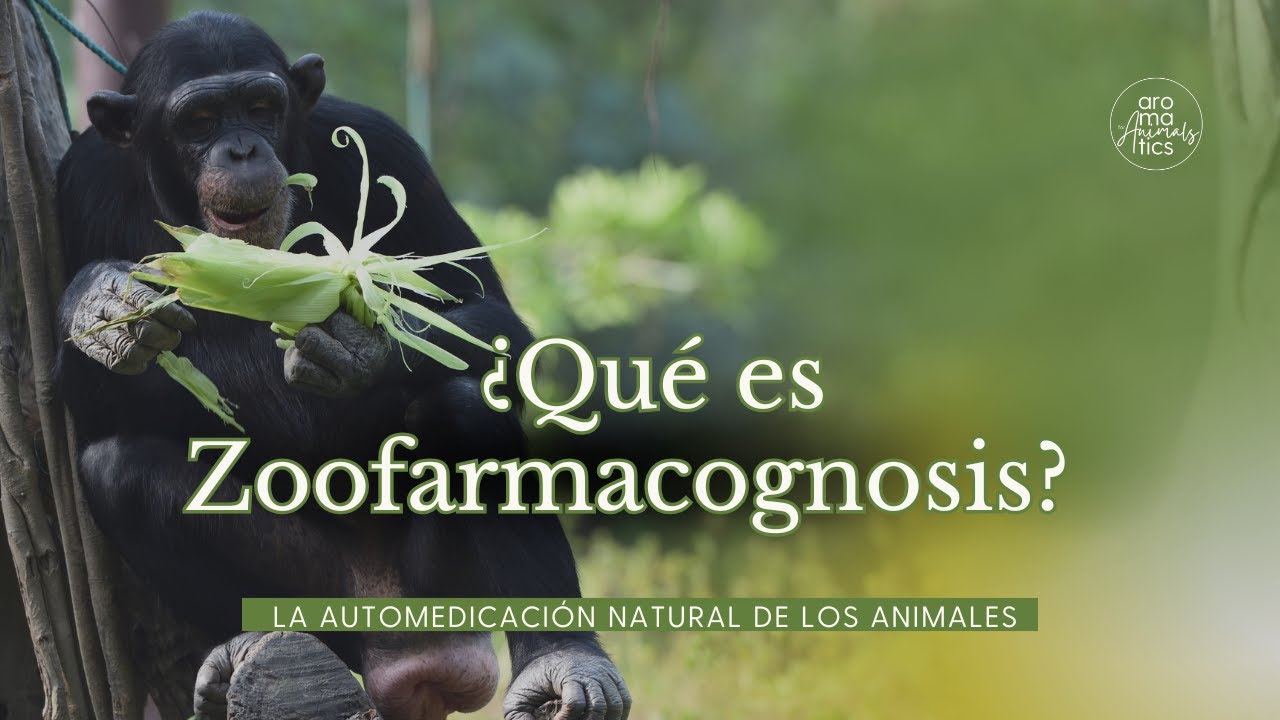
Added:Introduction to Zoopharmacognosy: The fundamental concept of how wild animals self-medicate by selecting and ingesting specific plants, insects, or soils.
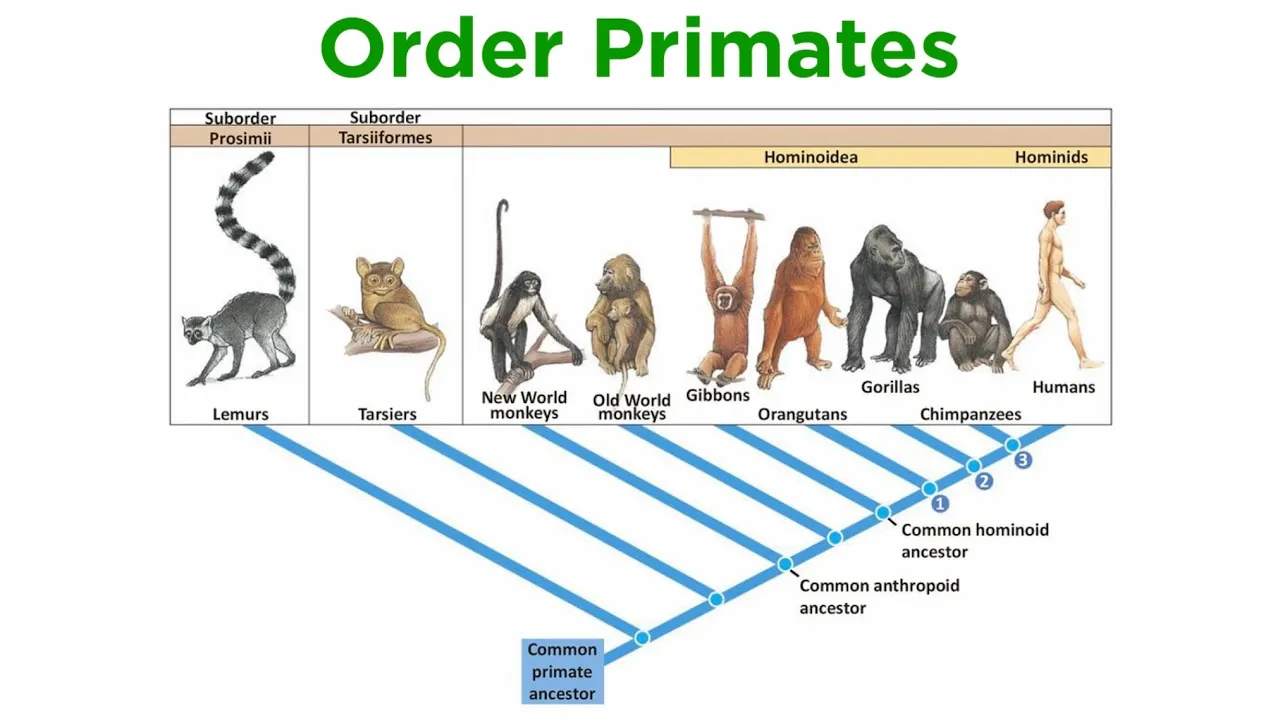
Evolutionary Biology of Primates: Understanding the close genetic relationship between bonobos (Pan paniscus) and humans, and their specific geographic distribution in the Congo Basin.
Tropical Rainforest Ecology: The biological complexity of rainforest ecosystems and how intense competition drives plants to develop diverse chemical defense mechanisms.
Basics of Secondary Metabolites: How plants produce non-essential chemical compounds (like alkaloids, tannins, and terpenes) that have physiological effects on herbivores.
Phytochemistry and Bioprospecting: The laboratory methods used to isolate, identify, and synthesize active pharmacological compounds from wild plants for drug development.
Chemical Ecology and Co-evolution: Exploring the evolutionary arms race between plants developing chemical defenses and animals developing behavioral or physiological adaptations to utilize them.
Conservation Medicine: Studying how habitat destruction and the decline of primate populations threaten the loss of undiscovered medicinal resources (the 'One Health' paradigm).
Bioethics and Indigenous Knowledge Rights: Analyzing the legal and ethical frameworks, such as the Nagoya Protocol, governing access to genetic resources and preventing biopiracy.
118.9K views986likes42:34Original Release: 2017-01-13
bonobo apes are among our closest living relatives and the bobos here in Africa's Congo Basin have a valuable treasure they know which plants have healing properties maybe we can learn from them it's always interesting when one specific individual within a group eats something different that could turn out to be some kind of medicinal plant scientists and the Democratic Republic of Congo and Germany are hopeful the Apes have something to teach us it would be fantastic if this led us to a natural active substance that we could use i' jump for joy but will the bonobos share their secrets with us [Music] humans zoologist barara fruit of the University of Munich is in kinasa in the Democratic Republic of Congo on her way to the Congo Basin she's been carrying out research on bonobos and their habitats there for 13 years [Music] now here this is our camp in this empty spot here we'll fly straight through about 600 km as the crow fly and land INE then we'll walk about 6 km to L on Sunday or Monday we'll walk the remaining 20 or 25 km to the camp tropical rainforest as far as the eye can see it covers more than a third of the Democratic Republic of Congo the first thing that always strikes me is the sheer endlessness of the forest beneath it it's the second largest green lung on Earth it's wonderful that it still exists I hope we'll be able to preserve it as long as [Music] possible the jungle boasts an immense diversity of species right in the middle of it lies the scientific camp that barara fruit and her husband set up in 2002 fruit is now planning to spend 2 weeks here carrying out research on the bonobo apes and their medicinal plants the arrival of the German scientist is always a big event for the villagers can someone help me me fruit has brought along research equipment and spare parts and supplies for the camp every notebook and every pen has to be flown in the crates weigh a minimum of 25 [Music] kilos 200 people live in the village of lampole the villagers benefit from the interest in the bonobo apes like fruit's trusted assistant m e many locals help support the research The Village lets us use their Forest we've been working here regularly since 2002 and have an agreement the local residents don't do their hunting or other things in that large section anymore and we can do our research there from cooks to research assistant to Transportation helpers fruits project offers many work opportunities for the locals The Village do their own hunting outside the area set aside for research it's time to depart for the camp Camp manager antonine lar and several staff accompany food the route takes them 25 km through what looks like unspoiled [Music] nature but slash and burned farming has already gouged holes into the Rain Forest it's hot as an oven here once in the forest though there's water everywhere the temperature is a constant 32° C the slightly cooler air is welcome after 5 hours they arrive at the northern edge of the Boba research area 100 square kilm of unspoiled nature surrounds the Lou cotal Camp it's home to many medicinal plants about which little is known this is barabara fruit's home for 2 months out of every year the camp is occupied year round by an international team of researchers the first order of business is unpacking the equipment um the most important things first we don't go into the forest with machetes they're hard to use plus the bonobos find them threatening the bonobos are familiar with poachers and poachers use machetes so we use garden shears when we come across thickets of Lanas or almania we follow behind the Apes and just cut quietly through the plants the bonobos don't feel threatened and it's easy for us to follow them the shears fit into our pockets yeah unfortunately we lose a lot of them it's been a long day fruit gets set up for the next morning when she'll head out to the bonobos I'll put these other things in my pants Pockets or wear them so this is ready right [Music] the alarm rings at 3:00 a.m. fot and your student want to be at the trees where the bonobos have made their nests when they start to wake okay I'm Mar to protect the bonobos from disease the researcher wear face masks every day they observe the Apes from morning to night yesterday's shift used string to Mark the path to where the bobos are nesting this is where it ends so the nests are directly overhead 50 m overhead the apes are waking and relieving themselves the scientists are pleased the urine samples will tell them a lot about the ape's overall health fruit and her colleagues have spent years getting the bonobos used to their presence they avoid direct contact to make sure they don't inadvertently affect the ap's behavior and routines so the scientists have to make do with whatever the bonobos leave for them there should be a pile of feces somewhere around here you can smell it I definitely smelt it here something we'll take a closer look at it at Camp right so this is what I do and I tie it with a knot like this now it's time to follow the bovos they're constantly on the move on their search for food bonobos are the least studied of the great apes they're found only in the Democratic Republic of Congo or DRC this jungle is the only place that can be observed in the wild Babar fruit is one of the foremost experts on the species her research videos have shown that bonobos are peaceful animals if a conflict does arrive they often resolve it with sexual activity it's no wonder they've often been called the hippies of the rainforest another interesting fact about the pygm chimpanzees as they used to be called is that the females are dominant in the species and they also resolve conflicts with each other through sexual activity but at this time in the morning the Bobo's only interest is breakfast with such a diverse variety of plant species here in the rainforest fruit has to watch very closely what are the animals eating and how much are they all eating the same thing this information could provide clues to the existence of medicinal plants all of the leftovers from above are gratefully received by the researchers down below uh this is exactly what we want for them to toss it down so let's take a closer look there's one in here this is what they're eating a locust bean plant which goes by the name of aaka like raw PE it's also part of the bonovo diet fruit wants to know as much as possible about what they eat this is an example of Zinger Bari which belongs to the ginger family that we also use as a medicinal plant the bonobo eat the fruit or pull out the entire stalk but this isn't what I was looking for there's a kind of manen plant back there fan fum is a lyana in the spurge family it's an important plant in fruits research about the Bobo's practices of self-medication this is one of those plants this part feels like sandpaper and gives you these wounds if you brush against it it has a very hard surface the underside of the leaf is covered in hair the bonobo used these two parts leaf and the St but they only use shoots from the really long stems so I'll look for some of them when they get a leaf they bite them off which I won't do now they're rather prickly say this is the bite then they fold the leaf into a package right in their mouth they let the saliva work on that and then they swallow it without Robert has documented the Bobo's unusual practice of eating the leaves but why do they ingest the prickly leaves do they cleanse the ap's [Music] intestines fruit also examines the long choots the bovos have left behind and here this is and here you see an end exactly the way the bonobos would use it there quite high up so I can take off my mask for a moment the Apes take this here and start to peel it like this you can see what it looks like then they take several of these long strands then they put them in their mouth and use their tongue to cover it entirely with saliva they turn it into a little ball and then they swallow that ball but what purpose does this serve for the Apes humans in the region use this plant for medicinal purposes they use the juice of the young leaves to treat wounds and eat them to treat intestinal cramps and diarrhea are the bonobos also using the plant as medication they're swallowing the prickly leaves without chewing them but why in many African countries all the way to West Africa people Crush these leaves and apply them anally as enemas to treat wounds in the intestinal tract in the colon so maybe what the bonobos are doing has a similar purpose the bonobos don't use enemas but maybe they're trying to bring something into their intestines that has some kind of wound healing property one problem is that animals in the wild usually try to hide any form of weakness you can only detect disease in bonobos once they're really sick when they have a constant cough or diarrhea we know they're not feeling well otherwise they tend to look pretty healthy that's why we also employ other methods to investigate their immune status [Music] in the camp laboratory all the samples are systematically cataloged and examined in the first stages it's a straightforward process so there's no Leaf package in here but there are a large number of undigested seeds the shortgun looks normal it's not too black not too green too soft or too liquid it doesn't have an unusual odor it smells like ordinary bonobo poo the urine samples they collected earlier in the morning are also carefully documented but they'll have to be sent to Germany for additional analysis deep Frozen in liquid nitrogen and finally there's the aaka plant it's dried and archived 13 years ago fruit began assembling what she calls an inventory of the forest a unique collection of more than 7,000 plant samples that will help her better understand the bonobos and their behavior but the pharmaceutical aspect of the research is still in its infancy turning a into a medication for humans could take decades to carry out her research Barbara fruit has to spend several months each year away from her husband and four children but each day she has with a bonobos provide some compensation for those sacrifices it's wonderful to be able to follow them to not know what's coming next to just follow in their wake basically it's the opposite of the way we normally lead our lives and sometimes there are moments of real Serendipity like finding this clearing the entire bonobo Clan has stopped to do some [Music] grooming this is It's a special moment watching this is a gift and with this light and being on the same level as the Apes it's [Music] wonderful [Music] bonobos show how little you need to live a good life bonobos are endlessly patient we humans don't have that at all and bonobos have time it's good to get away from our hectic daily lives where we're constantly looking at the clock spinning our hamster wheels when you spend a day with the bonobos you get away from all that the patience of the bonobos this time it pays off while the rest of the Apes groom one bonobo eats the Rind of a rotting tree that's suddenly awakens Barber fruit's interest what is this all about it's a moment that researchers back in Germany will end up pondering later on soon afterwards the bonobos are back on the move for Barber of fruit it's an opportunity to take a closer look I don't know exactly what it is I'll Take Along some of what I think the a might have eaten it might have been some Lara of course we'll see that later it's always interesting when one specific individual within a group eats something different if the other animals aren't interested in it then there's a chance it's a medicinal plant or some kind of medicine it's when just one animal needs something and the rest don't wherever she looks there are more clues to help decipher The Mystery of the Jungle ecosystem not too long ago the scientists ended up with this video clip captured by a camera on a tree a bonobo is eating something from a termite Mound surveillance cameras like these capture scenes that the researchers would otherwise never get the opportunity to [Music] see okay this is a relatively fresh termite Mound I'll take a few of these cones from the mound with me so that we can see what's in it no one's looking I'll take the mask off for a moment so they take this here and it looks like this they put it in their mouths and somehow it vanishes it's Sandy and earthy my dentist will be thrilled so this is also part of the study we're also interested in the unusual things the Apes eat in small quantities because that's where we suspect that some sort of medicinal purpose might be involved the zoologist will send this sample back to Germany for further analysis the 70 bonobos that live here have an optimal habitat that's not the case in the rest of the DRC where poaching illegal logging and slash and burn farming threaten the Bobo's habitat there used to be 100,000 bonobo apes today the worldwide fund for nature estimates that only half remain in this corner of the forest though their numbers are [Music] growing I wouldn't say that they're safe here but they are safer than in other places we've had a constant presence here in this region since 2002 and we are the animals on their rounds every day that's something that meanwhile is acknowledged to be an important protection masss but it's not enough in the camp clothing donated by the colog zoo back in Germany is being distributed to an anti- poaching unit the men come from the National Environmental agency the ICN and from surrounding Villages they regularly Patrol the forest around the research area their staple food for the next few days is Fufu a nutritious dish made of cassava flour ever since the patrols started their work fuit hasn't lost a single bonobo to poaching the unit seems to be having an impact they're going up for 10 days and they'll take all their food with them fuu toand tents flashlights GPS they have forms to fill out when they find something and record how much meat they find they weigh the meat what animal it's from and take pictures in 10 days we'll get the report okay the meat might look like this smoked Red River Hog and bonobos it can be found at markets in the surrounding region as well as in kinasa the unit destroys the poachers camps and confiscates their illegal meat in hopes of driving them out of the region it sends a clear signal commercial hunting is not wanted here in the East near kahui and places like that they're shooting at each other the ICN units and the poachers are really battling it out and the guards are risking their lives in the forest that's not the case here and we hope it stays that way the poaching unit heads out to spend its first night in the bush meanwhile the camp oven is being heated for dinner barara fruit takes advantage of the quiet moment to examine her pictures um have you heard anything from the patrol in one she finds a bonobo staring at the mouth of a fellow ape it's a very typical tactic among the Apes usually a way of begging for food but here there seems to be more going on bu we now suspect that when the animals watch each other closely like this they're also passing on information they don't just do this when bile things are happening but also when something unusual is being eaten so maybe they're sharing information about medicinal plants so maybe other side all this research is hard work at 7 in the evening it's time for dinner following the bonobos through the forest for kilometers every day takes a lot of energy and that needs to be replenished myve everything in louar revolves around food bobos and food if you spend 9 months here walking about 20 km a day you run a constant deficit food is hugely important under these conditions yeah at around 9:00 p.m. it slides out everyone's tired after a long day in the morning the camp seems almost deserted apart from a visitor or two most of the scientists are in the forest with the bonobos maintaining a research Camp like this one is an expensive Endeavor the main financing currently comes from the MX plunk society and the Royal Zoological Society of antp it's a major project dig a little bit the salt it would have been better yeah and the water bonobos play a key role in this ecosystem in a sense the bonobos are the Gardeners of the forest through their feces the bonobos help distribute the seeds of at least 92 varieties of plants that they consume they get help from some diligent assistance beetles they bring the excreted seeds under the soil where the seeds can germinate and grow into plants and trees I'm interested in the role these dung beetles play in the ecosystem and the diversity of the beetles that feed on the bonobo feces that's the key to understanding the diversity of this Forest system how does one species help another fruit and her colleagues have been exploring this part of the jungle for more than a decade but the more they discover the more questions they have found this on the way back to Camp let me bring it into the light it was next to the trail the Apes ate it it's clearly some kind of Lana fruit I can't identify it so I'll ask in the village if they have a name for it that means another 25 km march on foot accompanied by a local [Applause] assistant outside of their research area they make a discovery one they're not happy to see but part of daily reality here it's a live trap it doesn't belong to poachers locals use these traps to hunt small game for their own consumption it's a wire Loop trap used to hunt small game D or porcupines all sorts of things if a bonobo sticks a hand in it the loops snap shut the bonobo might lose a finger a hand or a foot we've seen all that bonobos that have been maed by these traps Pretend This is a foot and it's pooled shut the cable is old and in this case the bonobo would try to run away immediately because it's torn but it keeps getting tighter because bobos don't understand they need to pull the other side to open it if a bobo puts a finger in it they'll just keep pulling here the wire gets Tighter and Tighter until the finger is destroyed the cameras often capture images of bonobos whose hands have been maimed in this way but their next encounter is a happier one they meet with a plant expert from the village mer Mama Roto Panza knows the forest like the back of his hand he's been helping fruit identify plants and explain how locals used them since the project got underway even now fruit still comes across plants that are unfamiliar to her this [Music] is isn't that a bit like a but this is different right let's take a look oh I see it just has one seed you're [Music] right yes it's SA let's do the next one when I find something I haven't seen before it's a special occasion that's Loma fruit Alana and this is the seed nowadays only a few villagers have this expertise the local population increasingly relies on Western medicine that's why barar and r want to preserve the knowledge of the healing powers of the Jungle when someone's sick I help him I have to help cure people you can't keep this knowledge to yourself this knowledge is for everyone they have just a few more hours then it's time for fruit to say goodbye she's going back to Germany with the stop in the capital kinasa along the way returning from the bush to a city of 10 million always takes a bit of getting used to fruit is on her way to her office where she'll meet with Nono bonjo eom her liazon to the local environmental Authority she has alarming news about the region surrounding the forest we spent the night from Sunday to Monday in lolle at 2:30 in the morning mango suddenly arrived and woke everybody and told us that a poacher had threatened him with an AK-47 he fled he said the poaches there are incredible they're all hunting elephants it's a very serious situation and they're planning to call the military the unit in monoto yes that one can the military make a difference fruit's patrols are already confiscating traps by the sack for this is from at least one poaching Patrol who have collected wires from the areas surrounding our study region these poaches are professionals they lay a thousand wires at a time and figure that that will get them enough meat as soon as they make their way into a region they start hunting the traps are left there for up to a month they bring the meat to Market centers even all the way here to kinasa barabara fruit will keep following what happens with the poachers from back home in Germany she'll store the plants she collected in this office until they can be ready for export fruit has already brought many samples of plants back to Germany that she gathered on previous Expeditions one of her herbariums is maintained by hansim Messa at the State Botanical collection in [Music] Munich The Collection contains 3 million dried and pressed plant samples from around the world all stored with the greatest care about 1300 of the samples come from Barbara fruit hell this is one of the world's largest plant collections the curator is delighted to have so many samples from the largely unexplored Congo Basin region we get more German Flora Flora from the Alpine region but not as much from tropical regions so it's quite unusual for us if you consider how quickly the rainforests are Vanishing more quickly than you can imagine these samples are basically Irreplaceable [Music] when Barbara fruit knows only the local name of a plant she draws upon the expertise of hansim Essa but with the Loma Loma plant he's met his [Music] match I found a lan on one of my walks but I can't classify it it had these seed heads looks like Ania just one seed and very tasty tasty M good mhm even though they can't figure out the scientific classification Essa still has something very special to show barara fruit this file of medicinal plants demonstrates how challenging it is to obtain approval for new drugs in Western countries this was a US Company from California who tried to investigate medicinal plants in a fair way they traveled to the sites spoke with shamans even signed contracts with them this herbarium took 10 years and it's a trove of information then they went bankrupt because the US authorities require so much documentation that's interesting we had the same problem that was the last time that such a large company tried to investigate medicinal plants in the jungle in a fair way this herbarium by Shaman Pharmaceuticals ended up with berer and they gave us the entire herbarium it's really special yeah true will the researchers one day succeed in making use of the wisdom of the Apes to produce drugs that will help Humans 2 years ago fruit was turned down by one company the approval procedures are too complicated and expensive they said now frute is giving it another try she's meeting with two scientists from the Technical University of bronik who also study medicinal plants hello what have you brought us I have an entire bag partly full of samples that were imported quite some time ago and then two relatively items can I empty this out here on your Snow White laboratory bench perhaps this will be the key to decoding the secrets of the bonobos Professor dimes has brought pharmaceutical expert Rina lindes kite on board will their work one day help treat diseases in humans there's still a long way for making that a reality but Ms is [Music] optimistic many of the Pharmaceuticals we use every day originated in nature one day I came across barara for's work and thought this is great these apes are our nearest relatives essentially maybe we can benefit from this and what are they doing with these plants that's how our collaboration started both the toxicologist and the medicinal plant expert are impressed mhm okay it's not every day they get a chance to see what Apes can teach us this is this is almost exceptional so much of it is unusual there's four or five cones here but only one's doing it exactly that's how it works they put an entire cone in their mouth is it moist no totally dry it's like dry Earth basically the prickly manop fyon plant is also scrutinized Ms put some leaves under a scanning electron microscope at first glance it looks like it's just a scrubber for the stomach but lab tests carried out years ago show that the leaves have an anti-inflammatory effect I do wonder if it's some kind of intestinal pill maybe they eat it like that so the substances pass into the intestinal tract before they're digested by the stomach acids maybe the reason they don't chew is so that it releases its substances inside the intestine what we've seen over the past decades on the phyto market the market for plantbased pharmaceuticals is that there haven't been any major Innovations there haven't been any new extracts extracts of natural substances that have attracted huge attention as pharmaceutical agents and what we have here is an entirely new Spectrum these are samples we never see or obtain otherwise these Treasures from the jungle will now be examined in the laboratory the first sample is the Rind that the one ape ate in the clearing and here it is that's good that's good we can definitely carry out another analysis I'll use some liquid nitrogen the Rind is first flash frozen and then pulverized the extract is examined using gas chromatography this is where the various substances in the Rind are separated then a mass spectrometer identifies the individual substances it's a painstaking process but eventually it will tell the researchers exactly what the bonobo apes have in their Medicine Chest if we find something a plant extract ra or a natural substance that seems like it has a proven effect something we could build on that would be great that would be wonderful I'd jump for joy if that happened that would be a dream come true discovering the secrets of the bonobo apes that dream could come true in this laboratory but Babar fruit never loses sight of her real goal first and foremost I'm a zoologist a behavioral ecologist for me the animals and the plants and the interaction of the two that's what matters that's my main interest what fascinates me if my overall goal turns into something specific something where scientists can investigate how a substance from plant X interacts with animal y that would be wonderful but my concern is big picture you're interested in the details and even the truly tiny details that could Encompass the entire Spectrum if this should happen to turn into something that's relevant to us humans which encourages the preservation of 800,000 Square km of congales rainforest wonderful I'm all for [Music] it babara fruit will soon return to the Democratic Republic of Congo one day perhaps the bonobo apes will help scientists add new medications to our Pharmacy but for that to happen the bonobos and their habitat need to be preserved and [Music] protected
Up Next

1:46
Sliding Filament Theory: Muscle Contraction Explained
@adamcurry3514
27.1K views•2015-01-21
50:12
Bacterial Communication: Quorum Sensing and Biofilm Formation Explained
@JHUAAP
12.6K views•2011-06-28
42:26
Urban Evolution: How Wildlife Adapts to Cities | DW Documentary
@DWDocumentary
468.5K views•2022-08-19
7:08
Bacteriophages: Earth's Deadliest Killers and Future Antibiotics
@kurzgesagt
34.6M views•2018-05-13
Related Study Plans & Knowledge Roadmaps
Structured learning paths in Biology
biology
RNAi: Biogenesis, RISC & Gene Silencing
01Molecular Biology Foundations: DNA to Protein
02Introduction to RNA Interference (RNAi)
03Molecular Biogenesis of miRNA and siRNA
+ 2 more learning modules
10h5 modules
Explore Roadmap
biology
Mycorrhizae: Signaling, Biophysics & Ecology
01Foundations of Mycorrhizal Symbiosis
02Molecular Signaling and Root Colonization
03Biophysics and Bioenergetics of Nutrient Exchange
+ 1 more learning modules
11h4 modules
Explore Roadmap
biology
Circadian Clocks: TTFL, SCN & Periphery
01Foundations of Molecular Biology & Gene Expression
02Introduction to Chronobiology and Actograms
03The Core TTFL: Molecular Architecture of the Clock
+ 3 more learning modules
14h6 modules
Explore Roadmap
biology
Population Genetics: Math, Drift & Selection
01Genetic & Probability Foundations
02The Hardy-Weinberg Principle and Baseline Models
03Mathematical Modeling of Natural Selection
+ 3 more learning modules
18h6 modules
Explore Roadmap